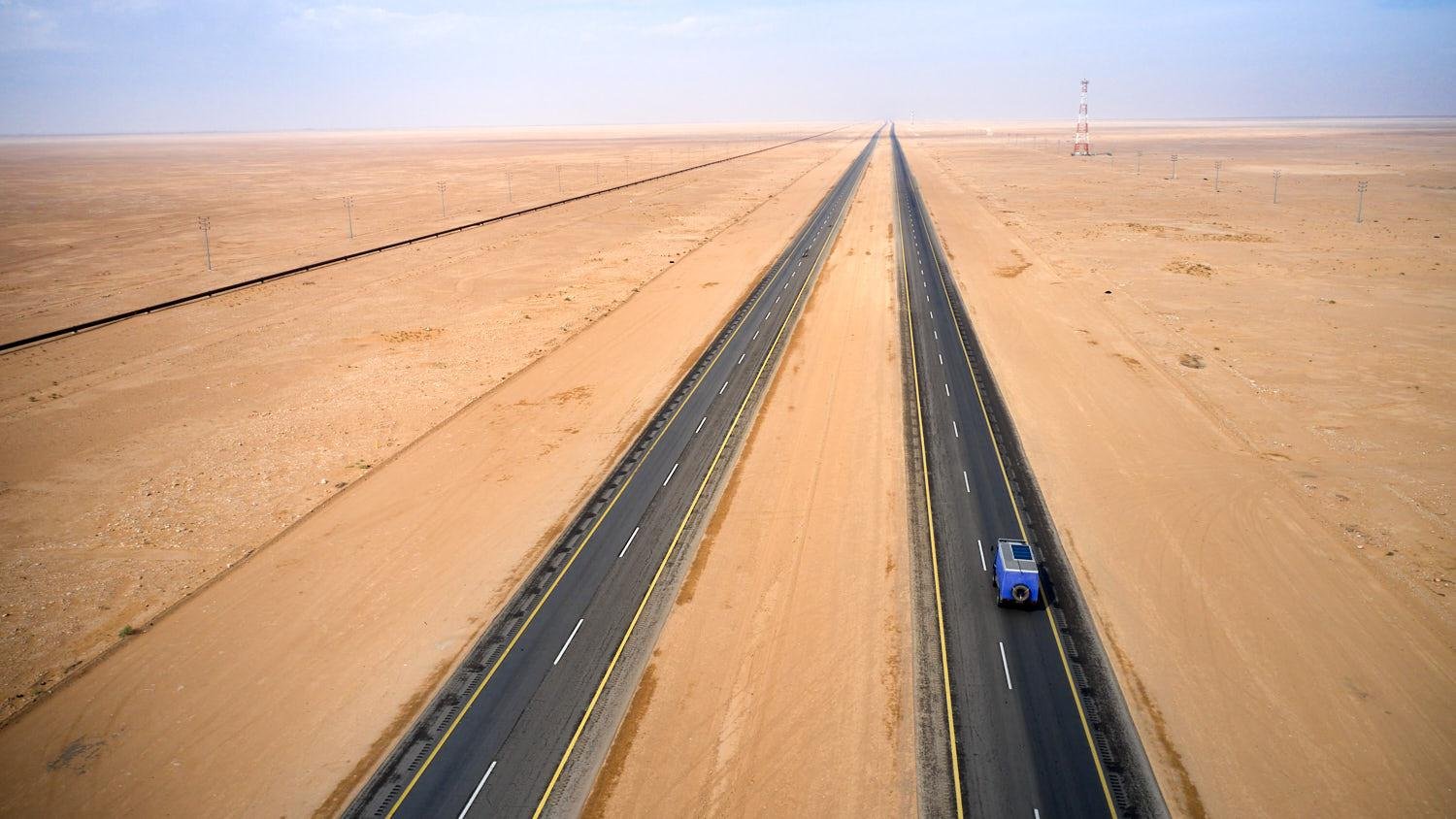
Saudi Arabia has one of the largest road networks in the Middle East, covering over 221,372 kilometers. This extensive network plays a vital role in connecting cities, towns, and remote areas across the kingdom, facilitating the movement of people and goods. It has significantly contributed to the country’s economic development and growth.
The history of transportation in Saudi Arabia dates back to the early 20th century when the first roads were constructed to improve connectivity within the country. Over the years, the government has invested heavily in developing and expanding the transportation infrastructure to meet the growing demands of a rapidly growing population.
One of the key challenges faced by Saudi Arabia is traffic congestion, particularly in urban areas such as Riyadh and Jeddah. To address this issue, the government has implemented various initiatives, including the construction of new highways, the development of public transportation systems, and the promotion of carpooling and ridesharing services.
With the rise of urbanization and population growth in Saudi Arabia, the demand for efficient and sustainable transportation solutions has never been greater. The government is focusing on investing in smart transportation technologies, such as intelligent traffic management systems and electric vehicles, to enhance the overall mobility experience for its citizens.
The transportation sector in Saudi Arabia is undergoing a rapid transformation, driven by technological advancements and changing consumer preferences. As the country continues to invest in modernizing its transportation infrastructure, it is poised to become a regional leader in sustainable and efficient mobility solutions.


What are the transportation options available in Saudi Arabia?
In Saudi Arabia, transportation options include public buses, taxis, ride-hailing services, and a well-developed road network. Each option offers its own advantages and disadvantages depending on the traveler’s needs and preferences. To learn more about the transportation infrastructure in Saudi Arabia and how it can benefit you during your visit, continue reading.
Transport in Saudi Arabia
Transport in Saudi Arabia is a crucial aspect of the country’s infrastructure and economy. With a vast land area and growing population, the need for efficient transportation systems is paramount. The government has recognized this and has been investing heavily in improving the country’s transport networks.
Road Transport
Road transport is the most common form of transport in Saudi Arabia. The country has a well-developed road network, with highways connecting major cities and towns. The roads are generally in good condition, making travel by car or bus convenient and comfortable. The government has also been investing in expanding the road network to accommodate the increasing traffic.
Public Transport
Public transport in Saudi Arabia is primarily provided by buses. The government operates a well-organized bus system in major cities, allowing residents and visitors to move around easily. In recent years, the government has also introduced a metro system in Riyadh and is planning to expand it to other cities.
Air Transport
Saudi Arabia has a well-developed aviation industry, with several international airports serving the country. The flag carrier, Saudi Arabian Airlines, operates flights to domestic and international destinations. The country is also home to low-cost carriers, providing affordable air travel options to passengers.
Rail Transport
Rail transport in Saudi Arabia is also undergoing major developments. The country has invested in building a high-speed rail network, connecting major cities like Riyadh, Jeddah, and Mecca. The network, known as the Haramain High-Speed Rail, has significantly reduced travel time between these cities.
Sea Transport
Sea transport plays a crucial role in Saudi Arabia’s economy, particularly for importing and exporting goods. The country has several commercial ports, including Jeddah Islamic Port and King Abdulaziz Port in Dammam. These ports are vital hubs for trade and contribute to the country’s economic growth.
In conclusion, transport in Saudi Arabia is an evolving sector that plays a vital role in the country’s development. With ongoing investments in road, public, air, rail, and sea transport, the country is focused on providing efficient and sustainable transportation options for its residents and visitors. According to recent statistics, Saudi Arabia has over 221,372 kilometers of roads, highlighting the extensive road network in the country.
What is the primary mode of transportation in Saudi Arabia?
The primary mode of transportation in Saudi Arabia is by car. The country has a well-developed road network, and most people prefer to travel by car due to the convenience and flexibility it offers.
Are there public transportation options available in Saudi Arabia?
Yes, there are public transportation options available in Saudi Arabia, including buses, taxis, and a metro system in Riyadh. However, public transportation is not as widely used as private cars.
Is it safe to drive in Saudi Arabia?
Driving in Saudi Arabia can be challenging due to the high volume of traffic, aggressive driving behavior, and lack of adherence to traffic laws by some drivers. It is important to exercise caution and follow all traffic rules while driving in the country.
Do I need a special license to drive in Saudi Arabia as a foreigner?
Foreigners are allowed to drive in Saudi Arabia using their national driving license for a period of three months. After that, they are required to obtain a Saudi driving license in order to continue driving legally in the country.
Can women drive in Saudi Arabia?
Yes, women in Saudi Arabia have been allowed to drive since June 2018. This historic decision has made it possible for women to have more freedom of movement and independence in the country.
Are there any restrictions on women driving in Saudi Arabia?
While women are allowed to drive in Saudi Arabia, they are still subject to certain restrictions, such as obtaining permission from a male guardian to apply for a driving license and facing societal challenges and discrimination.
Is public transportation segregated by gender in Saudi Arabia?
Yes, public transportation in Saudi Arabia is often segregated by gender, with separate sections for men and women. This segregation is practiced to adhere to the country’s conservative cultural norms.
What is the best way to travel between cities in Saudi Arabia?
The best way to travel between cities in Saudi Arabia is by air. The country has several domestic airlines that offer regular flights between major cities, making air travel a convenient and efficient option for long-distance travel.
Are there any plans to improve public transportation in Saudi Arabia?
Yes, the Saudi government has been investing in improving public transportation infrastructure in the country, including expanding the metro system in Riyadh and introducing new public transportation initiatives to promote sustainable mobility options.
Is it easy to find taxis in Saudi Arabia?
Yes, it is relatively easy to find taxis in Saudi Arabia, especially in major cities. Taxis are a popular mode of transportation for short distances and offer a convenient way to travel around the city.
Conclusion
In conclusion, transport in Saudi Arabia plays a crucial role in facilitating the movement of people and goods across the vast landscape of the kingdom. The country has made significant investments in infrastructure, with a focus on modernizing its transportation systems to keep up with its rapid economic development. The development of a comprehensive road network, modern airports, and high-speed rail projects such as the Haramain High-Speed Railway have greatly improved connectivity within the country and with neighboring nations.
Furthermore, the government’s Vision 2030 initiative aims to further enhance the transport sector by promoting sustainable modes of transportation, such as public transit and cycling, to reduce reliance on private cars and tackle traffic congestion and pollution. As the kingdom continues to diversify its economy and attract investments, a well-developed and efficient transport system will be essential to support growth and ensure the seamless movement of people and goods. With ongoing projects and initiatives in place, Saudi Arabia is poised to become a regional transportation hub in the years to come.