Vast Wetlands, Wildlife, Tribal Cultures & Frontier Adventures
6
South Sudan Travel Guide
South Sudan is one of the world’s newest countries and one of Africa’s last true frontier destinations. Since gaining independence in 2011, the country has attracted only a small number of adventurous travelers, researchers, photographers, conservationists, and experienced overlanders. Those who make the journey discover an immense landscape of wetlands, savannahs, rivers, wildlife, and vibrant cultures that remain largely untouched by mass tourism.
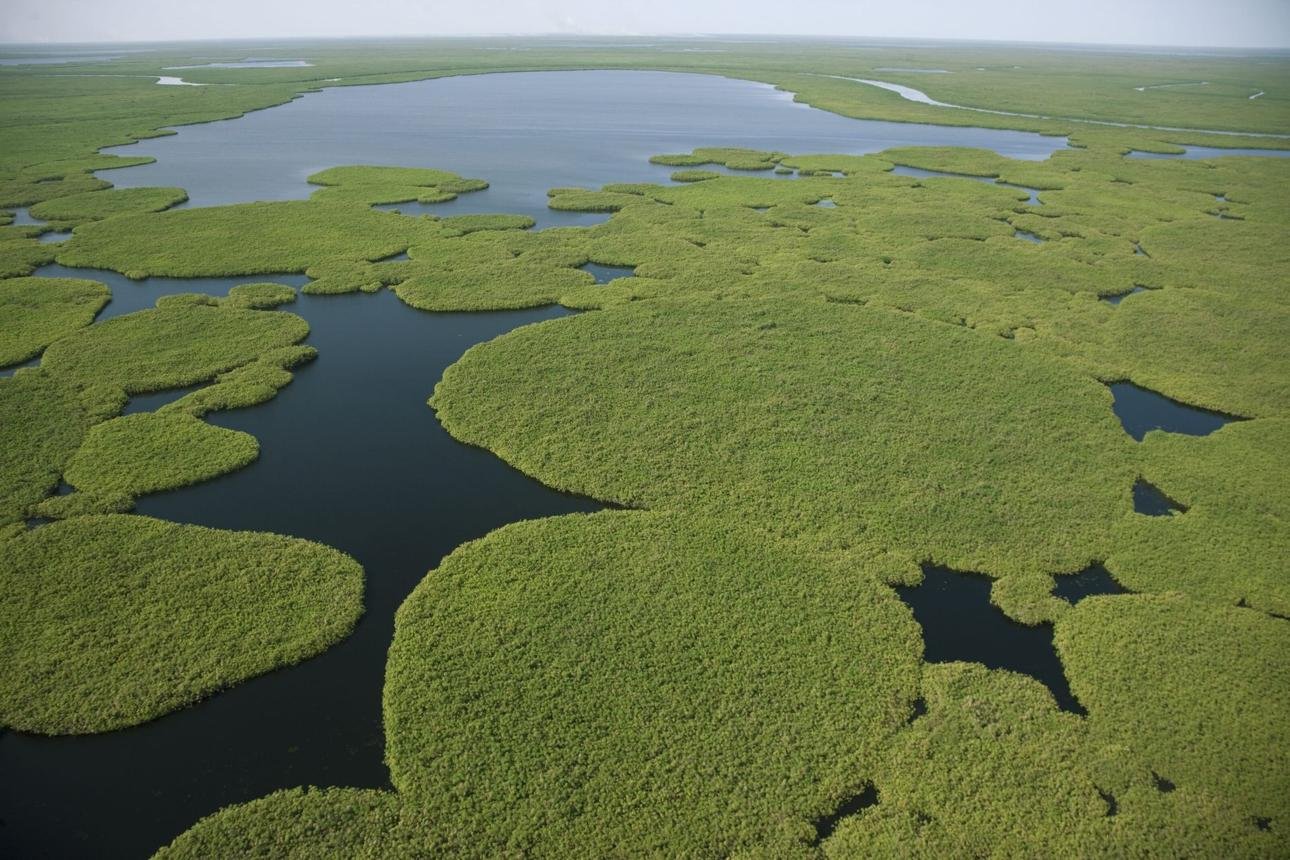
Located in East-Central Africa, South Sudan borders Sudan, Ethiopia, Kenya, Uganda, the Democratic Republic of the Congo, and the Central African Republic. Its geography is dominated by the White Nile and the vast Sudd, one of the largest freshwater wetlands on Earth. Beyond the wetlands lie extensive grasslands, woodland savannahs, mountain ranges, and remote national parks that support one of Africa’s least-known wildlife migrations.
South Sudan is home to more than sixty ethnic groups, each with its own traditions, languages, ceremonies, and ways of life. Communities such as the Dinka, Nuer, Mundari, Toposa, and Lotuko have shaped the country’s rich cultural landscape for centuries. Visitors interested in anthropology, photography, and cultural exchange will find extraordinary opportunities to learn about traditional lifestyles, provided visits are arranged respectfully and in cooperation with local communities.
The capital, Juba, serves as the country’s commercial and administrative center and is the primary gateway for international visitors. Outside the capital, infrastructure remains limited, but adventurous travelers can explore Boma National Park, Bandingilo National Park, Nimule National Park, the Imatong Mountains, and remote villages along the White Nile.
For overlanders, South Sudan represents one of Africa’s most challenging and rewarding expedition destinations. It forms part of several ambitious trans-African routes linking East Africa with Central Africa and Sudan. Backpacking opportunities remain limited because of transportation and infrastructure constraints, while RV travel is generally suited only to well-equipped expedition vehicles.
This guide introduces South Sudan’s highlights while serving as the cornerstone travel hub for future articles covering overlanding, backpacking, camping, driving, border crossings, visas, wildlife, and regional travel planning.
Quick Facts
| Item | Information |
|---|---|
| Capital | Juba |
| Currency | South Sudanese Pound (SSP) |
| Official Language | English |
| Widely Spoken Languages | Arabic, Dinka, Nuer, Bari and many others |
| Population | Approximately 12 million |
| Time Zone | UTC+2 |
| Driving | Right-hand side |
| Country Code | +211 |
Why Visit South Sudan?
South Sudan offers adventurous travelers a rare opportunity to explore one of Africa’s least-visited countries.
Reasons to visit include:
- The Sudd wetlands
- White Nile
- Boma National Park
- Bandingilo National Park
- Massive antelope migration
- Traditional tribal cultures
- Nimule National Park
- Imatong Mountains
- Remote overland routes
- Birdwatching
- Frontier travel
- Authentic cultural experiences
Travel is best suited to experienced visitors who are comfortable with remote conditions, limited infrastructure, and flexible itineraries.
Best Places to Visit
5
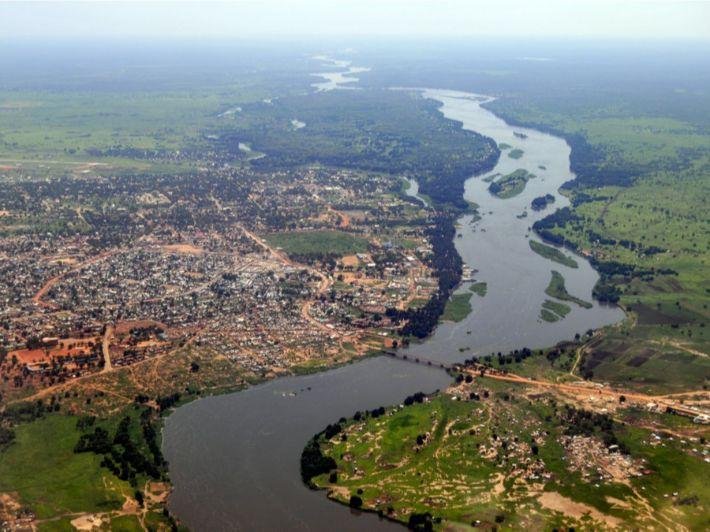
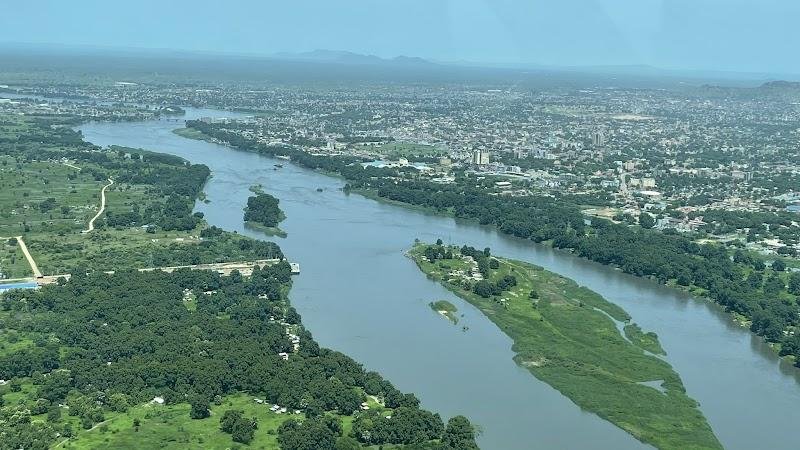
Juba
The capital is the country’s main transport hub and provides a practical base for organizing travel.
Highlights include:
- White Nile waterfront
- Juba Market
- Craft markets
- Restaurants
- Cultural centers
- River excursions
Most travelers begin and end their journey here.
The Sudd Wetlands
The Sudd is one of the largest freshwater wetlands in the world and among Africa’s most remarkable ecosystems.
Visitors experience:
- Vast marshes
- Seasonal flooding
- Birdlife
- Traditional fishing communities
- Nile waterways
The wetland plays a critical role in the ecology of the Nile Basin.
Boma National Park
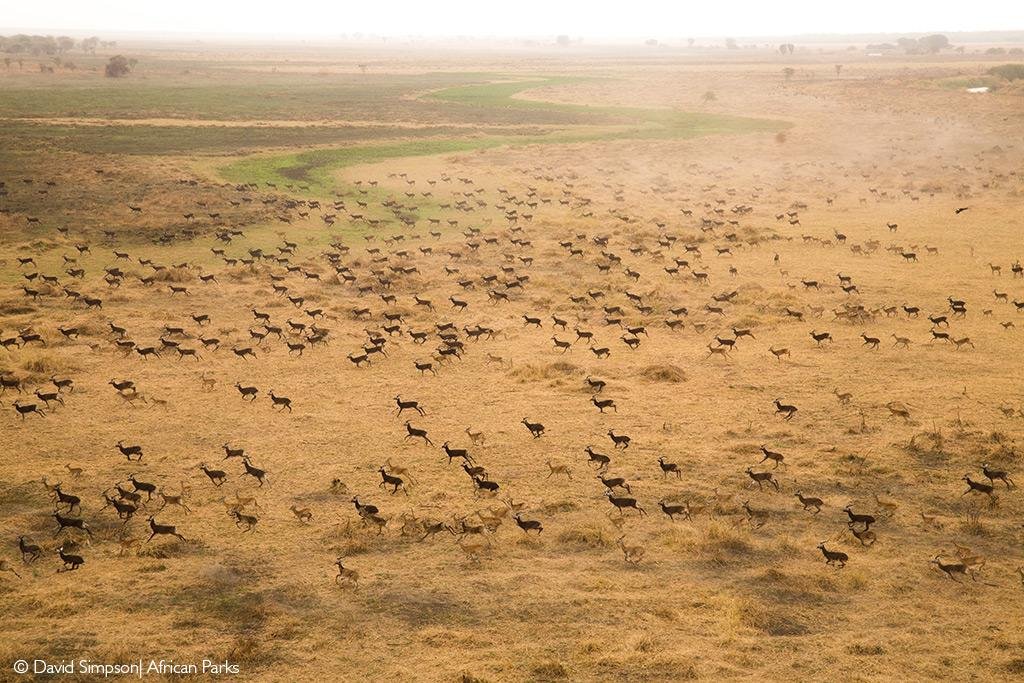
One of Africa’s least-explored protected areas, Boma National Park hosts spectacular wildlife migrations.
Species include:
- White-eared kob
- Tiang
- Mongalla gazelle
- Buffalo
- Lions
- Cheetahs
The annual migration of antelope rivals better-known migrations elsewhere in Africa, although it remains far less visited.
Bandingilo National Park
Located west of Boma, Bandingilo protects open grasslands and supports large herds of migratory wildlife.
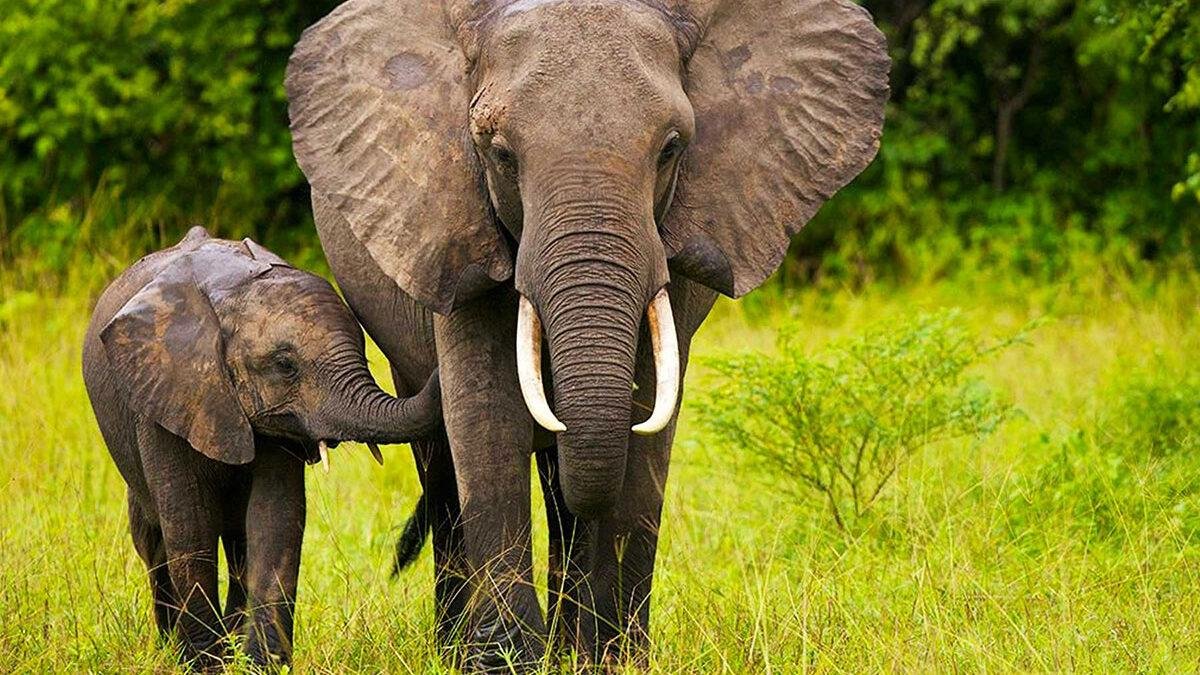
Nimule National Park
Situated near the Ugandan border, Nimule is known for:
- Elephants
- Hippos
- Buffalo
- Scenic rivers
- Birdwatching
Its accessibility makes it one of South Sudan’s more practical wildlife destinations.
Imatong Mountains
The country’s highest mountain range offers:
- Cooler climate
- Hiking
- Forests
- Waterfalls
- Exceptional biodiversity
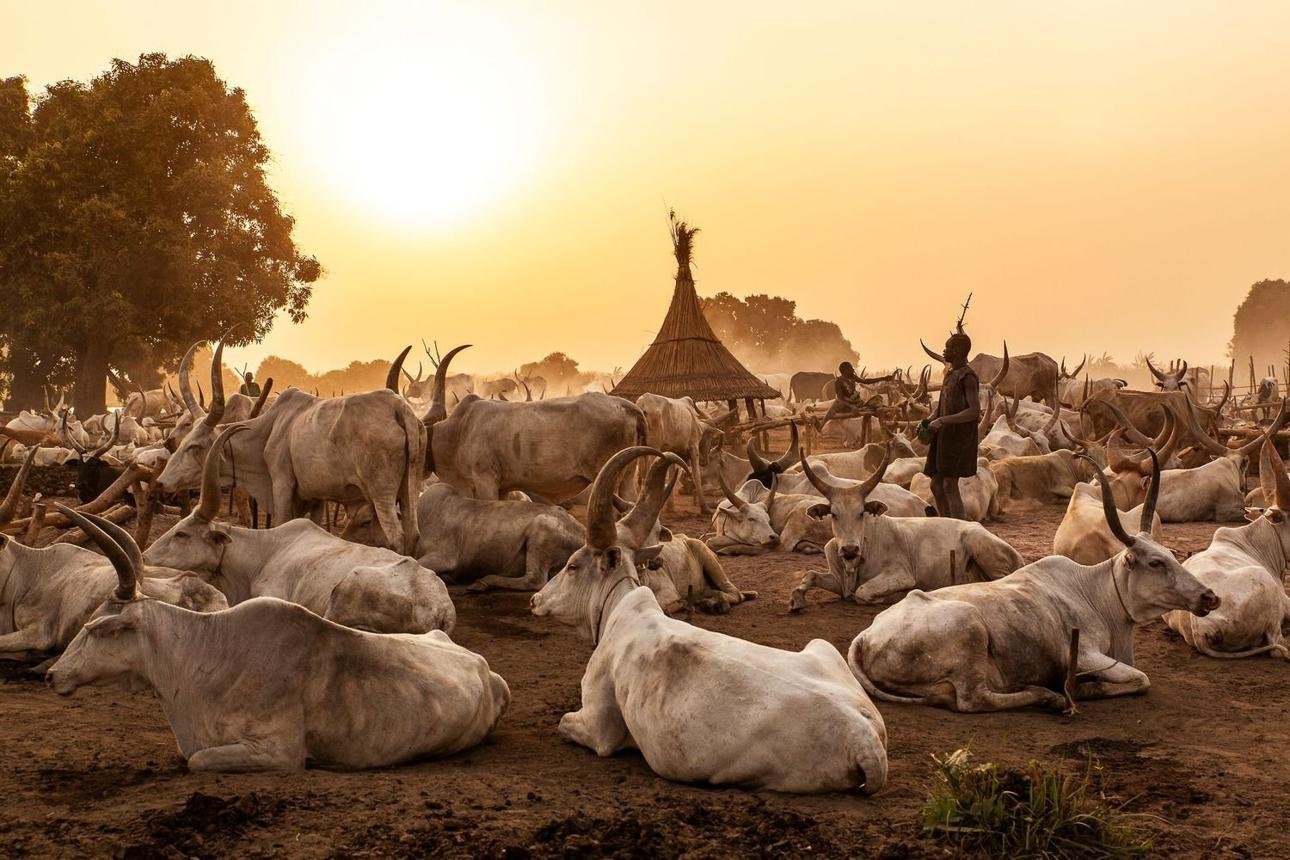
Mundari Cattle Camps
The cattle camps of the Mundari people have become internationally known among photographers for their unique cultural traditions, towering Ankole cattle, and striking landscapes. Visits should always be arranged respectfully and with local permission.
Best Time to Visit
South Sudan has a tropical climate with distinct dry and rainy seasons.
| Season | Conditions |
|---|---|
| December – March | Dry season, generally best for travel |
| April – May | Increasing temperatures and early rains |
| June – October | Main rainy season, difficult road conditions |
| November | Transition toward the dry season |
The dry season offers the most reliable road conditions for overland travel and wildlife viewing.
Regions of South Sudan
Central Region
Home to:
- Juba
- White Nile
- Government institutions
Eastern South Sudan
Known for:
- Boma National Park
- Wildlife migration
- Remote savannah
Southern Region
Features:
- Nimule National Park
- Uganda border
- Woodland landscapes
Western Region
Offers:
- Rural communities
- Forests
- Traditional villages
Imatong Mountains
Known for:
- Hiking
- Biodiversity
- Scenic landscapes
Suggested Road Trips & Itineraries
5-Day Introduction
Explore:
- Juba
- White Nile
- Nearby cultural attractions
Ideal for visitors with limited time.
One-Week Wildlife Journey
Continue to:
- Nimule National Park
- Rural landscapes
- River excursions
Two-Week Expedition
Visit:
- Boma National Park
- Bandingilo National Park
- Cultural communities
Three-Week Frontier Adventure
Combine:
- National parks
- Wetlands
- Mountain regions
- Traditional villages
Suitable for experienced expedition travelers.
Overlanding in South Sudan
6
South Sudan is one of Africa’s most demanding overlanding destinations. While it offers extraordinary landscapes and authentic travel experiences, successful expeditions require careful planning, appropriate vehicles, and up-to-date information about local conditions.
Why Overlanders Visit
Highlights include:
- Vast open landscapes
- Wildlife
- White Nile
- Traditional cultures
- Remote tracks
- National parks
- Frontier travel
South Sudan appeals primarily to experienced overlanders seeking routes beyond the continent’s more established destinations.
Popular Overland Routes
Uganda – Juba
The most frequently used international overland approach.
Juba – Nimule National Park
A relatively accessible introduction to South Sudan’s wildlife.
Juba – Boma National Park
An expedition into remote eastern South Sudan, requiring substantial logistical preparation.
Regional Connections
Depending on current conditions and border accessibility, South Sudan may form part of wider East African and Central African overland journeys. Travelers should verify border status and permit requirements before departure.
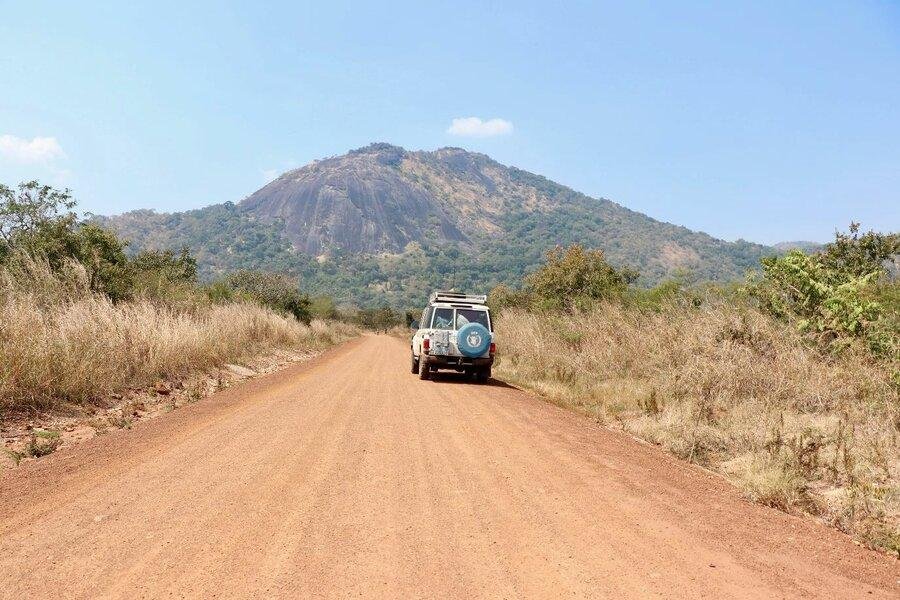
Road Conditions
Road quality varies considerably.
Expect:
- Paved roads around Juba
- Gravel highways
- Mud during the rainy season
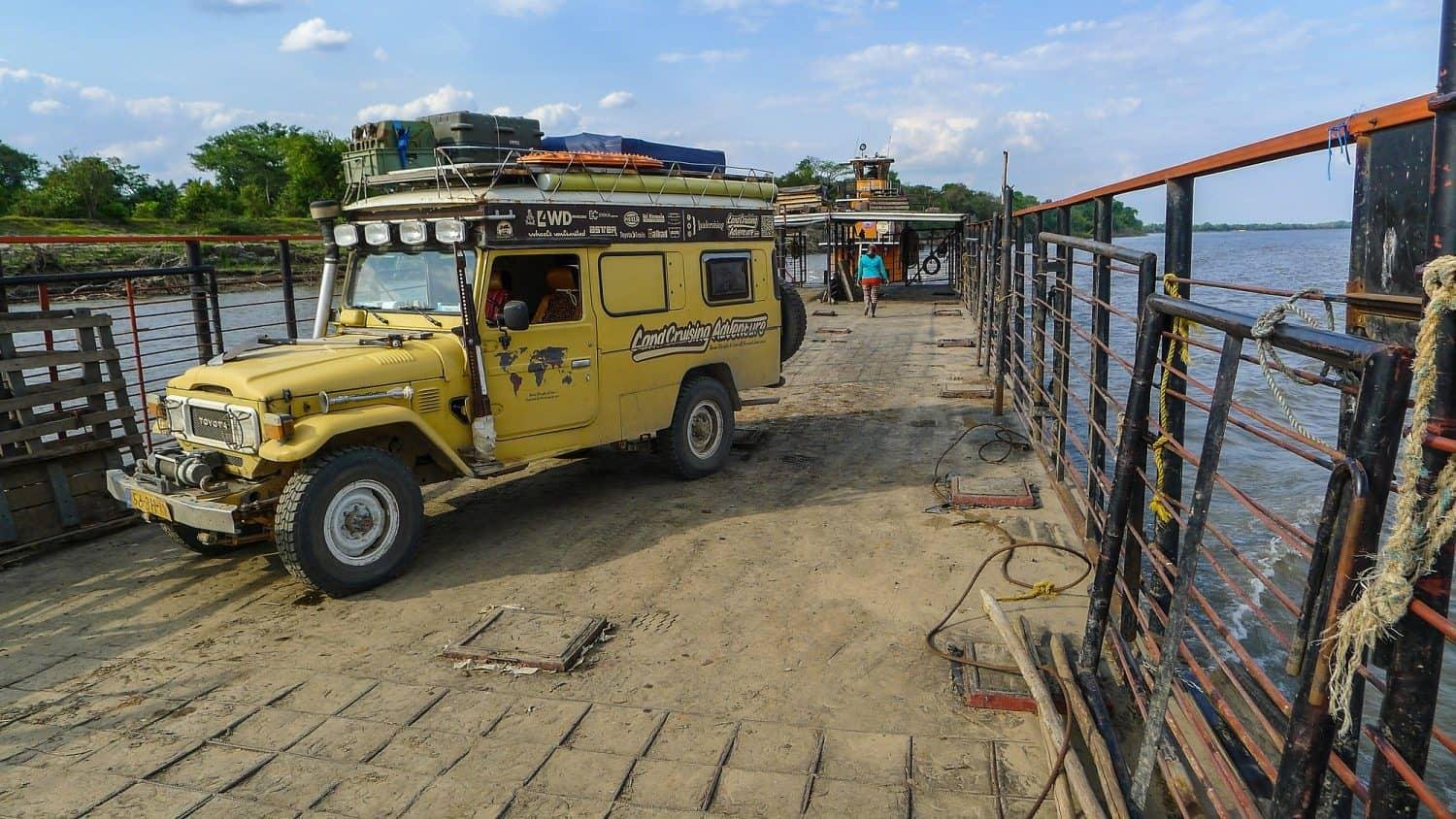
- River crossings
- Limited bridges
Four-wheel drive is essential for most journeys beyond the main corridors.
Vehicle Preparation
Carry:
- Recovery equipment
- Spare tires
- Extra fuel
- Large water reserves
- Satellite communication equipment where appropriate
- Comprehensive spare parts
Mechanical assistance is limited outside major towns.
Continue Planning
Future supporting pages:
- Overlanding South Sudan
- East Africa Overland Route
- Uganda–South Sudan Border Guide
- Boma Expedition Guide
Backpacking in South Sudan
Independent backpacking remains uncommon because of limited tourism infrastructure, transportation challenges, and the need for flexible travel planning.
Accommodation
Available options include:
- Hotels
- Guesthouses
- Business hotels
- NGO accommodation (where applicable and not generally available to tourists)
Outside larger towns, accommodation options become limited.
Transportation
Travel options include:
- Domestic flights
- Shared minibuses
- Taxis
- Private vehicles
- Organized tours
Road travel times can be significantly longer than distances suggest.
Backpacking Highlights
Popular experiences include:
- White Nile
- Cultural communities
- Markets
- Wildlife
- Photography
- River landscapes
Continue Planning
Future cluster pages:
- Backpacking South Sudan
- Budget Travel South Sudan
- Juba Travel Guide
- White Nile Guide
Camping
Camping is often the preferred accommodation option during expeditions into remote regions.
Expedition Camping
Many wildlife and cultural expeditions rely on fully equipped mobile camps.
National Parks
Camping is possible in selected protected areas when organized through licensed operators or park authorities.
Wild Camping
Wild camping requires careful planning, local knowledge, and permission where appropriate. Travelers should consider wildlife, weather, land access, and security before choosing a campsite.
Camping Equipment
Bring:
- Four-season expedition tent
- Water purification system
- Satellite communication equipment where appropriate
- Cooking equipment
- Comprehensive medical kit
Continue Planning
Future pages:
- Camping in South Sudan
- Expedition Camping Guide
- National Park Camping
RV & Motorhome Travel
South Sudan is suitable only for well-prepared expedition-style motorhome travel.
Suggested RV Routes
Uganda Border – Juba
The country’s primary self-drive route.
Juba – Nimule
Suitable for experienced travelers.
Expedition Routes
Specialized expeditions may continue toward eastern national parks where conditions allow.
Practical Considerations
Motorhome travelers should prepare for:
- Limited fuel stations outside major towns
- Very limited RV infrastructure
- Challenging road conditions
- Long distances between services
- Secure overnight parking requirements
Hotels and compounds may provide parking in larger towns, but dedicated RV facilities are generally unavailable.
Continue Planning
Future supporting guides:
- Motorhome Travel in South Sudan
- RV Routes in East Africa
- Expedition Vehicle Guide
Driving in South Sudan
Driving requires patience, flexibility, and careful planning.
Main Roads
The primary road network connects:
- Juba
- Nimule
- Regional centers
Many secondary roads remain unpaved.
Driving Challenges
Travelers should prepare for:
- Seasonal flooding
- Deep mud
- Livestock
- Limited fuel availability
- Sparse services
- Long travel times
Driving after dark is generally discouraged due to road hazards and limited lighting.
Border Crossings
South Sudan shares land borders with:
- Sudan
- Ethiopia
- Kenya
- Uganda
- Democratic Republic of the Congo
- Central African Republic
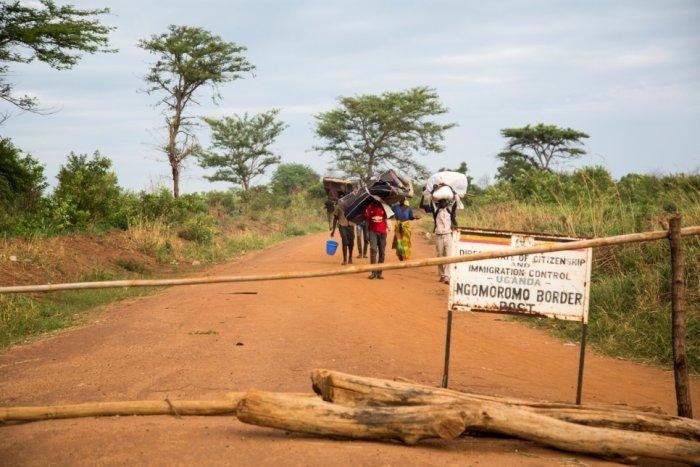
Border accessibility, visa procedures, and vehicle import requirements can change. Before planning an overland expedition, verify the operational status of your intended crossing and review the latest official guidance.
Visa & Entry Requirements
Most visitors require a visa before entering South Sudan.
Travelers should prepare:
- Passport valid for at least six months
- Valid visa
- Accommodation details
- Return or onward travel where required
- Sufficient funds for the visit
Additional registration requirements may apply after arrival. Always confirm current immigration procedures before traveling.
Budget & Costs
Estimated daily travel expenses:
| Travel Style | Daily Budget |
|---|---|
| Budget traveler | US$60–100 |
| Mid-range | US$150–300 |
| Comfortable | US$350+ |
| Overlander (excluding vehicle costs) | US$80–150 |
Transportation, guides, and expedition logistics typically account for the largest share of travel costs.
Safety
South Sudan presents significant travel challenges. Security conditions can change rapidly and vary considerably between regions.
Before traveling:
- Consult official government travel advisories
- Carefully assess the necessity of your journey
- Stay informed about local developments
- Use experienced local operators where appropriate
- Avoid unnecessary travel after dark
- Maintain flexible travel plans
Many governments advise against travel to parts or all of South Sudan because of security risks. Travelers should make well-informed decisions based on the latest official guidance and the specific areas they intend to visit.
Food & Culture
South Sudan’s diverse communities contribute to a rich cultural heritage.
Common foods include:
- Sorghum
- Millet
- Stews
- Grilled meat
- Fresh fish
- Beans
- Okra
- Seasonal fruits
Traditional music, dance, storytelling, and cattle culture remain central to many communities. Visitors should approach cultural encounters with respect, seek permission before taking photographs, and support community-based tourism initiatives whenever possible.
Frequently Asked Questions
Is South Sudan safe for tourists?
Travel conditions vary significantly, and many governments advise against travel to parts or all of South Sudan because of security concerns. Travelers should carefully review official travel advisories and assess local conditions before visiting.
Can you overland through South Sudan?
Yes, experienced expedition travelers do overland through South Sudan, particularly via Uganda, but journeys require careful logistical planning, appropriate vehicles, and current information on road and border conditions.
Is South Sudan suitable for backpacking?
Independent backpacking is possible but remains uncommon due to limited infrastructure and transportation challenges. Most visitors rely on organized logistics or private transport.
Can you travel by motorhome?
Expedition-style motorhomes can travel on some routes, but dedicated RV infrastructure is extremely limited, and careful preparation is essential.
What is South Sudan famous for?
South Sudan is known for:
- The Sudd wetlands
- White Nile
- Boma National Park
- Bandingilo National Park
- One of Africa’s largest antelope migrations
- Traditional cattle cultures
- Nimule National Park
- Imatong Mountains
Continue Planning
This cornerstone guide serves as the central travel hub for South Sudan. Continue planning your journey with these detailed resources:
- Overlanding South Sudan
- Backpacking South Sudan
- Motorhome & RV Travel in South Sudan
- Camping in South Sudan
- Driving in South Sudan
- Border Crossings in South Sudan
- South Sudan Visa Guide
- Juba Travel Guide
- Sudd Wetlands Guide
- Boma National Park Guide
- Bandingilo National Park Guide
- Nimule National Park Guide
- Imatong Mountains Guide
- East Africa Overlanding Guide
- Transport in South Sudan
- Overlanding in South Sudan