Rainforests, Wildlife, Remote Expeditions & Central African Adventure
6
Central African Republic Travel Guide
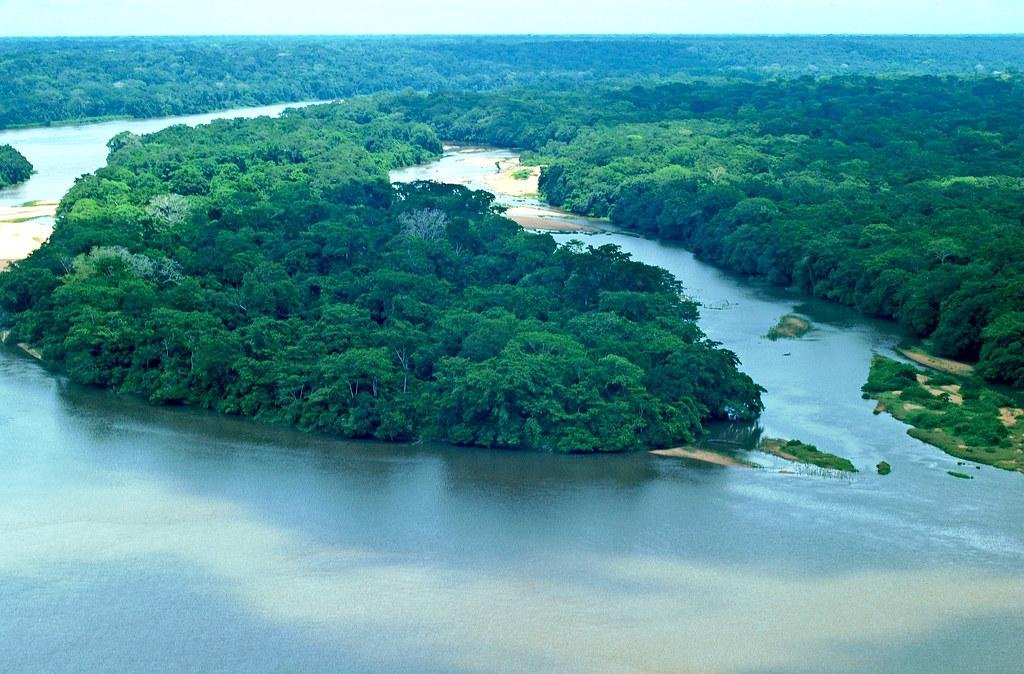
The Central African Republic (CAR) is one of Africa’s least-visited and most remote countries. Situated at the heart of the continent, it is a land of dense tropical rainforests, vast savannahs, winding rivers, extraordinary wildlife, and remarkable cultural diversity. Bordering Cameroon, Chad, Sudan, South Sudan, the Democratic Republic of the Congo, the Republic of the Congo, and with a short border to the west near Cameroon, the country occupies a strategic yet isolated position in Central Africa.
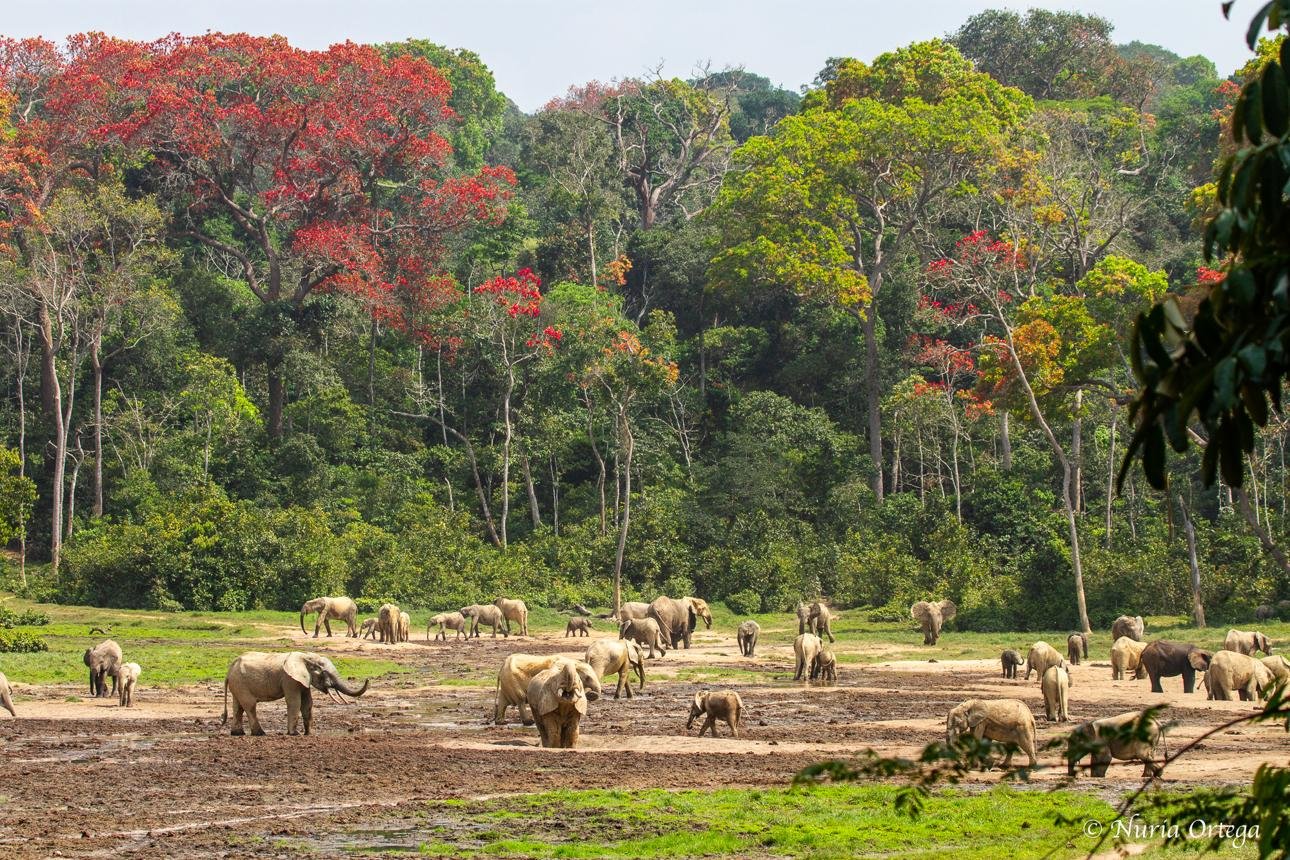
For adventurous travelers, the Central African Republic offers experiences found in few other places. Forest elephants gather in rainforest clearings, western lowland gorillas roam ancient jungles, remote villages preserve traditional ways of life, and enormous national parks protect ecosystems that remain largely untouched by mass tourism. Visitors willing to travel responsibly can discover one of Africa’s last great wilderness regions.
Tourism in the Central African Republic is extremely limited. Infrastructure remains basic, road conditions are often challenging, and security concerns affect significant parts of the country. As a result, independent travel requires careful planning, flexibility, and close attention to current conditions. Most visitors concentrate on the country’s southwestern rainforest, particularly the internationally renowned Dzanga-Sangha Protected Areas, while many other regions are visited only by researchers, conservationists, humanitarian workers, and highly experienced expedition travelers.
For overlanders crossing Central Africa, the country presents one of the continent’s most demanding journeys. Backpacking opportunities are limited, and RV travel is suitable only for highly experienced travelers with fully equipped expedition vehicles. Despite these challenges, the Central African Republic remains an extraordinary destination for wildlife enthusiasts, photographers, conservation-minded travelers, and those seeking truly remote African adventures.
This guide introduces the country’s main attractions while linking to more detailed resources covering overlanding, backpacking, driving, camping, wildlife, and practical travel logistics.
Quick Facts
| Item | Information |
|---|---|
| Capital | Bangui |
| Currency | Central African CFA Franc (XAF) |
| Official Languages | French and Sango |
| Population | Approximately 6 million |
| Time Zone | UTC+1 |
| Driving | Right-hand side |
| Country Code | +236 |
Why Visit the Central African Republic?
Few countries offer wilderness on the scale found in the Central African Republic.
Reasons to visit include:
- Pristine tropical rainforests
- Western lowland gorillas
- Forest elephants
- Dzanga Bai wildlife viewing
- Traditional forest cultures
- Remote river systems
- Exceptional birdwatching
- Conservation tourism
- Untouched wilderness
- Adventure expeditions
- One of Africa’s least-visited destinations
Rather than conventional sightseeing, travel here focuses on wildlife, exploration, conservation, and experiencing one of Central Africa’s most intact ecosystems.
Best Places to Visit
6
Bangui
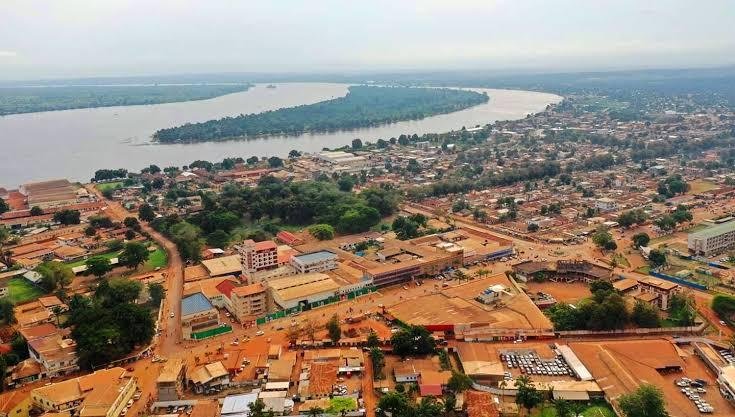
Situated on the banks of the Ubangi River, Bangui is the country’s administrative and economic center.
Highlights include:
- Boganda National Museum
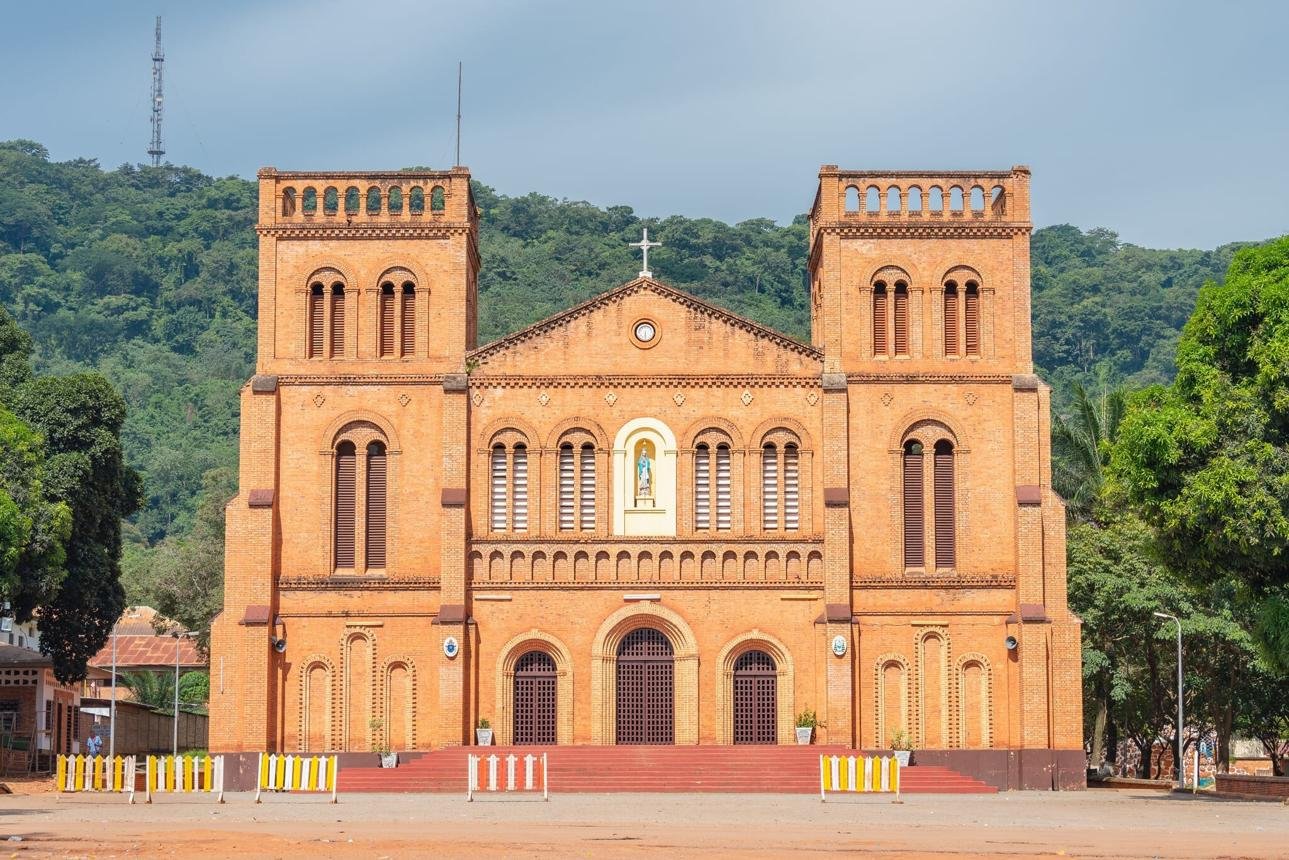
- Notre-Dame Cathedral
- Central Market
- Ubangi River waterfront
- Local restaurants
- Artisan markets
Most visitors begin and end their journey here.
Dzanga-Sangha Protected Areas
The country’s premier tourist destination protects part of the Congo Basin rainforest.
Visitors may experience:
- Gorilla tracking
- Forest elephant viewing
- Dzanga Bai forest clearing
- Rainforest hiking
- Birdwatching
- Ba’Aka cultural experiences
The reserve is one of Africa’s finest ecotourism destinations.
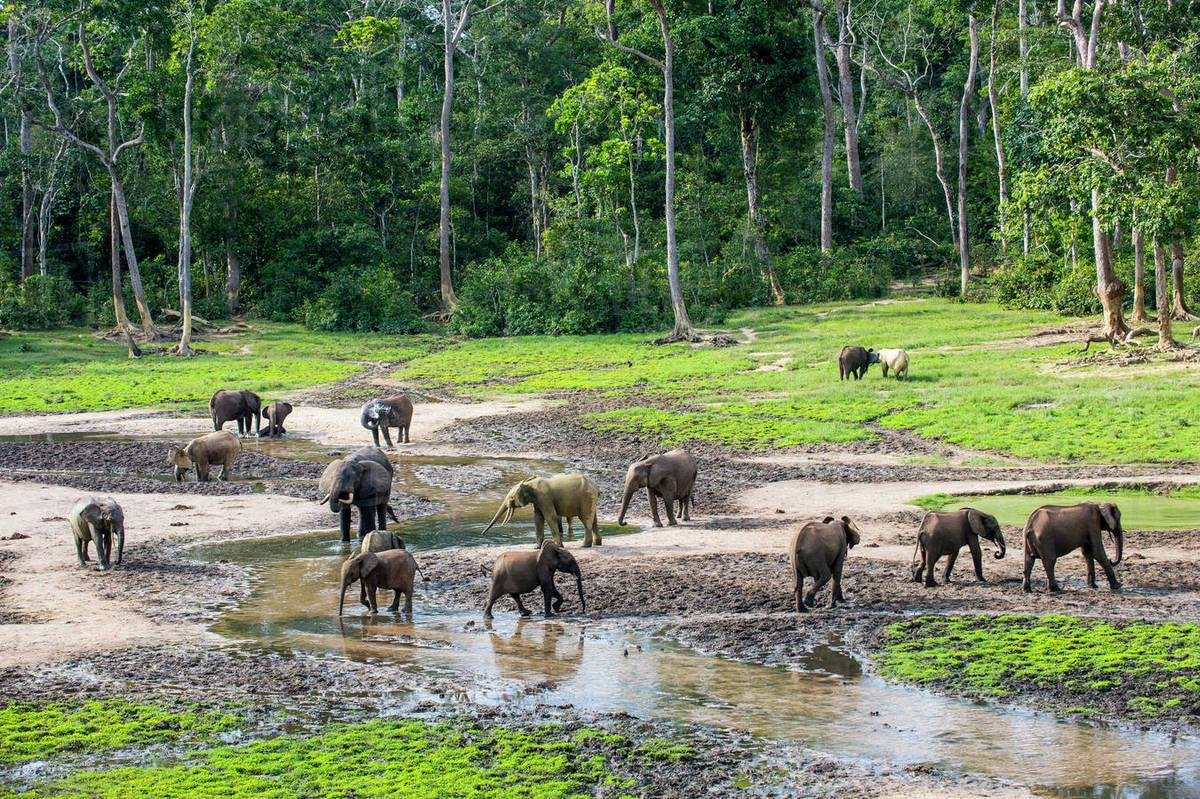
Dzanga Bai
This famous rainforest clearing attracts large numbers of forest elephants that gather to feed on mineral-rich soils.
Observation platforms allow visitors to watch wildlife with minimal disturbance.
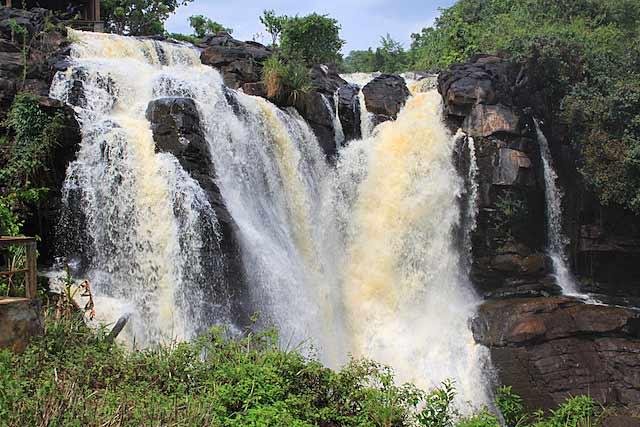
Boali Falls
Located northwest of Bangui, Boali Falls is one of the country’s best-known natural attractions.
During the rainy season, the falls become particularly impressive.
Sangha River
Flowing through the southwestern rainforest, the Sangha River provides opportunities for:
- Boat trips
- Wildlife observation
- Fishing
- Rainforest exploration
Bamingui-Bangoran National Park
One of Central Africa’s largest protected areas.
Wildlife historically included:
- Elephants
- Buffalo
- Antelope
- Large predators
- Numerous bird species
Access remains extremely limited.
Chinko Conservation Area
Located in the east, this vast protected landscape supports large mammals, birds, and extensive savannah ecosystems. Due to its remoteness and operational restrictions, visits are generally limited to specialized expeditions.
Best Time to Visit
The Central African Republic has a tropical climate.
| Season | Conditions |
|---|---|
| December – February | Dry season, best for travel |
| March – May | Increasing heat |
| June – October | Rainy season |
| November | Transition to dry season |
The dry season generally offers the best road conditions and wildlife viewing.
Regions of the Central African Republic
Southwest Rainforest
Home to:
- Dzanga-Sangha
- Gorilla trekking
- Forest elephants
- Eco-lodges
Bangui Region
Features:
- Capital city
- Ubangi River
- Museums
- Markets
Northern Savannah
Characterized by:
- National parks
- Open grasslands
- Remote villages
Access can be difficult and is subject to changing security conditions.
Eastern CAR
Includes:
- Chinko landscape
- Vast wilderness
- Remote conservation projects
Travel is generally restricted to specialized expeditions.
Suggested Road Trips & Itineraries
7-Day Wildlife Journey
- Bangui
- Boali Falls
- Dzanga-Sangha
Suitable for organized wildlife-focused trips.
10-Day Rainforest Expedition
Continue with:
- Gorilla trekking
- Dzanga Bai
- Sangha River
Two-Week Conservation Adventure
Explore:
- Bangui
- Rainforest reserves
- Community tourism
- Wildlife observation
Three-Week Central African Expedition
Potentially combine southwestern CAR with neighboring Cameroon or the Republic of the Congo, subject to current border conditions, permits, and security assessments.
Overlanding in the Central African Republic
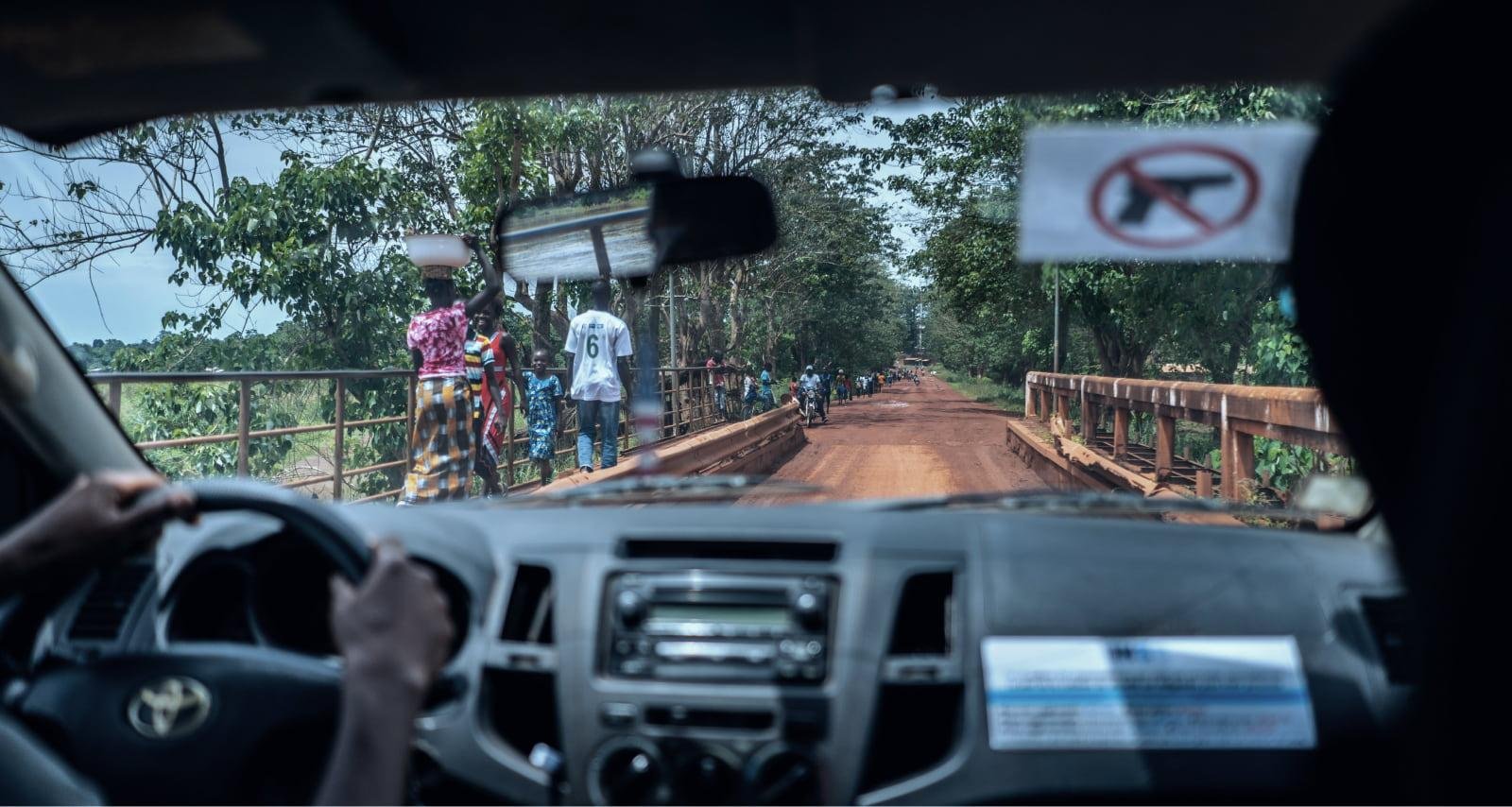
5
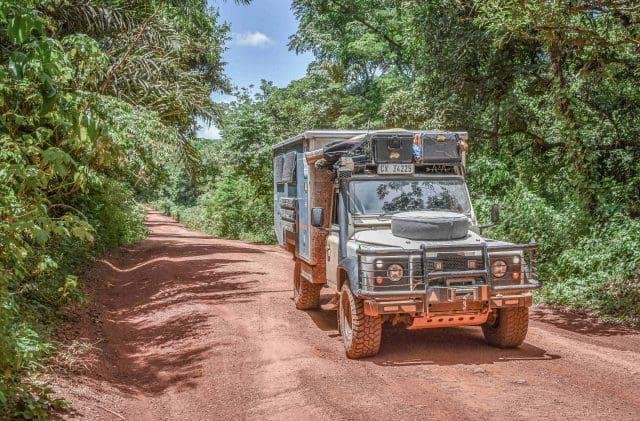
The Central African Republic is one of Africa’s most challenging overlanding destinations and should only be attempted by experienced travelers with appropriate preparation.
Why Overlanders Visit
Experienced expedition teams are attracted by:
- Remote wilderness
- Rainforests
- River crossings
- Wildlife
- Conservation areas
- Adventure driving
- Very low visitor numbers
Popular Expedition Routes
Cameroon Border – Dzanga-Sangha
The most practical overland approach for wildlife tourism.
Bangui – Boali
A relatively accessible route connecting the capital with one of the country’s best-known waterfalls.
Bangui – Southwestern Rainforest
A longer expedition through forest landscapes toward the Sangha region.
Many historic trans-Central African routes are currently impractical or unsuitable for tourism due to infrastructure limitations or security concerns.
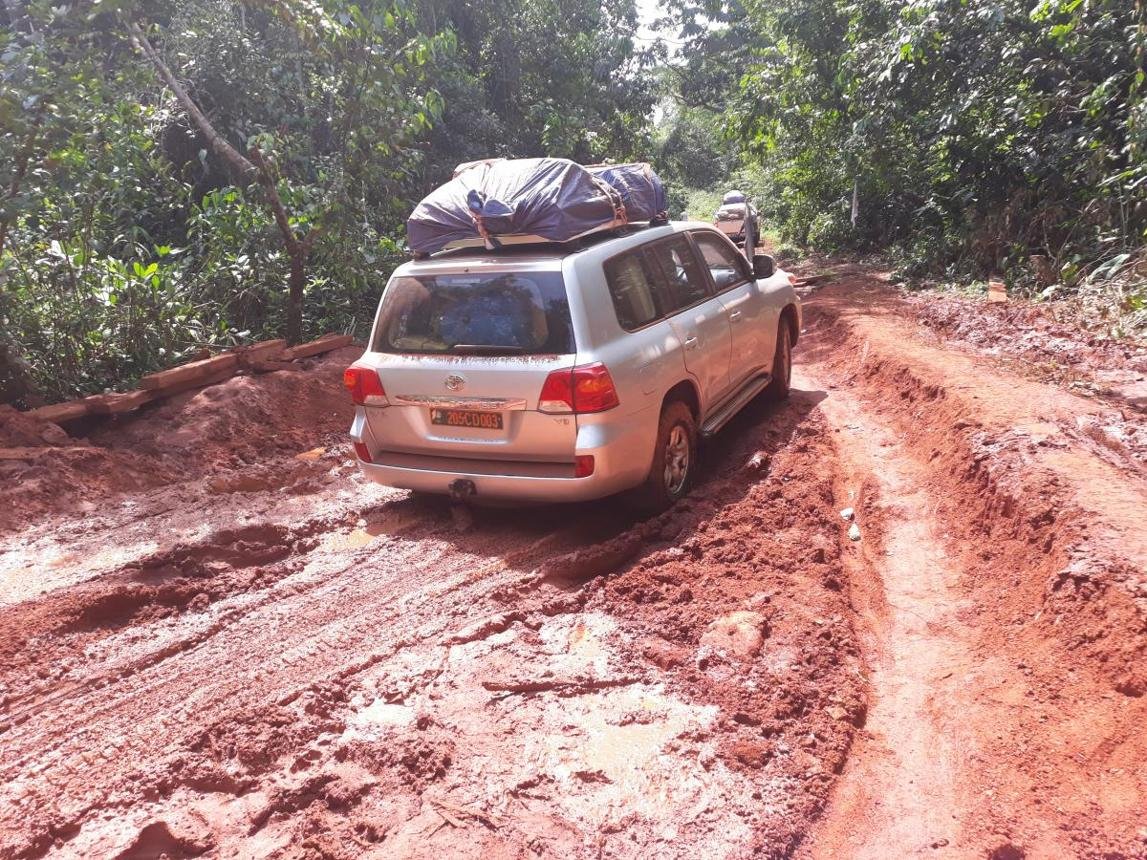
Road Conditions
Expect:
- Dirt roads
- Deep mud during the rainy season
- River crossings
- Bridges in varying condition
- Long distances without services
A high-clearance four-wheel-drive vehicle is essential.
Vehicle Preparation
Carry:
- Recovery equipment
- Multiple spare tires
- Satellite communications
- Fuel reserves
- Water
- Medical supplies
- Food for several days
- Comprehensive spare parts
Continue Planning
Future supporting articles:
- Overlanding Central African Republic
- Cameroon to CAR Expedition
- Driving Across Central Africa
- Expedition Vehicle Preparation
Backpacking in the Central African Republic
Independent backpacking is possible only on a very limited scale and requires substantial planning.
Accommodation
Available options include:
- Hotels in Bangui
- Eco-lodges near Dzanga-Sangha
- Guesthouses in larger towns
Hostel infrastructure is virtually nonexistent.
Transportation
Travel options are limited to:
- Domestic flights (when available)
- Shared taxis
- River transport
- Organized vehicle transfers
Schedules may change frequently.
Backpacking Highlights
The country’s primary attractions include:
- Rainforest wildlife
- Gorilla tracking
- Conservation tourism
- Local culture
- River journeys
Continue Planning
Supporting guides:
- Backpacking Central African Republic
- Budget Travel CAR
- Bangui Travel Guide
- Dzanga-Sangha Guide
Camping
Camping is primarily associated with organized expeditions and wildlife tourism.
Eco-Camps
Several conservation projects operate comfortable eco-lodges and camps in the southwest.
Expedition Camping
Research and overland expeditions often camp in remote forest locations with permission from authorities.
Wild Camping
Wild camping is generally not recommended outside organized expeditions because of security concerns, logistical challenges, and wildlife considerations.
Continue Planning
Future pages:
- Camping in Central African Republic
- Rainforest Expedition Camps
- Safari Lodges Guide
RV & Motorhome Travel
The Central African Republic is suitable only for highly experienced expedition-style motorhome travel.
Suggested Expedition Routes
Cameroon Border → Dzanga-Sangha
The country’s best-established tourism route.
Bangui → Boali Falls
A shorter self-drive journey when local conditions allow.
Southwestern Rainforest Expedition
Combining conservation projects with rainforest exploration.
Practical Considerations
Travelers should plan for:
- No dedicated RV parks
- Very limited vehicle services
- Fuel planning
- Satellite navigation
- Self-sufficiency for several days
Only expedition-grade vehicles should be considered for extensive travel.
Continue Planning
Supporting pages:
- Motorhome Travel in Central African Republic
- Expedition RV Guide
- Central Africa Overland Routes
Driving in the Central African Republic
Driving requires experience and careful preparation.
Main Roads
Roads connect:
- Bangui
- Boali
- Berbérati
- Southwestern rainforest
Many roads remain unpaved.
Driving Challenges
Expect:
- Mud
- Washed-out bridges
- Seasonal flooding
- Limited fuel
- Long distances
- Minimal roadside services
Night driving should be avoided.
Border Crossings
The Central African Republic shares borders with:
- Cameroon
- Chad
- Sudan
- South Sudan
- Democratic Republic of the Congo
- Republic of the Congo
Border accessibility varies considerably and may change due to infrastructure, administrative requirements, or security conditions. Travelers should confirm current operating status and ensure they have all required visas, permits, insurance, and vehicle documentation before departure.
Visa & Entry Requirements
Most visitors require a visa before entering the Central African Republic.
Travelers should prepare:
- Passport valid for at least six months
- Appropriate visa
- Proof of accommodation or invitation
- Return or onward travel
- Yellow fever vaccination certificate, which is generally required for entry
Additional permits may be required for travel to protected areas or conservation projects.
Budget & Costs
Estimated daily travel expenses:
| Travel Style | Daily Budget |
|---|---|
| Budget traveler (limited destinations) | US$50–90 |
| Mid-range | US$120–220 |
| Wildlife expedition | US$300–700+ |
| Overlander (excluding vehicle costs) | US$60–120 |
Wildlife permits, guides, conservation fees, and specialized transport account for much of the overall cost.
Safety
Security is the single most important consideration when planning travel to the Central African Republic.
Many governments advise against travel to large parts of the country because of ongoing armed conflict, criminal activity, and limited state control outside certain areas. Conditions can change rapidly.
Travelers should:
- Consult official travel advisories before planning any trip
- Work with reputable local operators when visiting protected areas
- Avoid travel to areas affected by conflict
- Register with their embassy where appropriate
- Maintain flexible itineraries
- Ensure comprehensive medical evacuation insurance
The Dzanga-Sangha region has historically received carefully managed ecotourism visitors, but access and conditions should always be verified before departure.
Food & Culture
Cuisine in the Central African Republic reflects the country’s agricultural traditions and rainforest environment.
Common dishes include:
- Cassava
- Plantains
- Peanut-based stews
- Grilled fish
- Smoked meat
- Leafy vegetable sauces
- Tropical fruits
Sango serves as a widely spoken lingua franca alongside French, while numerous ethnic communities maintain distinctive languages, music, dance, craftsmanship, and cultural traditions.
Community-based tourism projects in the southwest allow visitors to learn about the traditions of the Ba’Aka forest peoples while supporting conservation and sustainable livelihoods.
Frequently Asked Questions
Is the Central African Republic safe for tourists?
Travel is possible only in selected areas and requires careful planning. Many regions are affected by ongoing security concerns, and official travel advisories should always be consulted before departure.
Can you overland through the Central African Republic?
Yes, but only experienced overlanders with appropriate vehicles, preparation, and up-to-date local information should consider driving through the country.
Is the Central African Republic suitable for backpacking?
Backpacking opportunities are limited. Most independent travelers focus on Bangui and the Dzanga-Sangha Protected Areas, often with organized support.
Can you travel by motorhome?
Only expedition-grade motorhomes with experienced crews should be used, as infrastructure and road conditions are extremely limited.
What is the Central African Republic famous for?
The country is best known for:
- Dzanga-Sangha Protected Areas
- Western lowland gorillas
- Dzanga Bai forest elephants
- Congo Basin rainforests
- Sangha River
- Boali Falls
- Exceptional biodiversity
Continue Planning
This cornerstone guide provides an introduction to the Central African Republic and serves as the foundation for a network of detailed travel resources:
- Overlanding in the Central African Republic
- Backpacking the Central African Republic
- Motorhome & RV Travel in the Central African Republic
- Camping in the Central African Republic
- Driving in the Central African Republic
- Border Crossings in the Central African Republic
- Central African Republic Visa Guide
- Bangui Travel Guide
- Dzanga-Sangha Protected Areas Guide
- Gorilla Trekking in CAR
- Boali Falls Guide
- Sangha River Guide
- Central Africa Overlanding Guide
- Central Africa Wildlife Guide
- Overlanding in Central African Republic
- Getting around in Central African Republic