The Chaco, Jesuit Missions, Wetlands & South America’s Hidden Overlanding Destination
6
Paraguay Travel Guide
Paraguay is one of South America’s most underrated travel destinations, offering colonial towns, vast wetlands, subtropical forests, remote savannahs, Indigenous cultures, and some of the continent’s most rewarding overland routes. Often overlooked by travelers heading to neighboring Argentina, Brazil, or Bolivia, Paraguay rewards those who venture off the beaten path with authentic experiences, friendly hospitality, and remarkably uncrowded attractions.
Located in the heart of South America, Paraguay is a landlocked country bordered by Argentina, Brazil, and Bolivia. The Paraguay River divides the country into two distinct regions: the fertile and more densely populated eastern half, and the vast, sparsely populated Gran Chaco in the west. Together, these regions offer remarkable diversity, ranging from subtropical forests and rolling farmland to dry thorn forests, wetlands, and open savannahs.
Paraguay’s history is equally fascinating. The country preserves remarkable Jesuit mission ruins, vibrant Guaraní traditions, and colonial architecture. Unlike many South American nations, the Guaraní language remains widely spoken alongside Spanish, giving Paraguay one of the continent’s strongest Indigenous cultural identities.
Nature lovers will discover abundant wildlife in national parks and wetlands that support capybaras, giant anteaters, marsh deer, jaguars, tapirs, caimans, armadillos, and hundreds of bird species. Birdwatching is particularly outstanding, especially in the Chaco and Pantanal regions.
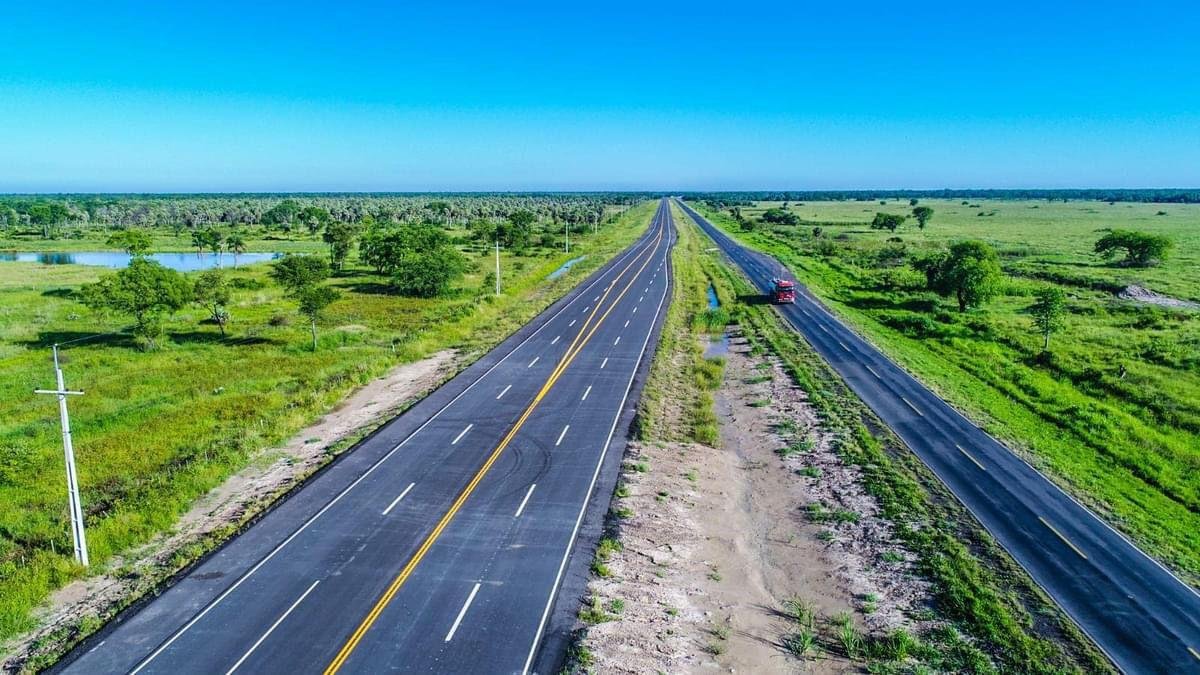
For independent travelers, Paraguay is an excellent destination for road trips and overlanding. Good highways connect major cities, while adventurous gravel roads lead into the remote Chaco, making Paraguay a favorite among long-distance overlanders crossing South America.
This guide covers everything you need to plan an unforgettable journey through Paraguay.
Quick Facts
| Item | Information |
|---|---|
| Capital | Asunción |
| Currency | Paraguayan Guaraní (PYG) |
| Official Languages | Spanish and Guaraní |
| Population | Approximately 7 million |
| Time Zone | UTC−4 |
| Driving | Right-hand side |
| Country Code | +595 |
Why Visit Paraguay?
Paraguay offers authentic culture, remarkable wildlife, and excellent overland travel.
Highlights include:
- Asunción
- Itaipu Dam
- Gran Chaco
- Jesuit Missions
- Pantanal wetlands
- Encarnación
- Ybycuí National Park
- Cerro Corá National Park
- Indigenous communities
- Wildlife
- Birdwatching
- Scenic road trips
Paraguay is ideal for travelers seeking authentic experiences away from the crowds.
Best Places to Visit
6
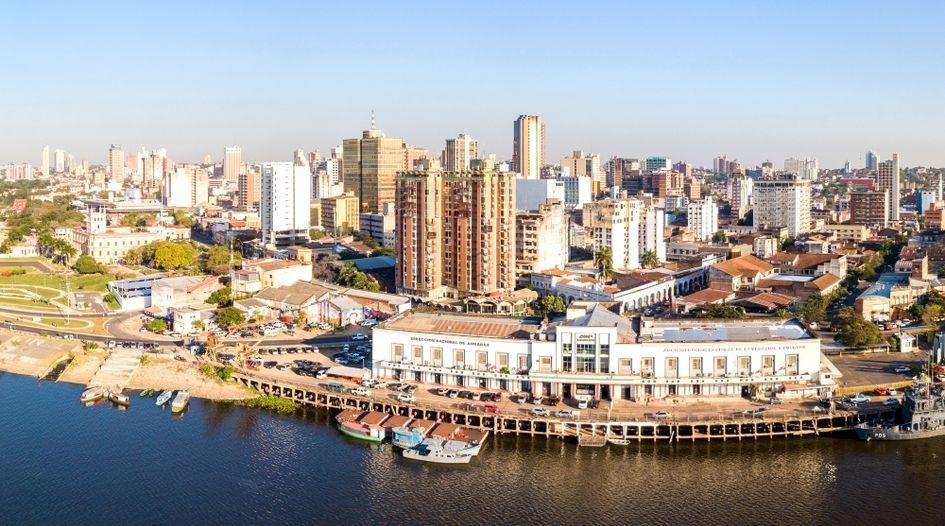
Asunción
One of South America’s oldest capitals combines colonial history with modern city life.
Highlights include:
- Palacio de los López
- National Pantheon of the Heroes
- Costanera waterfront
- Museums
- Historic center
- Markets
- Riverside parks
Asunción is the country’s cultural and political heart.
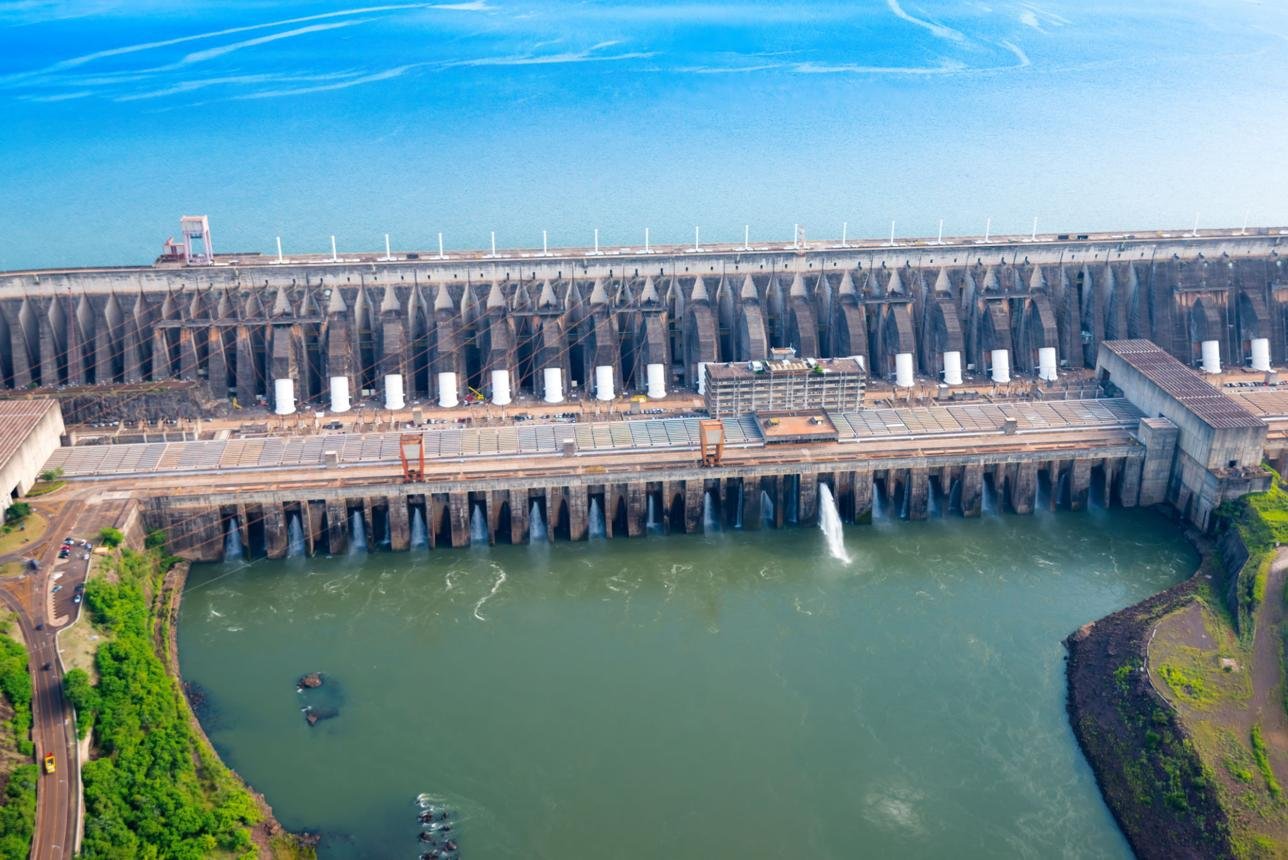
Itaipu Dam
One of the world’s largest hydroelectric power plants.
Visitors enjoy:
- Guided tours
- Observation decks
- Engineering exhibits
- Scenic viewpoints
The dam is jointly operated by Paraguay and Brazil.
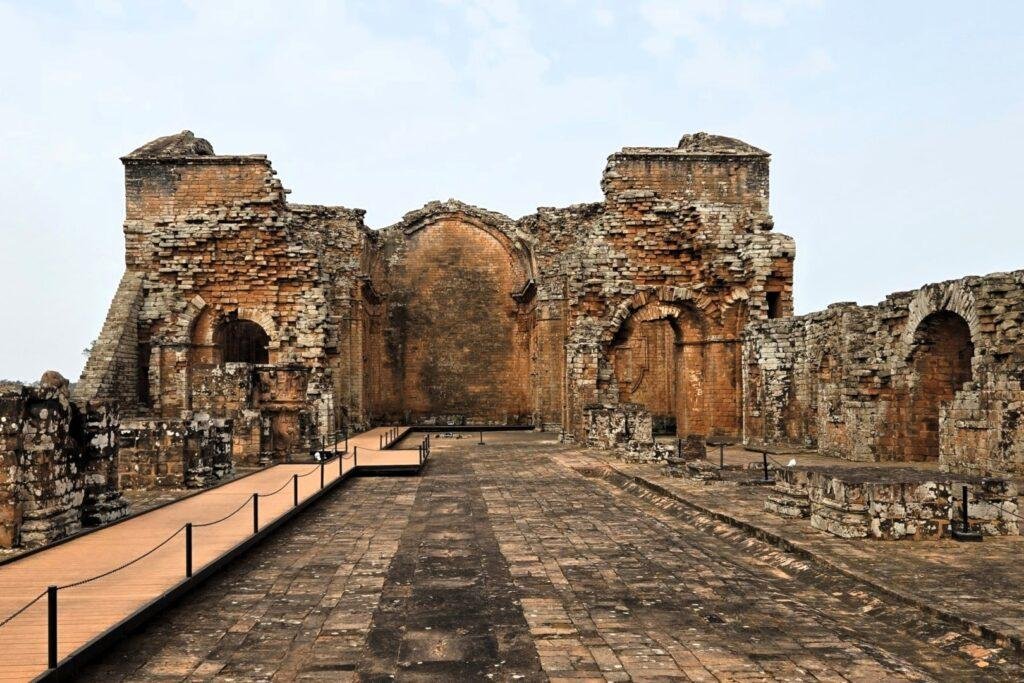
Jesuit Missions of La Santísima Trinidad and Jesús de Tavarangue
A UNESCO World Heritage Site showcasing the remains of 17th-century Jesuit settlements.
Highlights include:
- Stone churches
- Archaeological ruins
- Museums
- Historical interpretation
- Evening light shows (seasonal)
Encarnación
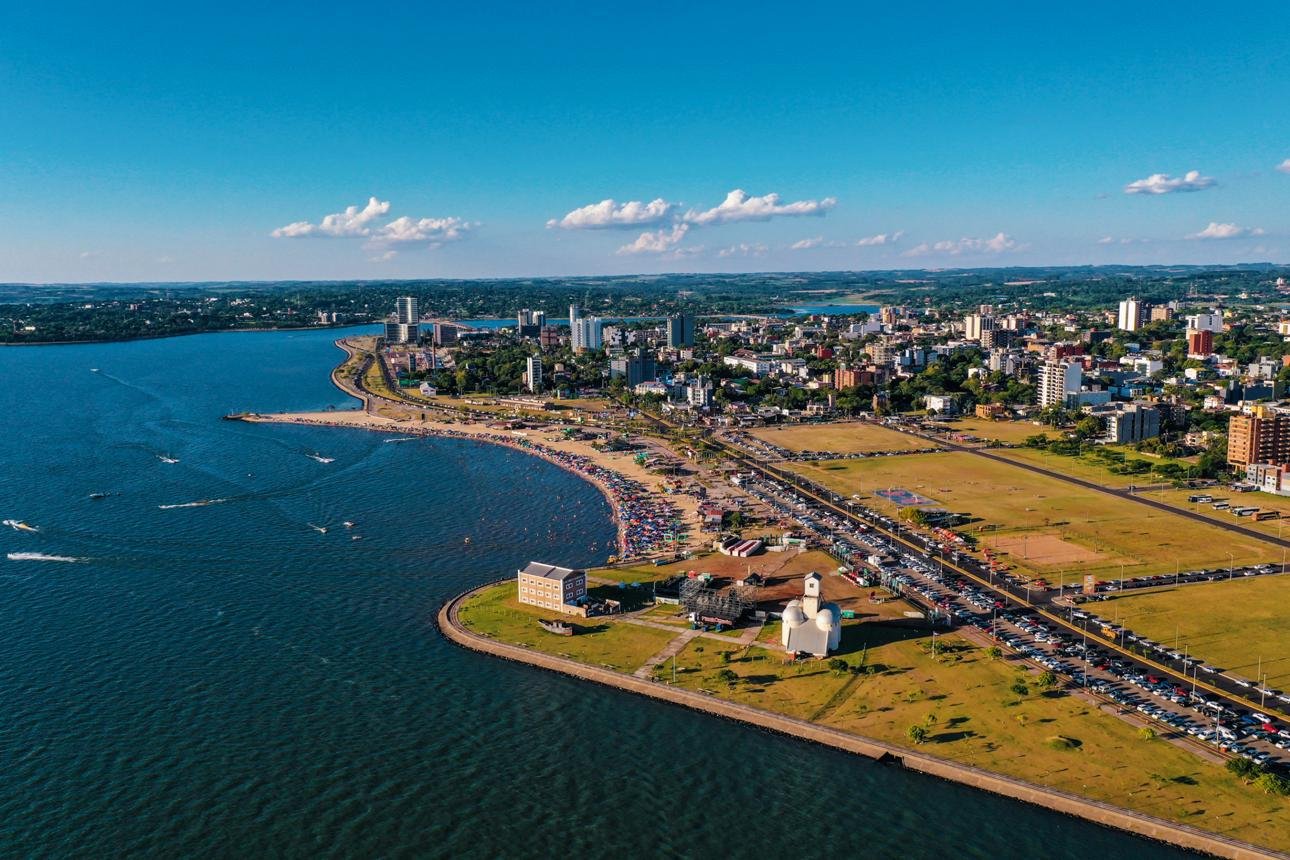
Known as Paraguay’s summer capital.
Visitors enjoy:
- Riverside promenade
- Urban beaches
- Nearby Jesuit missions
- Restaurants
- Relaxed atmosphere
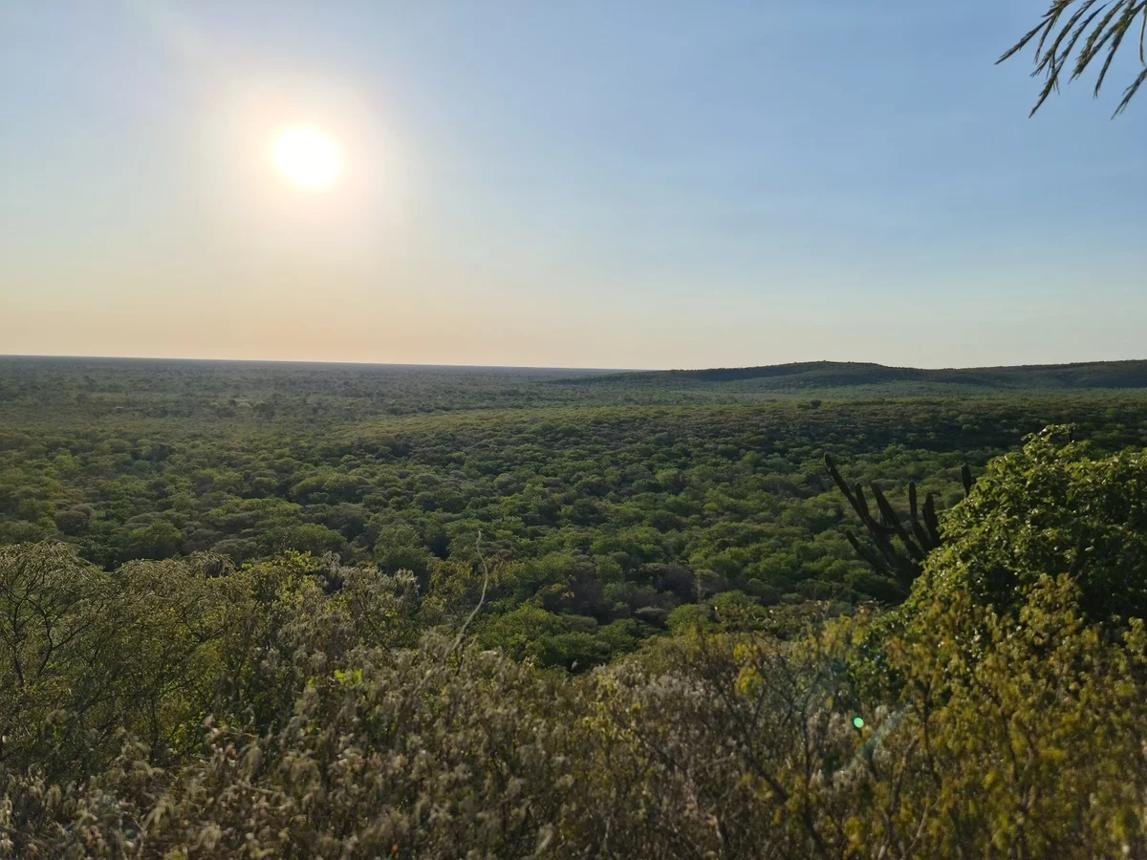
Gran Chaco
One of South America’s largest wilderness regions.
Known for:
- Wildlife
- Birdwatching
- Indigenous cultures
- Remote landscapes
- Overlanding
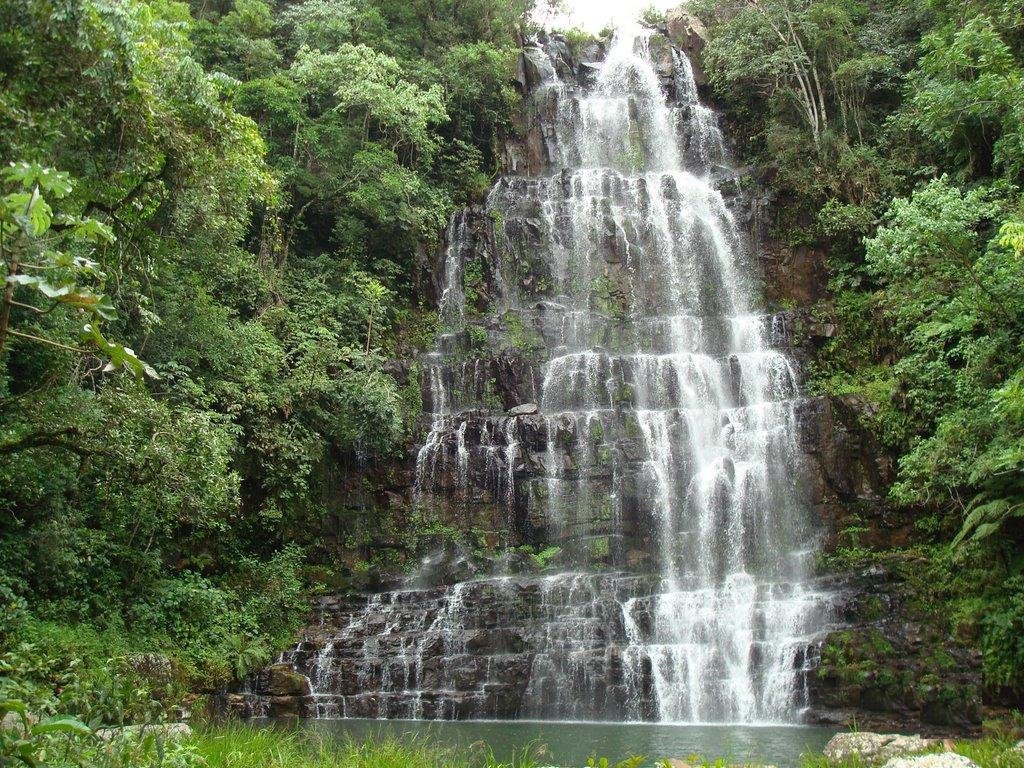
Ybycuí National Park
A beautiful protected area featuring:
- Waterfalls
- Forest trails
- Wildlife
- Historic ironworks
- Hiking
Cerro Corá National Park
Located near the Brazilian border.
Visitors discover:
- Scenic hills
- Historical battlefields
- Hiking trails
- Wildlife
- Rivers
Pantanal Region
Northern Paraguay contains part of the vast Pantanal wetland ecosystem.
Highlights include:
- Birdwatching
- Jaguars (rarely seen)
- Caimans
- Capybaras
- Wetland landscapes
Best Time to Visit
Paraguay has a subtropical climate.
| Season | Conditions |
|---|---|
| May – September | Cooler, drier weather and ideal for travel |
| October – April | Hot, humid conditions with summer rainfall |
| June – August | Best for wildlife and overlanding |
| September – November | Pleasant temperatures and spring vegetation |
The cooler months provide the most comfortable travel conditions.
Regions of Paraguay
Central Paraguay
Home to:
- Asunción
- Historic towns
- Cultural attractions
Southern Paraguay
Known for:
- Encarnación
- Jesuit Missions
- Paraná River
Eastern Paraguay
Features:
- Forests
- National parks
- Itaipu Dam
Western Paraguay (Gran Chaco)
Offers:
- Savannahs
- Dry forests
- Wildlife
- Indigenous communities
Suggested Itineraries
5-Day Paraguay Highlights
Day 1
- Asunción
Day 2
- Ybycuí National Park
Day 3
- Encarnación
Day 4
- Jesuit Missions
Day 5
- Return to Asunción
Perfect for first-time visitors.
One-Week Paraguay Explorer
Explore:
- Asunción
- Itaipu Dam
- Encarnación
- Jesuit Missions
Ideal for combining culture with history.
Two-Week Paraguay Road Trip
Travel through:
- Asunción
- Gran Chaco
- Pantanal
- Encarnación
- Itaipu Dam
Perfect for independent travelers.
Three-Week Grand Paraguay Expedition
Continue into:
- Cerro Corá
- Northern Chaco
- Wildlife reserves
- Indigenous communities
Ideal for adventurous overlanders and nature enthusiasts.
Overlanding in Paraguay
8
Paraguay is one of South America’s most underrated overlanding destinations.
Why Overlanders Love Paraguay
- Wide-open landscapes
- Friendly locals
- Low traffic
- Affordable fuel
- Remote Chaco
- Excellent border connections
- Authentic rural culture
The country is a popular link between Brazil, Bolivia, and Argentina.
Popular Routes
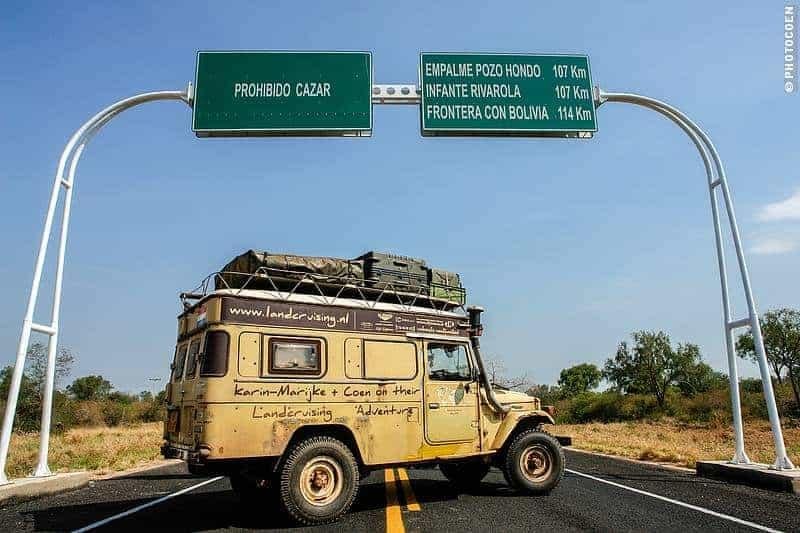
Trans-Chaco Highway (Ruta PY09)
Asunción → Filadelfia → Bolivian border
One of South America’s classic overland routes, crossing the remote Gran Chaco.
Southern Paraguay
Asunción → Encarnación
Perfect for colonial history and Jesuit missions.
Eastern Paraguay
Asunción → Ciudad del Este
Ideal for Itaipu Dam and border crossings into Brazil.
Road Conditions
Expect:
- Good paved highways
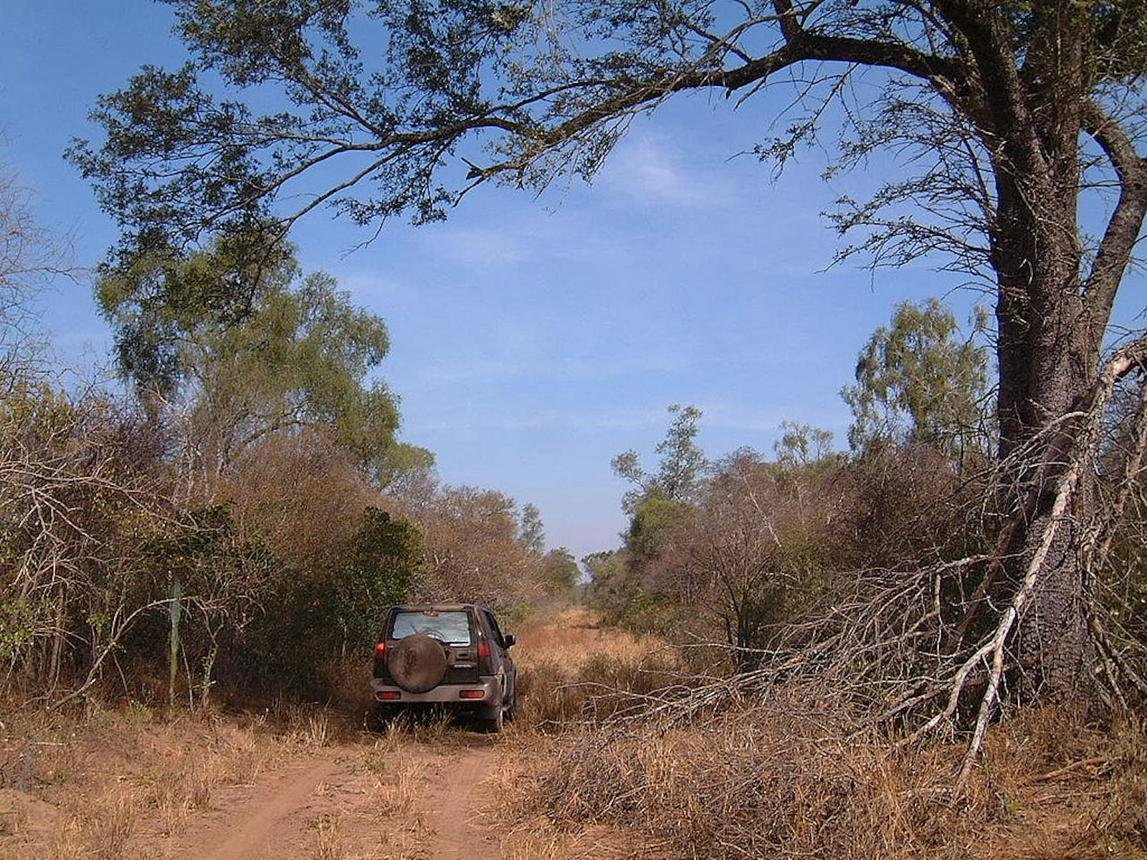
- Gravel roads in the Chaco
- Long distances between settlements in western Paraguay
- Seasonal flooding in some remote areas
Four-wheel drive is helpful when exploring the more isolated regions of the Chaco.
Backpacking in Paraguay
Paraguay is well suited to independent travelers seeking authentic experiences.
Accommodation
Options include:
- Hostels
- Hotels
- Guesthouses
- Eco-lodges
- Rural estancias
Accommodation is available in all major towns and cities.
Transportation
Travel using:
- Long-distance buses
- Domestic buses
- Rental cars
- Taxis
The national bus network provides affordable travel between most destinations.
Backpacking Highlights
- Asunción
- Jesuit Missions
- Encarnación
- Gran Chaco
- Wildlife reserves
- Indigenous culture
Camping
Camping is popular in national parks and nature reserves.
Campgrounds
Campgrounds are available near several national parks, reservoirs, and recreational areas, though facilities are generally basic.
Wild Camping
Wild camping is possible in some rural areas with the landowner’s permission. In national parks and protected areas, camping is usually restricted to designated locations. Travelers should avoid camping in isolated areas without local advice.
RV & Motorhome Travel
Paraguay is an excellent destination for self-drive travel.
Popular RV Routes
Trans-Chaco Highway
Asunción → Filadelfia
Southern Circuit
Asunción → Encarnación
Eastern Paraguay
Asunción → Ciudad del Este
Practical Information
Motorhome travelers should prepare for:
- Long driving distances in the Chaco
- Limited camper-specific facilities
- Reliable fuel stations along major highways
- Hot temperatures during summer
Self-sufficiency is recommended for remote western regions.
Driving in Paraguay
Driving is generally straightforward.
Main Roads
Major highways connect:
- Asunción
- Ciudad del Este
- Encarnación
- Filadelfia
The Trans-Chaco Highway is the country’s most famous long-distance route.
Things to Know
- Watch for livestock on rural roads.
- Summer heat can be intense.
- Fuel stations are less frequent in the Chaco.
- Carry extra water for remote journeys.
Border Crossings
Paraguay shares land borders with:
- Argentina
- Brazil
- Bolivia
Numerous international crossings connect Paraguay with neighboring countries, including the Friendship Bridge between Ciudad del Este and Brazil and several crossings into Argentina across the Paraná and Paraguay Rivers. Paraguay is a common transit country for overland journeys across central South America.
Visa & Entry Requirements
Many nationalities can enter Paraguay visa-free for tourism, while others require a visa before arrival.
Before traveling, ensure you have:
- A valid passport
- Any required visa
- Proof of onward travel if requested
- Vehicle documentation for international overland travel
Always verify the latest entry requirements before departure.
Budget & Costs
Estimated daily travel expenses:
| Travel Style | Daily Budget |
|---|---|
| Budget traveler | US$30–55 |
| Mid-range | US$70–160 |
| Comfortable | US$280+ |
| Motorhome traveler | US$45–100 |
Paraguay is one of the more affordable destinations in South America.
Safety
Paraguay is generally considered a safe destination for travelers.
Travel tips include:
- Take normal precautions in busy urban areas.
- Avoid driving at night in remote regions.
- Carry sufficient fuel and water when crossing the Chaco.
- Protect yourself from mosquitoes in wetland areas.
- Respect private property and Indigenous communities.
The country’s relaxed pace and low visitor numbers make it an enjoyable destination for independent travel.
Food & Culture
Paraguayan cuisine reflects Guaraní traditions combined with Spanish influences.
Popular dishes include:
- Sopa Paraguaya
- Chipa
- Mbejú
- Asado
- Bori Bori
- Chipa Guazú
- Fresh river fish
- Tereré (cold yerba mate)
Paraguay is unique in South America for the widespread daily use of the Guaraní language alongside Spanish. Traditional music, rural festivals, artisan crafts, and strong community ties remain an important part of Paraguayan life.
Frequently Asked Questions
Is Paraguay expensive?
No. Paraguay is one of the most affordable countries in South America, offering excellent value for accommodation, food, and transportation.
Is Paraguay safe?
Yes. Paraguay is generally safe for travelers who take normal precautions, especially in cities and when driving through remote regions.
Is Paraguay good for road trips?
Absolutely. The Trans-Chaco Highway, eastern forests, and southern historic routes make Paraguay an excellent destination for self-drive travel.
Can you travel Paraguay by campervan?
Yes. Paraguay is well suited to campervan and expedition vehicle travel, particularly for overlanders exploring South America.
How many days do you need in Paraguay?
A week is enough to visit Asunción, Encarnación, and the Jesuit Missions, while two weeks allows time to explore the Gran Chaco and Paraguay’s national parks.
What is Paraguay famous for?
Paraguay is best known for:
- Gran Chaco
- Itaipu Dam
- Jesuit Missions
- Asunción
- Guaraní culture
- Pantanal wetlands
- Trans-Chaco Highway
- Authentic overland adventures