Atlantic Islands, Volcanic Peaks & Island-Hopping Adventures
Cabo Verde (Cape Verde) is one of Africa’s most rewarding island destinations. Scattered across the Atlantic Ocean around 600 kilometers west of Senegal, this volcanic archipelago combines spectacular mountain scenery, pristine beaches, colorful colonial towns, world-class hiking and a unique blend of African, Portuguese and Creole cultures. Whether you’re looking for adventurous trekking, relaxing coastal escapes, vibrant music or island-hopping by ferry, Cabo Verde offers an experience unlike anywhere else in Africa.
Comprising ten main islands and several smaller islets, Cabo Verde is divided into the windward (Barlavento) and leeward (Sotavento) island groups. Each island has its own distinct personality. Sal and Boa Vista attract beach lovers with endless white sand and turquoise waters, while Santo Antão is renowned for dramatic mountain hikes and lush valleys. Fogo is dominated by one of Africa’s most accessible active volcanoes, and São Vicente is famous for its music, nightlife and cultural festivals.
Although overlanding in the traditional sense is not possible because Cabo Verde is an island nation, the archipelago offers outstanding opportunities for self-drive road trips, campervan exploration and island-by-island adventures. Rental cars and 4×4 vehicles allow travelers to explore volcanic landscapes, coastal roads and remote mountain villages at their own pace. Backpackers benefit from affordable guesthouses, reliable ferry connections and extensive hiking opportunities, while motorhome travelers can enjoy scenic island drives on several islands where vehicle rental is available.
Thanks to its year-round pleasant climate, political stability, excellent tourism infrastructure and friendly population, Cabo Verde has become one of Africa’s safest and most accessible destinations for independent travelers.
This guide serves as a comprehensive travel hub covering the country’s major islands, suggested itineraries, backpacking, self-drive travel, RV possibilities, practical travel information and links to more detailed destination guides.
6
Quick Facts
| Information | Details |
|---|---|
| Capital | Praia |
| Population | Approximately 600,000 |
| Area | 4,033 km² |
| Language | Portuguese (official), Cape Verdean Creole |
| Currency | Cape Verdean Escudo (CVE) |
| Time Zone | UTC-1 |
| Driving Side | Right |
| Calling Code | +238 |
| Visa | Visa-free or online pre-registration for many nationalities |
| Best Time | November to June |
Unlike much of tropical Africa, Cabo Verde has a dry subtropical climate. Rainfall is generally limited, while temperatures remain pleasant throughout the year, making the islands suitable for travel during every season.
Why Visit Cabo Verde?
Cabo Verde offers extraordinary diversity despite its relatively small size. Every island has developed its own landscapes, traditions and atmosphere, encouraging visitors to explore beyond the popular beach resorts.
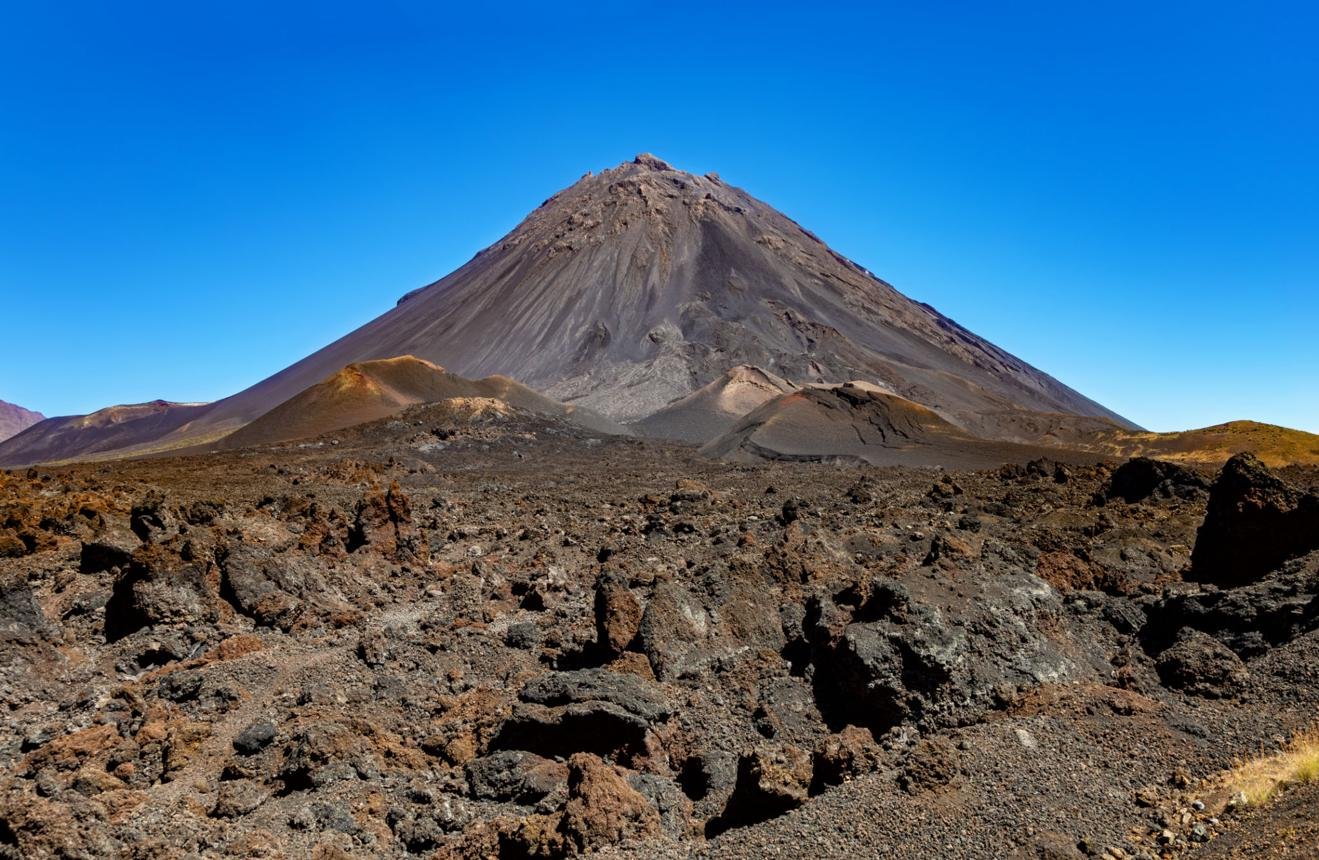
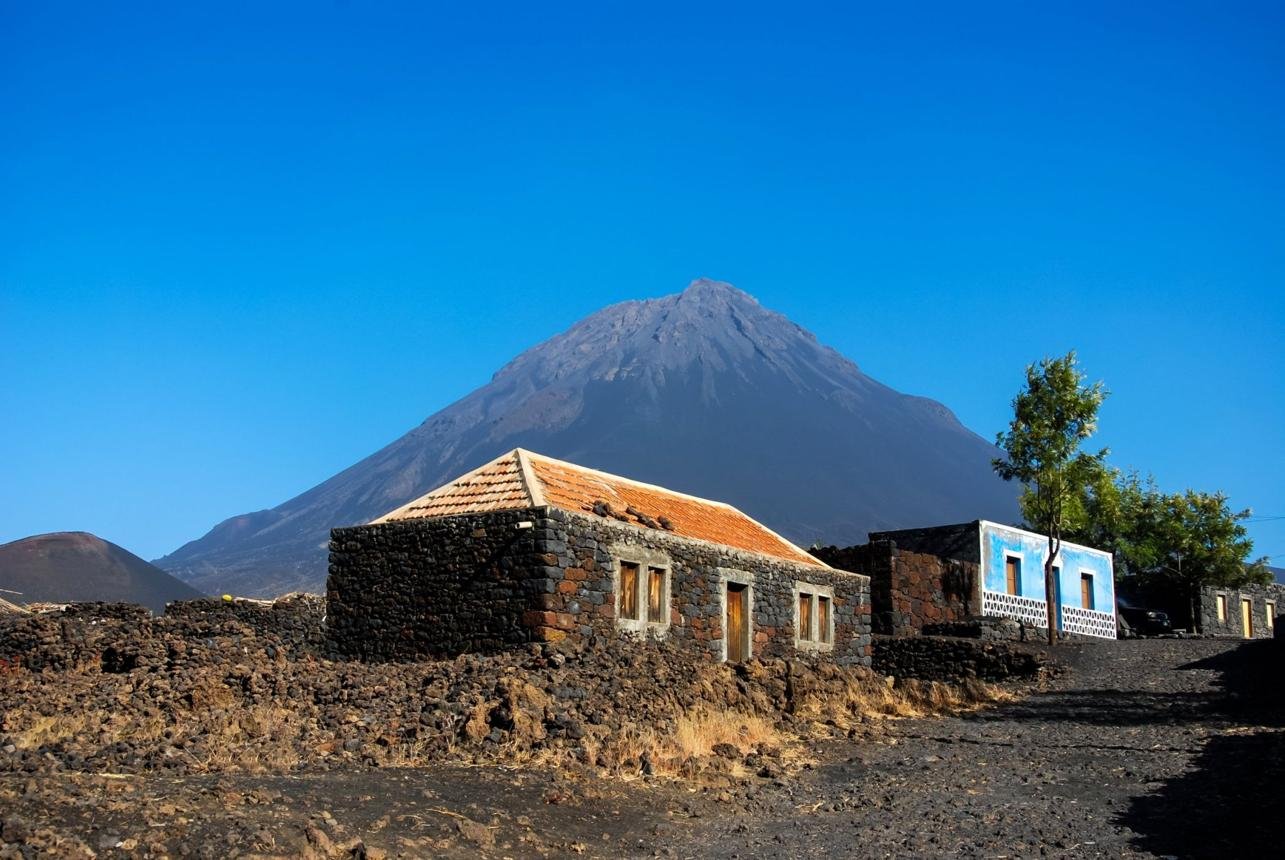
Nature is one of Cabo Verde’s greatest attractions. Towering volcanic peaks, dramatic coastal cliffs, fertile valleys and black lava fields create spectacular scenery ideal for hiking and photography. Pico do Fogo, the country’s highest mountain, dominates Fogo Island and provides one of Africa’s most rewarding volcanic hikes.
The islands also possess a fascinating cultural identity shaped by centuries of Portuguese influence and African heritage. Music plays an important role in daily life, particularly the melancholic Morna style made internationally famous by Cesária Évora.
Beach lovers will find long stretches of golden sand on Sal and Boa Vista, while surfers, windsurfers and kitesurfers enjoy some of the Atlantic’s most reliable wind conditions.
Cabo Verde also appeals to travelers seeking a relaxed atmosphere. Crime rates are relatively low, tourism infrastructure is well developed and English is increasingly spoken in tourist areas.
The Islands of Cabo Verde
Santiago
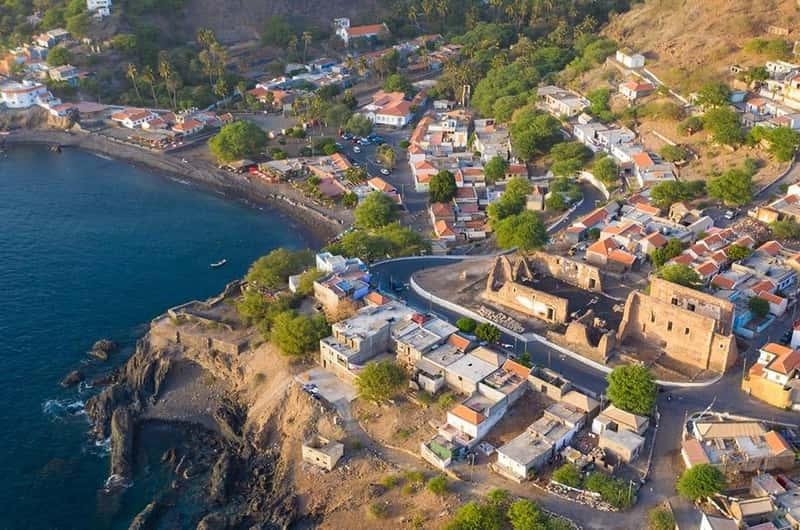
The largest island is home to the capital Praia, historic Cidade Velha and dramatic mountain landscapes.
Highlights:
- Praia
- Cidade Velha (UNESCO)
- Serra Malagueta
- Tarrafal Beach
Recommended stay: 3–4 days
Sal
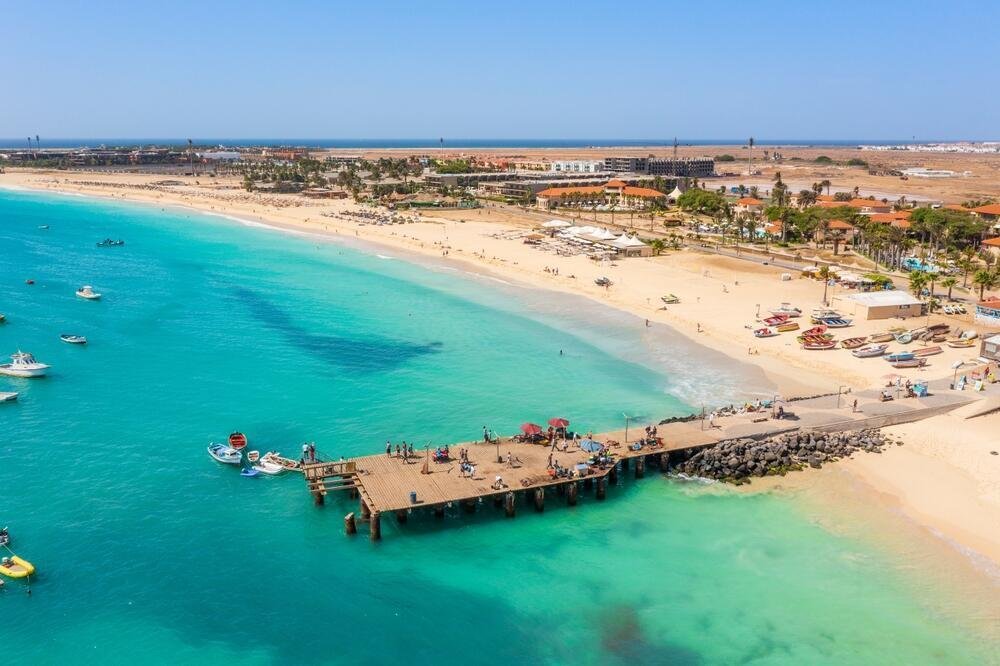
The country’s leading tourism island features long beaches, water sports and excellent resort infrastructure.
Highlights:
- Santa Maria
- Kite surfing
- Salt flats
- Shark Bay
Recommended stay: 4–7 days
Boa Vista
Known for spectacular dunes and beaches, Boa Vista is ideal for relaxation, off-road excursions and turtle watching.
Highlights:
- Praia de Chaves
- Viana Desert
- Whale watching
- Sand dunes
Recommended stay: 4–6 days
Santo Antão
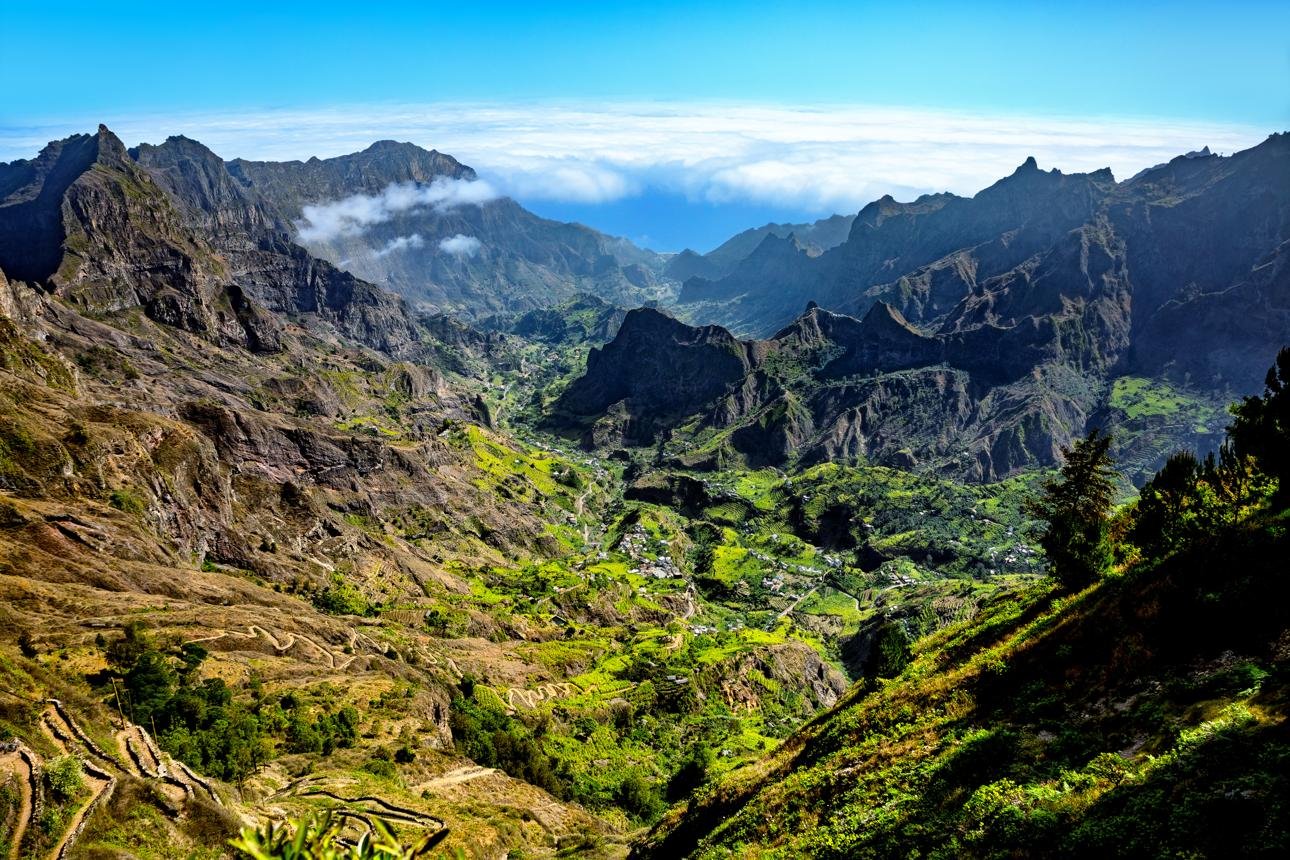
Often considered Cabo Verde’s most beautiful island, Santo Antão offers dramatic hiking trails through lush valleys and mountain villages.
Highlights:
- Paul Valley
- Cova Crater
- Ribeira Grande
- Coastal roads
Recommended stay: 4–5 days
São Vicente
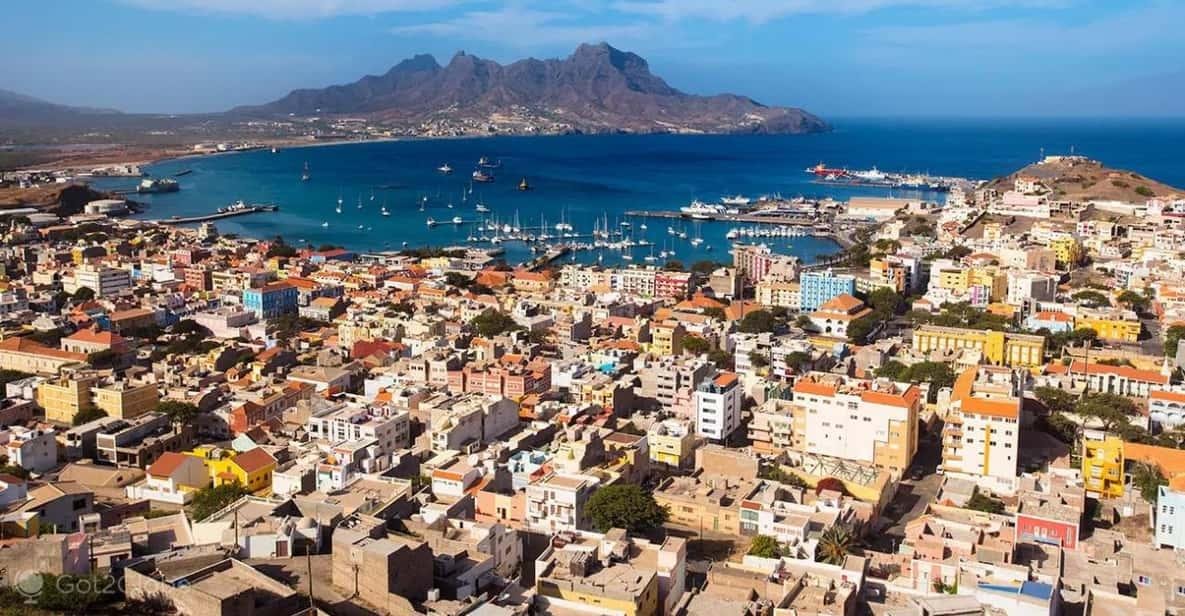
The cultural capital centers around Mindelo, famous for music, nightlife and festivals.
Highlights:
- Mindelo
- Laginha Beach
- Carnival
- Live music
Recommended stay: 3 days
Fogo
Dominated by Pico do Fogo volcano, this island combines lava landscapes with vineyards and volcanic villages.
Highlights:
- Pico do Fogo
- Chã das Caldeiras
- São Filipe
- Coffee plantations
Recommended stay: 3–4 days
Maio
A quiet island known for deserted beaches and birdlife.
Recommended stay: 2–3 days
Brava
The smallest inhabited island offers lush landscapes, hiking and peaceful villages.
Recommended stay: 2 days
7
Best Time to Visit
Cabo Verde enjoys pleasant weather throughout the year.
November to June
The dry season offers sunshine, comfortable temperatures and excellent hiking conditions.
July to October
Warmer temperatures with occasional rainfall, especially in mountainous areas. Vegetation becomes greener, particularly on Santo Antão and Santiago.
Wind Season
Strong Atlantic winds make Sal and Boa Vista world-famous destinations for kiteboarding and windsurfing.
Whale & Turtle Seasons
Humpback whales visit during spring, while loggerhead turtles nest on several islands between June and October.
Backpacking Cabo Verde
Cabo Verde is one of Africa’s best island destinations for backpackers.
Island hopping is easy using domestic ferries and flights.
A classic three-week itinerary might include:
- Santiago
- São Vicente
- Santo Antão
- Fogo
- Sal
Budget travelers find:
- Guesthouses
- Family-run pensions
- Hostels
- Local restaurants
- Affordable public minibuses (“aluguers”)
Popular backpacker activities include:
- Volcano hiking
- Coastal trekking
- Snorkeling
- Surfing
- Music festivals
- Cultural tours
Future articles:
- Backpacking Cabo Verde Itinerary
- Budget Guide
- Island Hopping Guide
- Hiking Santo Antão
- Backpacking Sal
Self-Drive & Island Road Trips
Although overlanding between countries is not possible, Cabo Verde offers outstanding self-drive opportunities.
Rental cars are available on most major islands.
Popular road trips include:
Santo Antão Scenic Drive
Porto Novo – Cova Crater – Paul Valley – Ribeira Grande
Arguably the country’s most spectacular mountain drive.
Fogo Volcano Circuit
São Filipe – Chã das Caldeiras – Pico do Fogo
A dramatic journey across lava landscapes.
Santiago Explorer
Praia – Cidade Velha – Serra Malagueta – Tarrafal
Combines history, mountains and beaches.
Boa Vista Coastal Route
Sal Rei – Viana Desert – Santa Monica Beach
Ideal for 4×4 exploration.
Future driving guides can include:
- Ferry transport with vehicles
- Road conditions
- Rental tips
- Fuel stations
- Scenic drives
Motorhome & Camper Travel
Traditional RV tourism is limited because imported motorhomes are rare, but campervan travel is growing through locally rented camper vehicles and converted vans on some islands.
Travelers should note:
- No international road connections
- Vehicle ferries between some islands
- Good paved roads on most major routes
- Mountain roads require careful driving
Future articles should include:
- Camper rentals
- Ferry logistics
- Camping regulations
- Overnight parking
- Scenic routes
Suggested Island-Hopping Itineraries
One Week
Sal – São Vicente – Santo Antão
Perfect combination of beaches, culture and hiking.
Two Weeks
Santiago – Fogo – São Vicente – Santo Antão
Ideal for first-time visitors wanting both culture and nature.
Three Weeks
Santiago – Maio – Fogo – São Vicente – Santo Antão – Sal
A comprehensive introduction to Cabo Verde.
Four Weeks
Visit all inhabited islands using ferries and domestic flights.
Suitable for slow travelers and photographers.
Hiking in Cabo Verde
Hiking ranks among Cabo Verde’s greatest attractions.
Top hikes include:
- Pico do Fogo Summit
- Paul Valley
- Cova Crater
- Ribeira da Torre
- Serra Malagueta
- Brava coastal trails
Many trails connect traditional villages where local guesthouses provide accommodation.
Beaches & Water Sports
Cabo Verde’s beaches vary from lively resort destinations to completely deserted coastlines.
Best beaches include:
- Santa Maria (Sal)
- Santa Monica (Boa Vista)
- Tarrafal (Santiago)
- Laginha (Mindelo)
- Praia de Chaves
Popular activities:
- Diving
- Snorkeling
- Surfing
- Kitesurfing
- Windsurfing
- Whale watching
- Turtle watching
Essential Travel Information
Entry Requirements
Many travelers can enter visa-free or only need to complete an online pre-arrival registration. Requirements vary depending on nationality.
Budget
Cabo Verde is more expensive than mainland West Africa but remains affordable.
Typical daily costs:
- Budget: €45–70
- Mid-range: €90–170
- Luxury: €250+
Island flights and ferries increase travel expenses.
Safety
Cabo Verde is considered one of Africa’s safest countries for tourists.
Usual precautions apply in larger towns regarding petty theft, but violent crime affecting tourists is uncommon.
Swimming should always be undertaken carefully due to Atlantic currents.
Transport
Travel options include:
- Domestic flights
- Inter-island ferries
- Shared minibuses
- Rental cars
- Taxis
Road quality is generally excellent, especially on Sal and Santiago.
Continue Planning Your Trip
Top Destinations
- Santiago
- Praia
- Cidade Velha
- Sal
- Boa Vista
- Santo Antão
- São Vicente
- Mindelo
- Fogo
- Brava
Travel Planning
- Cabo Verde Visa Guide
- Best Time to Visit Cabo Verde
- Island Hopping Guide
- Driving in Cabo Verde
- Cabo Verde Budget Guide
- Cabo Verde Safety Guide
Adventure Travel
- Backpacking Cabo Verde
- Cabo Verde Road Trips
- Camper Travel
- Santo Antão Hiking Guide
- Fogo Volcano Guide
- Surfing in Cabo Verde
- Whale Watching Guide
- Overlanding Cabo Verde: Routes, Borders & Travel Guide
- Getting around in Cabo Verde (Cape Verde)
Recommended Guides
Continue planning your Cabo Verde adventure with in-depth travel guides covering Santiago, Sal, Boa Vista, Santo Antão, São Vicente, Fogo, Maio and Brava. Additional articles explore island-hopping itineraries, backpacking routes, self-drive road trips, hiking trails, camper travel, ferry connections, volcanic landscapes, beach destinations, water sports and practical travel planning. Together with this country hub, these guides provide everything independent travelers need to explore one of Africa’s most scenic and unique island nations.