Roman Ruins, Sahara Expeditions & Mediterranean Discovery
Libya is one of North Africa’s most intriguing yet least-visited destinations. Stretching from the turquoise waters of the Mediterranean to the vast Sahara Desert, the country offers an extraordinary combination of ancient civilizations, spectacular desert landscapes, remote oases and some of the finest Roman archaeological sites in the world. Although tourism remains limited due to the country’s political situation, Libya continues to fascinate adventurous travelers, overlanders and history enthusiasts planning for future journeys.
Occupying more than 1.75 million square kilometers, Libya is the fourth-largest country in Africa. Nearly 90 percent of its territory lies within the Sahara Desert, while its northern coastline extends for almost 1,800 kilometers along the Mediterranean Sea. Between these extremes lie fertile coastal plains, dramatic mountain ranges, prehistoric rock art, ancient caravan towns and UNESCO World Heritage Sites that rival the archaeological treasures of neighboring countries.
For centuries Libya formed an important crossroads between Europe, North Africa and sub-Saharan Africa. Phoenicians, Greeks, Romans, Byzantines, Arabs, Ottomans and Italians all left their mark on the country. Today visitors can explore magnificent Roman cities like Leptis Magna and Sabratha, wander through old medinas, discover isolated Berber villages and venture deep into the Sahara where towering dunes meet volcanic mountains and prehistoric cave paintings.
For overlanders, Libya has long been considered one of Africa’s legendary destinations. Historic desert routes cross the Fezzan region toward Niger and Chad, while the famous Ubari Lakes and the Acacus Mountains offer some of the continent’s most spectacular desert scenery. Backpackers and RV travelers are currently limited by the security situation, but Libya remains an important destination for long-term travel planning and future expeditions.
This guide introduces Libya’s most important regions and attractions while serving as a hub for more detailed travel information covering visas, overlanding, desert expeditions, border crossings, road trips and regional travel guides.
7
Quick Facts
| Information | Details |
|---|---|
| Capital | Tripoli |
| Population | Approximately 7 million |
| Area | 1,759,540 km² |
| Language | Arabic |
| Currency | Libyan Dinar (LYD) |
| Time Zone | UTC+2 |
| Driving Side | Right |
| Calling Code | +218 |
| Visa | Required for almost all visitors |
| Best Time | October-April |
Libya’s climate ranges from Mediterranean conditions along the coast to hyper-arid desert throughout the interior. Summers are extremely hot away from the coast, while winters remain pleasantly mild in northern cities and surprisingly cool in the Sahara during the night.
Travel conditions remain subject to political and security developments. Visitors should always consult current government travel advisories before making plans.
Why Visit Libya?
Despite remaining largely inaccessible for independent tourism in recent years, Libya possesses one of North Africa’s richest collections of historical and natural attractions.
Its greatest strength is the remarkable diversity of landscapes. The Mediterranean coast contrasts dramatically with endless desert, while Roman cities stand beside Islamic medinas and remote oasis settlements. Travelers interested in archaeology will discover monuments that rival those of Italy and Greece but receive only a fraction of the visitors.
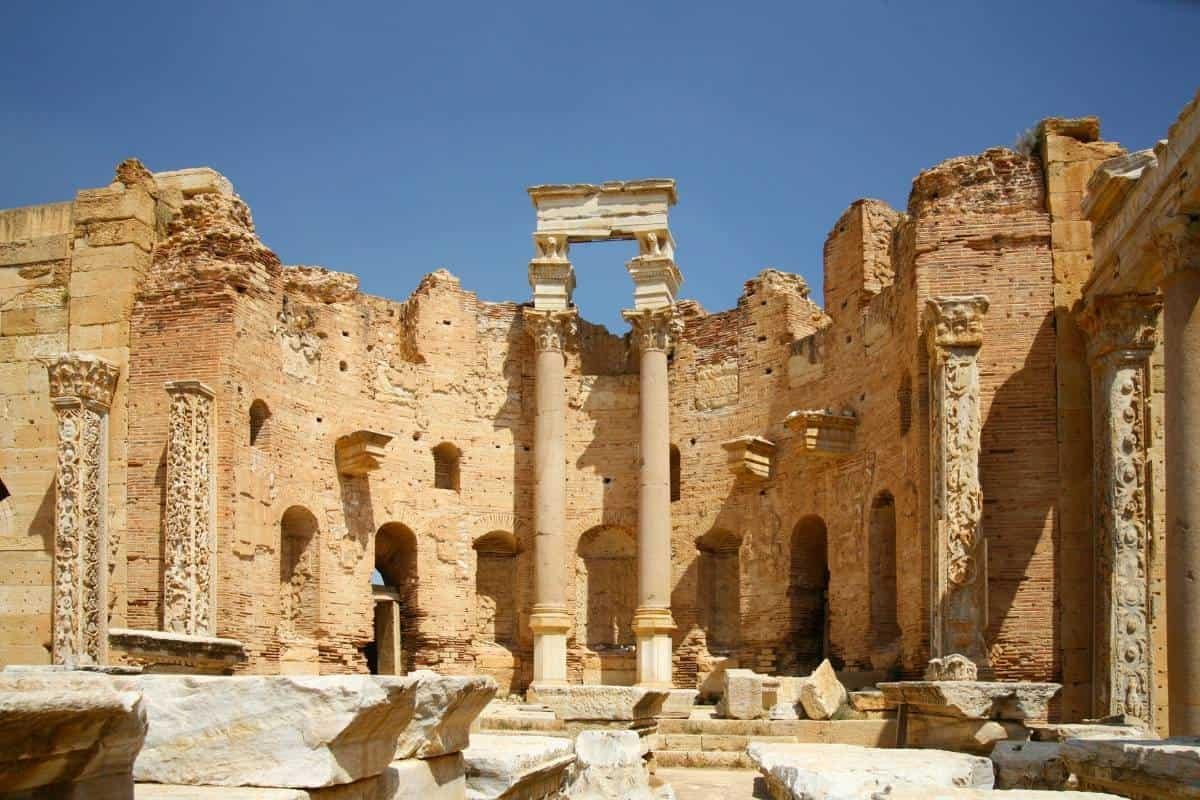
Leptis Magna alone ranks among the finest Roman cities anywhere in the former empire. Massive arches, theaters, baths, forums and temples remain astonishingly well preserved, offering an almost unmatched glimpse into Roman urban life.
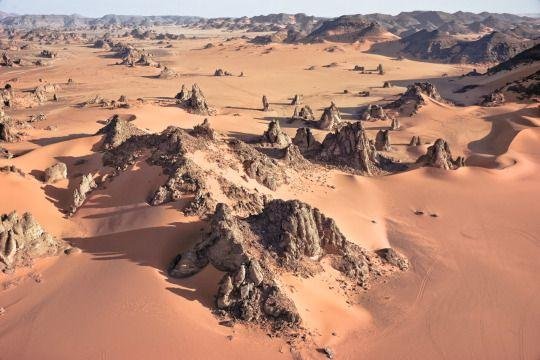
Nature lovers are equally rewarded. The Sahara dominates southern Libya with immense sand seas, volcanic plateaus, sandstone mountains and isolated lakes surrounded by dunes. The Acacus Mountains contain thousands of prehistoric rock paintings documenting human life stretching back thousands of years.
Traditional Berber settlements in the Nafusa Mountains, palm-filled oases in the Fezzan region and the dramatic landscapes around Ghadames demonstrate the remarkable cultural diversity that developed across Libya’s harsh environments.
Although independent tourism remains restricted, Libya deserves a place on every adventurous traveler’s future wish list.
Best Places to Visit
Tripoli
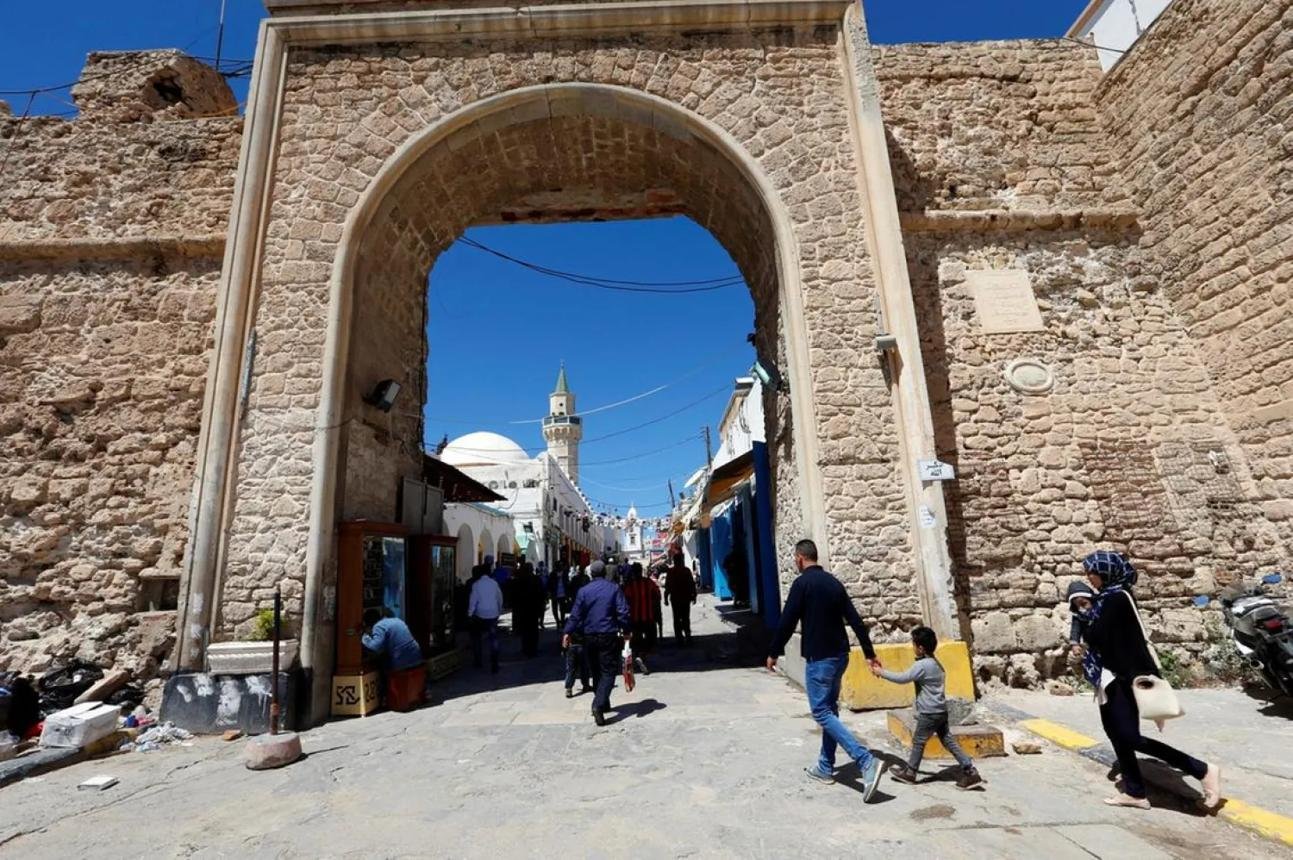
Libya’s capital combines Mediterranean charm with Ottoman architecture and Italian colonial influences. Highlights include the historic Medina, Red Castle Museum, Martyrs’ Square and lively waterfront.
Recommended stay: 2–3 days
Leptis Magna
Often regarded as the best-preserved Roman city outside Italy, Leptis Magna is Libya’s greatest archaeological attraction. Visitors can explore magnificent temples, theaters, baths and triumphal arches overlooking the Mediterranean.
Recommended stay: Full day
Sabratha
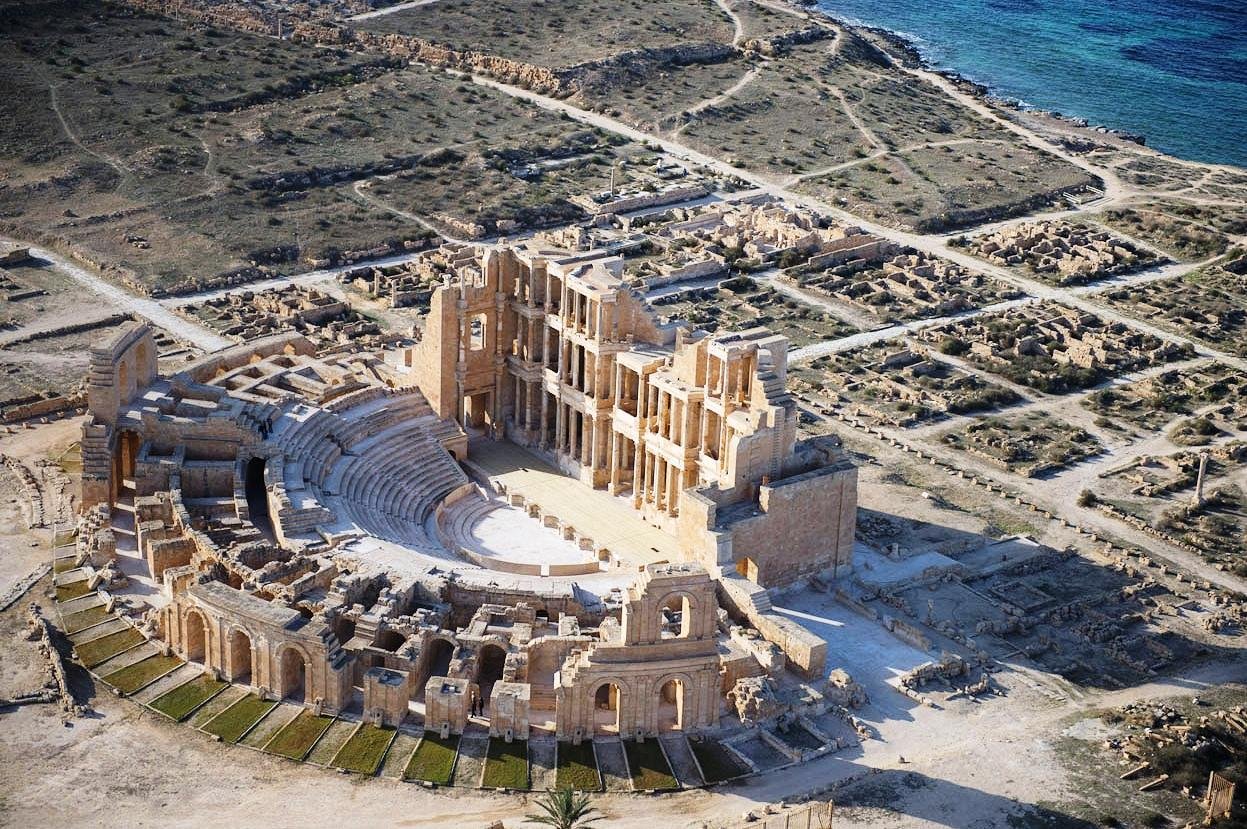
Located west of Tripoli, Sabratha features spectacular Roman ruins including one of the Mediterranean’s finest surviving Roman theatres.
Recommended stay: Half day
Ghadames
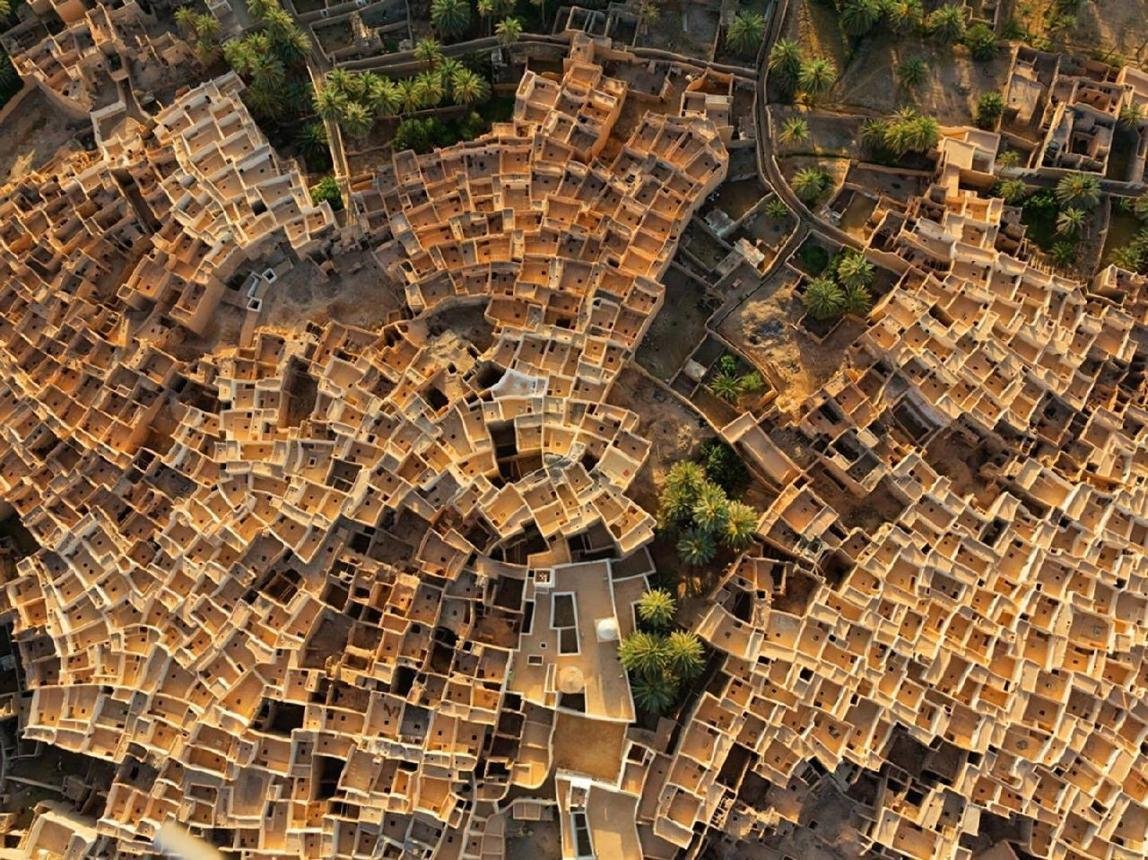
Known as the “Pearl of the Desert,” Ghadames is a UNESCO-listed oasis town famous for its traditional mudbrick architecture, covered alleyways and centuries-old caravan history.
Recommended stay: 2 days
Acacus Mountains
This extraordinary sandstone mountain range contains dramatic rock formations, natural arches and prehistoric cave paintings that rank among Africa’s most important archaeological treasures.
Recommended stay: 3–5 days
Ubari Lakes
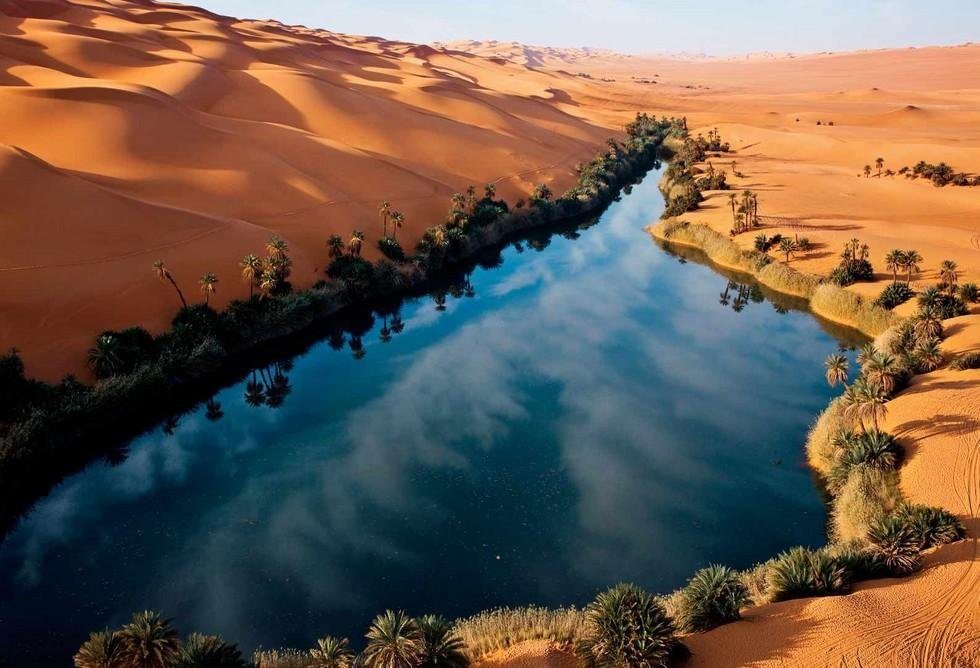
Hidden among the sand dunes of the Ubari Sand Sea, these isolated lakes create one of the Sahara’s most remarkable landscapes.
Recommended stay: 2 days
Benghazi
Libya’s second-largest city serves as the gateway to eastern Libya and nearby Greek archaeological sites.
Recommended stay: 2 days
Cyrene
Founded by Greek settlers during the seventh century BC, Cyrene remains one of the Mediterranean’s most important Greek archaeological sites.
Recommended stay: Full day
Jebel Nafusa
The Nafusa Mountains preserve ancient Berber villages, cave homes and spectacular viewpoints across northwestern Libya.
Recommended stay: 2 days
Sabha
The principal city of the Fezzan region serves as the starting point for many Sahara expeditions.
Recommended stay: 1 day
7
Best Time to Visit
The ideal season for visiting Libya is October through April, when temperatures are comfortable across most of the country.
Spring (March-May)
Pleasant weather makes spring an excellent time for archaeological sites, coastal cities and desert expeditions before summer heat arrives.
Summer (June-August)
Temperatures frequently exceed 45°C throughout the Sahara. Coastal regions remain somewhat cooler but can still be very hot.
Autumn (September-November)
One of the best seasons for travel. Desert temperatures become manageable while Mediterranean conditions remain warm.
Winter (December-February)
Ideal for Sahara travel, although nights become cold. Northern Libya experiences mild temperatures suitable for sightseeing.
Backpacking Libya
Libya has historically attracted adventurous backpackers interested in archaeology and desert travel. Under current conditions, independent backpacking remains difficult due to visa restrictions and security considerations.
When tourism becomes more accessible, a classic backpacking route could include:
- Tripoli
- Leptis Magna
- Sabratha
- Ghadames
- Benghazi
- Cyrene
Budget accommodation exists in major cities, although tourism infrastructure remains limited compared with neighboring countries.
Future in-depth articles could include:
- Backpacking Libya Itinerary
- Libya Budget Guide
- Libya Public Transport
- Tripoli Backpacking Guide
- Libya Travel Safety
Overlanding Libya
Among experienced overlanders, Libya has long held legendary status. Vast deserts, remote oasis towns and historic caravan routes make it one of Africa’s great expedition destinations.
Classic routes include:
Mediterranean Coastal Highway
Tunisia – Tripoli – Misrata – Benghazi – Egypt
A historic coastal journey linking Libya’s major cities and archaeological sites.
Fezzan Desert Route
Tripoli – Sabha – Ubari – Acacus Mountains – Ghat
One of the Sahara’s classic overland expeditions.
Ghadames Circuit
Tripoli – Nalut – Ghadames – Jebel Nafusa
Ideal for exploring Berber culture and oasis settlements.
Overlanders should monitor current regulations concerning:
- Border crossings
- Carnet de Passages
- Temporary vehicle import
- Fuel availability
- Security checkpoints
- Desert permits
Dedicated overlanding articles can provide route planning, GPS information, border updates and vehicle preparation advice.
Motorhome & RV Travel
Motorhome travel within Libya currently remains limited due to security considerations. However, from a route-planning perspective the country offers excellent opportunities for future RV expeditions.
The coastal highway provides good road conditions between major cities, while southern routes require high-clearance vehicles capable of desert travel.
Potential RV routes include:
Coastal Discovery
Tripoli – Leptis Magna – Benghazi
Approximately 1,000 km
Roman Heritage Route
Tripoli – Sabratha – Leptis Magna – Cyrene
Ideal for history enthusiasts.
Sahara Expedition
Tripoli – Sabha – Ubari – Acacus – Ghat
Suitable only for experienced expedition vehicles.
Future articles should cover:
- Camping opportunities
- Overnight parking
- Road conditions
- Fuel stations
- Vehicle import regulations
- Desert driving advice
Suggested Road Trips & Itineraries
One Week
Tripoli – Sabratha – Leptis Magna
Perfect for exploring Libya’s Roman heritage.
Two Weeks
Tripoli – Ghadames – Nafusa Mountains – Leptis Magna – Benghazi
Combines archaeology, Berber culture and Mediterranean scenery.
Three Weeks
Tripoli – Sabha – Ubari Lakes – Acacus Mountains – Ghat – Ghadames
A classic Sahara expedition showcasing Libya’s remarkable desert landscapes.
Four Weeks
Mediterranean Coast – Roman Cities – Fezzan Desert – Acacus – Cyrene
Suitable for experienced overlanders once conditions permit.
Essential Travel Information
Visa
Almost all visitors require a visa before arrival. Entry requirements vary considerably depending on nationality and current regulations.
Budget
When tourism resumes fully, Libya is expected to remain moderately priced.
Estimated daily costs:
- Budget: €40–70
- Mid-range: €80–150
- Higher-end: €180+
Organized desert expeditions substantially increase travel costs.
Safety
Travel conditions in Libya continue to change. Many governments currently advise against non-essential travel due to security concerns in parts of the country.
Anyone considering travel should monitor official travel advisories, register with their embassy where appropriate and consult experienced local operators.
Transport
Road travel remains the primary means of transport. Major highways connect coastal cities, while domestic flights may operate between principal urban centers depending on current conditions.
Fuel has historically been inexpensive and widely available.
Continue Planning Your Trip
Top Destinations
- Tripoli
- Leptis Magna
- Sabratha
- Ghadames
- Cyrene
- Acacus Mountains
- Ubari Lakes
- Benghazi
- Sabha
- Jebel Nafusa
Travel Planning
- Libya Visa Guide
- Libya Safety Guide
- Libya Border Crossings
- Driving in Libya
- Best Time to Visit Libya
- Libya Budget Guide
Adventure Travel
- Backpacking Libya
- Overlanding Libya
- Libya RV Travel
- Sahara Expeditions
- Acacus Mountains Guide
- Ghadames Travel Guide
- Roman Sites of Libya
- Overlanding in Libya
- Getting around in Libya
- Libya Campsites with GPS
- Tripoli – Capital of Libya
- Overlanding Libya: Routes, Borders & Travel Guide
- Libyan Desert – Heading to Egypt
Recommended Guides
Continue planning your Libyan adventure with OVL’s in-depth travel guides covering Tripoli, Ghadames, Leptis Magna, Sabratha, Cyrene, the Acacus Mountains and the Fezzan region. Additional guides explore overlanding routes, Sahara expeditions, border crossings, road conditions, vehicle travel, camping opportunities, archaeological sites and practical travel planning. These specialized resources are designed to complement this country hub and provide detailed information for independent travelers preparing future journeys through one of North Africa’s most fascinating destinations.