Quick Facts
Best time to visit: December–April
Difficulty: 2.5/5
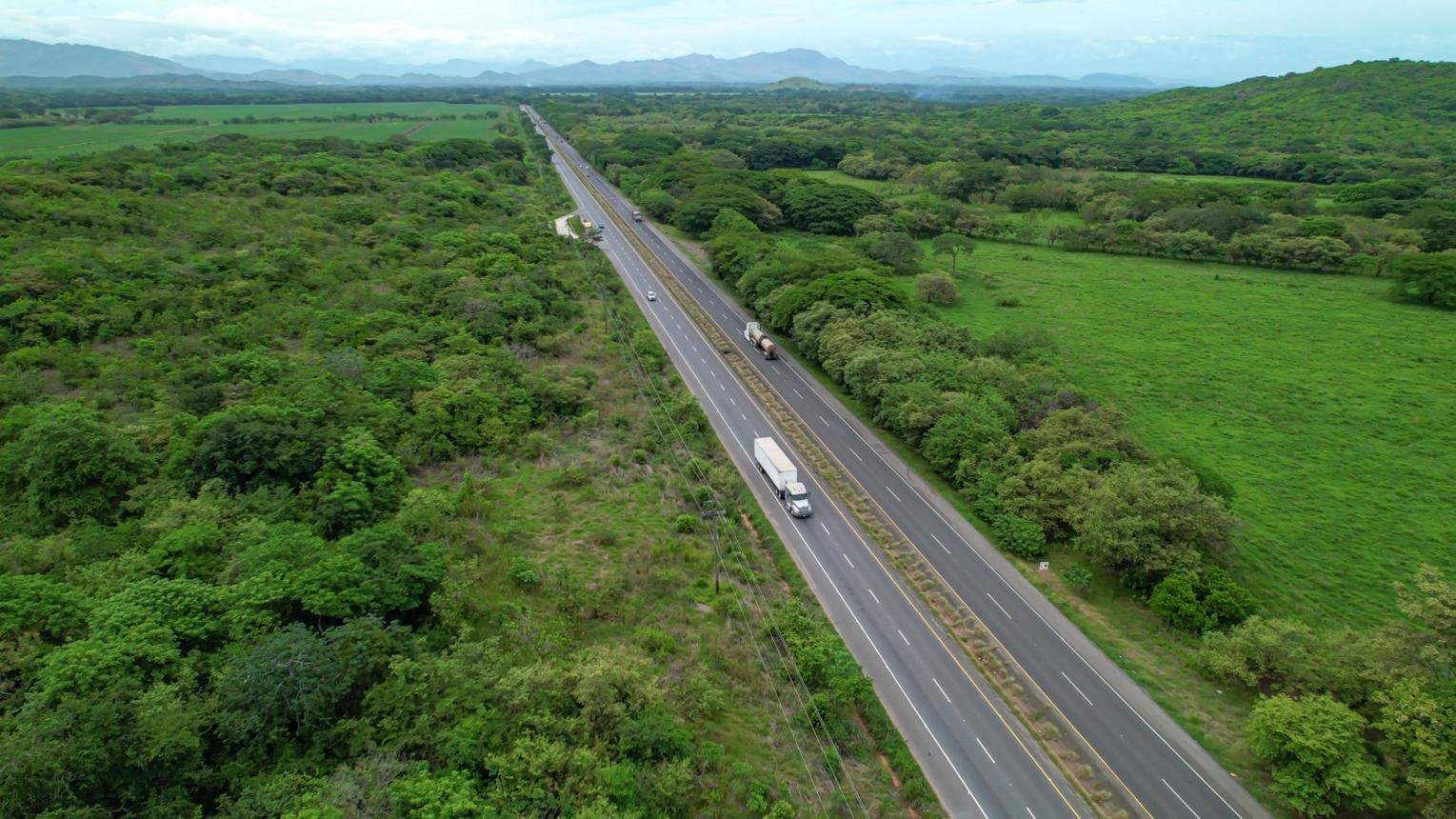
Road conditions: Excellent highways and paved roads throughout most of the country
Visa situation: Visa-free entry for many nationalities
Why Overland Panama?
Panama is one of the most diverse and accessible overlanding destinations in Central America.
Known for the famous Panama Canal, tropical rainforests, Caribbean islands, Pacific beaches, mountain highlands, and modern infrastructure, Panama offers a unique blend of nature, culture, and adventure.
Why it stands out:
- Panama Canal
- modern road network
- Caribbean and Pacific coastlines
- mountain regions
- tropical rainforests
- excellent logistics
- friendly locals
- gateway between Central and South America
Panama is the final country on the Pan-American Highway before the Darién Gap.
Main Overlanding Routes
1. Panama Grand Tour
6
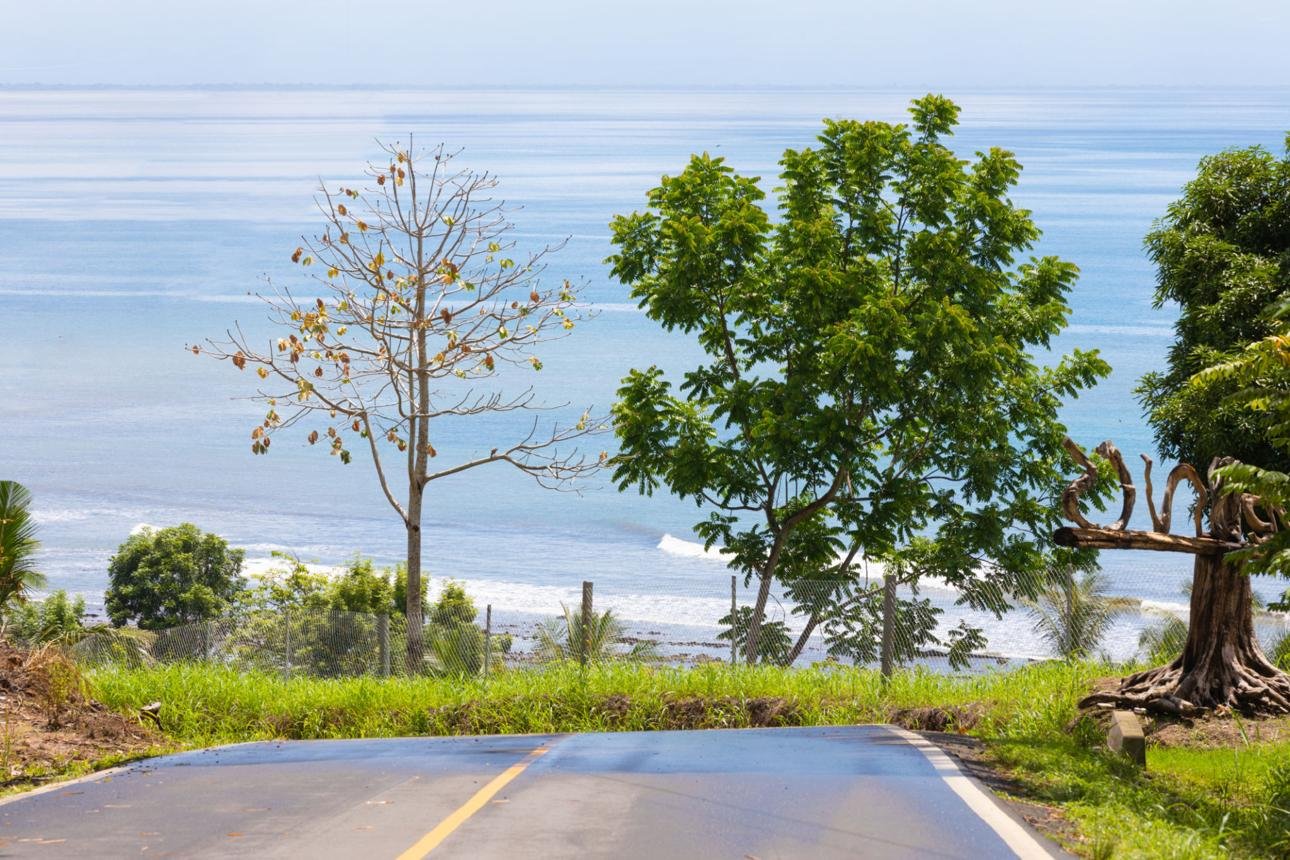
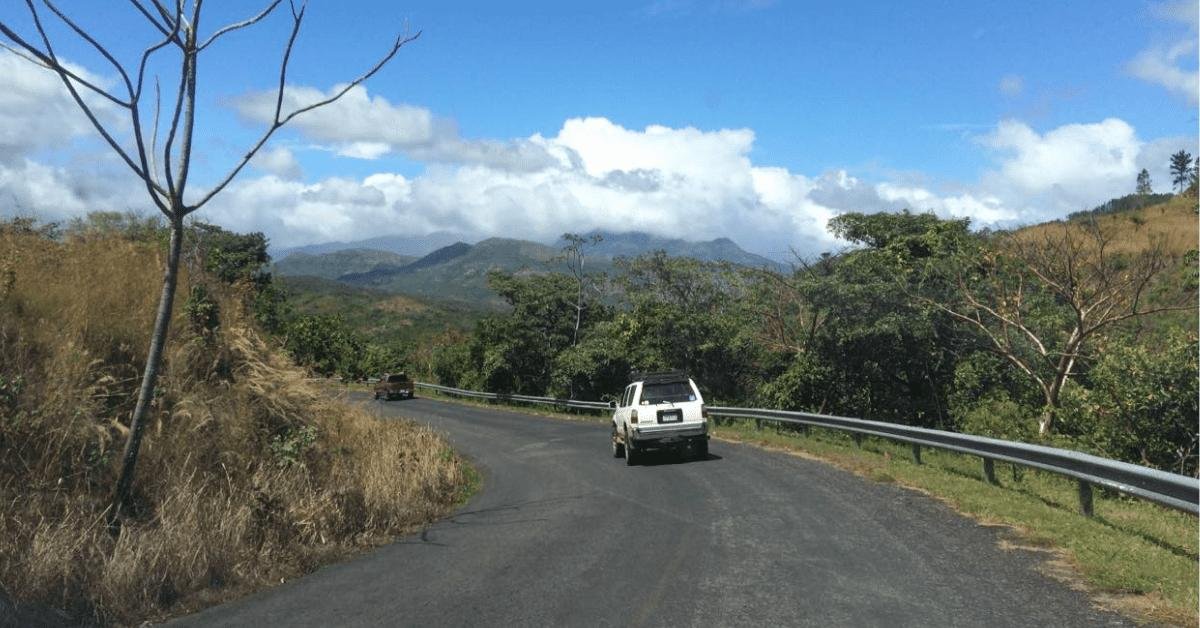
Route: Panama City – El Valle de Antón – Boquete – Bocas del Toro – David – Panama City
Distance: approx. 1,300 km
Road type: highways and mountain roads
Fuel: widely available
The ultimate Panama road trip.
Highlights:
- mountains
- beaches
- rainforests
- colonial towns
Perfect for a 2–3 week journey.
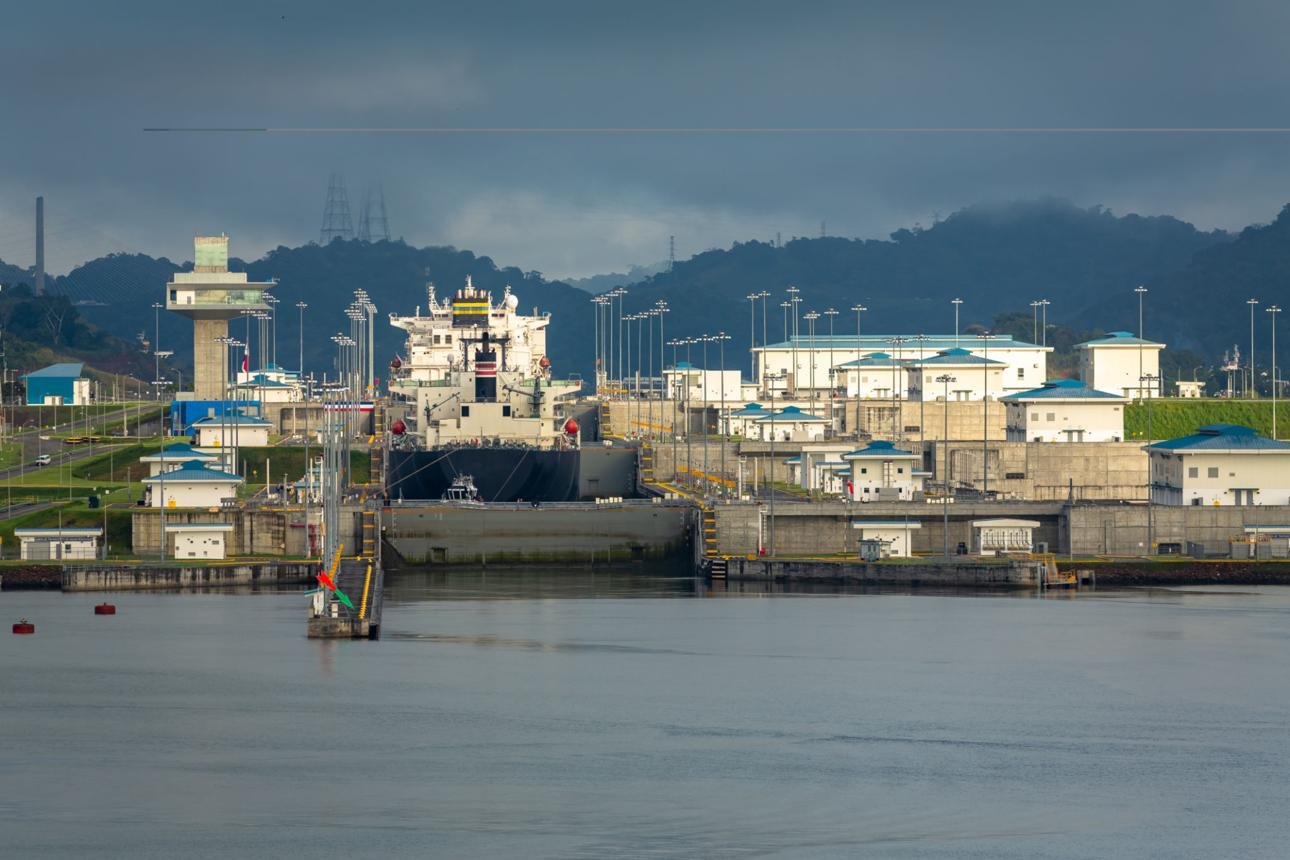
2. Panama Canal Route
5
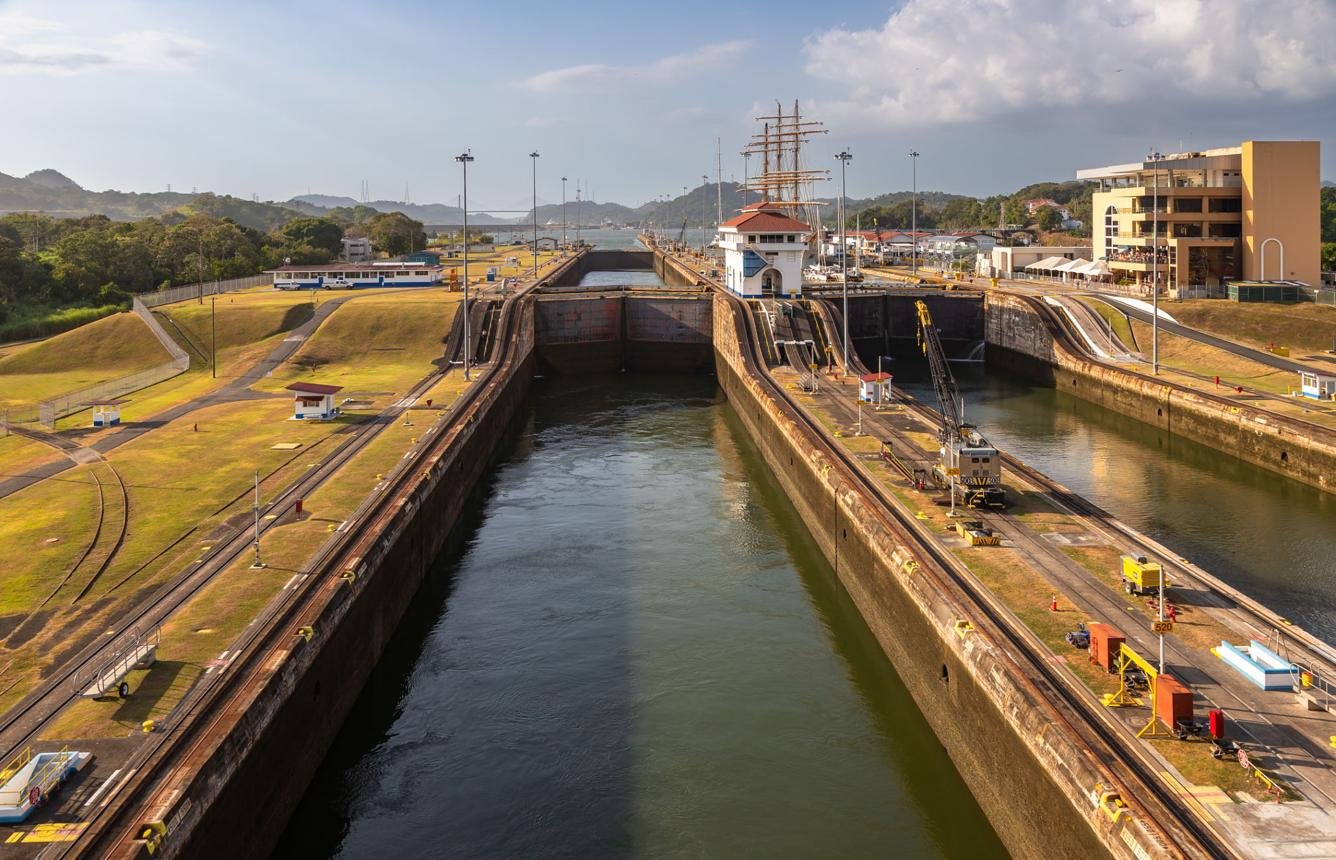
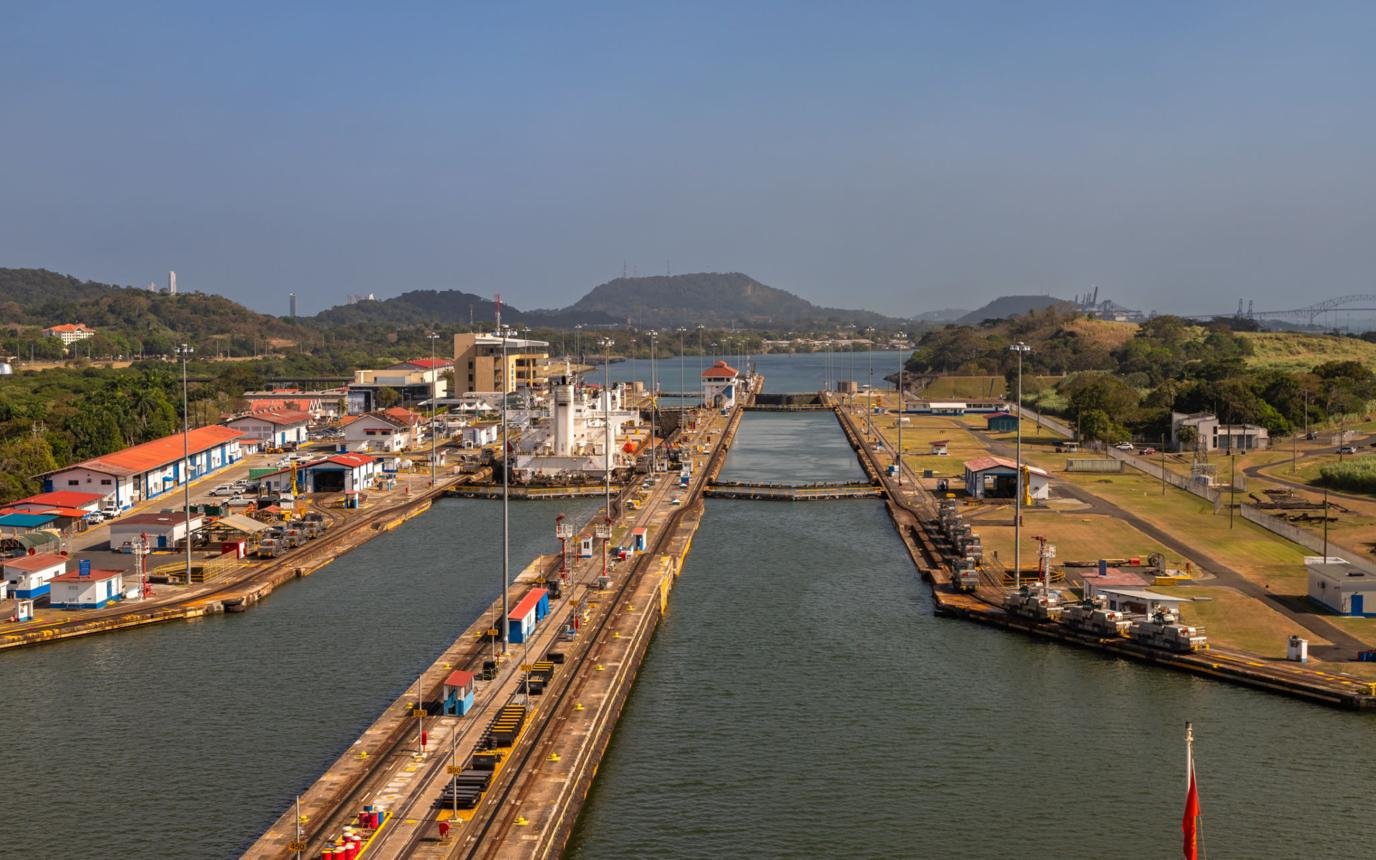
The country’s most famous attraction.
Highlights:
- engineering marvels
- ship traffic
- museums
- canal viewpoints
Major attractions:
- Panama Canal
- Miraflores Locks
A must-see for every visitor.
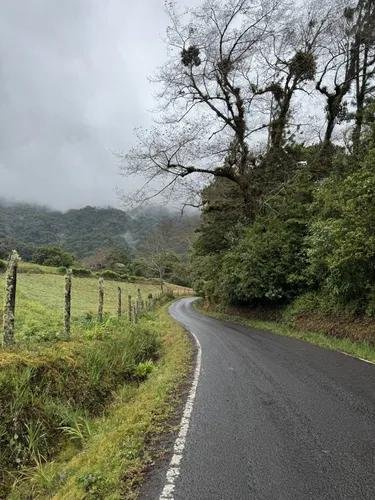
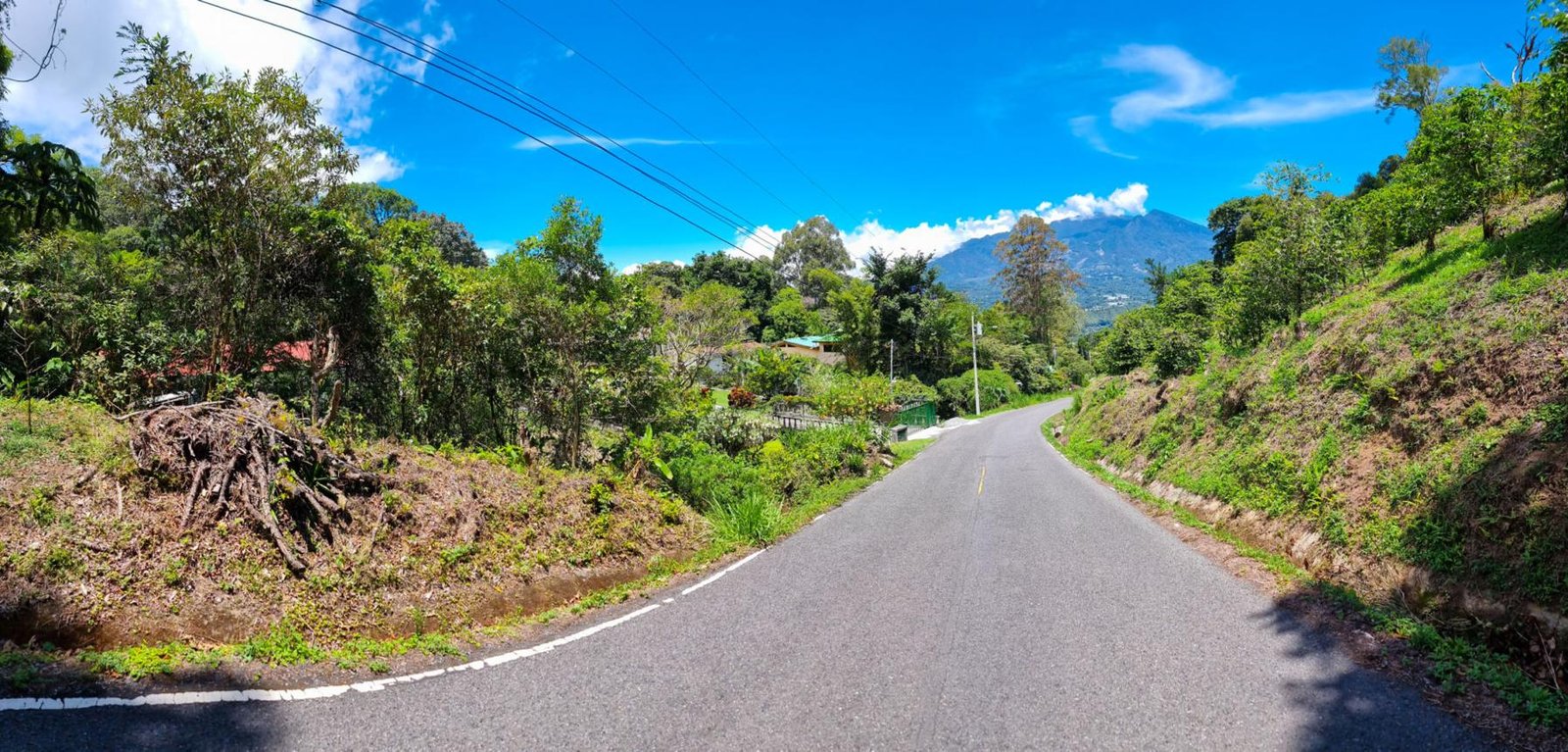
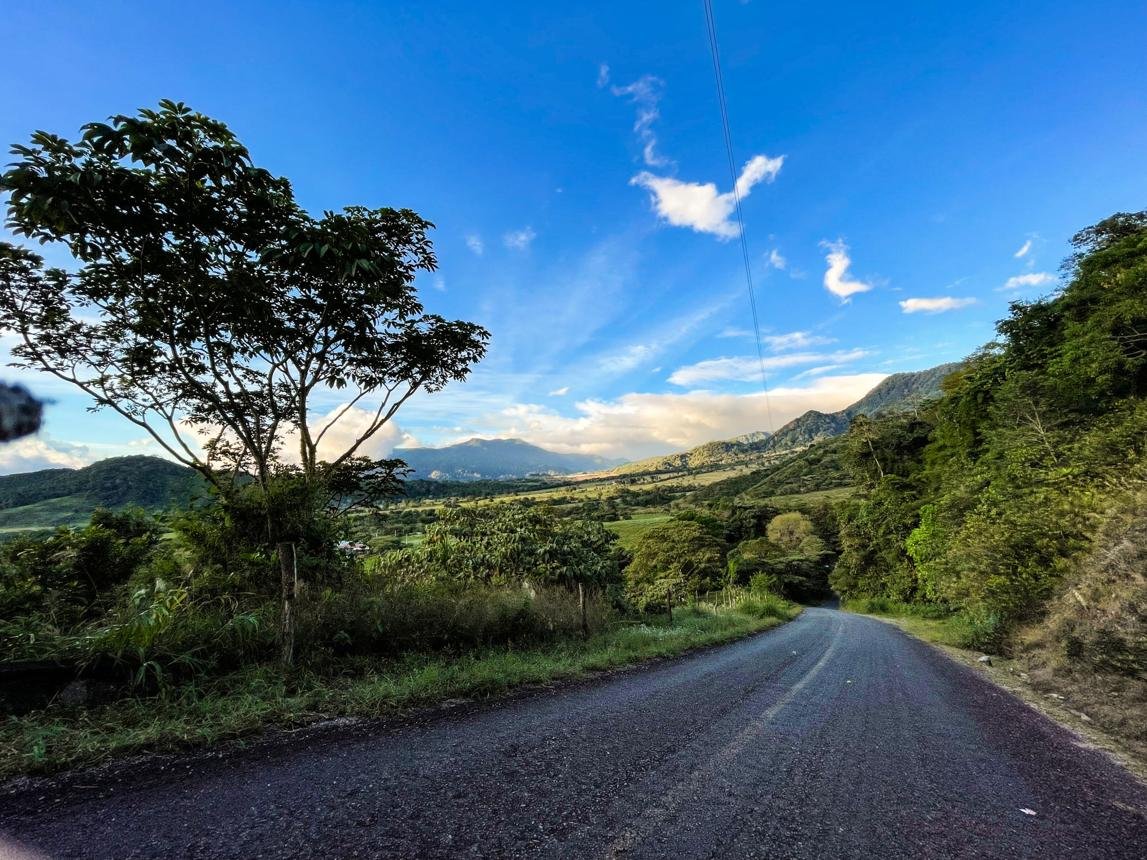
3. Boquete Highlands Route
11
A journey into Panama’s cooler mountain region.
Highlights:
- coffee farms
- mountain scenery
- waterfalls
- hiking trails
Major destination:
- Boquete
One of Panama’s most popular outdoor destinations.
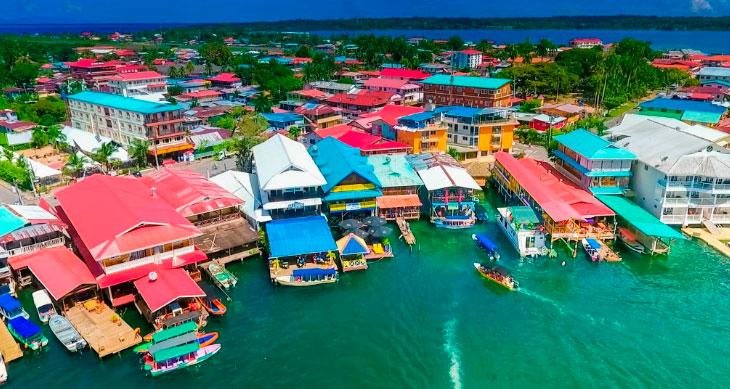
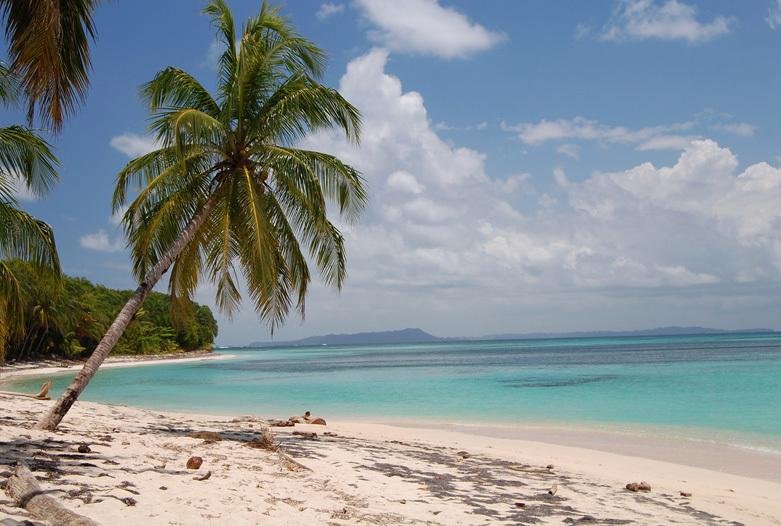
4. Bocas del Toro Route

7
A Caribbean adventure.
Highlights:
- beaches
- islands
- snorkeling
- tropical scenery
Major destination:
- Bocas del Toro
A favorite among travelers and backpackers.
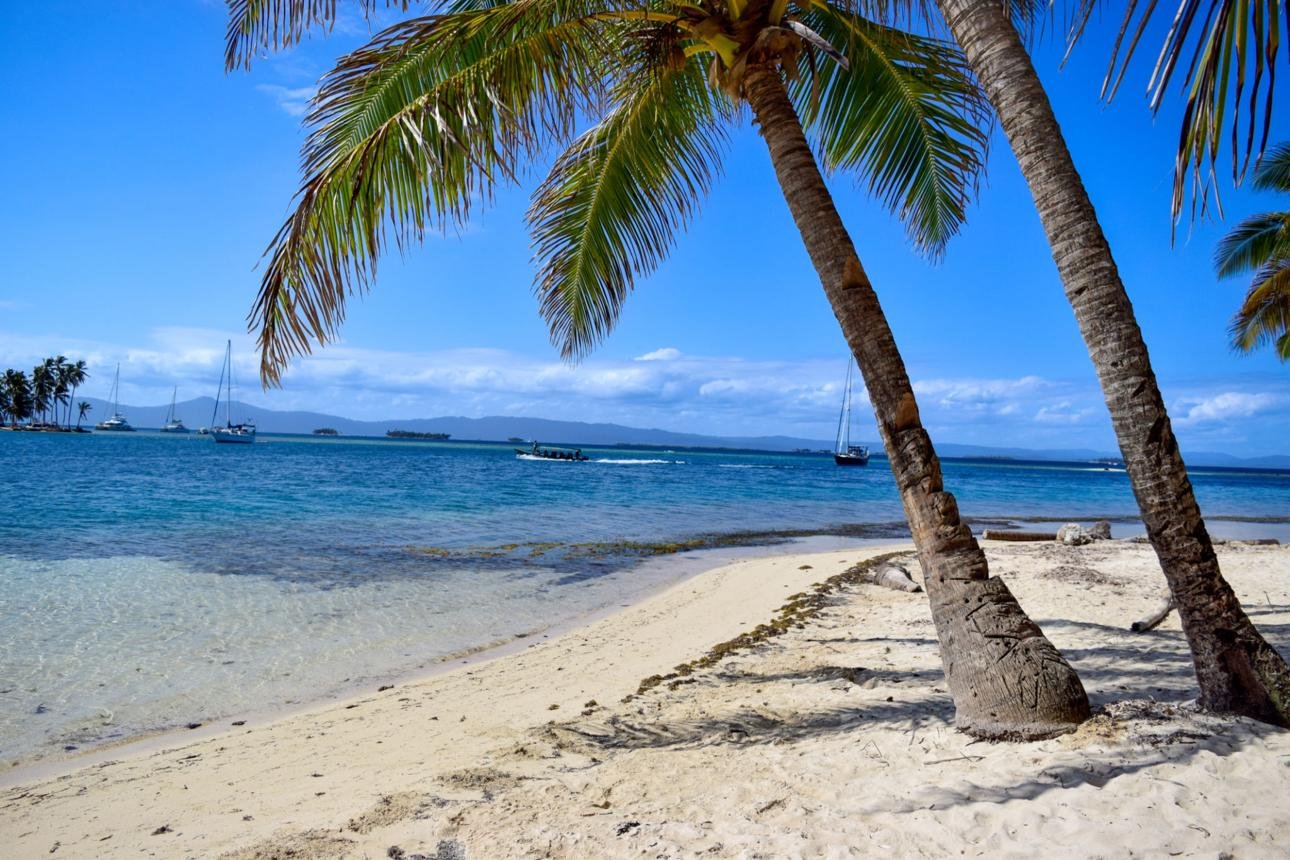
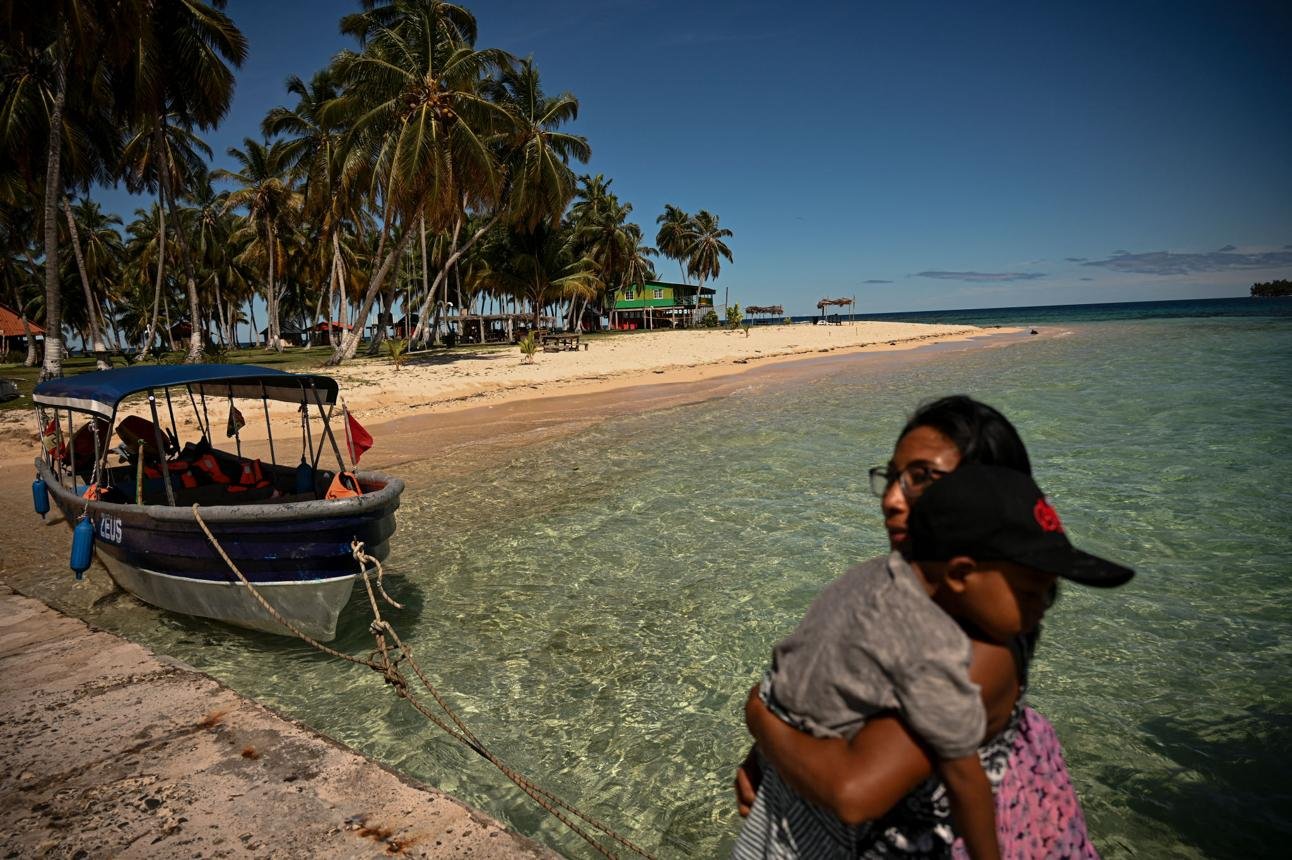
5. San Blas Route
6
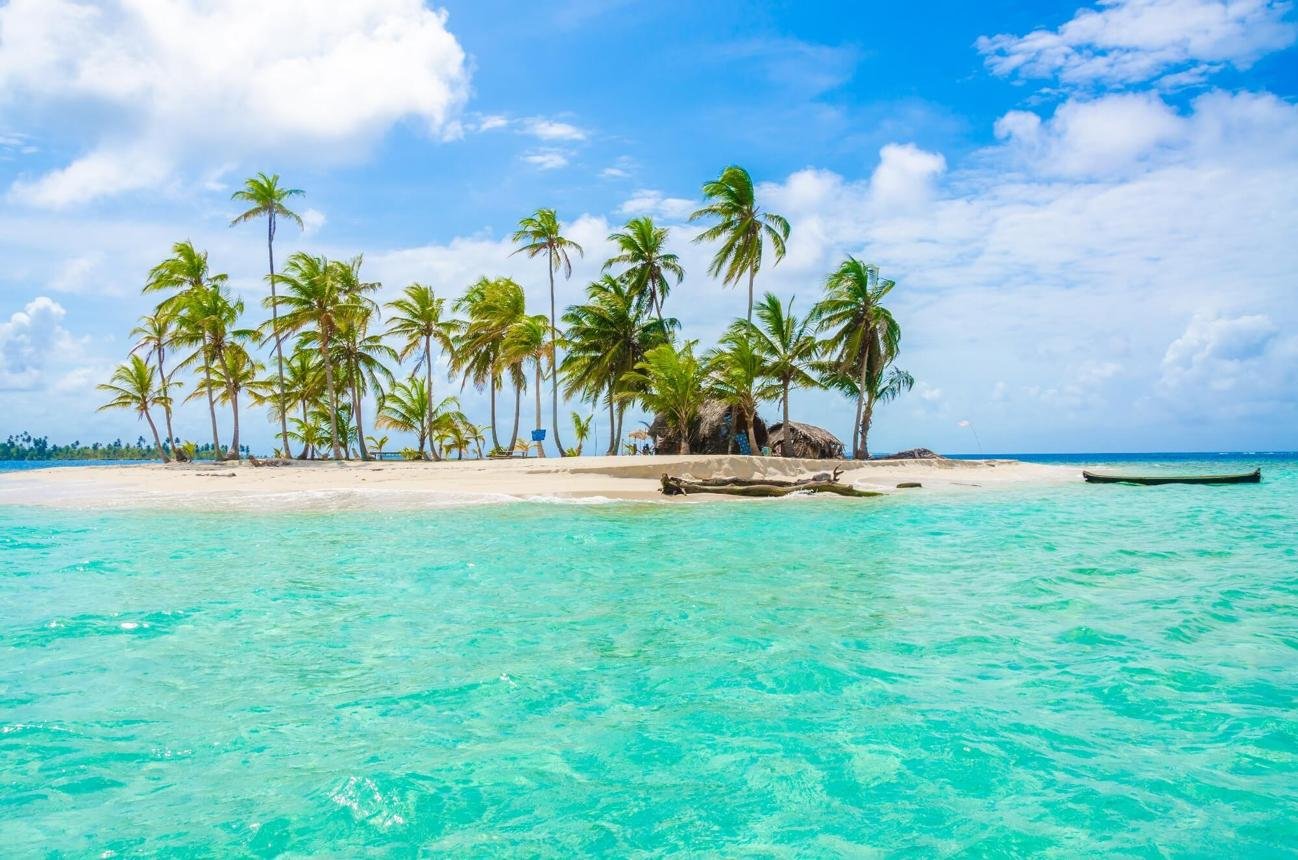
One of Central America’s most beautiful coastal regions.
Highlights:
- island scenery
- indigenous culture
- beaches
- sailing
Major destination:
- Guna Yala
Often known internationally as the San Blas Islands region.
6. Pacific Coast Route
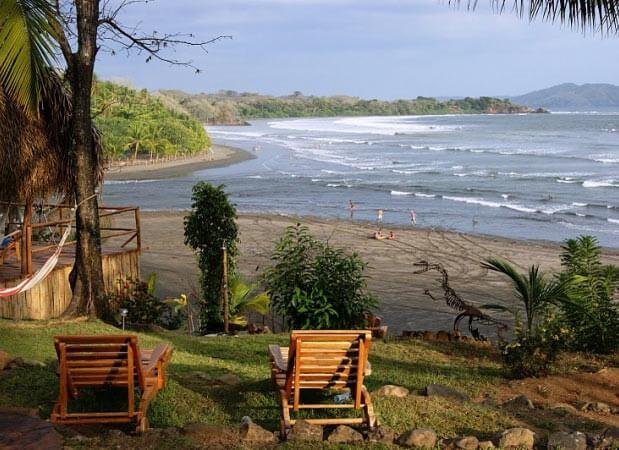
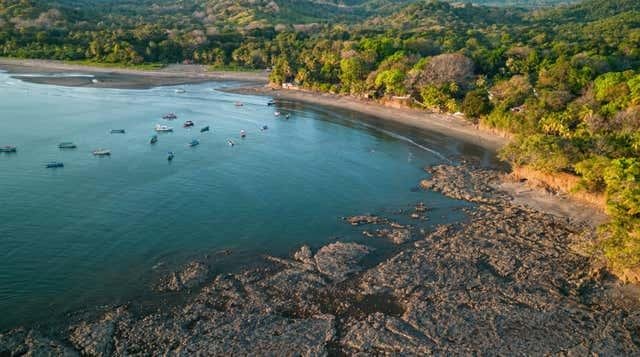
6
A scenic coastal journey.
Highlights:
- surfing
- beaches
- wildlife
- fishing villages
Major destinations:
- Santa Catalina
- Pedasí
Excellent for slow travel.
Borders & Entry Points
Panama borders:
- Costa Rica
- Colombia
Costa Rica
The main overland entry route.
Popular crossing:
- Paso Canoas
Used by most Pan-American Highway travelers.
Colombia
There is no road connection between Panama and Colombia because of the:
- Darién Gap
Vehicles must be shipped between Panama and Colombia.
This is one of the most famous challenges on the Pan-American Highway.
Vehicle Entry Requirements
Usually required:
- passport
- vehicle registration
- temporary vehicle import permit
- insurance
- driver’s license
Border procedures are generally straightforward.
Driving Conditions
Panama is one of Central America’s easiest countries for self-drive travel.
Easy:
- Pan-American Highway
- major tourist routes
Moderate:
- mountain roads
- coastal access roads
Difficult:
- remote jungle regions
- some rainy-season roads
A standard vehicle is suitable for most attractions.
Fuel & Logistics
Excellent throughout the country.
Expect:
- fuel stations nationwide
- modern supermarkets
- mechanics in major cities
- strong mobile coverage
- reliable banking services
Panama has some of the best infrastructure in Central America.
Camping & Accommodation
Wild Camping
Wild camping is possible in some remote areas but local permission is recommended.
Many travelers prefer organized campsites or accommodation.
Campsites
Camping options exist in:
- Boquete
- Pacific Coast
- Caribbean regions
- mountain areas
Motorhome Travel
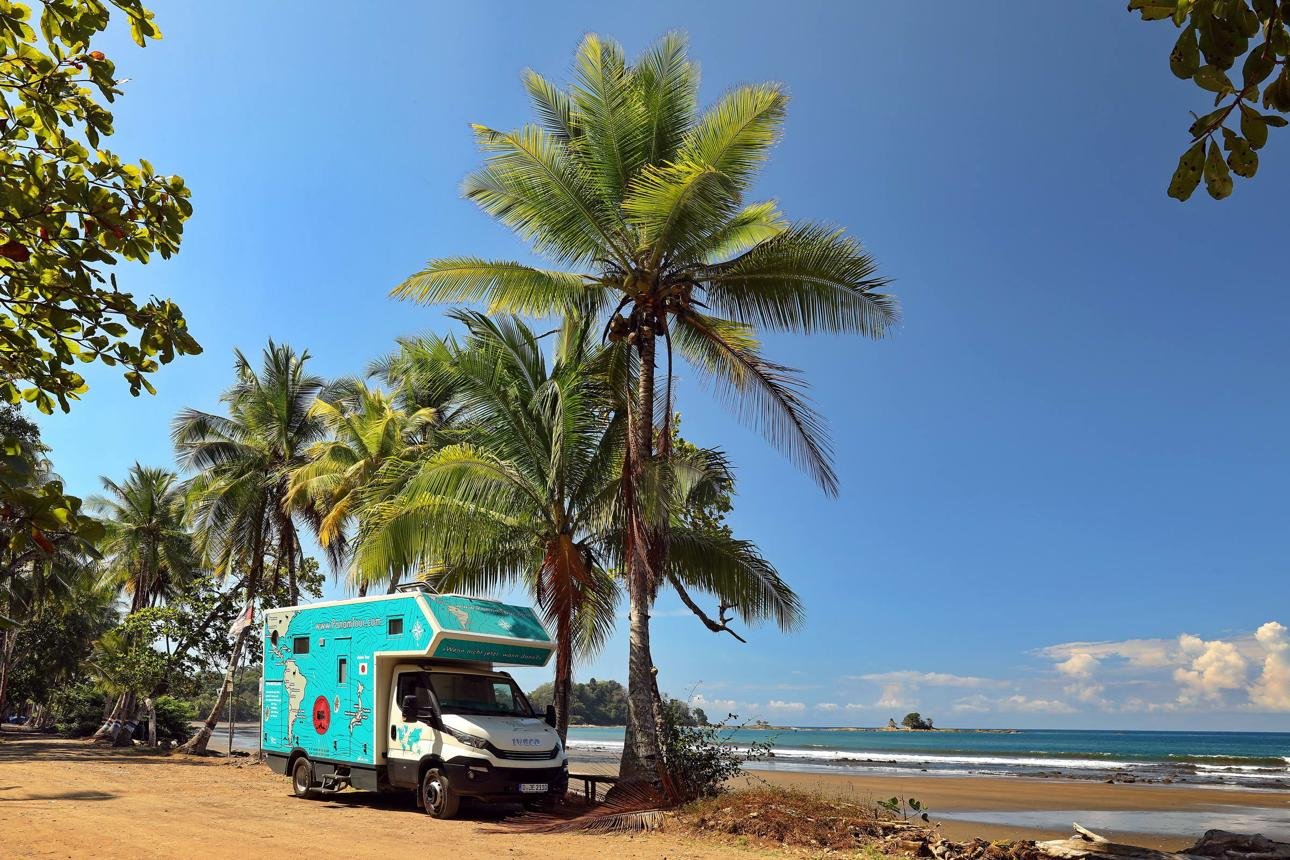
Well suited to campervans and expedition vehicles.
Panama is a popular stop for Pan-American overlanders.
Safety & Risks
Panama is generally considered one of the safer countries in Central America.
Main concerns:
- tropical weather
- heavy rain during wet season
- city traffic
- remote jungle areas
Avoid driving at night in unfamiliar rural regions.
Best Time to Visit
Ideal
December–April
Dry season with excellent road conditions.
Green Season
May–November
Lush scenery and fewer tourists.
Heavy rainfall can affect some roads.
Sample 2–3 Week Itinerary
Days 1–3: Panama City and Panama Canal
Days 4–6: Guna Yala
Days 7–10: Boquete
Days 11–13: Bocas del Toro
Days 14–16: Santa Catalina
Days 17–21: Pacific Coast and return to Panama City
FAQ
Is Panama good for overlanding?
Excellent. It combines modern infrastructure, tropical scenery, and access to both the Caribbean and Pacific.
Need a 4×4?
No. Most destinations are accessible with a standard vehicle.
Can you wild camp?
In some regions, yes, but local permission is recommended.
Good for campervans?
Yes. Panama is popular with Pan-American Highway travelers.
Best highlight?
The Panama Canal, Boquete Highlands, and the Caribbean islands of Bocas del Toro.
Related Pages
- Backpacking Panama
- RV Travel Panama
- Panama City
- Boquete
- Santa Catalina
- Pedasí
- Bocas del Toro
- Guna Yala
- Darién Gap
- Panama Canal
- Miraflores Locks
- Costa Rica Overlanding Guide
- Colombia Overlanding Guide
- Central America Overlanding Guide
- Pan-American Highway Guide
- Panama Campsites Guide
- Overlanding in Panama