Ancient Cities, Sahara Adventures & West African Overlanding
Mali is one of West Africa’s most historically significant countries and home to some of Africa’s greatest cultural treasures. From the legendary trading city of Timbuktu and the dramatic cliffs of the Bandiagara Escarpment to the bustling markets of Bamako and the winding Niger River, Mali offers extraordinary history, diverse landscapes and centuries-old traditions. Once the heart of one of the world’s richest empires, Mali remains a land of remarkable archaeological sites, vibrant music, ancient mud-brick architecture and unforgettable desert scenery.
Stretching from the Sahara Desert in the north to the fertile Niger River basin in the south, Mali covers more than 1.24 million square kilometers, making it one of Africa’s largest countries. Its landscapes range from endless sand dunes and rocky plateaus to lush floodplains, river valleys and traditional farming communities. For centuries, caravans crossed the Sahara carrying gold, salt and manuscripts, helping establish cities such as Timbuktu, Djenné and Gao among the most influential centers of trade and Islamic scholarship in the medieval world.
Today, Mali remains one of the most culturally fascinating destinations in Africa. The country is renowned for its music, colorful festivals, traditional craftsmanship and diverse ethnic groups including the Bambara, Fulani, Dogon, Tuareg, Songhai and Bozo peoples. Ancient mosques built entirely from mud, lively river ports and traditional villages preserve customs that have remained largely unchanged for generations.
Although tourism has declined significantly because of security challenges in recent years, Mali continues to hold enormous historical and cultural importance. Many of its most famous destinations are currently difficult or inadvisable to visit depending on the security situation, and travelers should carefully monitor official travel advisories before planning any journey. Southern Mali, particularly around Bamako and some neighboring regions, has generally remained more accessible than large parts of the north, but conditions can change quickly.
For overlanders, Mali has historically been a key crossing point between North Africa and West Africa, connecting Algeria, Mauritania, Senegal, Guinea, Côte d’Ivoire, Burkina Faso and Niger. While current security conditions severely restrict many traditional overland routes, the country remains an important part of African overland history and future route planning.
This guide introduces Mali’s geography, history, regions, principal attractions, suggested itineraries, backpacking opportunities, overlanding considerations and practical travel information while serving as a central hub for more detailed destination guides.
6
Quick Facts
| Information | Details |
|---|---|
| Capital | Bamako |
| Population | Approximately 24 million |
| Area | 1,240,192 km² |
| Official Language | French |
| Widely Spoken Languages | Bambara, Fulani, Songhai, Tamasheq and many others |
| Currency | West African CFA Franc (XOF) |
| Time Zone | UTC |
| Driving Side | Right |
| Calling Code | +223 |
| Visa | Required for many nationalities |
| Best Time | November to February |
Mali experiences three distinct climatic zones. The northern third consists largely of Sahara Desert, the central region transitions into the Sahel, while the southern part supports agriculture with seasonal rainfall. The cool dry season between November and February generally provides the most comfortable travel conditions.
Why Visit Mali?
Few countries possess a richer historical legacy than Mali. During the Middle Ages, the Mali Empire controlled vast gold fields and trans-Saharan trade routes, becoming one of the world’s wealthiest civilizations. Legendary ruler Mansa Musa’s pilgrimage to Mecca in the 14th century demonstrated the empire’s immense prosperity and placed Mali firmly on medieval world maps.
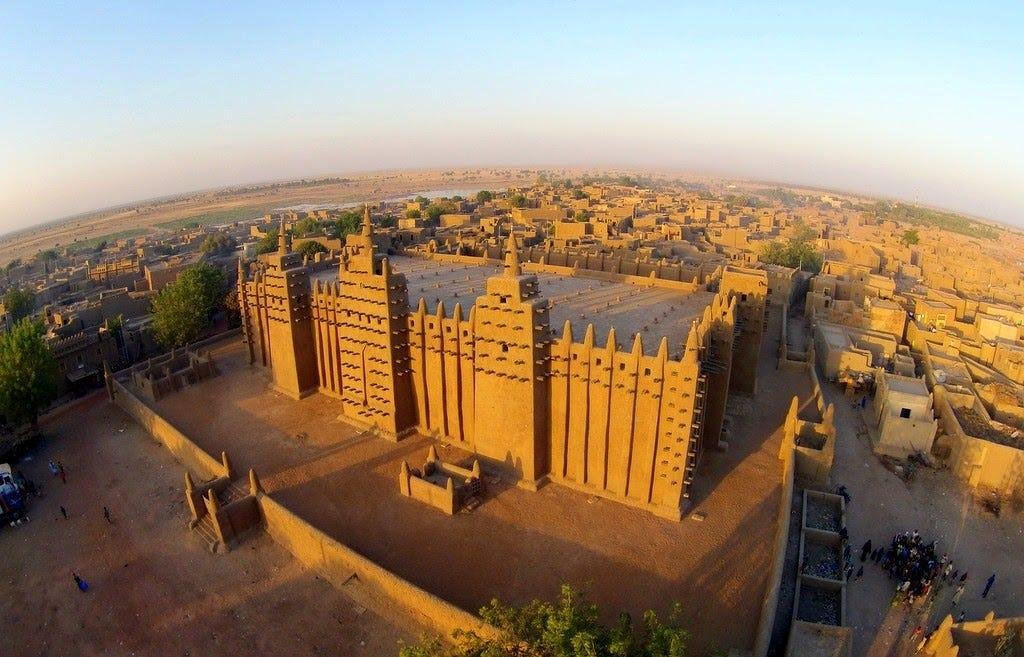
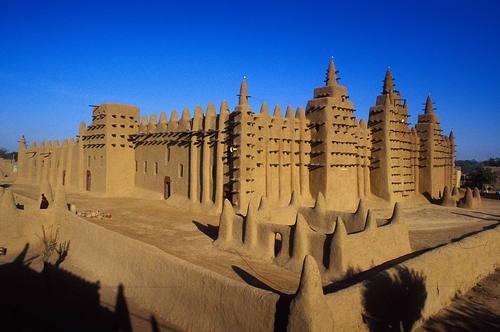
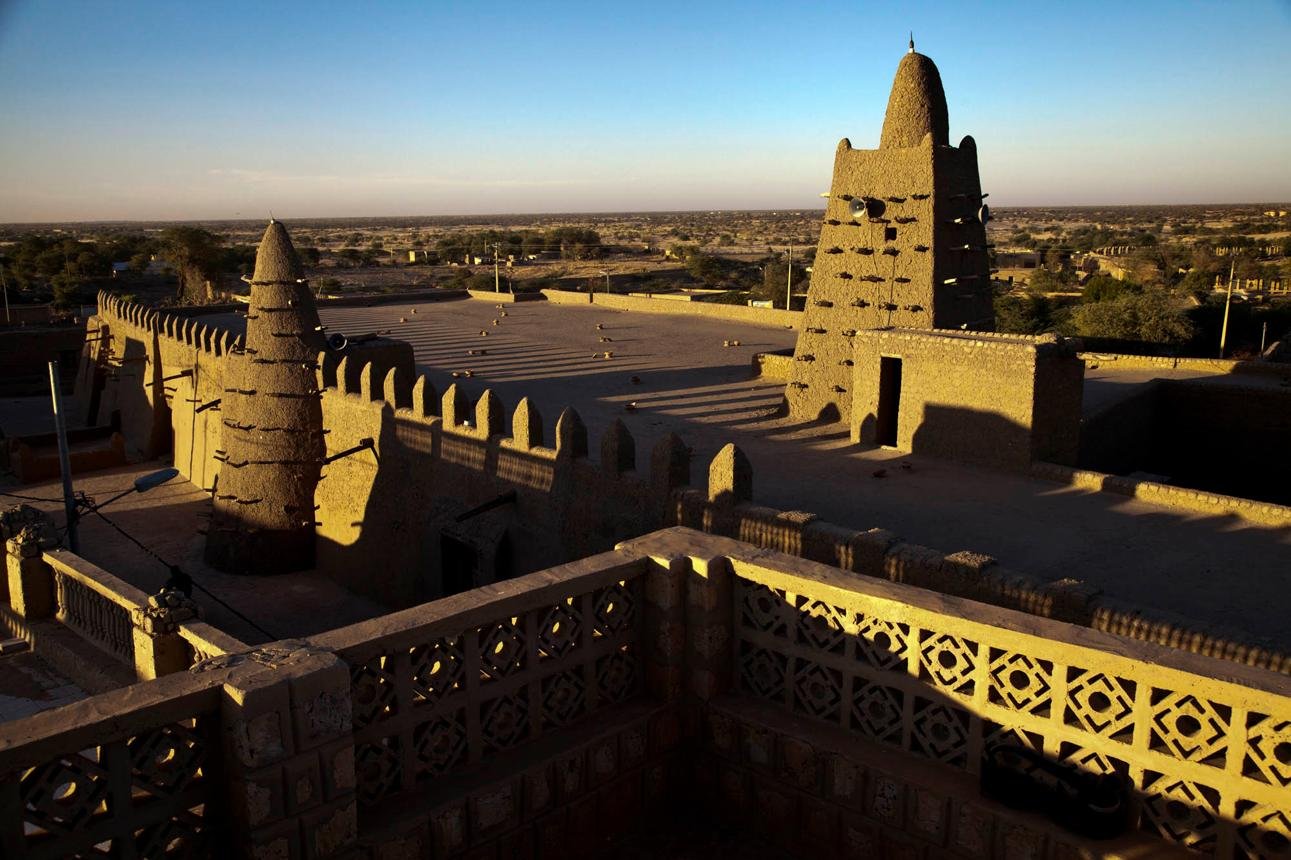
Visitors interested in history can explore UNESCO World Heritage Sites, ancient trading cities and architectural masterpieces built entirely from sun-dried mud bricks. The Great Mosque of Djenné remains the world’s largest mud-brick building and one of Africa’s greatest architectural achievements, while Timbuktu symbolizes centuries of scholarship and Islamic learning.
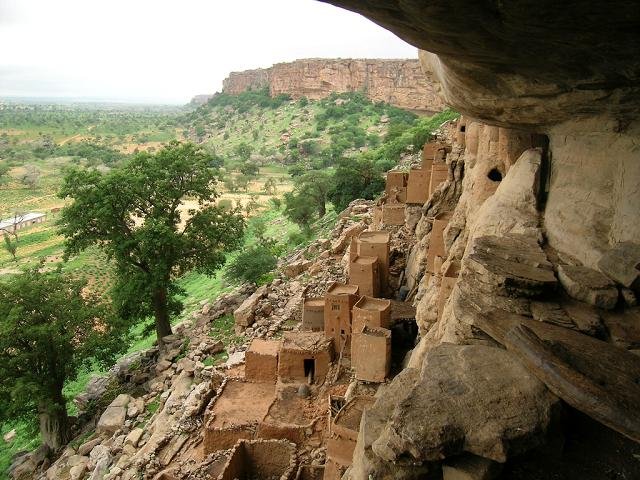
The country’s cultural diversity is equally impressive. Traditional Dogon villages cling dramatically to sandstone cliffs, Tuareg communities preserve nomadic desert traditions and river communities continue to depend upon the Niger River much as they have for centuries. Mali is also internationally celebrated for its music, producing globally recognized artists whose rhythms influence musicians around the world.
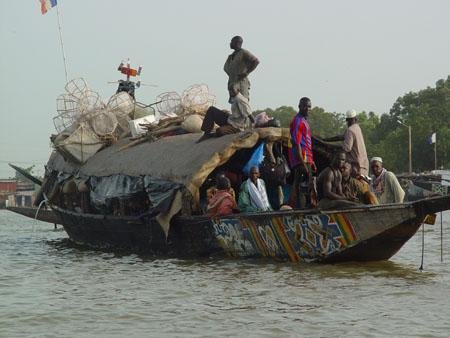
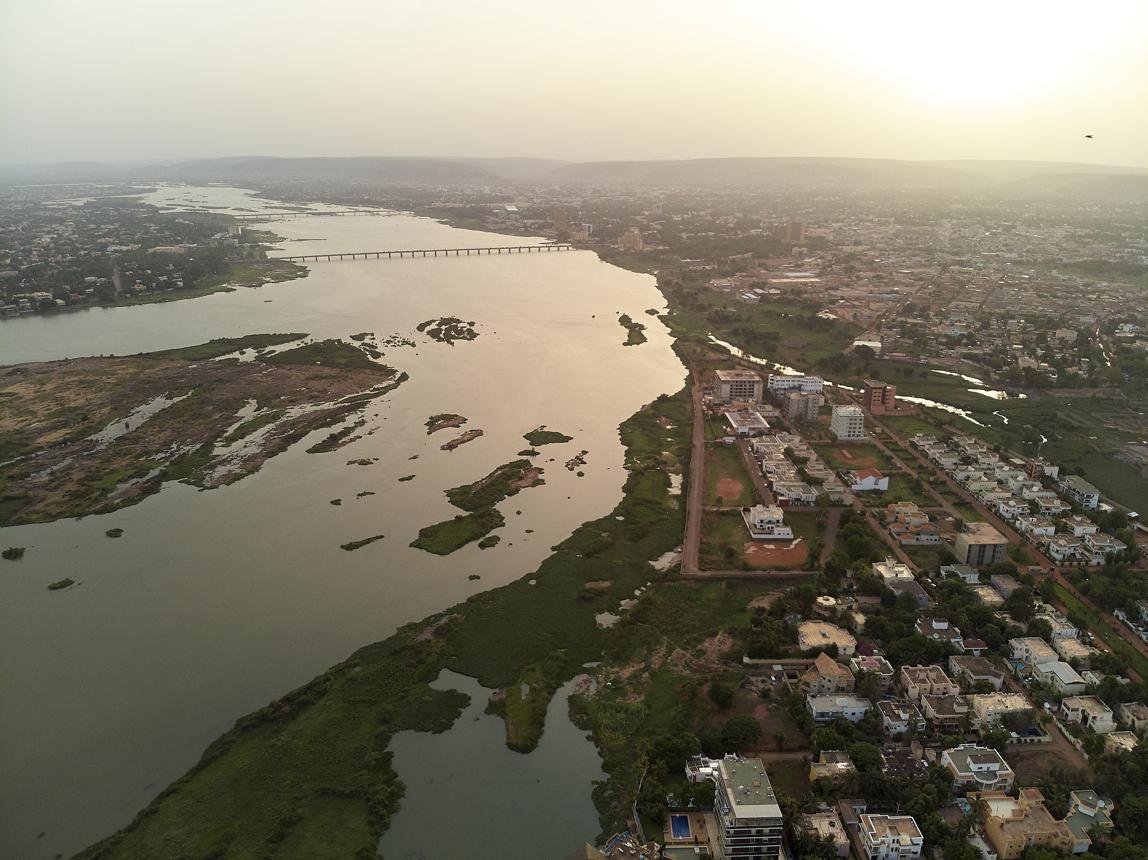
Nature enthusiasts discover remarkably varied landscapes, from the Sahara’s immense dunes to seasonal wetlands supporting migratory birds and the dramatic cliffs of Dogon Country. The Niger River remains central to life across much of southern and central Mali, supporting fishing, farming and transport.
Travel in Mali currently requires careful planning because security conditions vary significantly between regions. Nevertheless, its historical significance and cultural richness continue to make it one of Africa’s most fascinating countries.
Best Places to Visit
Bamako
Mali’s capital stretches along the Niger River and serves as the country’s political, economic and cultural center.
Highlights include:
- National Museum of Mali
- Artisan Market
- Grand Mosque
- Niger River waterfront
- Point G Hill viewpoint
- Music venues
Recommended stay: 2–3 days
Djenné
One of Africa’s most remarkable historic towns, Djenné is famous for its magnificent mud-brick architecture and vibrant weekly market.
Highlights:
- Great Mosque of Djenné
- Traditional mud architecture
- Weekly market
- Historic old town
Recommended stay: 2 days
Timbuktu
For centuries Timbuktu represented one of the world’s great centers of learning and trans-Saharan trade.
Historic attractions include:
- Ancient mosques
- Manuscript libraries
- Desert landscapes
- Historic trading quarters
Recommended stay: 2–3 days (subject to security conditions)
Bandiagara Escarpment (Dogon Country)
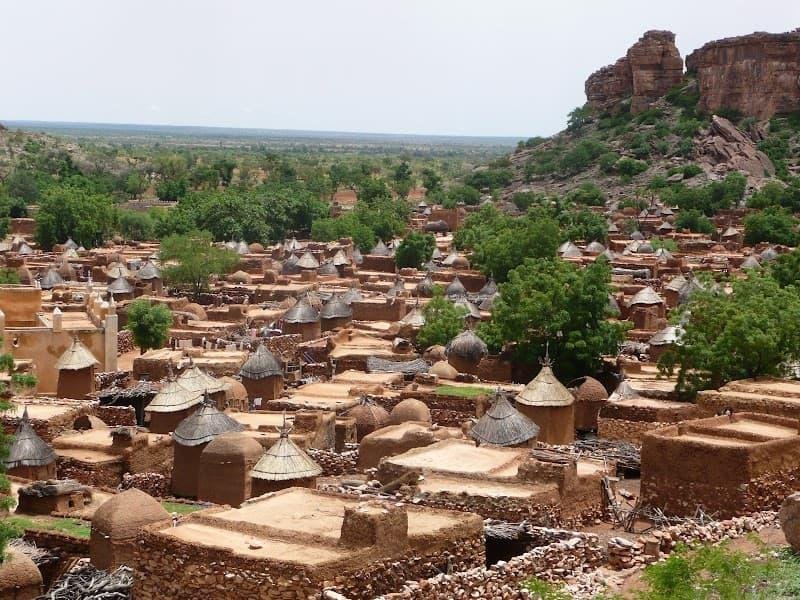
One of West Africa’s most spectacular landscapes, the sandstone cliffs of Dogon Country contain ancient villages, traditional architecture and remarkable hiking opportunities.
Highlights:
- Cliff villages
- Traditional granaries
- Hiking trails
- Cultural heritage
Recommended stay: 3–5 days
Mopti
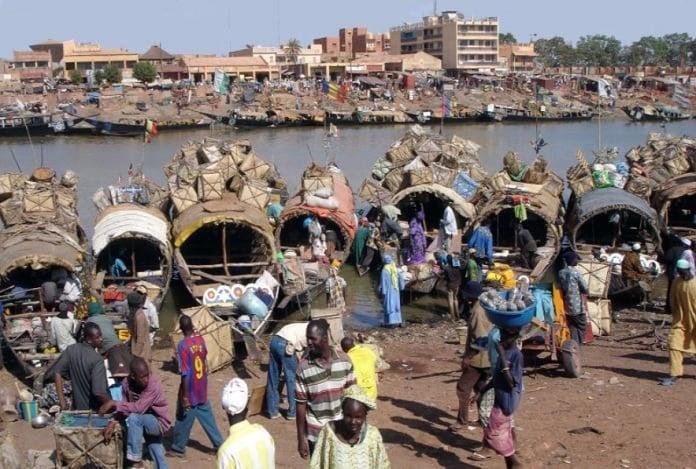
Known as the “Venice of Mali,” Mopti sits at the junction of the Niger and Bani Rivers.
Highlights:
- River port
- Fishing markets
- Great Mosque
- River cruises
Recommended stay: 2 days
Gao
Historically one of the great cities of the Songhai Empire, Gao lies on the eastern Niger River.
Recommended stay: 2 days (subject to security conditions)
Sikasso
Southern Mali’s largest city is surrounded by fertile farmland and provides a pleasant introduction to the country’s agricultural regions.
Recommended stay: 1–2 days
Niger River
The river itself ranks among Mali’s greatest attractions.
Activities include:
- Traditional boat journeys
- Birdwatching
- Fishing villages
- Sunset cruises
Recommended stay: Flexible
Boucle du Baoulé National Park
One of Mali’s largest protected areas preserves savannah landscapes and archaeological sites.
Recommended stay: 2 days
Hombori Mountains
Among Mali’s most dramatic geological formations, these mountains rise abruptly from the surrounding Sahel.
Recommended stay: 2 days
6
Best Time to Visit
November to February
The coolest and driest months offer the most comfortable conditions for sightseeing, hiking and cultural exploration. Daytime temperatures remain pleasant in the south, while desert regions become significantly cooler.
March to May
Temperatures increase rapidly, especially in northern and central Mali where daytime highs frequently exceed 40°C.
June to October
The rainy season mainly affects southern Mali, transforming landscapes into lush green countryside. Rural roads may become difficult after heavy rainfall.
Regions of Mali
Southern Mali
Home to Bamako, Sikasso and fertile agricultural landscapes.
Central Mali
Includes Djenné, Mopti and the Bandiagara Escarpment.
Niger River Valley
The country’s cultural and economic lifeline links many of Mali’s historic towns.
Northern Sahara
Dominated by vast desert landscapes, ancient caravan routes and cities such as Timbuktu and Gao.
Backpacking Mali
Historically, Mali ranked among West Africa’s most rewarding backpacking destinations thanks to its rich culture, affordable travel costs and legendary historic cities. Current security conditions have significantly reduced independent tourism, and travelers should carefully assess official travel advice before planning a trip.
When conditions permit, a classic itinerary includes:
- Bamako
- Sikasso
- Mopti
- Djenné
- Dogon Country
Budget travelers benefit from:
- Affordable guesthouses
- Local restaurants
- Shared taxis
- River transport
- Vibrant markets
Popular activities include:
- Historical sightseeing
- Cultural festivals
- Hiking
- Photography
- River journeys
- Traditional music performances
Future supporting guides:
- Backpacking Mali
- Bamako Backpacking Guide
- Mali Budget Guide
- Niger River Travel
- Public Transport Guide
Overlanding Mali
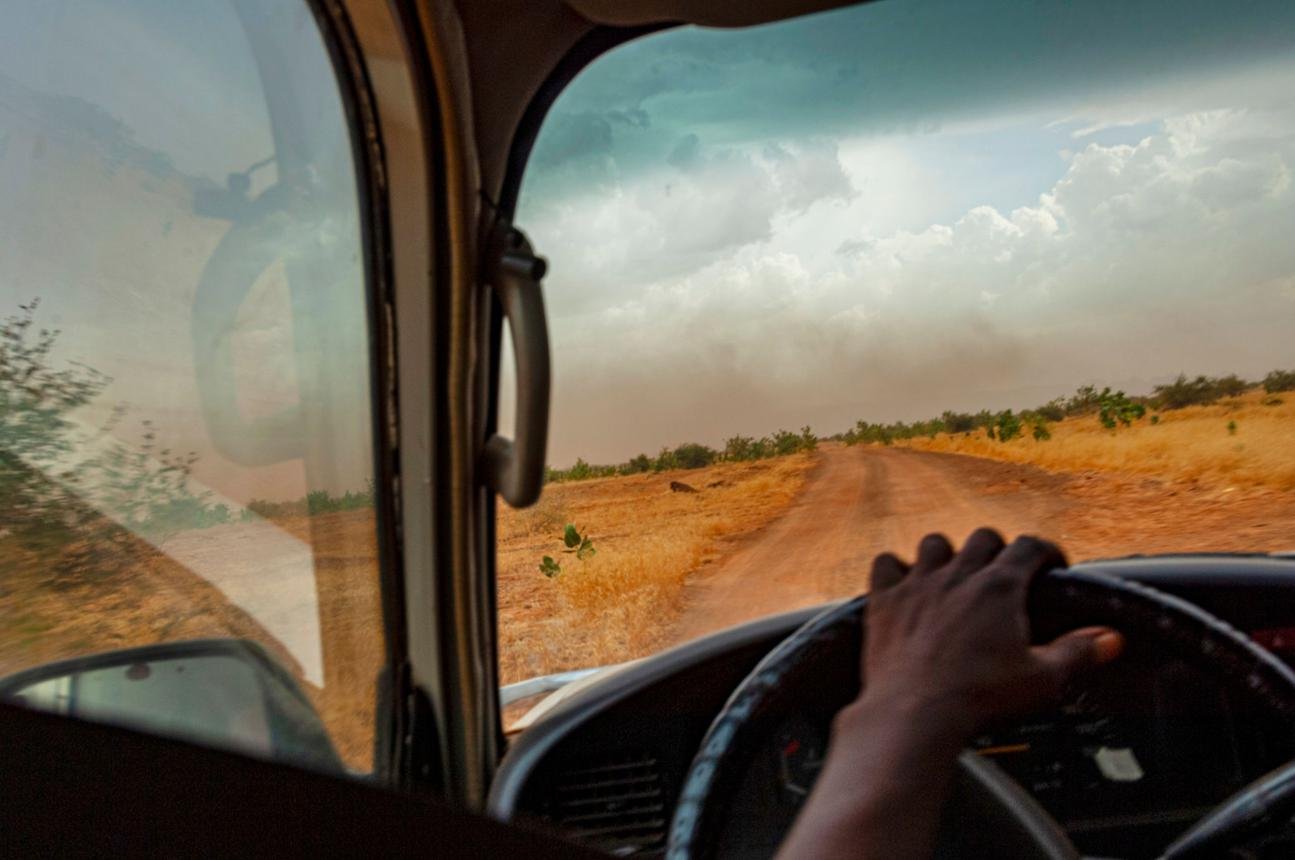
For decades, Mali occupied a central position on trans-African overland routes linking Europe with West Africa and Central Africa. Expeditions frequently crossed from Morocco or Algeria through Mauritania before continuing toward Senegal, Guinea, Côte d’Ivoire, Burkina Faso or Niger.
Today, many of these historic routes are affected by significant security concerns, particularly across northern and central Mali. Travelers considering overland journeys should consult current government travel advisories and local information before entering the country.
Border crossings include:
- Mauritania
- Algeria
- Niger
- Burkina Faso
- Côte d’Ivoire
- Guinea
- Senegal
Traditional overland routes include:
Western Route
Senegal – Kayes – Bamako
Southern Route
Bamako – Sikasso – Côte d’Ivoire
Niger River Route
Bamako – Mopti – Gao
Sahara Route
Timbuktu – Algeria (historically significant but currently subject to major security restrictions)
Future overlanding guides should include:
- Border procedures
- Vehicle documentation
- Fuel availability
- Security updates
- Road conditions
- Seasonal travel advice
Motorhome & RV Travel
Mali has historically welcomed expedition vehicles traveling across West Africa, although current conditions require careful route selection and ongoing assessment of security developments.
Suggested self-drive routes during periods of stable conditions include:
Southern Discovery
Bamako – Sikasso – Côte d’Ivoire
Niger Valley
Bamako – Ségou – Mopti
Historic Circuit
Bamako – Djenné – Mopti
Dedicated RV infrastructure remains limited. Most self-drive travelers rely upon hotels, guesthouses or organized camping with local permission.
Future RV guides:
- Safe overnight locations
- Fuel stations
- Mechanical workshops
- Border logistics
- Seasonal road conditions
Suggested Road Trips & Itineraries
One Week
Bamako – Ségou – Sikasso
Focus on southern Mali’s cultural attractions.
Two Weeks
Bamako – Djenné – Mopti – Dogon Country
An excellent introduction to Mali’s UNESCO heritage and traditional villages (subject to current security conditions).
Three Weeks
Southern Mali Explorer
Bamako – Sikasso – Ségou – Djenné – Mopti
Ideal for travelers interested in history and culture.
Four Weeks West Africa
Historically, Mali combined well with Senegal, Guinea and Burkina Faso, though route feasibility depends entirely on current security conditions.
Culture & Heritage
Mali is widely regarded as one of Africa’s cultural powerhouses.
Visitors encounter:
- Ancient Islamic architecture
- Traditional mud construction
- Tuareg craftsmanship
- Dogon cultural traditions
- Bambara art
- Colorful markets
- World-famous music
Annual festivals, where conditions permit, celebrate music, traditional dance and regional heritage.
Wildlife & Nature
Although Mali is best known for its history, the country also protects important ecosystems.
Protected areas include:
- Boucle du Baoulé National Park
- Gourma Elephant Reserve
- Niger River wetlands
Wildlife includes:
- Elephants
- Antelope
- Crocodiles
- Hippos
- Numerous migratory birds
Seasonal flooding along the Niger River creates important habitats for waterbirds and fisheries.
Essential Travel Information
Visa
Many nationalities require a visa before arrival. Entry requirements should always be verified before travel.
Budget
Mali has traditionally been one of West Africa’s more affordable destinations.
Typical daily costs:
- Budget: €30–50
- Mid-range: €70–140
- Luxury: €180+
Private transport and guided tours substantially increase costs.
Safety
Security conditions vary considerably across Mali and have changed significantly in recent years. Many governments advise against travel to large parts of the country, particularly northern and central regions. Anyone considering travel should consult the latest official travel advisories, monitor local developments and adjust plans accordingly.
Transport
Available transport includes:
- Long-distance buses
- Shared taxis
- Domestic flights
- River boats (seasonal)
- Private 4WD hire
Road quality ranges from paved national highways in the south to remote desert tracks in northern regions.
Continue Planning Your Trip
Top Destinations
- Bamako
- Djenné
- Timbuktu
- Mopti
- Bandiagara Escarpment
- Sikasso
- Gao
- Niger River
- Hombori Mountains
- Boucle du Baoulé National Park
Travel Planning
- Mali Visa Guide
- Best Time to Visit Mali
- Mali Budget Guide
- Driving in Mali
- Mali Border Crossings
- Mali Safety Guide
Adventure Travel
- Backpacking Mali
- Overlanding Mali
- Mali RV Travel
- Dogon Country Guide
- Djenné Travel Guide
- Niger River Guide
- West Africa Overland Route
- Transport in Mali
- Overlanding in Mali
Recommended Guides
Continue planning your journey through Mali with in-depth travel guides covering Bamako, Djenné, Mopti, Dogon Country, Timbuktu, Gao, Sikasso and the Niger River Valley. Additional articles explore backpacking itineraries, overlanding logistics, border crossings, UNESCO World Heritage Sites, traditional architecture, cultural experiences, road trips and practical travel planning. Together with this country hub, these detailed resources provide independent travelers with the historical context, logistical information and destination guides needed to explore one of Africa’s most culturally significant countries whenever conditions permit.