Sahara Expeditions, Ancient Caravan Cities & Atlantic Adventures
Mauritania is one of Africa’s last great frontiers for adventure travelers. Stretching from the Atlantic Ocean deep into the Sahara Desert, the country is defined by endless dunes, dramatic plateaus, remote oases, ancient caravan towns, and a nomadic culture that has adapted to one of the world’s harshest environments. While tourism remains limited compared to neighboring Morocco, Mauritania rewards independent travelers with spectacular scenery, unique cultural experiences, and a true sense of exploration.
For overlanders, Mauritania occupies a special place on the classic West African route. The country forms the gateway between North and West Africa and is crossed by travelers driving from Europe toward Senegal, Ghana, or even South Africa. Backpackers are drawn by the legendary Iron Ore Train, one of the world’s longest freight trains, while RV and motorhome travelers appreciate the vast open landscapes and opportunities for wild camping.
Travel in Mauritania requires careful planning. Distances are long, fuel stations can be hundreds of kilometers apart, and services outside the main towns are limited. Summer temperatures regularly exceed 45°C (113°F), making winter the preferred travel season. Travelers should also stay informed about the latest official travel advice, as security conditions in border areas can change.
Whether you dream of exploring UNESCO-listed caravan cities, camping beneath star-filled desert skies, or crossing the Sahara in a four-wheel-drive vehicle, Mauritania offers one of Africa’s most authentic adventure travel experiences.
Quick Facts
| Item | Information |
|---|---|
| Capital | Nouakchott |
| Currency | Mauritanian Ouguiya (MRU) |
| Official Language | Arabic |
| Widely Spoken | French, Pulaar, Soninke, Wolof |
| Population | Approximately 5 million |
| Time Zone | UTC±0 |
| Driving | Right-hand side |
| Country Code | +222 |
Why Visit Mauritania?
Mauritania appeals to travelers seeking remote landscapes, history, and genuine adventure rather than conventional tourist attractions.
Highlights include:
- Vast Sahara Desert landscapes
- UNESCO World Heritage caravan cities
- The famous Iron Ore Train
- Richat Structure (“Eye of the Sahara”)
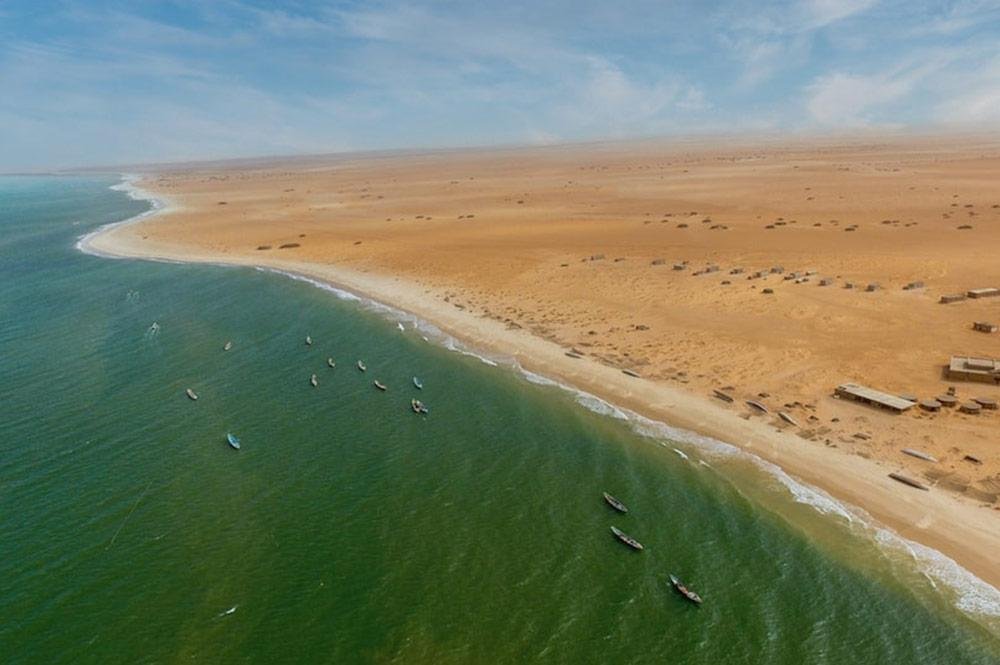
- Atlantic coastline
- Banc d’Arguin National Park
- Traditional nomadic culture
- Outstanding wild camping opportunities
- Spectacular desert photography
- Excellent overlanding routes
Unlike many destinations, Mauritania remains largely untouched by mass tourism, allowing visitors to experience a slower pace of life and remarkable hospitality.
Best Places to Visit
6
Nouakchott
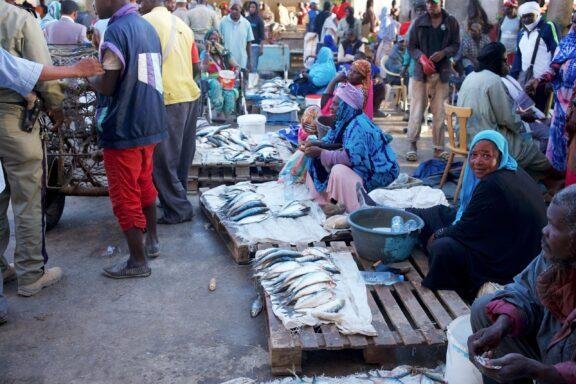
Mauritania’s capital lies between the Atlantic Ocean and the Sahara Desert. While modern in comparison with the country’s historic towns, it offers lively markets, museums, seafood restaurants, and serves as the country’s transport hub.
Highlights:
- Port de Pêche fish market
- National Museum
- Camel market
- Atlantic beaches
- Local craft markets
Chinguetti
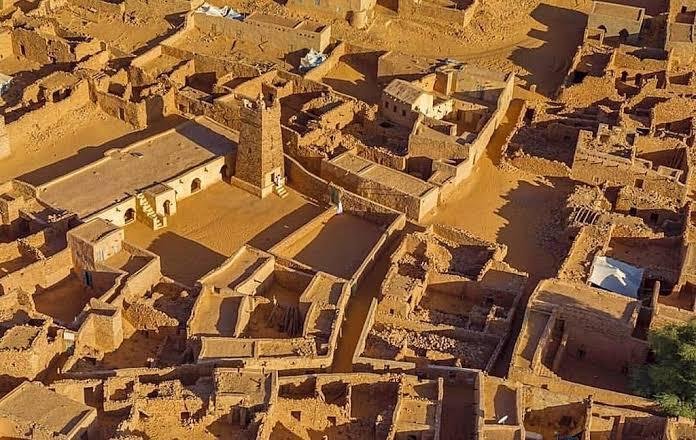
Founded in the 13th century, Chinguetti is one of the Sahara’s legendary caravan cities and a UNESCO World Heritage Site.
Visitors come to explore:
- Ancient stone streets
- Historic mosques
- Medieval libraries
- Traditional houses
- Expansive surrounding dunes
The town remains one of the finest surviving examples of medieval Saharan architecture.
Ouadane
Located near the Richat Structure, Ouadane was once an important stop along trans-Saharan trade routes.
Its ruined old quarter offers:
- Stone buildings
- Desert scenery
- Historical atmosphere
- Access to the Adrar Plateau
Richat Structure (Eye of the Sahara)
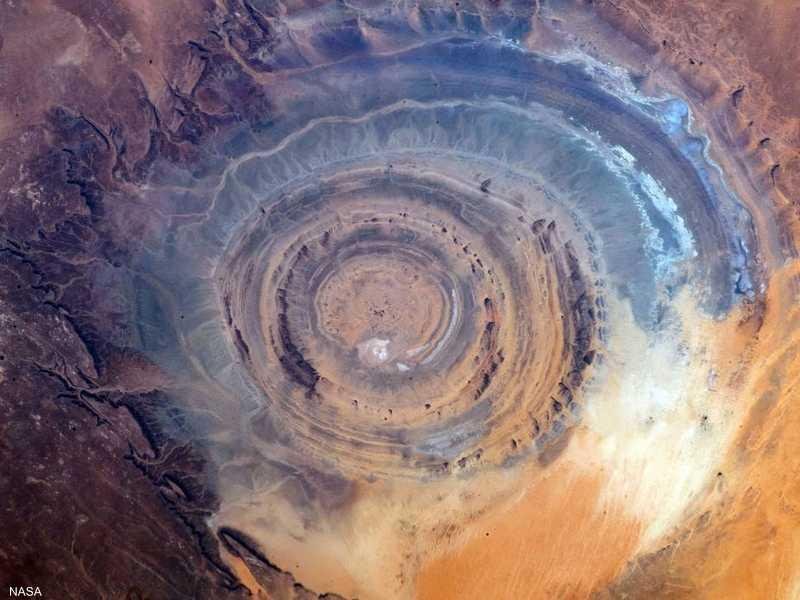
Visible from space, the Richat Structure is one of Africa’s most unusual geological formations.
The enormous circular rock formation measures approximately 40 kilometers across and has become one of Mauritania’s iconic landmarks.
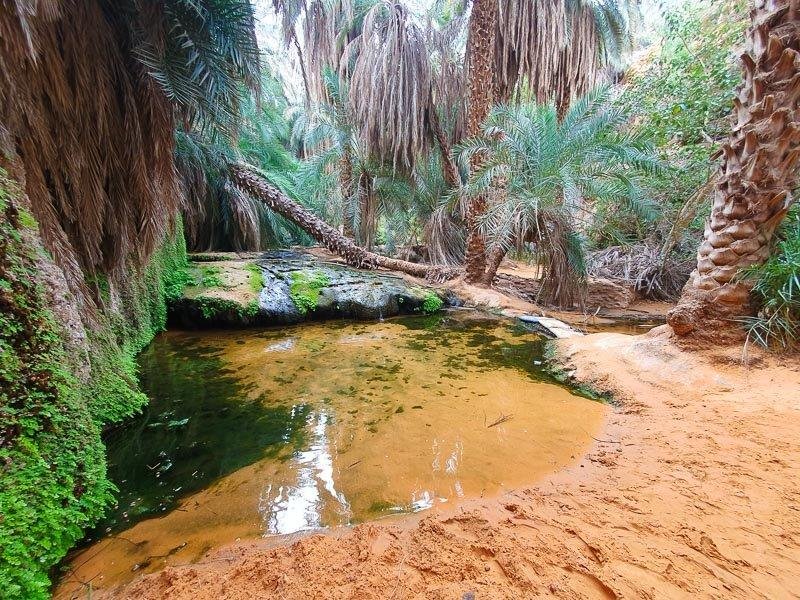
Terjit Oasis
Hidden among rocky cliffs, Terjit Oasis provides:
- Palm groves
- Natural springs
- Shade from the desert heat
- Small guesthouses
- Short hiking opportunities
Banc d’Arguin National Park
This UNESCO-listed national park protects one of the world’s most important coastal ecosystems.
Highlights include:
- Migratory birds
- Sand islands
- Traditional fishing communities
- Marine wildlife
- Quiet Atlantic beaches
Atar
Often called the gateway to the Adrar region, Atar serves as the starting point for many desert expeditions.
Nearby attractions include:
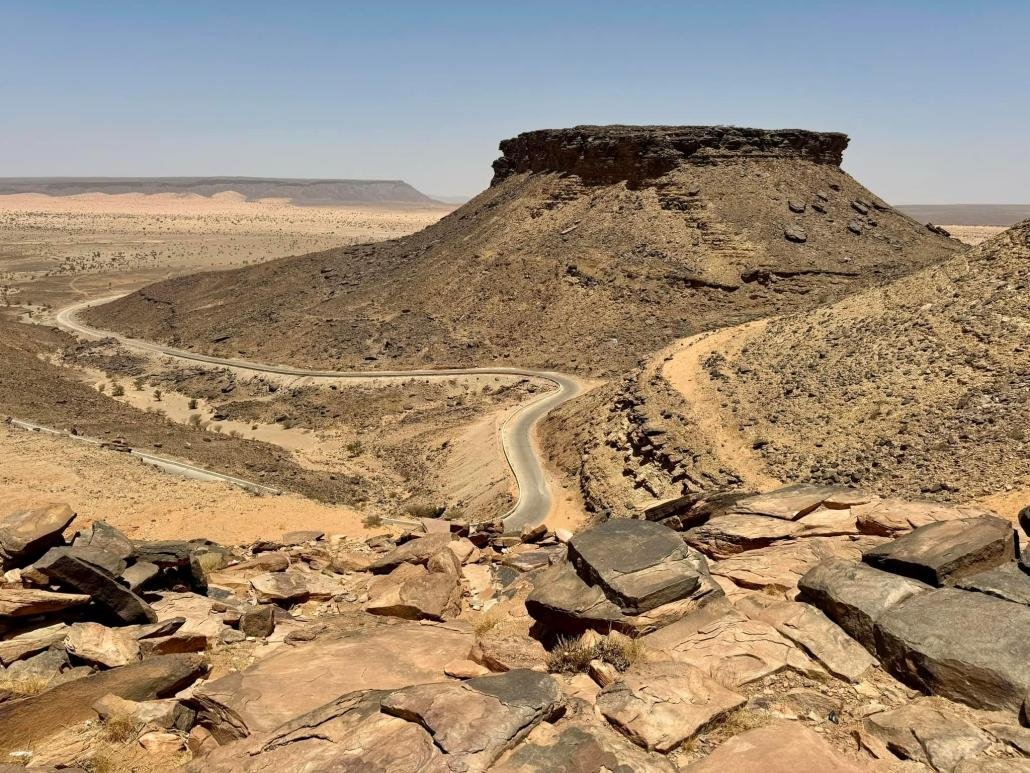
- Desert plateaus
- Canyons
- Oases
- Historic villages
Nouadhibou
Located near the border with Western Sahara, Nouadhibou is Mauritania’s second-largest city.
Known for:
- Fishing industry
- Atlantic coastline
- Ship graveyard
- Entry point for overlanders
Best Time to Visit
Mauritania can be visited year-round, but climate plays a significant role in planning.
| Season | Conditions |
|---|---|
| November – February | Coolest temperatures, ideal for travel |
| March – April | Warm, excellent for desert trips |
| May – September | Extreme desert heat |
| October | Temperatures begin to moderate |
Winter is generally regarded as the best time for overlanding, hiking, and sightseeing.
Regions of Mauritania
Adrar
The country’s most famous travel region.
Known for:
- Chinguetti
- Ouadane
- Richat Structure
- Desert scenery
- Ancient caravan routes
Dakhlet Nouadhibou
Features:
- Atlantic coast
- Nouadhibou
- Birdlife
- Coastal deserts
Inchiri
A sparsely populated region of desert landscapes and mining areas.
Trarza
Home to:
- Nouakchott
- Atlantic beaches
- Agricultural areas
- Senegal River access
Tagant
Offers dramatic cliffs, canyons, and traditional villages.
Hodh Regions
Eastern Mauritania is characterized by remote desert landscapes, traditional settlements, and trans-Saharan heritage.
Suggested Road Trips & Itineraries
7-Day Mauritania Highlights
- Nouakchott
- Atar
- Chinguetti
- Terjit Oasis
Ideal for first-time visitors focusing on the country’s cultural and desert highlights.
10-Day Desert Explorer
Continue to:
- Ouadane
- Richat Structure
- Banc d’Arguin National Park
This itinerary combines historical sites with unique natural attractions.
2–3 Week Grand Mauritania Expedition
Explore:
- Nouadhibou
- Atlantic coast
- Banc d’Arguin
- Nouakchott
- Atar
- Chinguetti
- Ouadane
- Richat Structure
- Terjit
- Tagant Plateau
This extended journey offers a comprehensive introduction to Mauritania’s landscapes and cultural heritage.
Overlanding in Mauritania
9
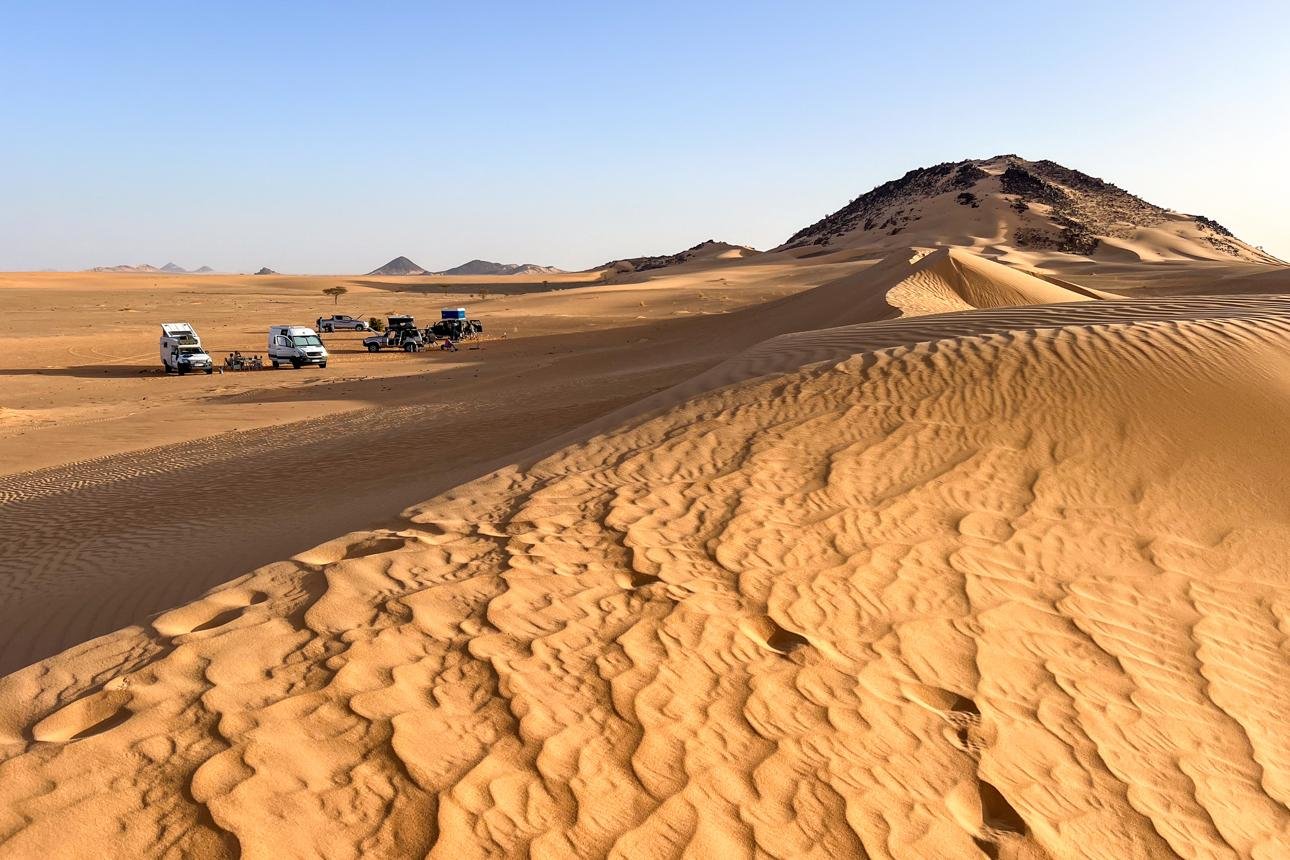
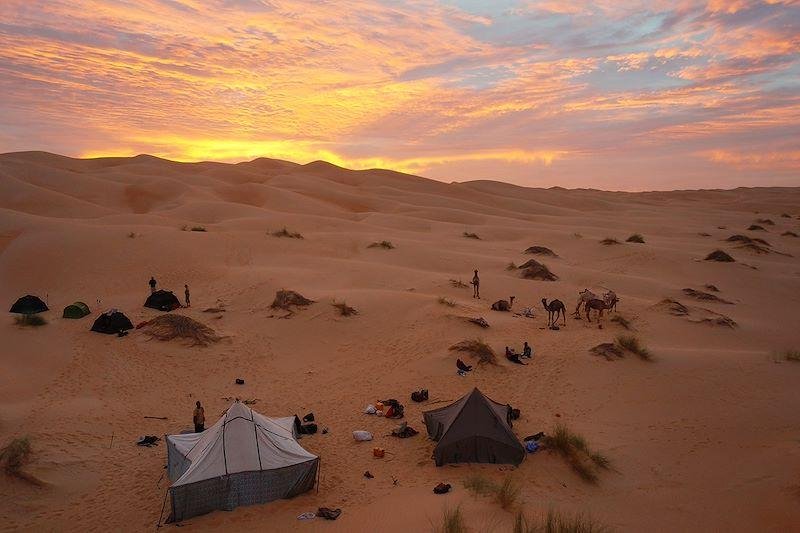
Mauritania is widely regarded as one of the premier overlanding destinations in Africa. It combines excellent desert driving, remote wilderness, fascinating history, and welcoming local communities.
Why Overlanders Love Mauritania
The country offers:
- Vast open desert
- Long-distance expeditions
- Minimal traffic
- Challenging sand tracks
- Spectacular wild camping
- Ancient caravan settlements
- Cross-Sahara adventures
Mauritania also forms a key section of the classic Europe-to-West Africa overland route.
Popular Overland Routes
Western Sahara Border – Nouadhibou
The northern entry point for travelers arriving from Morocco and Western Sahara.
Nouadhibou – Nouakchott
A scenic coastal highway connecting the country’s two largest cities.
Nouakchott – Atar
The main gateway into the Adrar Plateau.
Atar – Chinguetti – Ouadane
One of Africa’s finest desert road trips featuring ancient caravan towns and spectacular desert scenery.
Ouadane – Richat Structure
A rewarding off-road adventure requiring suitable vehicles and navigation skills.
Nouakchott – Senegal Border
The principal route continuing south into West Africa.
Desert Driving
Many attractions require:
- High-clearance 4WD
- Reduced tire pressures
- Recovery boards
- Tow straps
- Air compressor
- GPS navigation
- Satellite communication for remote areas
Traveling with another vehicle is advisable on more remote tracks.
Fuel & Supplies
Fuel is generally available in major towns such as Nouakchott, Atar, and Nouadhibou, but distances between stations can be considerable. Carrying extra fuel and ample drinking water is essential for remote journeys.
Backpacking in Mauritania
Although less developed than neighboring Morocco or Senegal, Mauritania offers adventurous backpackers a rewarding destination focused on culture and exploration.
Budget Travel
Accommodation typically consists of:
- Guesthouses
- Small hotels
- Auberges
- Family-run lodgings
Facilities are generally simple but affordable.
Transportation
Travel options include:
- Shared taxis
- Minibuses
- Intercity coaches
- Domestic flights (limited)
- The famous Iron Ore Train
Schedules may be irregular, and patience is often required.
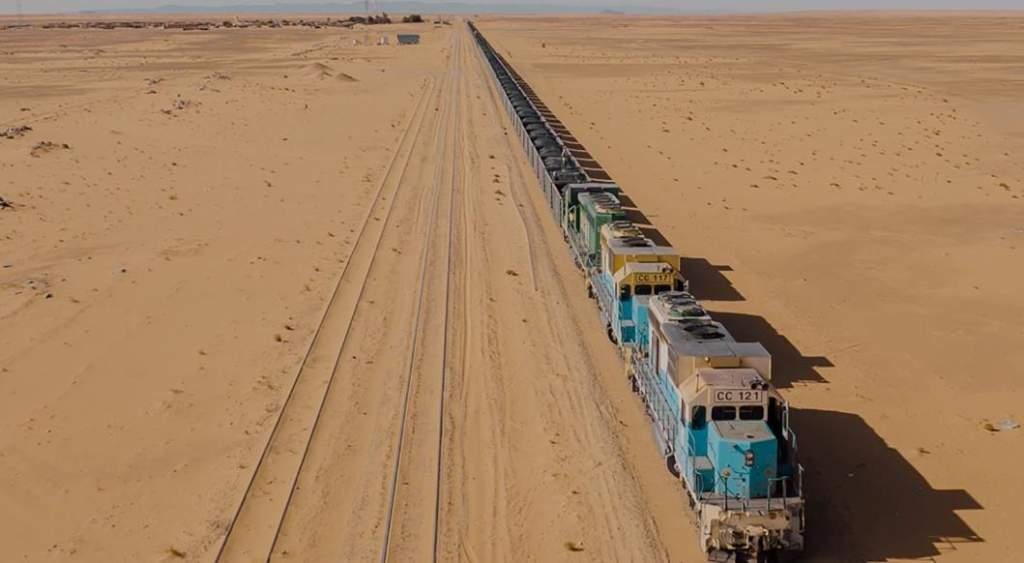
The Iron Ore Train
One of the world’s most famous rail journeys, the Iron Ore Train runs between the mining town of Zouérat and Nouadhibou. Travelers traditionally ride in the open ore wagons or passenger carriage, experiencing an unforgettable journey across the Sahara.
Backpacking Highlights
- Chinguetti
- Nouakchott markets
- Terjit Oasis
- Richat Structure tours
- Banc d’Arguin excursions
- Traditional tea culture
Camping
Camping is one of Mauritania’s greatest attractions.
Wild Camping
Wild camping is generally possible in many remote desert areas when undertaken responsibly and with respect for local communities.
Popular environments include:
- Sand dunes
- Rocky plateaus
- Desert oases
- Atlantic beaches
Camp Preparation
Carry:
- Sufficient water
- Shade equipment
- Extra fuel
- Recovery gear
- Navigation devices
- Warm clothing for cold desert nights
Continue Planning
RV & Motorhome Travel
Mauritania is increasingly popular among European motorhome travelers heading into West Africa.
Recommended RV Routes
Coastal Route
Nouadhibou → Nouakchott
Desert Route
Nouakchott → Atar → Chinguetti
Adrar Circuit
Atar → Terjit → Ouadane → Richat Structure
Road Conditions
Most main highways are paved, while many attractions require gravel roads or sand tracks. Large motorhomes should carefully assess route conditions before leaving the main road network.
Campsites
Formal campsites are rare. Many travelers rely on:
- Wild camping
- Auberges
- Hotel parking
- Desert camps
Continue Planning
Future supporting guides:
- Motorhome Travel in Mauritania
- RV Routes in West Africa
- Driving a Camper Across the Sahara
Driving in Mauritania
Driving is generally straightforward on the main paved highways, but remote travel demands preparation.
Road Types
- Modern highways
- Gravel roads
- Desert tracks
- Sandy pistes
Common Challenges
- Livestock on roads
- Sand drifts
- Long distances without services
- Heat
- Limited roadside assistance
Drivers should avoid night driving due to animals, poor visibility, and unlit vehicles.
Border Crossings
Mauritania shares borders with:
- Western Sahara (to the north)
- Algeria (remote)
- Mali
- Senegal
The Guerguerat–Nouadhibou crossing is the principal route for overlanders entering from Morocco and Western Sahara. The Diama and Rosso crossings connect Mauritania with Senegal, each offering different experiences and logistical considerations. Travelers should verify current procedures, vehicle import requirements, insurance, and security conditions before arrival.
Visa & Entry Requirements
Many nationalities can obtain an eVisa before arrival, although entry requirements may change.
Travelers should ensure they have:
- A passport valid for at least six months
- Appropriate visa or entry authorization
- Vehicle registration documents (if driving)
- Valid insurance where required
- Proof of onward or return travel if requested
Always confirm the latest requirements with official Mauritanian authorities before departure.
Budget & Costs
Estimated daily expenses:
| Travel Style | Daily Budget |
|---|---|
| Backpacker | US$35–60 |
| Mid-range | US$70–140 |
| Comfortable | US$150+ |
| Overlander (excluding vehicle costs) | US$40–90 |
Fuel is relatively affordable, while imported goods and specialized services can be expensive outside major towns.
Safety
Mauritania is generally considered stable in many of the country’s main travel corridors, but conditions can change, particularly in remote border regions.
Travelers should:
- Check the latest government travel advisories
- Avoid restricted border areas where advised
- Carry adequate water and emergency supplies
- Inform someone of remote travel plans
- Avoid driving after dark
- Respect local customs and regulations
Medical facilities outside Nouakchott are limited, making comprehensive travel insurance highly advisable.
Food & Culture
Mauritanian cuisine reflects Arab, Berber, and West African influences.
Typical dishes include:
- Grilled camel meat
- Rice with fish
- Lamb stews
- Couscous
- Fresh seafood
- Dates
- Mint tea
Tea is central to Mauritanian hospitality. Visitors are often invited to share multiple rounds of sweet mint tea, an important social tradition.
As an Islamic country, modest dress and respectful behavior are appreciated, particularly in smaller towns and rural communities.
Frequently Asked Questions
Is Mauritania safe to visit?
Many travelers visit Mauritania without incident, particularly along established routes. However, security conditions can change, especially near some border regions, so travelers should consult current official travel advice before departure.
Can you overland through Mauritania?
Yes. Mauritania is one of Africa’s classic overlanding destinations and forms an important section of the Europe-to-West Africa route.
Can you ride the Iron Ore Train?
Yes. Subject to operational conditions, travelers can ride either the passenger carriage or, where permitted and appropriate, experience the open ore wagons on this iconic desert railway.
Is Mauritania suitable for motorhome travel?
Yes. Well-prepared motorhome travelers can explore much of the country using the main highway network, while some remote attractions are better suited to smaller or four-wheel-drive vehicles.
Is wild camping allowed?
Wild camping is common in many remote areas when practiced responsibly and with respect for local communities and the environment.
What is the best time to visit Mauritania?
November through February generally offers the most comfortable temperatures for sightseeing, overlanding, hiking, and desert travel.
Continue Planning
Expand your Mauritania adventure with these detailed guides:
- Overlanding in Mauritania
- Backpacking Mauritania
- Motorhome & RV Travel in Mauritania
- Camping in Mauritania
- Driving in Mauritania
- Border Crossings in Mauritania
- Mauritania Visa Guide
- The Iron Ore Train Guide
- Chinguetti Travel Guide
- Richat Structure Travel Guide
- Banc d’Arguin National Park Guide
- West Africa Overlanding Guide
- West Africa Backpacking Guide
- Transport in Mauritania
- Overlanding in Mauritania