Lakes, Highlands, Wildlife & the Heart of East Africa
6
Burundi Travel Guide
Burundi may be one of Africa’s smallest countries, but it offers an impressive diversity of landscapes, cultures, and outdoor experiences packed into its compact territory. Nestled in the heart of East Africa and bordered by Rwanda, Tanzania, and the Democratic Republic of the Congo, Burundi is known for its rolling green hills, vast tea plantations, tropical forests, vibrant traditions, and the northern shores of the magnificent Lake Tanganyika.
Often called the “Land of a Thousand Hills,” Burundi shares much of the spectacular scenery that has made neighboring Rwanda famous, yet it remains one of Africa’s least-visited destinations. Travelers willing to venture beyond the usual tourist routes will discover authentic villages, friendly communities, wildlife reserves, waterfalls, mountain roads, and one of the world’s deepest freshwater lakes. The country’s relatively small size also makes it easy to explore several regions within a single trip.
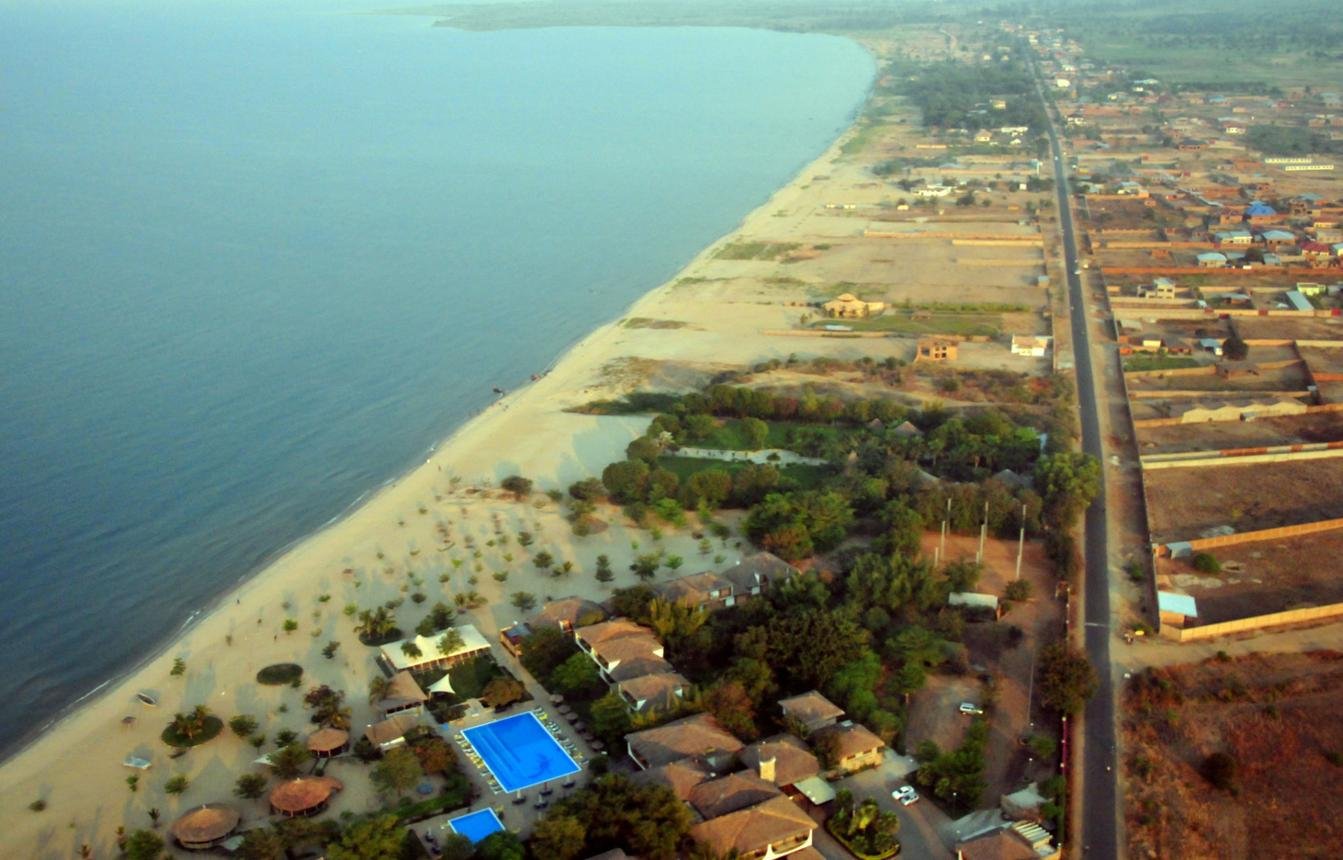
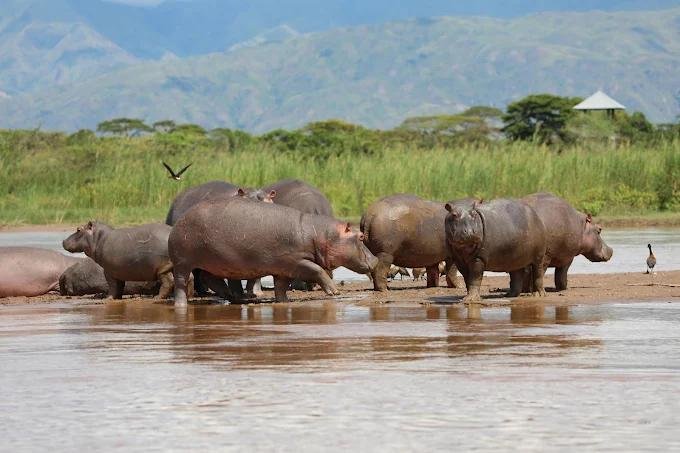
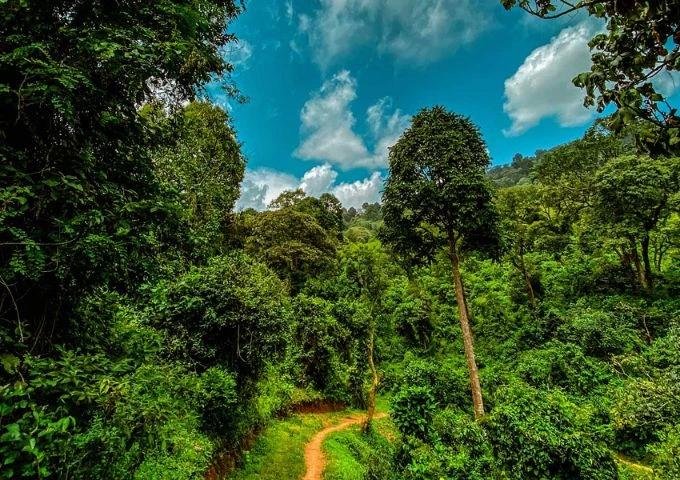
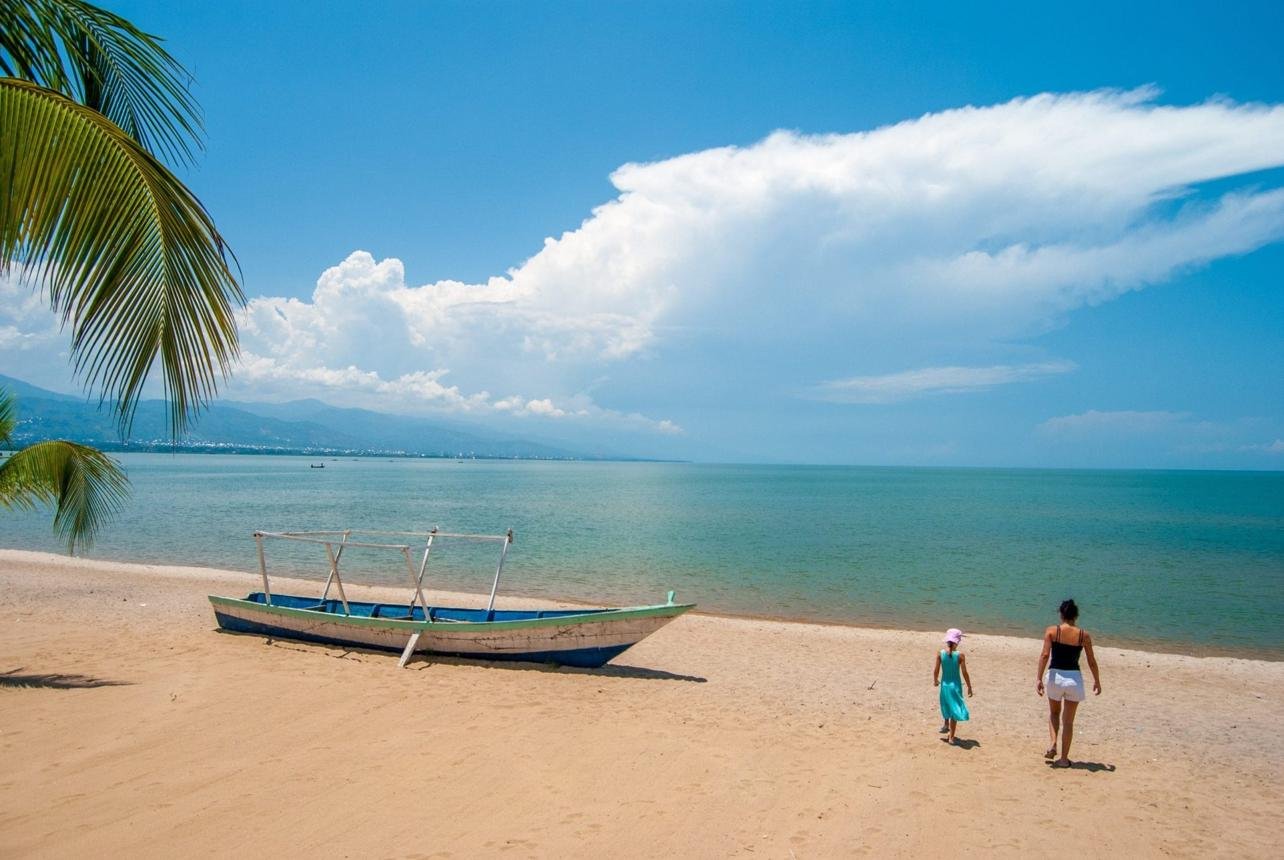
The capital, Gitega, is the political and cultural center, while Bujumbura remains the country’s largest city and principal gateway. Along the shores of Lake Tanganyika, visitors can relax on sandy beaches, watch colorful fishing boats, or explore wetlands rich in birdlife. Inland, Kibira National Park protects montane rainforest, while Rusizi National Park offers opportunities to see hippos, crocodiles, and numerous bird species.
For overlanders, Burundi is an interesting addition to East African routes linking Rwanda, Tanzania, and the Democratic Republic of the Congo. Backpackers appreciate the country’s affordable accommodation and authentic atmosphere, while RV travelers can comfortably explore much of the national road network with a well-prepared expedition vehicle.
Although tourism infrastructure remains modest compared with neighboring Kenya or Tanzania, this contributes to Burundi’s charm. Visitors experience genuine hospitality, fascinating cultural traditions, and natural landscapes that remain largely untouched by mass tourism.
This guide serves as the cornerstone travel hub for Burundi, introducing the country’s major destinations while linking to detailed guides covering overlanding, backpacking, camping, driving, visas, border crossings, and regional itineraries.
Quick Facts
| Item | Information |
|---|---|
| Capital | Gitega |
| Largest City | Bujumbura |
| Currency | Burundian Franc (BIF) |
| Official Languages | Kirundi, French and English |
| Population | Approximately 14 million |
| Time Zone | UTC+2 |
| Driving | Right-hand side |
| Country Code | +257 |
Why Visit Burundi?
Burundi offers authentic East African experiences without the crowds found in more established safari destinations.
Reasons to visit include:
- Lake Tanganyika
- Rolling highlands
- Kibira National Park
- Rusizi National Park
- Tea plantations
- Scenic mountain roads
- Waterfalls
- Birdwatching
- Cultural festivals
- Traditional drummers
- Friendly communities
- Affordable travel
The country’s compact size makes it easy to combine wildlife, mountains, lakes, and cultural experiences within one itinerary.
Best Places to Visit
6
Bujumbura
Located on the northeastern shore of Lake Tanganyika, Bujumbura is Burundi’s commercial center and main international gateway.
Highlights include:
- Lake Tanganyika beaches
- Livingstone–Stanley Monument
- Local markets
- Waterfront restaurants
- Botanical gardens
- Fishing harbor
The city provides a relaxed introduction to Burundi’s culture and natural beauty.
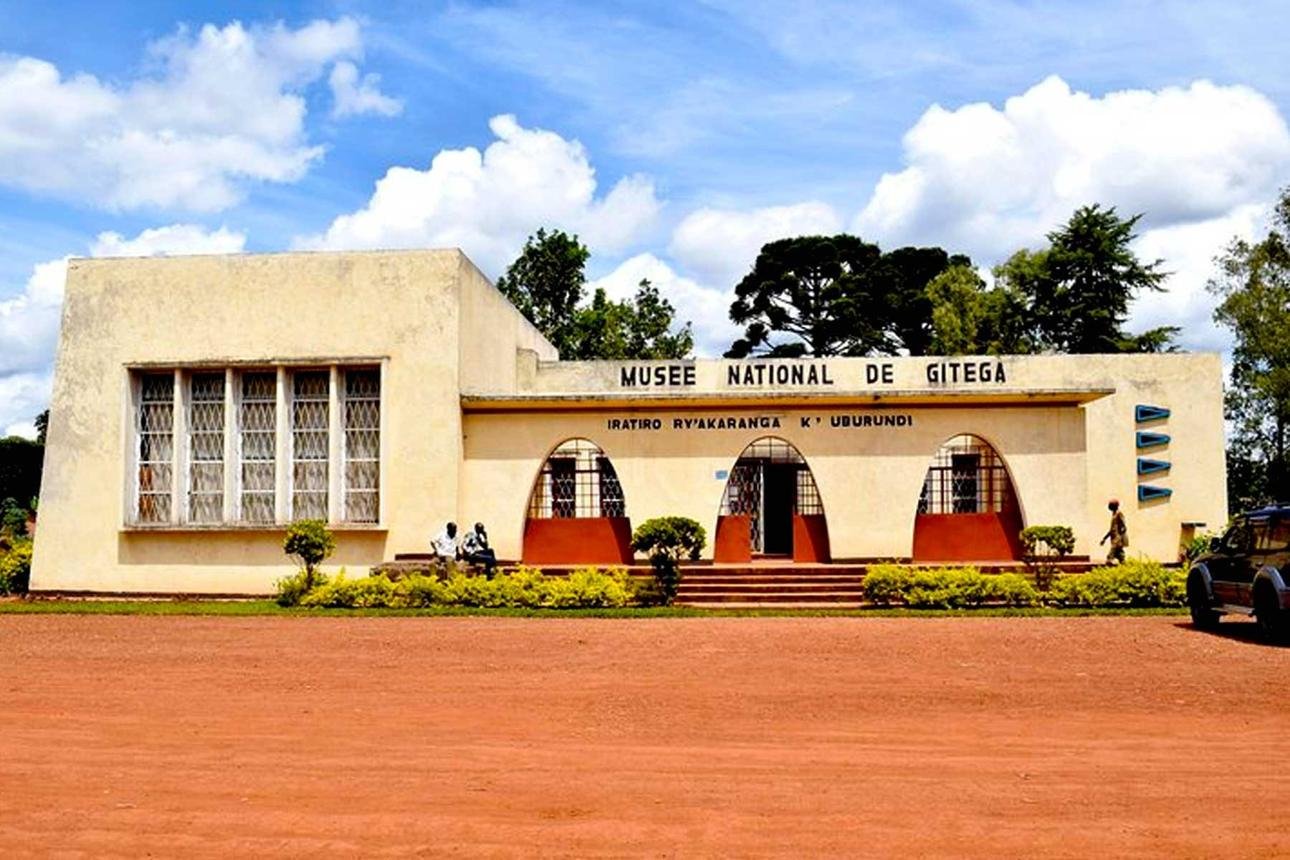
Gitega
Burundi’s capital is the country’s cultural heart.
Visitors enjoy:
- National Museum
- Royal Drum Sanctuary
- Traditional dance performances
- Historic sites
- Local crafts
Gitega offers excellent insight into Burundi’s history and traditions.
Kibira National Park
Located along the Congo-Nile Divide, Kibira National Park protects one of East Africa’s important montane rainforest ecosystems.
Wildlife includes:
- Chimpanzees
- Colobus monkeys
- Numerous bird species
- Butterflies
- Tropical flora
The park is ideal for hiking and birdwatching.
Rusizi National Park
Close to Bujumbura, Rusizi National Park protects wetlands and river habitats.
Visitors may observe:
- Hippopotamuses
- Nile crocodiles
- Antelope
- Waterbirds
- Scenic river landscapes
Boat safaris are among the most popular activities.
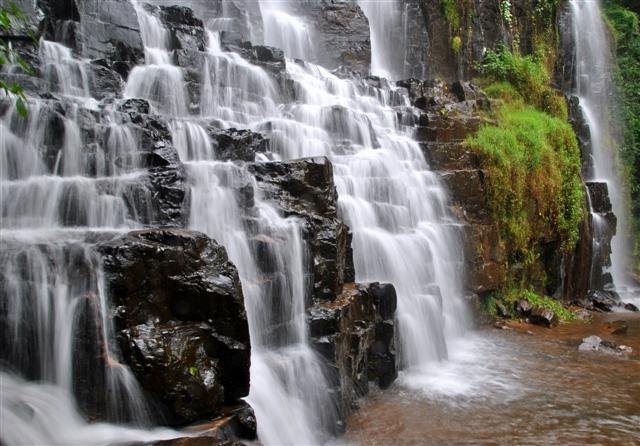
Karera Waterfalls
One of Burundi’s most impressive natural attractions.
Visitors enjoy:
- Multi-level waterfalls
- Forest scenery
- Picnic areas
- Photography
Source of the Nile Monument
Although several locations claim to be the Nile’s source, this monument near Rutovu commemorates one of the traditional southern source locations.
Lake Tanganyika
One of the world’s deepest lakes offers:
- Swimming
- Boat trips
- Kayaking
- Fishing
- Beach relaxation
- Birdwatching
Best Time to Visit
Burundi has a tropical highland climate with moderate temperatures throughout the year.
| Season | Conditions |
|---|---|
| June – September | Main dry season, ideal for travel |
| October – December | Short rainy season |
| January – February | Short dry season |
| March – May | Long rainy season |
The dry seasons generally provide the best road conditions for exploring rural areas.
Regions of Burundi
Western Burundi
Home to:
- Bujumbura
- Lake Tanganyika
- Rusizi National Park
Central Highlands
Known for:
- Gitega
- Tea plantations
- Rolling hills
Northern Burundi
Features:
- Kibira National Park
- Mountain forests
- Scenic drives
Southern Burundi
Offers:
- Source of the Nile
- Waterfalls
- Rural landscapes
Suggested Road Trips & Itineraries
5-Day Highlights
Explore:
- Bujumbura
- Rusizi National Park
- Lake Tanganyika
Perfect for first-time visitors.
7-Day Nature & Culture Tour
Continue to:
- Gitega
- Kibira National Park
- Traditional drum performances
10-Day Burundi Explorer
Visit:
- Karera Waterfalls
- Southern highlands
- Tea plantations
- Rural villages
Two-Week Grand Burundi Journey
Explore every region of the country while enjoying hiking, wildlife, lakes, and cultural experiences.
Ideal for self-drive travelers and overlanders.
Overlanding in Burundi
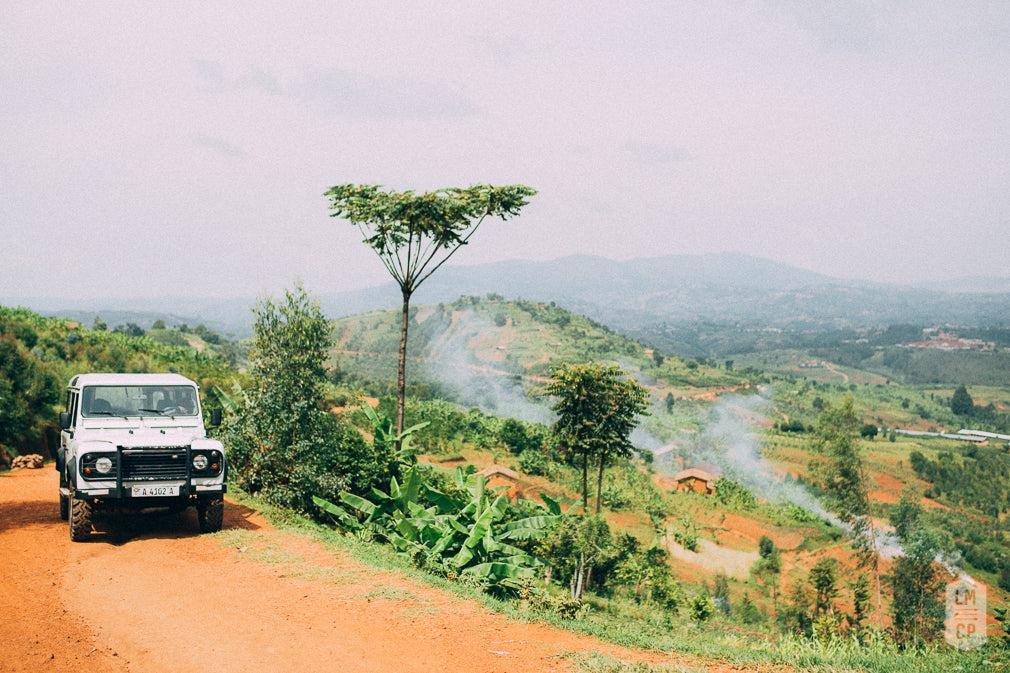
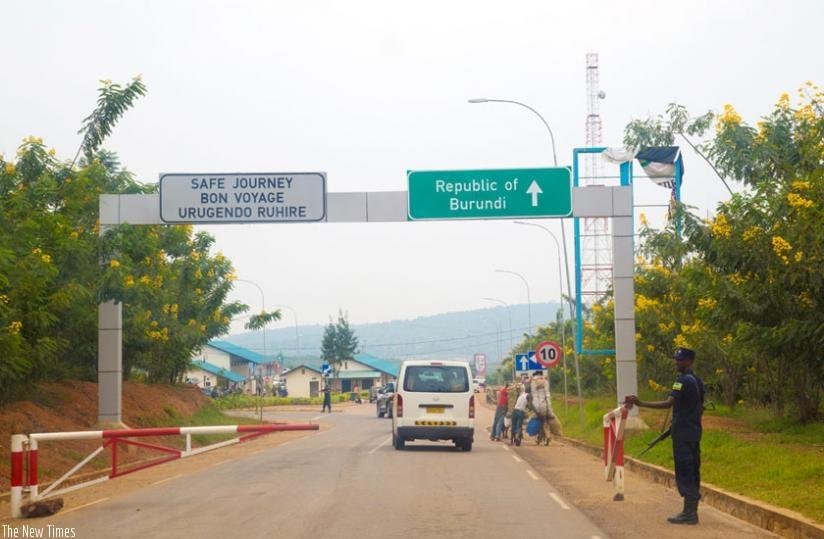
Burundi is a rewarding destination for overlanders exploring East Africa. Its compact size, scenic mountain roads, and convenient connections to neighboring countries make it a practical addition to longer regional expeditions.
Why Overlanders Visit
Highlights include:
- Mountain roads
- Lake Tanganyika
- Tea plantations
- National parks
- Rural villages
- Friendly communities
- Cross-border routes
Burundi is often combined with Rwanda, western Tanzania, and southern Uganda.
Popular Overland Routes
Rwanda Border – Gitega – Bujumbura
The country’s classic north-to-west route passes through green hills and agricultural landscapes before reaching Lake Tanganyika.
Tanzania Border – Gitega
A popular eastern entry offering scenic highland driving.
Bujumbura – Rusizi National Park
A short but rewarding route combining wetlands, wildlife, and lakeside scenery.
Burundi – Rwanda – Tanzania Circuit
One of East Africa’s most enjoyable short overland loops.
Road Conditions
Burundi’s main highways are generally paved and in reasonable condition.
Away from the primary roads, expect:
- Gravel tracks
- Steep mountain roads
- Potholes
- Mud during the rainy season
- Narrow village roads
Most destinations are accessible with a standard vehicle during the dry season, although a four-wheel-drive vehicle is useful for more remote areas.
Vehicle Preparation
Carry:
- Spare tire
- Basic spare parts
- Recovery straps
- Offline maps
- Drinking water
- First-aid kit
Fuel is readily available in major towns but should be planned carefully when exploring remote districts.
Continue Planning
Future supporting articles:
- Overlanding Burundi
- East Africa Overland Route
- Driving Across Burundi
- Border Crossings Guide
Backpacking in Burundi
Burundi is an excellent destination for independent travelers seeking authentic cultural experiences and scenic landscapes.
Accommodation
Travelers can choose from:
- Budget hotels
- Guesthouses
- Family-run lodges
- Mid-range hotels
- Eco-lodges
Hostels remain limited but affordable accommodation is widely available.
Transportation
Popular travel options include:
- Long-distance buses
- Shared minibuses
- Motorcycle taxis
- Shared taxis
- Rental cars
Distances are relatively short, making public transport practical for most itineraries.
Backpacking Highlights
Popular experiences include:
- Lake Tanganyika
- Traditional drummers
- Hiking
- Tea plantations
- Wildlife reserves
- Local markets
- Waterfalls
Continue Planning
Future cluster pages:
- Backpacking Burundi
- Budget Travel Burundi
- Bujumbura Backpacking Guide
- Gitega Travel Guide
Camping
Camping remains a niche activity but can be very rewarding for nature enthusiasts.
National Parks
Camping may be available through organized tours or conservation projects in selected protected areas.
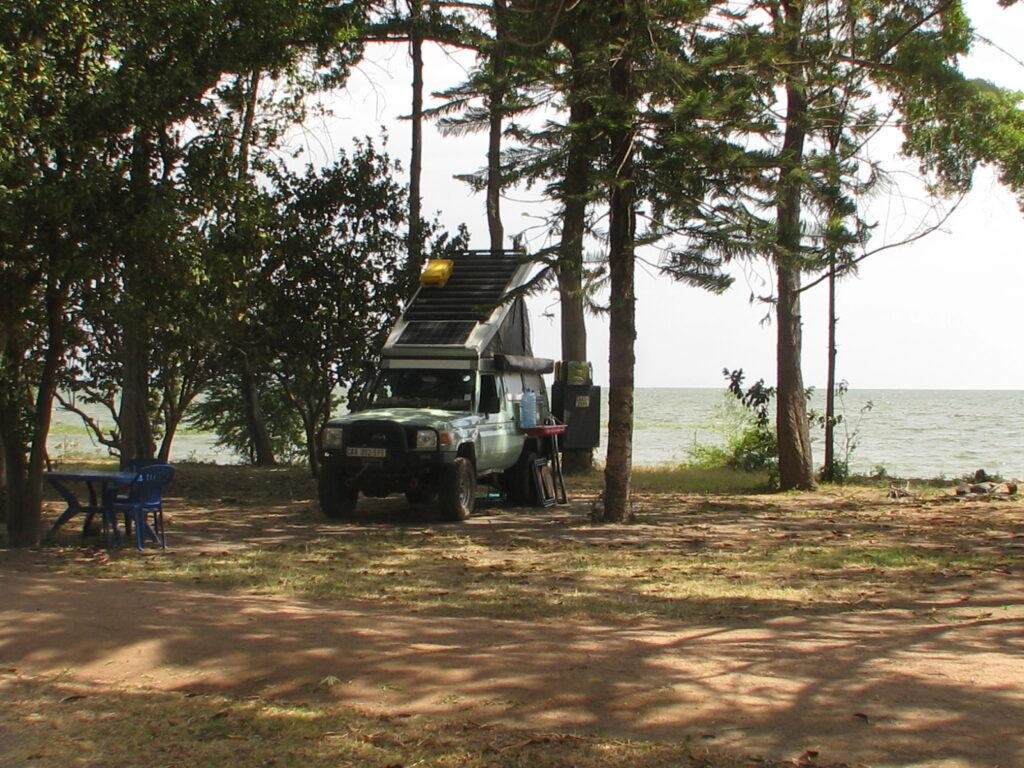
Lakeside Camping
With local permission, camping near Lake Tanganyika can provide memorable sunrise and sunset views.
Wild Camping
Wild camping should only be undertaken after obtaining permission from local communities or landowners and with careful consideration of safety, wildlife, and environmental protection.
Camping Equipment
Bring:
- Lightweight tent
- Mosquito net
- Rain protection
- Water purification system
- Sleeping bag suitable for cooler highland nights
Continue Planning
Future guides:
- Camping in Burundi
- Lake Tanganyika Camping Guide
- Kibira National Park Camping
RV & Motorhome Travel
Burundi is one of the more manageable countries in East Africa for expedition-style motorhome travel due to its compact size and improving road network.
Suggested RV Routes
Northern Highlands Route
Rwanda Border → Gitega → Kibira National Park
Lake Tanganyika Route
Gitega → Bujumbura → Rusizi National Park
Grand Circuit
Tanzania Border → Southern Burundi → Gitega → Bujumbura
Practical Considerations
Motorhome travelers should prepare for:
- Limited RV infrastructure
- Secure overnight parking
- Mountain driving
- Seasonal road conditions
Hotels and lodges frequently offer suitable parking for self-contained vehicles.
Continue Planning
Future supporting guides:
- Motorhome Travel in Burundi
- RV Routes in East Africa
- Campervan Guide Burundi
Driving in Burundi
Driving is relatively straightforward on Burundi’s primary road network.
Main Roads
Paved highways connect:
- Bujumbura
- Gitega
- Ngozi
- Major border crossings
- Provincial towns
Driving Challenges
Travelers should be prepared for:
- Mountain roads
- Sharp bends
- Livestock
- Seasonal rain
- Reduced visibility in fog at higher elevations
Driving after dark is generally discouraged because of limited lighting, pedestrians, and occasional road hazards.
Border Crossings
Burundi shares land borders with:
- Rwanda
- Tanzania
- Democratic Republic of the Congo
Border crossings are commonly used by regional travelers and overlanders. Before departure, verify current visa requirements, temporary vehicle import procedures, insurance requirements, and border operating hours.
Visa & Entry Requirements
Many visitors require a visa before entering Burundi, although visa policies vary depending on nationality.
Travelers should prepare:
- Passport valid for at least six months
- Appropriate visa or eVisa if available
- Proof of accommodation
- Return or onward travel
- Yellow fever vaccination certificate, which is generally required for entry
Always confirm the latest immigration requirements before traveling.
Budget & Costs
Estimated daily travel expenses:
| Travel Style | Daily Budget |
|---|---|
| Budget traveler | US$30–60 |
| Mid-range | US$80–160 |
| Comfortable | US$200+ |
| Overlander (excluding vehicle costs) | US$50–100 |
Accommodation, food, and local transportation are generally affordable compared with many other East African destinations.
Safety
Burundi has become increasingly accessible to visitors in recent years, but travelers should remain aware that conditions can change and should always monitor official travel advisories before departure.
Recommended precautions include:
- Stay informed about local conditions
- Keep valuables secure in urban areas
- Avoid unnecessary travel after dark
- Use reputable guides for remote excursions
- Carry sufficient cash outside major cities
Healthcare facilities are best in Bujumbura, while services in rural areas may be limited. Comprehensive travel insurance, including medical evacuation cover, is recommended.
Food & Culture
Burundian cuisine reflects East African traditions with an emphasis on fresh local ingredients.
Popular dishes include:
- Grilled fish from Lake Tanganyika
- Beans
- Rice
- Cassava
- Sweet potatoes
- Plantains
- Goat and beef stews
- Fresh tropical fruit
One of Burundi’s greatest cultural treasures is the Royal Drummers, whose energetic performances are recognized by UNESCO as part of the world’s Intangible Cultural Heritage. Music, dance, storytelling, and traditional ceremonies remain central to community life throughout the country.
Visitors who show respect for local customs and take time to engage with local communities often experience the warm hospitality for which Burundi is well known.
Frequently Asked Questions
Is Burundi safe for tourists?
Many travelers visit Burundi without incident, but safety conditions can change. Travelers should always consult current official travel advisories, monitor local developments, and exercise sensible precautions.
Can you overland through Burundi?
Yes. Burundi is an excellent addition to East African overland routes linking Rwanda, Tanzania, and the Democratic Republic of the Congo.
Is Burundi suitable for backpacking?
Yes. Affordable accommodation, short travel distances, welcoming communities, and beautiful scenery make Burundi an appealing destination for adventurous backpackers.
Can you travel by motorhome?
Yes. Expedition-style motorhomes can comfortably explore most of the country, although dedicated RV facilities remain limited.
What is Burundi famous for?
Burundi is best known for:
- Lake Tanganyika
- Royal Drummers
- Kibira National Park
- Rusizi National Park
- Rolling green hills
- Tea plantations
- Karera Waterfalls
- The Source of the Nile Monument
Continue Planning
This cornerstone guide serves as the central travel hub for Burundi. Continue planning your journey with these detailed resources:
- Overlanding in Burundi
- Backpacking Burundi
- Motorhome & RV Travel in Burundi
- Camping in Burundi
- Driving in Burundi
- Border Crossings in Burundi
- Burundi Visa Guide
- Bujumbura Travel Guide
- Gitega Travel Guide
- Kibira National Park Guide
- Rusizi National Park Guide
- Lake Tanganyika Travel Guide
- Karera Waterfalls Guide
- East Africa Overlanding Guide
- Overlanding in Burundi
- Getting around in Burundi