Highlands, Waterfalls, Rainforests & West African Overlanding
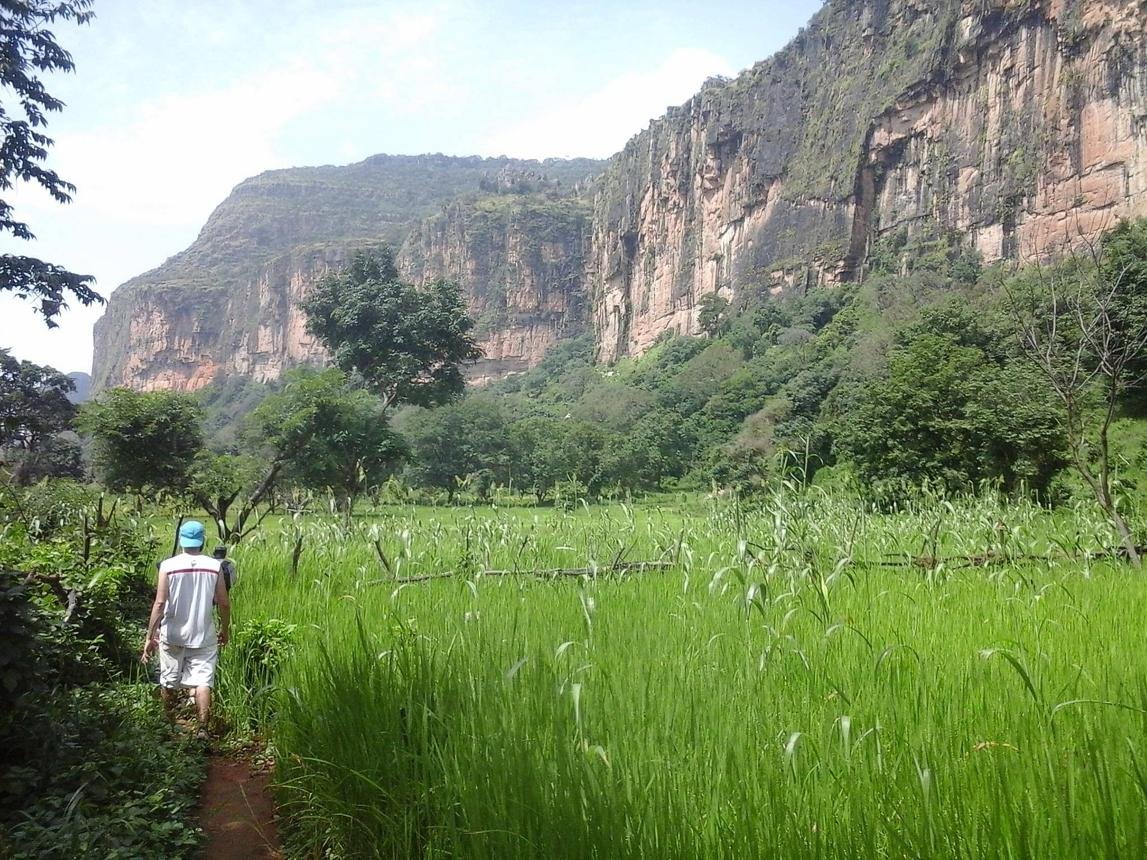
Guinea is one of West Africa’s least-visited yet most rewarding travel destinations. Known as the “Water Tower of West Africa,” the country is home to the headwaters of major rivers including the Niger, Senegal and Gambia Rivers, spectacular mountain ranges, tropical rainforests, traditional villages and vibrant markets. For adventurous travelers looking beyond the typical tourist trail, Guinea offers dramatic scenery, authentic cultural experiences and some of the most impressive hiking and overlanding opportunities in the region.
Located between Guinea-Bissau, Senegal, Mali, Côte d’Ivoire, Liberia and Sierra Leone, Guinea occupies a strategic position in West Africa. Despite its rich natural resources and remarkable biodiversity, international tourism remains relatively undeveloped, allowing visitors to experience destinations that have changed little over the decades. From the bustling streets of Conakry to the dramatic cliffs of the Fouta Djallon Highlands and the pristine forests of the southeast, Guinea rewards travelers with authentic encounters and spectacular landscapes.
The country is home to more than thirty ethnic groups, each contributing unique languages, traditions, architecture and festivals. The Fulani (Peul), Malinké, Soussou, Kissi and Forest peoples have shaped Guinea’s diverse cultural identity through music, dance, craftsmanship and centuries-old trading traditions. Hospitality is deeply rooted in Guinean culture, and visitors are often welcomed warmly into villages and communities.
For backpackers, Guinea represents one of West Africa’s last true frontier destinations. Independent travelers enjoy affordable prices, scenic hiking routes and fascinating cultural encounters. Overlanders appreciate Guinea’s role as a key transit country linking Senegal, Mali and Guinea-Bissau with Sierra Leone, Liberia and Côte d’Ivoire. Although dedicated motorhome infrastructure remains limited, expedition vehicles can explore much of the country using its expanding road network.
Nature lovers will discover lush rainforests, dramatic waterfalls, wildlife reserves and mountain plateaus that rank among the finest landscapes in West Africa. Whether trekking through the Fouta Djallon, exploring historic towns or embarking on a regional overland expedition, Guinea offers an unforgettable adventure for independent travelers.
This guide provides a comprehensive introduction to Guinea’s regions, major attractions, road trips, backpacking routes, overlanding logistics and practical travel information while serving as a hub linking to detailed destination guides.
6
Quick Facts
| Information | Details |
|---|---|
| Capital | Conakry |
| Population | Approximately 15 million |
| Area | 245,857 km² |
| Language | French (official) |
| Currency | Guinean Franc (GNF) |
| Time Zone | UTC |
| Driving Side | Right |
| Calling Code | +224 |
| Visa | eVisa available for many nationalities |
| Best Time | November to March |
Guinea experiences a tropical climate with distinct wet and dry seasons. Coastal regions receive some of the highest rainfall totals in Africa, while the central highlands enjoy cooler temperatures due to their elevation.
French is the official language, although many local languages are widely spoken throughout the country.
Why Visit Guinea?
Guinea offers a completely different experience from more established African destinations. Rather than focusing on beaches or luxury safari lodges, the country’s greatest appeal lies in its spectacular natural landscapes, traditional cultures and adventurous travel opportunities.
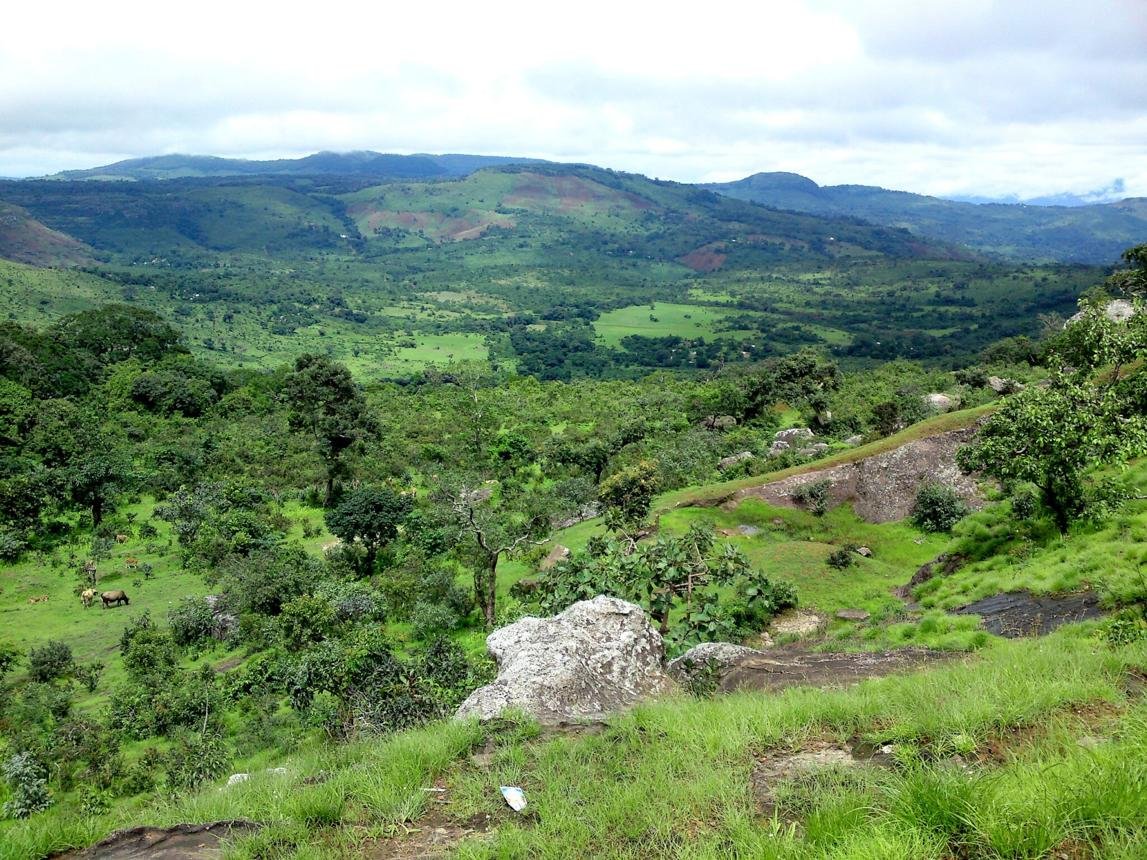
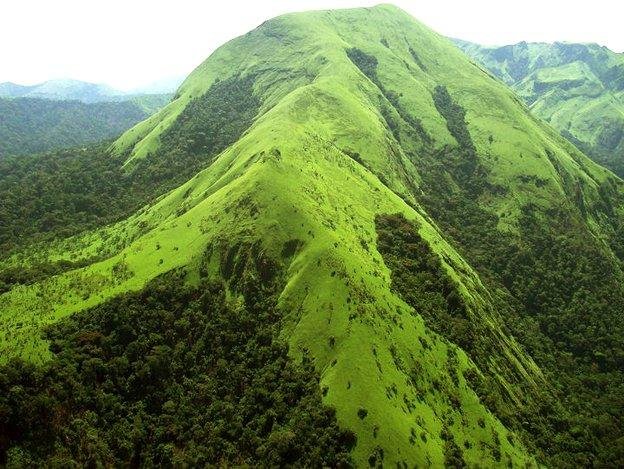
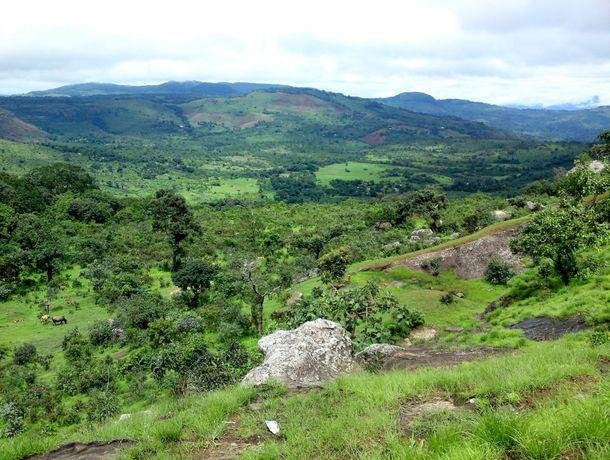
The Fouta Djallon Highlands form the scenic heart of Guinea. Deep valleys, sandstone cliffs, waterfalls and rolling grasslands create one of West Africa’s finest trekking destinations. Countless rivers originate here, earning the region its nickname as the “Water Tower of West Africa.”
The southeastern Forest Region preserves dense tropical rainforest rich in biodiversity. Chimpanzees, forest elephants and rare bird species inhabit protected areas alongside traditional villages whose cultures differ significantly from those in northern Guinea.
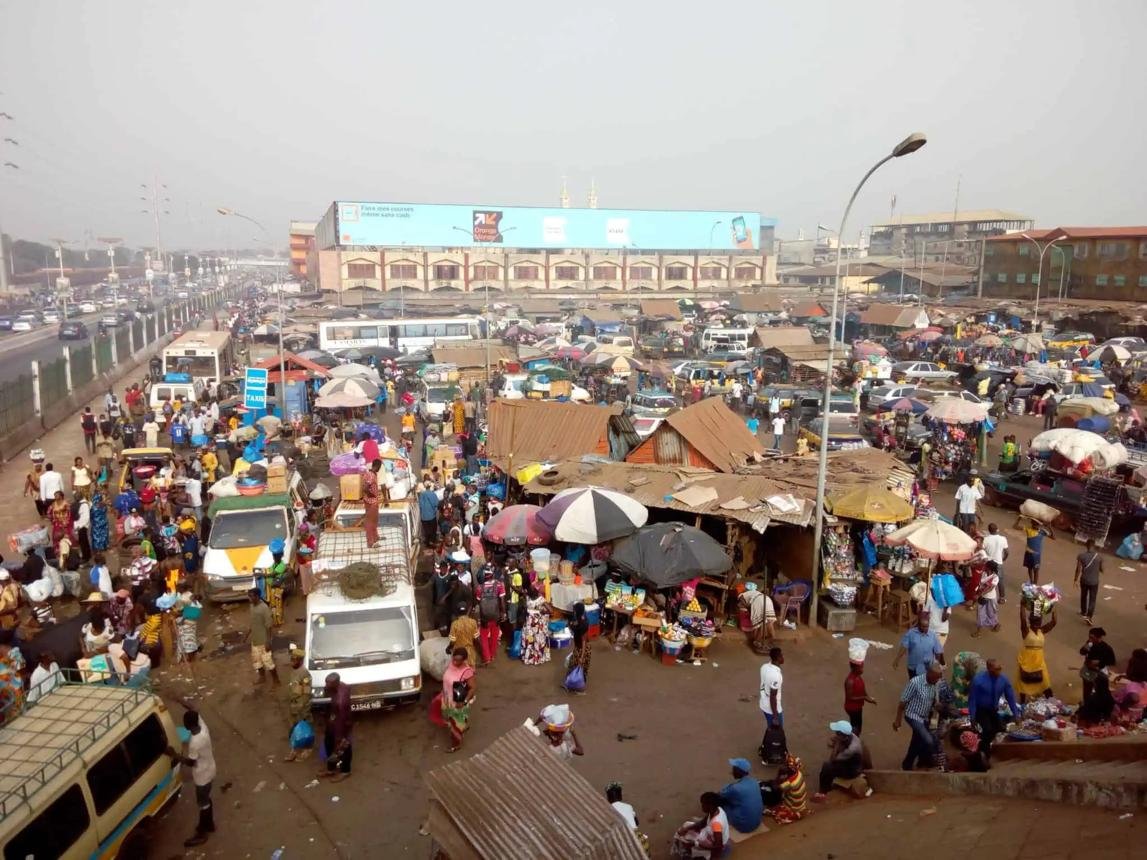
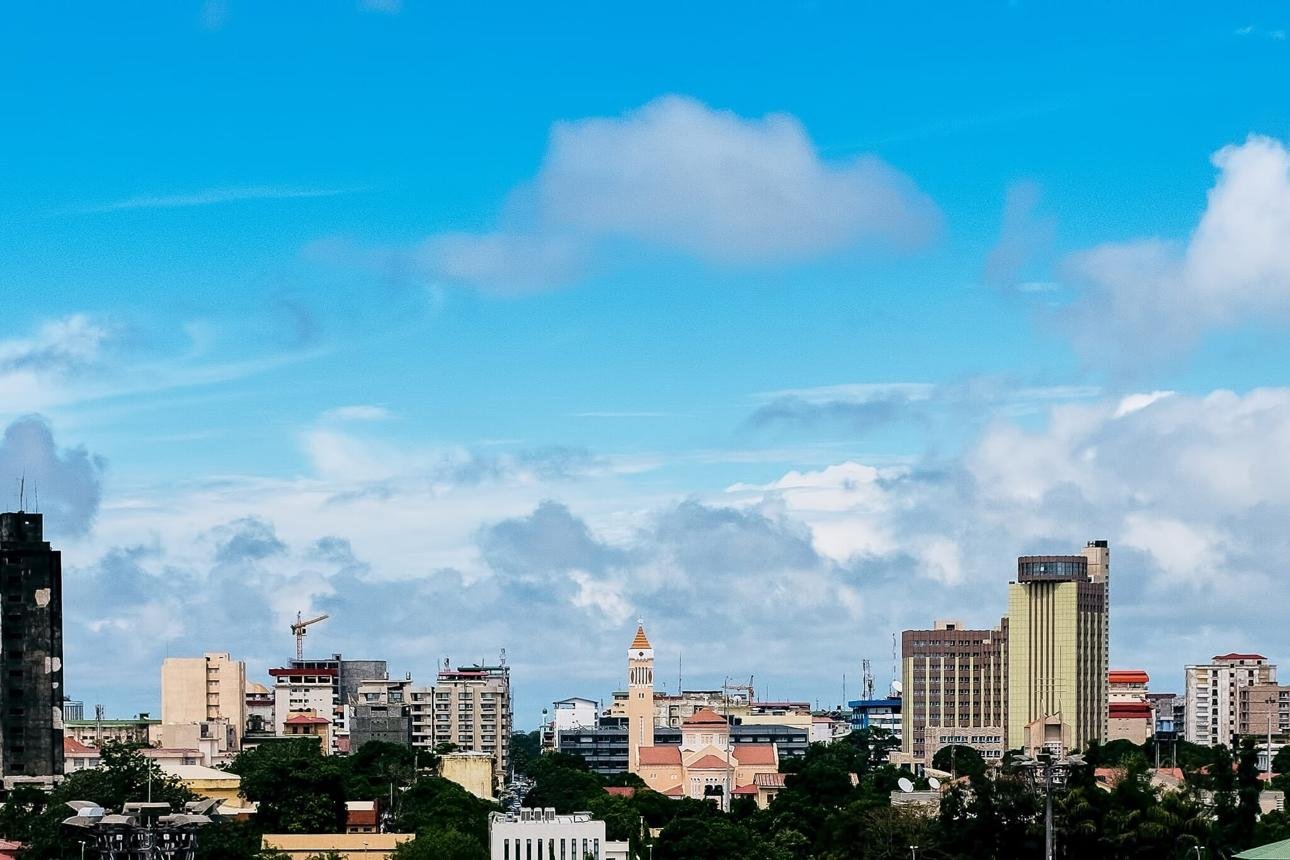
Conakry offers a lively introduction to Guinean life with colorful markets, museums, beaches and an energetic music scene. Throughout the country, visitors encounter vibrant weekly markets, traditional music performances and welcoming communities.
For overlanders and road-trippers, Guinea provides an exciting mix of mountain roads, rainforest routes and cross-border adventures that connect some of West Africa’s most remote regions.
Best Places to Visit
Conakry
The capital stretches along the Kaloum Peninsula and serves as Guinea’s economic and cultural center.
Highlights include:
- National Museum
- Grand Mosque
- Madina Market
- Îles de Los
- Corniche waterfront
Recommended stay: 2–3 days
Fouta Djallon
The country’s premier natural attraction features spectacular mountains, waterfalls and traditional Fulani villages.
Highlights:
- Hiking trails
- Scenic viewpoints
- Traditional villages
- River sources
Recommended stay: 4–6 days
Dalaba
A former French colonial hill station surrounded by forests and waterfalls.
Recommended stay: 2 days
Labé
The largest town in the Fouta Djallon serves as an excellent base for exploring the surrounding mountains.
Recommended stay: 2 days
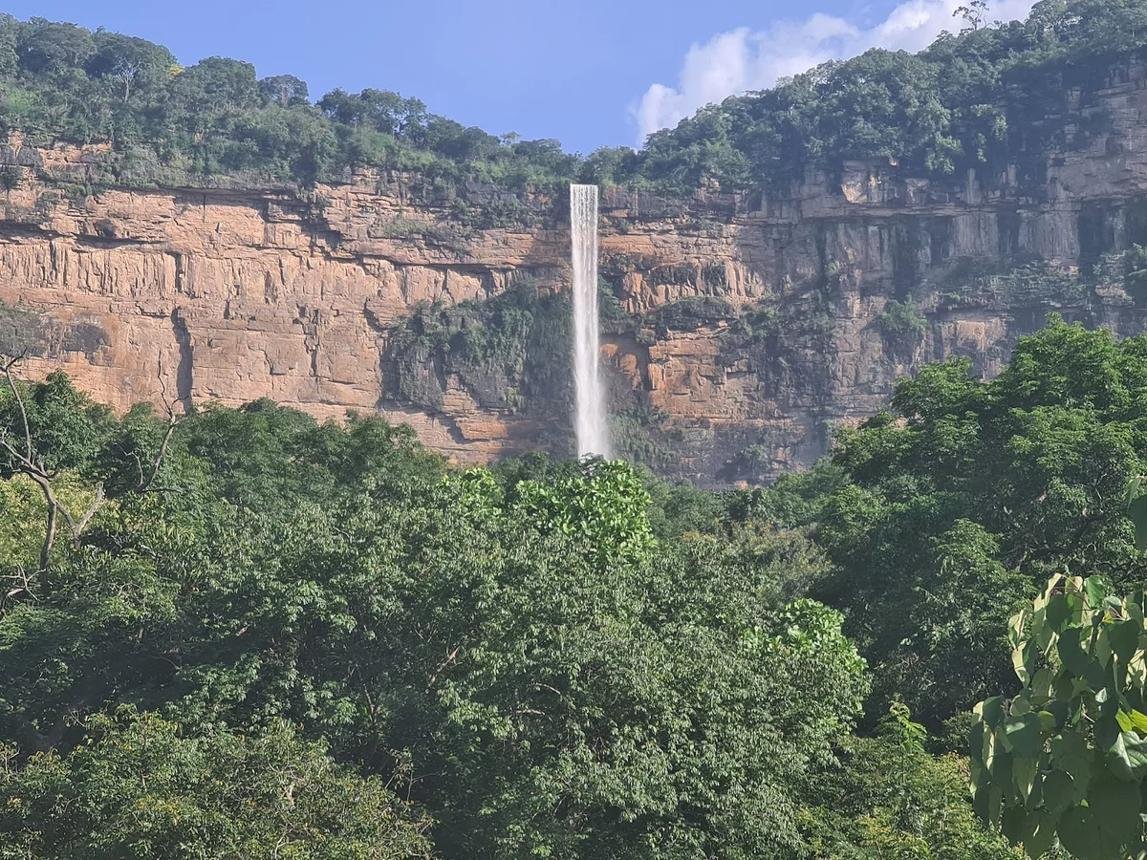
Ditinn Waterfalls
Among Guinea’s most spectacular waterfalls, particularly during and after the rainy season.
Recommended stay: Full day
Mount Nimba Strict Nature Reserve
Shared with Côte d’Ivoire and Liberia, this UNESCO World Heritage Site protects unique mountain ecosystems and rare wildlife.
Recommended stay: 2–3 days
Ziama Massif
One of West Africa’s largest remaining rainforest reserves, home to chimpanzees and exceptional biodiversity.
Recommended stay: 2 days
Kankan
The country’s second-largest city is an important cultural center for the Malinké people.
Recommended stay: 1–2 days
Kindia
Located between Conakry and the highlands, Kindia offers waterfalls, fruit plantations and attractive mountain scenery.
Recommended stay: 1–2 days
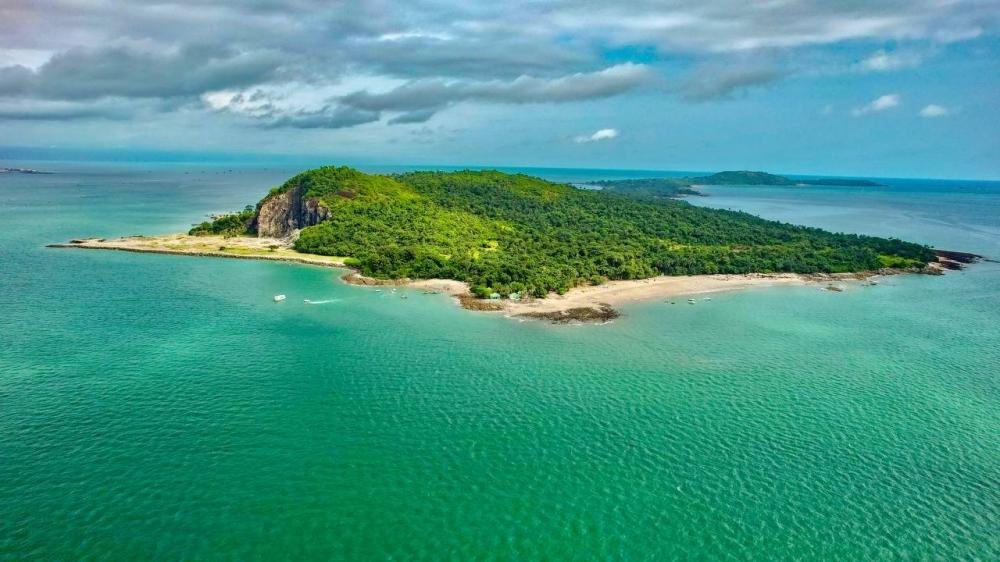
Îles de Los
These islands just offshore from Conakry feature beaches, colonial ruins and relaxed fishing villages.
Recommended stay: Full day
6
Best Time to Visit
November to March
The dry season provides the best conditions for hiking, overlanding and road trips. Roads are generally more accessible and humidity is significantly lower.
April to May
Temperatures increase before the rainy season begins, but mountain regions remain pleasant.
June to October
Heavy rains transform Guinea into a lush green landscape. Waterfalls are at their most spectacular, although many secondary roads become muddy and difficult to navigate.
Regions of Guinea
Maritime Guinea
The coastal region includes Conakry, beaches, mangroves and the Îles de Los.
Fouta Djallon
The mountainous center of Guinea is famous for waterfalls, hiking trails and Fulani culture.
Upper Guinea
Characterized by savannah landscapes and historic trading towns such as Kankan.
Forest Guinea
Dense rainforest, Mount Nimba and exceptional biodiversity define the country’s southeastern corner.
Backpacking Guinea
Guinea appeals to adventurous backpackers seeking authentic experiences away from established tourist routes.
A suggested three-week itinerary includes:
- Conakry
- Kindia
- Dalaba
- Labé
- Fouta Djallon
- Kankan
- Forest Guinea
Budget travelers benefit from:
- Affordable guesthouses
- Local restaurants
- Shared taxis
- Long-distance minibuses
- Friendly communities
Popular backpacking activities include:
- Mountain trekking
- Waterfall hikes
- Cultural visits
- Wildlife observation
- Local markets
- Photography
Future supporting articles:
- Backpacking Guinea Itinerary
- Guinea Budget Guide
- Backpacking Conakry
- Hiking Fouta Djallon
- Public Transport Guide
Overlanding Guinea
Guinea occupies an important position on several West African overland routes.
Border crossings include:
- Senegal
- Guinea-Bissau
- Mali
- Côte d’Ivoire
- Liberia
- Sierra Leone
Popular overlanding routes:
Coastal Route
Guinea-Bissau – Conakry – Sierra Leone
Following the Atlantic coastline.
Highlands Route
Conakry – Kindia – Dalaba – Labé
One of West Africa’s finest scenic drives.
Forest Route
Kankan – Mount Nimba – Liberia
Ideal for rainforest exploration.
Road quality varies considerably. National highways continue to improve, while secondary roads may become challenging during the rainy season.
Future overlanding guides should include:
- Border crossings
- Vehicle documents
- Fuel stations
- Road conditions
- Camping
- Security updates
Motorhome & RV Travel
Motorhome tourism remains uncommon, but Guinea is increasingly visited by expedition vehicles traveling across West Africa.
Suggested RV routes include:
Highlands Circuit
Conakry – Kindia – Dalaba – Labé – Fouta Djallon
Rainforest Route
Kankan – N’Zérékoré – Mount Nimba
National Discovery Route
Conakry – Fouta Djallon – Upper Guinea – Forest Region
Travelers should remain self-sufficient due to limited camping infrastructure and service facilities outside major towns.
Future RV articles can include:
- Campsites
- Safe overnight stops
- Vehicle repairs
- Fuel availability
- Scenic drives
Suggested Road Trips & Itineraries
One Week
Conakry – Kindia – Dalaba – Labé
An excellent introduction to Guinea’s mountain landscapes.
Two Weeks
Conakry – Fouta Djallon – Kankan – Kindia
Combines culture, hiking and scenic drives.
Three Weeks
Complete Guinea Circuit
Conakry – Labé – Kankan – Forest Guinea – Mount Nimba – Kindia
Ideal for travelers seeking a comprehensive exploration of the country.
Four Weeks West Africa
Combine Guinea with Sierra Leone, Liberia, Guinea-Bissau or Senegal for an extended regional overland expedition.
Hiking & Outdoor Adventures
Guinea is among West Africa’s best hiking destinations.
Top trekking areas include:
- Fouta Djallon
- Mount Loura
- Dalaba Highlands
- Ditinn Waterfalls
- Mount Nimba
Activities include:
- Multi-day trekking
- Waterfall hikes
- Village homestays
- Birdwatching
- Photography
- Mountain biking
Local guides provide valuable insight into regional history, geology and culture.
Wildlife & Nature
Guinea’s ecosystems range from coastal mangroves to tropical rainforest and highland grasslands.
Important protected areas include:
- Mount Nimba Strict Nature Reserve
- Ziama Massif
- Haut Niger National Park
- Badiar National Park
Wildlife includes:
- Chimpanzees
- Forest elephants
- Buffalo
- Antelope
- Hippos
- Hundreds of bird species
Essential Travel Information
Visa
Many travelers can obtain an electronic visa before arrival. Requirements vary according to nationality.
Budget
Guinea remains one of West Africa’s more affordable destinations.
Typical daily costs:
- Budget: €30–50
- Mid-range: €70–130
- Luxury: €180+
Organized trekking and private transport increase overall costs.
Safety
Travel conditions vary across the country. Visitors should remain informed about local developments, road conditions and official travel advisories. Urban crime is generally limited to petty theft, while remote travel requires careful planning.
Transport
Transport options include:
- Shared taxis
- Long-distance minibuses
- Domestic flights (limited)
- Car rental with driver
- Private 4×4 hire
Road quality varies significantly between regions, making four-wheel-drive vehicles useful for exploring remote areas.
Continue Planning Your Trip
Top Destinations
- Conakry
- Fouta Djallon
- Labé
- Dalaba
- Kindia
- Mount Nimba
- Ziama Massif
- Kankan
- Îles de Los
- Ditinn Waterfalls
Travel Planning
- Guinea Visa Guide
- Best Time to Visit Guinea
- Guinea Budget Guide
- Driving in Guinea
- Guinea Border Crossings
- Guinea Safety Guide
Adventure Travel
- Backpacking Guinea
- Overlanding Guinea
- Guinea RV Travel
- Fouta Djallon Trekking
- Mount Nimba Guide
- Guinea Road Trips
- West Africa Overland Route
- Overlanding in Guinea
- Getting around in Guinea
- Overlanding Guinea: Routes, Borders & Travel Guide
Recommended Guides
Continue planning your journey through Guinea with in-depth travel guides covering Conakry, the Fouta Djallon Highlands, Labé, Dalaba, Kindia, Mount Nimba, Ziama Massif, Kankan and the Îles de Los. Additional articles explore multi-day trekking routes, backpacking itineraries, overlanding logistics, border crossings, scenic mountain drives, camping opportunities, rainforest wildlife, cultural experiences and practical travel planning. Together with this country hub, these resources provide independent travelers with everything needed to discover one of West Africa’s most scenic, adventurous and underrated destinations.