Volcanoes, Waterfalls, Glaciers & the Ultimate Nordic Road Trip
6
Iceland Travel Guide
Iceland is one of the world’s most extraordinary travel destinations, where volcanoes, glaciers, waterfalls, lava fields, black sand beaches, geothermal hot springs, and dramatic coastlines create landscapes unlike anywhere else on Earth. Located in the North Atlantic Ocean between Europe and North America, Iceland is a land shaped by powerful natural forces, offering visitors unforgettable adventures in every season.
Although relatively small with a population of around 400,000, Iceland packs an astonishing variety of scenery into a compact area. Travelers can drive beneath Europe’s largest glacier, walk across ancient lava fields, soak in naturally heated geothermal pools, witness erupting geysers, hike active volcanic landscapes, explore massive ice caves, and watch humpback whales just offshore—all within a single trip.
Nature dominates every journey through Iceland. More than 10% of the country is covered by glaciers, while countless waterfalls, rugged fjords, geothermal valleys, volcanic craters, and moss-covered lava fields provide spectacular scenery around every corner. National parks protect some of the country’s most iconic landscapes, including Þingvellir National Park, Vatnajökull National Park, and Snæfellsjökull National Park.
Iceland is also famous for its unique natural phenomena. During winter, the Northern Lights illuminate the night sky, while summer brings the Midnight Sun, allowing nearly 24 hours of daylight for hiking, photography, and sightseeing. Wildlife enthusiasts can observe puffins, Arctic foxes, whales, seals, and countless seabirds throughout the country.
For independent travelers, Iceland is one of Europe’s premier road-trip destinations. The famous Ring Road circles the island, connecting glaciers, waterfalls, volcanic beaches, geothermal areas, charming fishing villages, and spectacular mountain scenery. Backpackers benefit from excellent hostels and campsites, while campervan travel has become one of the most popular ways to experience the country. Although Iceland has no international land borders, it remains a favorite destination for camper travelers arriving by ferry from mainland Europe.
This guide covers everything you need to plan an unforgettable journey through Iceland.
Quick Facts
| Item | Information |
|---|---|
| Capital | Reykjavík |
| Currency | Icelandic Króna (ISK) |
| Official Language | Icelandic |
| Population | Approximately 400,000 |
| Time Zone | UTC |
| Driving | Right-hand side |
| Country Code | +354 |
Why Visit Iceland?
Iceland offers some of the planet’s most spectacular natural landscapes.
Highlights include:
- Reykjavík
- Golden Circle
- Blue Lagoon
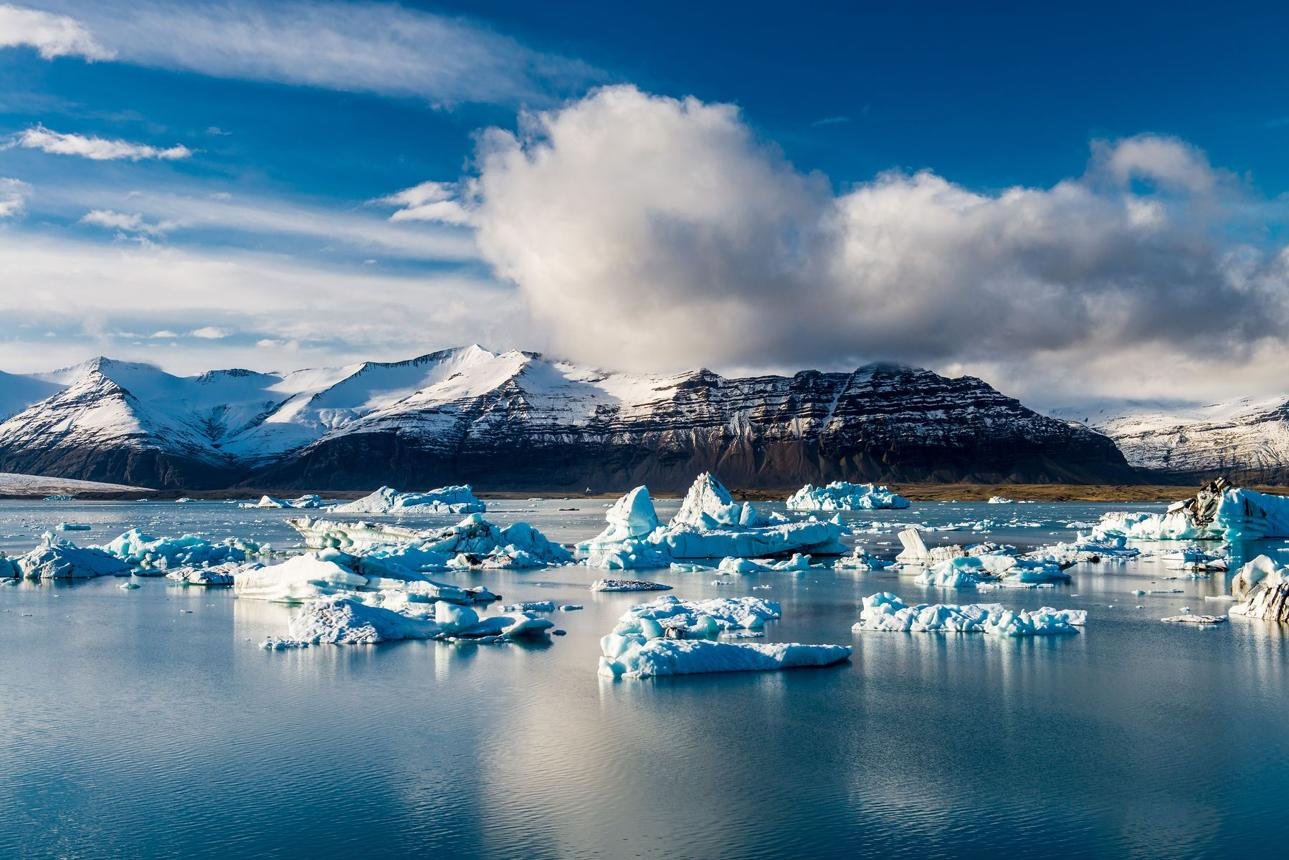
- Jökulsárlón Glacier Lagoon
- Vatnajökull National Park
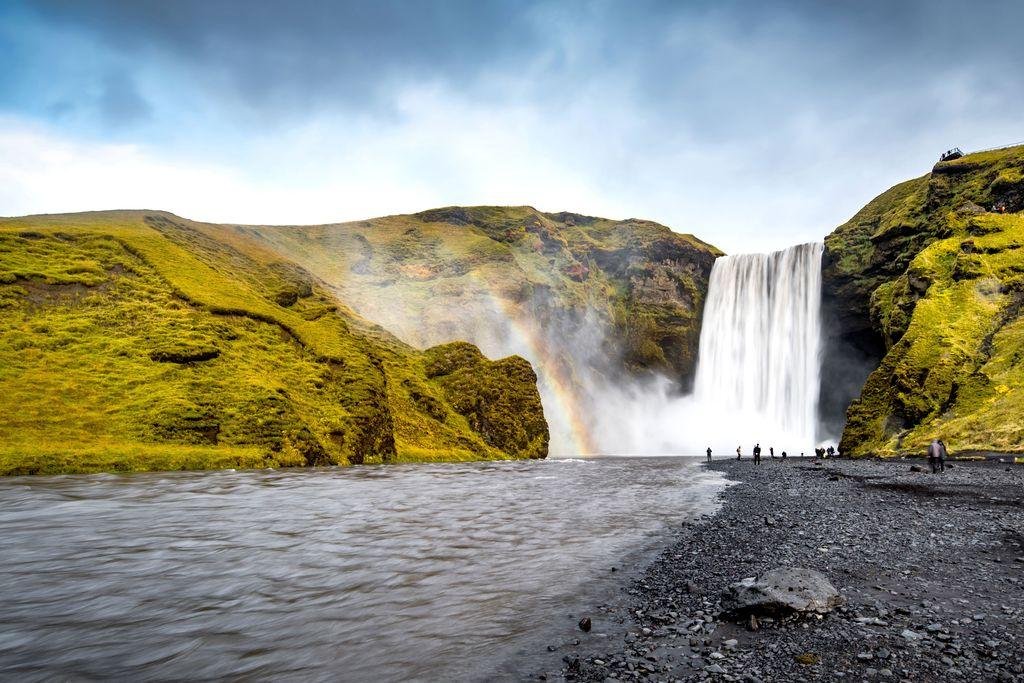
- Skógafoss
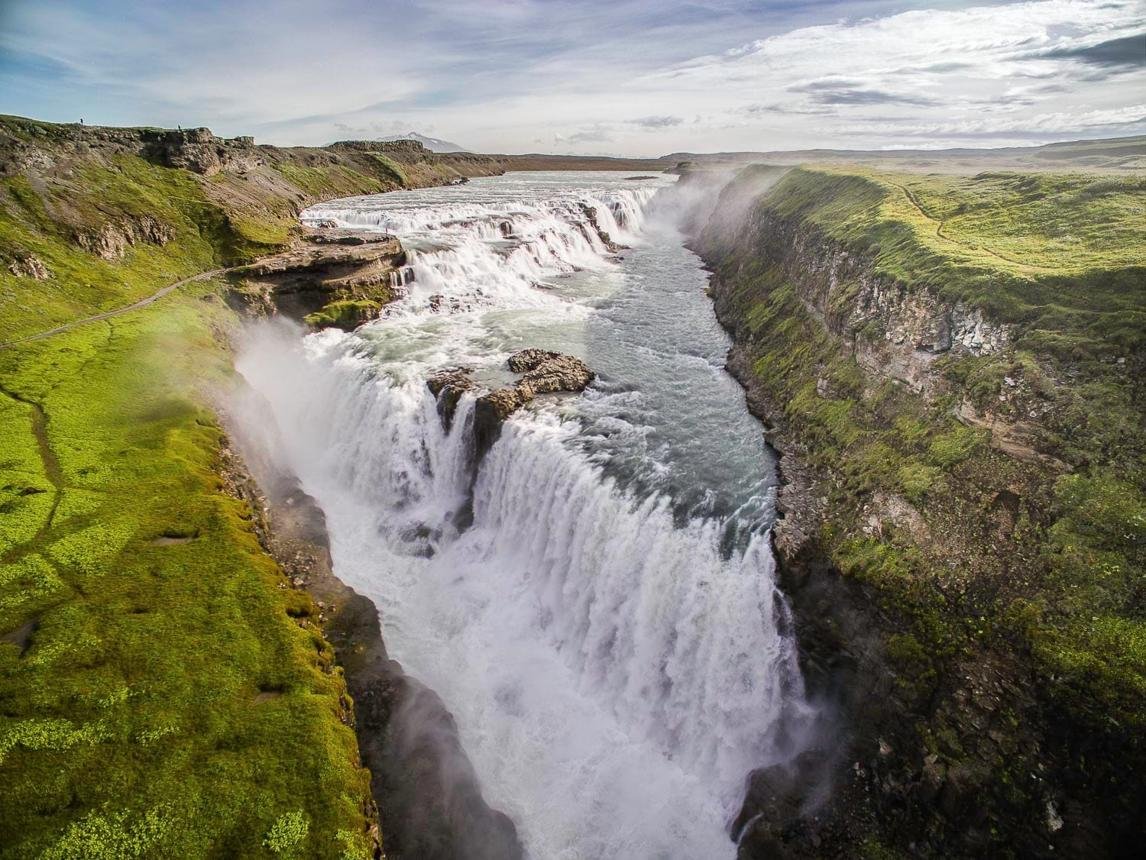
- Gullfoss
- Northern Lights
- Midnight Sun
- Ring Road
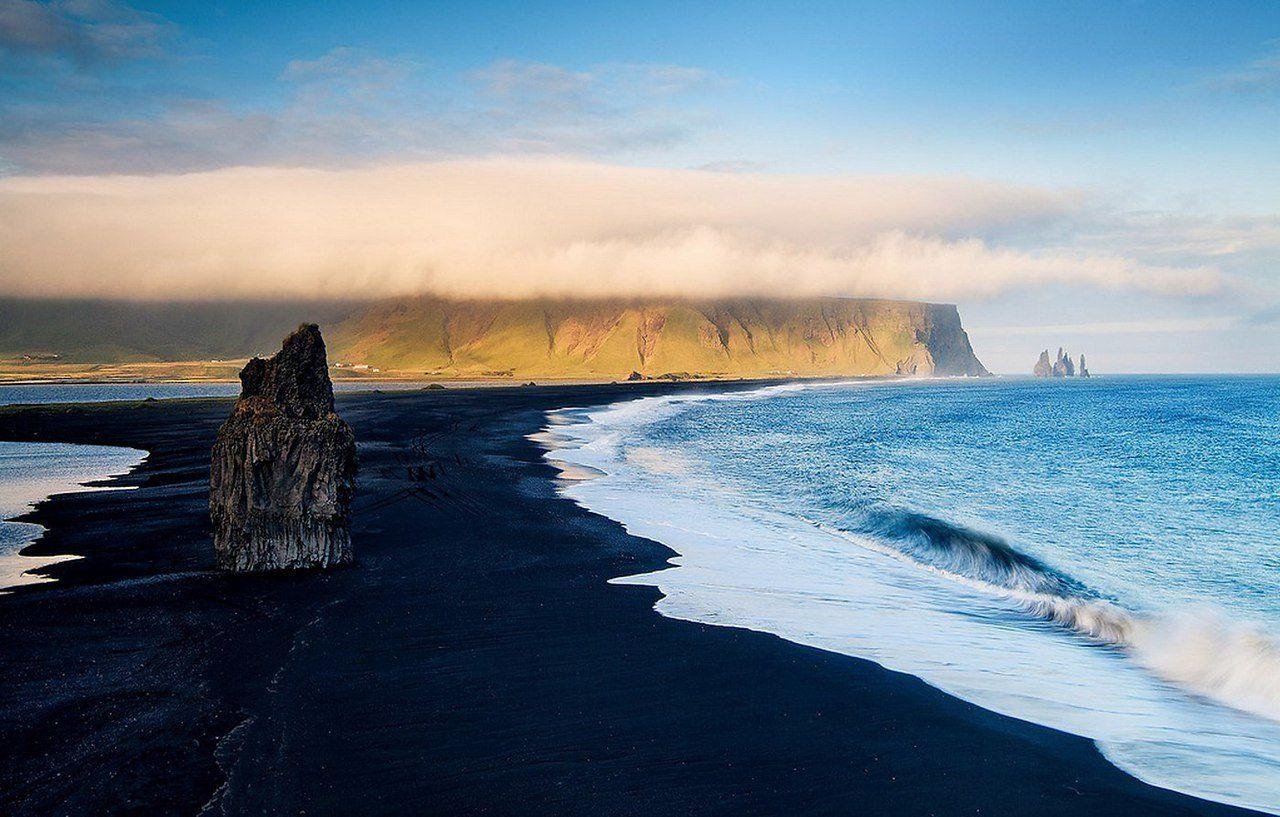
- Black sand beaches
- Volcanoes and glaciers
Whether you’re seeking adventure, photography, hiking, or relaxation, Iceland delivers unforgettable experiences year-round.
Best Places to Visit
7
Reykjavík
Iceland’s capital combines Nordic charm with vibrant culture and modern architecture.
Highlights include:
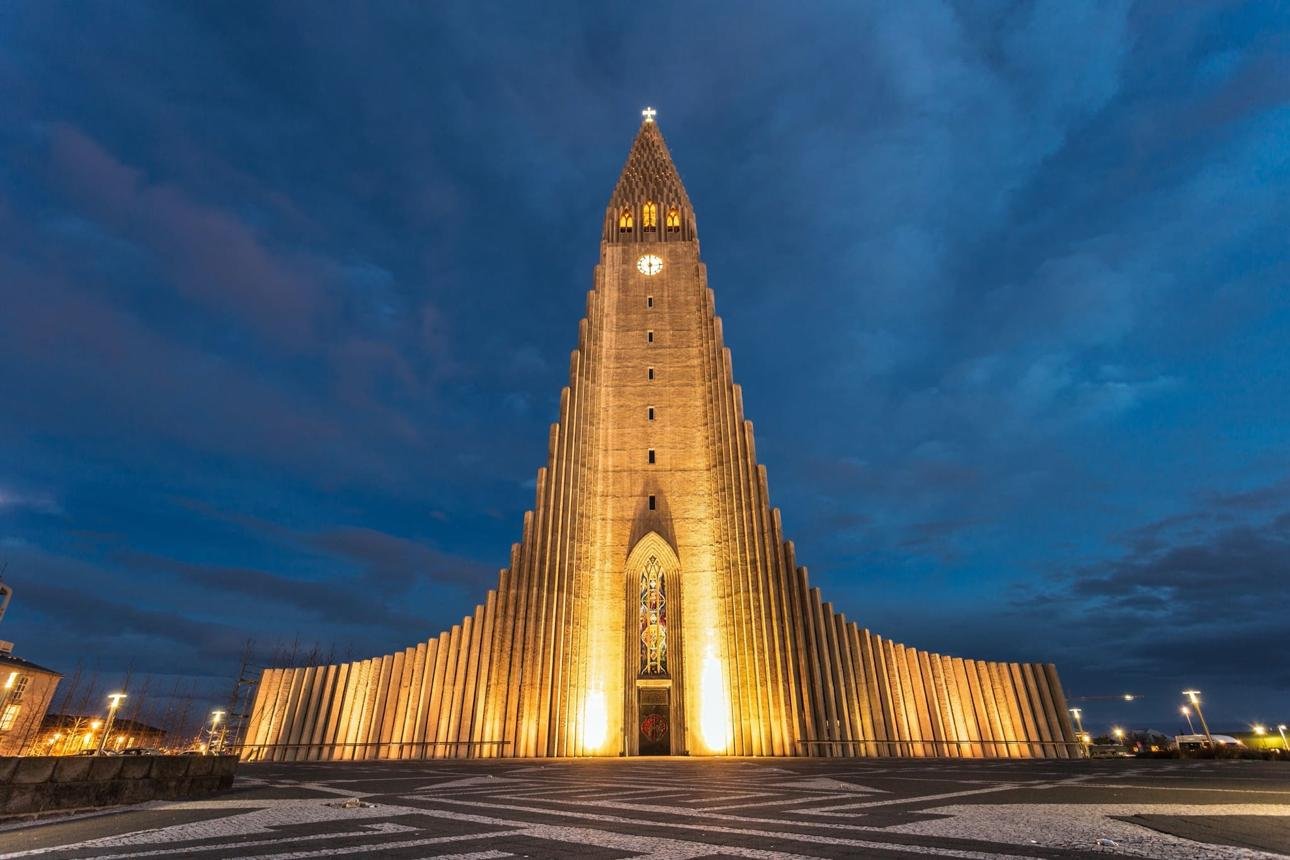
- Hallgrímskirkja Church
- Harpa Concert Hall
- Old Harbour
- Sun Voyager sculpture
- Museums
- Excellent restaurants
- Whale watching tours
Reykjavík serves as the starting point for most Icelandic adventures.
Golden Circle
The country’s most famous sightseeing route includes:
- Þingvellir National Park
- Geysir geothermal area
- Gullfoss Waterfall
This classic route is easily explored in a day from Reykjavík.
Jökulsárlón Glacier Lagoon
One of Iceland’s most breathtaking natural attractions.
Visitors enjoy:
- Floating icebergs
- Boat tours
- Diamond Beach
- Seal watching
- Photography
South Coast
This scenic region features many of Iceland’s most famous attractions.
Highlights include:
- Skógafoss
- Seljalandsfoss
- Reynisfjara Beach
- Dyrhólaey
- Glaciers
Snæfellsnes Peninsula
Often described as “Iceland in Miniature.”
Visitors discover:
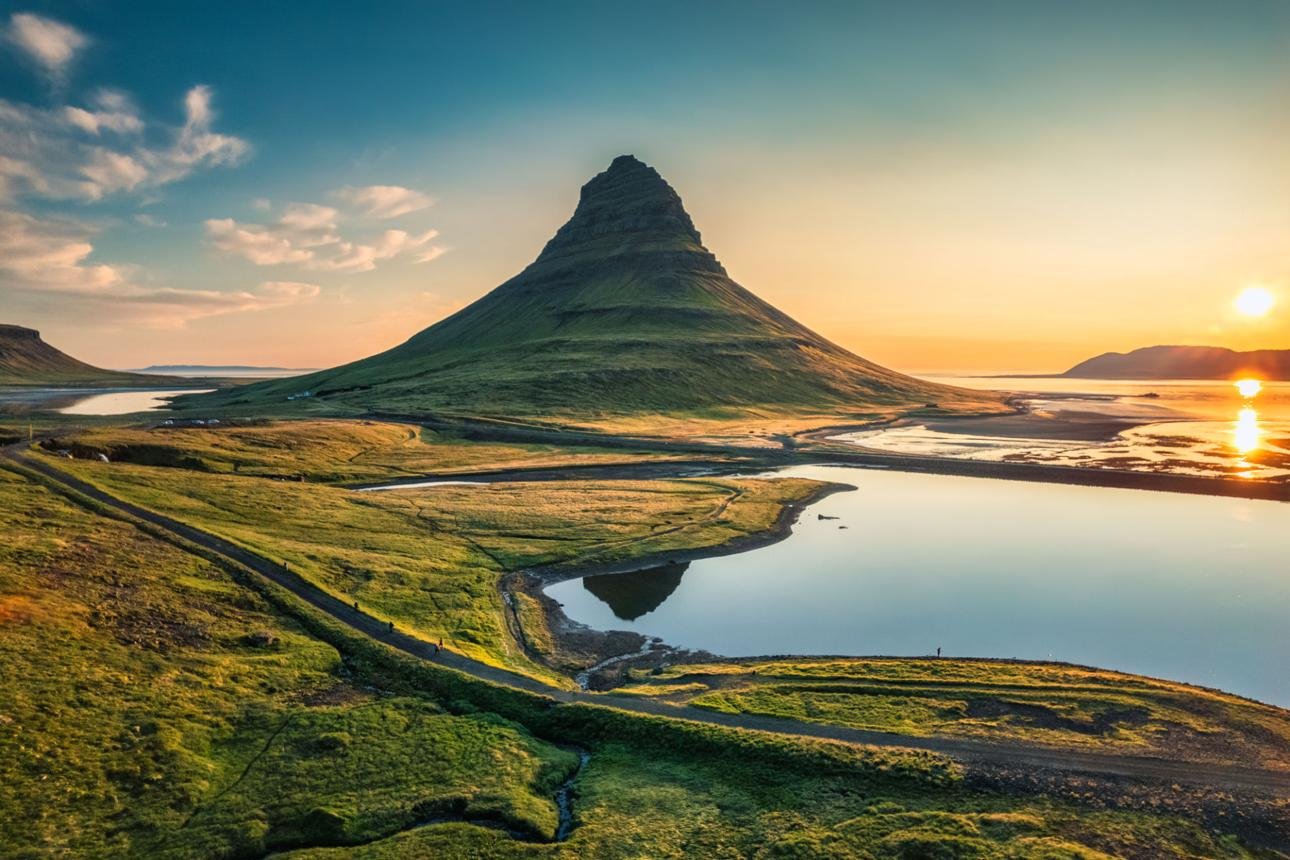
- Kirkjufell Mountain
- Lava fields
- Coastal cliffs
- Fishing villages
- Snæfellsjökull Glacier
Vatnajökull National Park
Europe’s largest national park protects glaciers, volcanoes, waterfalls, and extensive hiking trails.
Popular activities include:
- Glacier hiking
- Ice cave tours
- Scenic drives
- Wildlife observation
Akureyri
Northern Iceland’s largest town offers:
- Botanical gardens
- Whale watching
- Cafés
- Fjord scenery
- Winter sports
Westfjords
One of Iceland’s least-visited regions.
Known for:
- Dramatic cliffs
- Dynjandi Waterfall
- Puffins
- Remote roads
- Spectacular fjords
Best Time to Visit
Iceland offers very different experiences depending on the season.
| Season | Conditions |
|---|---|
| June – August | Mild weather, Midnight Sun, ideal for road trips |
| September – October | Autumn colors and Northern Lights begin |
| November – March | Winter landscapes, ice caves, Northern Lights |
| April – May | Fewer visitors and longer daylight hours |
Summer offers the best driving conditions, while winter provides opportunities to see the Northern Lights and explore ice caves.
Regions of Iceland
Southwest Iceland
Home to:
- Reykjavík
- Blue Lagoon
- Golden Circle
South Coast
Known for:
- Waterfalls
- Black beaches
- Glaciers
- Volcanoes
East Iceland
Features:
- Fjords
- Small fishing villages
- Scenic mountain roads
North Iceland
Offers:
- Akureyri
- Whale watching
- Lake Mývatn
- Geothermal areas
Westfjords
Known for:
- Remote wilderness
- Coastal cliffs
- Birdlife
- Scenic drives
Suggested Itineraries
4-Day Iceland Highlights
Day 1
- Reykjavík
- Blue Lagoon
Day 2
- Golden Circle
Day 3
- South Coast
Day 4
- Jökulsárlón Glacier Lagoon
Perfect for first-time visitors.
One-Week Ring Road Highlights
Travel through:
- Reykjavík
- South Coast
- East Fjords
- Akureyri
- Snæfellsnes
Ideal for travelers wanting to experience Iceland’s major attractions.
Two-Week Complete Iceland Road Trip
Drive the entire Ring Road while exploring:
- Westfjords
- Snæfellsnes
- Highlands (summer only)
- National parks
- Remote coastal villages
This itinerary offers the most comprehensive experience.
Overlanding in Iceland
6
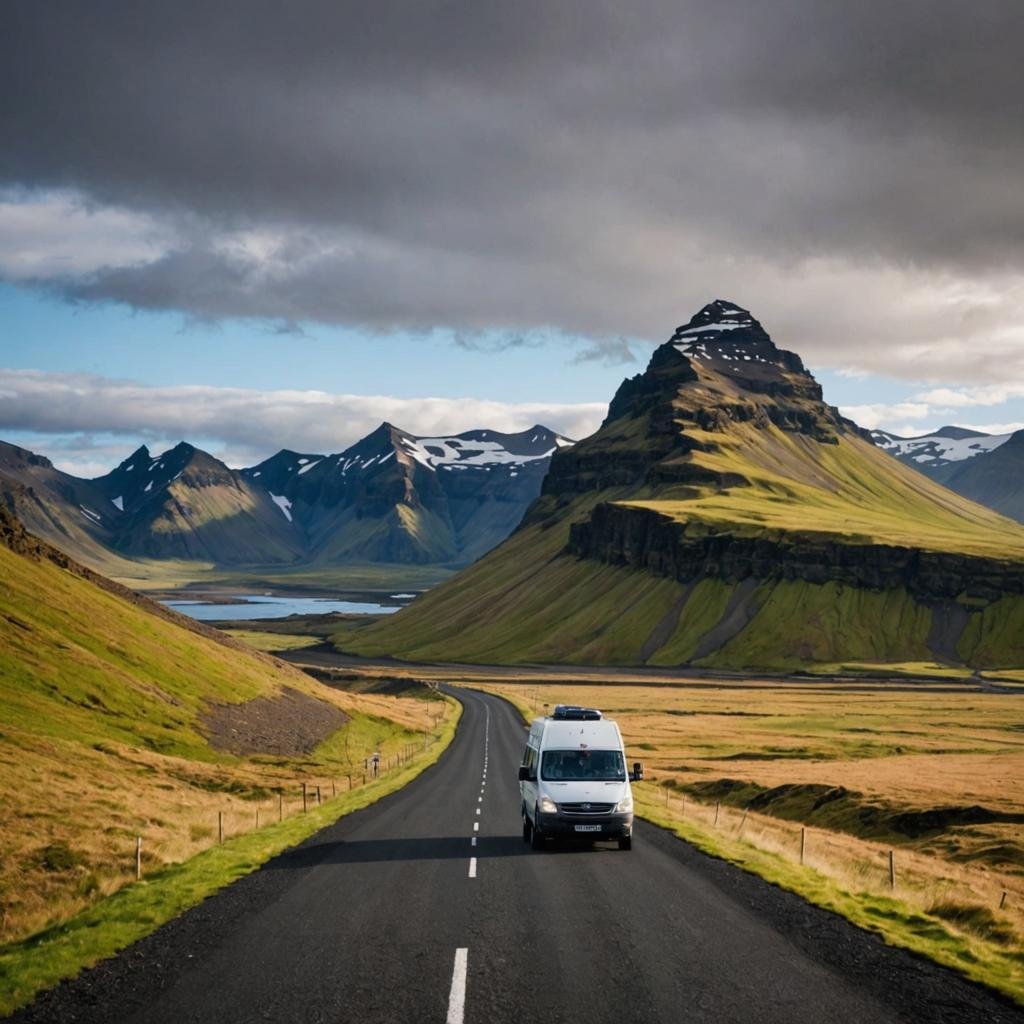
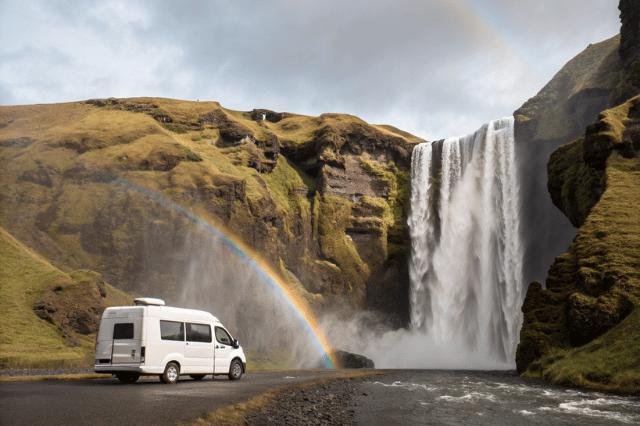
Although Iceland has no international land borders, it is one of Europe’s premier destinations for campervan and expedition travel.
Why Overlanders Love Iceland
- Ring Road
- Scenic mountain passes
- Volcanoes
- Glaciers
- Excellent campsites
- Remote wilderness
- Exceptional photography
Many travelers arrive via ferry from Denmark and spend several weeks exploring the island.
Popular Routes
Ring Road (Route 1)
The classic 1,300-kilometer circuit around Iceland.
Golden Circle
A short scenic drive from Reykjavík.
Snæfellsnes Peninsula
Ideal for shorter campervan trips.
Highlands (Summer Only)
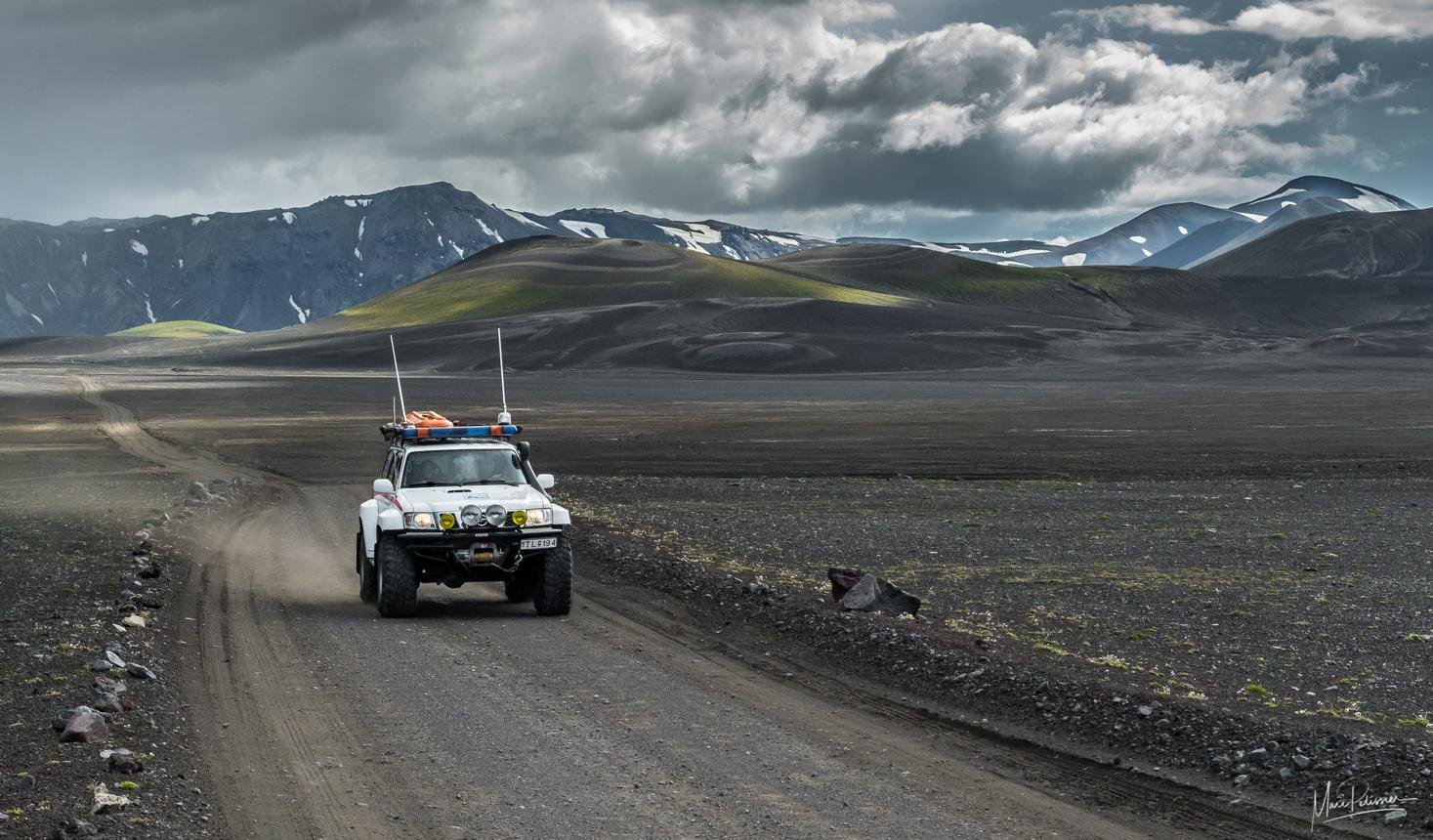
Remote F-roads cross Iceland’s volcanic interior and require a properly equipped four-wheel-drive vehicle.
Road Conditions
Expect:
- Excellent paved highways
- Gravel roads
- Mountain F-roads
- River crossings in remote areas
Many Highland roads are only open during summer and are unsuitable for standard vehicles.
Backpacking in Iceland
Iceland is a rewarding destination for independent travelers.
Accommodation
Options include:
- Hostels
- Guesthouses
- Hotels
- Mountain huts
- Campsites
Advance booking is highly recommended during summer.
Transportation
Travel around Iceland using:
- Long-distance buses
- Domestic flights
- Rental cars
- Guided tours
Public transport outside Reykjavík is limited compared with mainland Europe.
Backpacking Highlights
- Reykjavík
- Hiking
- Waterfalls
- Glaciers
- Volcanoes
- Hot springs
- Northern Lights
Camping
Camping is one of the best ways to experience Iceland.
Campsites
Well-equipped campgrounds are available throughout the country, particularly along the Ring Road.
Facilities often include:
- Hot showers
- Kitchens
- Laundry
- Electricity
- Camper services
Camping Rules
Wild camping is heavily restricted in many parts of Iceland to protect sensitive environments. Camp only in designated campsites or where permission has been granted by the landowner.
RV & Motorhome Travel
Campervan travel is one of the most popular ways to explore Iceland.
Popular RV Routes
Ring Road
The ultimate Iceland road trip.
South Coast
Reykjavík → Vik → Jökulsárlón
Snæfellsnes Explorer
A shorter but highly scenic circuit.
Practical Information
Motorhome travelers benefit from:
- Excellent camping facilities
- Scenic roads
- Reliable fuel stations
- Well-maintained infrastructure
Plan fuel stops carefully in remote regions, particularly in the East Fjords and Westfjords.
Driving in Iceland
Driving offers maximum flexibility.
Main Roads
The Ring Road connects nearly all major attractions.
Things to Know
- Weather changes rapidly.
- Strong winds can affect driving.
- Sheep frequently cross rural roads.
- Check road conditions before departure.
- Some mountain roads require four-wheel drive.
Winter driving requires additional care because of snow, ice, and limited daylight.
Entry Points
As an island nation, Iceland has no land borders.
Most travelers arrive via:
- Keflavík International Airport
- Ferry from Denmark (via the Faroe Islands)
Domestic flights connect Reykjavík with several regional destinations.
Visa & Entry Requirements
Iceland is part of the Schengen Area.
Many travelers can enter visa-free for short stays depending on nationality, while others require a Schengen visa.
Before traveling, ensure you have:
- A valid passport
- Any required visa
- Proof of accommodation if requested
- Return or onward travel documentation
Always verify current entry requirements before departure.
Budget & Costs
Estimated daily travel expenses:
| Travel Style | Daily Budget |
|---|---|
| Budget traveler | €90–150 |
| Mid-range | €220–350 |
| Comfortable | €450+ |
| Campervan traveler | €120–220 |
Iceland is one of Europe’s most expensive destinations, but camping, cooking your own meals, and traveling outside peak season can help reduce costs.
Safety
Iceland is consistently ranked among the safest countries in the world.
Travel tips include:
- Check weather and road conditions daily.
- Stay on marked trails in geothermal areas.
- Respect warning signs near beaches and cliffs.
- Carry warm, waterproof clothing throughout the year.
- Inform someone before undertaking remote hikes.
Nature presents the greatest risks, so preparation and caution are essential.
Food & Culture
Icelandic cuisine reflects the country’s fishing heritage and agricultural traditions.
Popular dishes include:
- Fresh cod
- Arctic char
- Lamb
- Skyr
- Rye bread
- Seafood soup
- Cinnamon pastries
Coffee culture is strong, and visitors will find welcoming cafés throughout the country. Iceland is also known for its literary traditions, music scene, geothermal swimming pools, and commitment to environmental sustainability.
Frequently Asked Questions
Is Iceland expensive?
Yes. Iceland is among Europe’s most expensive destinations, but camping, self-catering, and traveling outside peak season can help reduce costs.
Is Iceland safe?
Yes. Iceland is widely regarded as one of the safest countries in the world for travelers.
Is Iceland good for road trips?
Absolutely. The Ring Road is one of the world’s most spectacular driving routes, offering easy access to waterfalls, glaciers, volcanoes, beaches, and national parks.
Can you travel Iceland by campervan?
Yes. Campervan travel is one of the best ways to experience Iceland, with excellent campsites and scenic roads throughout the country.
When is the best time to see the Northern Lights?
The best period is generally from September to early April, when nights are dark enough for aurora viewing.
What is Iceland famous for?
Iceland is best known for:
- The Ring Road
- Northern Lights
- Blue Lagoon
- Volcanoes
- Glaciers
- Waterfalls
- Black sand beaches
- Geothermal landscapes