Salar de Uyuni, Andean Peaks, Amazon Rainforest & Epic Overland Adventures
6
Bolivia Travel Guide
Bolivia is one of South America’s most fascinating and rewarding travel destinations. Home to the world’s largest salt flat, soaring Andean peaks, colorful lagoons, colonial cities, Amazon rainforests, and ancient Indigenous cultures, Bolivia offers extraordinary experiences for adventurous travelers. From the snow-capped Cordillera Real to the vast Altiplano and the tropical jungles of the Amazon Basin, the country’s landscapes are among the most diverse on the continent.
Located in the heart of South America, Bolivia borders Brazil, Peru, Chile, Argentina, and Paraguay. Although landlocked, it possesses remarkable geographical variety, ranging from high-altitude deserts above 4,000 meters to humid rainforests and fertile valleys. This diversity makes Bolivia one of the continent’s premier destinations for hiking, wildlife watching, photography, backpacking, and overland travel.
Bolivia also preserves one of South America’s richest Indigenous cultures. More than half of the population identifies with Indigenous communities, including the Aymara and Quechua peoples. Traditional markets, colorful festivals, centuries-old weaving techniques, and ancient customs remain central to everyday life. Combined with well-preserved colonial architecture and important archaeological sites, Bolivia offers an exceptional cultural experience.
Nature lovers are equally well rewarded. Bolivia protects spectacular national parks that contain volcanoes, cloud forests, wetlands, giant cacti, rivers, and extraordinary wildlife. Visitors may encounter flamingos, vicuñas, llamas, alpacas, jaguars, giant river otters, macaws, condors, and countless other species depending on the region.
For independent travelers, Bolivia is one of South America’s most affordable destinations. Backpackers enjoy an extensive network of hostels and buses, while overlanders appreciate scenic mountain highways, remote desert tracks, and legendary routes connecting the Andes with neighboring countries.
This guide covers everything you need to plan an unforgettable journey through Bolivia.
Quick Facts
| Item | Information |
|---|---|
| Constitutional Capital | Sucre |
| Seat of Government | La Paz |
| Currency | Boliviano (BOB) |
| Official Languages | Spanish and numerous Indigenous languages including Quechua and Aymara |
| Population | Approximately 12.5 million |
| Time Zone | UTC−4 |
| Driving | Right-hand side |
| Country Code | +591 |
Why Visit Bolivia?
Bolivia combines spectacular landscapes with rich Indigenous culture.
Highlights include:
- Salar de Uyuni
- La Paz
- Lake Titicaca
- Sucre
- Madidi National Park
- Laguna Colorada
- Potosí
- Tiwanaku
- Andes Mountains
- Amazon rainforest
- High-altitude road trips
- Wildlife
Bolivia is perfect for adventurous travelers seeking authentic experiences and dramatic scenery.
Best Places to Visit
6
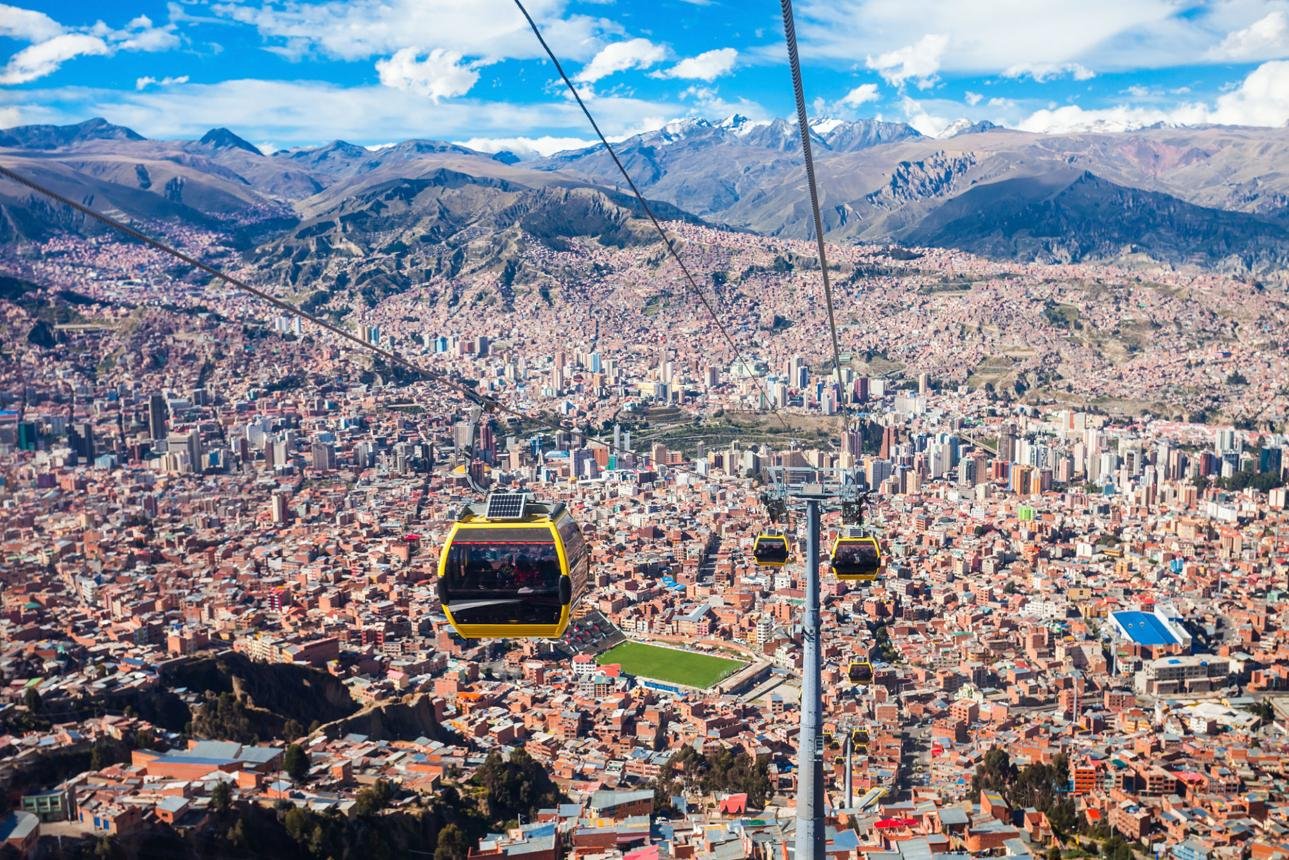
La Paz
The world’s highest administrative capital sits in a spectacular mountain basin.
Highlights include:
- Mi Teleférico cable cars
- Witches’ Market
- Plaza Murillo
- Valle de la Luna
- Museums
- Street markets
La Paz offers one of South America’s most distinctive urban experiences.
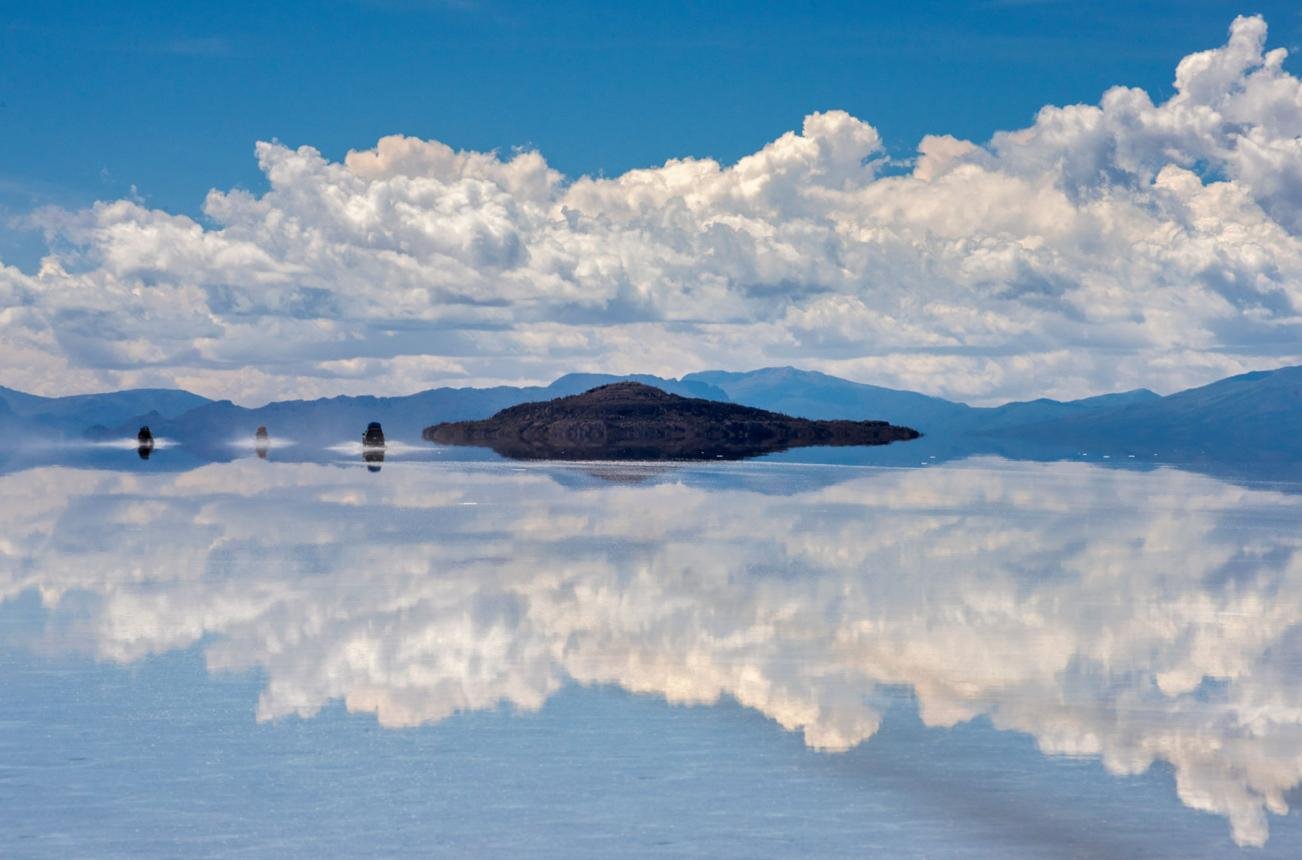
Salar de Uyuni
The world’s largest salt flat is Bolivia’s most famous attraction.
Visitors enjoy:
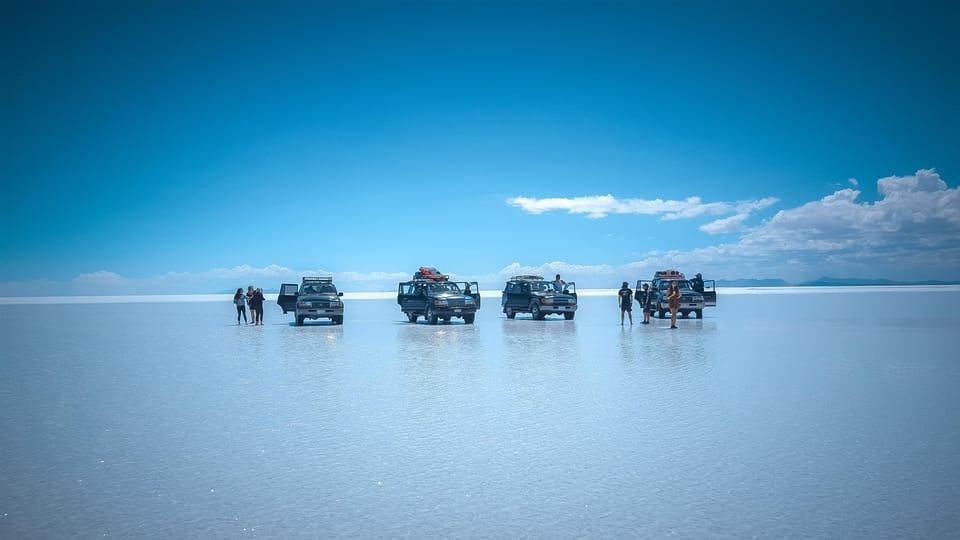
- Mirror reflections during the rainy season
- Sunrise and sunset photography
- Salt hotels
- Giant cacti on Incahuasi Island
- Four-wheel-drive expeditions
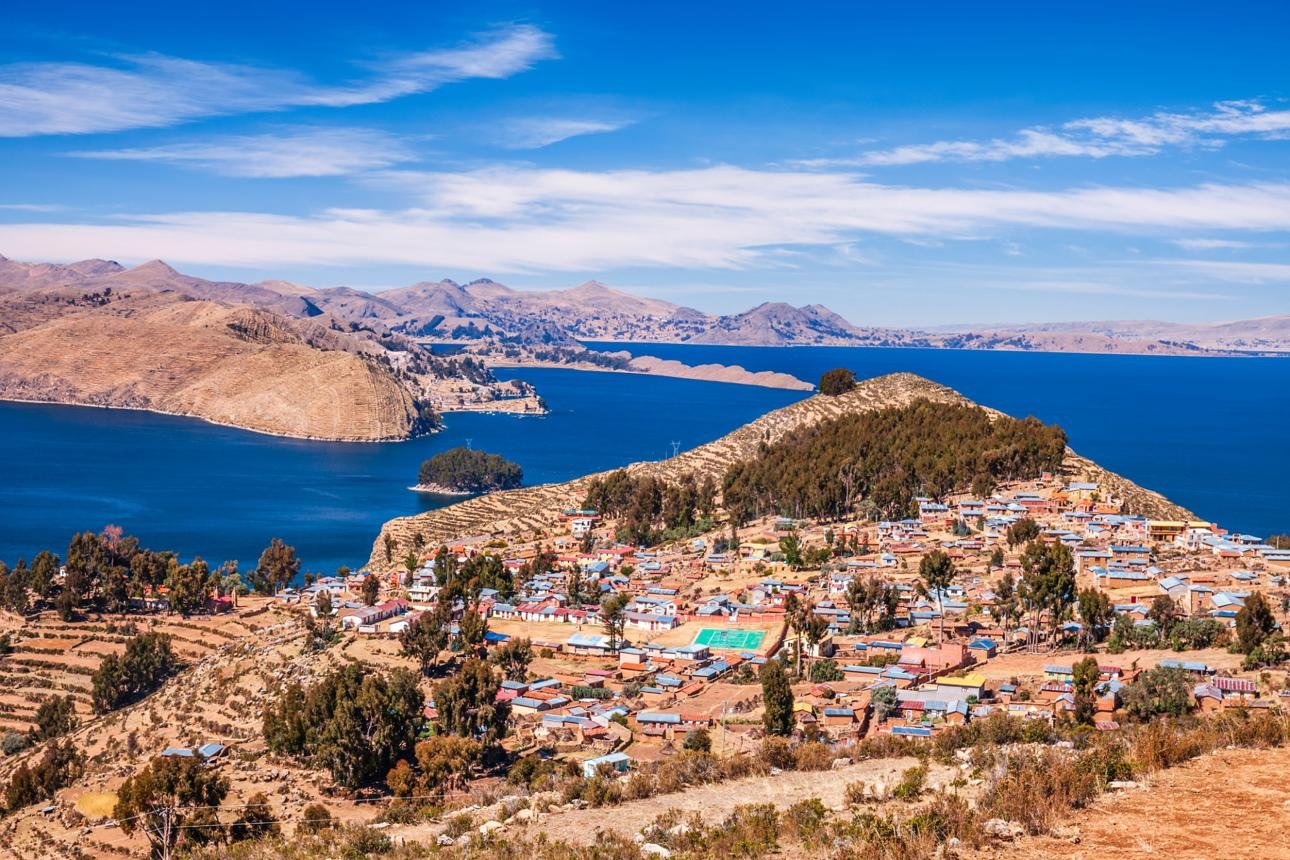
Lake Titicaca
The world’s highest navigable lake.
Highlights include:
- Isla del Sol
- Indigenous villages
- Hiking
- Boat trips
- Traditional culture
Sucre
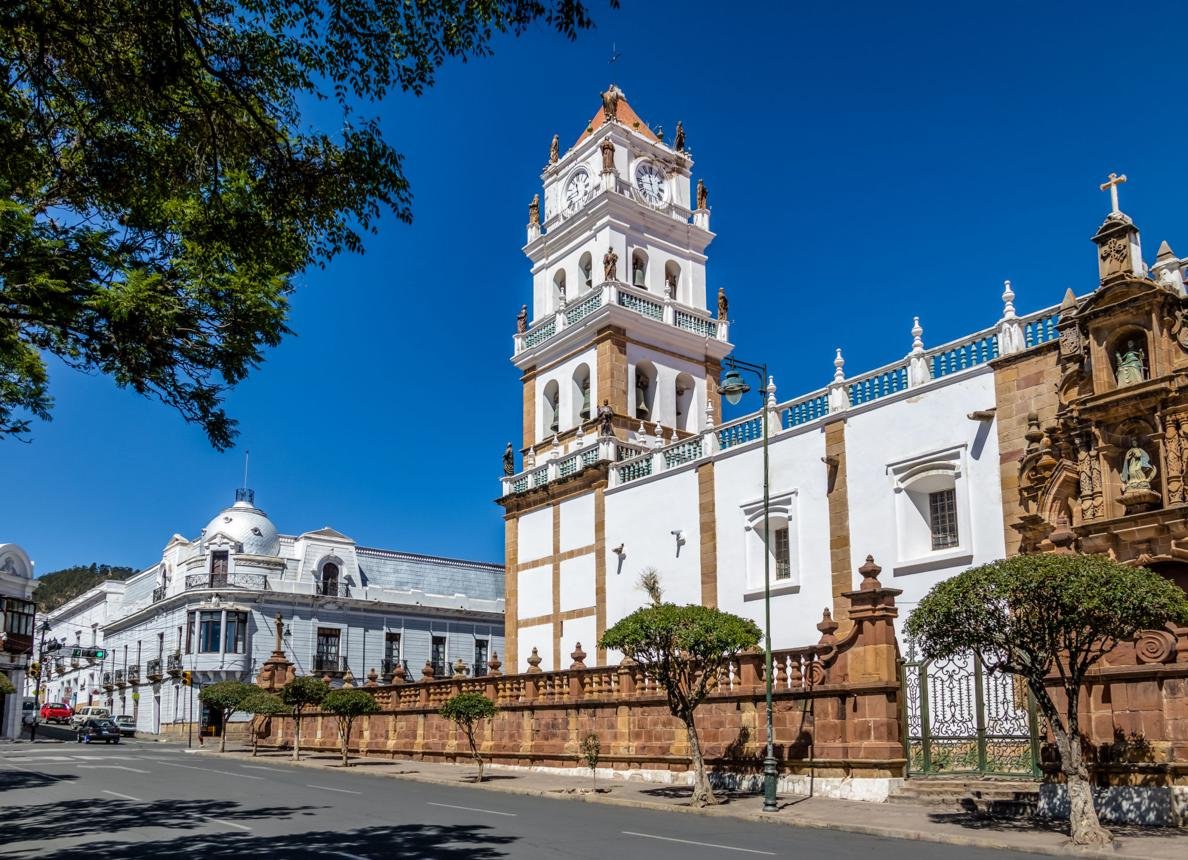
Bolivia’s constitutional capital is renowned for its colonial architecture.
Visitors explore:
- Whitewashed buildings
- Historic churches
- Museums
- Pleasant plazas
- Dinosaur footprints nearby
Potosí
Once one of the richest cities in the world.
Highlights include:
- Cerro Rico silver mine
- Colonial architecture
- UNESCO World Heritage Site
- Historic churches
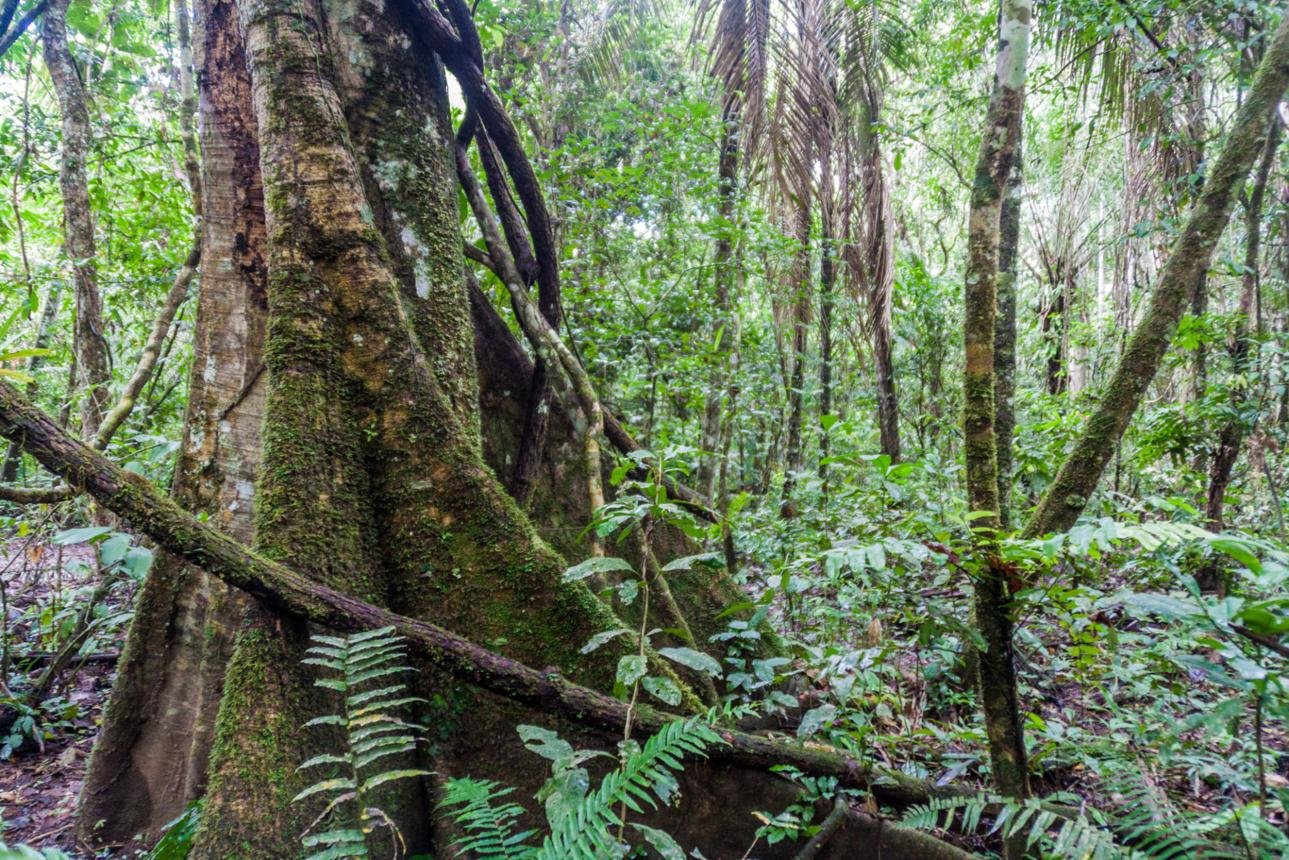
Madidi National Park
One of the world’s most biodiverse protected areas.
Popular activities include:
- Jungle lodges
- Wildlife watching
- River cruises
- Indigenous community visits
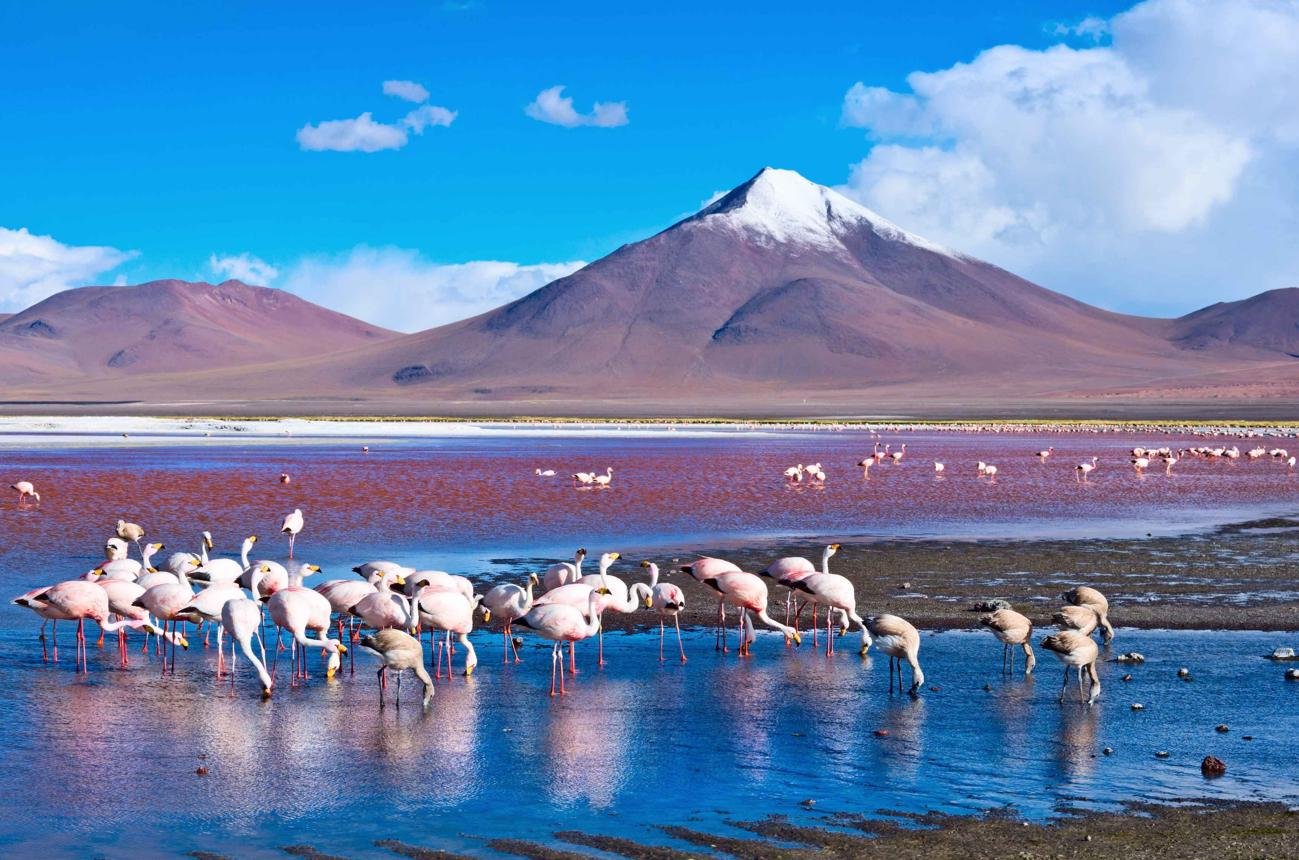
Laguna Colorada
A spectacular red-colored lake in the Eduardo Avaroa Reserve.
Known for:
- Flamingos
- Volcanoes
- High-altitude desert scenery
- Photography
Tiwanaku
One of South America’s most important archaeological sites.
Visitors discover:
- Ancient temples
- Stone carvings
- Pre-Inca history
Best Time to Visit
Bolivia’s climate varies greatly by altitude.
| Season | Conditions |
|---|---|
| May – October | Dry season and best for most travel |
| November – April | Rainy season, mirror effect on Salar de Uyuni |
| June – August | Cool, dry weather and excellent visibility |
| September – November | Pleasant temperatures and fewer visitors |
The dry season is generally ideal for hiking and overland travel.
Regions of Bolivia
Altiplano
Home to:
- La Paz
- Salar de Uyuni
- Lake Titicaca
Southern Highlands
Known for:
- Laguna Colorada
- Volcanoes
- Desert landscapes
Central Bolivia
Features:
- Sucre
- Potosí
- Colonial heritage
Amazon Basin
Offers:
- Madidi National Park
- Rivers
- Rainforests
- Wildlife
Eastern Lowlands
Known for:
- Santa Cruz
- National parks
- Tropical forests
Suggested Itineraries
5-Day Bolivia Highlights
Day 1
- La Paz
Day 2
- Lake Titicaca
Day 3
- Uyuni
Day 4
- Salar de Uyuni
Day 5
- Return to La Paz
Perfect for first-time visitors.
One-Week Bolivia Adventure
Explore:
- La Paz
- Salar de Uyuni
- Sucre
An excellent introduction to the country’s culture and landscapes.
Two-Week Bolivia Road Trip
Travel through:
- La Paz
- Lake Titicaca
- Uyuni
- Laguna Colorada
- Potosí
- Sucre
Ideal for independent travelers.
Three-Week Grand Bolivia Expedition
Continue into:
- Madidi National Park
- Santa Cruz
- Amazon Basin
Perfect for combining mountains with rainforest adventures.
Overlanding in Bolivia
7
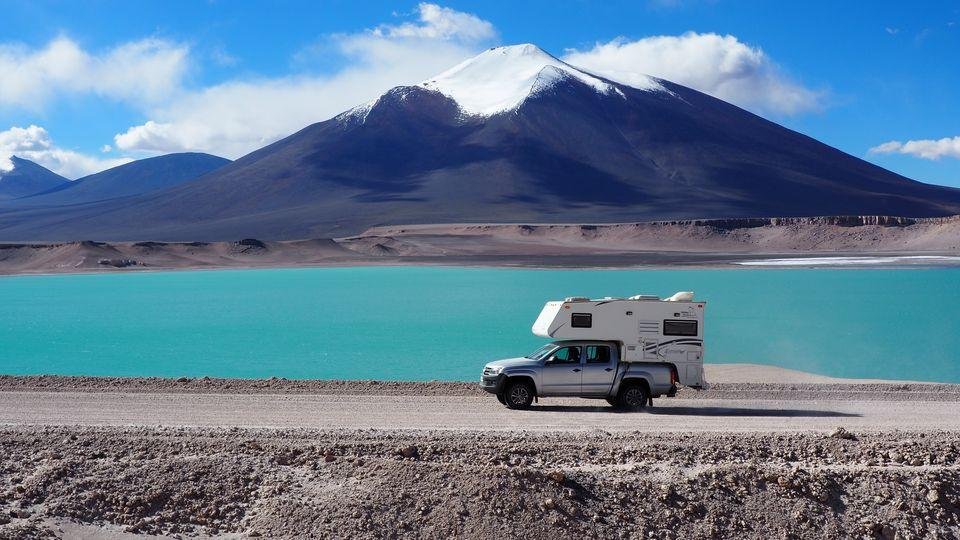
Bolivia is one of South America’s premier overlanding destinations.
Why Overlanders Love Bolivia
- Salar de Uyuni
- High mountain passes
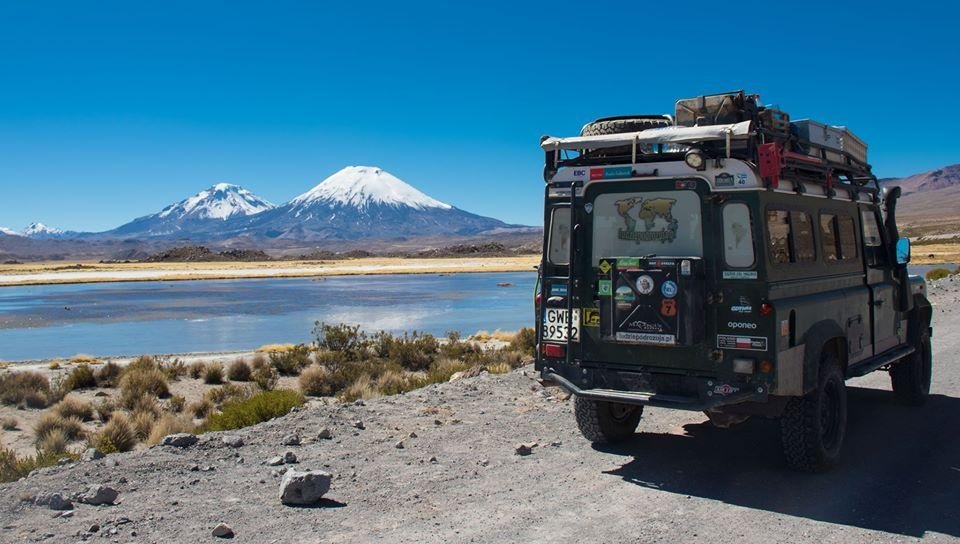
- Desert landscapes
- Remote volcanoes
- Indigenous villages
- Affordable travel
- Cross-border adventures
Bolivia is a major highlight for overland expeditions across South America.
Popular Routes
Altiplano Route
La Paz → Uyuni → Laguna Colorada
One of South America’s most spectacular journeys.
Lake Titicaca Circuit
La Paz → Copacabana → Peru
Perfect for combining Bolivia with Peru.
Southern Desert Route
Uyuni → Eduardo Avaroa Reserve → Chile
A legendary overland crossing.
Road Conditions
Expect:
- Good highways near major cities
- Gravel roads
- High-altitude mountain passes
- Desert tracks
- Seasonal road conditions
Four-wheel drive is recommended for many remote regions.
Backpacking in Bolivia
Bolivia is one of South America’s most affordable backpacking destinations.
Accommodation
Options include:
- Hostels
- Guesthouses
- Hotels
- Eco-lodges
- Campsites
Hostels are widely available in major tourist destinations.
Transportation
Travel using:
- Long-distance buses
- Shared minibuses
- Domestic flights
- Taxis
Bolivia’s bus network connects nearly every major town and city.
Backpacking Highlights
- Salar de Uyuni
- La Paz
- Lake Titicaca
- Jungle tours
- Colonial cities
- Mountain trekking
Camping
Camping is popular throughout Bolivia’s national parks and remote regions.
Campgrounds
Formal campgrounds are limited, but camping is common during guided expeditions to destinations such as Salar de Uyuni and the Eduardo Avaroa Reserve.
Wild Camping
Wild camping is possible in many remote areas when carried out responsibly. Campers should avoid private land, respect protected areas, prepare for cold nighttime temperatures at altitude, and carry sufficient food and water.
RV & Motorhome Travel
Bolivia offers exceptional opportunities for experienced overlanders.
Popular RV Routes
Uyuni Expedition
Uyuni → Laguna Colorada
Andean Explorer
La Paz → Lake Titicaca
Colonial Circuit
Sucre → Potosí
Practical Information
Motorhome travelers should prepare for:
- High-altitude driving
- Long distances between services
- Variable road quality
- Limited camper facilities
Self-sufficiency is recommended when exploring remote regions.
Driving in Bolivia
Driving offers maximum flexibility.
Main Roads
Major highways connect:
- La Paz
- Sucre
- Santa Cruz
- Cochabamba
Many secondary roads remain unpaved.
Things to Know
- High altitude affects both vehicles and travelers.
- Carry extra fuel in remote regions.
- Night driving is best avoided on rural roads.
- Weather conditions change rapidly in the mountains.
Border Crossings
Bolivia shares land borders with:
- Peru
- Brazil
- Paraguay
- Argentina
- Chile
The country serves as an important hub for South American overland travel. Many travelers combine Bolivia with Peru’s Lake Titicaca region, Chile’s Atacama Desert, or northern Argentina. Border procedures and road conditions vary by crossing, so check current information before traveling.
Visa & Entry Requirements
Many nationalities can enter Bolivia visa-free, while others require a visa before arrival.
Before traveling, ensure you have:
- A valid passport
- Any required visa
- Proof of onward travel if requested
- Vehicle documentation for international overland travel
Always verify current entry requirements before departure.
Budget & Costs
Estimated daily travel expenses:
| Travel Style | Daily Budget |
|---|---|
| Budget traveler | US$25–50 |
| Mid-range | US$70–150 |
| Comfortable | US$220+ |
| Motorhome traveler | US$40–100 |
Bolivia is one of the best-value destinations in South America.
Safety
Bolivia is generally safe for travelers who take sensible precautions.
Travel tips include:
- Allow time to acclimatize to high altitude.
- Take normal precautions against petty theft in busy cities.
- Carry warm clothing for cold nights in the Altiplano.
- Prepare carefully for remote overland journeys.
- Drink plenty of water at high elevations.
Altitude sickness is one of the most common challenges for visitors traveling to the Andes.
Food & Culture
Bolivian cuisine reflects Indigenous traditions and regional diversity.
Popular dishes include:
- Salteñas
- Silpancho
- Pique Macho
- Anticuchos
- Sopa de Maní
- Quinoa dishes
- Llama meat
- Api (traditional purple corn drink)
Bolivia’s cultural heritage is deeply influenced by Aymara and Quechua traditions, colorful festivals, traditional textiles, music, and vibrant local markets. Throughout the country, visitors encounter centuries-old customs that remain an important part of everyday life.
Frequently Asked Questions
Is Bolivia expensive?
No. Bolivia is one of the most affordable travel destinations in South America.
Is Bolivia safe?
Yes. Bolivia is generally safe for travelers who take normal precautions and prepare properly for high-altitude conditions.
Is Bolivia good for road trips?
Absolutely. Bolivia’s Altiplano, salt flats, mountain passes, and remote desert landscapes make it one of South America’s most rewarding overland destinations.
Can you travel Bolivia by campervan?
Yes. Bolivia is a popular destination for expedition vehicles and campervans, although remote areas require careful planning and self-sufficiency.
How many days do you need in Bolivia?
A week allows you to visit La Paz and Salar de Uyuni, while two to three weeks lets you explore Lake Titicaca, Sucre, the Amazon, and the southern deserts.
What is Bolivia famous for?
Bolivia is best known for:
- Salar de Uyuni
- La Paz
- Lake Titicaca
- Laguna Colorada
- Madidi National Park
- Potosí
- Andes Mountains
- Spectacular overland adventures