Quick Facts
Best time to visit: April–June and September–October
Difficulty: 5/5
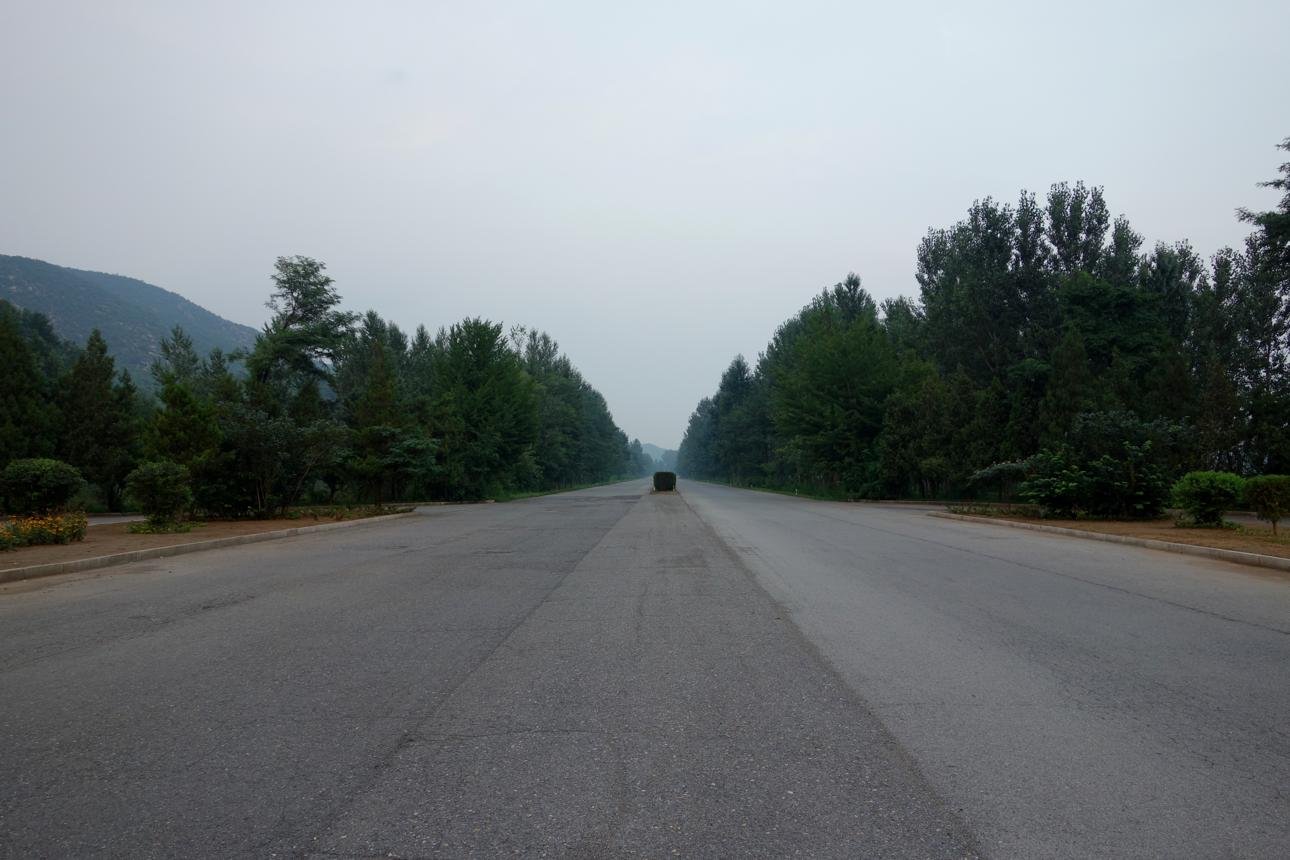
Road conditions: Main roads generally paved, many secondary roads vary in condition
Visa situation: Strictly controlled entry procedures; independent tourism is generally not permitted
Why Overland North Korea?
North Korea is one of the world’s most unusual travel destinations.
For decades, the country has fascinated travelers due to its isolation, unique political system, monumental architecture, mountain landscapes, and limited access to foreign visitors.
Why it stands out:
- one of the least-visited countries on Earth
- unique travel experience
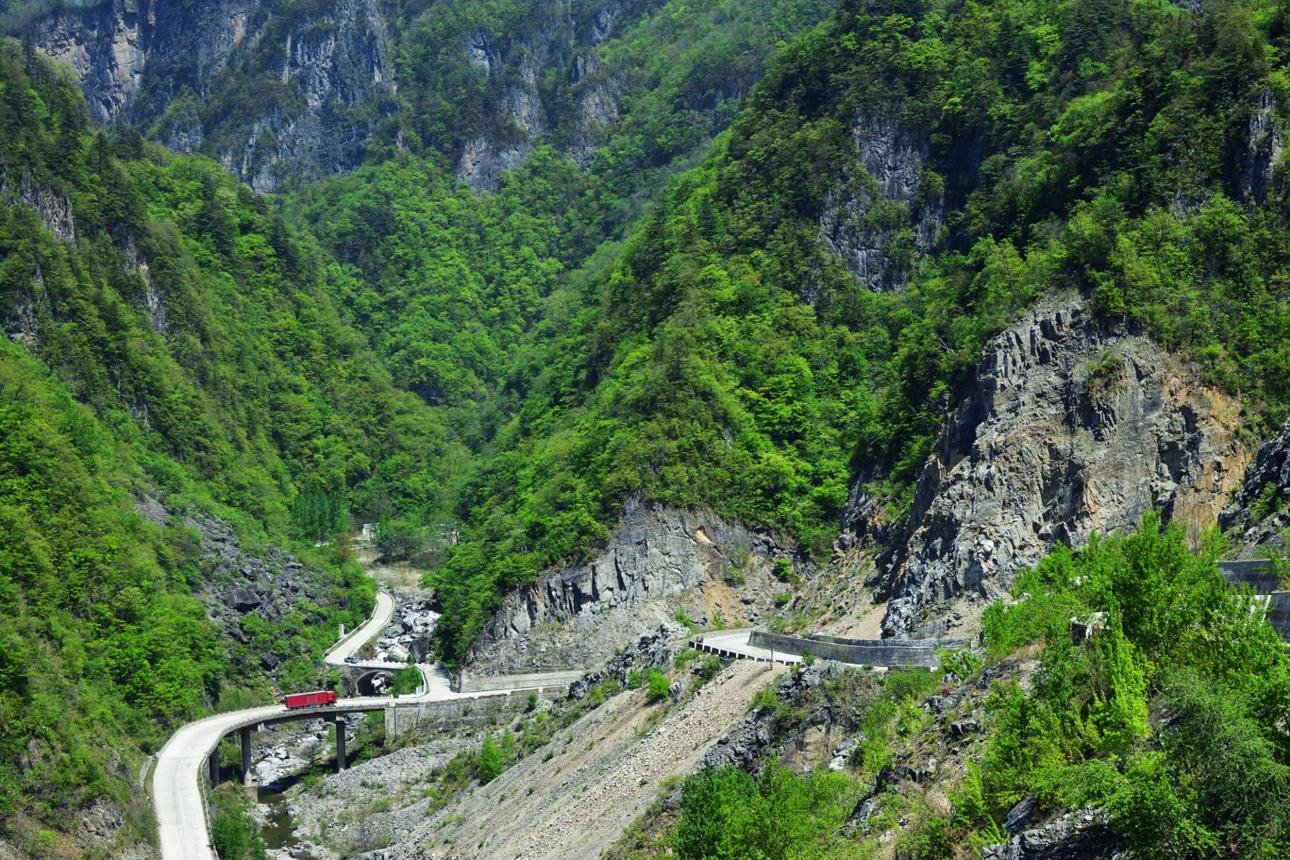
- dramatic mountain scenery
- fascinating modern history
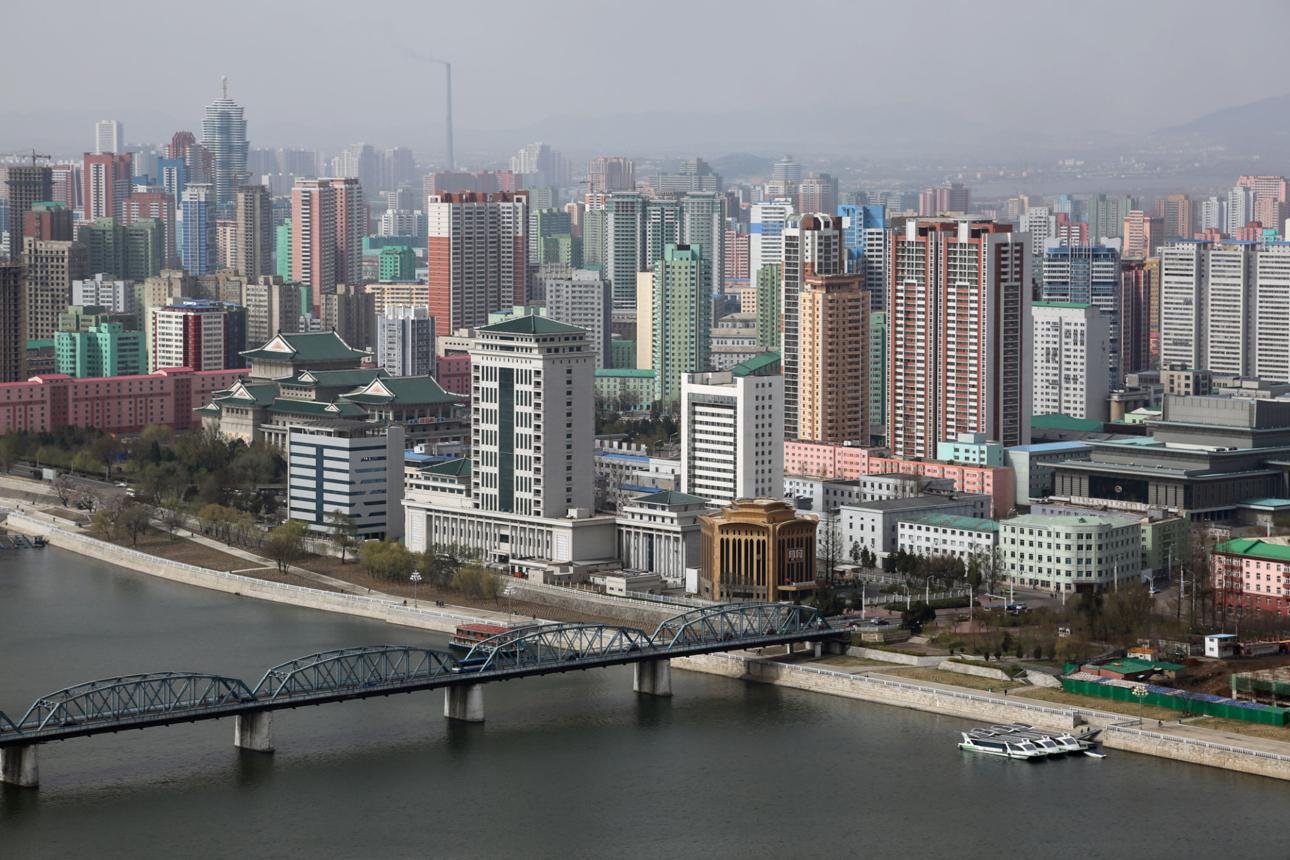
- distinctive architecture
- remote landscapes
- highly structured travel system
- rare overland access opportunities
However, North Korea is not a conventional overlanding destination. Travel is tightly regulated and visitors are generally required to travel on organized tours with local guides.
Important Travel Considerations
Travel to North Korea is subject to strict government regulations.
Key considerations:
- independent travel is generally not allowed
- organized tours are normally required
- movement within the country is controlled
- photography restrictions may apply
- regulations can change at short notice
- some nationalities may face additional restrictions
Always verify current entry requirements before planning a trip.
Main Travel Routes
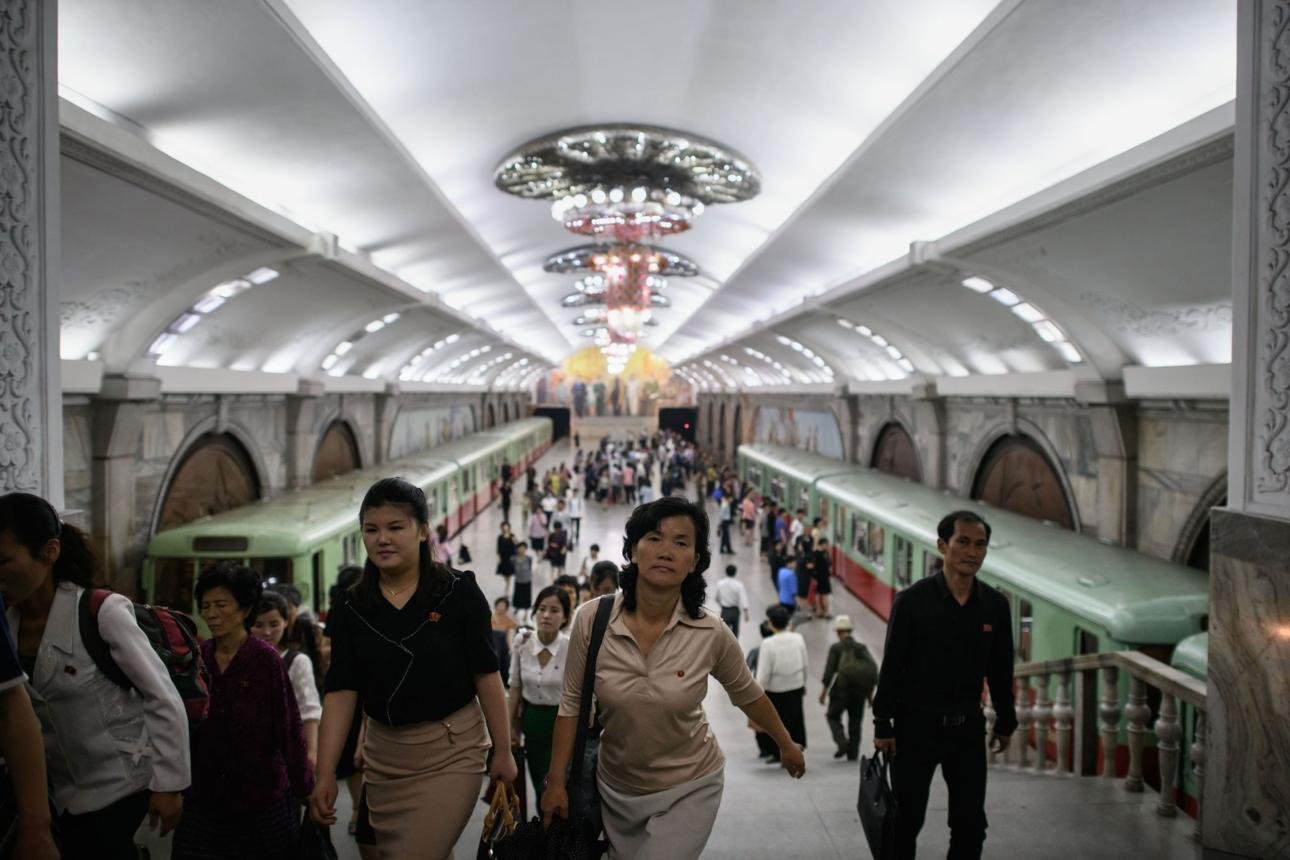
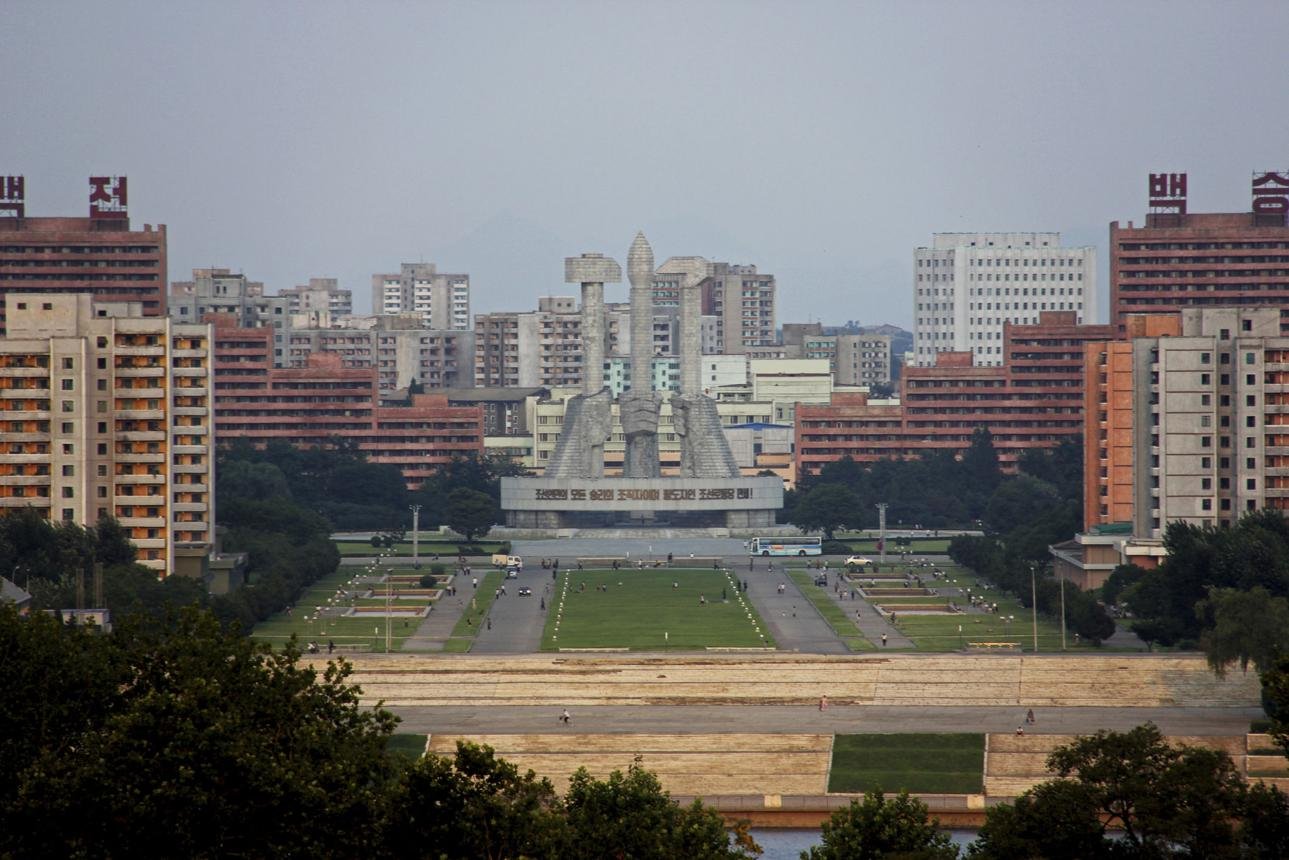
1. Pyongyang Route
7
The most common visitor itinerary.
Highlights:
- monumental architecture
- museums
- government buildings
- cultural performances
Major destination:
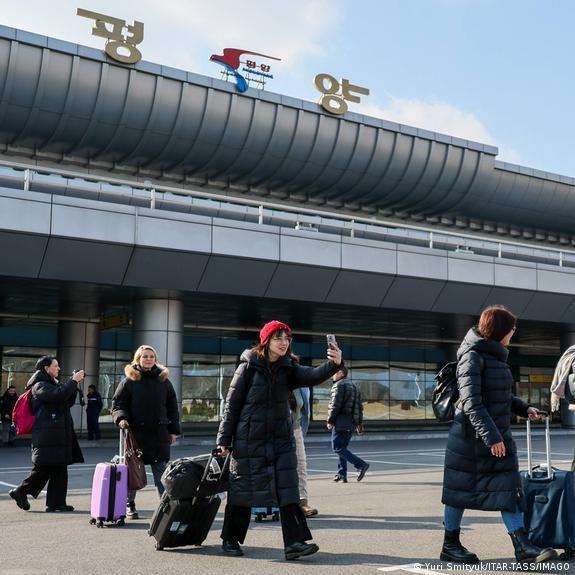
- Pyongyang
Virtually all visitors spend time in the capital.
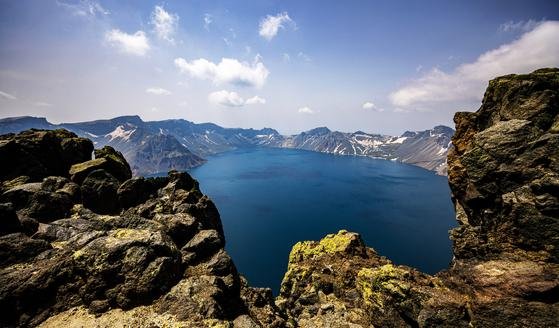
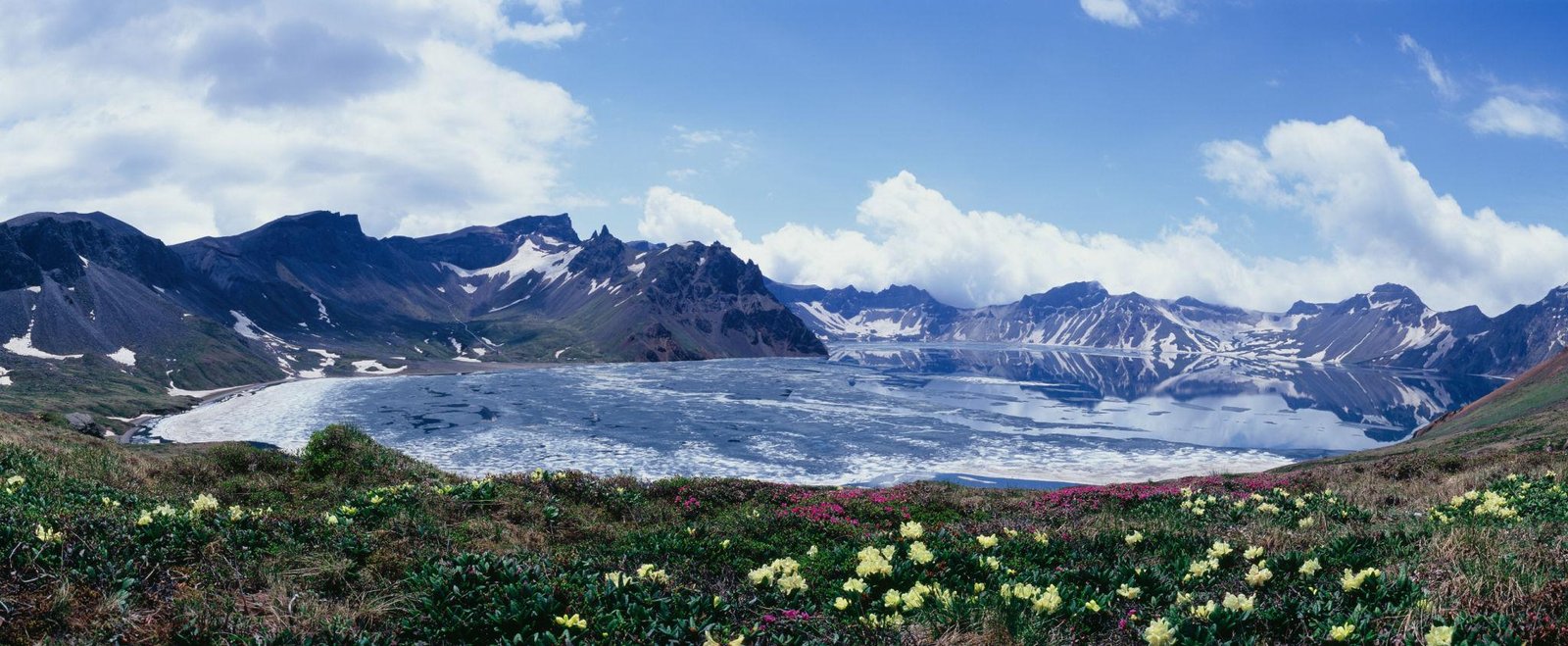
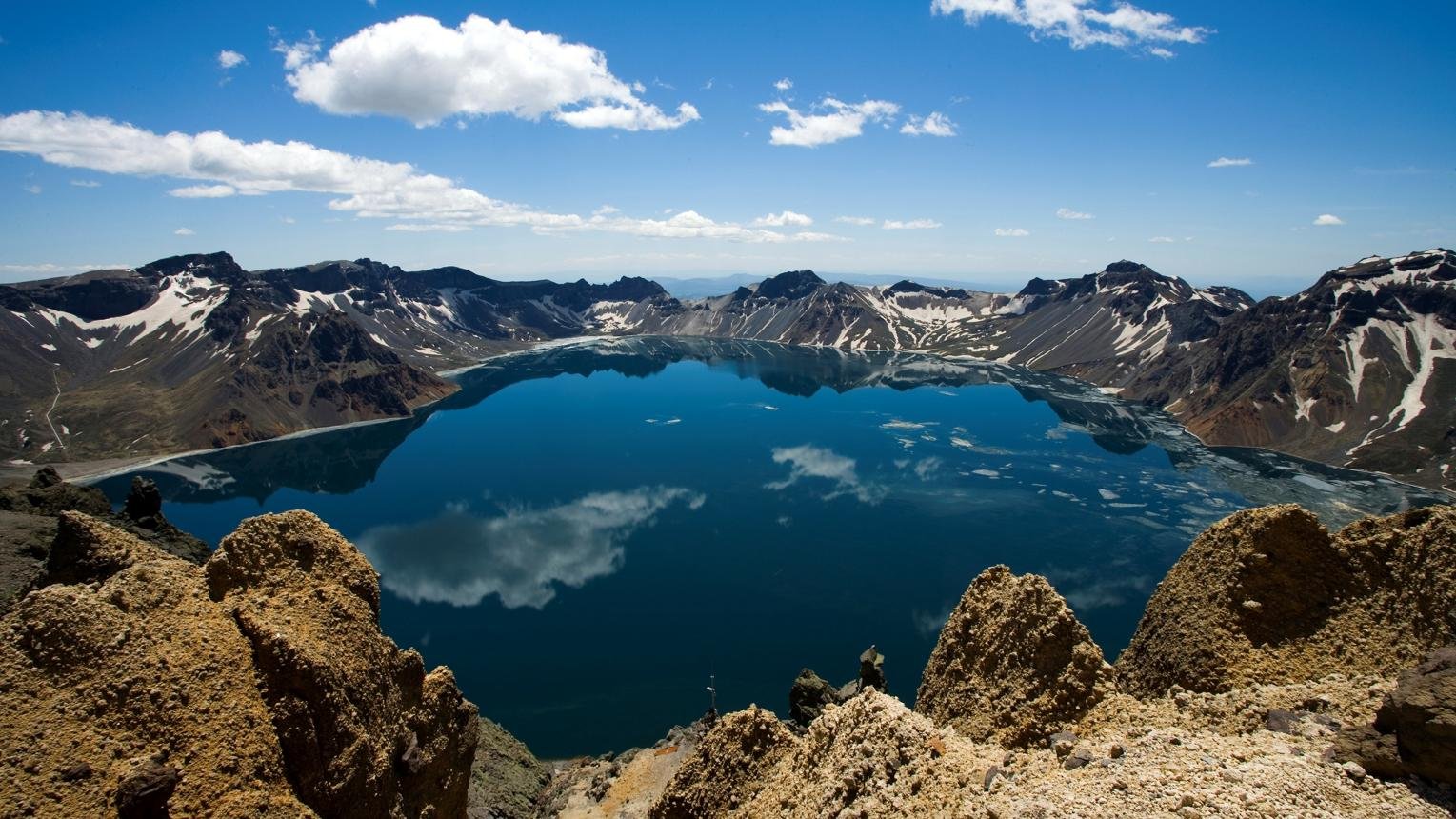
2. Mount Paektu Route
8
North Korea’s most famous natural attraction.
Highlights:
- volcanic landscapes
- crater lake
- mountain scenery
- national significance
Major attraction:
- Mount Paektu
Often considered the country’s most spectacular destination.
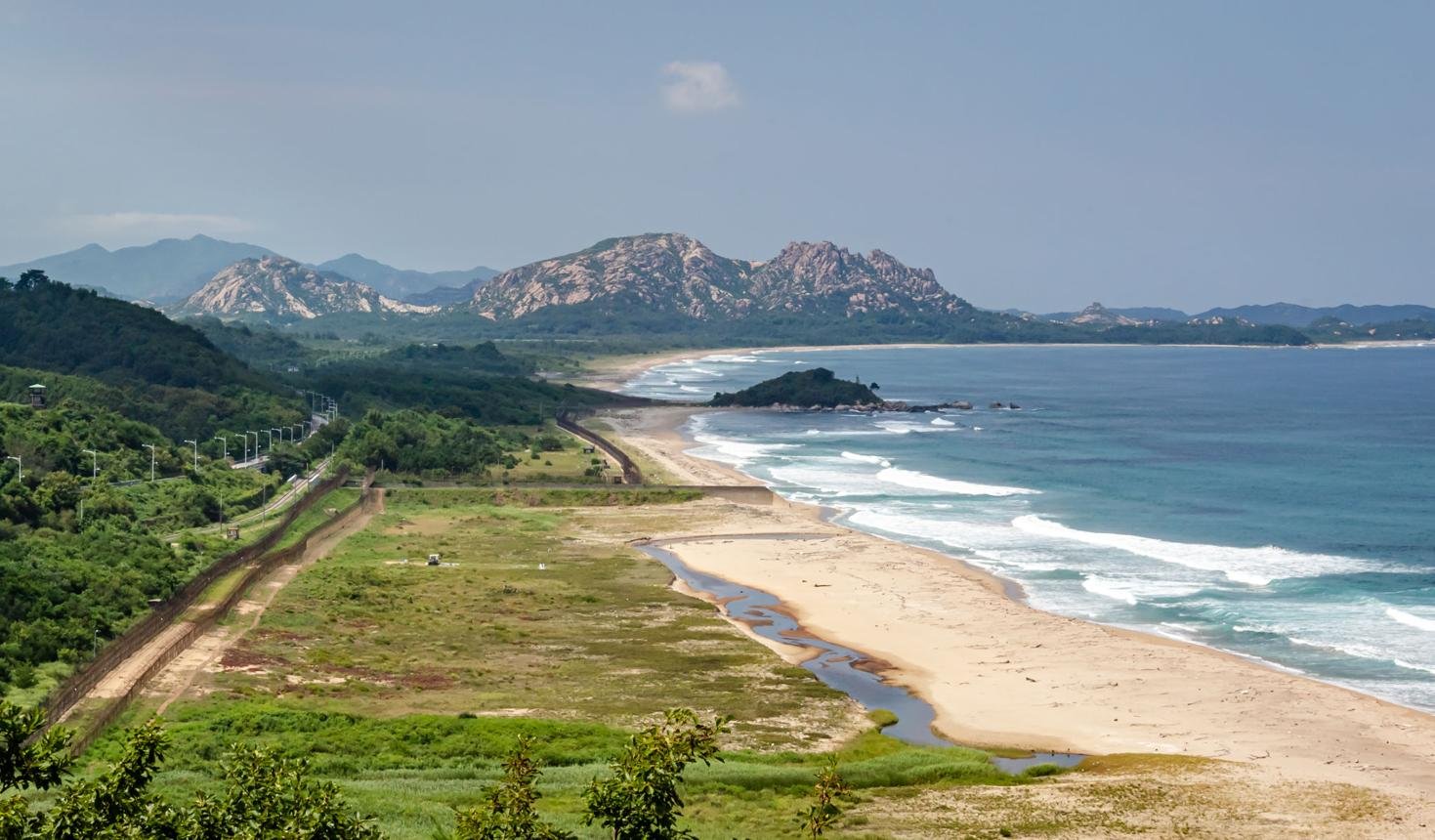
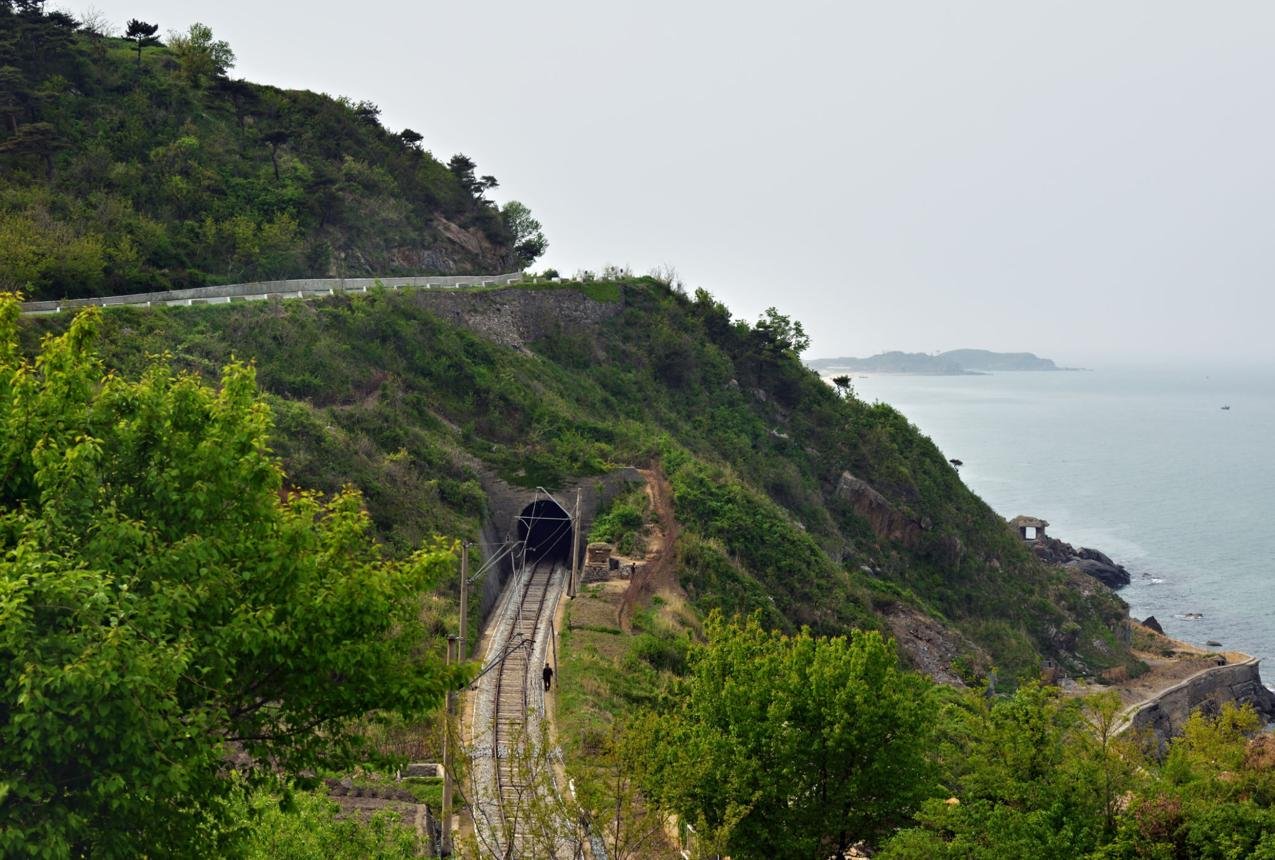
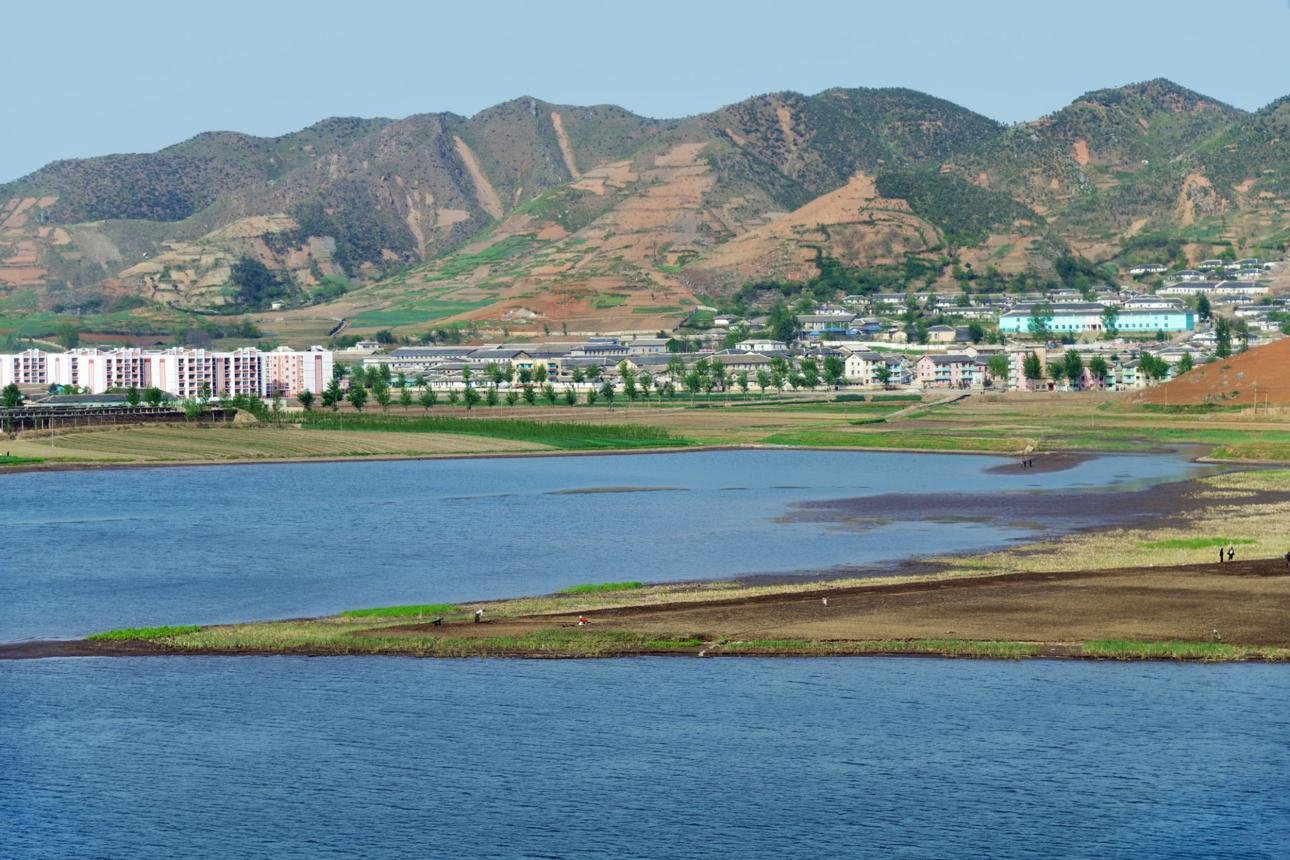
3. East Coast Route
6
A scenic journey along the Sea of Japan (East Sea).
Highlights:
- coastal scenery
- beaches
- mountain views
Major destination:
- Wonsan
Access depends on current travel permissions.
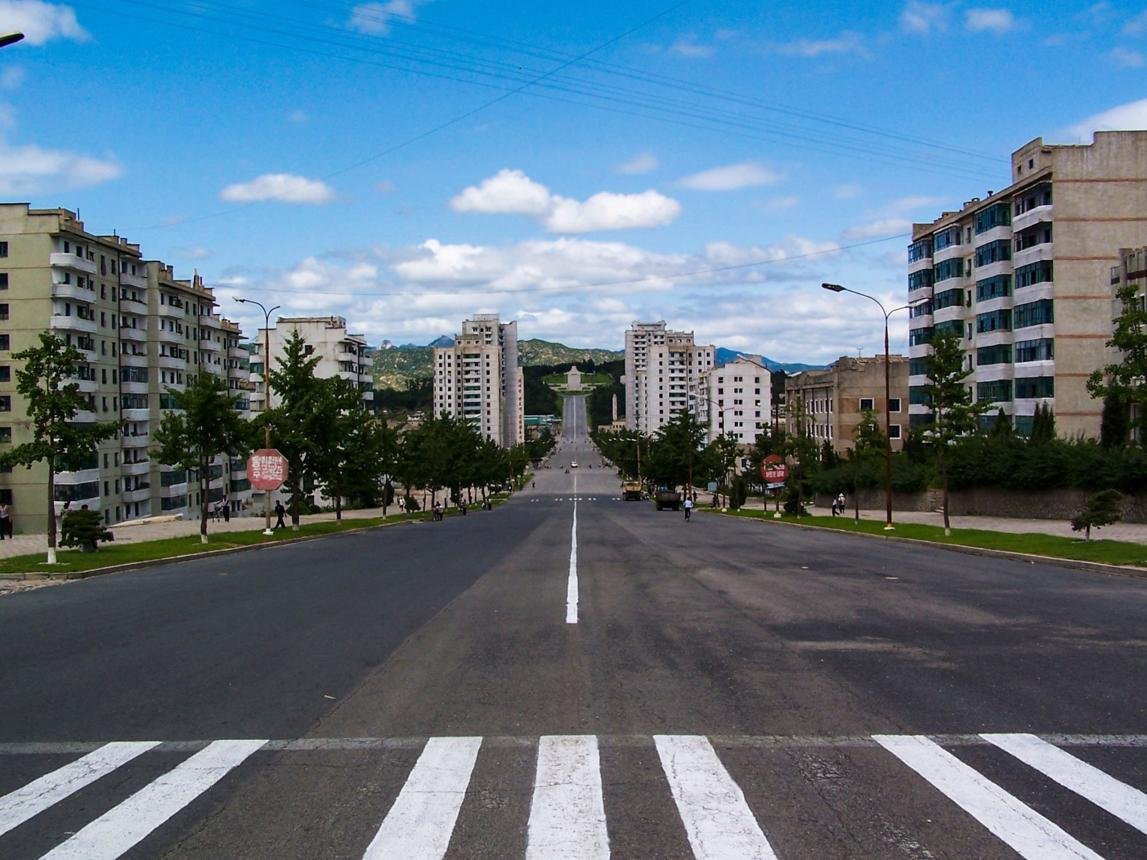
4. Kaesong Route
7
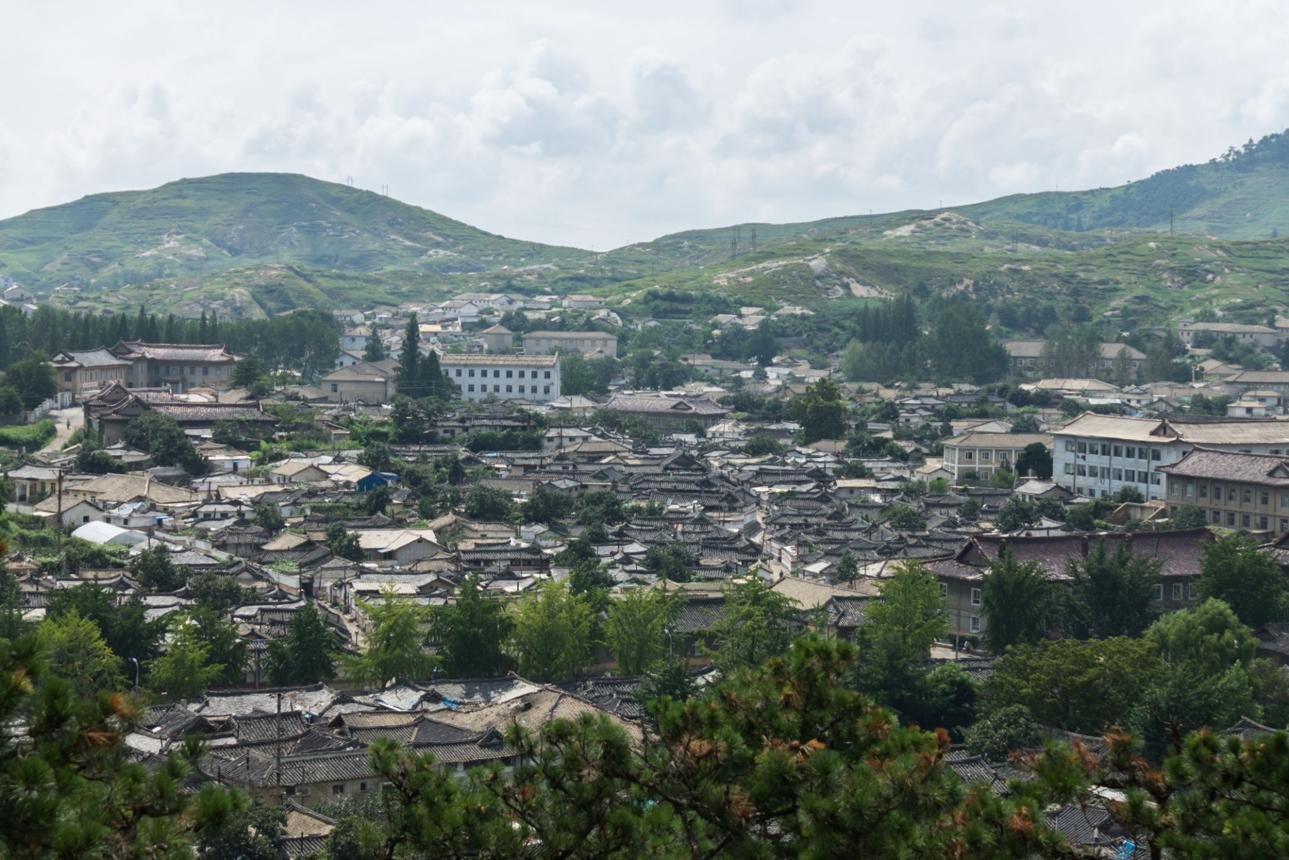
One of the country’s most historical regions.
Highlights:
- traditional architecture
- historical sites
- Korean heritage
Major destination:
- Kaesong
A former capital of the Koryo Dynasty.
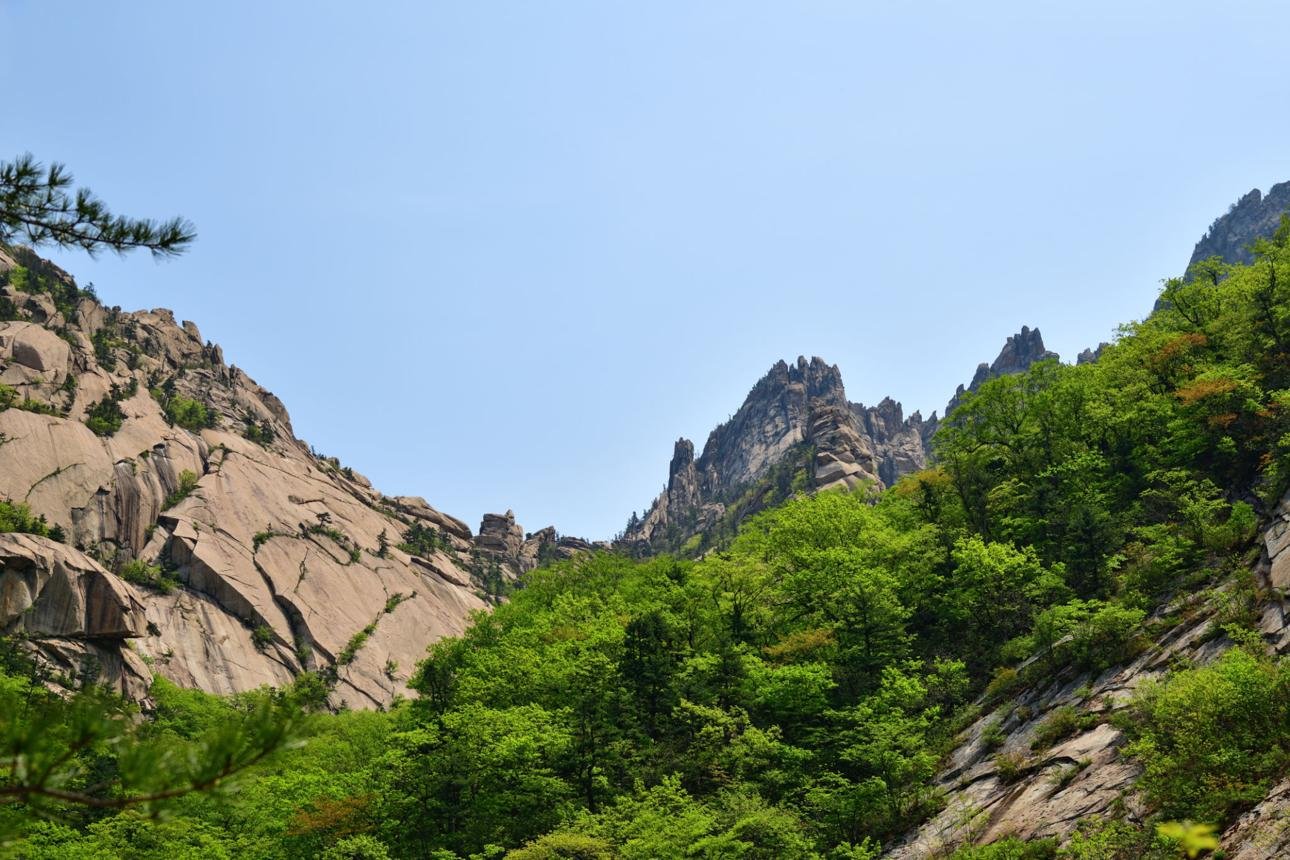
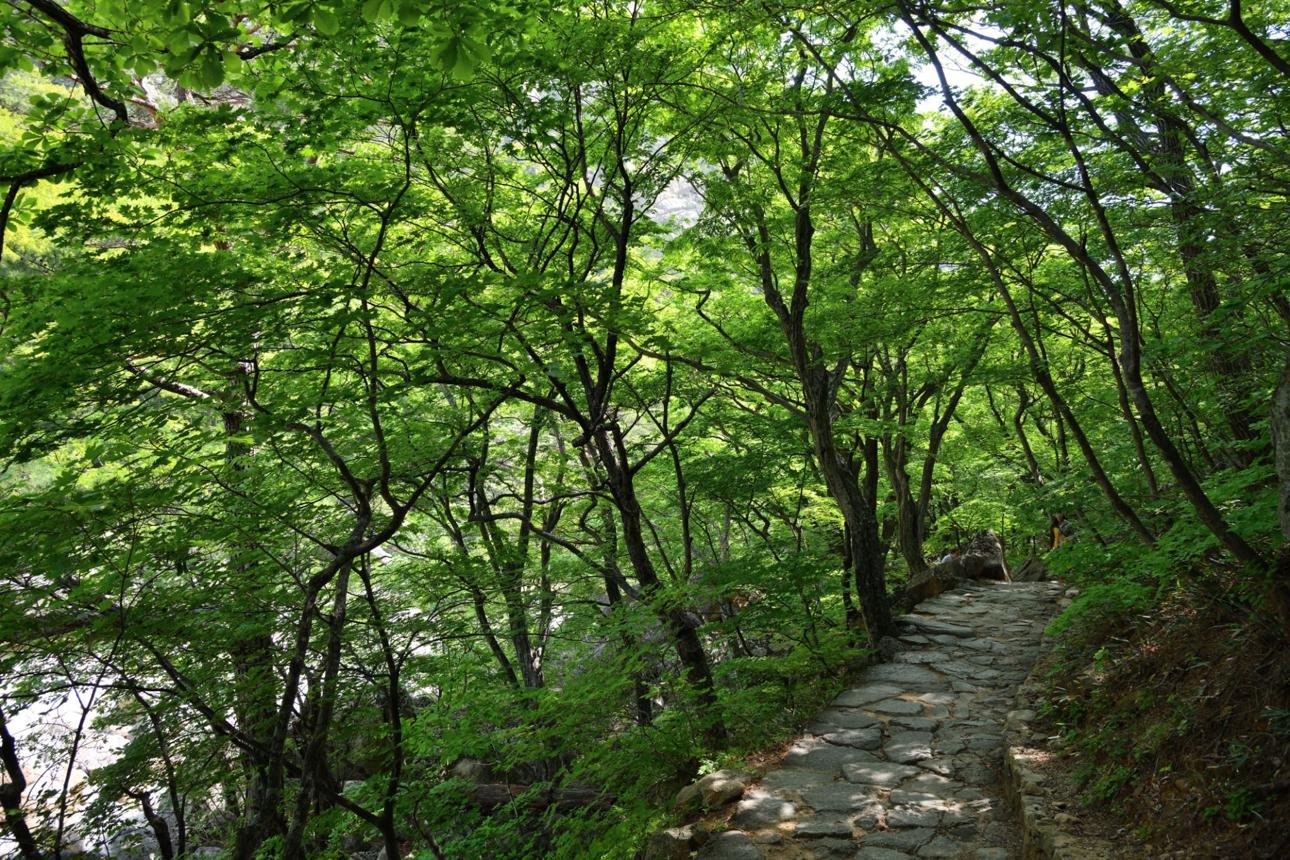
5. Kumgang Mountains Route
7
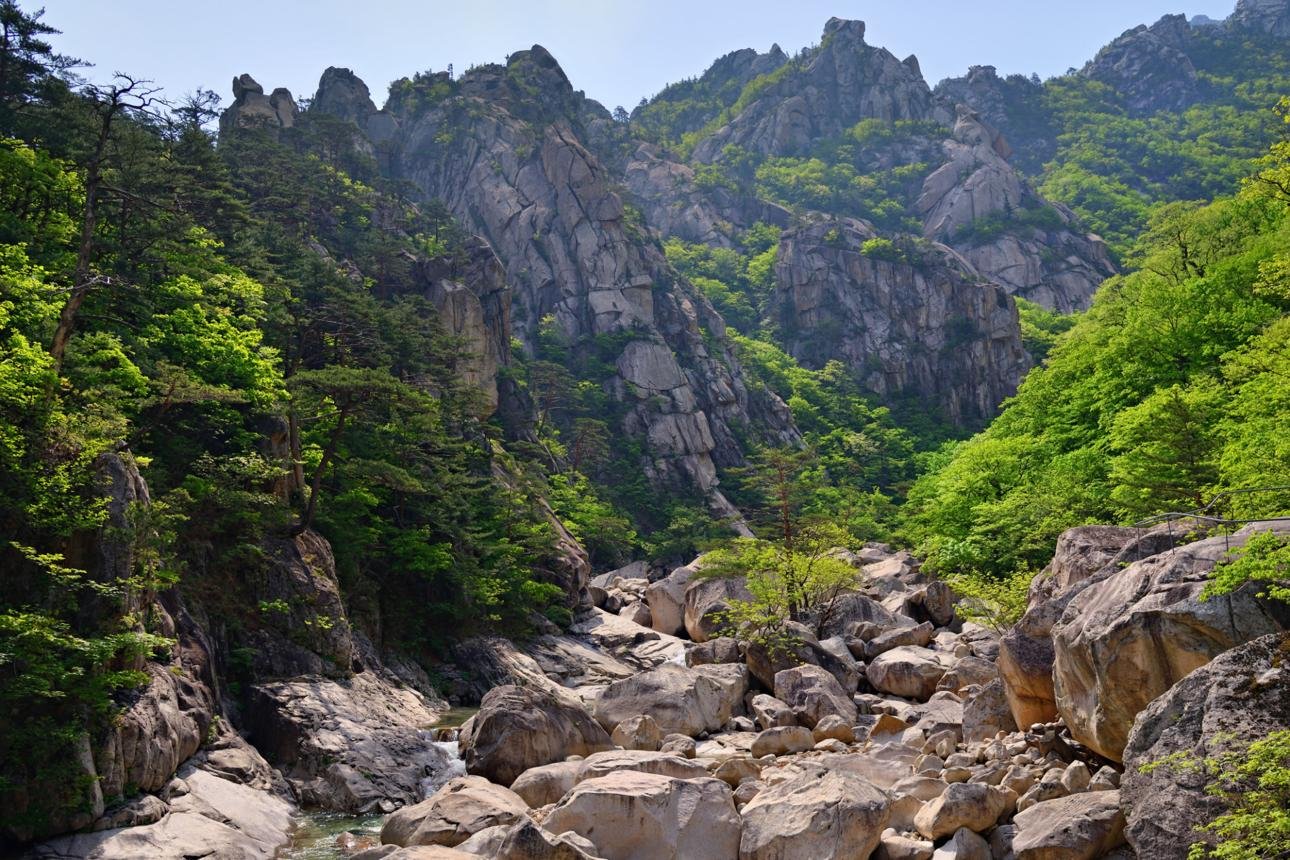
One of the Korean Peninsula’s most beautiful mountain regions.
Highlights:
- granite peaks
- hiking trails
- mountain scenery
Major attraction:
- Kumgang Mountains
Historically one of the country’s best-known tourist destinations.
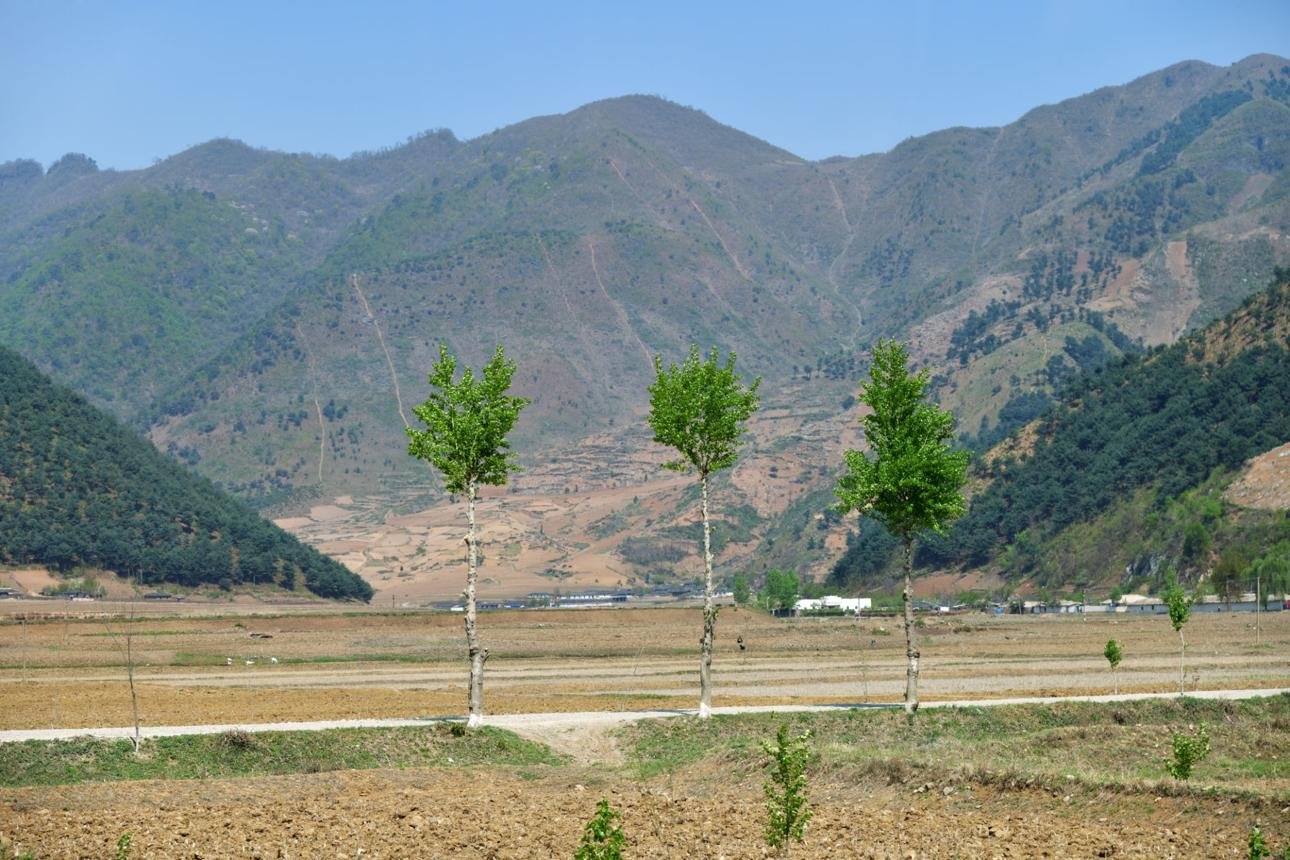
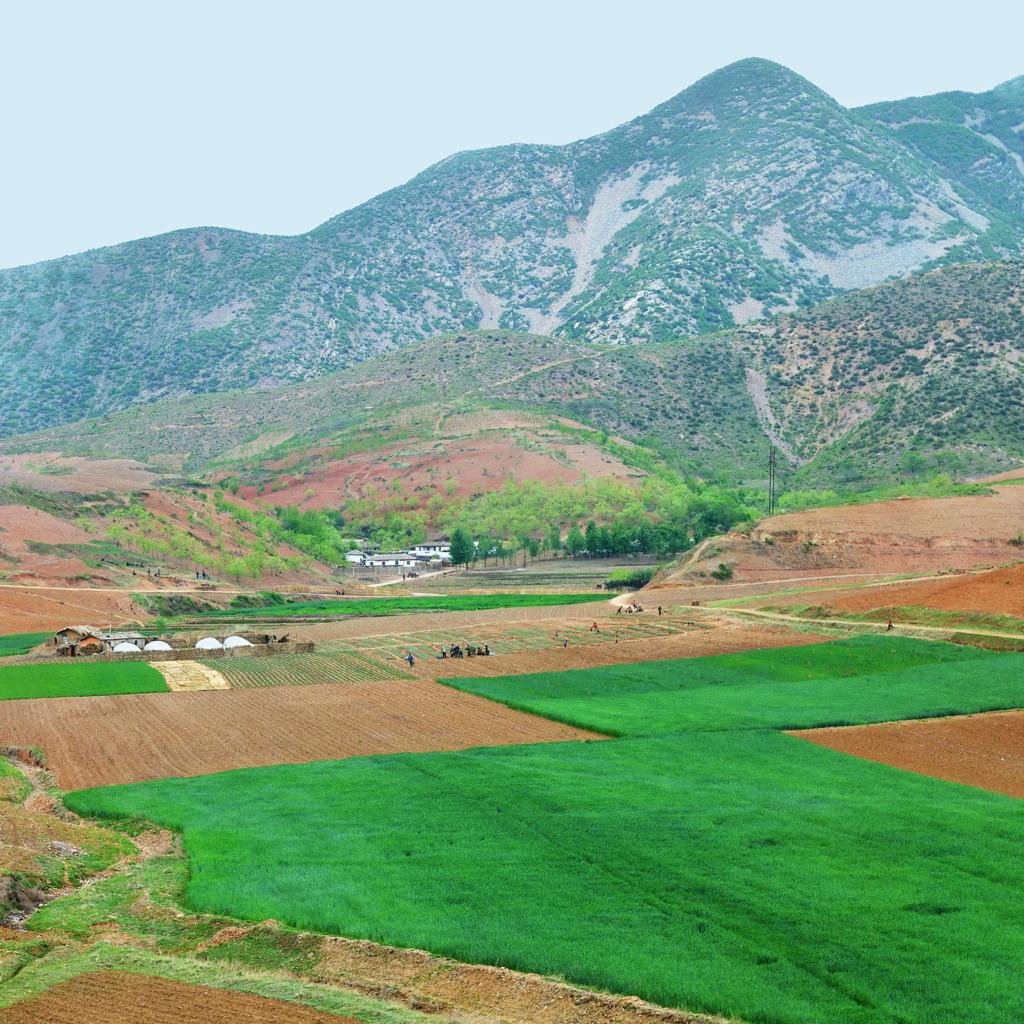
6. Northern Highlands Route
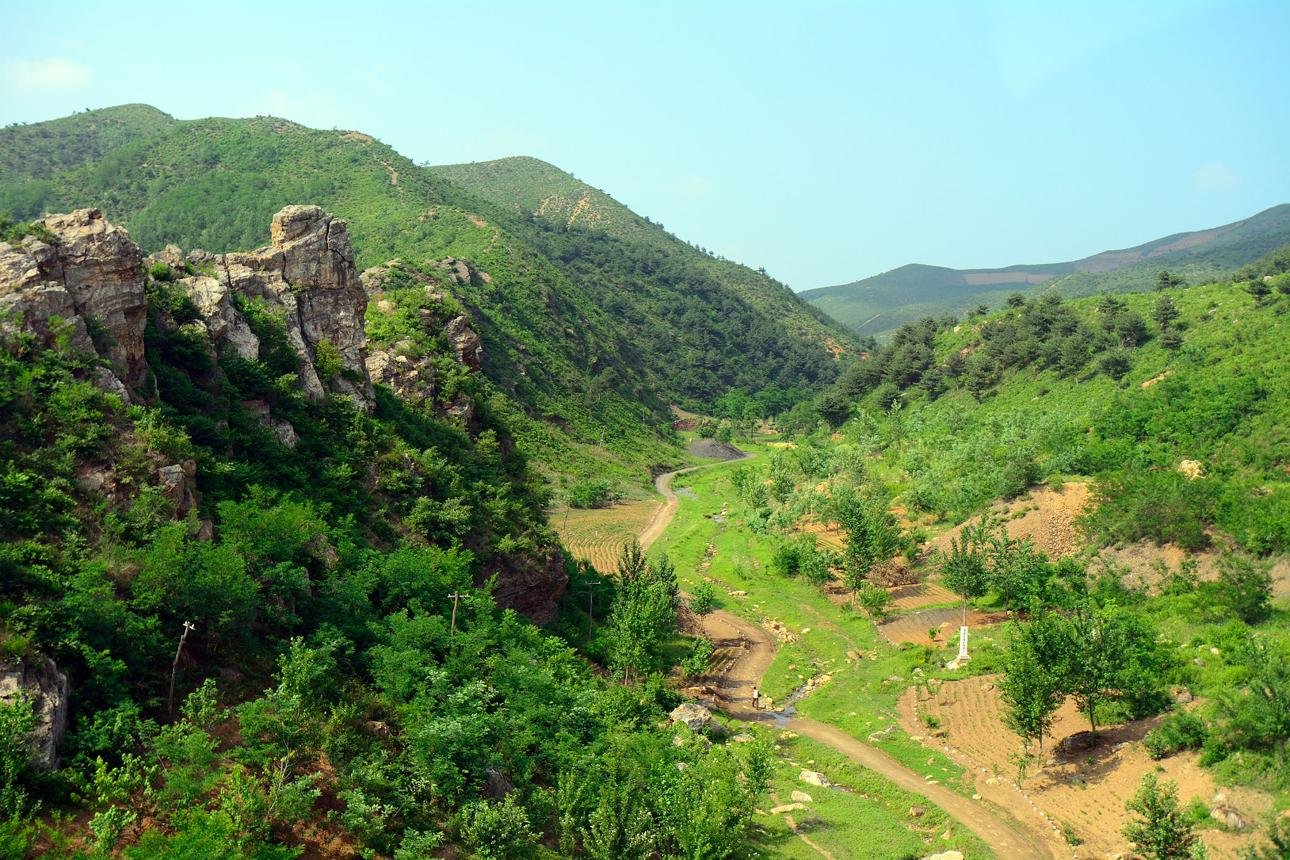
6
Remote and rarely visited.
Highlights:
- mountain villages
- forests
- wilderness areas
Access depends entirely on permitted itineraries.
Borders & Entry Points
North Korea borders:
- China
- Russia
- South Korea
China
Historically the most common visitor route.
Popular entry point:
- Dandong – Sinuiju
Often accessed by train or organized transport.
Russia
Limited travel connections exist.
Primarily used by specific tour operators and special travel arrangements.
South Korea
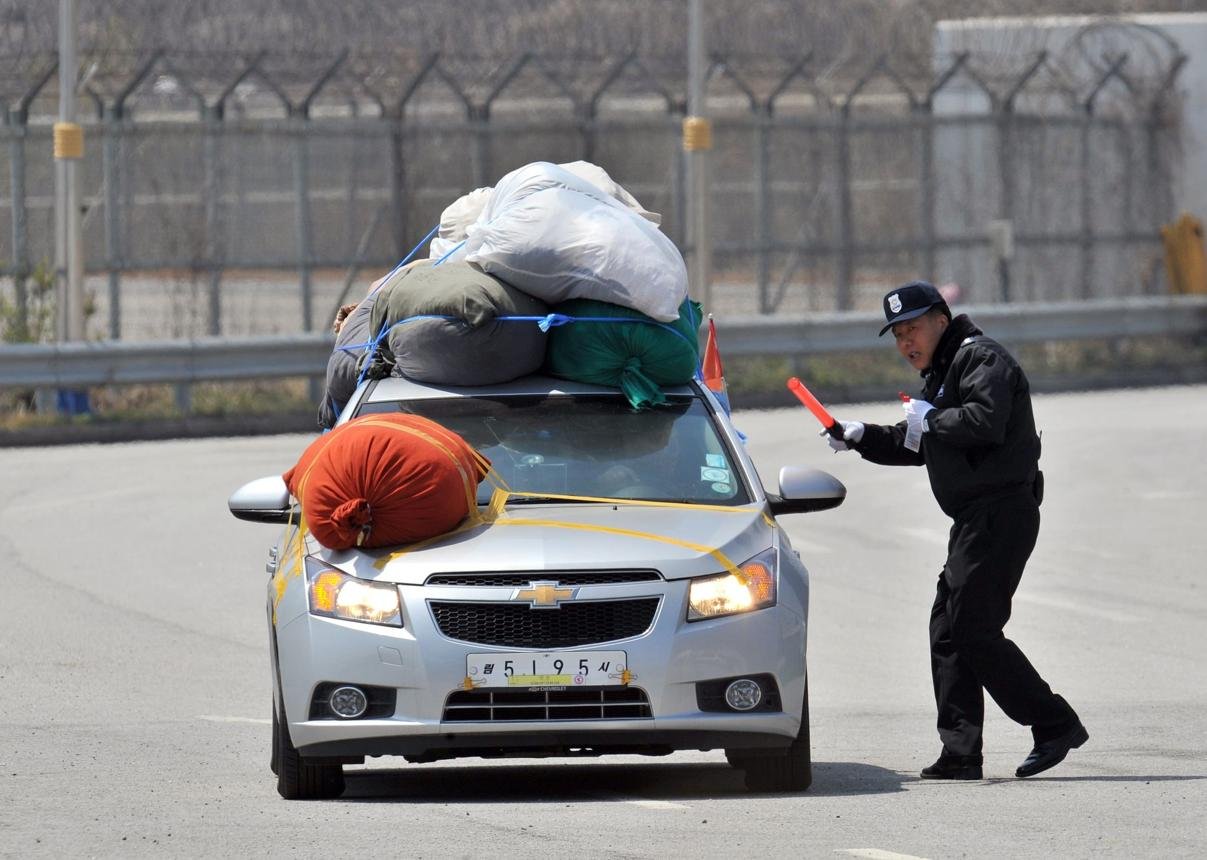
Civilian overland crossings are generally not available for tourism purposes.
Vehicle Entry Requirements
Bringing a foreign overland vehicle into North Korea is extremely uncommon.
Requirements, where applicable, may involve:
- special permits
- government authorization
- organized arrangements
- customs approvals
Independent vehicle expeditions are generally not available.
Driving Conditions
Most visitors do not drive themselves.
Travel is usually conducted using:
- tour vehicles
- buses
- trains
- government-approved transportation
Self-drive tourism is generally not available.
Fuel & Logistics
Tour operators typically manage all logistics.
Independent travelers have very limited flexibility regarding:
- routes
- accommodation
- transportation
- schedules
Camping & Accommodation
Wild Camping
Not generally available to foreign visitors.
Campsites
Camping tourism is extremely limited.
Accommodation
Visitors usually stay in designated hotels approved for international guests.
Most accommodation arrangements are organized in advance.
Safety & Risks
The primary challenges are administrative and regulatory rather than road-related.
Important considerations include:
- strict regulations
- travel restrictions
- changing entry policies
- limited independent movement
- communication limitations
Visitors should familiarize themselves with local laws and regulations before arrival.
Best Time to Visit
Ideal
April–June
and
September–October
Pleasant weather and clearer visibility.
Summer
Warm and humid.
Winter
Very cold, especially in northern regions.
Mountain areas experience significant snowfall.
Sample 7–10 Day Itinerary
Subject to current travel regulations and approved itineraries.
Days 1–3: Pyongyang
Days 4–5: Kaesong
Days 6–7: Wonsan
Days 8–10: Mount Paektu
FAQ
Is North Korea good for overlanding?
Not in the traditional sense. Travel is highly regulated and independent overlanding is generally not possible.
Need a 4×4?
No. Visitors normally travel on organized itineraries.
Can you wild camp?
Generally not.
Good for campervans?
No. Independent vehicle travel is generally unavailable.
Best highlight?
Mount Paektu and the unique experience of visiting one of the world’s most isolated countries.
Related Pages
- Backpacking North Korea
- East Asia Travel Guide
- Pyongyang
- Kaesong
- Wonsan
- Mount Paektu
- Kumgang Mountains
- China Overlanding Guide
- Russia Overlanding Guide
- Korean Peninsula Travel Guide
- Remote Destinations Guide
- Getting around
- Further Reading