Volcanoes, Gorillas, Rainforests & Africa’s Greatest Wilderness
6
Democratic Republic of the Congo Travel Guide
The Democratic Republic of the Congo (DRC) is one of Africa’s most extraordinary and least understood travel destinations. Covering more than 2.3 million square kilometers (905,000 square miles), it is the second-largest country in Africa and encompasses an astonishing variety of landscapes. Dense equatorial rainforests, active volcanoes, vast rivers, snow-capped mountains, savannahs, wetlands, and rare wildlife combine to create one of the continent’s richest natural environments.
Bordered by nine countries—Angola, Zambia, Tanzania, Burundi, Rwanda, Uganda, South Sudan, the Central African Republic, and the Republic of the Congo—the DRC occupies the geographical heart of Africa. At its center flows the mighty Congo River, the world’s second-largest river by discharge, which has shaped the country’s history, economy, and ecosystems for centuries.
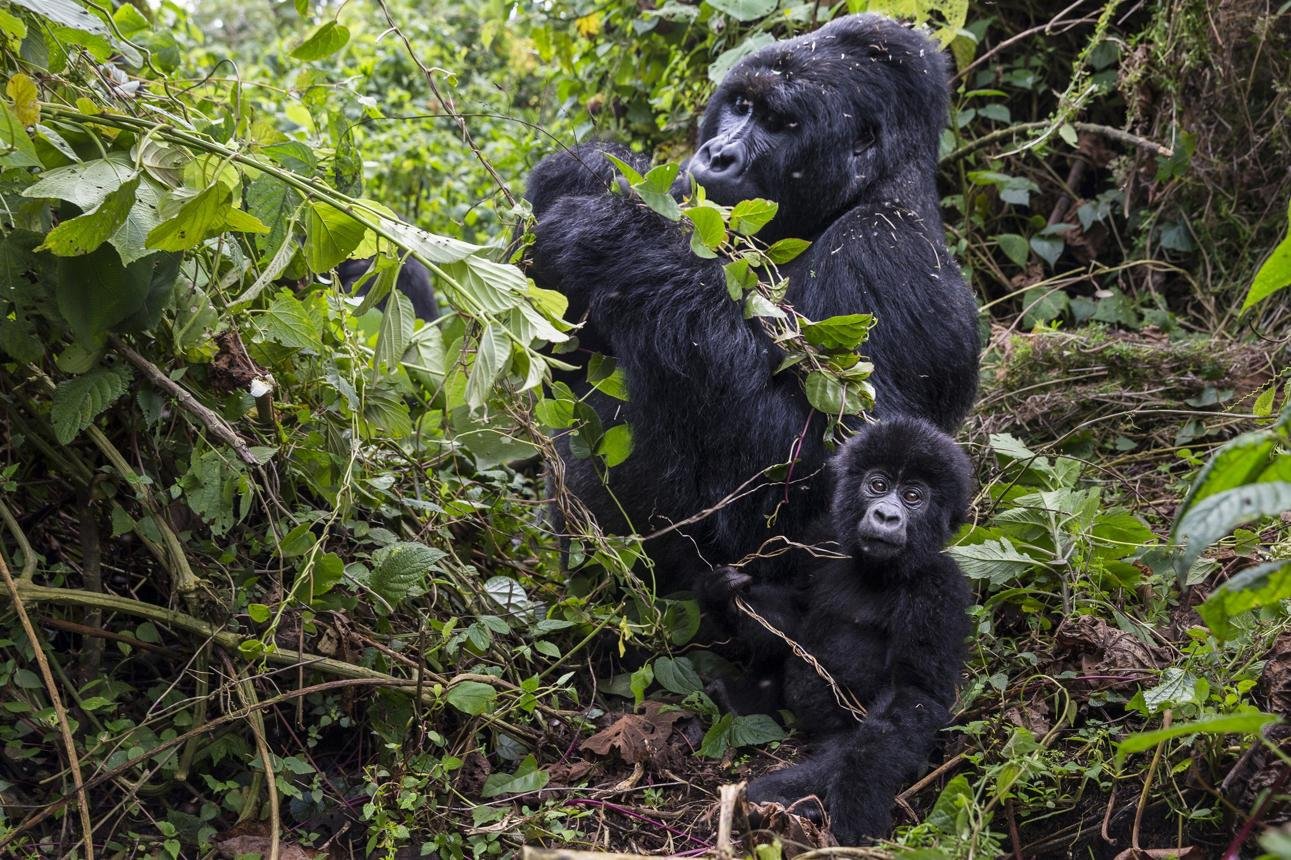
The Democratic Republic of the Congo is home to globally significant wildlife, including mountain gorillas, eastern lowland gorillas, bonobos, chimpanzees, forest elephants, okapis, and countless endemic bird species. Several national parks are UNESCO World Heritage Sites and protect ecosystems found nowhere else on Earth.
For adventurous travelers, the DRC offers unforgettable experiences. Trekking to the summit of the active Nyiragongo volcano, observing mountain gorillas in Virunga National Park, exploring the Congo River, or visiting remote rainforest reserves rank among Africa’s greatest adventures. However, travel also presents significant challenges. Infrastructure is limited outside major cities, road conditions vary greatly, and security concerns affect several regions. Travelers should carefully research current conditions, monitor official travel advisories, and plan flexible itineraries.
For overlanders, the DRC represents one of Africa’s most demanding yet rewarding expedition destinations. Backpackers can explore selected regions with careful preparation, while RV travelers require well-equipped expedition vehicles capable of handling remote roads and long distances between services.
This guide introduces the country’s major destinations and practical travel information while providing a foundation for detailed guides covering overlanding, backpacking, camping, driving, visas, border crossings, and wildlife.
Quick Facts
| Item | Information |
|---|---|
| Capital | Kinshasa |
| Currency | Congolese Franc (CDF) |
| Official Language | French |
| Widely Spoken | Lingala, Swahili, Kikongo, Tshiluba |
| Population | Approximately 115 million |
| Time Zones | UTC+1 and UTC+2 |
| Driving | Right-hand side |
| Country Code | +243 |
Why Visit the Democratic Republic of the Congo?
The DRC offers one of Africa’s richest combinations of biodiversity, landscapes, and adventure.
Reasons to visit include:
- Mountain gorillas
- Nyiragongo volcano
- Virunga National Park
- Congo River
- Okapi Wildlife Reserve
- Tropical rainforests
- Waterfalls
- Wildlife safaris
- Cultural diversity
- Volcano trekking
- Birdwatching
- Expedition travel
Unlike more developed safari destinations, the DRC provides authentic wilderness experiences with remarkably few visitors.
Best Places to Visit
7
Kinshasa
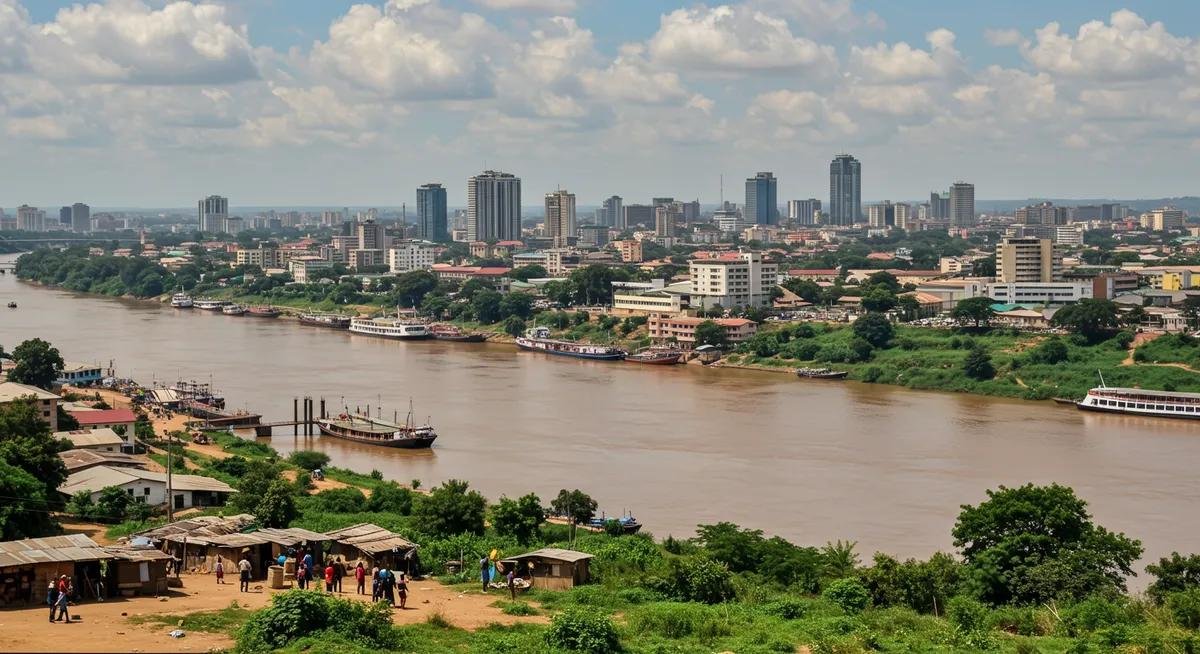
One of Africa’s largest cities, Kinshasa is a lively cultural and economic center located on the south bank of the Congo River opposite Brazzaville.
Highlights include:
- National Museum
- Académie des Beaux-Arts
- Congo River waterfront
- Local markets
- Music venues
- Restaurants
Kinshasa is also one of Africa’s musical capitals, famous for Congolese rumba and soukous.
Virunga National Park
Africa’s oldest national park is among the continent’s most celebrated protected areas.
Visitors may experience:
- Mountain gorilla trekking
- Volcano expeditions
- Forest hiking
- Chimpanzees
- Birdwatching
- Savannah wildlife
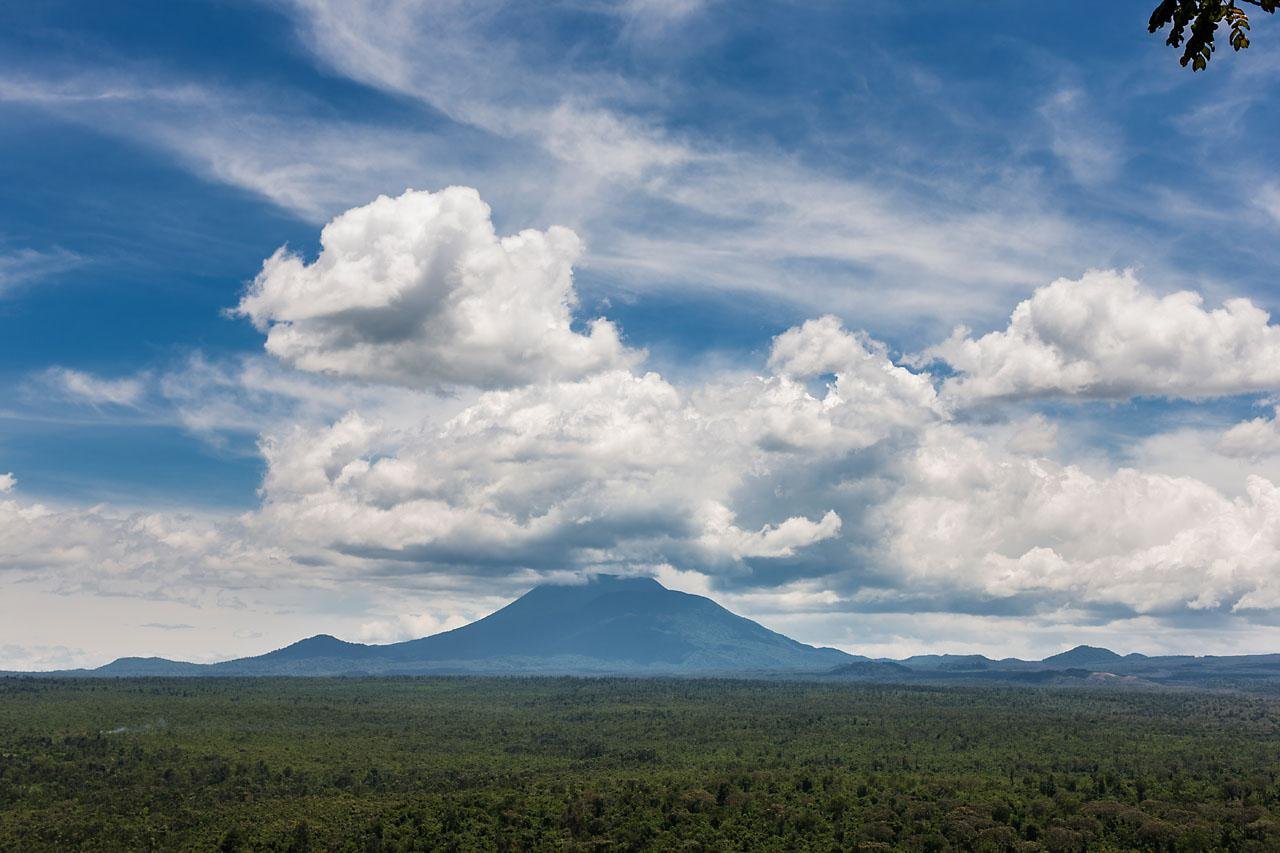
Virunga protects an extraordinary variety of ecosystems ranging from glaciers and volcanoes to tropical forests and wetlands.
Mount Nyiragongo
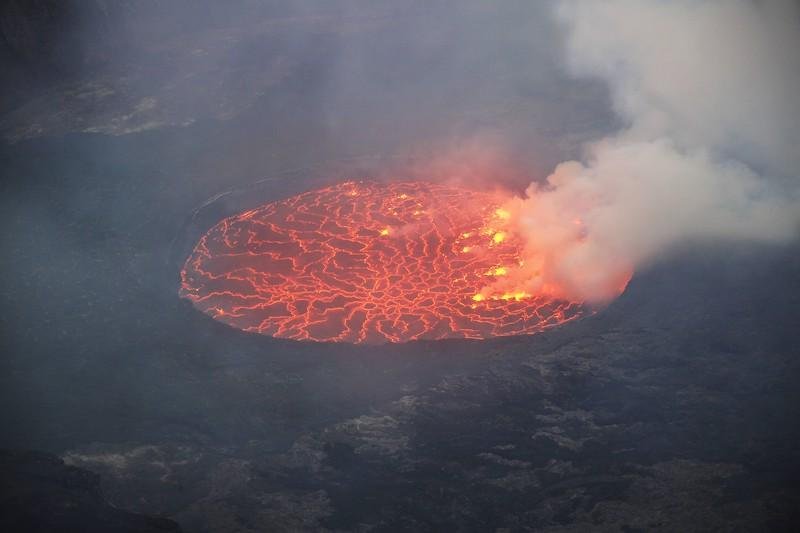
At approximately 3,470 meters (11,385 feet), Mount Nyiragongo is one of the world’s most active volcanoes and is famous for its spectacular lava lake.
A guided overnight trek to the summit is one of Africa’s most memorable hiking experiences, although access depends on current park operations and security conditions.
Kahuzi-Biéga National Park
This UNESCO World Heritage Site protects the habitat of the endangered eastern lowland gorilla.
Visitors may enjoy:
- Gorilla trekking
- Rainforest hiking
- Birdwatching
- Waterfalls
- Mountain scenery
Okapi Wildlife Reserve
Located within the Ituri Forest, this UNESCO-listed reserve protects one of Africa’s most unusual mammals—the elusive okapi.
Other wildlife includes:
- Forest elephants
- Chimpanzees
- Rare birds
- Primates
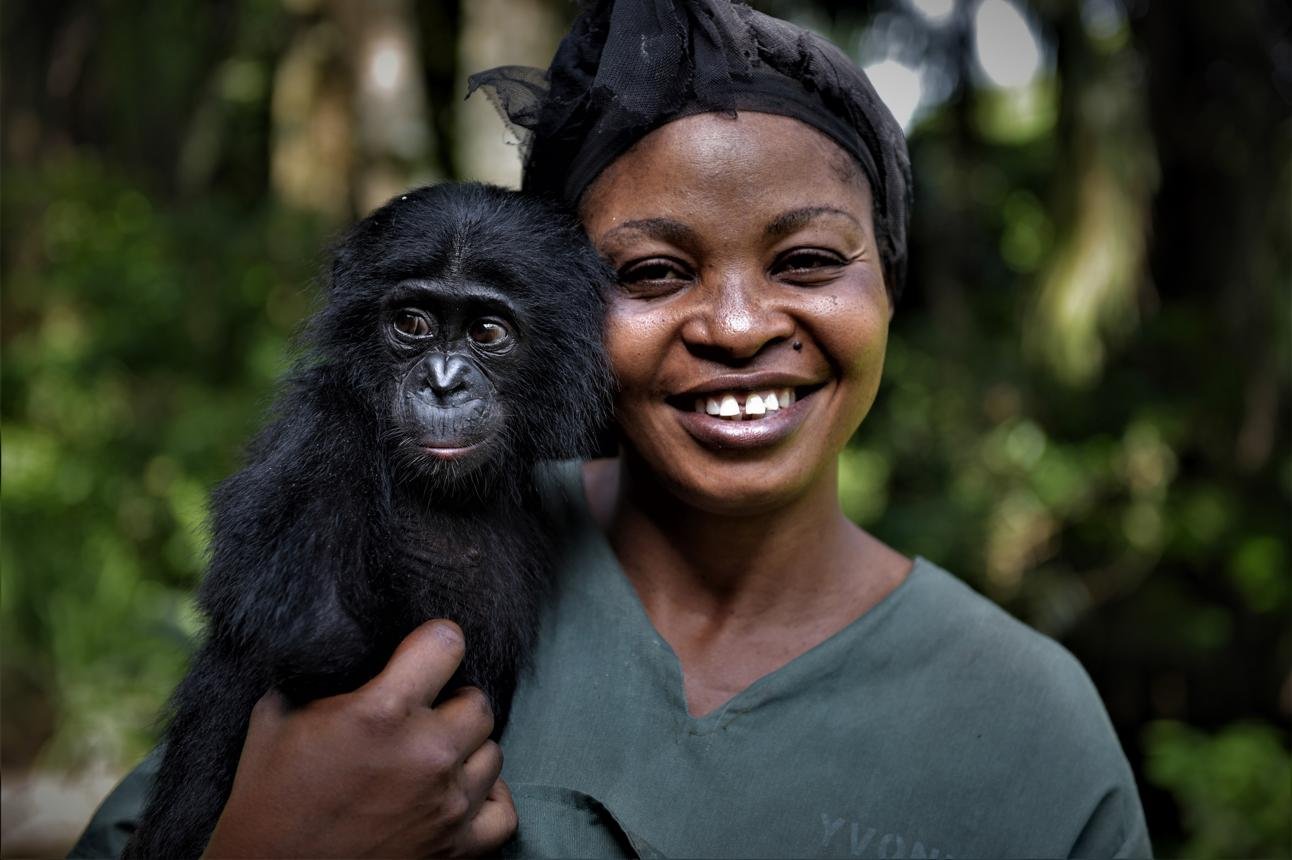
Lola ya Bonobo Sanctuary
Near Kinshasa, this sanctuary rehabilitates orphaned bonobos, one of humanity’s closest living relatives.
Educational visits support conservation efforts.
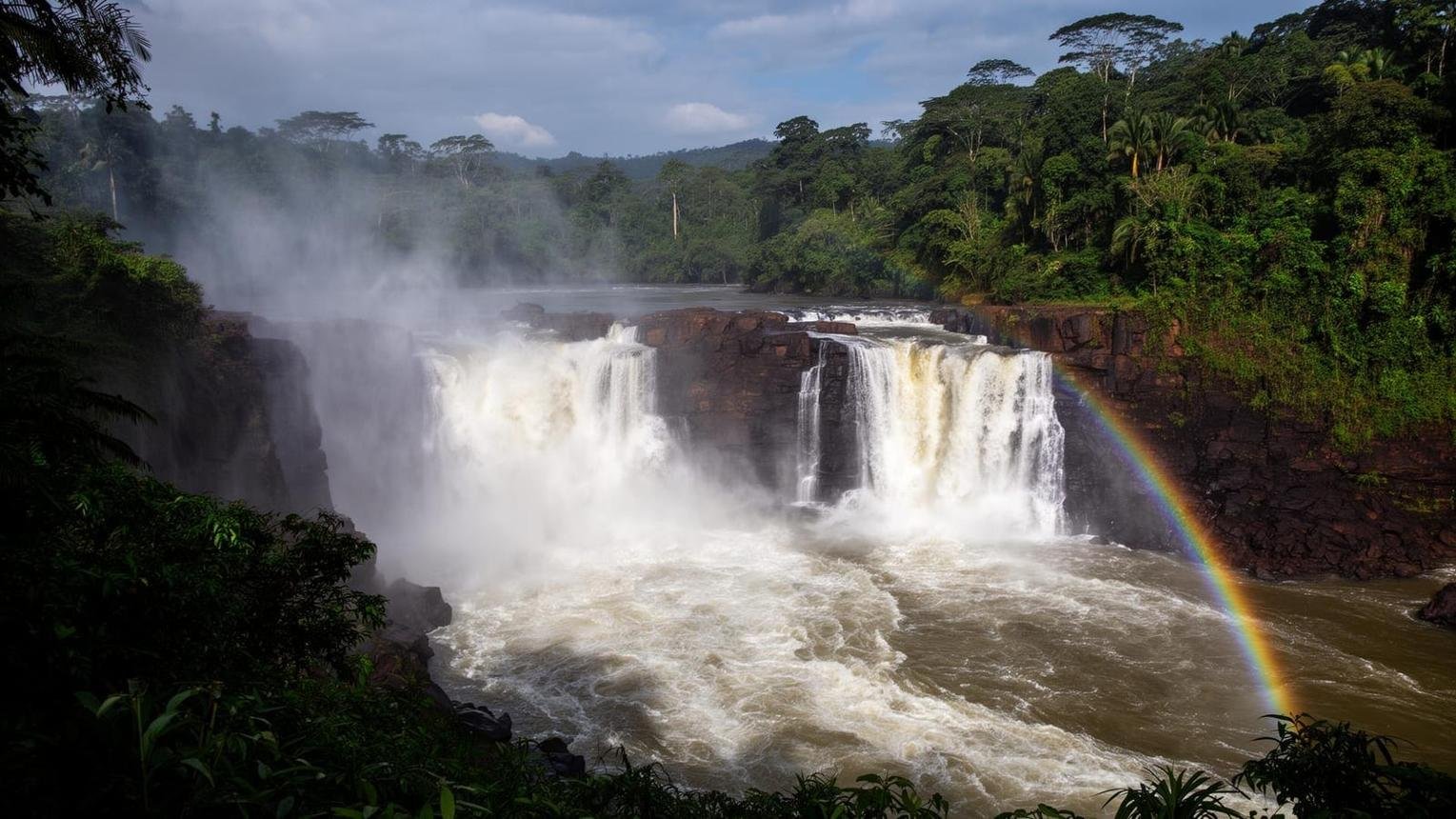
Boyoma Falls
Formerly known as Stanley Falls, this series of cataracts stretches for more than 100 kilometers (62 miles) near Kisangani.
The falls represent one of the Congo River’s most impressive natural features.
Garamba National Park
One of Africa’s oldest national parks, Garamba protects:
- Elephants
- Giraffes
- Buffalo
- Antelope
- Lions
- Rich birdlife
Access depends on current conservation activities and regional conditions.
Best Time to Visit
The DRC’s climate varies by region but remains tropical throughout much of the country.
| Season | Conditions |
|---|---|
| June – September | Drier in many southern and eastern regions |
| December – February | Short dry season in parts of the country |
| March – May | Wet season |
| October – November | Wet season |
Higher elevations such as Virunga enjoy cooler temperatures throughout the year.
Regions of the Democratic Republic of the Congo
Western Congo
Home to:
- Kinshasa
- Congo River
- Bonobo sanctuary
Eastern Highlands
Known for:
- Virunga National Park
- Nyiragongo
- Gorilla trekking
- Volcanoes
Central Congo Basin
Characterized by:
- Rainforests
- Rivers
- Wildlife
- Remote communities
Northern Congo
Includes:
- Garamba National Park
- Ituri Forest
- Okapi Wildlife Reserve
Southern Congo
Features:
- Copperbelt
- Savannah
- Lakes
- Cross-border routes into Zambia and Angola
Suggested Road Trips & Itineraries
7-Day Volcano Adventure
- Goma
- Virunga National Park
- Mount Nyiragongo
Suitable when regional conditions permit tourism.
10-Day Wildlife Journey
Continue to:
- Kahuzi-Biéga National Park
- Bukavu
- Lake Kivu
Two-Week Congo Explorer
Visit:
- Kinshasa
- Congo River
- Bonobo sanctuary
- Eastern parks
This itinerary often combines domestic flights with overland travel due to the country’s vast size.
Three-Week Grand DRC Expedition
Explore selected regions including:
- Kinshasa
- Eastern volcanoes
- Rainforests
- National parks
- Congo River
Longer expeditions require substantial planning and flexibility.
Overlanding in the Democratic Republic of the Congo
5
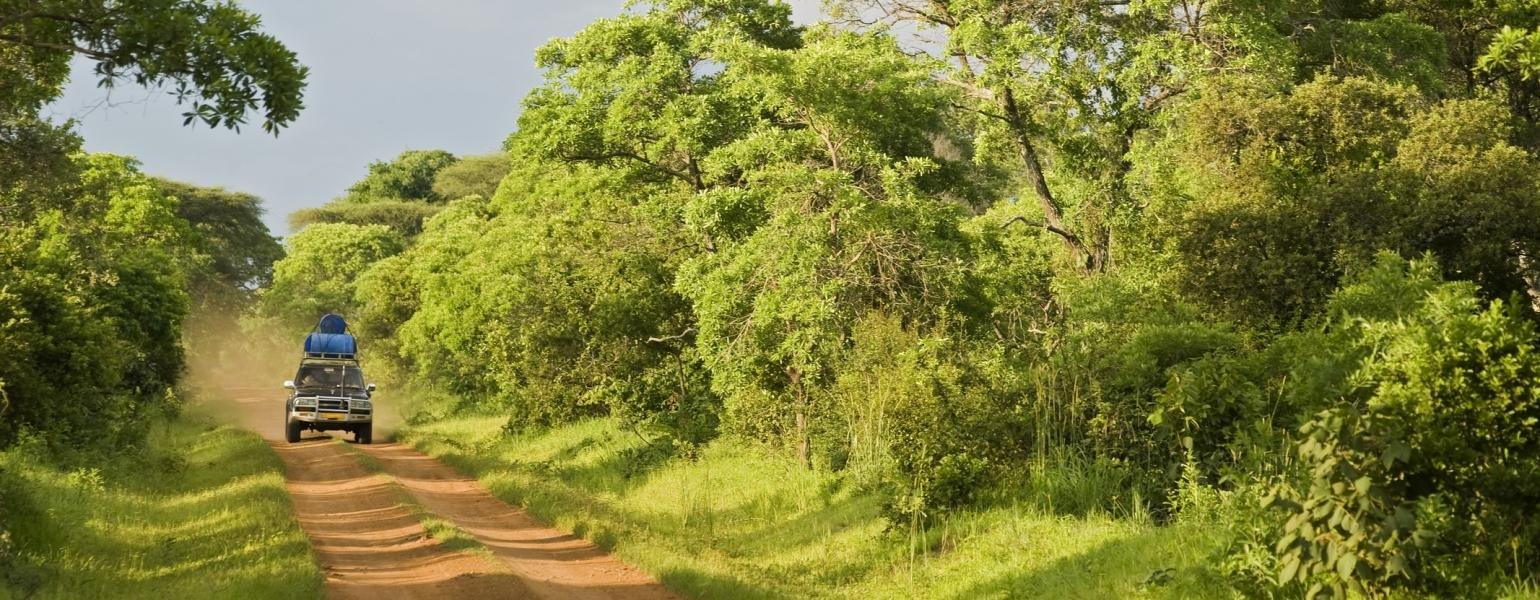
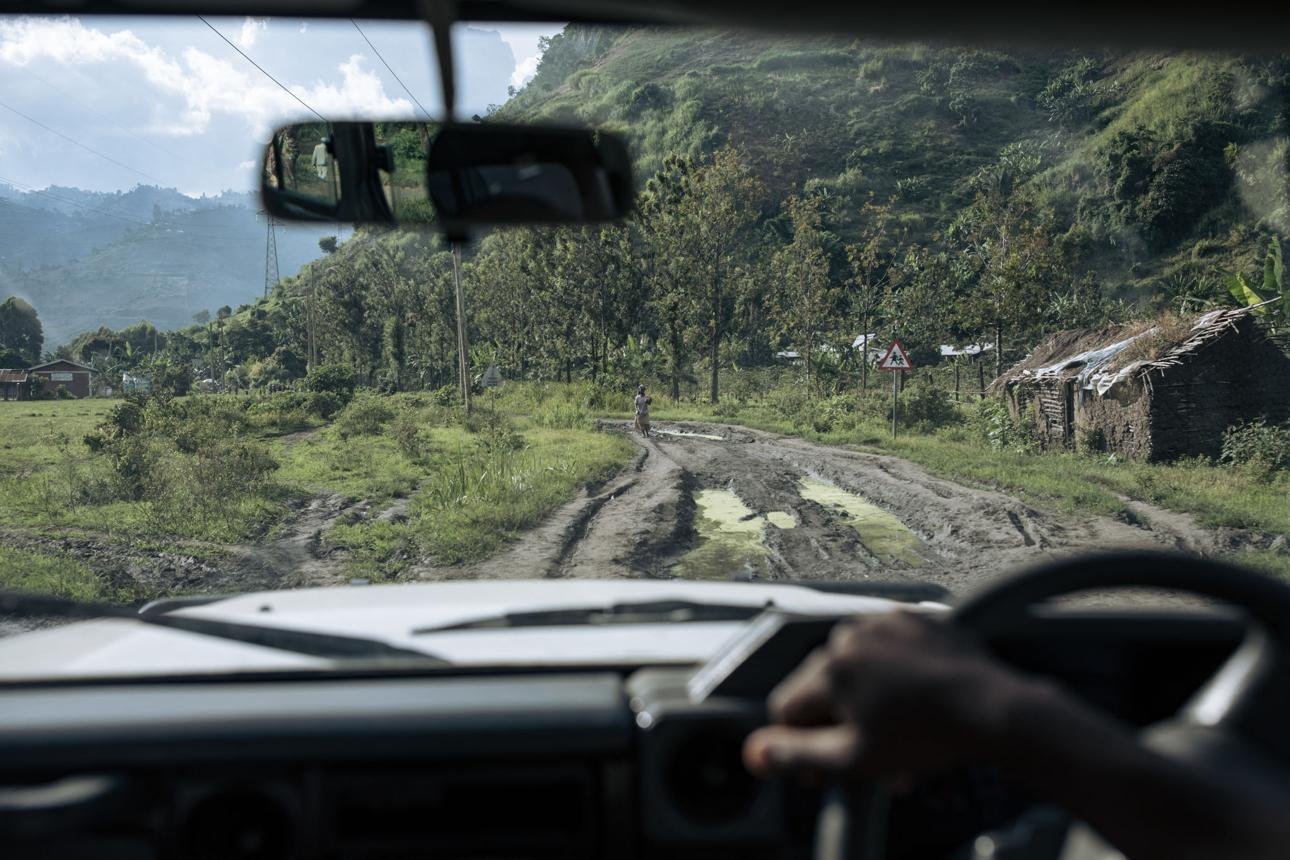
The Democratic Republic of the Congo is among Africa’s most demanding overlanding destinations. Travelers are rewarded with exceptional scenery, but preparation is essential.
Why Overlanders Visit
Highlights include:
- Rainforest expeditions
- Volcanoes
- Congo River
- Remote villages
- Wildlife reserves
- Cross-Africa routes
- Genuine adventure
Many overlanders include the DRC as part of larger journeys connecting East, Southern, and Central Africa.
Popular Overland Routes
Zambia – Lubumbashi
A common southern gateway into the country.
Rwanda – Goma
The principal route for visitors heading toward Virunga National Park.
Uganda – Bunia
A route used by travelers visiting northeastern Congo, subject to current conditions.
Kinshasa – Matadi
A scenic journey following sections of the Congo River.
Angola – Southern Congo
Popular among experienced overlanders exploring Central Africa.
Road Conditions
Expect:
- Modern highways near major cities
- Gravel roads
- Deep mud
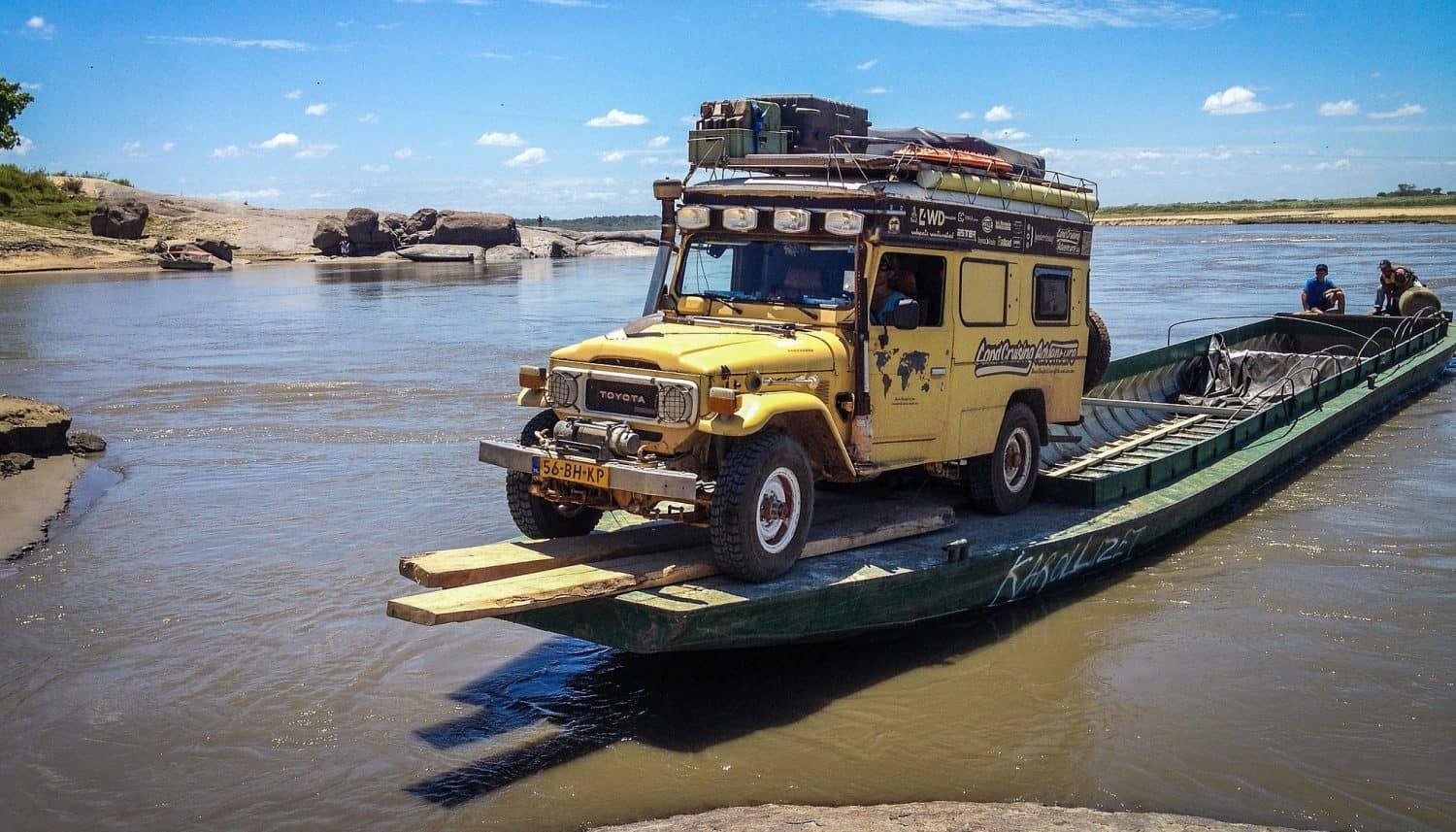
- River ferries
- Washed-out bridges
- Long distances without fuel
Road conditions change dramatically between provinces and seasons.
Vehicle Preparation
Carry:
- Recovery equipment
- Multiple spare tires
- Fuel reserves
- Water
- Satellite communication
- Comprehensive spare parts
- Offline navigation
A high-clearance four-wheel-drive vehicle is strongly recommended for travel outside major paved roads.
Continue Planning
Future supporting articles:
- Overlanding Democratic Republic of the Congo
- Central Africa Overland Route
- Congo River Expedition
- Driving Across the DRC
Backpacking in the Democratic Republic of the Congo
Independent backpacking is possible in selected regions with careful planning.
Accommodation
Options include:
- Hotels
- Guesthouses
- Eco-lodges
- Safari lodges
Hostels remain rare.
Transportation
Travelers commonly use:
- Domestic flights
- Long-distance buses
- Shared taxis
- River boats
- Motorcycle taxis
Given the country’s size and infrastructure, flights often save considerable travel time.
Backpacking Highlights
Popular experiences include:
- Gorilla trekking
- Volcano hiking
- River travel
- Wildlife reserves
- Local music
- Markets
Continue Planning
Future guides:
- Backpacking Democratic Republic of the Congo
- Budget Travel DRC
- Goma Travel Guide
- Kinshasa Backpacking Guide
Camping
Camping is closely linked to national parks and organized expeditions.
Volcano Camps
Nyiragongo treks include overnight accommodation near the summit in mountain huts rather than traditional campsites.
Safari Camps
National parks offer lodge-based and tented accommodation where tourism is active.
Wild Camping
Wild camping is generally not recommended without local knowledge, permissions, and careful consideration of wildlife and security conditions.
Camping Equipment
Bring:
- Waterproof tent
- Mosquito protection
- Water purification
- Lightweight sleeping bag
- Rain protection
Continue Planning
Future pages:
- Camping in the Democratic Republic of the Congo
- Volcano Trekking Guide
- National Park Lodges
RV & Motorhome Travel
The DRC is suitable only for experienced expedition-style RV travelers.
Suggested RV Routes
Southern Route
Zambia → Lubumbashi
Eastern Volcano Route
Rwanda → Goma → Virunga (subject to current conditions)
Western Route
Kinshasa → Matadi
Practical Considerations
Motorhome travelers should prepare for:
- Limited RV facilities
- Seasonal road closures
- Fuel planning
- Border paperwork
- Long distances
- Secure overnight parking
Only expedition-grade vehicles should be considered for extended travel.
Continue Planning
Future cluster pages:
- Motorhome Travel in the Democratic Republic of the Congo
- Expedition RV Guide
- Campervan Travel in Central Africa
Driving in the Democratic Republic of the Congo
Driving conditions vary enormously depending on the region.
Main Roads
Paved highways connect:
- Kinshasa
- Matadi
- Lubumbashi
- Selected provincial centers
Large sections of the national road network remain unpaved.
Driving Challenges
Expect:
- Heavy rain
- Mud
- River ferries
- Poor bridges
- Deep potholes
- Long distances between services
Night driving is generally discouraged.
Border Crossings
The Democratic Republic of the Congo shares borders with:
- Angola
- Zambia
- Tanzania
- Burundi
- Rwanda
- Uganda
- South Sudan
- Central African Republic
- Republic of the Congo
Border procedures, visas, vehicle documentation, and operating conditions differ significantly between crossings. Some border regions may also be affected by security concerns, making advance planning essential.
Visa & Entry Requirements
Most visitors require a visa before entering the Democratic Republic of the Congo.
Travelers should prepare:
- Passport valid for at least six months
- Appropriate visa
- Proof of accommodation
- Return or onward travel
- Yellow fever vaccination certificate, which is generally required for entry
Additional permits may be required for trekking, national parks, or conservation areas.
Budget & Costs
Estimated daily travel expenses:
| Travel Style | Daily Budget |
|---|---|
| Budget traveler | US$40–80 |
| Mid-range | US$120–220 |
| Gorilla trekking & adventure travel | US$250–700+ |
| Overlander (excluding vehicle costs) | US$60–130 |
Domestic flights, gorilla permits, guided treks, and organized park visits significantly increase overall travel costs.
Safety
Safety is the most important consideration when planning travel in the Democratic Republic of the Congo.
Several governments advise against travel to parts of the country due to armed conflict, civil unrest, crime, or limited infrastructure. Security conditions vary significantly between regions and can change quickly.
Travelers should:
- Consult official travel advisories before departure
- Confirm current conditions in each destination
- Use reputable guides and tour operators where appropriate
- Avoid unnecessary night travel
- Register with their embassy if recommended
- Maintain comprehensive travel and medical evacuation insurance
Tourism in parks such as Virunga may be suspended or resumed depending on conservation activities and local security conditions. Always verify the latest operational status before making plans.
Food & Culture
The DRC’s cuisine reflects the country’s vast geography and cultural diversity.
Popular dishes include:
- Fufu
- Cassava leaves (pondu)
- Grilled fish
- Goat stew
- Plantains
- Rice dishes
- Tropical fruits
The Democratic Republic of the Congo is internationally renowned for its music, particularly Congolese rumba and soukous, which have influenced artists across Africa and beyond. More than 200 ethnic groups contribute to the country’s rich traditions, languages, festivals, and artistic heritage.
Visitors who respect local customs and engage with communities thoughtfully are often welcomed with warmth and curiosity.
Frequently Asked Questions
Is the Democratic Republic of the Congo safe for tourists?
Travel is possible in selected regions, but conditions vary considerably. Travelers should always consult current official travel advisories and carefully assess the safety of each destination before departure.
Can you overland through the DRC?
Yes. The DRC is one of Africa’s great expedition destinations, but overlanding requires extensive preparation, suitable vehicles, and flexible planning.
Is the DRC suitable for backpacking?
Yes, particularly in selected regions with established tourism such as Kinshasa, Goma, and certain national parks. Independent travel elsewhere may be considerably more challenging.
Can you travel by motorhome?
Experienced travelers using expedition-grade motorhomes can explore parts of the country, although infrastructure is limited and road conditions vary widely.
What is the Democratic Republic of the Congo famous for?
The country is best known for:
- Virunga National Park
- Mountain gorillas
- Mount Nyiragongo
- Congo River
- Kahuzi-Biéga National Park
- Okapi Wildlife Reserve
- Bonobos
- Vast Congo Basin rainforests
Continue Planning
This cornerstone guide serves as the central hub for exploring the Democratic Republic of the Congo. Continue planning your journey with these detailed travel resources:
- Overlanding in the Democratic Republic of the Congo
- Backpacking the Democratic Republic of the Congo
- Motorhome & RV Travel in the Democratic Republic of the Congo
- Camping in the Democratic Republic of the Congo
- Driving in the Democratic Republic of the Congo
- Border Crossings in the Democratic Republic of the Congo
- Democratic Republic of the Congo Visa Guide
- Virunga National Park Guide
- Mount Nyiragongo Trekking Guide
- Kahuzi-Biéga National Park Guide
- Okapi Wildlife Reserve Guide
- Kinshasa Travel Guide
- Central Africa Overlanding Guide
- Congo Basin Wildlife Guide
- Overlanding Congo (Republic of the Congo): Routes, Borders & Travel Guide
- Getting around in Democratic Republic of the Congo (Kinshasa)