Remote Atolls, Turquoise Lagoons, WWII History & Pacific Island Life
6
Kiribati Travel Guide
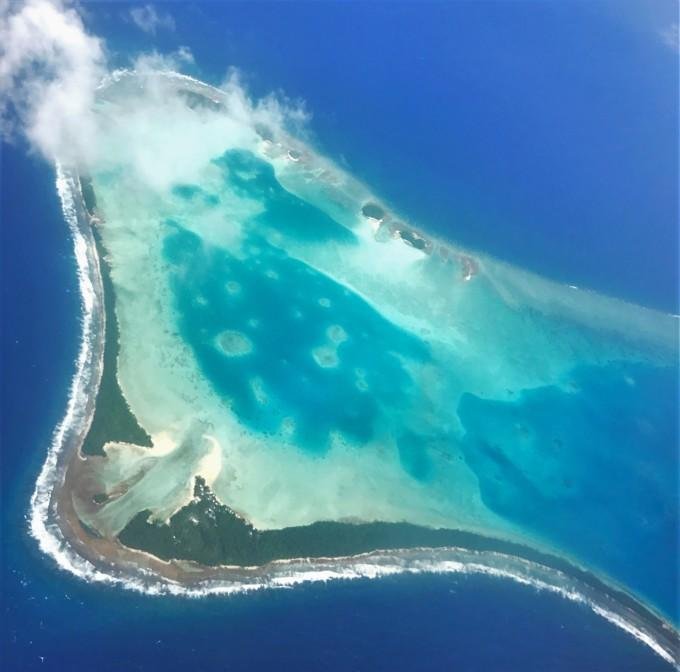
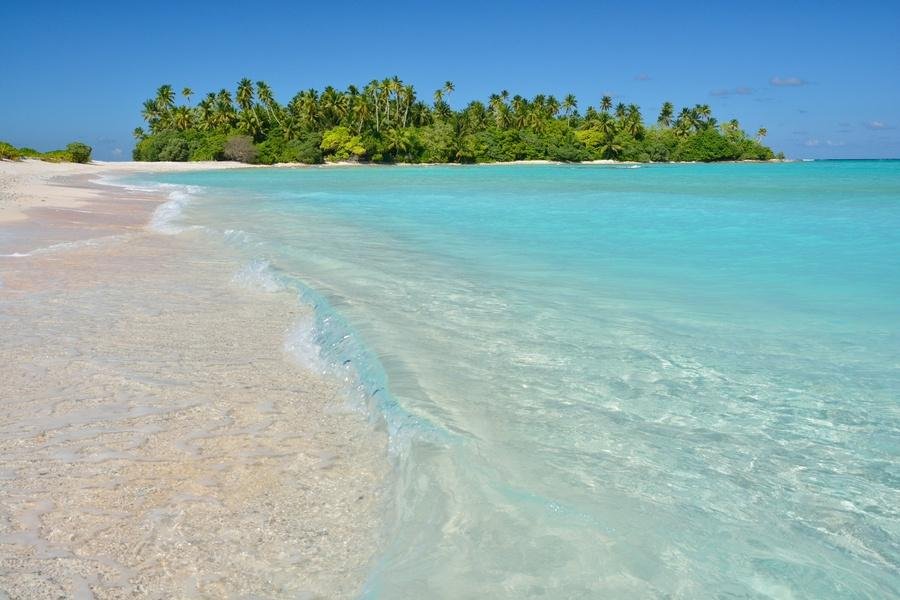
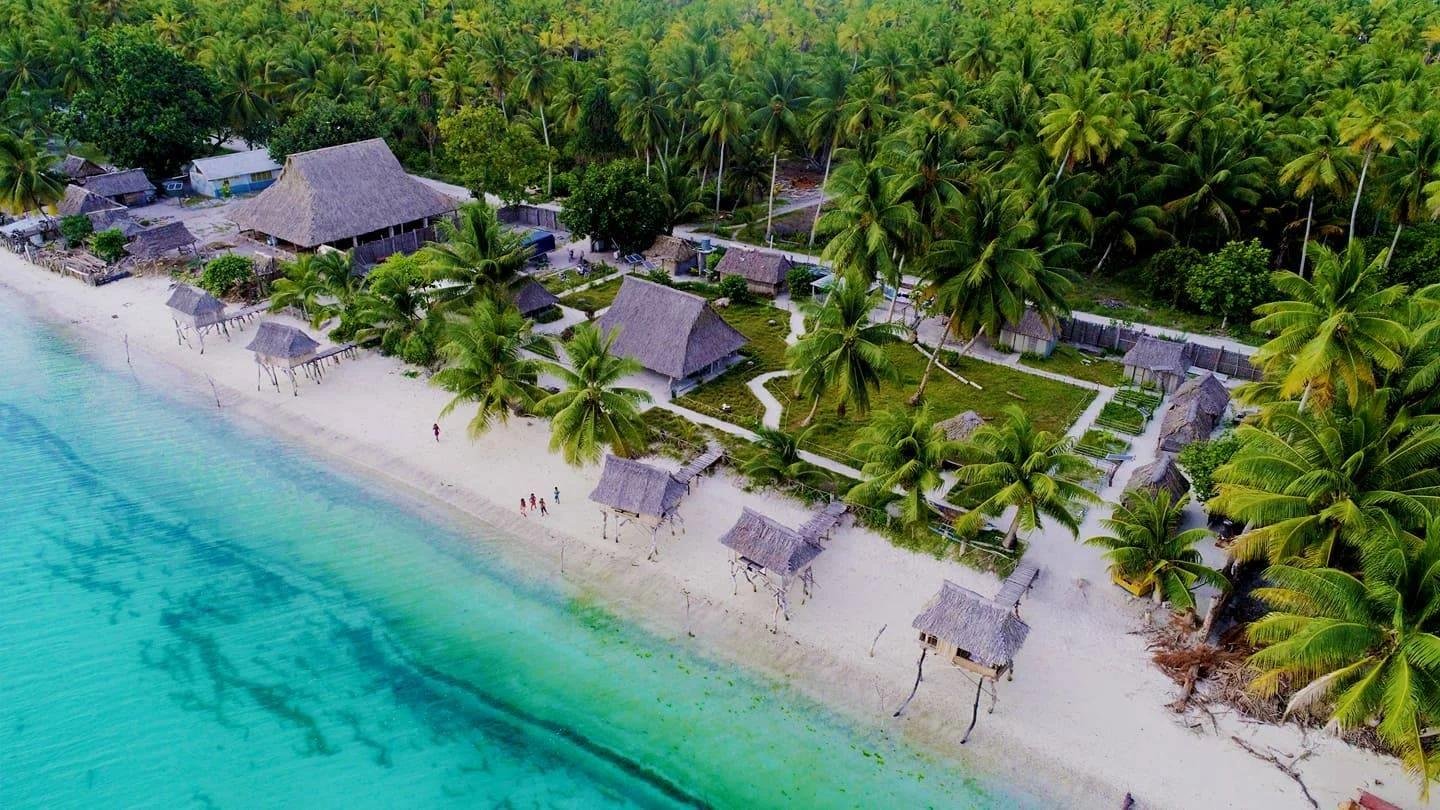
Kiribati is one of the world’s most remote island nations, scattered across a vast area of the central Pacific Ocean. Made up of 33 atolls and reef islands, the country offers travelers an experience very different from the better-known resort destinations of the South Pacific. Here, the attractions are not large hotels or developed tourist infrastructure but turquoise lagoons, palm-fringed beaches, traditional village life, fishing, marine environments, and a remarkable history connected to the Second World War.
Kiribati straddles the equator and extends across a huge area of the Pacific. Its islands are divided into three main groups: the Gilbert Islands, Phoenix Islands, and Line Islands. Most of the population lives in the Gilbert Islands, with South Tarawa serving as the country’s political and economic center.
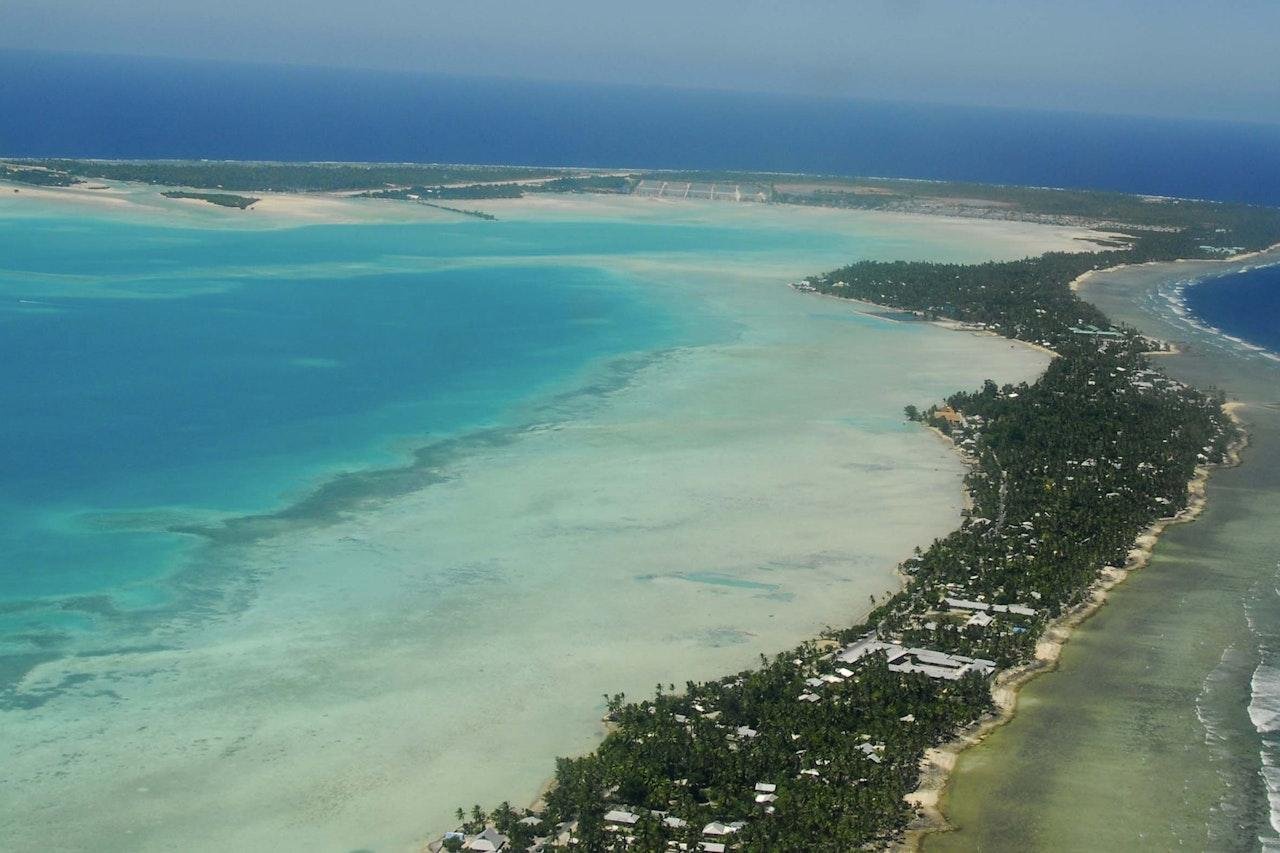
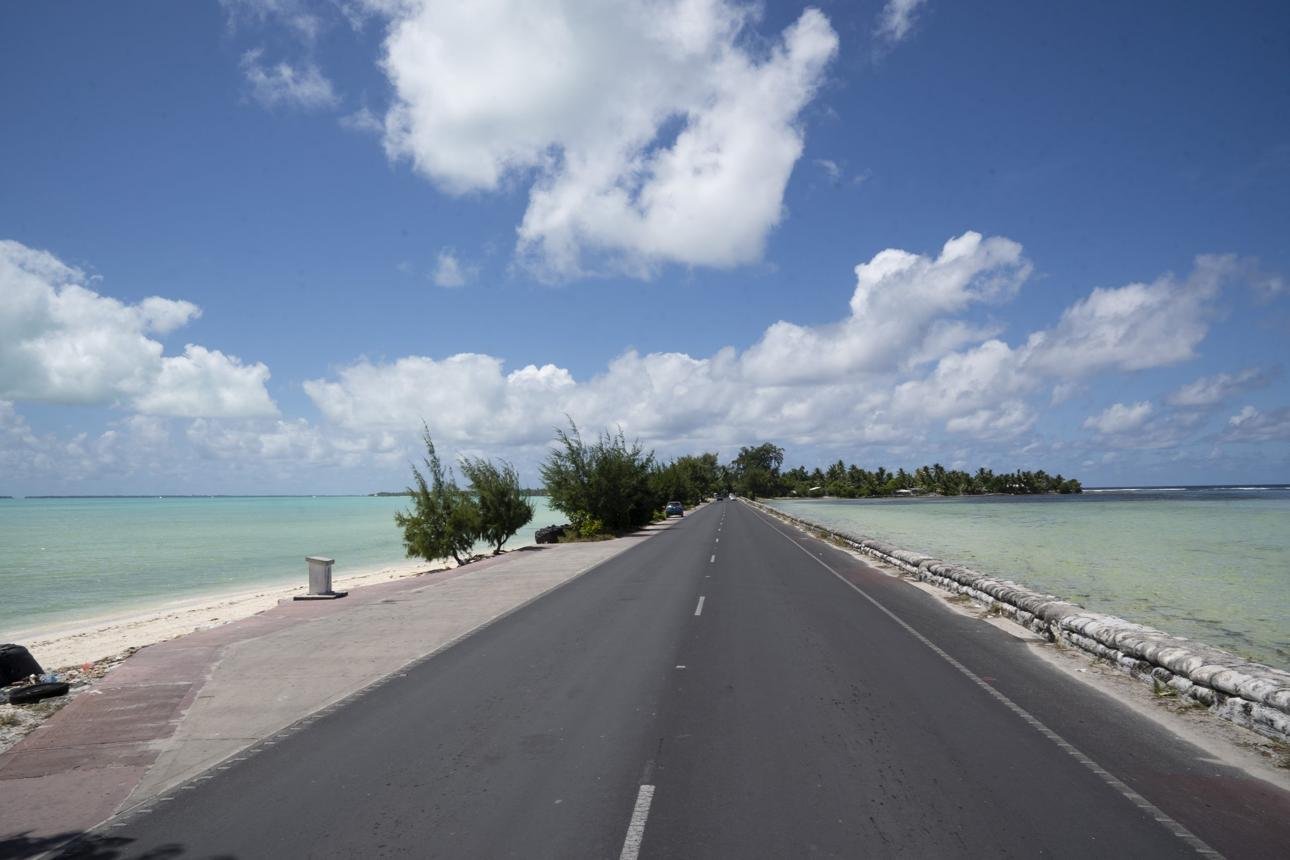
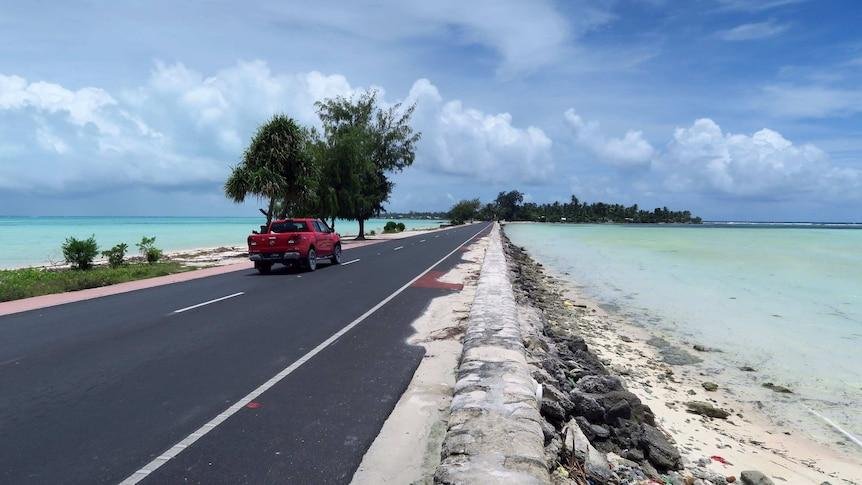
The capital area of South Tarawa is a long, narrow chain of islands connected by causeways. It provides the country’s main introduction to everyday life in Kiribati. The environment is striking: lagoon waters on one side, open Pacific on the other, narrow strips of land, coconut palms, villages, churches, fishing boats, and homes packed into an extremely limited land area.
Beyond Tarawa, the country becomes considerably more remote. Abaiang offers beautiful beaches, lagoons, and traditional villages, while Abemama and other outer islands provide an opportunity to experience a slower pace of island life. The Phoenix Islands are among the most isolated island environments on Earth and contain the Phoenix Islands Protected Area, one of the world’s largest marine protected areas.
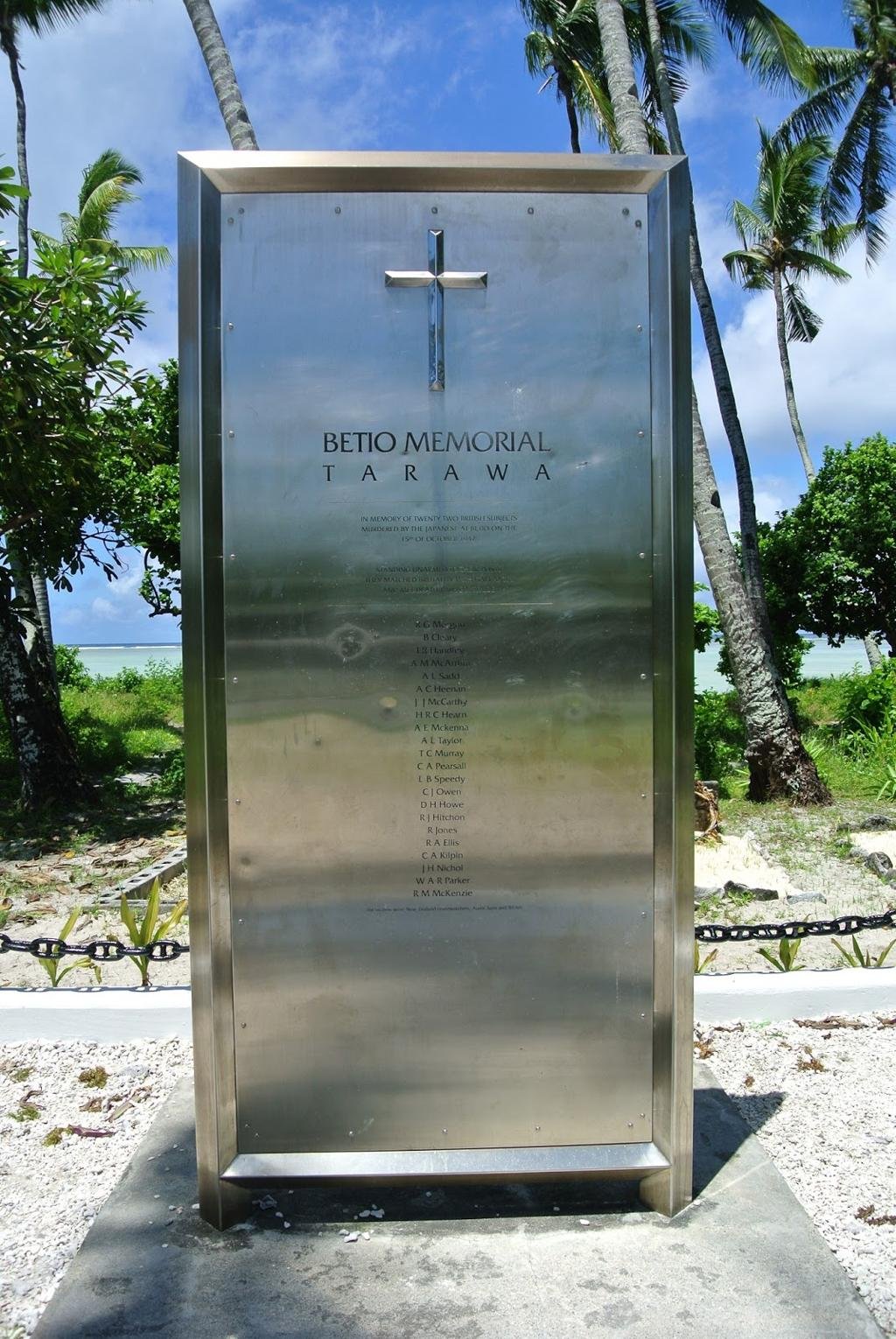
Kiribati also has an important place in World War II history. The Battle of Tarawa in 1943 was one of the major battles of the Pacific campaign. Remnants of bunkers, coastal defenses, aircraft, memorials, and other wartime structures can still be found around Betio, making the island particularly interesting for military-history enthusiasts.
For travelers interested in marine environments, Kiribati provides opportunities for snorkeling, fishing, diving, kayaking, surfing, and wildlife observation. The country’s enormous ocean territory is home to coral reefs, seabirds, tuna fisheries, turtles, dolphins, sharks, and other marine life.
Travel in Kiribati requires patience and flexibility. Distances between islands are enormous, domestic transportation is limited, and accommodation outside Tarawa is basic. Nevertheless, these limitations are precisely what make the country attractive to adventurous travelers seeking a genuine Pacific experience far from mass tourism.
This guide covers the most important islands, attractions, travel routes, backpacking, overlanding, camping, RV considerations, and practical information for visiting Kiribati.
Quick Facts
| Item | Information |
|---|---|
| Capital | South Tarawa |
| Currency | Australian Dollar (AUD) |
| Official Languages | English and Gilbertese (Kiribati) |
| Population | Approximately 130,000 |
| Time Zones | UTC+12 to UTC+14 |
| Driving | Left-hand side |
| Country Code | +686 |
Why Visit Kiribati?
Kiribati is ideal for travelers looking for a genuinely remote Pacific experience.
Highlights include:
- South Tarawa
- Betio
- Abaiang
- Abemama
- Line Islands
- Phoenix Islands
- Lagoon landscapes
- WWII history
- Traditional villages
- Fishing
- Coral reefs
- Marine wildlife
- Remote beaches
Kiribati is particularly suitable for adventurous travelers, photographers, anglers, divers, history enthusiasts, and visitors interested in traditional Pacific island life.
Best Places to Visit
6
South Tarawa
South Tarawa is the country’s political and economic center and the main entry point for international visitors.
The densely populated atoll provides an interesting introduction to modern Kiribati life.
Highlights include:
- Bairiki
- Betio
- Lagoon beaches
- Local markets
- Churches
- Cultural experiences
- WWII sites
The narrow geography means that the lagoon and ocean are never far away.
Betio
Located at the western end of South Tarawa, Betio was the center of the Battle of Tarawa during World War II.
Visitors can find:
- Japanese bunkers
- Coastal defenses
- Memorials
- Military relics
- Battlefield sites
For anyone interested in Pacific War history, Betio is one of the most significant destinations in Kiribati.
Abaiang
Abaiang is a quieter atoll north of Tarawa.
Known for:
- Beaches
- Lagoons
- Coconut palms
- Traditional villages
- Fishing
- Local culture
It provides a more relaxed alternative to densely populated South Tarawa.
Abemama
Abemama is a relatively remote atoll with a strong connection to Kiribati’s traditional culture and history.
Visitors can explore:
- Villages
- Beaches
- Lagoon
- Fishing
- Traditional island life
Kiritimati
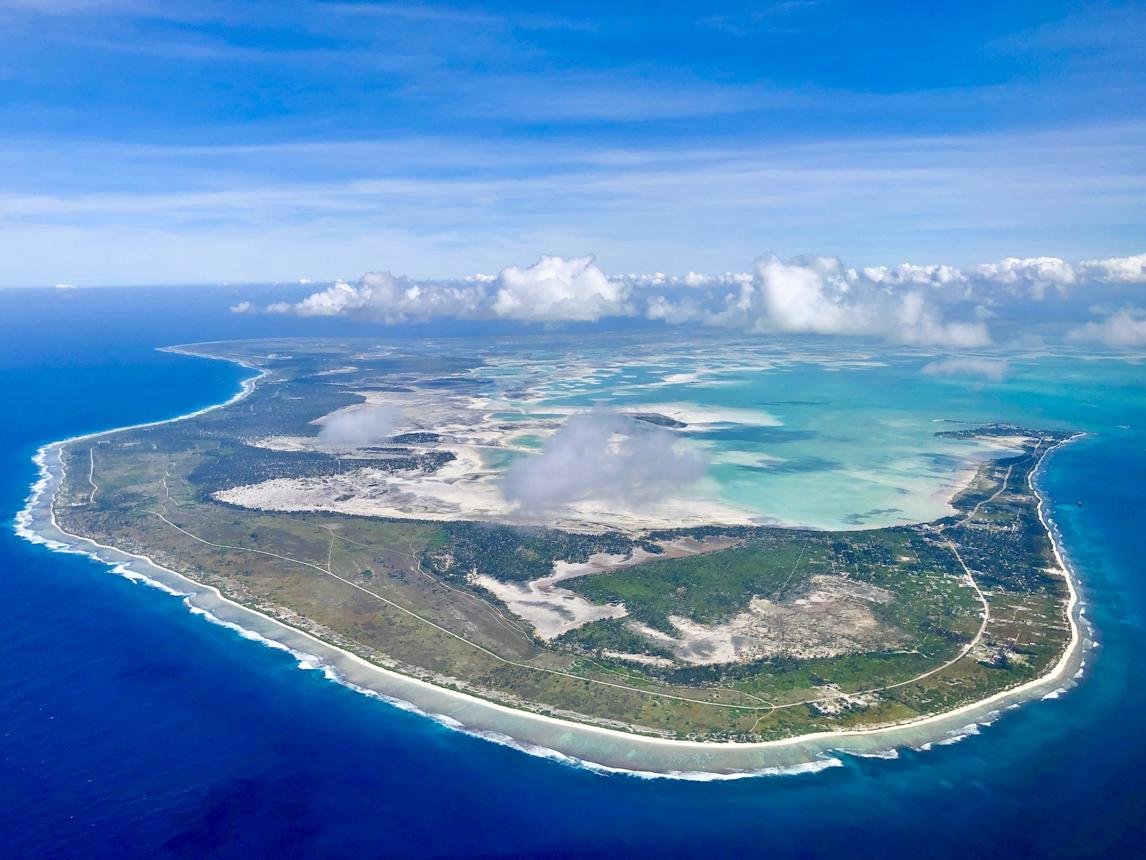
Kiritimati, also known as Christmas Island, is the largest coral atoll in the world by land area.
It is part of the Line Islands and lies much farther east than Tarawa.
Highlights include:
- Huge lagoons
- Fishing
- Bonefishing
- Birdwatching
- Diving
- Surfing
- Remote beaches
Kiritimati is particularly famous among serious anglers.
Tabuaeran
Also known as Fanning Island, Tabuaeran offers a remote tropical island experience.
Visitors can experience:
- Beaches
- Lagoons
- Fishing
- Villages
- Snorkeling
Teraina
Teraina, or Washington Island, is another remote Line Island known for its freshwater lake and isolated environment.
Phoenix Islands
The Phoenix Islands are among the most remote island groups on Earth.
The Phoenix Islands Protected Area protects an enormous marine ecosystem containing:
- Coral reefs
- Seabirds
- Fish
- Sharks
- Marine turtles
- Deep-ocean habitats
Access is extremely limited and requires considerable planning.
Best Time to Visit
Kiribati has a tropical climate, but conditions vary between island groups.
| Period | Conditions |
|---|---|
| March–October | Generally favorable conditions |
| November–April | Wetter and more humid |
| December–March | Greater rainfall in many areas |
| April–October | Popular period for outdoor activities |
Weather patterns vary significantly between the Gilbert, Phoenix, and Line Islands.
Because the country is spread across a huge ocean area, travelers should check conditions for the specific island they plan to visit.
Regions of Kiribati
Gilbert Islands
Home to:
- South Tarawa
- Abaiang
- Abemama
- Most of the country’s population
This is the easiest region for travelers to access.
Phoenix Islands
Extremely remote and lightly inhabited.
Known for:
- Marine conservation
- Diving
- Remote reefs
Line Islands
Home to:
- Kiritimati
- Tabuaeran
- Teraina
These islands offer some of the country’s best opportunities for fishing and remote island adventures.
Suggested Itineraries
3-Day South Tarawa Visit
Day 1 – South Tarawa
Explore Bairiki and local communities.
Day 2 – Betio
Visit World War II sites and memorials.
Day 3 – Lagoon & Culture
Explore beaches, markets, and local life.
5-Day Kiribati Introduction
Day 1 – Tarawa
Arrive and explore the capital.
Day 2 – Betio
Explore the WWII battlefield.
Day 3 – South Tarawa
Visit local communities and beaches.
Day 4 – Lagoon activities
Snorkeling, fishing, or kayaking.
Day 5 – Cultural experiences
Spend time with local communities before departure.
One-Week Outer Island Experience
Where transport schedules permit:
Tarawa → Abaiang → Tarawa
This provides a useful contrast between the densely populated capital and a quieter outer island.
One-Week Kiritimati Adventure
Fly to Kiritimati and concentrate on:
- Fishing
- Lagoons
- Birdwatching
- Beaches
- Diving
- Surfing
Kiritimati is best treated as a separate destination rather than trying to combine it with numerous Gilbert Islands during a short trip.
Overlanding in Kiribati
5
Kiribati is not a conventional overlanding destination. The country’s geography makes traditional vehicle-based travel fundamentally different from overlanding in continental countries.
There are no international road borders, and most islands are separated by large stretches of ocean.
Nevertheless, independent road exploration is possible on some larger islands.
South Tarawa
The main road runs along the narrow chain of islands.
Travelers can explore:
- Bairiki
- Betio
- Causeways
- Villages
- Lagoon viewpoints
Kiritimati
Kiritimati has a considerably more open road network and is the most interesting island for independent vehicle exploration.
Expect:
- Long straight roads
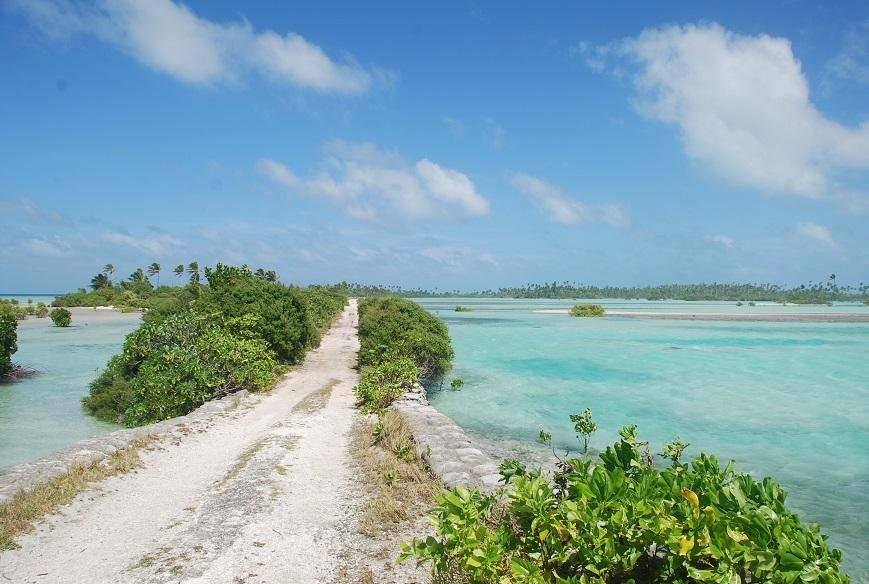
- Coral-sand surfaces
- Sparse settlements
- Lagoons
- Fishing areas
- Remote beaches
A four-wheel-drive vehicle may be useful away from the principal roads.
Road Conditions
Road conditions vary considerably.
Expect:
- Paved roads in populated areas
- Narrow roads
- Coral tracks
- Rough secondary routes
- Limited fuel supplies
Backpacking in Kiribati
Kiribati can be explored independently, but backpackers must be comfortable with basic infrastructure and limited transportation.
Accommodation
Options include:
- Guesthouses
- Small hotels
- Local lodges
- Simple island accommodation
The selection is much smaller than in established Pacific tourist destinations.
Transportation
Travel using:
- Local buses
- Taxis
- Rental vehicles where available
- Boats
- Domestic flights
Schedules can be limited, especially between outer islands.
Backpacking Highlights
- South Tarawa
- Betio
- Abaiang
- Kiritimati
- Local villages
- Lagoons
Camping
Camping opportunities are limited.
Campgrounds
There is no extensive campground network comparable to Australia or New Zealand.
Some remote accommodation providers may allow camping by prior arrangement.
Wild Camping
Wild camping should not be assumed to be permitted. Much land is privately or communally controlled, so travelers should obtain permission from local landowners before camping.
On small coral islands, environmental impact is also particularly important because freshwater, waste disposal, and land are limited.
RV & Motorhome Travel
Kiribati is not practical for conventional motorhome travel.
There is:
- No developed RV network
- No international road access
- Limited large-vehicle infrastructure
- Very limited camping services
A small rental vehicle may be useful on some islands, but inter-island travel is primarily by aircraft or boat.
Driving in Kiribati
Driving is on the left.
South Tarawa has the country’s most developed road system.
Things to Know
- Roads can be narrow.
- Pedestrians and cyclists are common.
- Traffic can be concentrated along the main road.
- Fuel availability is limited.
- Outer-island roads can be rough.
- Coral tracks may become difficult after rain.
On narrow atolls, distances may be short, but congestion and road conditions can make travel slower than expected.
Public Transportation
Public transportation is particularly important on South Tarawa.
Local buses connect settlements along the main road and are an inexpensive way to travel.
Taxis and private transport are also available.
For outer islands, transportation is much less frequent and should be arranged before arrival where possible.
Border Crossings
Kiribati has no international land borders.
Travelers arrive primarily by air.
The country is divided into widely separated island groups, and traveling from one group to another can involve long flights and limited schedules.
For this reason, Kiribati should not be treated as a destination where visitors can easily move spontaneously from island to island.
Visa & Entry Requirements
Entry requirements vary according to nationality.
Many visitors can enter Kiribati without obtaining a visa in advance for short tourist stays, while some nationalities require prior authorization.
Before traveling, check:
- Passport validity
- Visa requirements
- Return or onward ticket requirements
- Accommodation information
- Immigration requirements
Travelers visiting remote islands should also confirm domestic transportation before booking their international flights.
Budget & Costs
Kiribati is not necessarily cheap despite its remote and relatively basic infrastructure.
Transport and imported goods can be expensive.
| Travel Style | Approximate Daily Budget |
|---|---|
| Budget traveler | US$50–90 |
| Mid-range | US$120–220 |
| Comfortable | US$300+ |
Remote-island travel and domestic flights can substantially increase the total cost.
Diving & Snorkeling
Kiribati’s remote location means many reefs remain lightly developed.
Potential marine encounters include:
- Reef sharks
- Rays
- Sea turtles
- Tropical fish
- Dolphins
- Coral formations
Kiritimati and the Line Islands are particularly interesting for anglers and marine enthusiasts.
The Phoenix Islands are even more spectacular from a conservation perspective, although access is highly restricted.
Fishing
Fishing is one of Kiribati’s most important activities, both for local communities and visitors.
Kiritimati is particularly famous internationally for:
- Bonefishing
- Giant trevally
- Triggerfish
- Offshore fishing
- Saltwater fly fishing
The extensive lagoons and surrounding ocean create excellent opportunities for experienced anglers.
Wildlife & Nature
Kiribati’s enormous ocean territory contains important marine ecosystems.
Wildlife includes:
- Sea turtles
- Sharks
- Rays
- Dolphins
- Seabirds
- Tropical reef fish
Kiritimati is especially important for seabirds and marine wildlife.
The Phoenix Islands Protected Area represents one of the world’s most important large-scale marine conservation areas.
World War II History
Kiribati played a major role in the Pacific War.
The Battle of Tarawa took place in November 1943 when U.S. forces attacked Japanese positions on the heavily fortified atoll.
The battle was exceptionally intense, and Betio remains covered with remnants of the conflict.
Visitors can find:
- Japanese bunkers
- Gun emplacements
- Coastal defenses
- Memorials
- Wreckage
The sites are important historical locations and should be treated respectfully.
Food & Culture
Kiribati’s traditional diet reflects its island environment.
Common foods include:
- Fresh fish
- Coconut
- Breadfruit
- Taro
- Pandanus
- Rice
- Imported canned foods
Fish and coconut are central to traditional meals.
Community and family are extremely important in I-Kiribati culture. Traditional dances, singing, weaving, canoe building, fishing, and communal gatherings remain important parts of island life.
Visitors should dress respectfully when entering villages and follow local customs, particularly during cultural or religious events.
Safety
Kiribati is generally a peaceful destination, but its remote environment creates practical challenges.
Travelers should:
- Carry enough cash for remote areas.
- Confirm accommodation and transportation in advance.
- Protect themselves from intense tropical sun.
- Carry sufficient drinking water when traveling away from towns.
- Follow local advice when swimming or boating.
- Respect village customs and private land.
- Check weather conditions before boat travel.
The remoteness of many islands means medical facilities and emergency services can be limited.
Frequently Asked Questions
Is Kiribati worth visiting?
Yes, particularly for travelers interested in remote Pacific islands, traditional culture, WWII history, fishing, marine environments, and destinations far removed from mass tourism.
Is Kiribati expensive?
It can be. Imported goods, transportation, and flights between remote islands can make travel considerably more expensive than the country’s basic infrastructure might suggest.
Is Kiribati safe?
Kiribati is generally peaceful, but travelers should take normal precautions and be aware that emergency and medical services can be limited outside the capital.
Is Kiribati good for road trips?
Only on a limited scale. South Tarawa and Kiritimati can be explored by road, but the country is divided between distant island groups, making conventional overlanding impossible.
Can you travel Kiribati by campervan?
No. Kiribati does not have a conventional campervan or RV infrastructure, and the geography makes motorhome travel impractical.
Can you camp in Kiribati?
Camping facilities are limited. Wild camping should only be undertaken with permission from local landowners or communities.
What are the best places to visit in Kiribati?
Major destinations include:
- South Tarawa
- Betio
- Abaiang
- Abemama
- Kiritimati
- Tabuaeran
- Phoenix Islands
How many days do you need in Kiribati?
Three to five days is enough for an introduction to South Tarawa and its WWII history. A week or longer is preferable if you want to visit an outer island or concentrate on Kiritimati.
What is Kiribati famous for?
Kiribati is best known for:
- Remote Pacific atolls
- South Tarawa
- Battle of Tarawa history
- Kiritimati
- World-class fishing
- Coral reefs
- Phoenix Islands Protected Area
- Traditional I-Kiribati culture
- Lagoons and tropical beaches
- Its extremely isolated geographic location