Quick Facts
Best time to visit: May–September
Difficulty: 4/5
Road conditions: Improving highways, rough secondary roads, remote expedition routes
Visa situation: Visa-free or e-visa access for many nationalities; vehicle paperwork required
Why Overland Angola?
Angola is one of Africa’s most underrated overlanding destinations.
For years, Angola remained largely off the radar due to infrastructure challenges and historic instability. That has changed significantly, and today the country offers one of the continent’s most compelling expedition-style journeys.
Why Angola stands out:
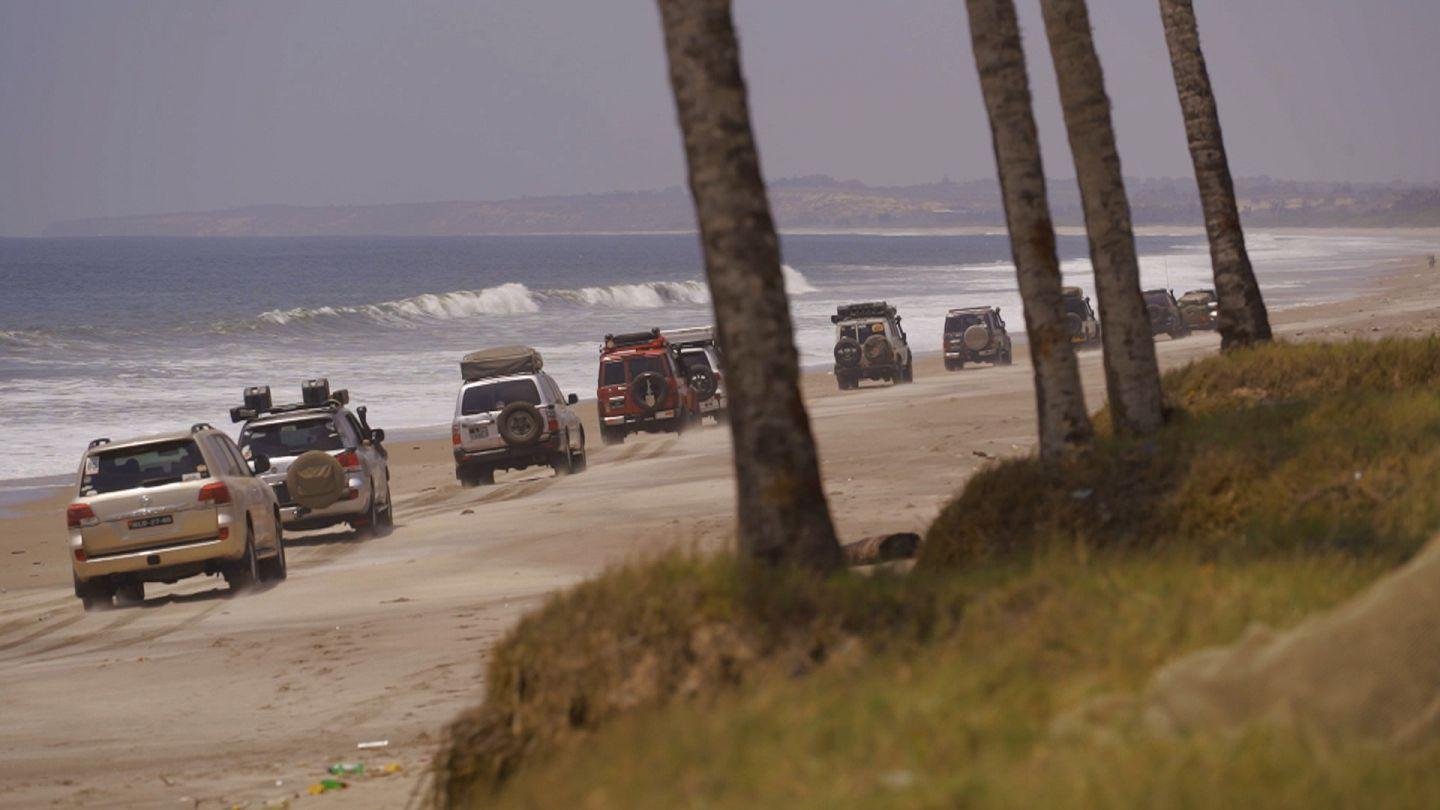
- dramatic Atlantic coastlines
- surreal desert scenery
- remote national parks
- giant waterfalls
- spectacular mountain roads
- minimal overlanding crowds
- authentic expedition atmosphere
Unlike more established routes through Namibia or South Africa, Angola still feels genuinely exploratory.
Roads can vary dramatically—from modern highways near major cities to deeply damaged secondary roads and long remote stretches where self-sufficiency matters.
Main Overlanding Routes
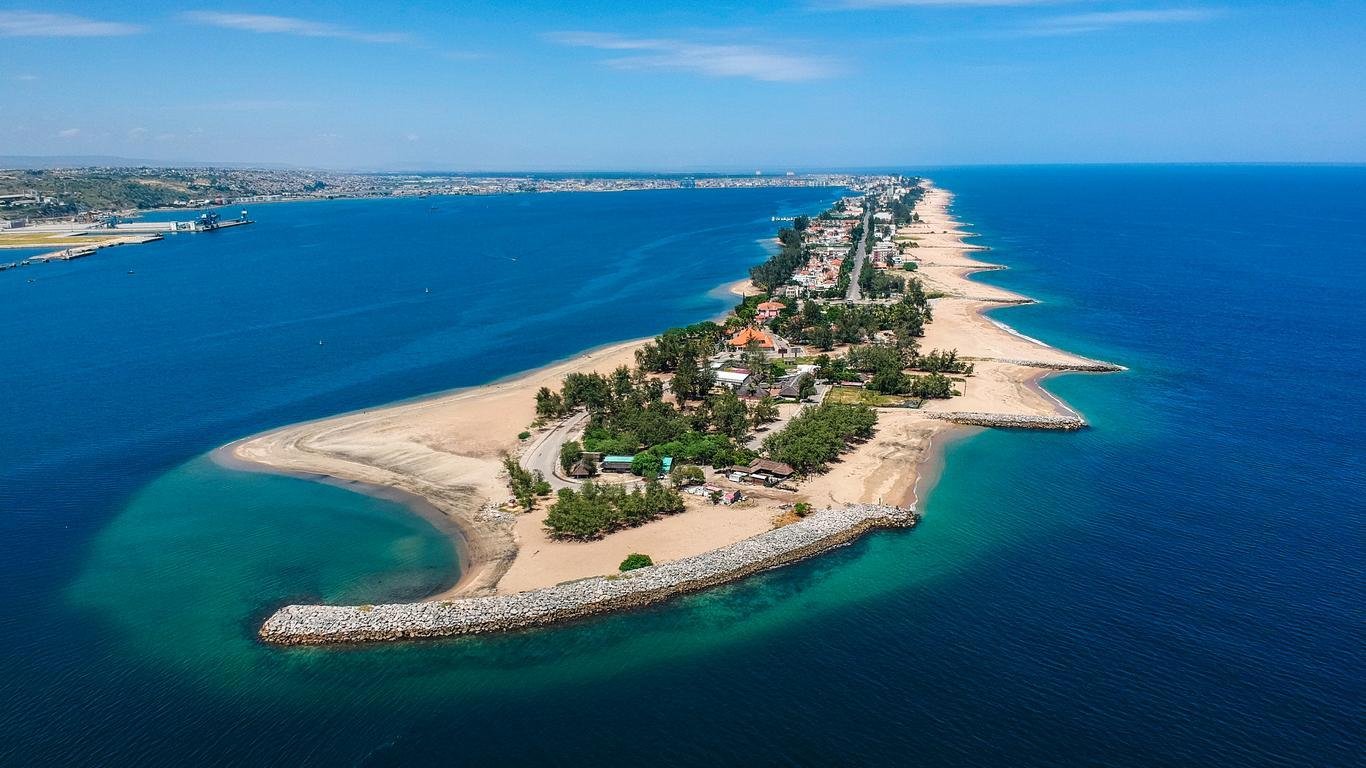
1. Atlantic Coast Route
7
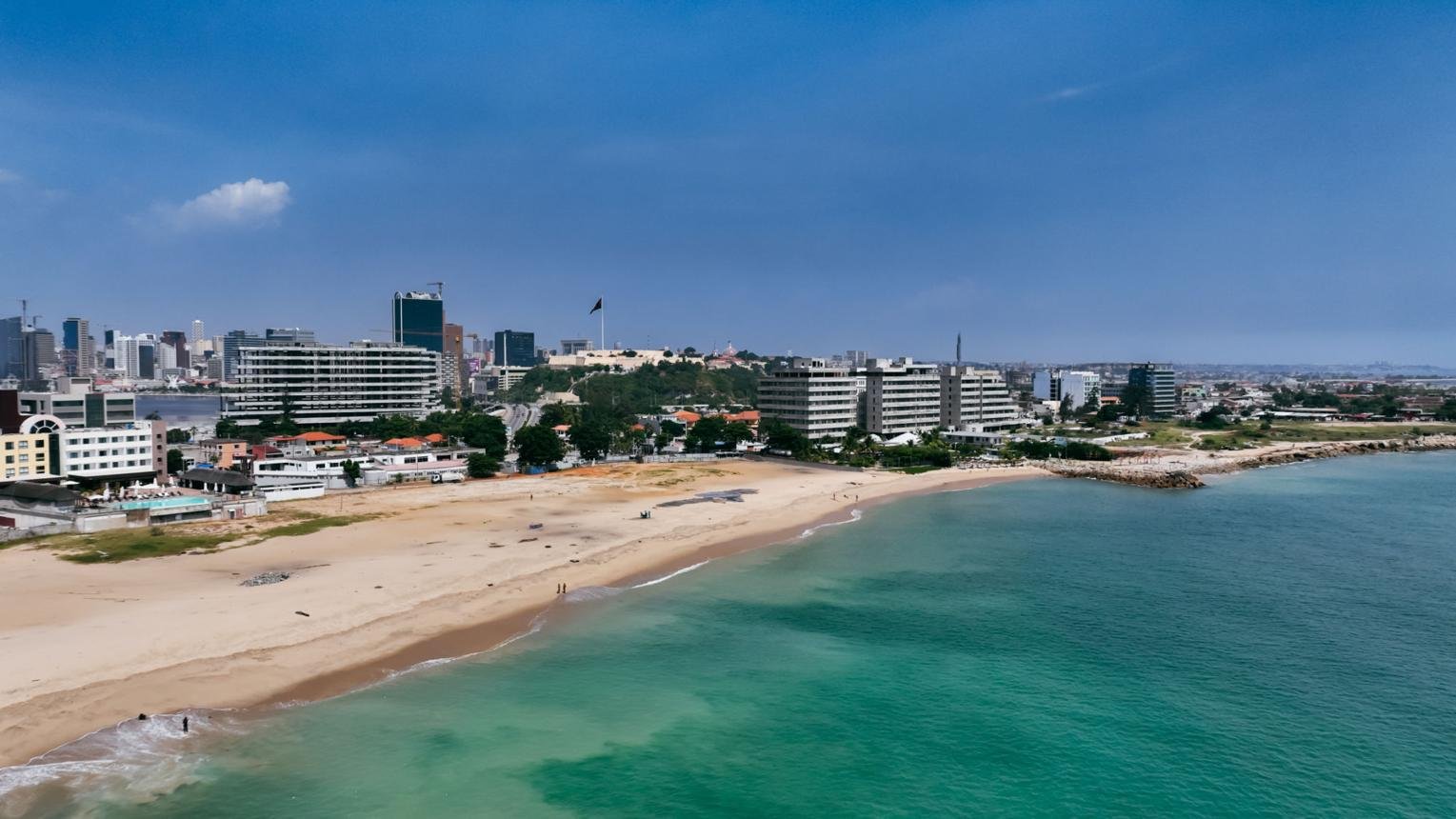
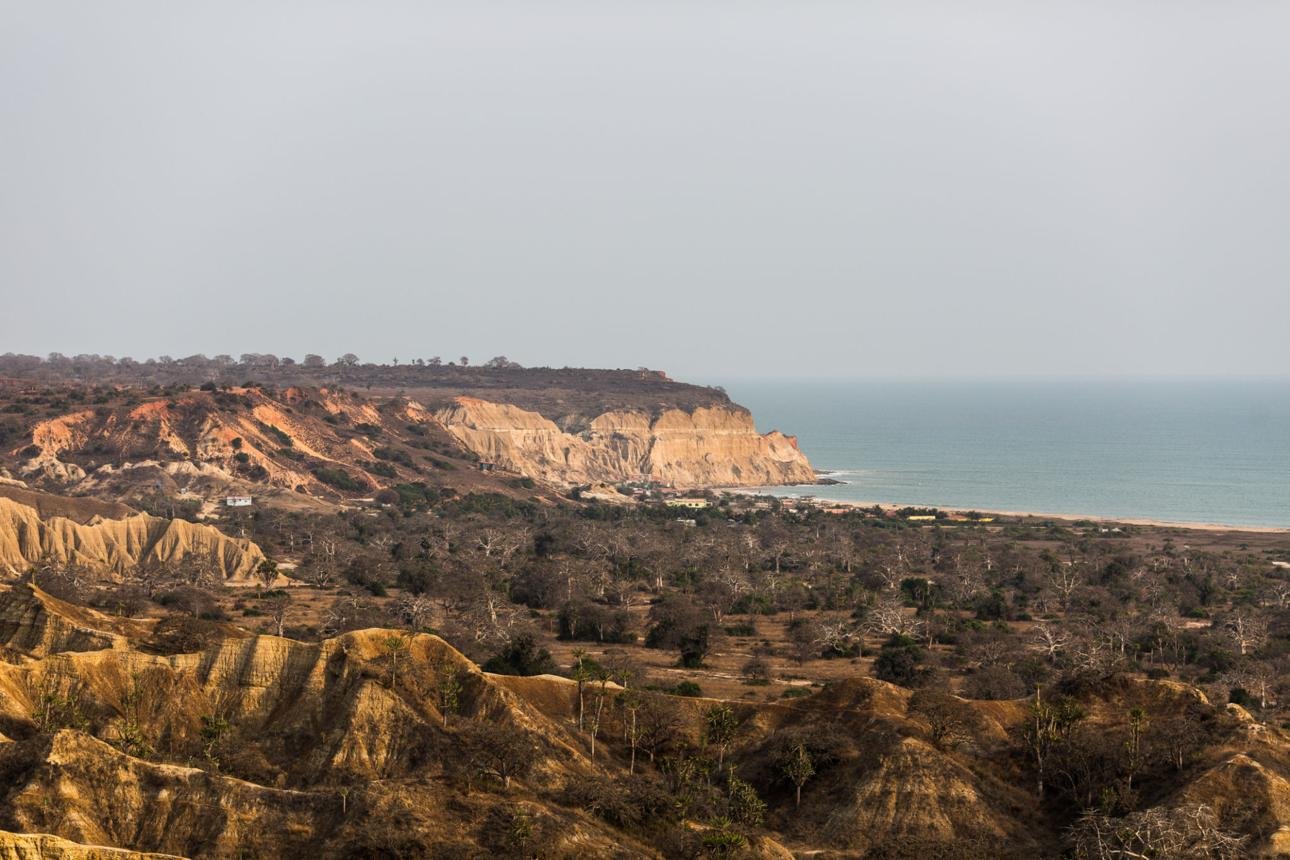
Route: Luanda – Sumbe – Benguela – Lobito – Namibe
Distance: approx. 1,500 km
Road type: mostly paved
Fuel: generally available
This is Angola’s most practical overlanding route.
Highlights:
- Atlantic beaches
- colonial architecture
- fishing towns
- coastal cliffs
- desert transition near Namibe
The farther south you go, the more remote the landscapes become.
Best for:
- first-time Angola overlanders
- camper trucks
- scenic road trips
2. Serra da Leba & Southern Highlands Route
9
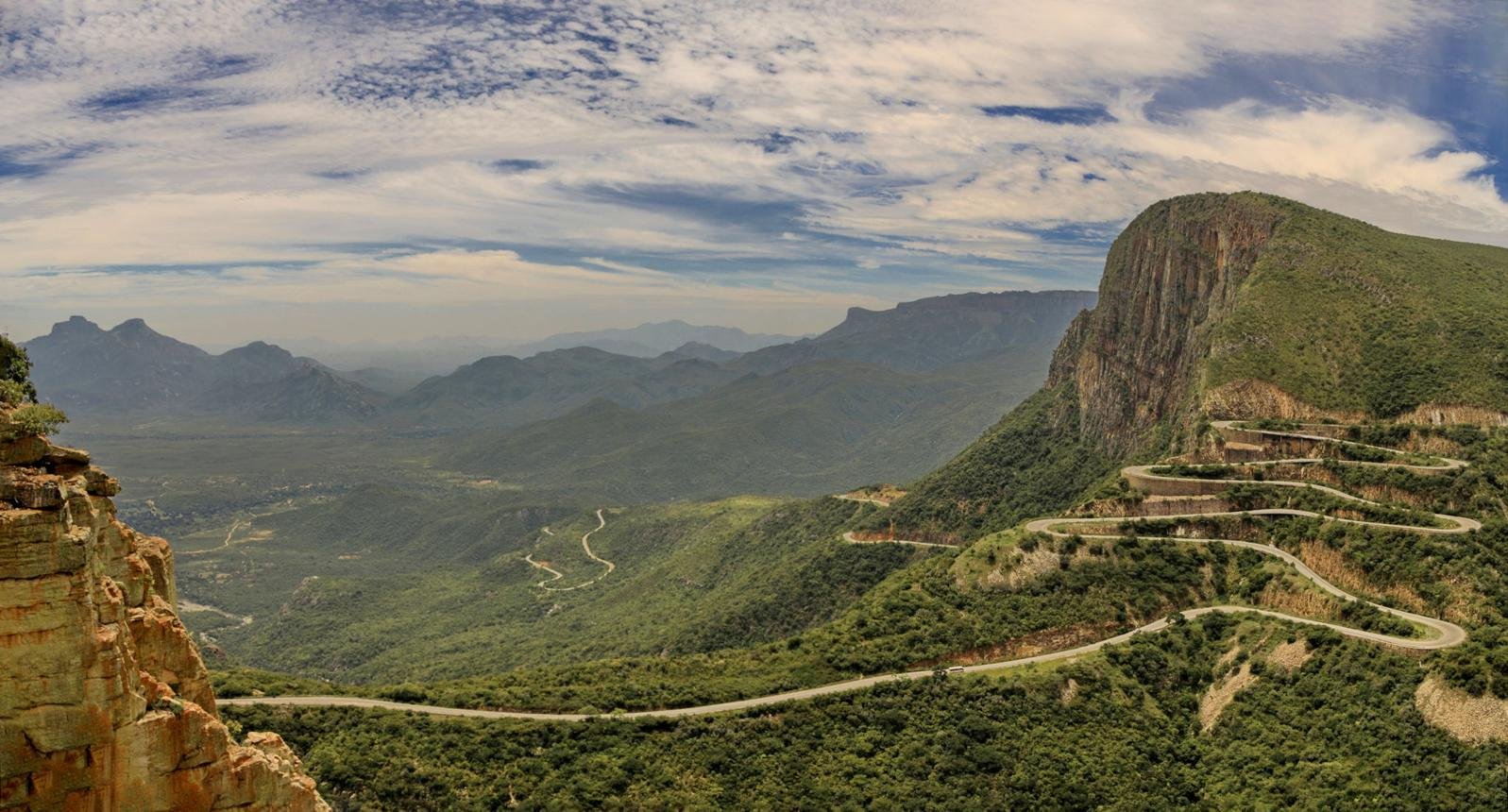
Route: Benguela – Lubango – Serra da Leba – Namibe
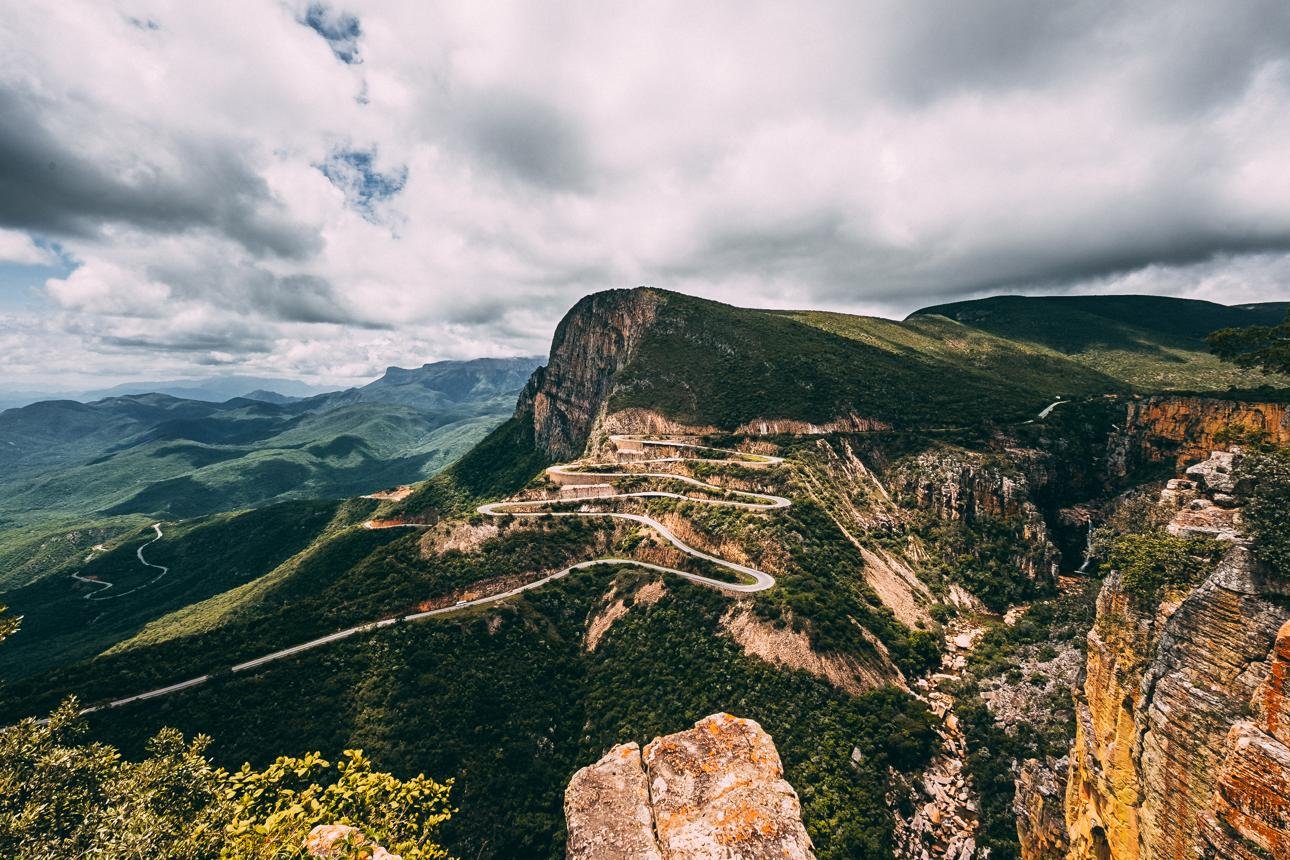
One of Angola’s iconic road journeys.
Serra da Leba is famous for its dramatic mountain switchbacks and spectacular viewpoints.
Highlights:
- cool highland scenery
- mountain driving
- dramatic elevation changes
- excellent photography stops
A must-drive Angola route.
3. Inland Expedition Route
7
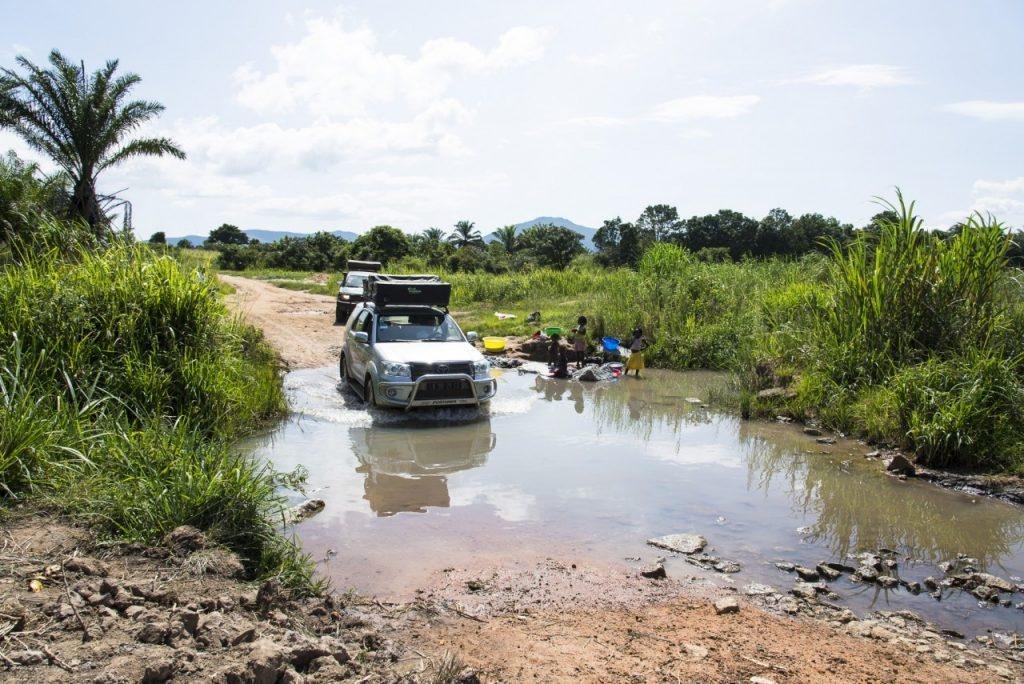
Route: Luanda – Malanje – Kalandula Falls – eastward extensions
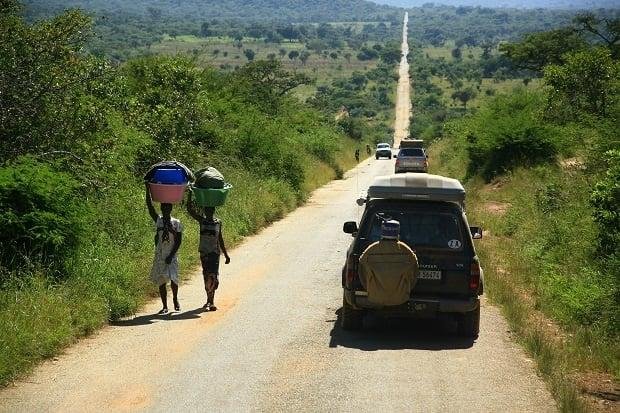
This route focuses on Angola’s interior.
Expect:
- fewer tourists
- rougher roads
- longer logistics planning
- remote settlements
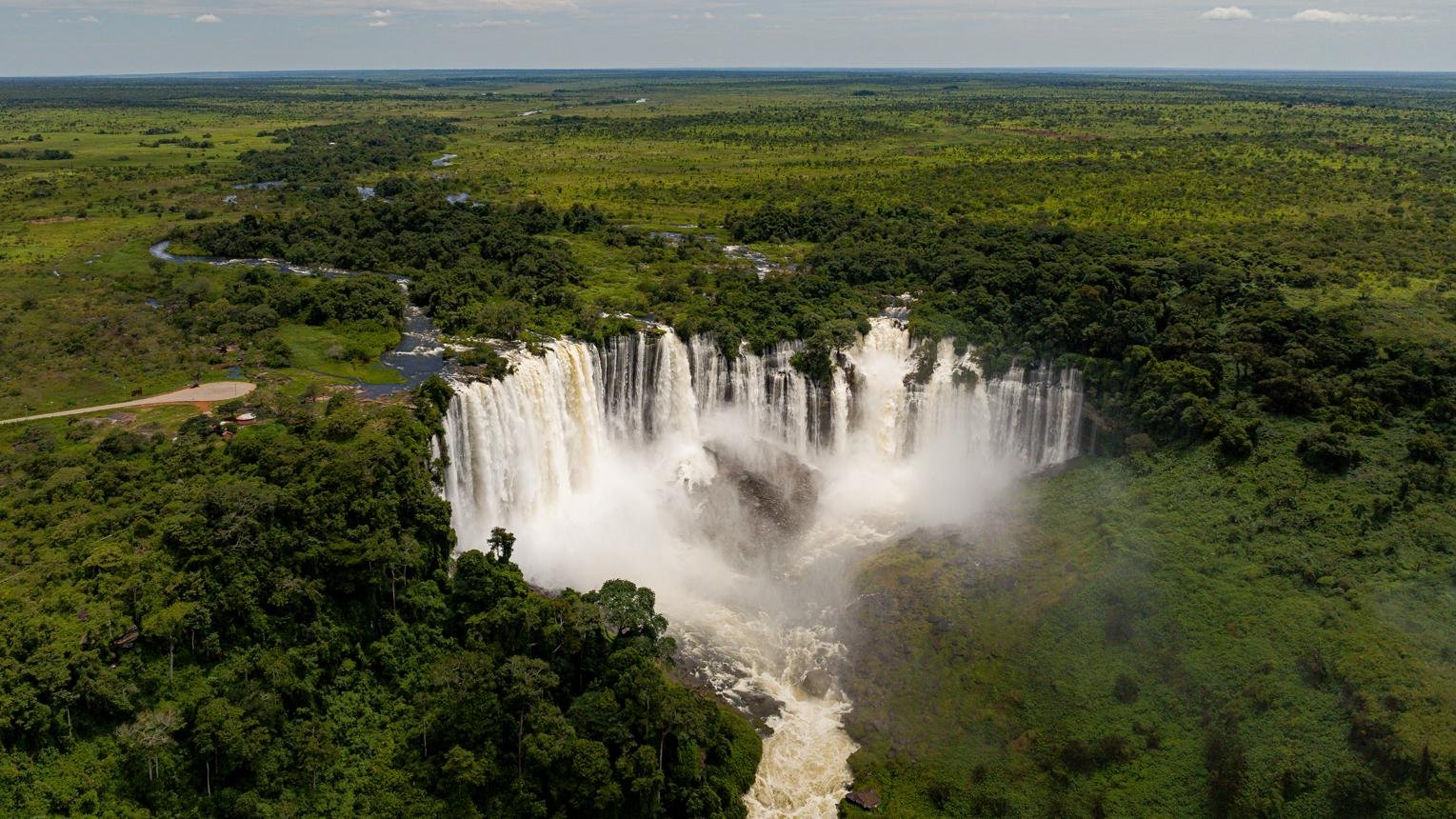
Kalandula Falls is one of Africa’s most impressive waterfall stops.
4. Namib Desert Expedition
7
For serious expedition travel.
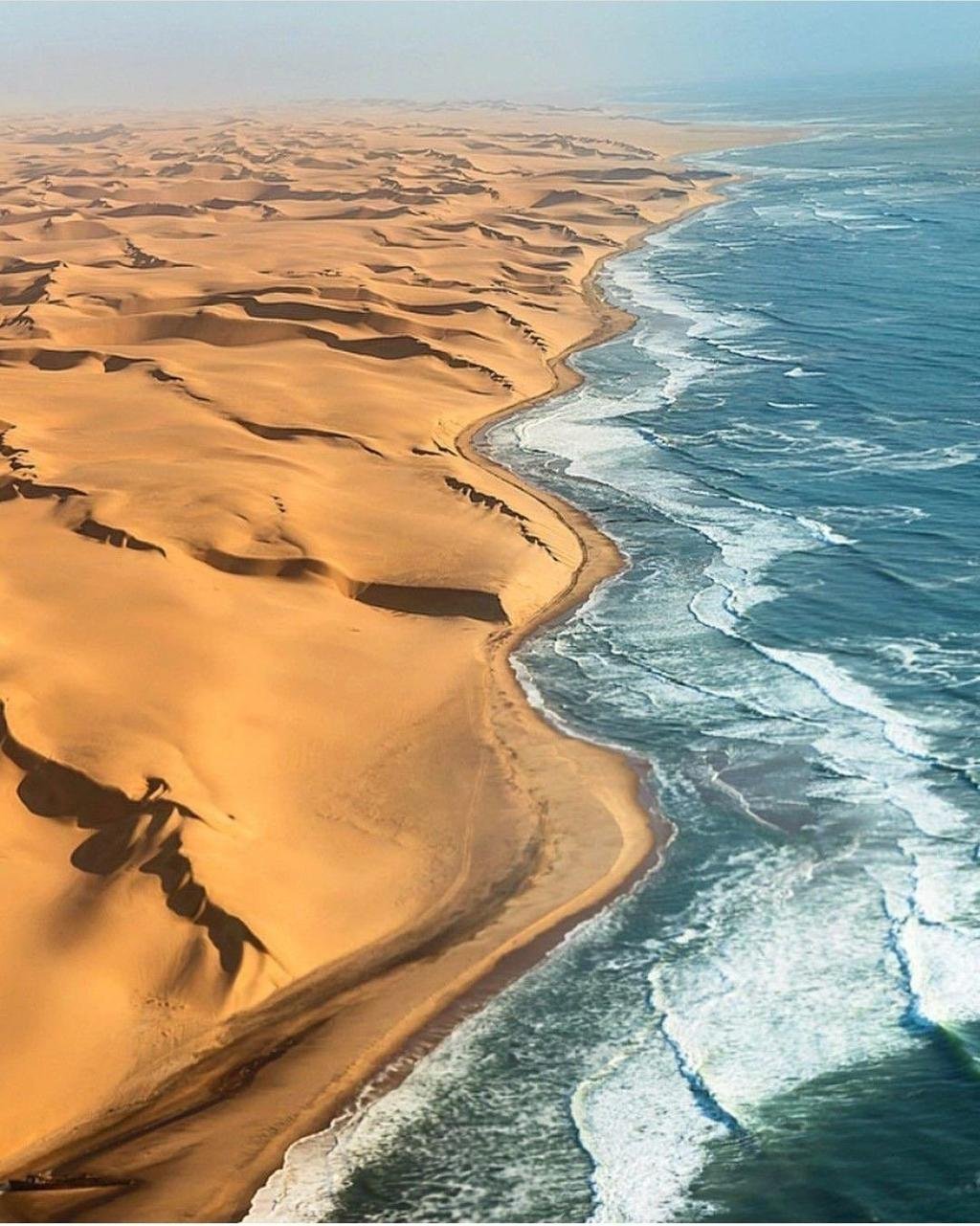
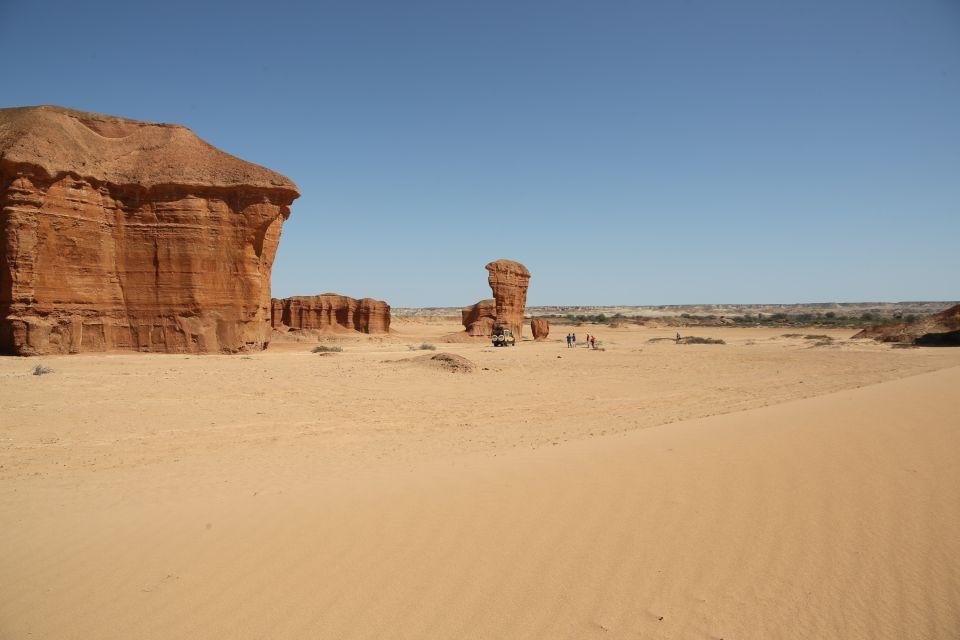
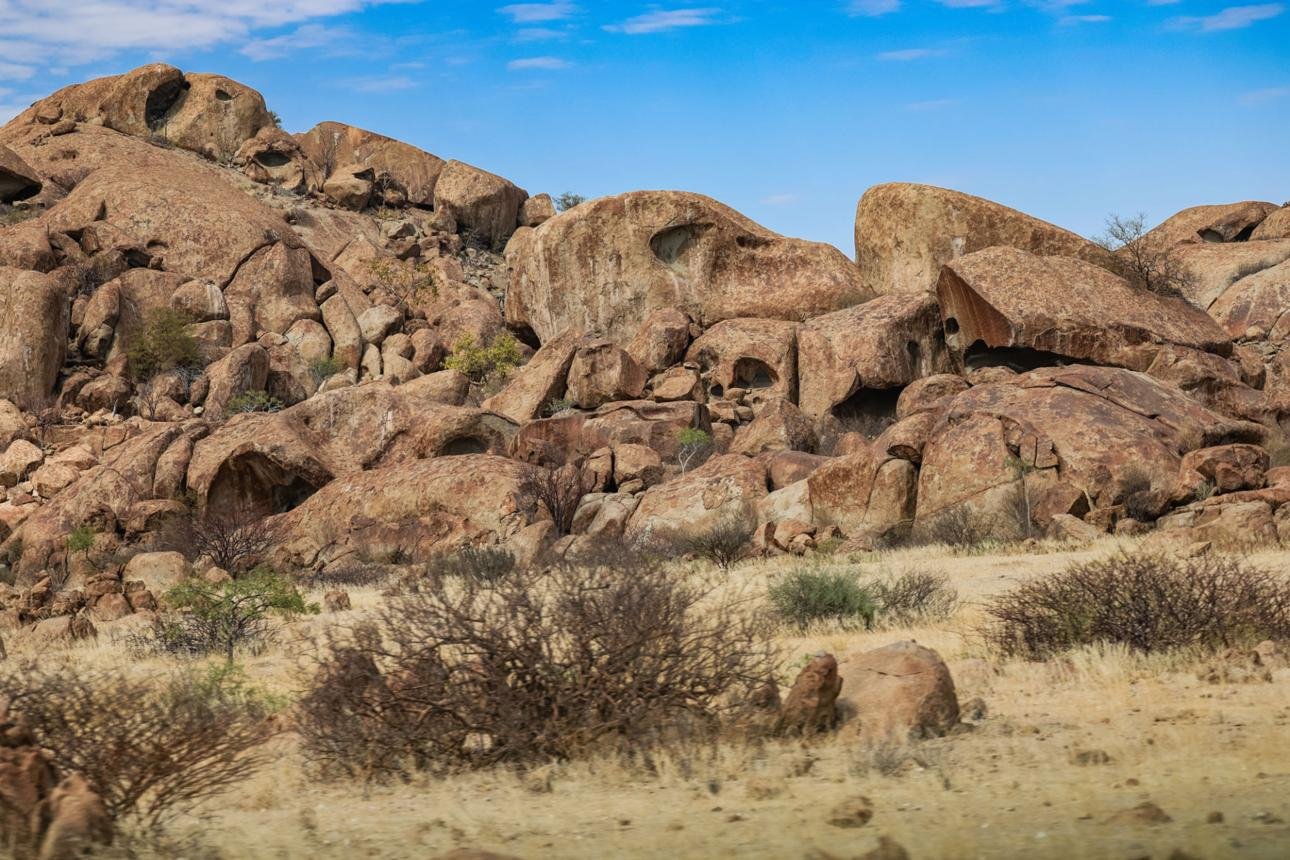
Southern Angola offers desert scenery that rivals neighboring Namibia.
Best for:
- 4×4 overlanders
- expedition rigs
- self-sufficient travelers
Highlights:
- Iona National Park
- desert tracks
- isolation
- wildlife
Planning a bigger African overland journey?
Our detailed Africa Overland Travel Guide covers routes, borders, campsites, logistics and real-world expedition experience across the continent.
Available as print book and ebook.
Explore the Africa Overland Travel Guide
Borders & Entry Points
Angola borders:
- Namibia
- Zambia
- Democratic Republic of the Congo
- Republic of the Congo
Namibia
Most popular overland entry.
Best option for southern Africa expeditions.
Zambia
Possible but less common.
Road quality can vary.
DRC
Used by some trans-African travelers.
Logistically more challenging.
Republic of the Congo
Less common overland route.
Vehicle Entry Requirements
Usually required:
- passport
- visa / entry authorization
- vehicle registration
- insurance
- temporary import paperwork
Border bureaucracy can take time.
Driving Conditions
Highly variable.
Good:
- major highways
- urban connectors
Challenging:
- secondary roads
- rainy season damage
- potholes
- mud
- fuel planning in remote areas
City traffic in Luanda can be intense.
Fuel & Logistics
Fuel availability is improving but route planning remains important.
Bring:
- spare tires
- recovery gear
- extra water
- filters
- mechanical essentials
SIM access generally available in cities.
Cash is still useful outside urban centers.
Camping & Accommodation
Wild Camping
One of Angola’s major overlanding attractions.
Possible in many remote regions.
Best in:
- coastal isolation
- southern desert
- inland expedition routes
Use normal security judgment.
Campsites
Limited formal infrastructure.
More expedition-style than tourism-developed.
Budget Accommodation
Available in larger towns.
Quality varies widely.
Safety & Risks
Main concerns:
- remote breakdowns
- road quality
- bureaucracy
- fuel planning
- occasional petty crime
Landmine concerns are mostly historical but avoid unknown off-track areas in remote regions.
Best Time to Visit
Best
May–September
Dry season, easier roads.
Avoid
Rainy season where road conditions deteriorate significantly.
Sample 14-Day Itinerary
Day 1–2: Luanda
Day 3–4: Sumbe / Benguela
Day 5–6: Lobito
Day 7–8: Lubango / Serra da Leba
Day 9–11: Namibe / desert region
Day 12–14: inland extension or return
FAQ
Is Angola good for overlanding?
Excellent for expedition travelers.
Can you wild camp?
Often yes.
Do you need 4×4?
Recommended for deeper exploration.
Is Angola beginner-friendly?
No, better for experienced travelers.
Is it crowded?
No—one of its biggest advantages.
Related Pages
- Backpacking Angola
- City Trips Angola
- RV Travel Angola
- Further Reading