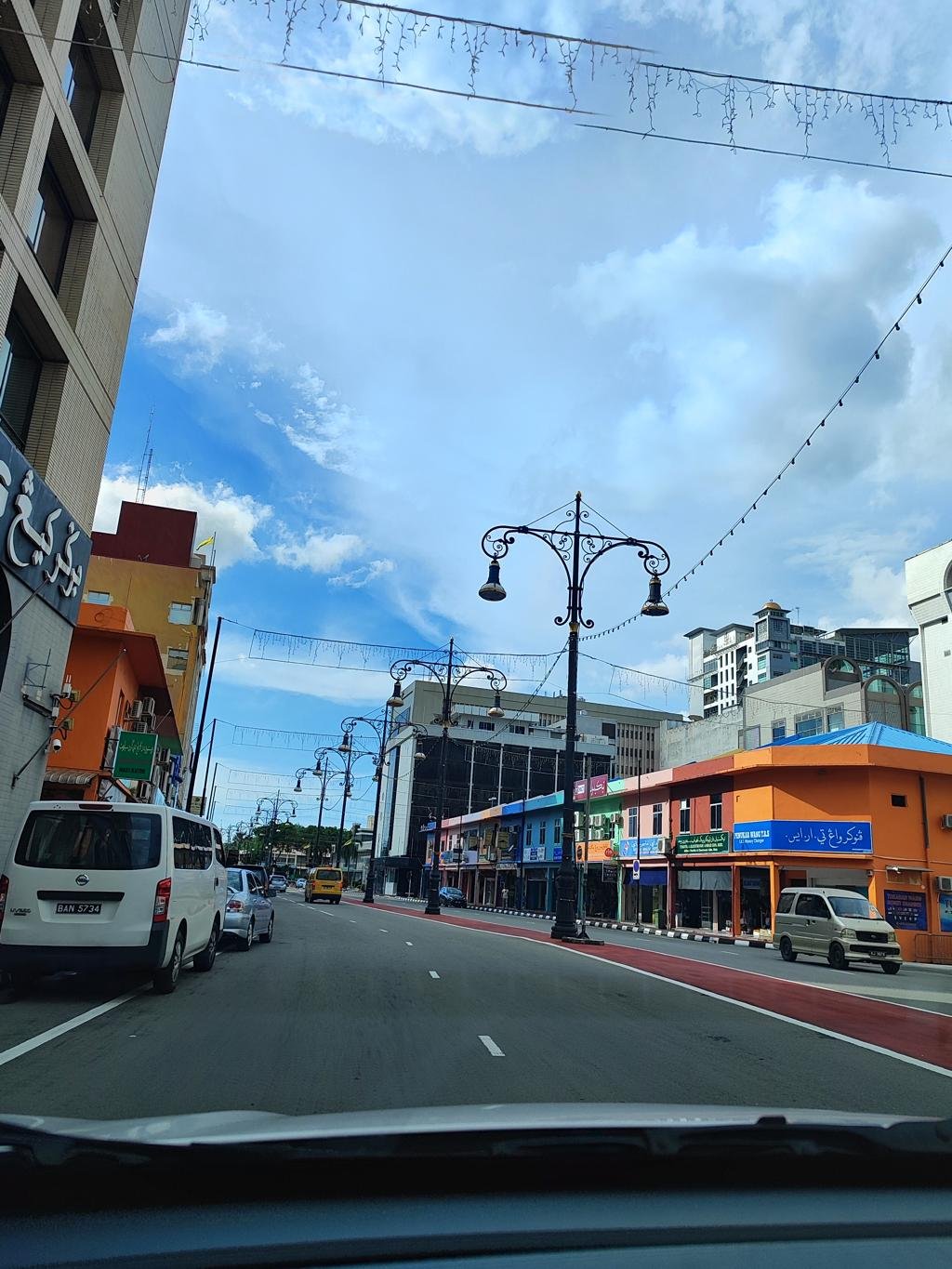
Brunei, a small but wealthy Southeast Asian nation, is known for its efficient and modern transport system. The country boasts well-maintained roads, bridges, and highways that connect its various regions. The development of transportation infrastructure in Brunei can be traced back to the early 20th century when the British colonial government built roads and bridges to facilitate trade and travel within the country.
Today, transport plays a critical role in Brunei’s economy, enabling the smooth movement of goods and people across the nation. The government has continuously invested in improving and expanding its transport network to support economic growth and enhance connectivity with neighboring countries. With the increase in population and tourism, the demand for reliable and convenient transportation services has also grown significantly.
One of the key elements of Brunei’s transport system is its extensive network of buses and taxis that provide affordable and accessible transport options for residents and visitors alike. The government has also introduced initiatives to promote sustainable transportation, such as the implementation of a bus rapid transit system and the construction of pedestrian-friendly infrastructure in urban areas. These efforts aim to reduce traffic congestion, improve air quality, and enhance the overall quality of life in Brunei.
Despite its small size, Brunei places great importance on maintaining an efficient and sustainable transport system to support its economic development and meet the needs of its growing population. The country’s commitment to investing in modern transportation infrastructure underscores its dedication to enhancing connectivity, promoting economic growth, and improving the overall quality of life for its citizens.
What is the transport system like in Brunei?
Transport in Brunei refers to the various modes of transportation available in the small Southeast Asian country. From public buses, taxis, and water taxis to private cars and motorcycles, Brunei offers a range of options for getting around the country. In this article, we will explore the different modes of transportation in Brunei, their advantages and disadvantages, and how you can easily navigate the country’s transport system.
Types of Transportation in Brunei
Transport in Brunei primarily consists of car travel, public buses, taxis, and boats. The country has a well-developed road network, making car travel an efficient mode of transportation for both locals and tourists. Public buses are available in major cities like Bandar Seri Begawan, offering a relatively affordable way to get around.
Public Transportation
Public buses operated by the government-run Darussalam Holdings are a popular mode of transportation in Brunei. These buses cover most major routes in the country, providing a convenient way for residents and visitors to travel between towns and cities.
Taxis
Taxis are another common mode of transportation in Brunei, especially in urban areas. Taxis can be hailed on the street or booked in advance through various taxi companies. While slightly more expensive than public buses, taxis offer a more convenient and flexible way to travel around the country.
Boats
Given Brunei’s coastal location, boats play a significant role in transportation, particularly in remote areas and between islands. Water taxis and ferries are commonly used to cross rivers and travel between different parts of the country.
Road Network
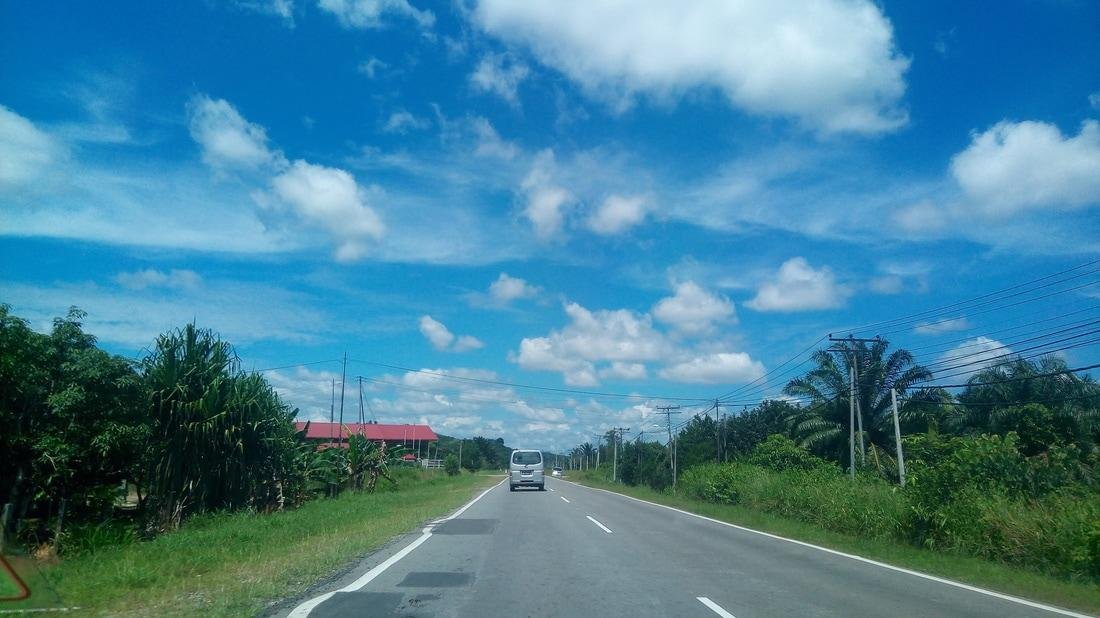
Brunei boasts a well-maintained road network, with highways connecting major cities and towns. The smooth and well-signposted roads make car travel a popular choice for both locals and tourists. Additionally, the country’s compact size means that driving between destinations is relatively quick and easy.
Future Developments
Brunei continues to invest in its transportation infrastructure to enhance connectivity and accessibility. Plans are underway to further improve road networks, upgrade public transportation services, and introduce new sustainable transport initiatives.
Statistics
According to recent data, over 70% of Brunei’s population relies on cars as their primary mode of transportation, highlighting the country’s strong preference for car travel.
What are the main modes of transport in Brunei?
The main modes of transport in Brunei include buses, taxis, and private cars. There are also water taxis available for travel between water villages.
Are the public buses in Brunei reliable?
Yes, the public buses in Brunei are generally reliable and a cost-effective way to get around the country. The routes are well serviced and the buses are well-maintained.
Can I rent a car in Brunei as a tourist?
Yes, tourists are able to rent cars in Brunei with a valid driver’s license from their home country. It is recommended to book in advance during peak travel seasons.
Are taxis readily available in Brunei?
Yes, taxis are readily available in Brunei, especially in major cities like Bandar Seri Begawan. It is advisable to use metered taxis or agree on a fare before beginning your journey.
Is there a railway system in Brunei?
No, there is no railway system in Brunei. However, the country has a well-developed road network that makes traveling by road convenient.
Are there any cycling paths in Brunei?
Yes, there are dedicated cycling paths in Brunei, especially in Bandar Seri Begawan. You can also rent bicycles for short trips in certain areas.
Can I use ride-sharing services like Uber or Grab in Brunei?
Yes, ride-sharing services like Grab are available in Brunei. It is a convenient and reliable option for getting around, especially in urban areas.
Do I need to wear a seatbelt in Brunei?
Yes, it is mandatory to wear a seatbelt while driving in Brunei. This law applies to both the driver and passengers in the vehicle.
Are there any toll roads in Brunei?
No, there are no toll roads in Brunei. Traveling on the road network is free for all drivers.
What are the peak hours for traffic in Brunei?
The peak hours for traffic in Brunei are usually during morning and evening rush hours, when people are commuting to and from work. It is advisable to plan your travels accordingly to avoid traffic congestion.
Conclusion
Overall, the transport system in Brunei plays a crucial role in the country’s economy and infrastructure development. With a focus on improving road networks, public transportation, and air travel, Brunei is making significant strides towards creating a more efficient and sustainable transport system for its residents. The government’s investment in infrastructure projects and initiatives to promote green transportation options demonstrate their commitment to addressing the challenges faced in the sector.
While Brunei’s transport system has seen improvements in recent years, there are still areas that require further attention, such as traffic congestion in urban areas and the need for better connectivity between different modes of transport. By addressing these issues, Brunei can enhance the overall quality of life for its citizens and create a more sustainable environment for future generations. With continued government support and collaboration with private stakeholders, the transport sector in Brunei has the potential to further develop and contribute to the country’s overall growth and prosperity.