Lake Malawi, Wildlife Safaris, Mountains & the Warm Heart of Africa
6
Malawi Travel Guide
Malawi may be one of Africa’s smaller countries, but it offers an extraordinary variety of landscapes, wildlife, and cultural experiences. Known as the “Warm Heart of Africa” for the friendliness and hospitality of its people, Malawi combines crystal-clear freshwater beaches, wildlife-rich national parks, dramatic mountain ranges, tea plantations, and welcoming towns into one of Southern Africa’s most rewarding travel destinations.
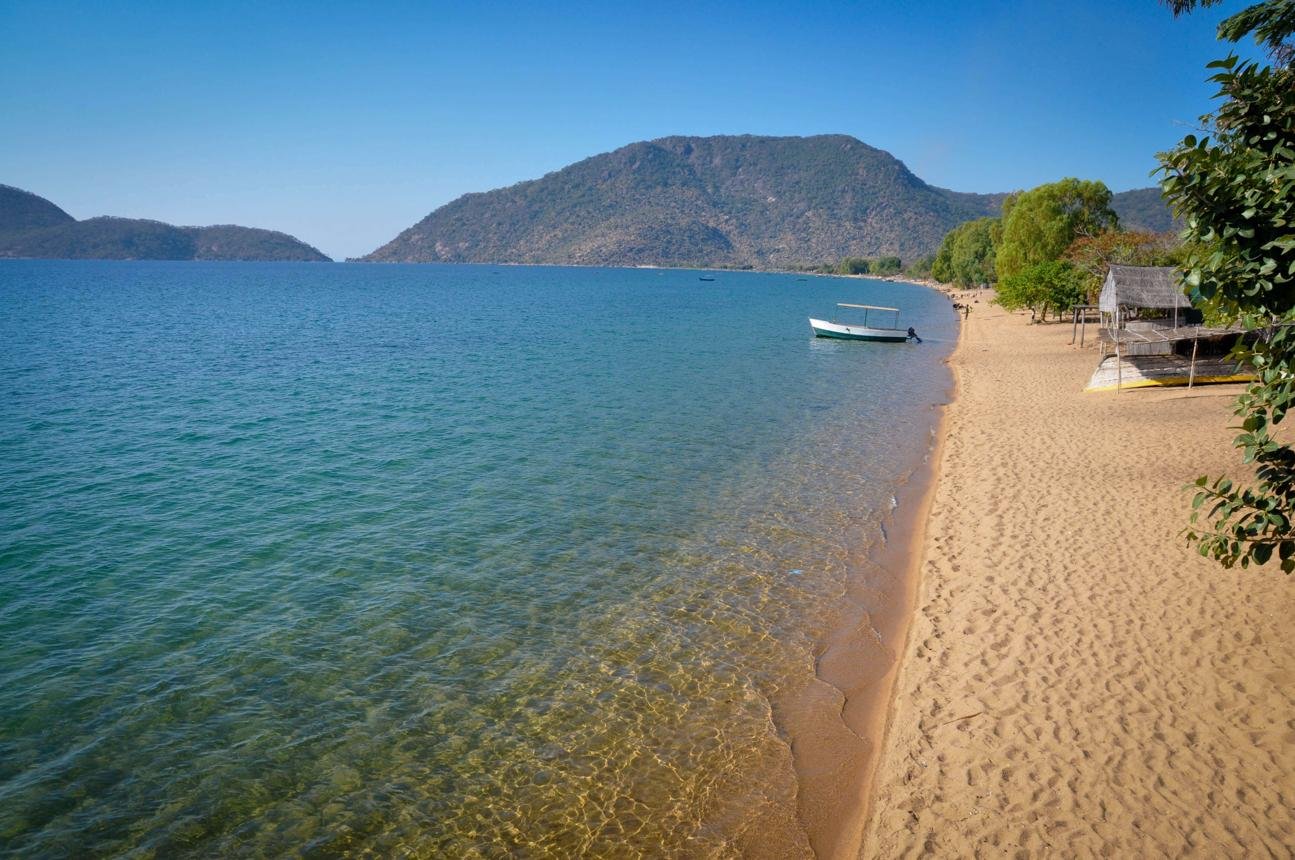
Stretching along the western shore of Lake Malawi, the country is bordered by Tanzania, Zambia, and Mozambique. Although landlocked, Malawi possesses one of Africa’s greatest natural treasures. Lake Malawi, the third-largest lake on the continent, covers nearly one-fifth of the country’s area and provides hundreds of kilometers of sandy beaches, rocky islands, snorkeling sites, fishing villages, and lakeside resorts. The lake is famous for its remarkable biodiversity, with more species of freshwater fish than any other lake on Earth.
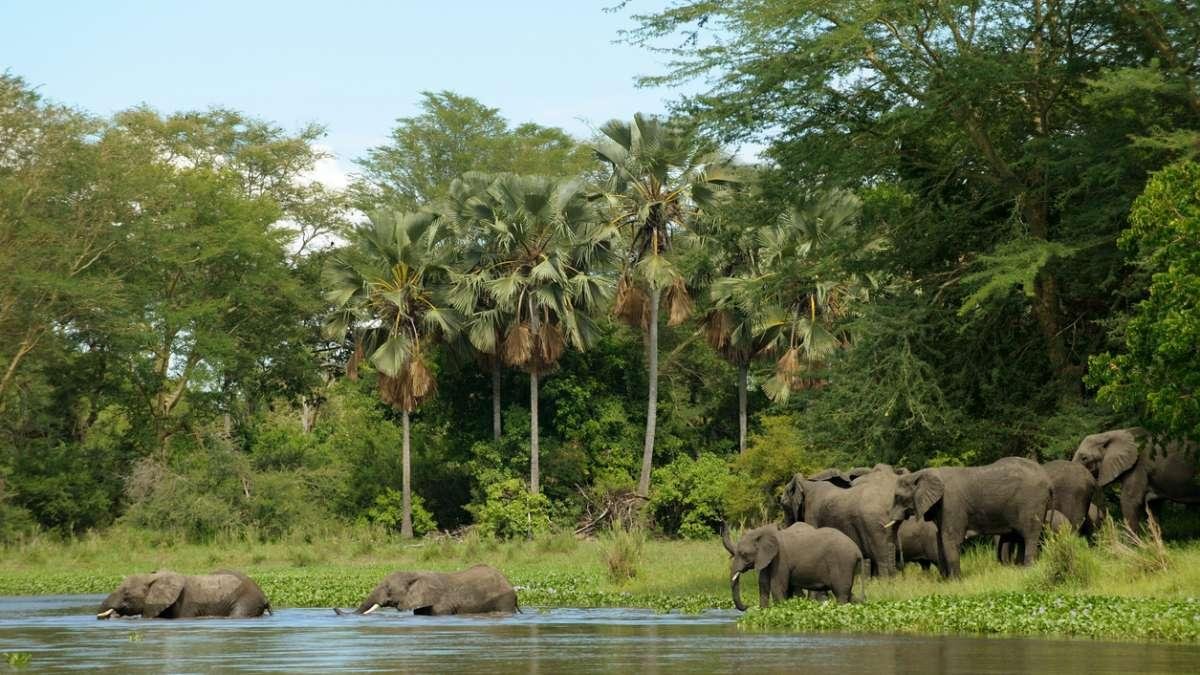
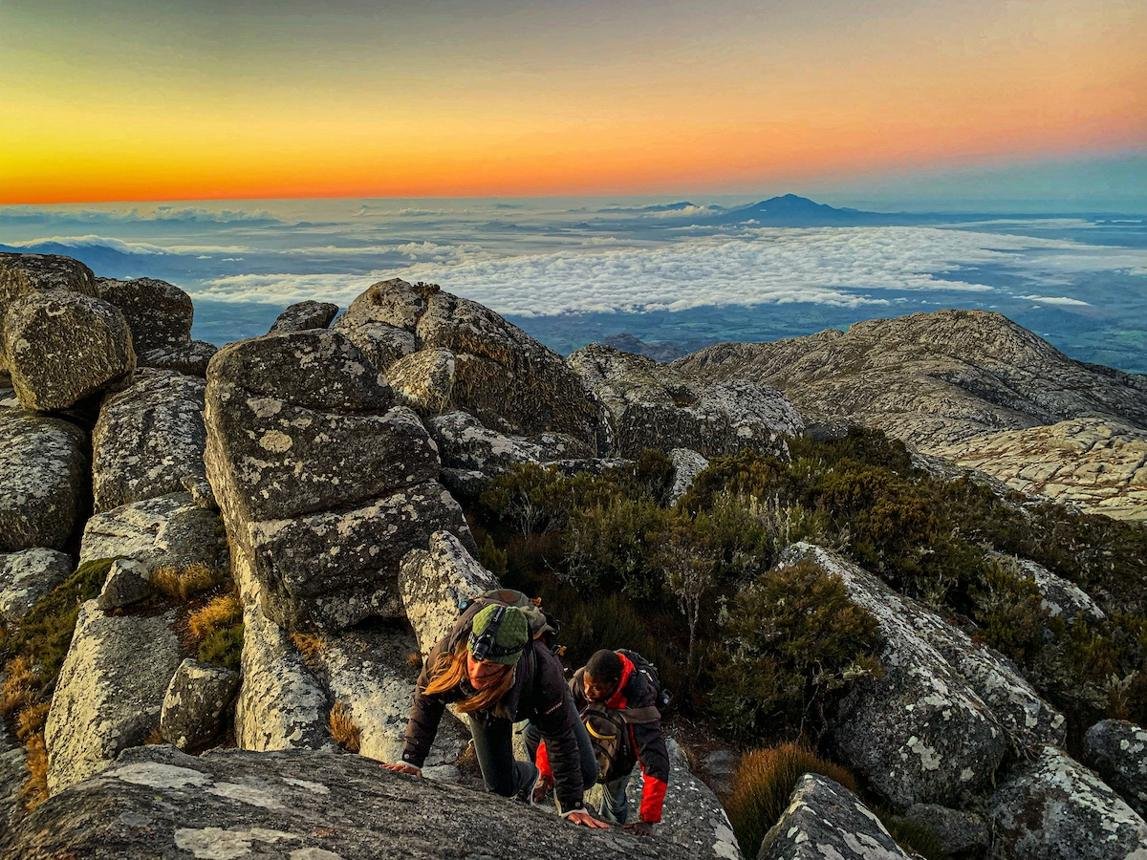
Away from the shoreline, Malawi’s landscapes become increasingly diverse. Visitors can hike the granite peaks of Mount Mulanje, explore the high-altitude Nyika Plateau, watch elephants and hippos in Liwonde National Park, discover the remote wilderness of Nkhotakota Wildlife Reserve, or enjoy panoramic views from the Zomba Plateau. Combined with vibrant local markets and rich cultural traditions, Malawi offers much more than many first-time visitors expect.
Malawi is also an excellent destination for independent travel. Overlanders have long included the country on classic Cape Town to Cairo and Southern Africa expeditions, appreciating its scenic roads, welcoming communities, and relaxed border crossings. Backpackers enjoy affordable accommodation, lakeside hostels, and easy-going travel, while RV travelers benefit from scenic campsites and memorable self-drive routes.
This guide introduces Malawi’s highlights while serving as the cornerstone travel hub for future in-depth articles covering overlanding, backpacking, camping, driving, national parks, visas, border crossings, and destination-specific travel planning.
Quick Facts
| Item | Information |
|---|---|
| Capital | Lilongwe |
| Currency | Malawian Kwacha (MWK) |
| Official Language | English |
| National Language | Chichewa |
| Population | Approximately 22 million |
| Time Zone | UTC+2 |
| Driving | Left-hand side |
| Country Code | +265 |
Why Visit Malawi?
Malawi combines spectacular lake scenery, mountain adventures, wildlife conservation, and genuine hospitality.
Reasons to visit include:
- Lake Malawi National Park
- Cape Maclear
- Mount Mulanje
- Liwonde National Park
- Nyika National Park
- Zomba Plateau
- Nkhotakota Wildlife Reserve
- Snorkeling and diving
- Hiking
- Scenic road trips
- Traditional villages
- Excellent overlanding
Unlike many destinations in Southern Africa, Malawi offers both safari experiences and tropical lakeside relaxation within relatively short driving distances.
Best Places to Visit
6
Lilongwe
Malawi’s capital combines modern government buildings with traditional markets and leafy residential districts.
Highlights include:
- Old Town Market
- Nature Sanctuary
- Craft centers
- Restaurants
- Cultural attractions
Lilongwe serves as the country’s primary international gateway.
Lake Malawi National Park
A UNESCO World Heritage Site protecting the southern part of Lake Malawi.
Visitors enjoy:
- Snorkeling
- Diving
- Kayaking
- Boat trips
- Tropical fish
- Sandy beaches
The park preserves one of the world’s richest freshwater ecosystems.
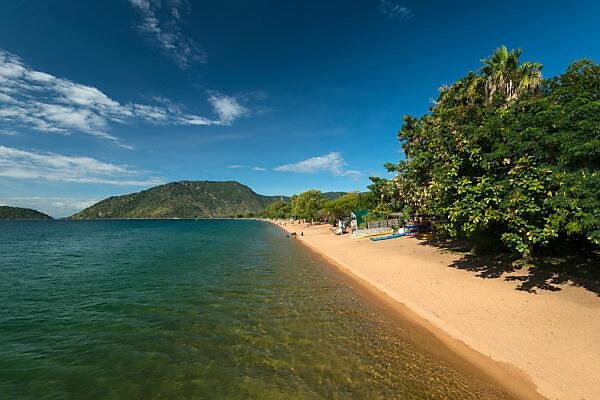
Cape Maclear
One of Malawi’s most popular lakeside destinations.
Highlights include:
- Beaches
- Sunset cruises
- Island excursions
- Backpacker atmosphere
- Water sports
Cape Maclear is ideal for relaxing after exploring Malawi’s interior.
Liwonde National Park
Widely regarded as Malawi’s premier safari destination.
Visitors may encounter:
- Elephants
- Hippos
- Crocodiles
- Lions
- Leopards
- Black rhinos
- Rich birdlife
Boat safaris along the Shire River are a particular highlight.
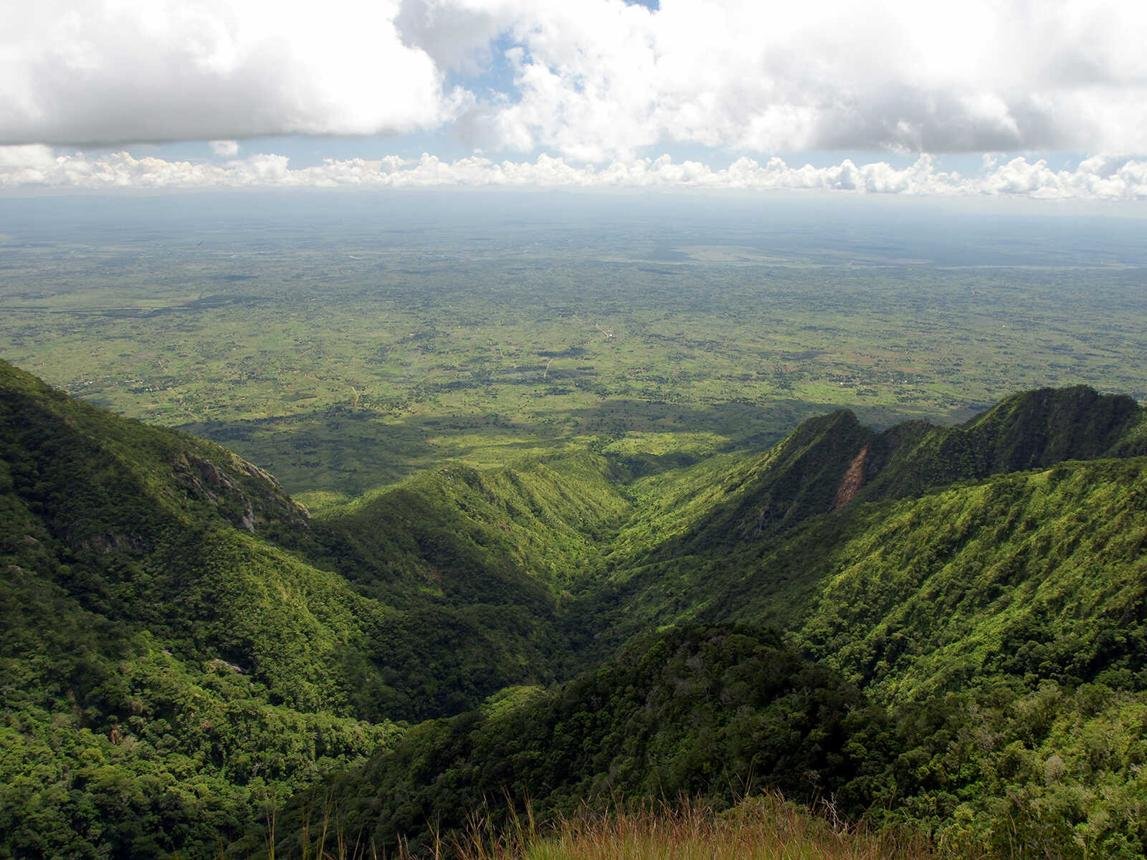
Mount Mulanje
Known as the “Island in the Sky,” Mount Mulanje rises dramatically above the surrounding plains.
Popular activities include:
- Multi-day hiking
- Rock climbing
- Waterfalls
- Mountain huts
- Birdwatching
Its highest peak reaches over 3,000 meters.
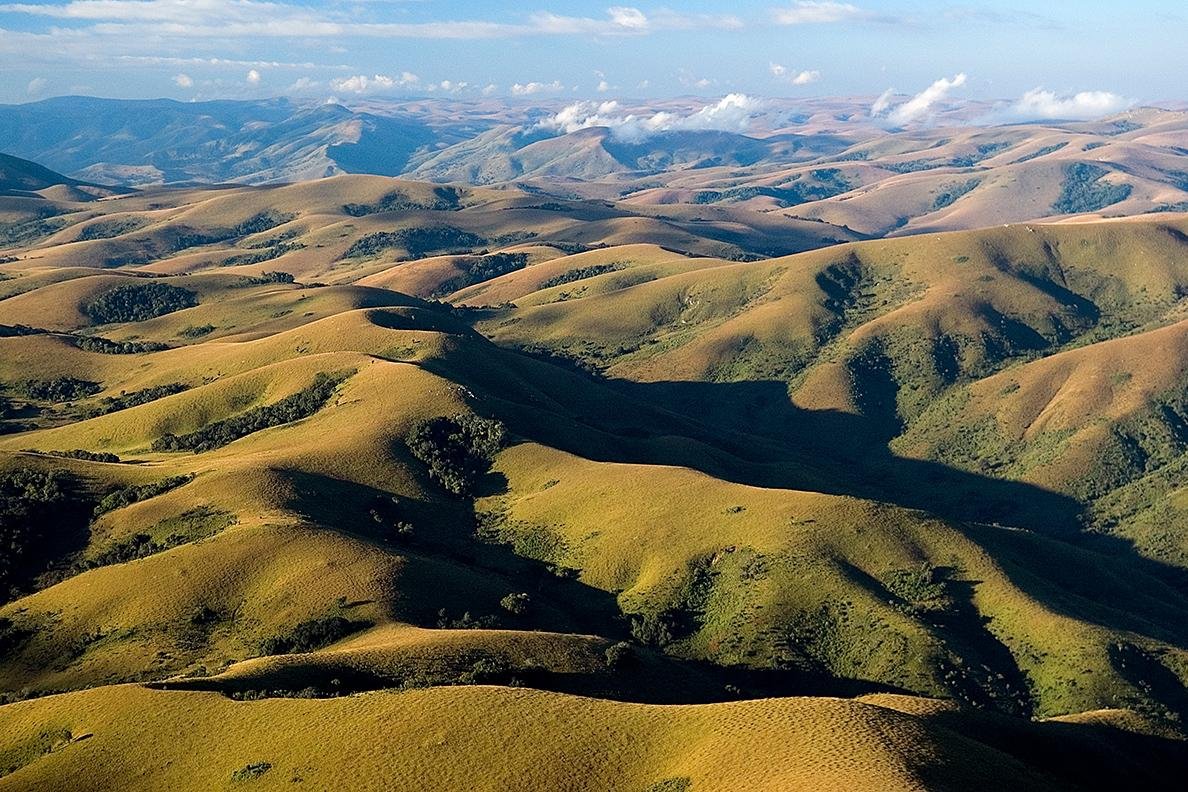
Nyika National Park
This remote highland plateau offers:
- Rolling grasslands
- Zebra
- Roan antelope
- Hiking
- Cycling
- Scenic drives
Nyika is unlike any other landscape in Southern Africa.
Zomba Plateau
The former colonial capital overlooks a spectacular mountain plateau.
Visitors enjoy:
- Waterfalls
- Forest walks
- Horse riding
- Scenic viewpoints
Nkhotakota Wildlife Reserve
Malawi’s oldest wildlife reserve has undergone significant conservation efforts and now protects:
- Elephants
- Buffalo
- Antelope
- Forest habitats
Best Time to Visit
Malawi enjoys a tropical climate moderated by altitude.
| Season | Conditions |
|---|---|
| May – October | Dry season, ideal for safaris and hiking |
| November | Warm before the rains |
| December – March | Rainy season with lush landscapes |
| April | Green countryside and improving travel conditions |
The dry season generally offers the best conditions for wildlife viewing, road trips, and trekking.
Regions of Malawi
Central Malawi
Home to:
- Lilongwe
- Kasungu National Park
- Agricultural landscapes
Northern Malawi
Known for:
- Nyika Plateau
- Livingstonia
- Lake Malawi beaches
Southern Malawi
Features:
- Mount Mulanje
- Liwonde
- Zomba Plateau
- Tea plantations
Lake Malawi Region
Offers:
- Beaches
- Fishing villages
- Water sports
- National parks
Suggested Road Trips & Itineraries
One-Week Malawi Highlights
Explore:
- Lilongwe
- Cape Maclear
- Liwonde
Perfect for first-time visitors.
Two-Week Malawi Explorer
Continue to:
- Mount Mulanje
- Zomba
- Lake Malawi National Park
A balanced mix of wildlife, mountains, and beaches.
Three-Week Grand Malawi Journey
Visit:
- Nyika Plateau
- Nkhotakota
- Northern lakeshore
- Southern parks
Four-Week Southern Africa Expedition
Combine:
- Malawi
- Zambia
- Mozambique
- Tanzania
Ideal for overlanders and self-drive travelers.
Overlanding in Malawi
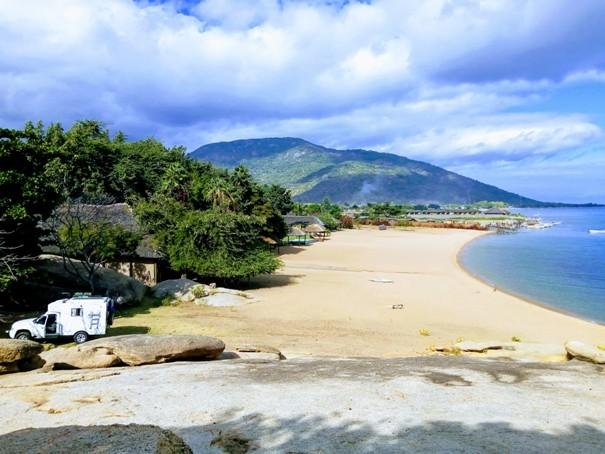
6
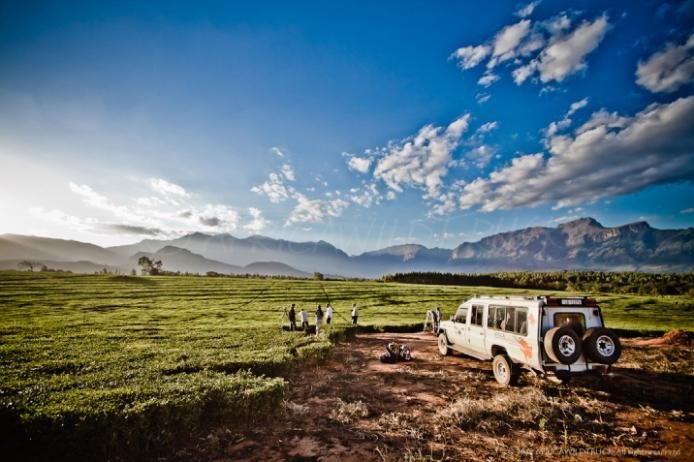
Malawi is one of Southern Africa’s most welcoming overlanding destinations.
Why Overlanders Visit
Highlights include:
- Lake Malawi
- Scenic mountain roads
- Friendly communities
- Wildlife parks
- Lakeside camping
- Easy regional connections
- Affordable travel
The country’s compact size makes it easy to combine multiple destinations in one journey.
Popular Overland Routes
Zambia – Lilongwe – Lake Malawi
One of the country’s classic entry routes.
Lilongwe – Liwonde – Mulanje
A scenic journey through southern Malawi.
Northern Lakeshore Route
Following Lake Malawi north toward Tanzania offers spectacular scenery and peaceful beaches.
Malawi – Mozambique
Popular among travelers exploring both Lake Malawi and the Indian Ocean coast.
Road Conditions
Travelers encounter:
- Good paved highways
- Rural paved roads
- Gravel access roads
- Seasonal flooding in some areas
Most major attractions are accessible with a standard vehicle, although four-wheel drive is beneficial for remote parks during the rainy season.
Vehicle Preparation
Carry:
- Spare tire
- Basic recovery equipment
- Drinking water
- Offline maps
- Camping equipment
Fuel is widely available in larger towns but less frequent in remote areas.
Continue Planning
Future supporting pages:
- Overlanding Malawi
- Lake Malawi Road Trip
- Malawi Border Crossings
- Cape Town to Cairo Route
Backpacking in Malawi
Malawi is one of Africa’s most relaxed and affordable backpacking destinations.
Accommodation
Travelers can choose from:
- Backpacker hostels
- Lakeside lodges
- Guesthouses
- Eco-lodges
- Campsites
Accommodation is available throughout the main tourist regions.
Transportation
Travel options include:
- Long-distance buses
- Shared minibuses
- Domestic flights
- Boat services
- Rental vehicles
Travel around Lake Malawi often combines road transport with local boats.
Backpacking Highlights
Popular experiences include:
- Snorkeling
- Village visits
- Hiking
- Wildlife safaris
- Mountain climbing
- Sunset cruises
Continue Planning
Future cluster pages:
- Backpacking Malawi
- Budget Travel Malawi
- Cape Maclear Guide
- Lilongwe Backpacking Guide
Camping
Camping is one of the best ways to experience Malawi’s landscapes.
National Parks
Excellent campsites are available in:
- Liwonde
- Nyika
- Nkhotakota
- Lake Malawi National Park
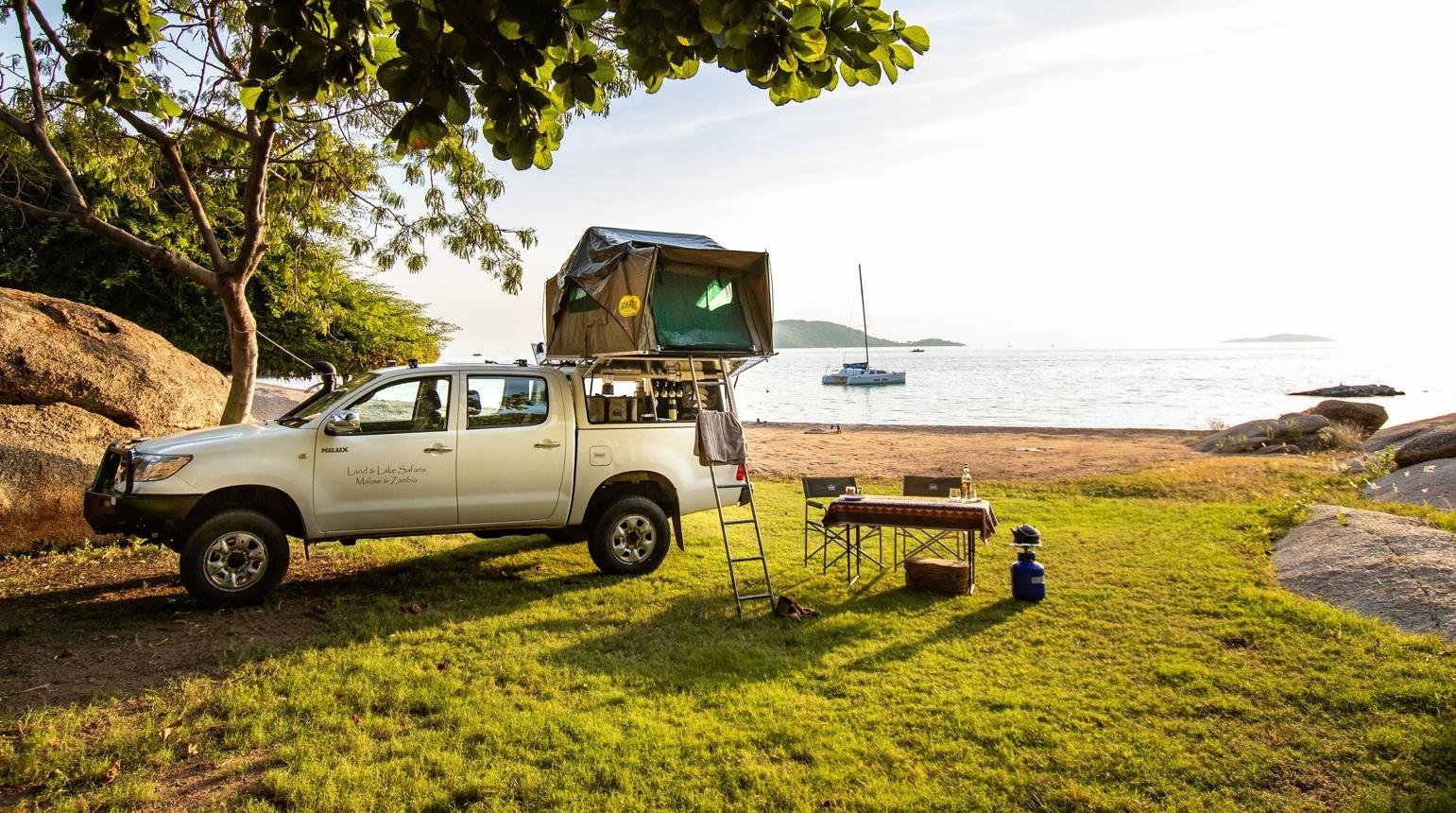
Lakeside Camping
Many private campsites line the shores of Lake Malawi, offering direct access to beaches and water activities.
Wild Camping
Wild camping may be possible in some remote areas with permission, but designated campsites are generally the safest and most practical choice.
Camping Equipment
Bring:
- Tent
- Sleeping bag
- Mosquito protection
- Cooking equipment
- Water purification supplies
Continue Planning
Future guides:
- Camping in Malawi
- Best Campsites in Malawi
- Lake Malawi Camping Guide
RV & Motorhome Travel
Malawi is well suited to expedition-style camper travel.
Suggested RV Routes
Lakeshore Explorer
Lilongwe → Cape Maclear → Nkhata Bay
Southern Highlands
Lilongwe → Liwonde → Mulanje → Zomba
Northern Adventure
Mzuzu → Nyika Plateau → Livingstonia
Practical Considerations
Motorhome travelers benefit from:
- Good highways
- Scenic campsites
- Friendly communities
- Short travel distances
Some mountain roads and remote reserve access routes may be better suited to smaller expedition vehicles.
Continue Planning
Future supporting guides:
- Motorhome Travel in Malawi
- RV Routes in Southern Africa
- Campervan Guide Malawi
Driving in Malawi
Driving is an enjoyable way to explore the country.
Main Roads
Good paved highways connect:
- Lilongwe
- Blantyre
- Mzuzu
- Major tourist destinations
Road quality is generally good along the main north-south corridor.
Driving Challenges
Expect:
- Livestock
- Pedestrians
- Bicycles
- Seasonal potholes
- Slow-moving traffic in rural areas
Driving after dark is generally discouraged because of reduced visibility and increased road hazards.
Border Crossings
Malawi shares land borders with:
- Tanzania
- Zambia
- Mozambique
Several international border crossings connect Malawi with neighboring countries, making it an important stop on Southern African overland routes. Before departure, confirm visa requirements, temporary vehicle import procedures, insurance requirements, and the operational status of your intended border crossing.
Visa & Entry Requirements
Many visitors can obtain a visa on arrival or enter visa-free depending on nationality, while others require a visa before arrival.
Travelers should prepare:
- Passport valid for at least six months
- Visa if required
- Proof of accommodation
- Return or onward travel
- Evidence of sufficient funds if requested
Vehicle travelers should also carry registration documents and any required cross-border insurance.
Always verify the latest immigration requirements before departure.
Budget & Costs
Estimated daily travel expenses:
| Travel Style | Daily Budget |
|---|---|
| Budget traveler | US$25–60 |
| Mid-range | US$100–180 |
| Comfortable | US$250+ |
| Overlander (excluding vehicle costs) | US$50–100 |
Malawi offers excellent value for money, particularly for accommodation, camping, and local transport, making it one of Southern Africa’s more affordable travel destinations.
Safety
Malawi is generally considered one of Africa’s friendliest countries, and most visits are trouble-free.
Travelers should:
- Take normal precautions against petty theft
- Avoid unnecessary driving after dark
- Follow wildlife safety rules in national parks
- Monitor weather conditions during the rainy season
- Stay informed about local travel advice
Comprehensive travel insurance is recommended, especially for hiking, water sports, safaris, and remote travel.
Food & Culture
Malawian cuisine reflects the country’s agricultural traditions and lakeside lifestyle.
Popular dishes include:
- Nsima (maize porridge)
- Chambo (Lake Malawi fish)
- Grilled tilapia
- Bean stews
- Fresh vegetables
- Tropical fruit
- Groundnut-based sauces
Traditional music, dance, storytelling, and colorful local markets offer visitors excellent opportunities to experience Malawi’s rich cultural heritage.
Frequently Asked Questions
Is Malawi safe for tourists?
Yes. Malawi is widely regarded as one of Africa’s friendliest destinations. Most visits are trouble-free, although travelers should take normal precautions and stay informed about local conditions.
Can you overland through Malawi?
Absolutely. Malawi is a popular destination on Southern African overland routes, offering scenic roads, lakeside camping, wildlife reserves, and welcoming communities.
Is Malawi suitable for backpacking?
Yes. Malawi is an excellent backpacking destination thanks to its affordable accommodation, beautiful lake beaches, reliable transport, and relaxed atmosphere.
Can you travel by motorhome?
Yes. Malawi is well suited to expedition-style RV travel, with good highways, organized campsites, and scenic self-drive routes linking lakes, mountains, and national parks.
What is Malawi famous for?
Malawi is renowned for:
- Lake Malawi
- Cape Maclear
- Liwonde National Park
- Mount Mulanje
- Nyika National Park
- Friendly people
- Freshwater diving
- Scenic lakeshore road trips
Continue Planning
This cornerstone guide serves as the central travel hub for Malawi. Continue planning your adventure with these detailed resources:
- Overlanding Malawi
- Backpacking Malawi
- Motorhome & RV Travel in Malawi
- Camping in Malawi
- Driving in Malawi
- Border Crossings in Malawi
- Malawi Visa Guide
- Lake Malawi Guide
- Cape Maclear Guide
- Liwonde National Park Guide
- Mount Mulanje Hiking Guide
- Nyika National Park Guide
- Zomba Plateau Guide
- Nkhotakota Wildlife Reserve Guide
- Lilongwe Travel Guide
- Cape Town to Cairo Overland Route
- Southern Africa Overlanding Guide
- Malawi
- Mzuzu Malawi
- Lake Malawi
- Overlanding in Malawi
- Getting around in Malawi
- Along Lake Malawi
- Nkhata Bay Malawi
- Vwaza National Park Malawi
- Bongo Camp before the border to Malawi