Did you know that Malawi is a landlocked country in Southeastern Africa, bordered by Tanzania, Mozambique, and Zambia? With a population of over 18 million people, transportation plays a crucial role in connecting communities and driving economic development in the country.
In Malawi, transportation infrastructure has steadily improved over the years, with roads, railways, and airports serving as key components of the country’s transport network. The government has invested in upgrading and expanding road networks to enhance connectivity between rural and urban areas, facilitating the movement of goods and people.
Despite these advancements, challenges such as inadequate funding and maintenance issues continue to impact the efficiency of transportation in Malawi. As a result, initiatives like public-private partnerships and sustainable transport solutions are being explored to address these challenges and improve the overall transport system in the country.
One notable statistic is that approximately 80% of goods in Malawi are transported by road, highlighting the importance of a reliable and efficient road network in facilitating trade and commerce. With ongoing efforts to improve infrastructure and enhance transportation services, Malawi is poised to further stimulate economic growth and improve mobility for its citizens.


What are the different modes of transportation in Malawi?
Transport in Malawi encompasses various modes including road, rail, water, and air transport. Each mode plays a crucial role in connecting different parts of the country and facilitating trade and travel. For a detailed analysis of the transportation system in Malawi and its impact on the economy and daily life, continue reading below.
Transport in Malawi
Transportation in Malawi plays a crucial role in connecting people, goods, and services across the country. With a predominantly rural population, accessible and efficient transportation is essential for economic development and improving the quality of life for Malawians. Let’s take a closer look at the various modes of transport in Malawi.
Road Transport
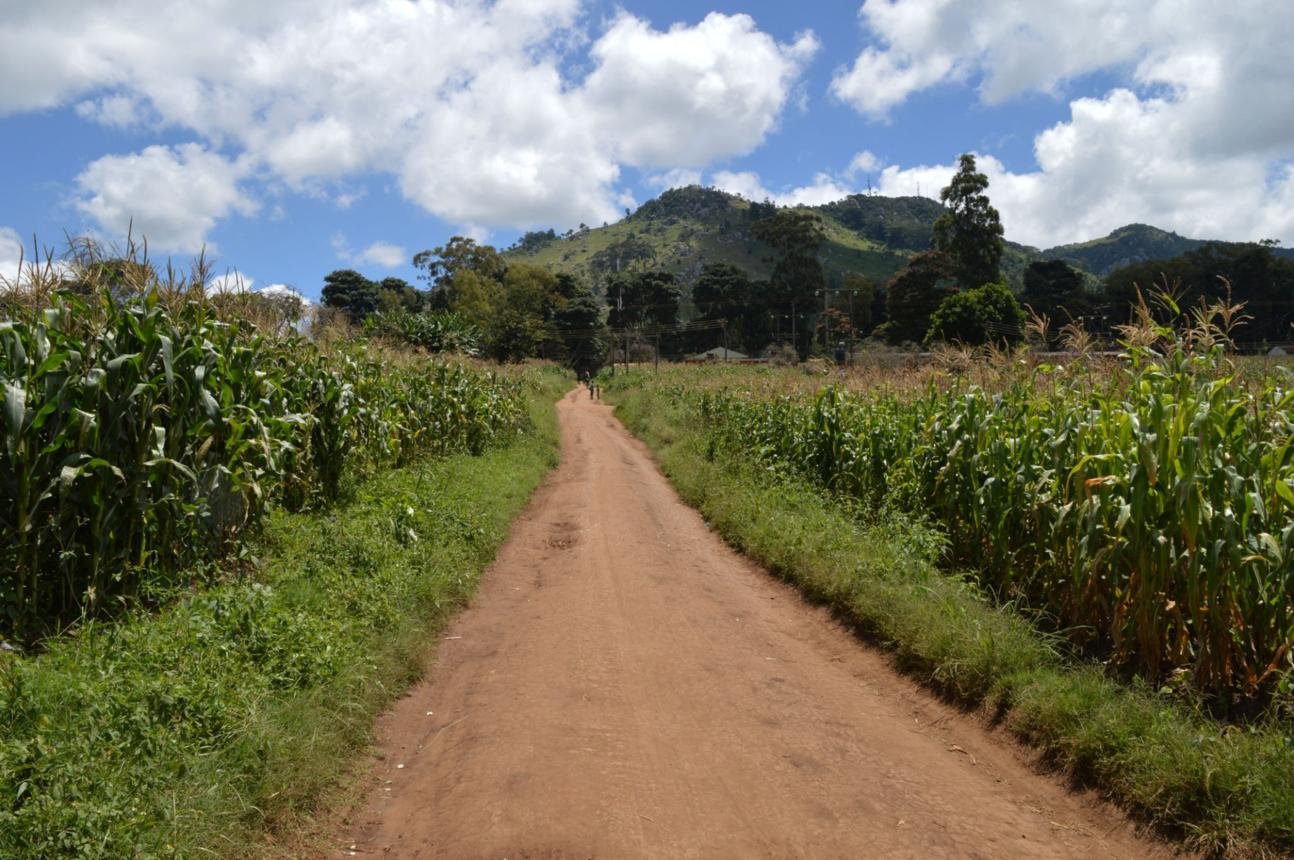
Road transport is the most common and widely used mode of transportation in Malawi. The road network covers over 15,000 kilometers, with major highways connecting the major cities and towns. Despite efforts to improve road infrastructure, many roads in Malawi are in poor condition, leading to challenges in transportation efficiency and safety.
Public Transport
Public transportation in Malawi mainly consists of minibuses, known locally as “matolas,” and buses. These vehicles are the primary mode of transport for most Malawians, offering affordable and accessible transportation services. However, overcrowding, poor maintenance, and road accidents are common issues faced by users of public transport in the country.
Rail Transport
Malawi has a limited railway network operated by Central East African Railways, connecting the major cities of Blantyre, Lilongwe, and Mchinji. While rail transport offers a cheaper alternative to road transport, the system faces challenges such as poor infrastructure, limited connectivity, and more focus on freight than passenger services.
Water Transport
Lake Malawi, also known as Lake Nyasa, provides an important water transportation route in the country. The lake supports fishing activities and passenger transport between lakeside communities. However, the lack of adequate infrastructure and regulation hinders the full potential of water transport in Malawi.
Air Transport
Kamuzu International Airport in Lilongwe and Chileka International Airport in Blantyre are the main airports in Malawi. These airports cater to domestic and international flights, connecting Malawi to major destinations in Africa and beyond. Domestic air transport helps to overcome the challenges posed by the country’s underdeveloped road and railway networks.
Challenges and Opportunities
- Poor road infrastructure and maintenance
- Overcrowding and safety concerns in public transport
- Limited connectivity and services in rail transport
- Lack of regulation and infrastructure in water transport
- High airfares and limited domestic flight routes
Despite these challenges, the Malawian government is working towards improving transportation infrastructure and services to enhance connectivity and drive economic growth. By investing in road upgrades, expanding public transport options, and promoting sustainable modes of transport, Malawi aims to create a more efficient and accessible transportation network for its citizens.
According to recent data, over 90% of passenger and freight transport in Malawi is conducted by road, highlighting the significance of road transport in the country’s transport sector.
FAQs about Transport in Malawi
What are the main modes of transportation in Malawi?
The main modes of transportation in Malawi are buses, minivans, motorcycles, bicycles, and taxis. Some areas also have ferries for crossing rivers and lakes.
Is public transportation reliable in Malawi?
Public transportation in Malawi can be reliable, especially in major cities like Lilongwe and Blantyre. However, delays and breakdowns can occur, so it’s always a good idea to allow extra time for your journey.
Are there any safety concerns with using public transportation in Malawi?
While public transportation in Malawi is generally safe, it’s important to be cautious, especially when traveling alone at night. Keep your belongings secure and be aware of your surroundings.
Do I need to negotiate fares with taxi drivers in Malawi?
Yes, it’s common to negotiate fares with taxi drivers in Malawi. Make sure to agree on a price before starting your journey to avoid any misunderstandings.
Are there any rules I should be aware of when using public transportation in Malawi?
When using public transportation in Malawi, it’s important to respect other passengers, follow the driver’s instructions, and always wear your seatbelt if available.
Can I rent a car in Malawi as a foreign visitor?
Yes, you can rent a car in Malawi as a foreign visitor. Make sure to have a valid driver’s license and insurance coverage before renting a vehicle.
Are there any unique transportation options in Malawi?
One unique transportation option in Malawi is the bicycle taxi, known as a “bicycle taxi.” These are popular for short trips in urban areas and can be a fun way to explore the city.
How much does public transportation cost in Malawi?
The cost of public transportation in Malawi varies depending on the mode of transport and distance traveled. Bus fares are usually affordable, while taxis can be more expensive.
Can I use ride-sharing apps in Malawi?
Ride-sharing apps like Uber are not currently available in Malawi. However, you can use traditional taxis or minivans to get around the city.
Are there any restrictions on traveling between cities in Malawi?
There are no restrictions on traveling between cities in Malawi. However, road conditions can be poor in some areas, so it’s important to plan your journey accordingly.
Conclusion
Overall, the transport system in Malawi faces numerous challenges ranging from poor road infrastructure and limited public transportation options to high accident rates and inefficient rail services. Despite these obstacles, efforts have been made to improve the transport network in the country through international partnerships and investments in infrastructure projects. The government’s focus on expanding road networks and promoting sustainable modes of transportation such as cycling and walking are steps in the right direction towards creating a more efficient and safe transport system for Malawians.
Moreover, the growth of mobile technology in Malawi has allowed for the development of innovative solutions like ride-sharing apps and real-time tracking systems that have improved accessibility and convenience for commuters. However, more needs to be done to address the underlying issues plaguing the transport sector, such as inadequate funding, lack of regulation, and the need for skilled workforce development. By addressing these issues and investing in sustainable and integrated transport solutions, Malawi has the potential to transform its transport system into a safe, reliable, and efficient network that can support the country’s economic growth and social development.