Kaieteur Falls, Amazon Rainforest, Savannahs & South America’s Wild Frontier
6
Guyana Travel Guide
Guyana is one of South America’s least-visited yet most rewarding adventure destinations. Covered by vast rainforests, mighty rivers, remote savannahs, spectacular waterfalls, and abundant wildlife, Guyana offers an authentic wilderness experience unlike anywhere else on the continent. Travelers seeking untouched nature, Indigenous cultures, and true off-the-beaten-path exploration will find Guyana to be one of South America’s hidden gems.
Located on the continent’s northeastern coast, Guyana borders Venezuela, Brazil, Suriname, and the Atlantic Ocean. Although geographically part of South America, the country shares strong historical and cultural ties with the Caribbean, making it the only English-speaking nation on the mainland. This unique combination of Caribbean culture and Amazonian wilderness gives Guyana a distinctive character.
Around 85% of Guyana remains covered by pristine tropical rainforest. The country’s protected areas preserve extraordinary biodiversity, including jaguars, giant river otters, black caimans, giant anteaters, harpy eagles, tapirs, monkeys, and more than 900 bird species. Vast river systems, towering table mountains, dense jungles, and open savannahs create one of the continent’s finest ecotourism destinations.
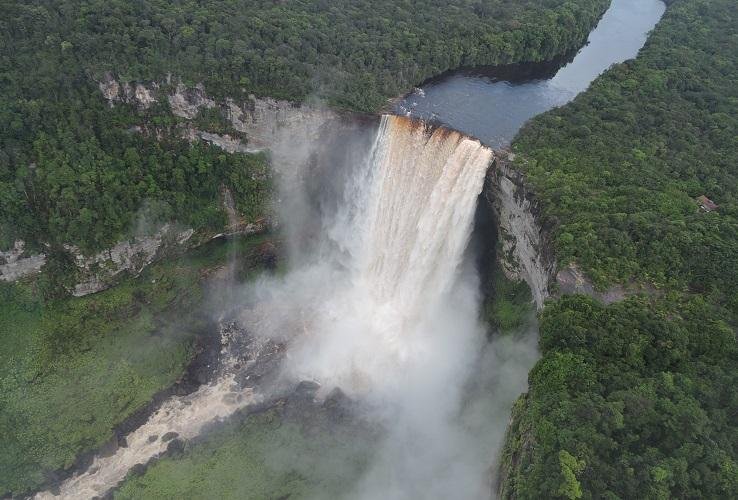
Guyana is perhaps best known for Kaieteur Falls, one of the world’s most spectacular waterfalls. Nearly five times higher than Niagara Falls and located deep within untouched rainforest, Kaieteur is among South America’s greatest natural wonders. Beyond the falls, visitors discover Indigenous villages, wildlife-rich lodges, scenic rivers, and remote wilderness where nature dominates every aspect of daily life.
For adventurous travelers, Guyana offers outstanding opportunities for overlanding, wildlife photography, rainforest trekking, birdwatching, river expeditions, and cultural encounters. Tourism infrastructure is still developing, making each journey feel like a genuine expedition into one of the world’s last great wilderness areas.
This guide covers everything you need to plan an unforgettable journey through Guyana.
Quick Facts
| Item | Information |
|---|---|
| Capital | Georgetown |
| Currency | Guyanese Dollar (GYD) |
| Official Language | English |
| Population | Approximately 830,000 |
| Time Zone | UTC−4 |
| Driving | Left-hand side |
| Country Code | +592 |
Why Visit Guyana?
Guyana offers some of South America’s finest wilderness experiences.
Highlights include:
- Kaieteur Falls
- Georgetown
- Rupununi Savannah
- Iwokrama Rainforest
- Shell Beach
- Kanuku Mountains
- Essequibo River
- Indigenous communities
- Wildlife
- River expeditions
- Birdwatching
- Rainforest lodges
Guyana is ideal for wildlife enthusiasts, photographers, birdwatchers, and adventure travelers.
Best Places to Visit
6
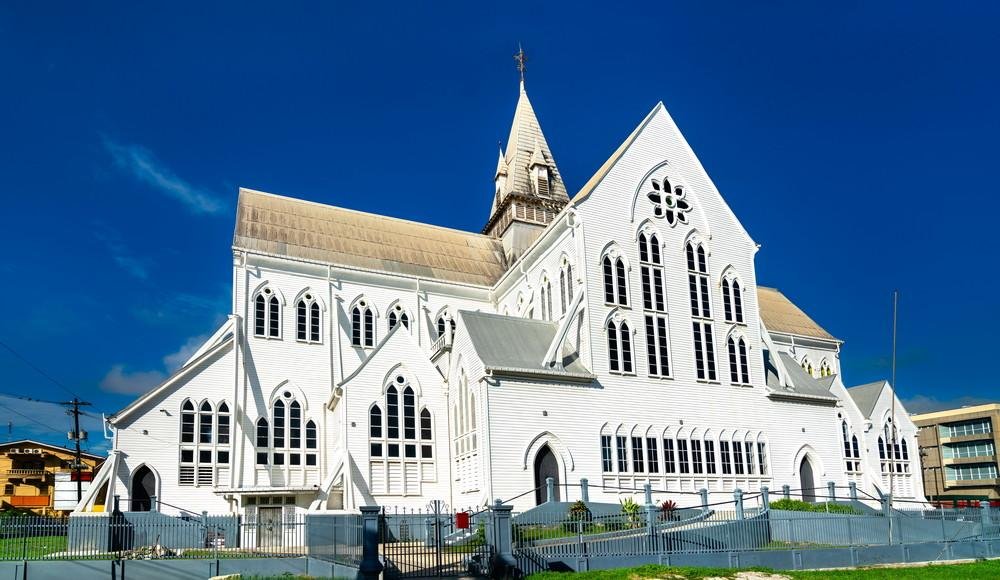
Georgetown
Guyana’s capital combines colonial history with Caribbean atmosphere.
Highlights include:
- St. George’s Cathedral
- Stabroek Market
- Botanical Gardens
- Seawall
- Museums
- Colonial architecture
- Local markets
Georgetown serves as the country’s main transportation hub.
Kaieteur Falls
One of the world’s tallest single-drop waterfalls.
Visitors enjoy:
- Scenic flights
- Hiking
- Rainforest wildlife
- Spectacular viewpoints
- Photography
The falls plunge 226 meters into a deep gorge surrounded by pristine rainforest.
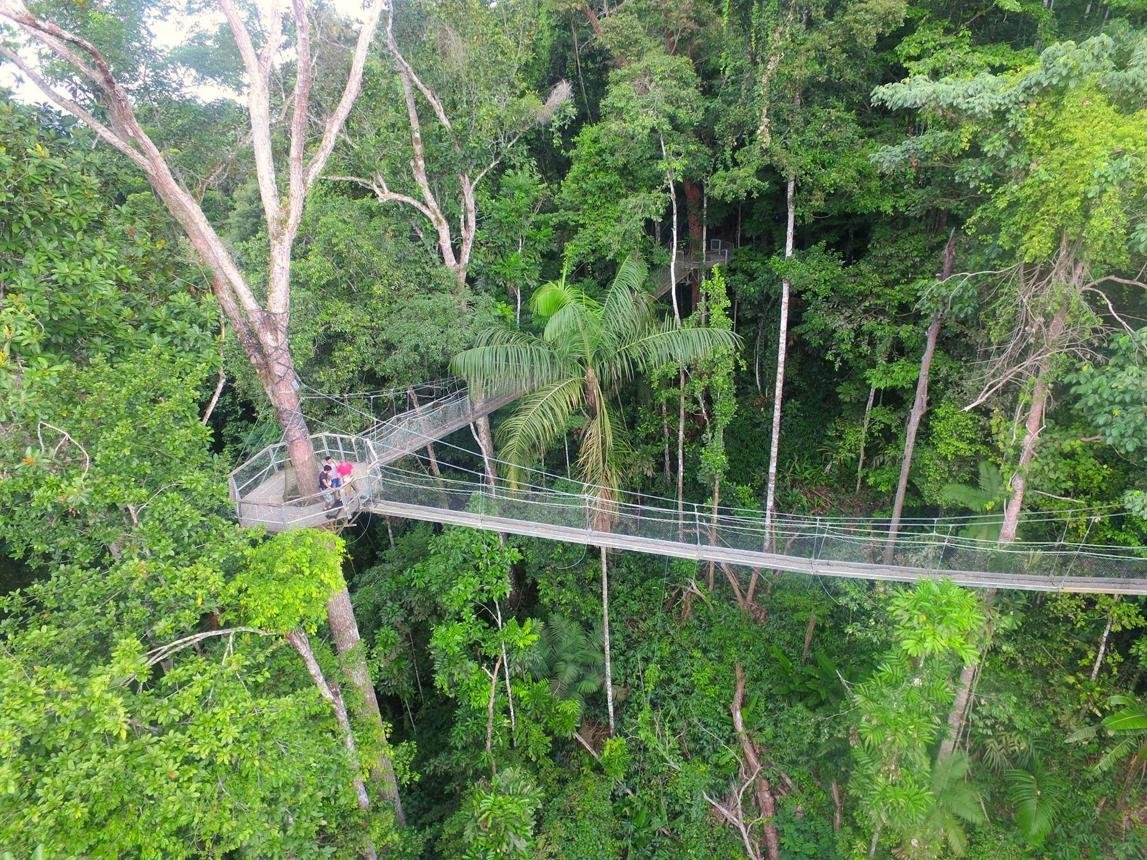
Iwokrama Rainforest
One of South America’s premier conservation areas.
Highlights include:
- Canopy walkway
- Jaguar habitat
- Birdwatching
- River cruises
- Jungle lodges
- Wildlife photography
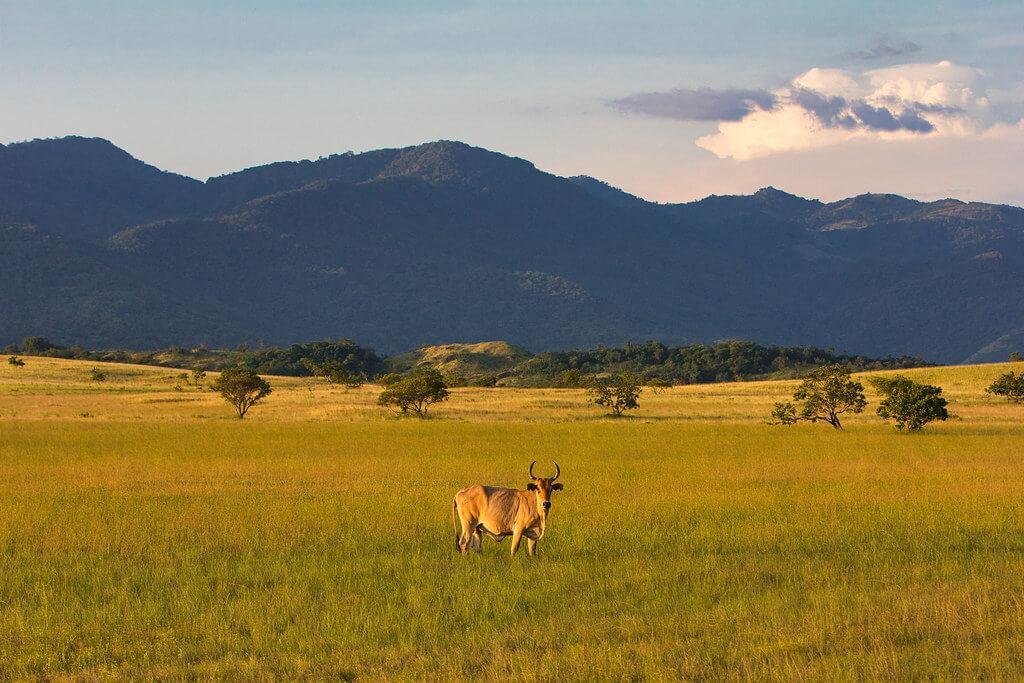
Rupununi Savannah
A vast region of grasslands and wetlands in southern Guyana.
Visitors experience:
- Wildlife safaris
- Ranches
- Indigenous villages
- Giant anteaters
- Birdwatching
Kanuku Mountains
One of Guyana’s least-explored wilderness regions.
Known for:
- Hiking
- Rainforest
- Rare wildlife
- Indigenous communities
Shell Beach
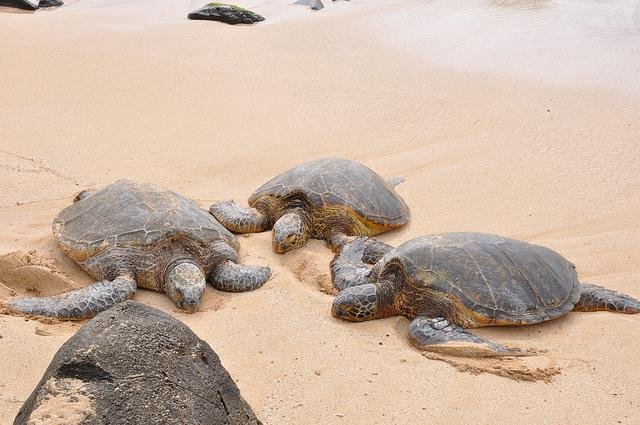
An important nesting area for several species of sea turtles.
Popular activities include:
- Turtle watching
- Birdwatching
- Coastal exploration
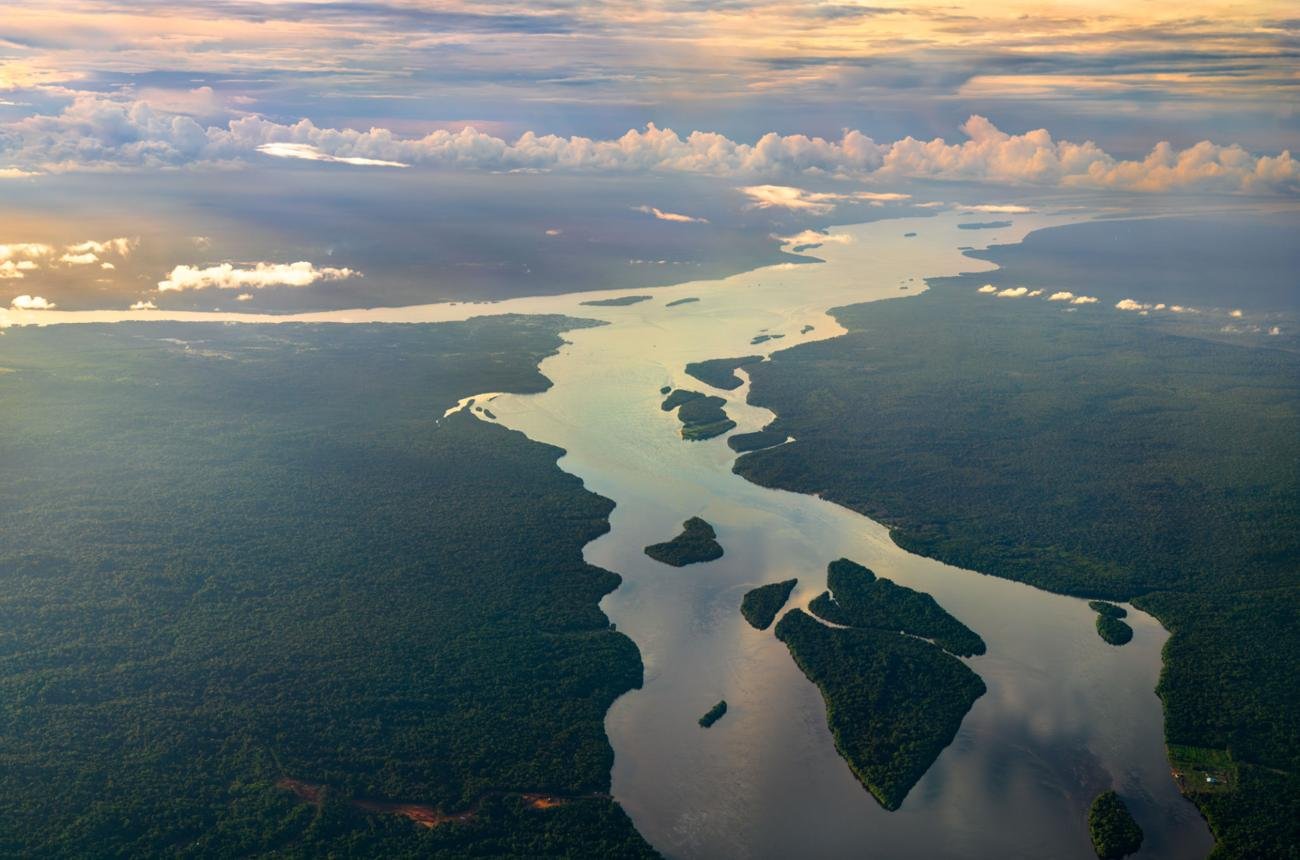
Essequibo River
Guyana’s largest river offers:
- Boat cruises
- Fishing
- River islands
- Wildlife
- Historic settlements
Orinduik Falls
A broad waterfall near the Brazilian border.
Visitors enjoy:
- Swimming
- Photography
- Scenic rock formations
Best Time to Visit
Guyana has a tropical climate with two main dry seasons.
| Season | Conditions |
|---|---|
| February – April | Excellent travel conditions |
| August – November | Second dry season |
| May – July | Rainier period |
| December – January | Short rainy season |
The dry seasons are generally best for wildlife viewing and road travel.
Regions of Guyana
Coastal Region
Home to:
- Georgetown
- Atlantic coast
- Historic settlements
Central Rainforest
Known for:
- Kaieteur Falls
- Iwokrama
- Dense jungle
- Rivers
Rupununi
Features:
- Savannahs
- Wildlife
- Ranches
- Indigenous villages
Southern Highlands
Offers:
- Mountains
- Rainforests
- Remote expeditions
Suggested Itineraries
5-Day Guyana Highlights
Day 1
- Georgetown
Day 2
- Kaieteur Falls
Day 3
- Iwokrama
Day 4
- Rainforest lodge
Day 5
- Return to Georgetown
Perfect for first-time visitors.
One-Week Wildlife Adventure
Explore:
- Georgetown
- Kaieteur Falls
- Rupununi
- Iwokrama
Ideal for nature enthusiasts.
Two-Week Guyana Expedition
Travel through:
- Georgetown
- Kaieteur
- Iwokrama
- Rupununi
- Kanuku Mountains
Perfect for adventurous travelers.
Overlanding in Guyana
7
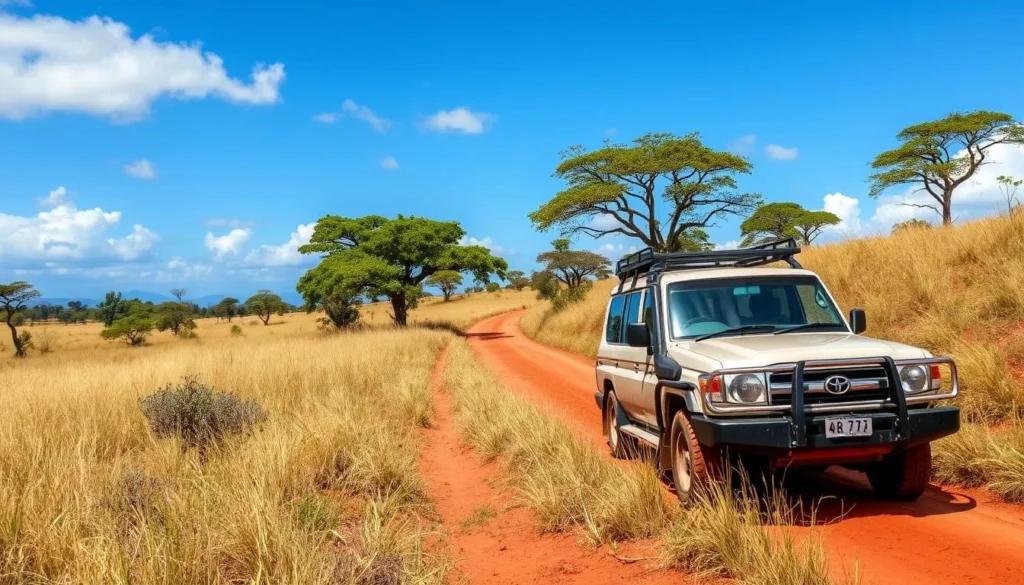
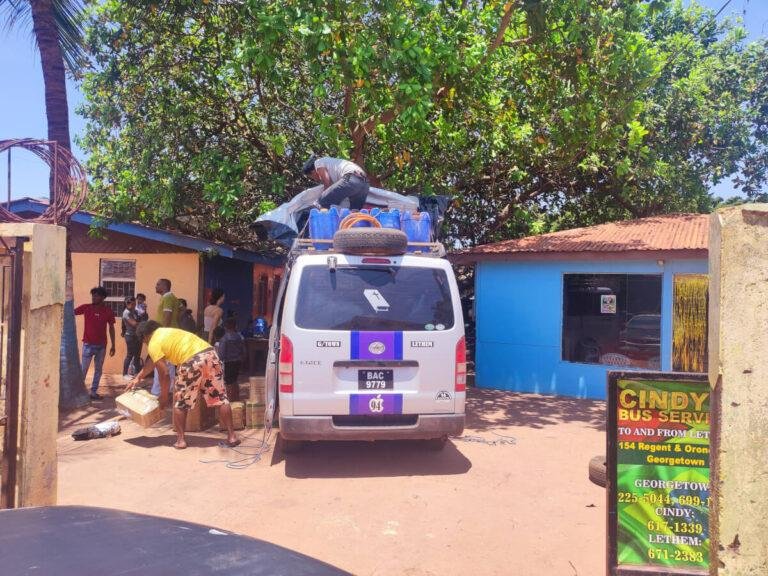
Guyana is one of South America’s most adventurous overlanding destinations.
Why Overlanders Love Guyana
- Untouched wilderness
- Remote roads
- Rainforests
- Savannahs
- Wildlife
- Indigenous culture
- Cross-border travel with Brazil
Expedition vehicles are particularly well suited to Guyana’s remote interior.
Popular Routes
Georgetown to Lethem
The country’s principal overland route connects the coast with the Brazilian border through the Rupununi Savannah.
Iwokrama Route
Linden → Iwokrama → Lethem
Perfect for rainforest exploration.
Rupununi Explorer
Lethem → Savannahs → Ranches
Ideal for wildlife and photography.
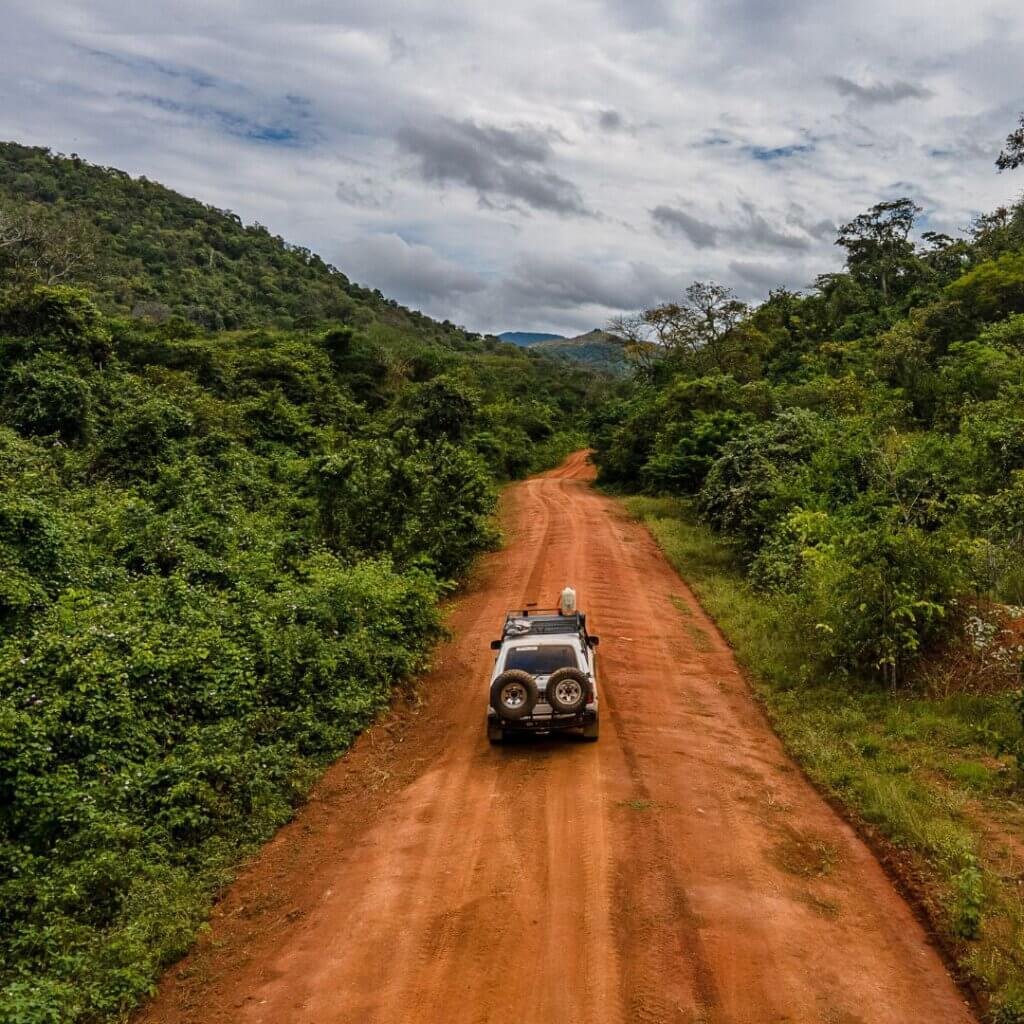
Road Conditions
Expect:
- Good paved roads near Georgetown
- Long gravel roads
- Seasonal mud during the rainy season
- River crossings in remote areas
Road conditions change considerably depending on rainfall.
Backpacking in Guyana
Guyana is best suited to adventurous backpackers.
Accommodation
Options include:
- Guesthouses
- Hotels
- Eco-lodges
- Jungle lodges
Accommodation is limited outside Georgetown and major tourism areas.
Transportation
Travel using:
- Domestic flights
- Minibuses
- River boats
- Shared taxis
Flights are commonly used to reach remote destinations such as Kaieteur Falls.
Backpacking Highlights
- Georgetown
- Kaieteur Falls
- Rainforest lodges
- Wildlife
- Indigenous villages
Camping
Camping is a major part of Guyana’s wilderness experience.
Campgrounds
Formal campgrounds are uncommon, but jungle lodges and organized expeditions often provide camping facilities.
Wild Camping
Wild camping is possible in remote regions with proper preparation and permission where required. Because of dense rainforest, wildlife, and limited infrastructure, camping is generally safest as part of organized expeditions or with experienced local guides.
RV & Motorhome Travel
Guyana is suitable mainly for expedition-style camper travel.
Popular RV Routes
Georgetown → Lethem
Iwokrama Forest
Rupununi Savannah
Practical Information
Motorhome travelers should prepare for:
- Remote roads
- Limited fuel stations outside major towns
- Few dedicated camper facilities
- Seasonal road conditions
Four-wheel drive is highly recommended for interior travel.
Driving in Guyana
Driving offers access to remote wilderness.
Main Roads
The principal highway connects:
- Georgetown
- Linden
- Lethem
Many interior roads remain unpaved.
Things to Know
- Drive on the left.
- Heavy rain can make roads difficult.
- Carry extra fuel and supplies.
- Bridges and ferries may affect travel times.
Border Crossings
Guyana shares land borders with:
- Brazil
- Suriname
- Venezuela
The most commonly used overland crossing is at Lethem, connecting Guyana with northern Brazil. River crossings connect parts of Guyana with Suriname, while travel near the disputed western border with Venezuela requires additional caution and up-to-date local information.
Visa & Entry Requirements
Many nationalities can enter Guyana visa-free for tourism, while others require a visa before arrival.
Before traveling, ensure you have:
- A valid passport
- Any required visa
- Proof of onward travel if requested
- Vehicle documentation for international overland travel
Always verify the latest entry requirements before departure.
Budget & Costs
Estimated daily travel expenses:
| Travel Style | Daily Budget |
|---|---|
| Budget traveler | US$40–70 |
| Mid-range | US$100–220 |
| Comfortable | US$350+ |
| Motorhome traveler | US$60–140 |
Remote lodges and domestic flights increase travel costs significantly.
Safety
Guyana is generally a rewarding destination for adventurous travelers who prepare carefully.
Travel tips include:
- Take normal precautions in Georgetown and other urban areas.
- Prepare thoroughly for remote rainforest travel.
- Use insect repellent and appropriate clothing.
- Travel with experienced guides in wilderness areas.
- Carry sufficient cash outside major towns.
The greatest challenges are usually related to remoteness and tropical conditions rather than the destinations themselves.
Food & Culture
Guyanese cuisine reflects Caribbean, Indigenous, Indian, African, Chinese, and European influences.
Popular dishes include:
- Pepperpot
- Cook-up Rice
- Curry dishes
- Roti
- Metemgee
- Fresh river fish
- Tropical fruits
- Cassava bread
Guyana’s multicultural society celebrates a remarkable blend of traditions through music, festivals, cuisine, and religion. English-speaking hospitality, Indigenous heritage, and Caribbean influences make the country culturally distinct from much of South America.
Frequently Asked Questions
Is Guyana expensive?
Guyana is moderately priced, although remote wildlife lodges, domestic flights, and guided expeditions can significantly increase travel costs.
Is Guyana safe?
Yes. Guyana is generally safe for travelers who take normal precautions and prepare carefully for remote wilderness travel.
Is Guyana good for road trips?
Yes. Guyana offers rewarding expedition-style road trips through rainforest and savannah, although many roads are unpaved and seasonal conditions can affect accessibility.
Can you travel Guyana by campervan?
Yes. Expedition vehicles are well suited to Guyana, particularly for journeys to the Rupununi and the Brazilian border, though camper facilities remain limited.
How many days do you need in Guyana?
A week is enough to visit Georgetown, Kaieteur Falls, and Iwokrama, while two weeks allows you to explore the Rupununi Savannah and more remote rainforest regions.
What is Guyana famous for?
Guyana is best known for:
- Kaieteur Falls
- Iwokrama Rainforest
- Rupununi Savannah
- Georgetown
- Giant river otters
- Exceptional birdwatching
- Amazon wilderness
- Adventure and ecotourism