Quick Facts
Best time to visit: May–October
Difficulty: 1.5/5
Road conditions: Excellent highways, scenic regional roads, extensive rural road network
Visa situation: Part of the Schengen Area; easy access for most European travelers
Why Overland Germany?
Germany is one of Europe’s most versatile overlanding destinations.
From the Bavarian Alps to the North Sea coast, Germany offers outstanding roads, medieval towns, mountain scenery, castles, forests, and one of the best campervan infrastructures in Europe.
Why it stands out:
- excellent road network
- world-famous scenic routes
- camper-friendly infrastructure
- beautiful castles
- Alpine scenery
- historic cities
- forests and river valleys
- central European location
Germany is ideal as both a standalone destination and as a hub connecting Scandinavia, Eastern Europe, the Alps, and Western Europe.
One day you can be driving through the Black Forest, the next exploring fairy-tale castles in Bavaria, and later camping beside a river in the Moselle Valley.
Main Overlanding Routes
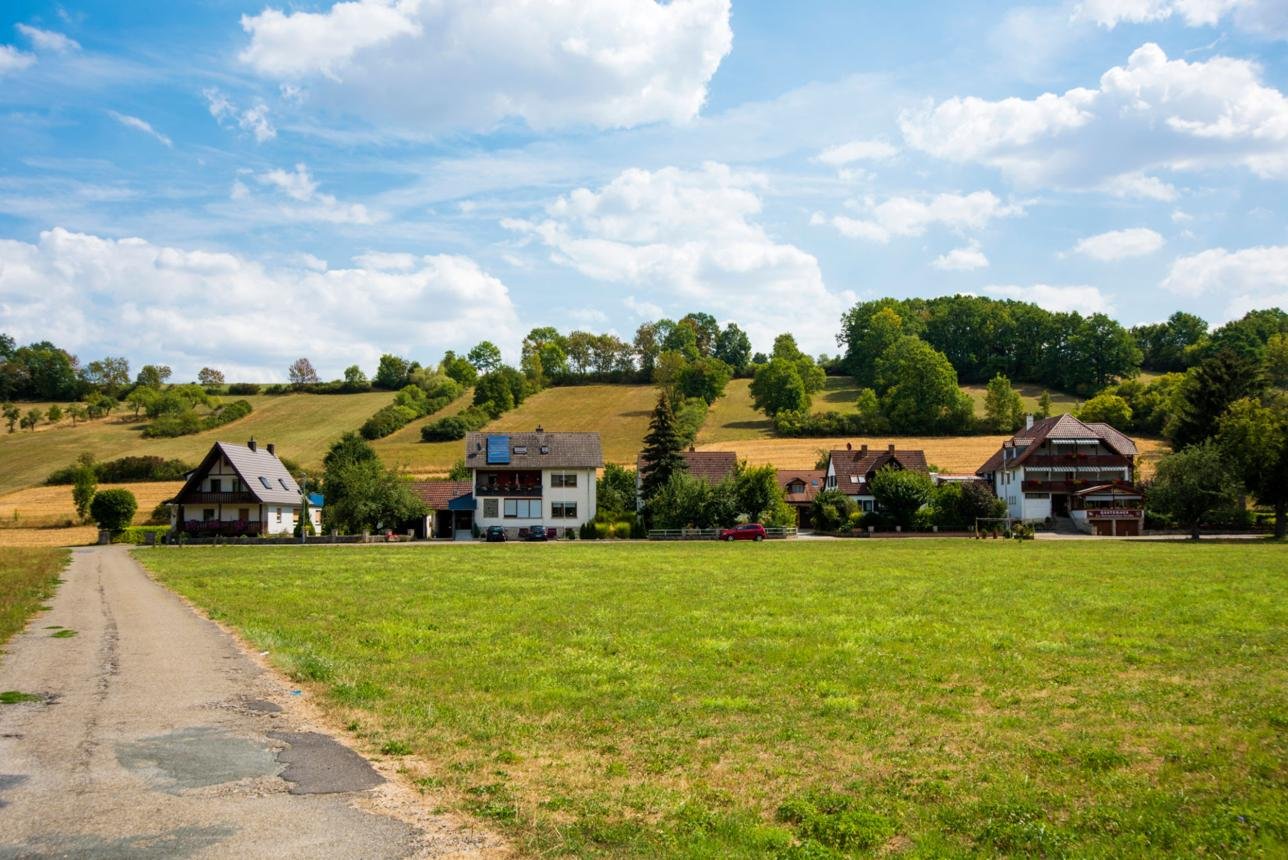
1. Romantic Road Route
6
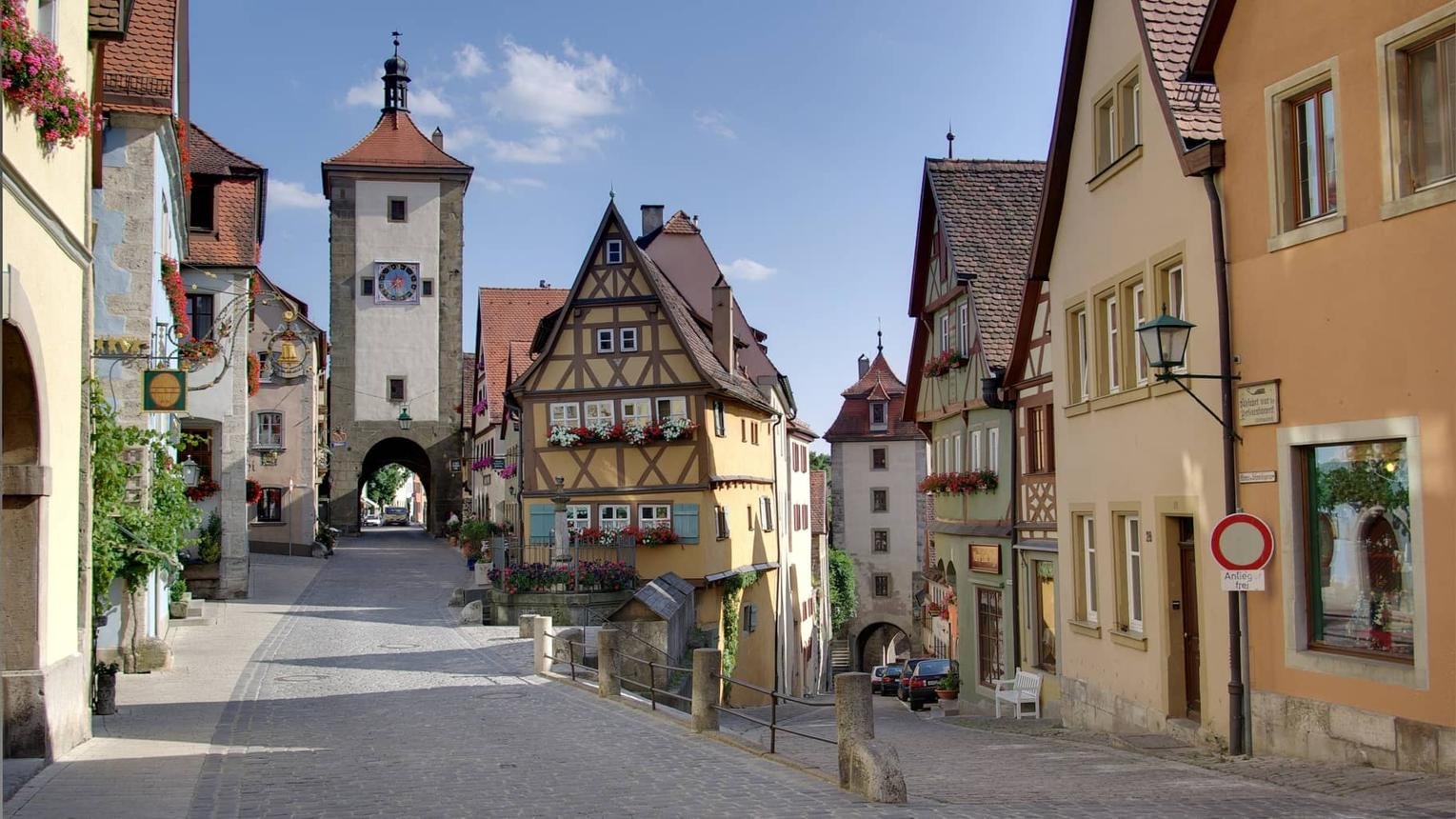
Route: Würzburg – Rothenburg ob der Tauber – Augsburg – Füssen
Distance: approx. 460 km
Road type: paved scenic roads
Fuel: excellent availability
Germany’s most famous road-trip route.
Highlights:
- medieval towns
- castles
- traditional villages
- Bavarian scenery
- historic architecture
Major attractions include:
- Rothenburg ob der Tauber
- Neuschwanstein Castle
Perfect for:
- campervans
- motorhomes
- first-time visitors
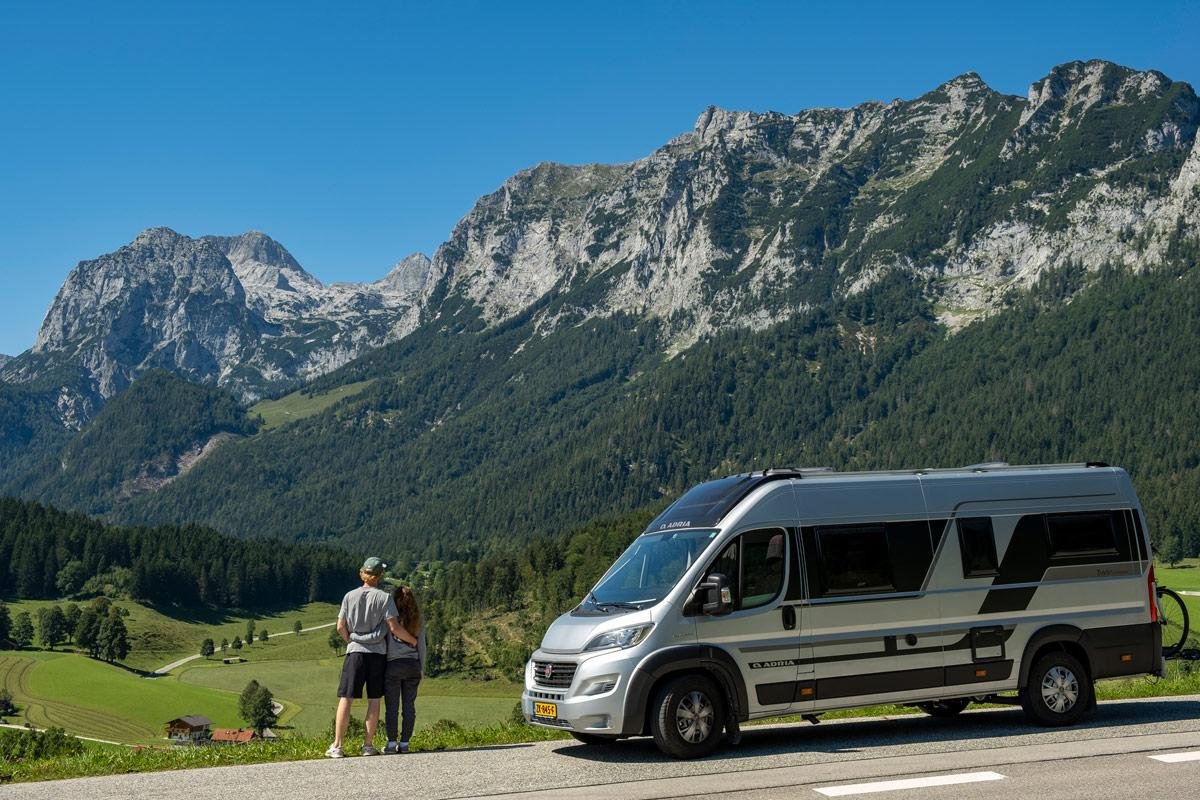
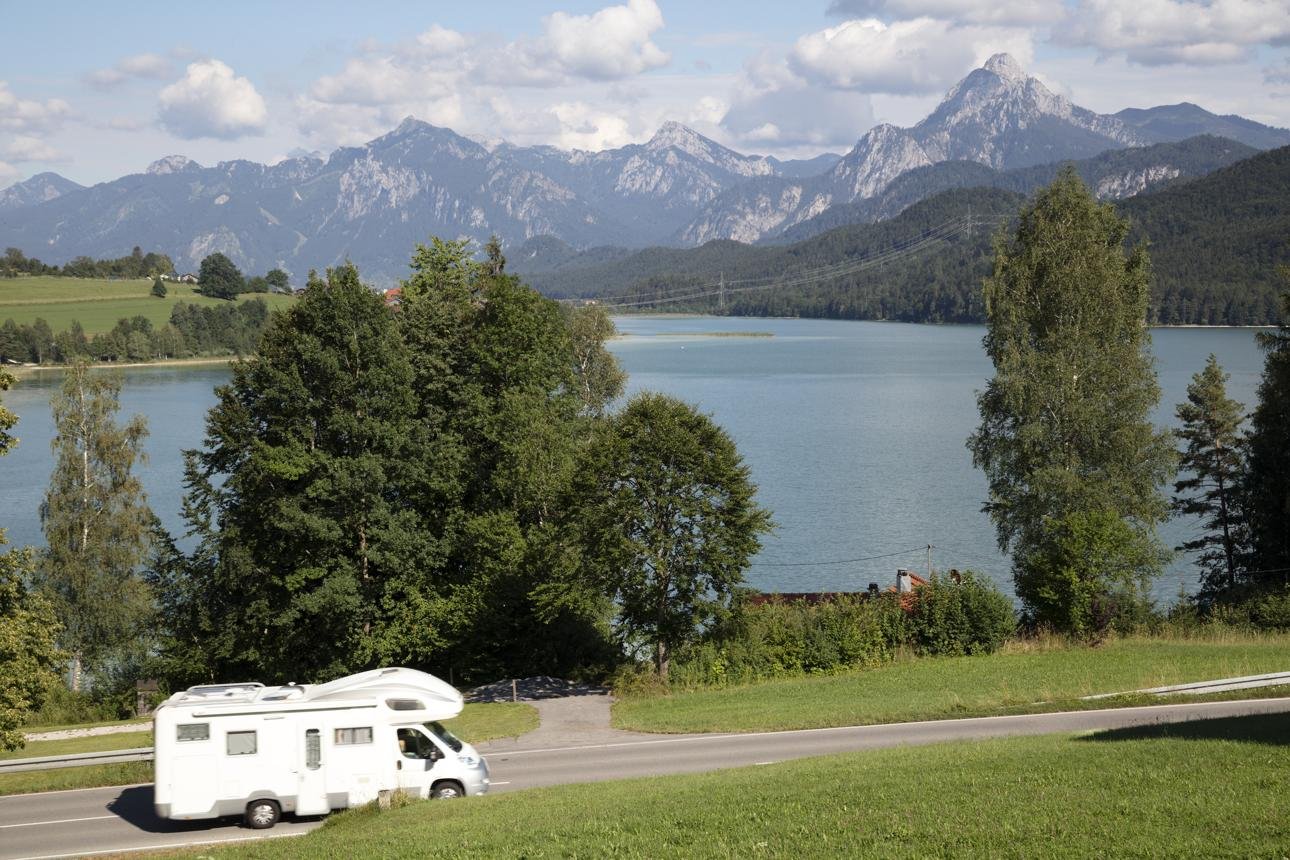
2. German Alpine Road
6
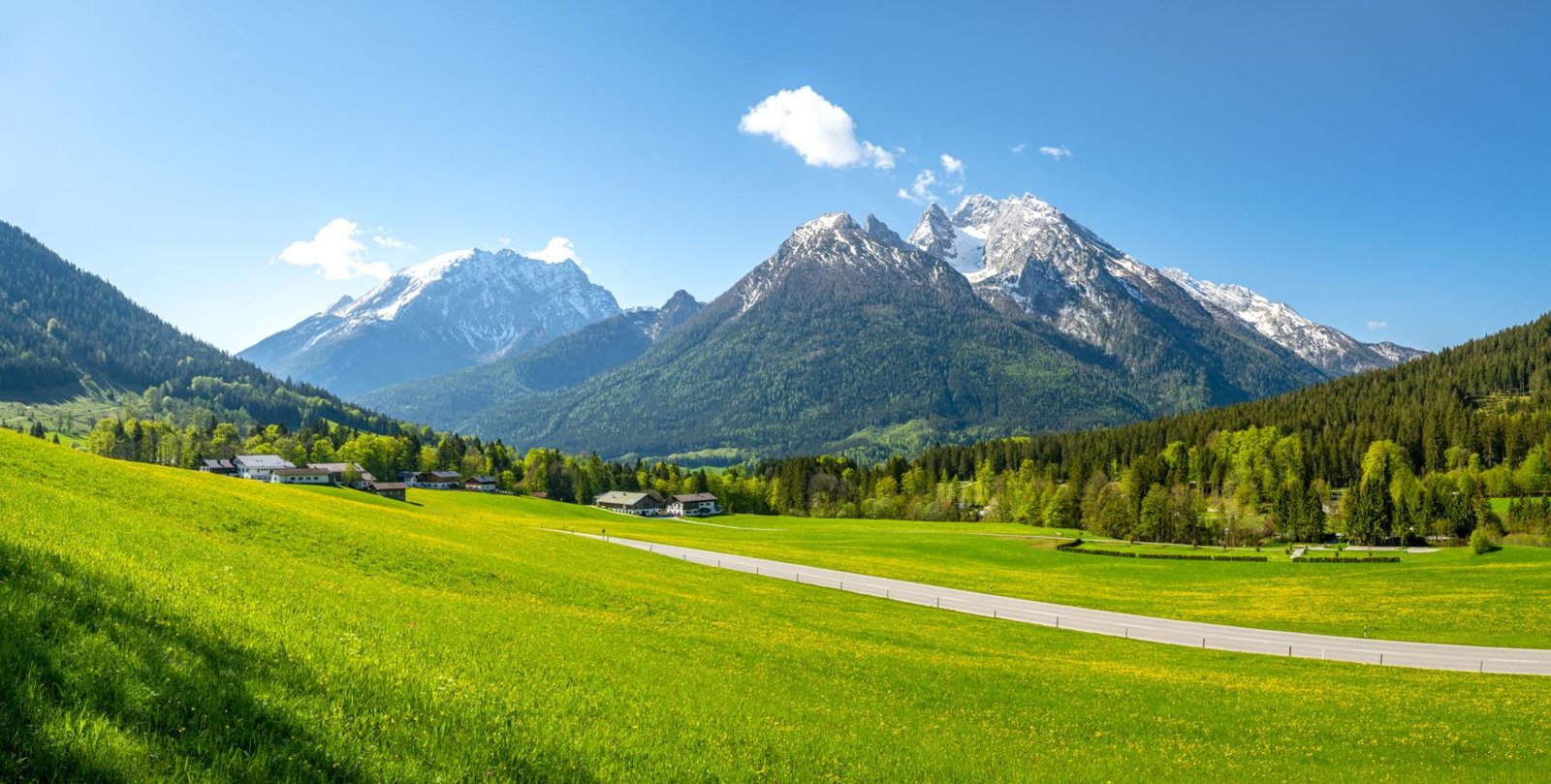
One of Europe’s most spectacular mountain drives.
Route: Lindau – Garmisch-Partenkirchen – Berchtesgaden
Highlights:
- Alpine scenery
- mountain lakes
- panoramic roads
- traditional Bavarian villages
Major attractions:
- Garmisch-Partenkirchen
- Berchtesgaden National Park
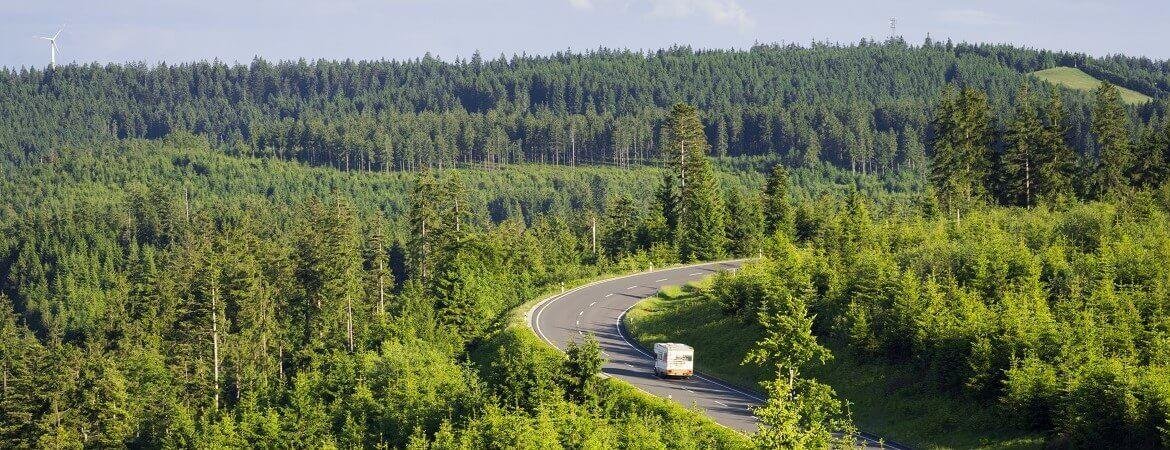
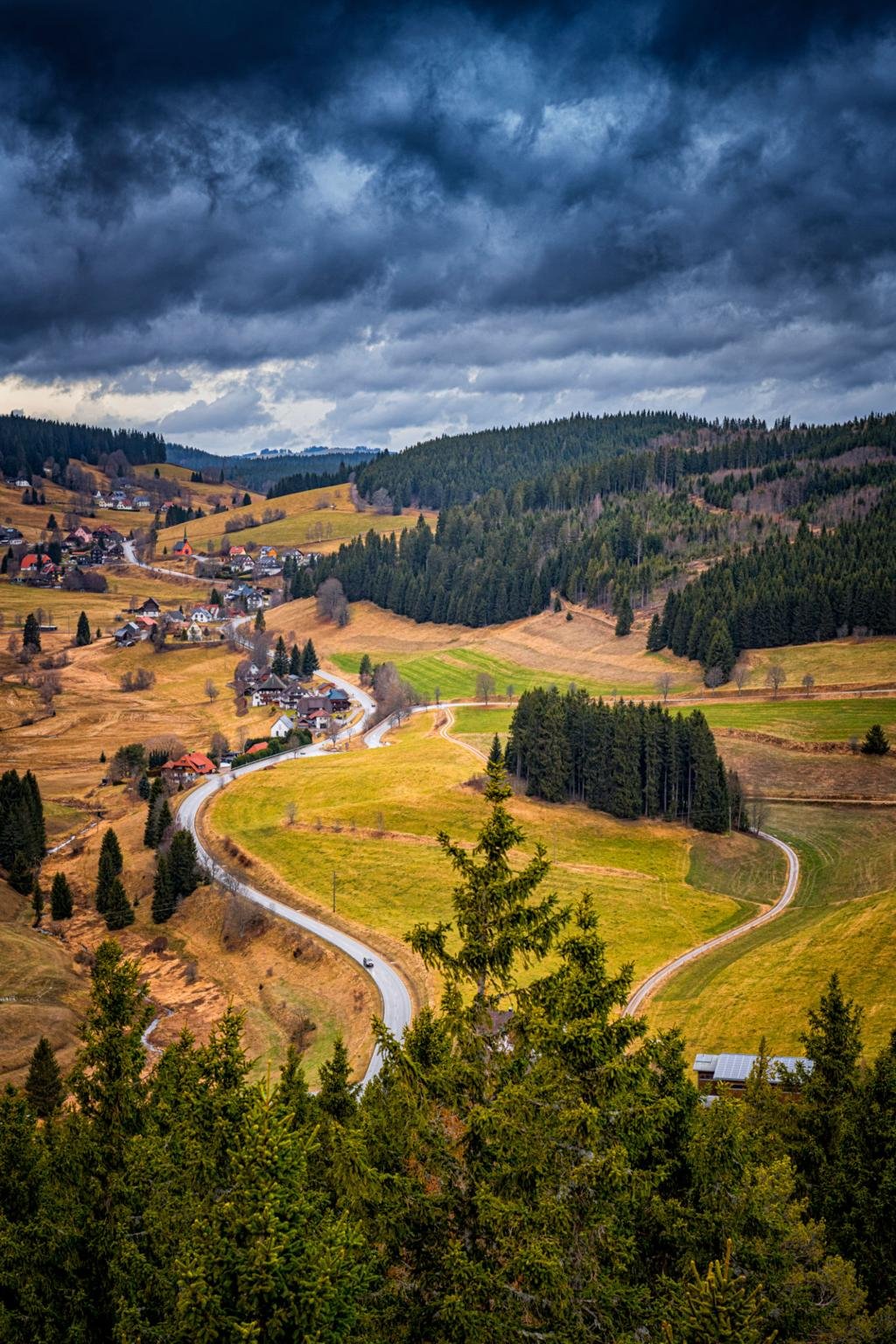
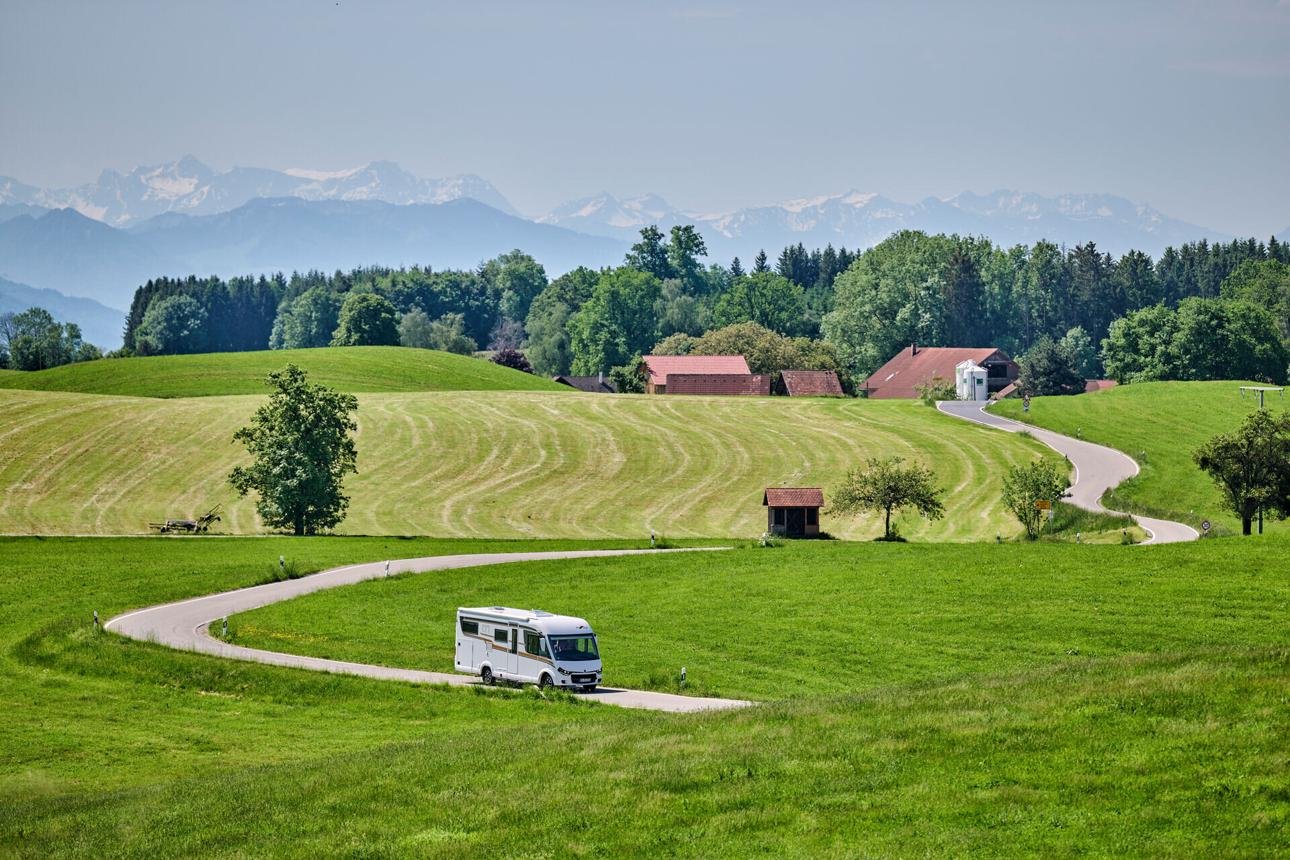
3. Black Forest Route
7
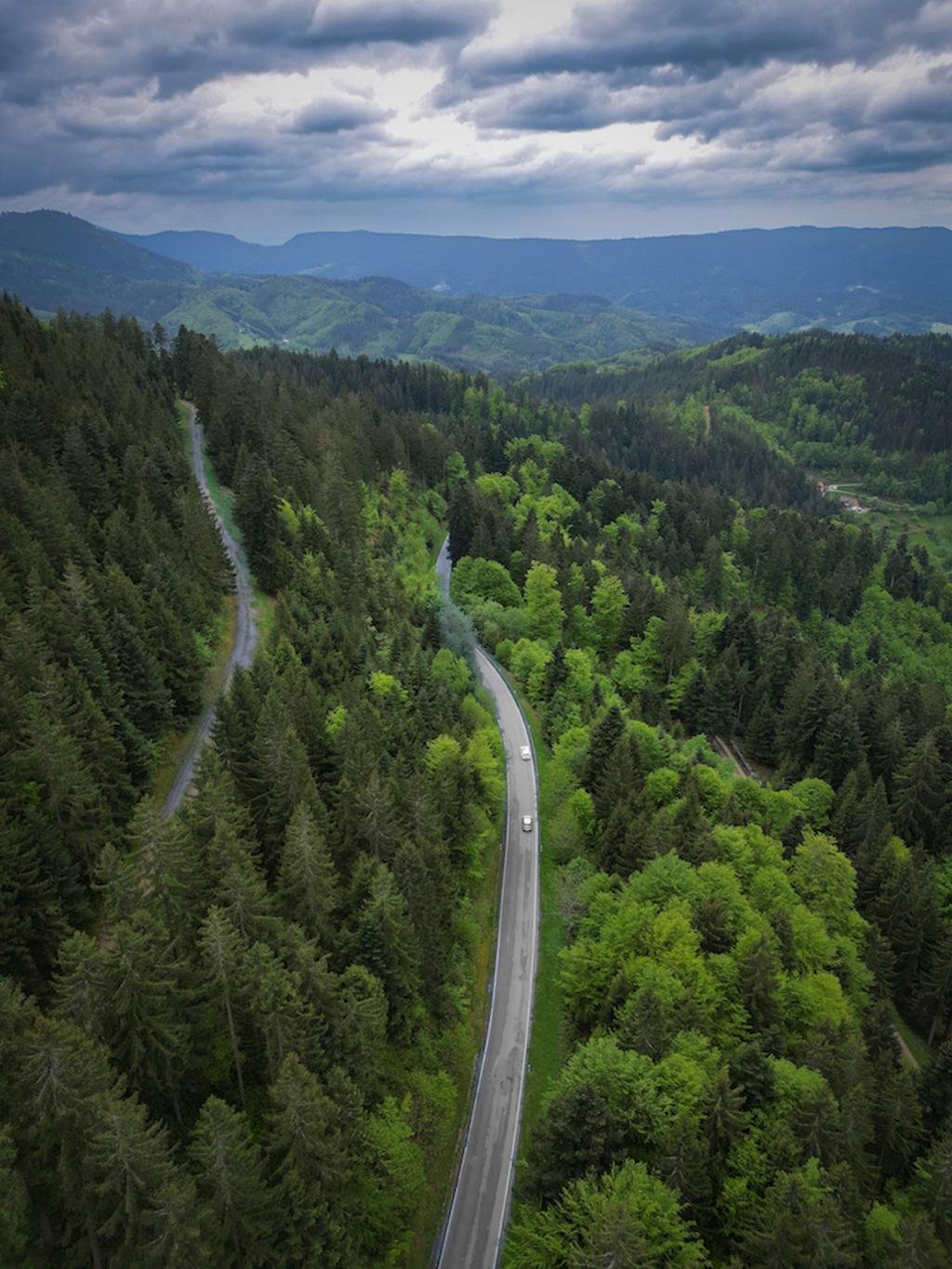
Route: Baden-Baden – Triberg – Titisee – Freiburg
Highlights:
- dense forests
- waterfalls
- scenic mountain roads
- traditional villages
- hiking opportunities
One of Germany’s classic overlanding regions.
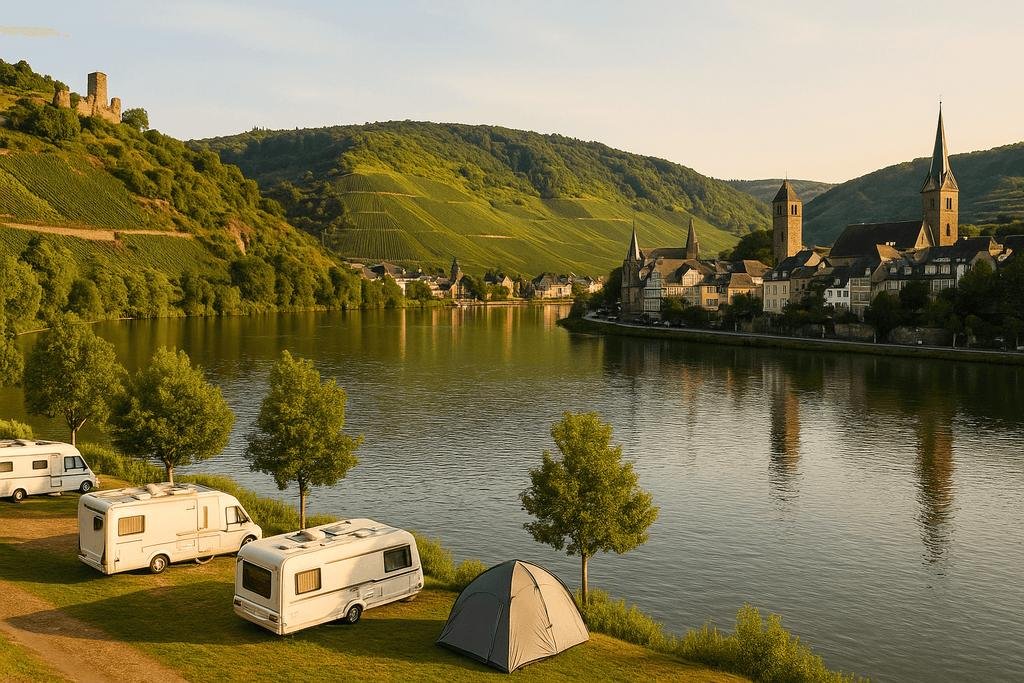
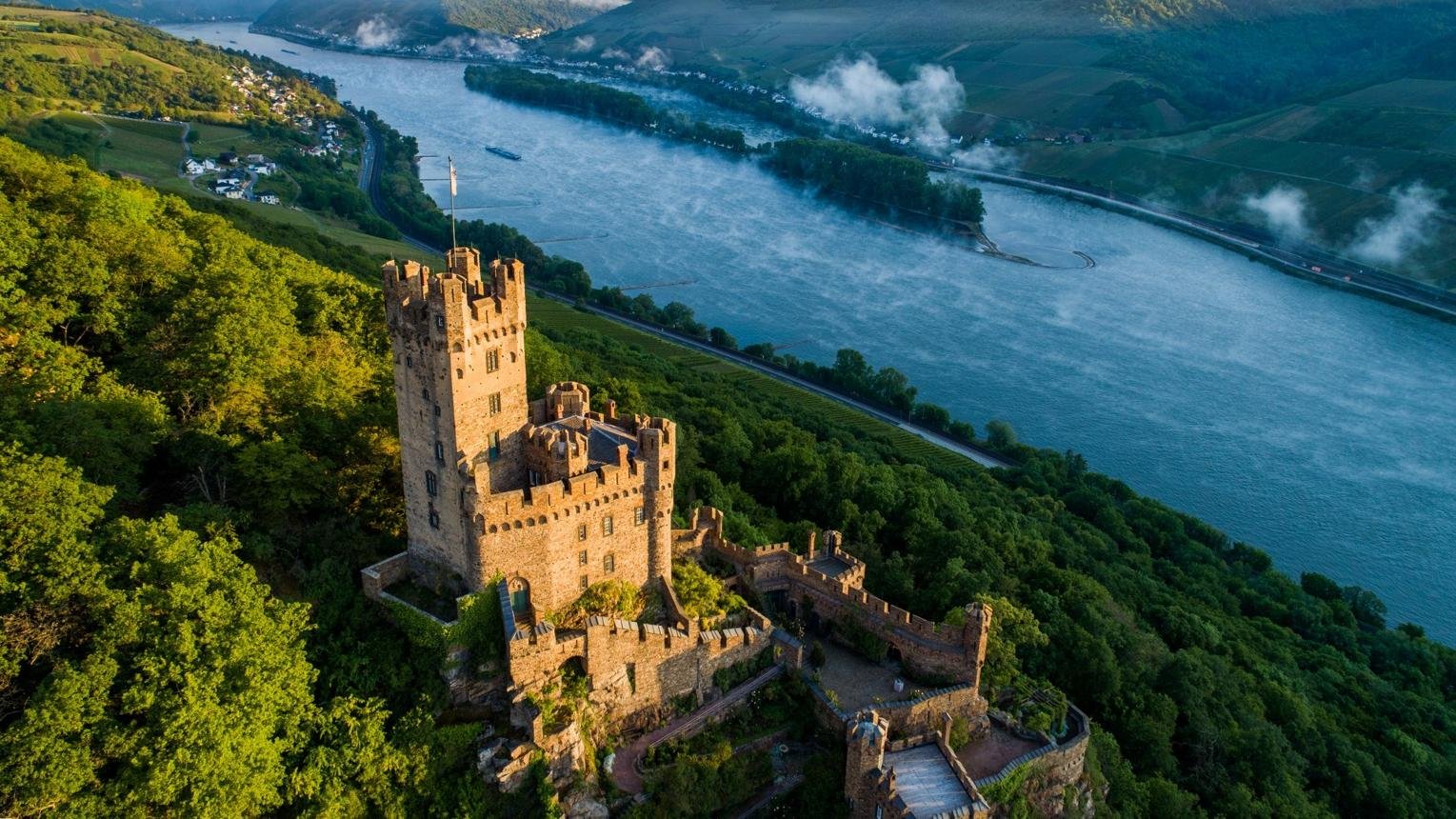
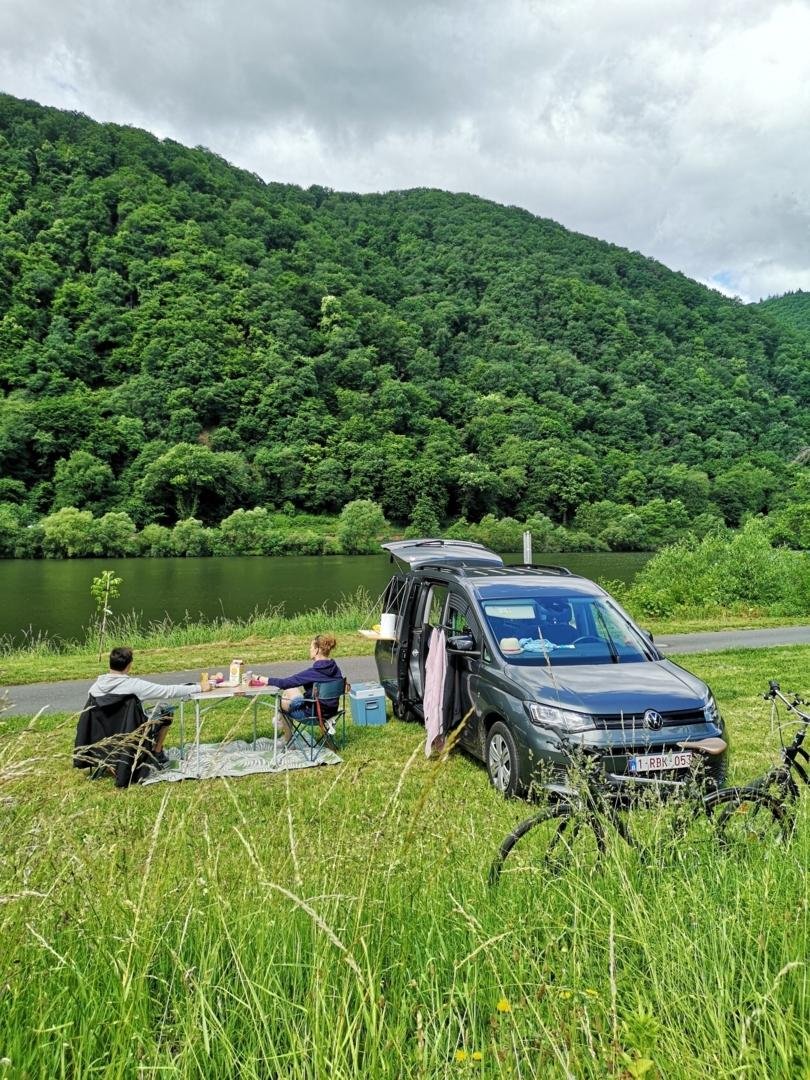
4. Moselle & Rhine Valley Route
8
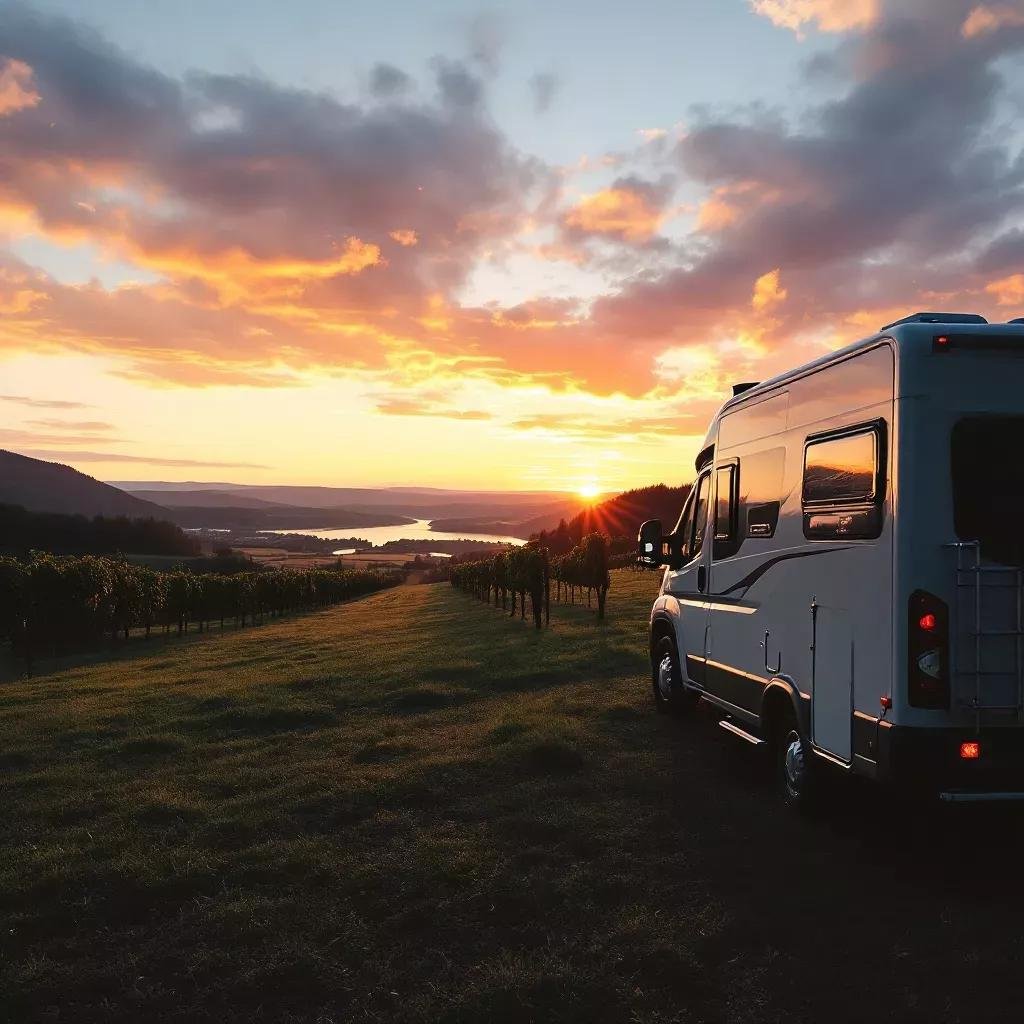
A favorite among motorhome travelers.
Highlights:
- vineyards
- riverside roads
- castles
- historic towns
- wine villages
Major attractions:
- Cochem
- Bacharach
Excellent for slow travel.
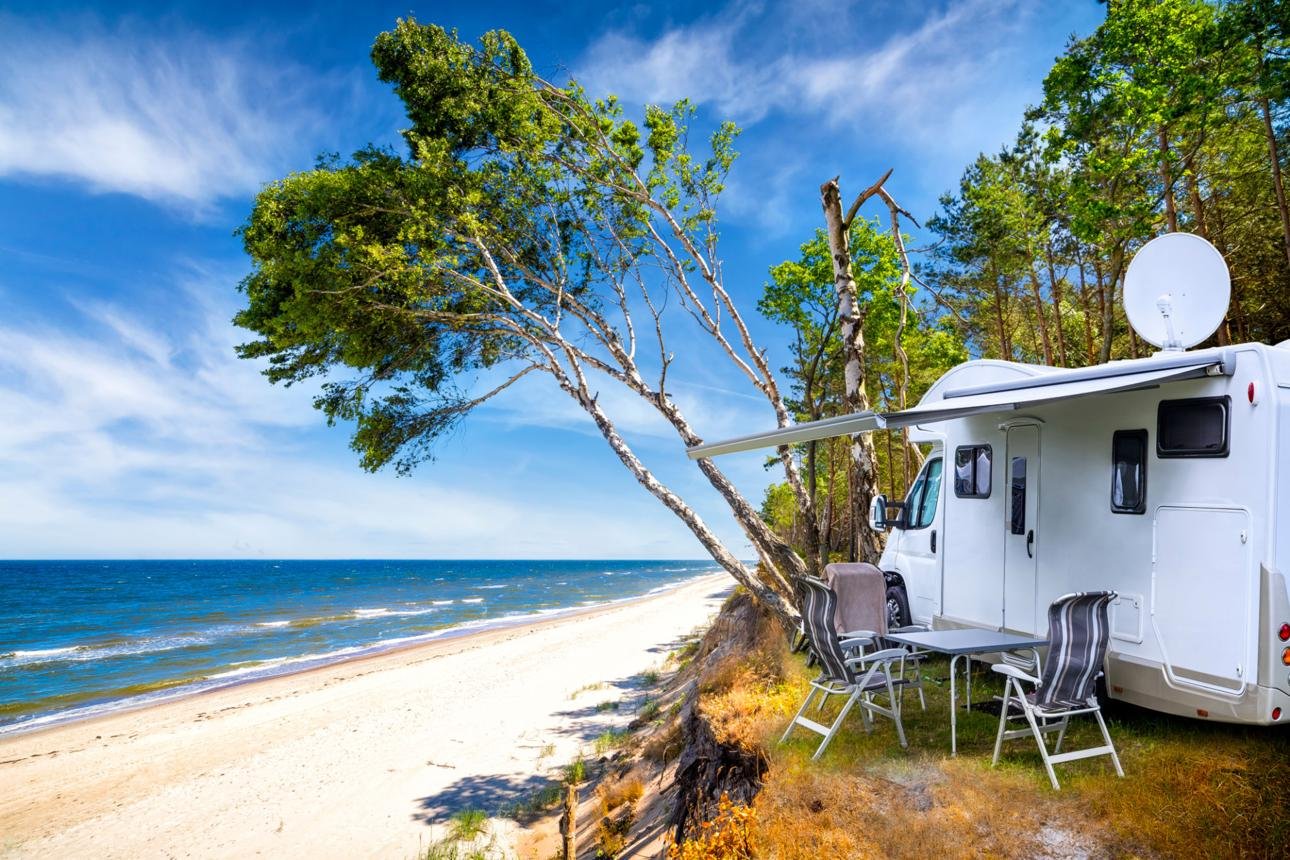
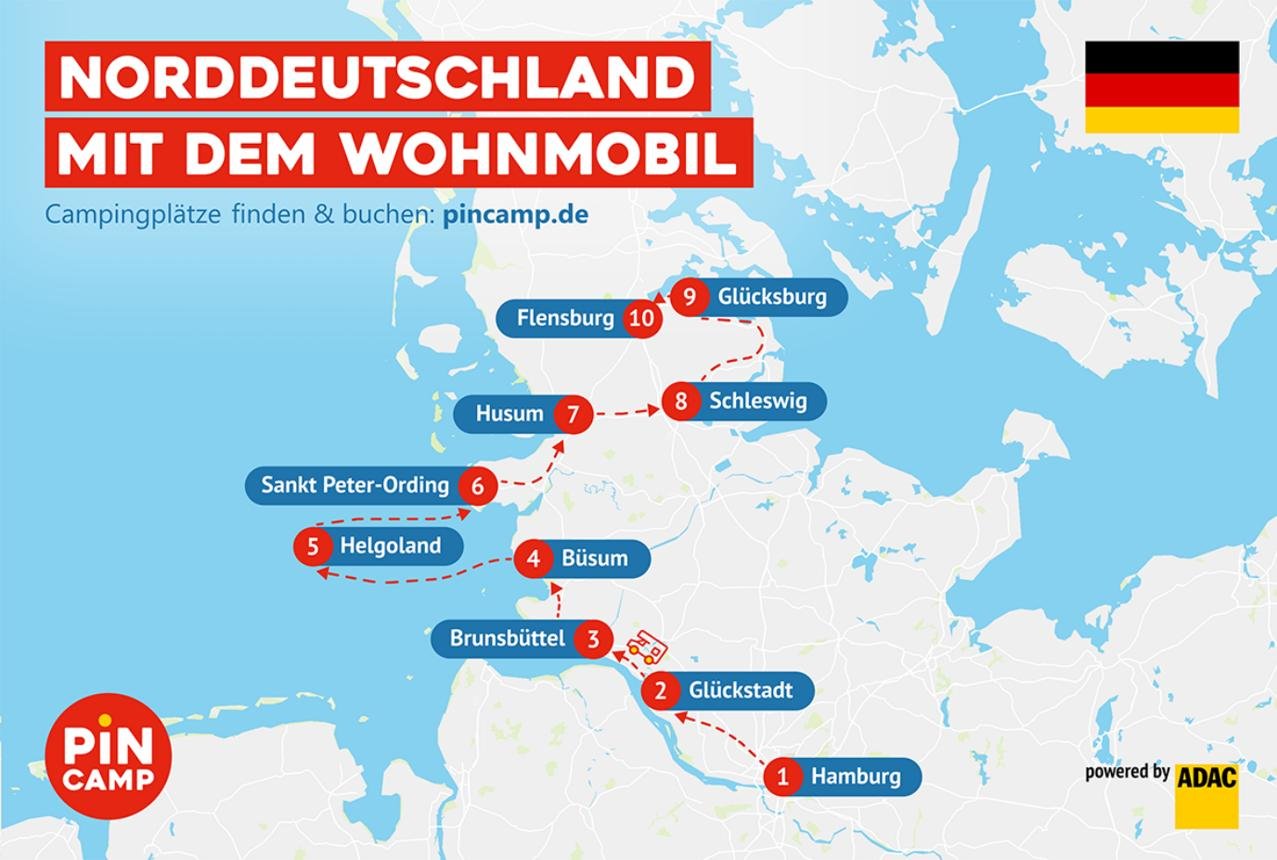
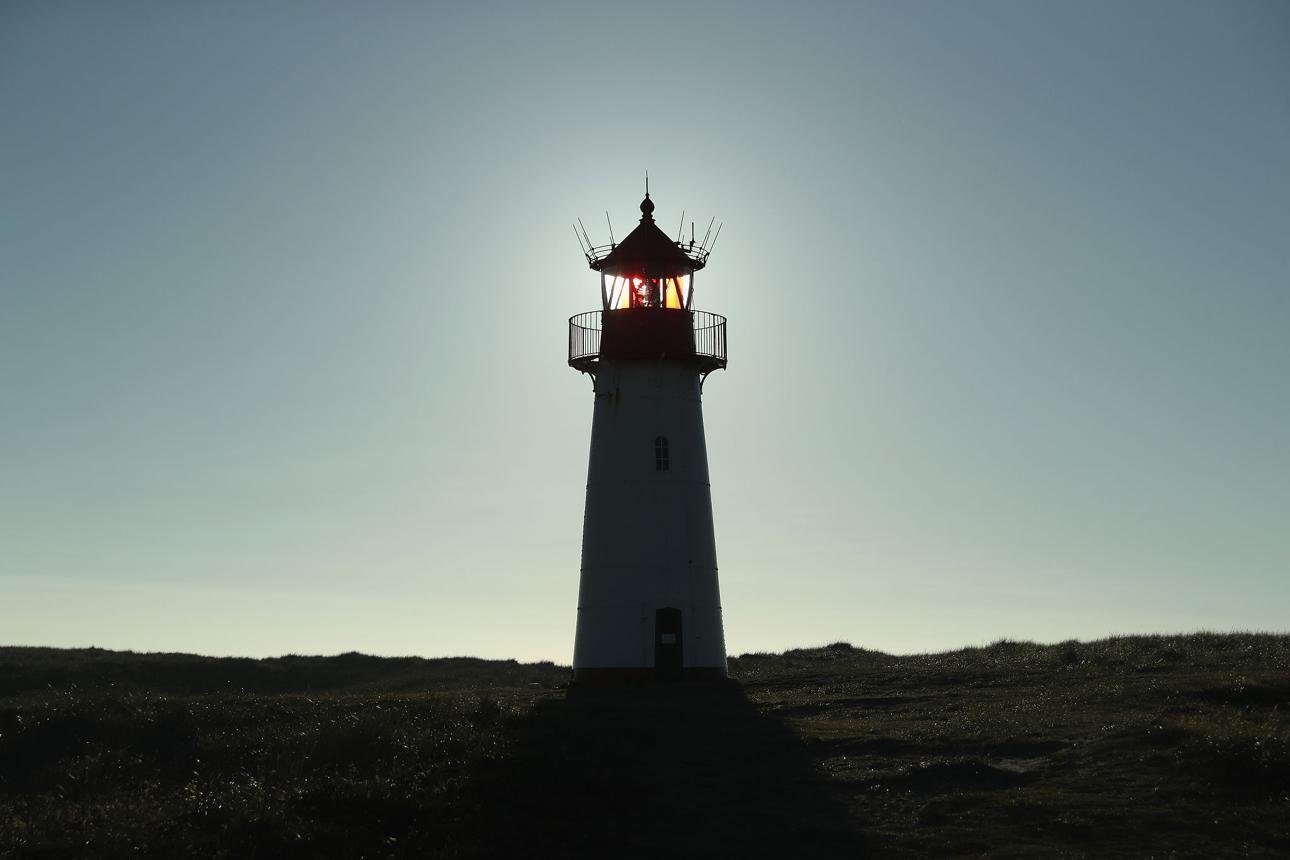
5. Northern Germany & Baltic Coast Route
7
Route: Hamburg – Lübeck – Rügen – Usedom
Highlights:
- beaches
- coastal scenery
- islands
- historic Hanseatic cities
Perfect during summer.
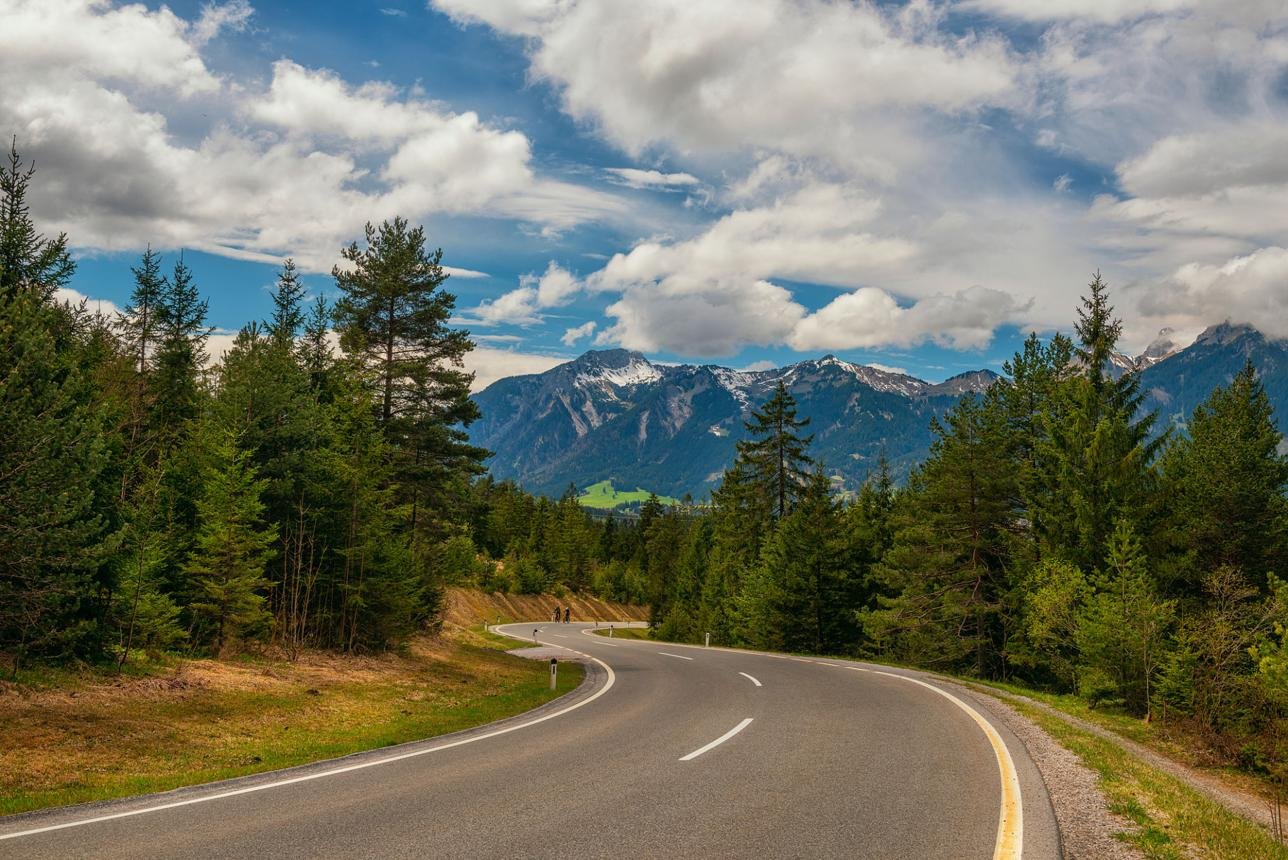
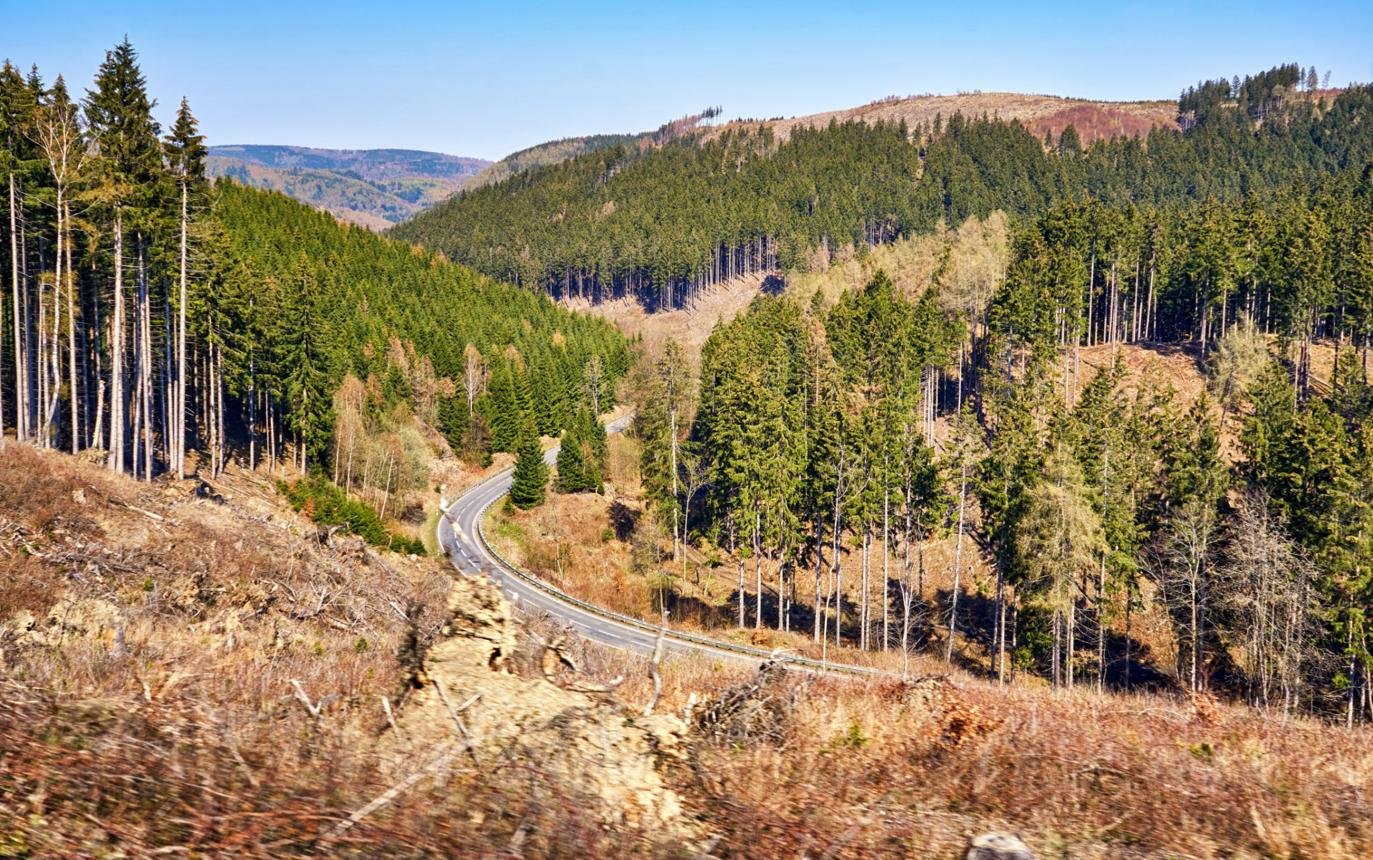
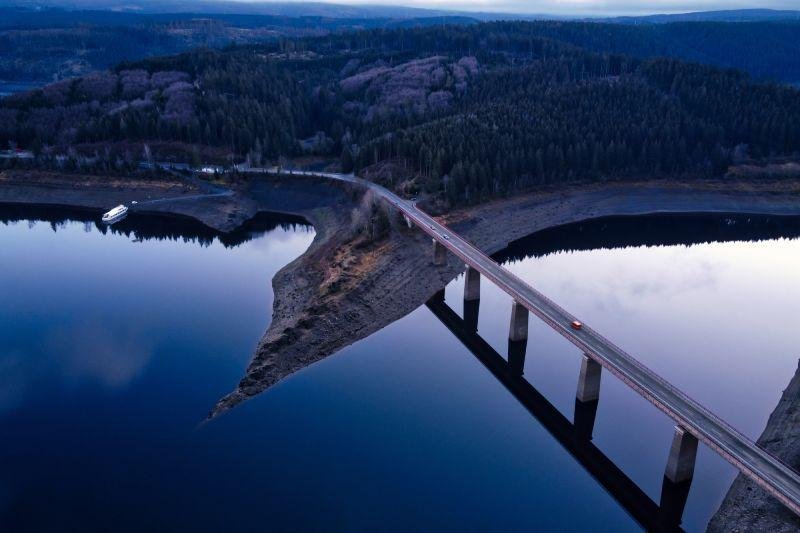
6. Harz Mountains Route
8
A lesser-known gem in central Germany.
Highlights:
- forests
- mountain roads
- medieval towns
- hiking trails
Excellent for travelers seeking fewer crowds.
Borders & Entry Points
Germany borders:
- Denmark
- Netherlands
- Belgium
- Luxembourg
- France
- Switzerland
- Austria
- Czech Republic
- Poland
Germany’s central location makes it one of Europe’s easiest countries for overland travel.
Popular combinations include:
- Germany & Austria
- Germany & France
- Germany & Scandinavia
- Germany & Eastern Europe
Vehicle Entry Requirements
Usually required:
- passport or ID card
- vehicle registration
- insurance
- driver’s license
Environmental zones (Umweltzonen) apply in some cities and may require a sticker.
Driving Conditions
Driving in Germany is straightforward.
Easy:
- highways
- regional roads
- tourism routes
Moderate:
- Alpine roads
- city centers
Road quality is among the best in Europe.
The famous Autobahn network includes sections without speed limits, although many sections are regulated.
Fuel & Logistics
Outstanding infrastructure.
Advantages:
- fuel stations everywhere
- supermarkets nationwide
- mechanics widely available
- excellent mobile coverage
- extensive service areas
One of Europe’s easiest countries for vehicle travel.
Camping & Accommodation
Wild Camping
Wild camping is generally restricted.
Overnight parking rules vary by region.
Always check local regulations.
Campsites
Germany has an extensive camping network.
Options include:
- lakeside campsites
- forest camps
- RV parks
- farm camps
- mountain campgrounds
Excellent for:
- campervans
- motorhomes
- caravans
Stellplätze
Germany has thousands of dedicated motorhome parking areas.
One of the best motorhome systems in Europe.
Budget Accommodation
Widely available:
- guesthouses
- hostels
- hotels
- farm stays
Safety & Risks
Germany is very safe.
Main concerns:
- busy Autobahns
- vehicle break-ins in major cities
- winter mountain driving
- environmental zone regulations
Most overlanders encounter very few problems.
Best Time to Visit
Ideal
May–October
Best weather and camping conditions.
Summer
Excellent for mountain and coastal routes.
Autumn
Perfect for the Moselle, Rhine, and wine regions.
Winter
Excellent for Alpine travel and Christmas markets.
Sample 3-Week Itinerary
Days 1–3: Munich
Days 4–6: Neuschwanstein Castle and Bavarian Alps
Days 7–9: Black Forest
Days 10–12: Rhine and Moselle Valleys
Days 13–15: Hamburg and North Sea Coast
Days 16–18: Lübeck and Baltic Coast
Days 19–21: Harz Mountains and return
FAQ
Is Germany good for overlanding?
Excellent. It is one of Europe’s premier campervan and motorhome destinations.
Need a 4×4?
No.
Can you wild camp?
Generally not, except under limited circumstances and local regulations.
Good for campervans?
Outstanding.
Best route?
The German Alpine Road combined with the Romantic Road.
Related Pages
- Backpacking Germany
- RV Travel Germany
- Munich
- Hamburg
- Rothenburg ob der Tauber
- Neuschwanstein Castle
- Black Forest
- Berchtesgaden National Park
- Bavaria Travel Guide
- Germany Campsites Guide
- Europe Overlanding Guide
- Getting around
- Further Reading