Quick Facts
Best time to visit: October–November and March–April
Difficulty: 4/5
Road conditions: Good highways in the lowlands, rough mountain roads and tracks in remote regions
Visa situation: Visa on arrival available for many nationalities
Why Overland Nepal?
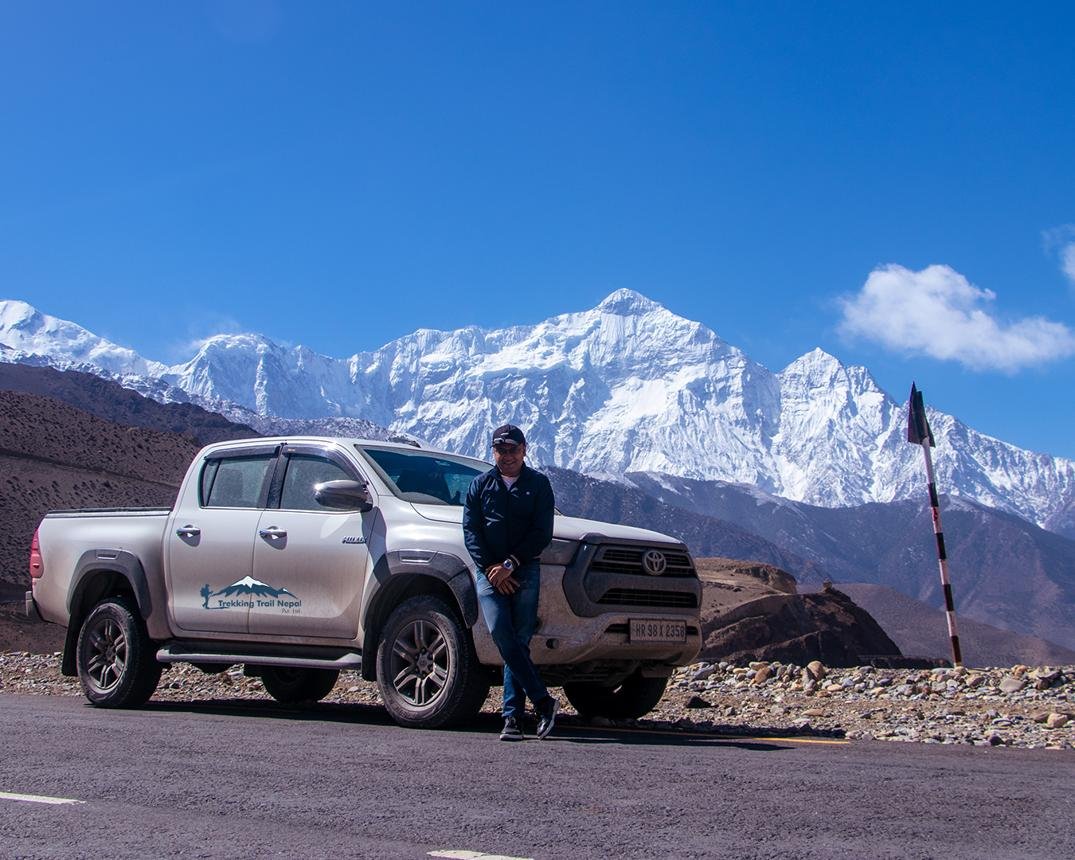
Nepal is one of Asia’s most spectacular overlanding destinations.
Home to eight of the world’s fourteen highest mountains, Nepal offers dramatic Himalayan scenery, ancient temples, remote valleys, vibrant cultures, and some of the most breathtaking mountain roads on Earth.
Why it stands out:
- Himalayan mountain scenery
- epic mountain roads
- rich cultural heritage
- affordable travel
- remote valleys
- adventure tourism
- incredible trekking opportunities
- friendly local communities
For overlanders exploring South Asia, Nepal is often one of the highlights of the journey.
Main Overlanding Routes
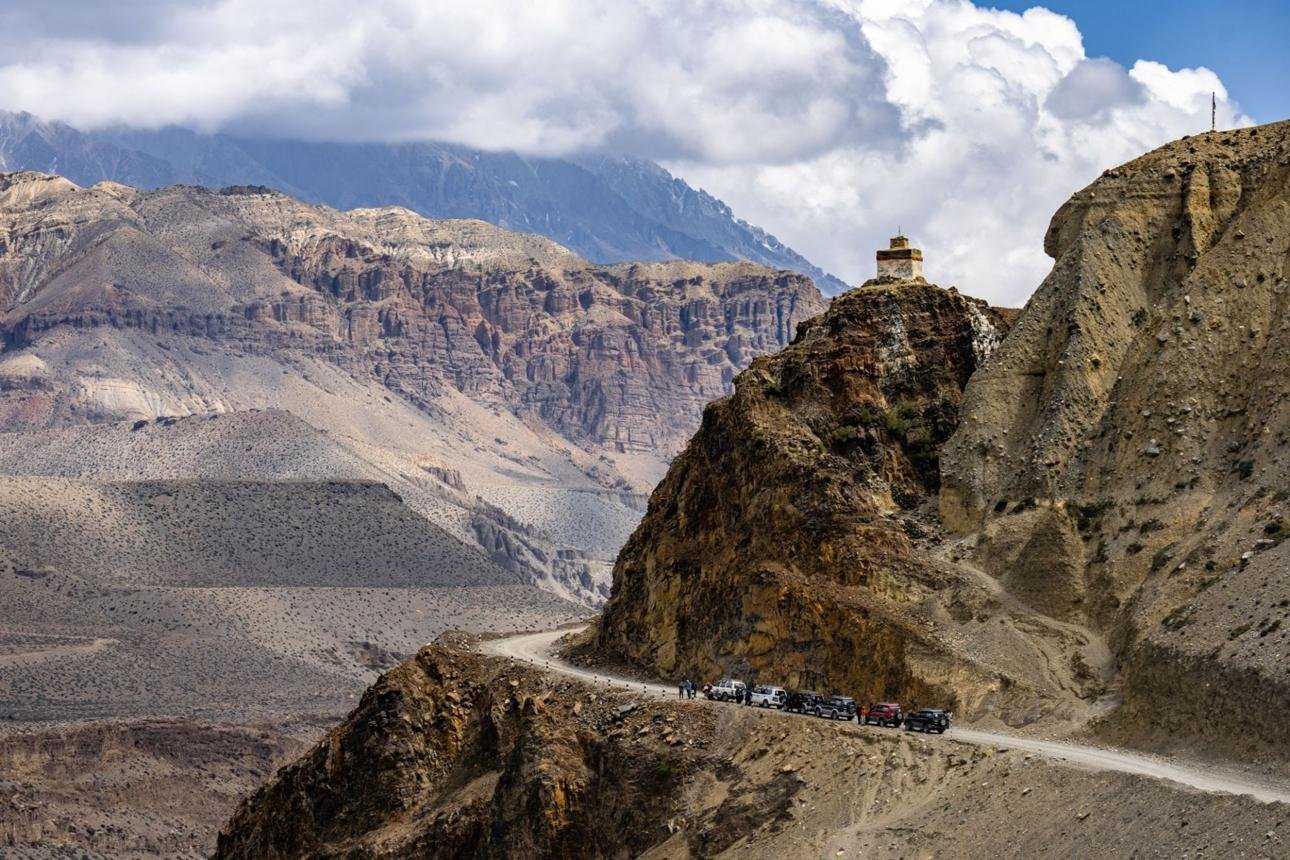
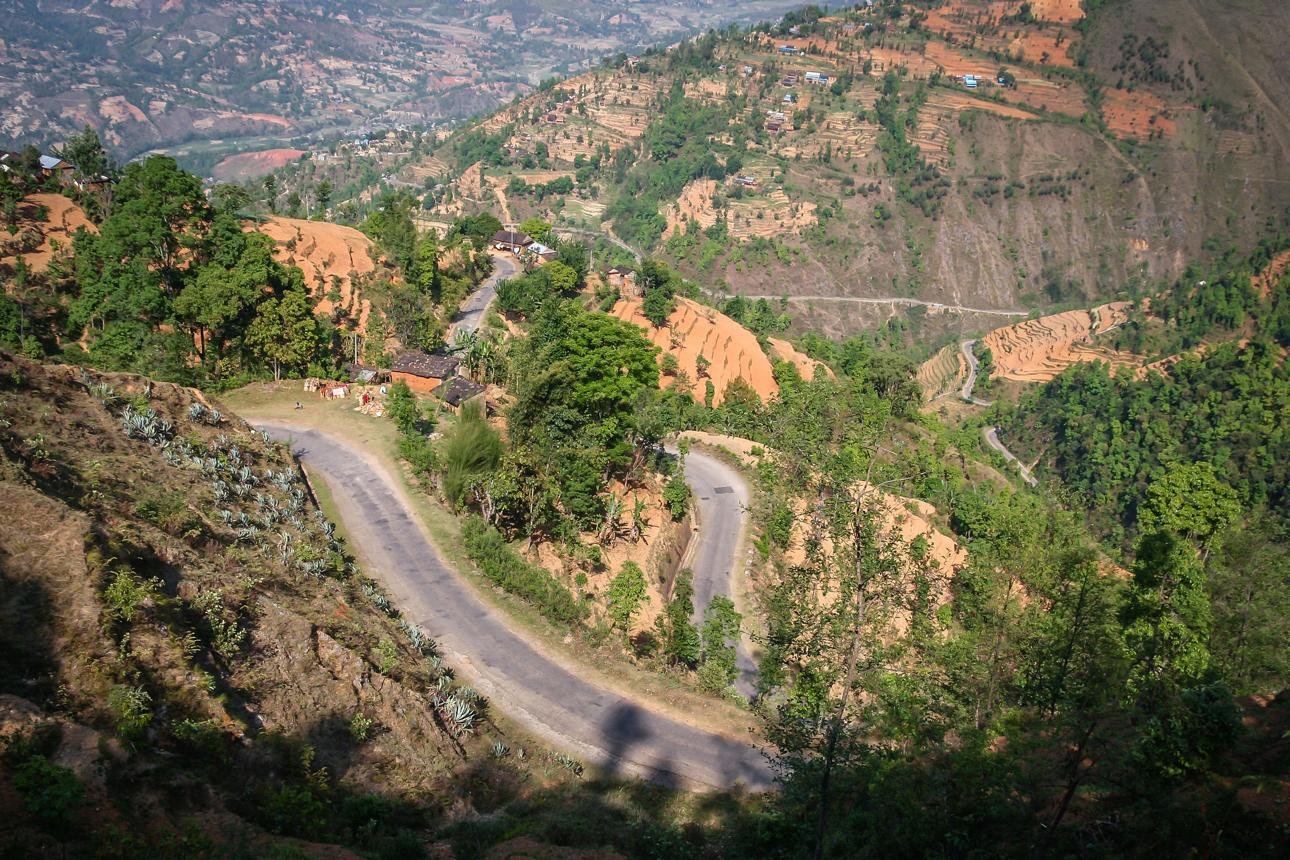
1. Nepal Grand Tour
8
Route: Kathmandu – Pokhara – Jomsom – Chitwan – Lumbini – Kathmandu
Distance: approx. 1,200 km
Road type: highways, mountain roads, and gravel sections
Fuel: available in most towns
The ultimate Nepal road trip.
Highlights:
- Himalayan views
- wildlife
- temples
- mountain villages
Perfect for a 2–4 week journey.
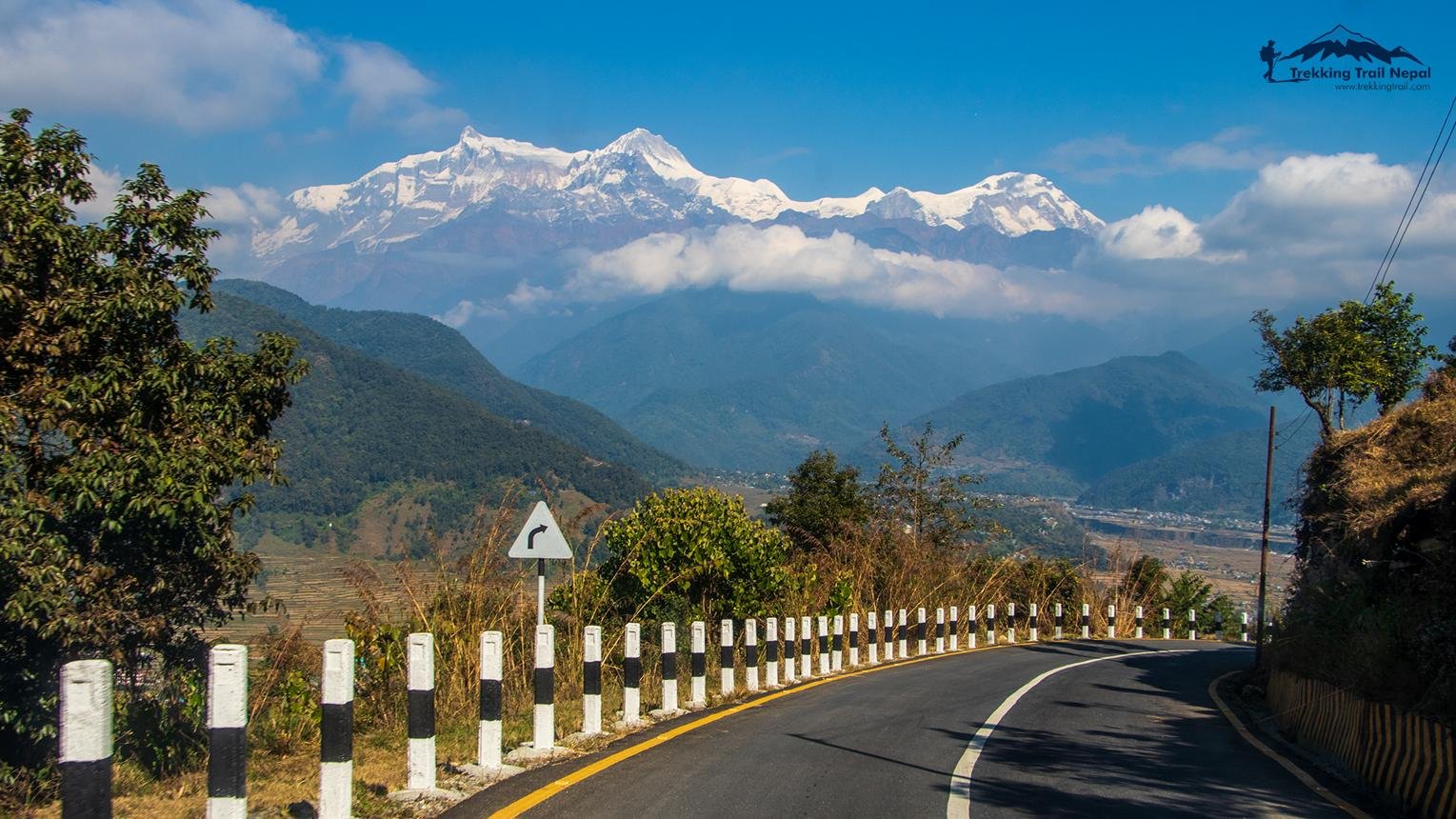
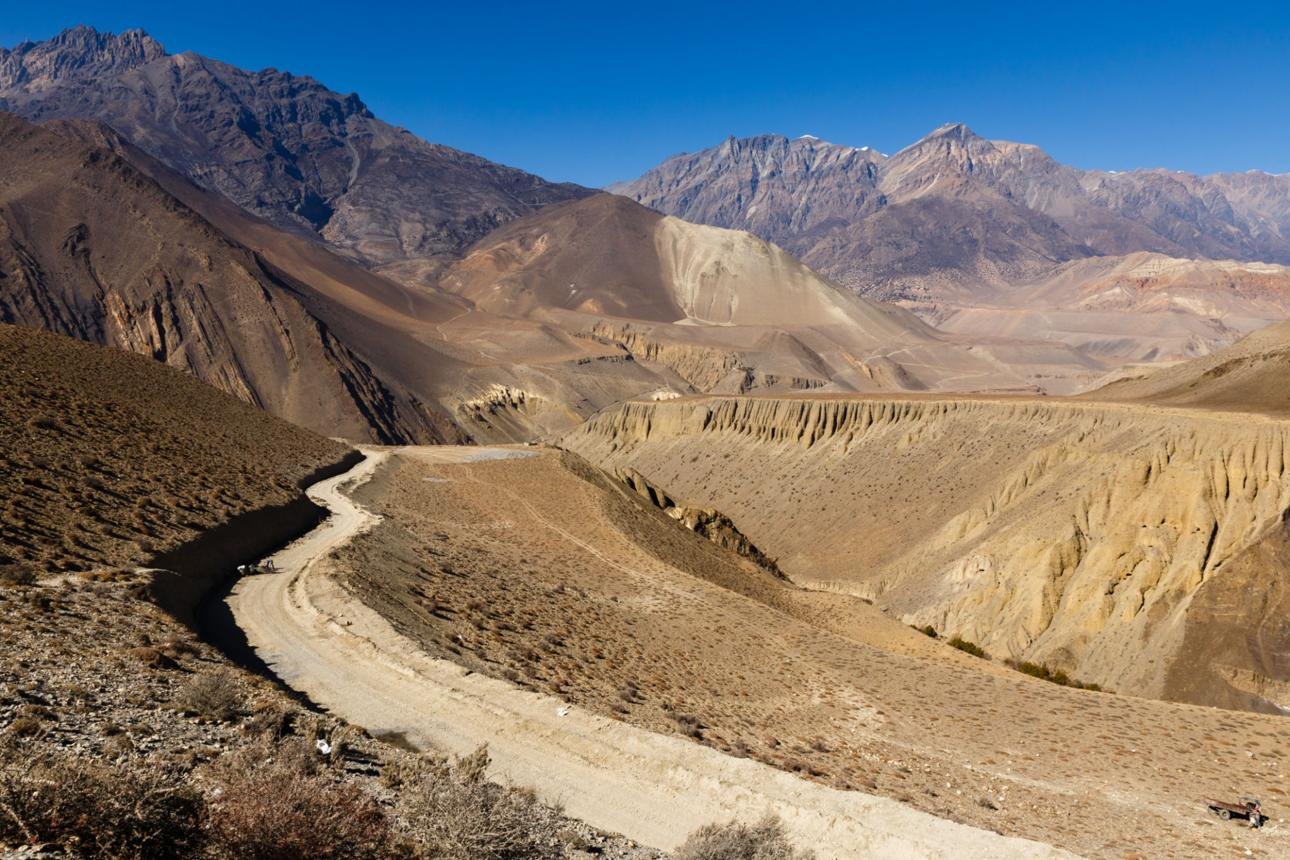
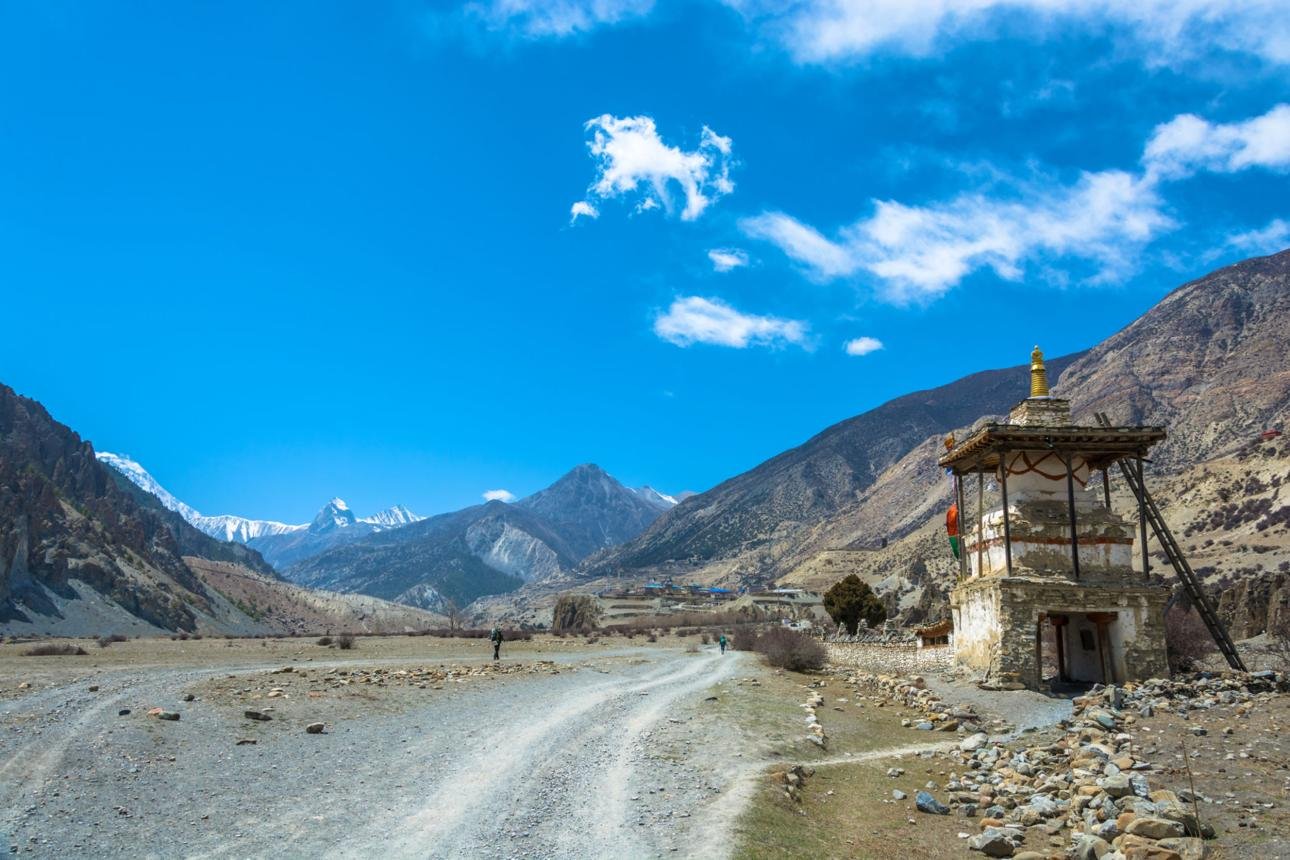
2. Annapurna Circuit Road Route
5
One of Nepal’s most famous mountain journeys.
Highlights:
- mountain scenery
- deep valleys
- suspension bridges
- traditional villages
Major destinations:
- Pokhara
- Jomsom
Among the most spectacular roads in the Himalayas.
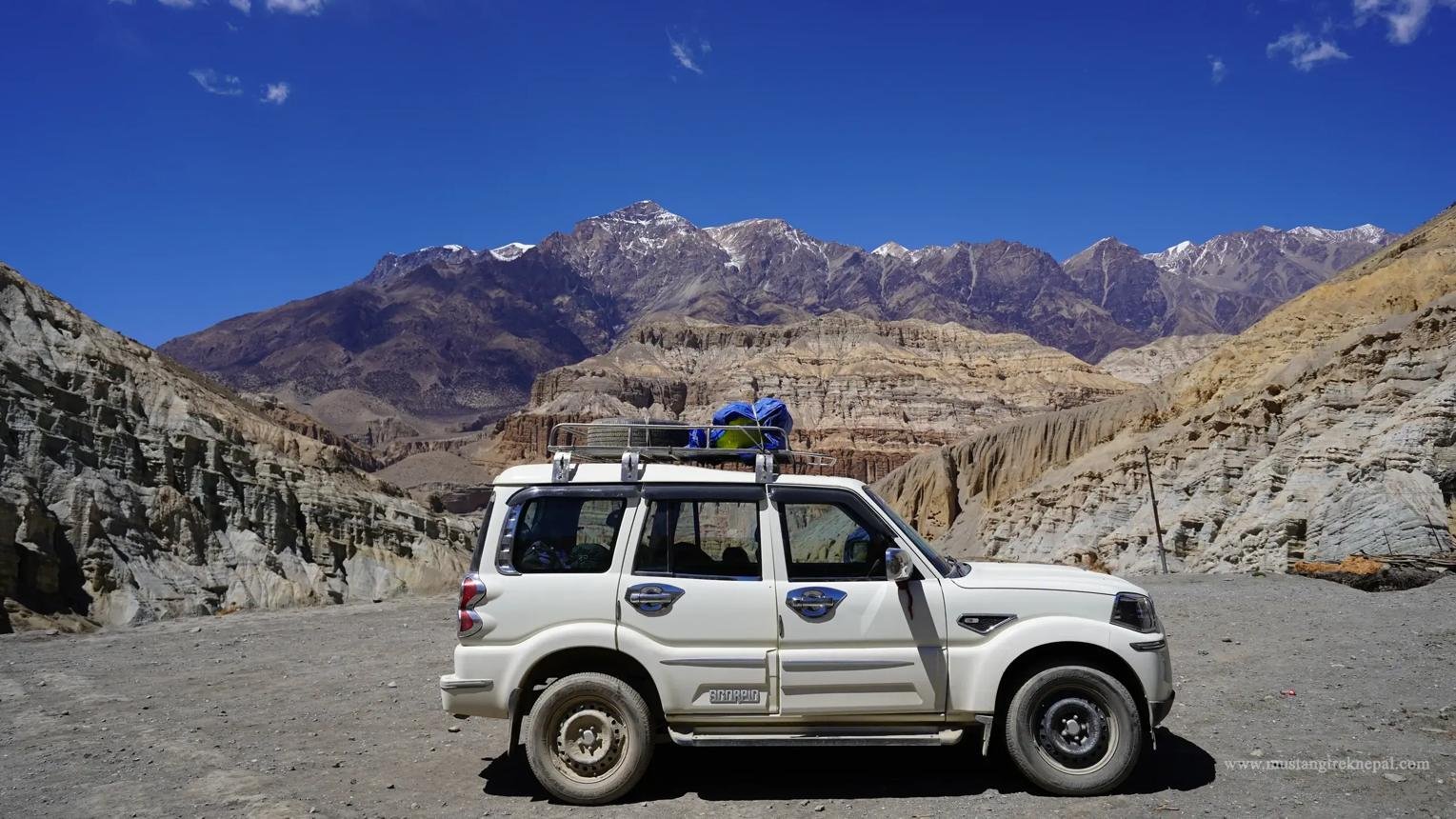
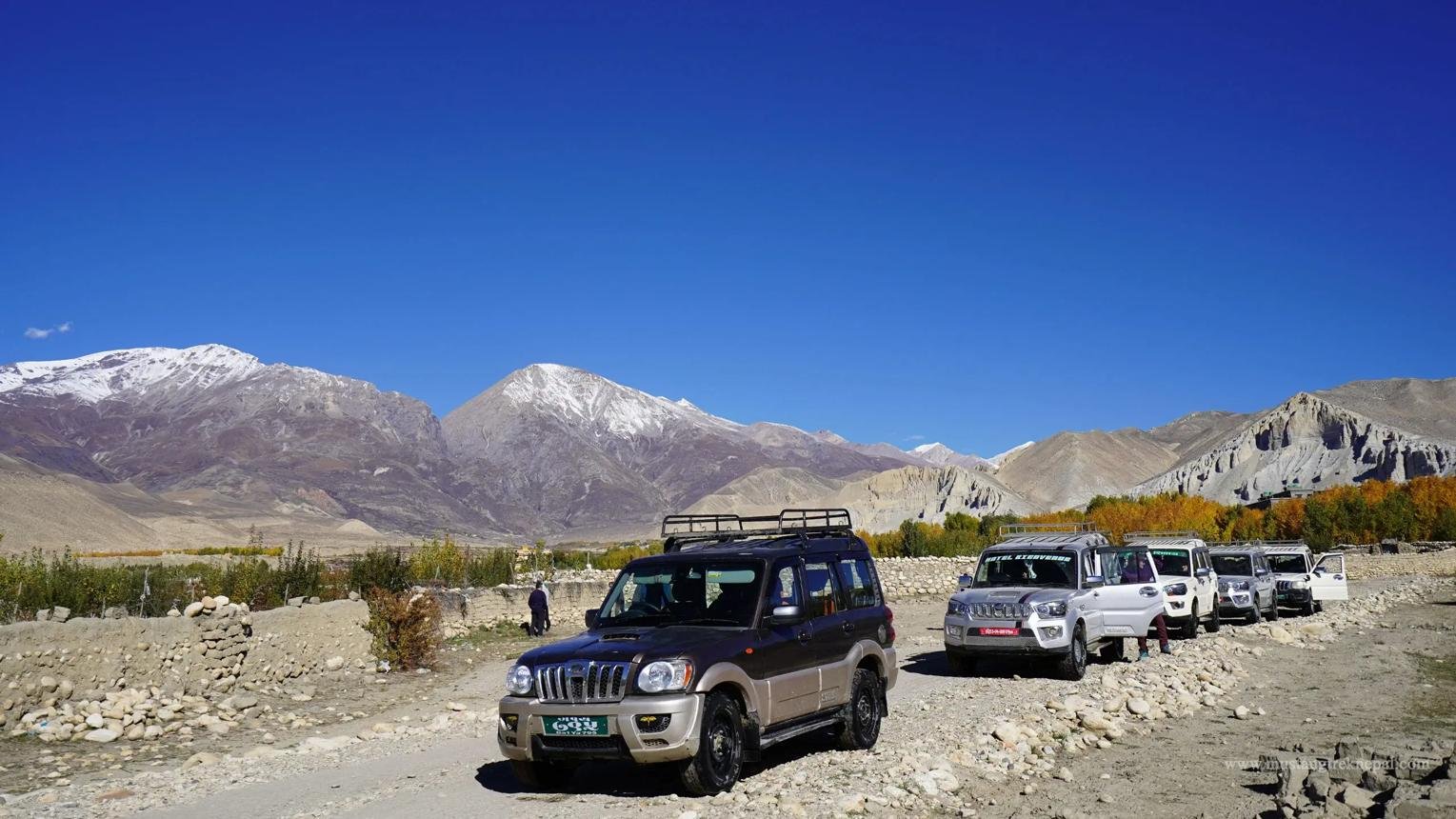
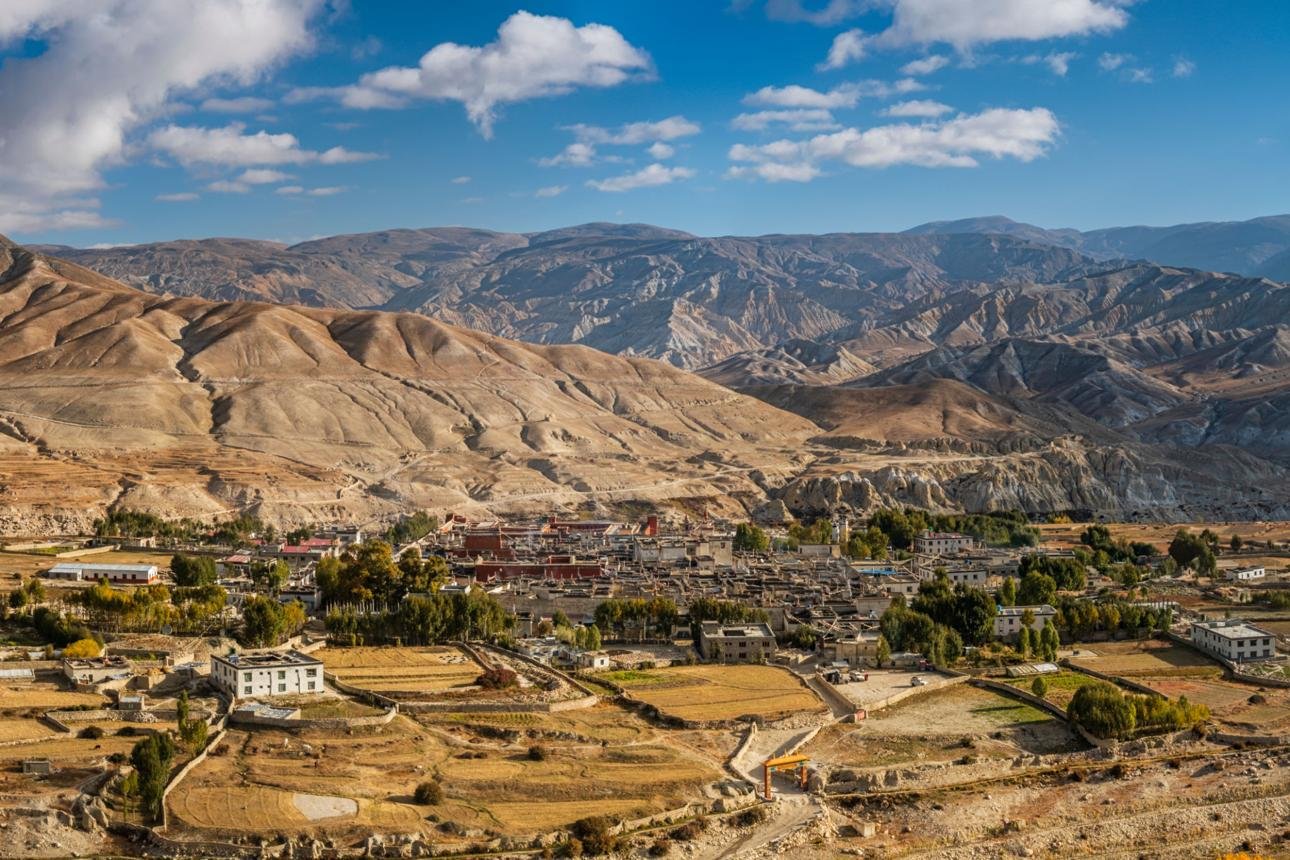
3. Upper Mustang Expedition
6
Nepal’s ultimate overland adventure.
Highlights:
- desert landscapes
- Tibetan culture
- remote valleys
- mountain passes
Major destination:
- Lo Manthang
Special permits are required.
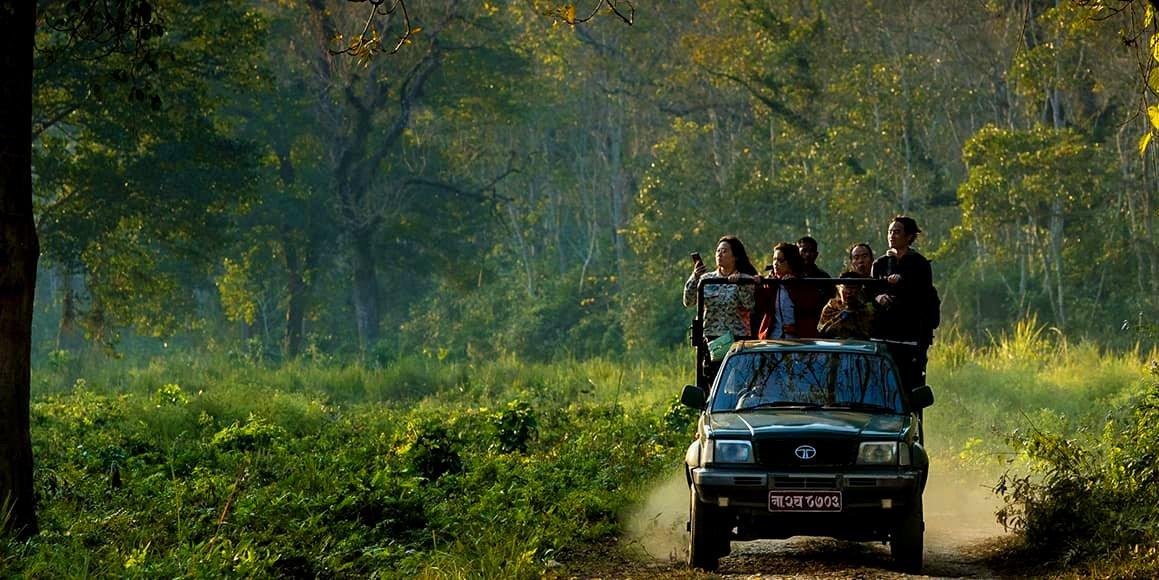
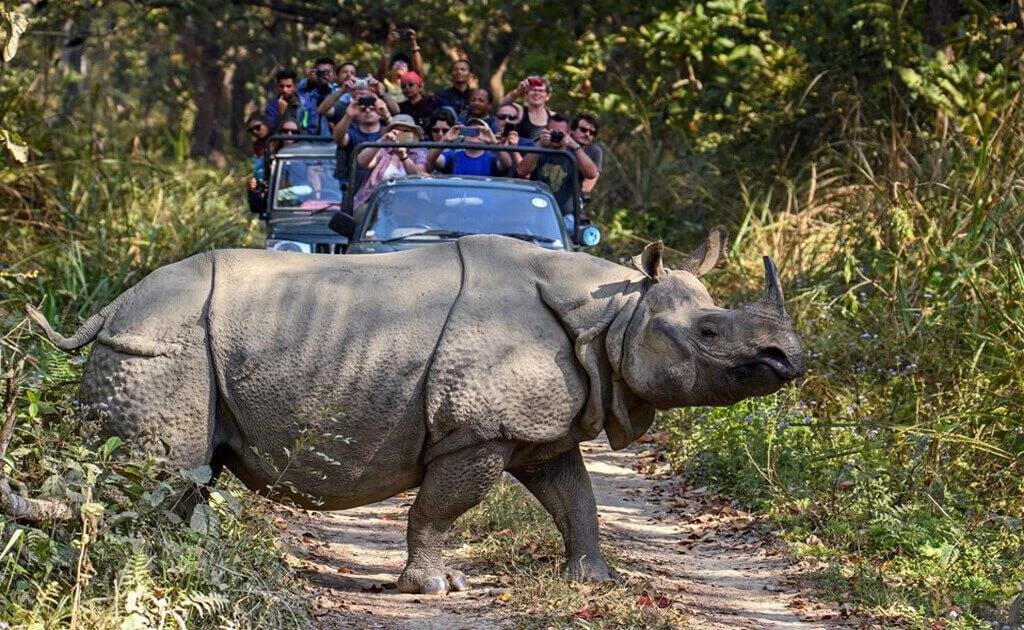
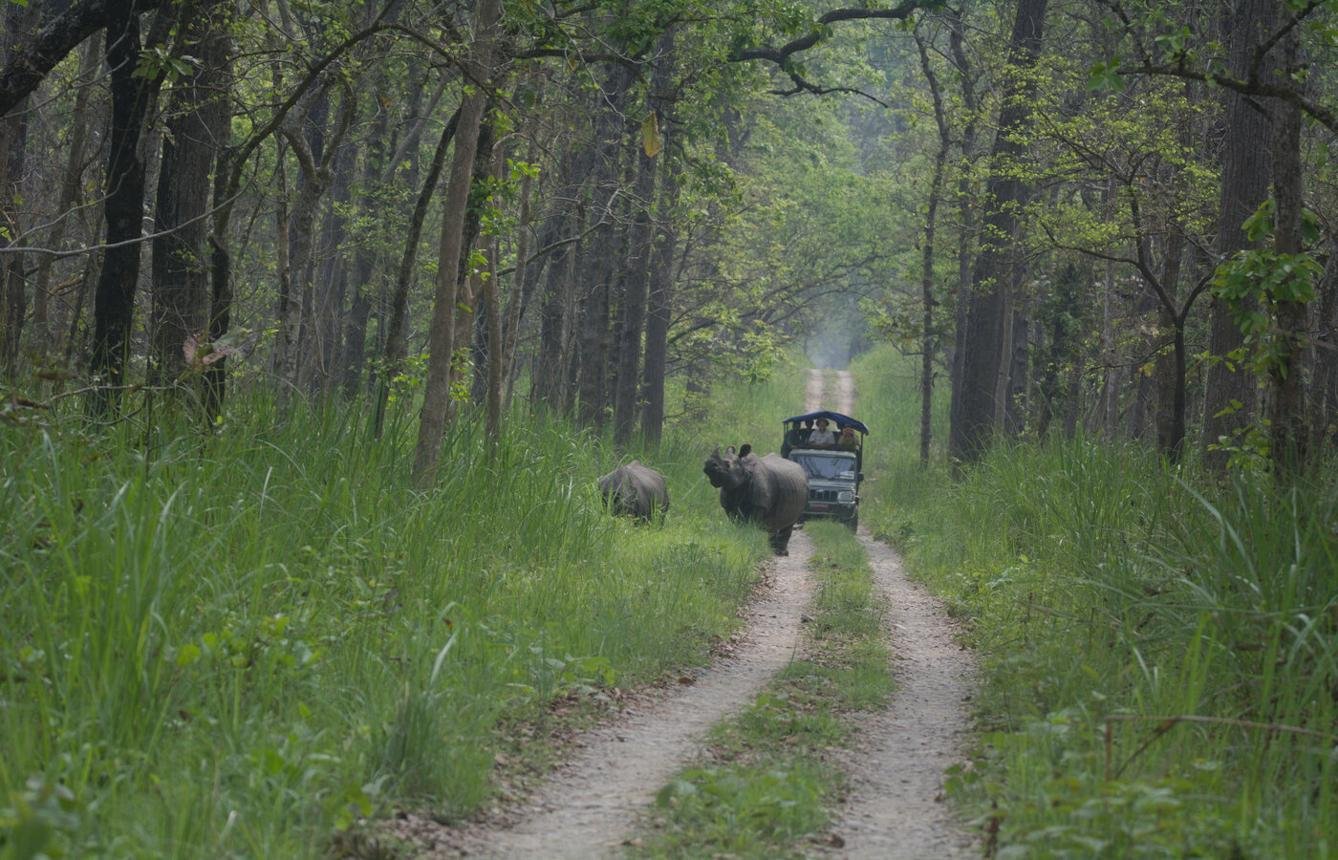
4. Chitwan Route
5
A journey into Nepal’s subtropical lowlands.
Highlights:
- rhinos
- elephants
- birdlife
- jungle safaris
Major attraction:
- Chitwan National Park
One of Asia’s premier wildlife destinations.
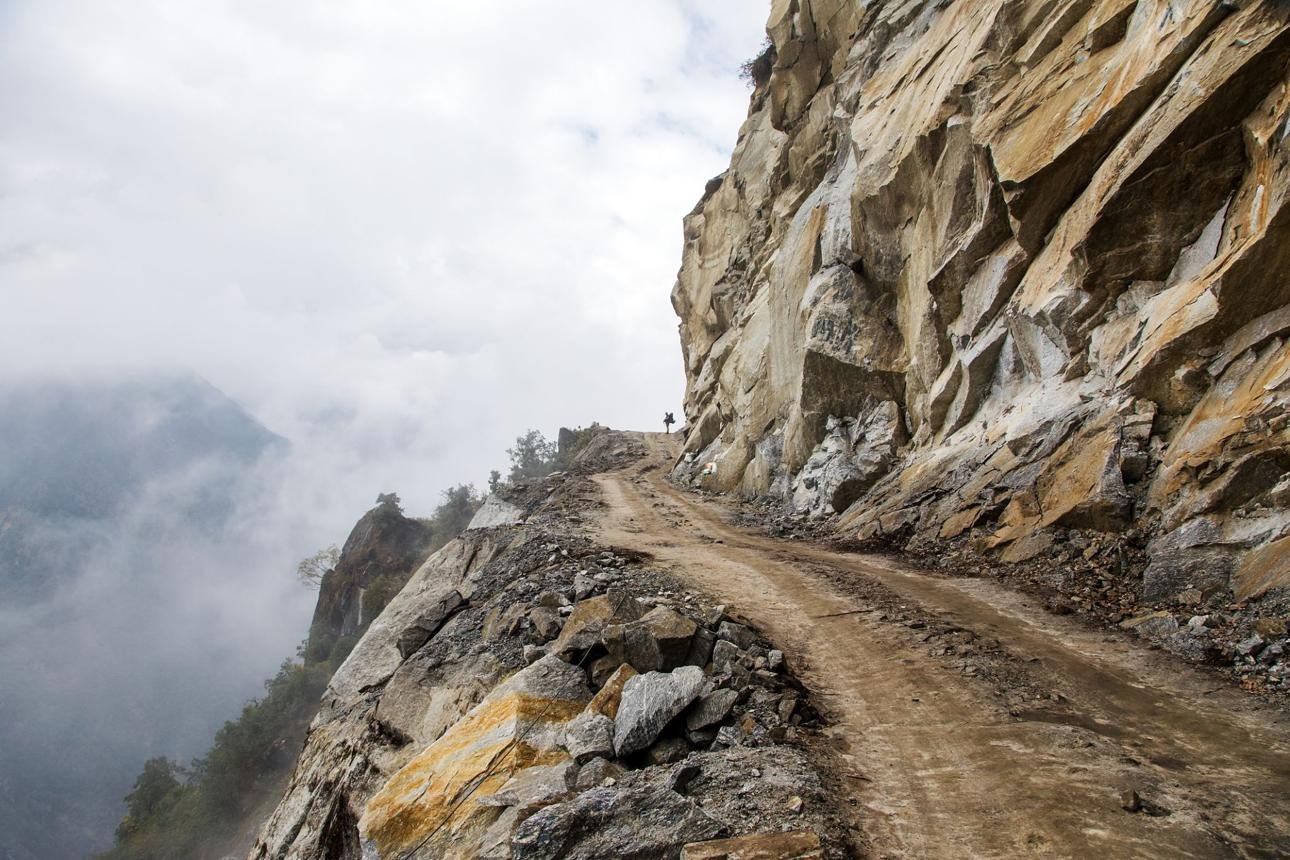
5. Everest Region Access Route


7
A scenic drive toward the Everest region.
Highlights:
- Himalayan panoramas
- mountain villages
- Sherpa culture
Major destination:
- Salleri
The road continues to improve each year.
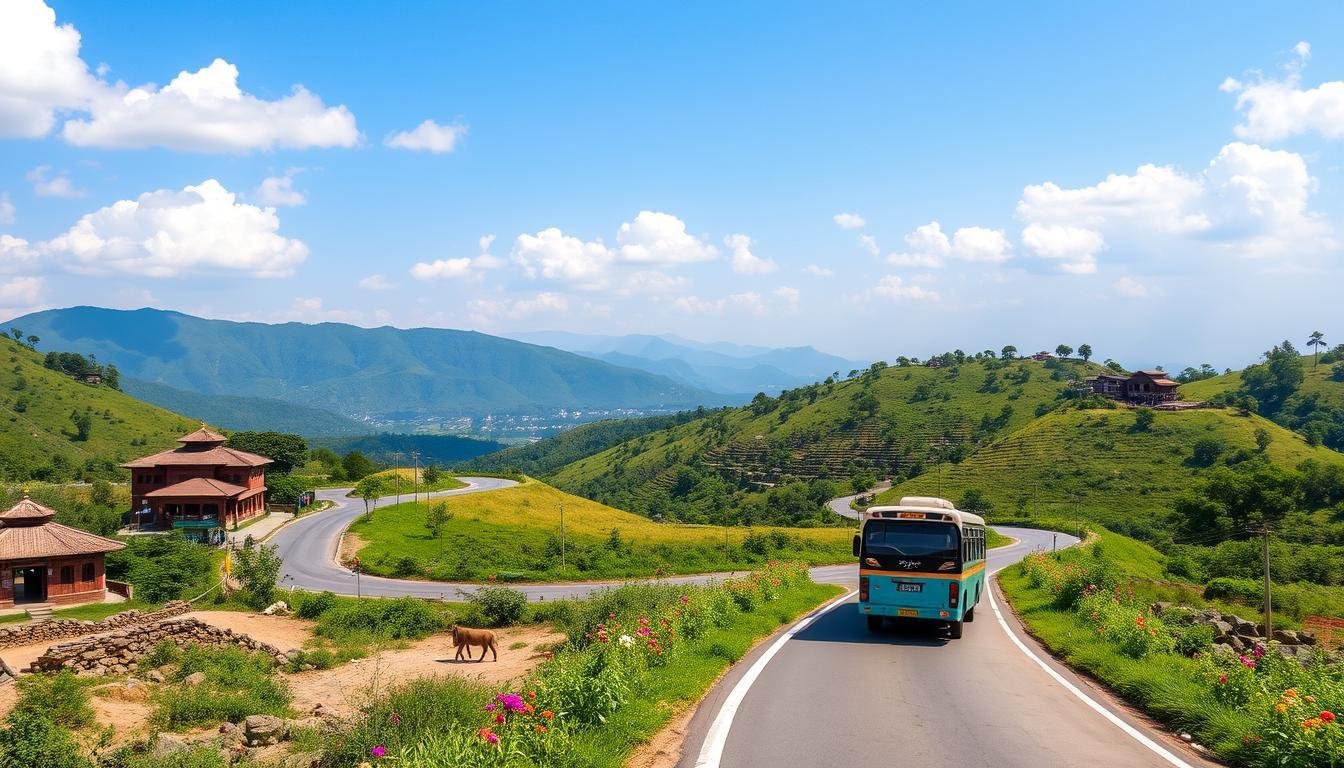
6. Lumbini Route
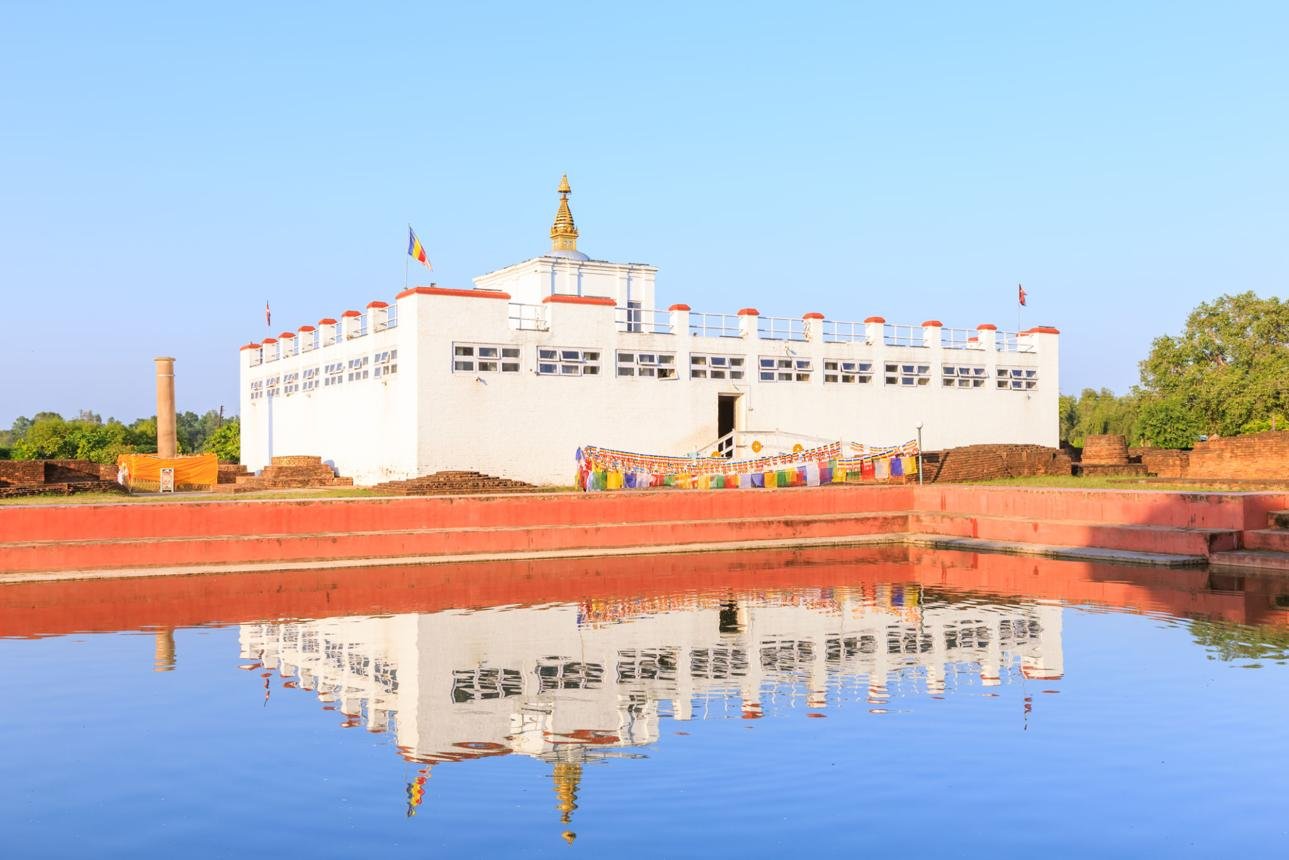
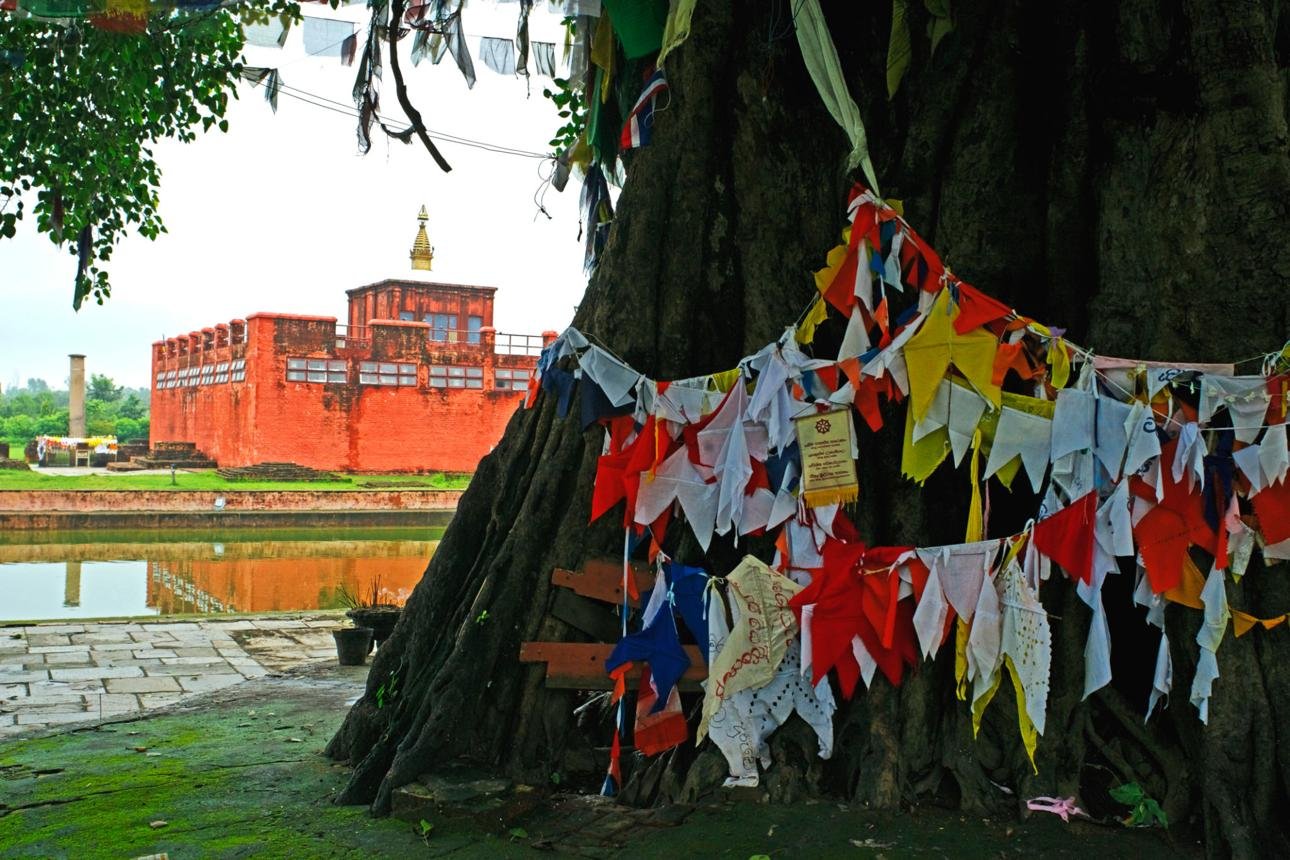
6
A spiritual and historical journey.
Highlights:
- Buddhist heritage
- monasteries
- cultural sites
Major attraction:
- Lumbini
The birthplace of Buddha.
Borders & Entry Points
Nepal borders:
- India
- China
India
The primary route for overlanders.
Popular crossings include:
- Sunauli
- Kakarbhitta
- Raxaul–Birgunj
Most international overlanders enter Nepal via India.
China (Tibet)
Access regulations can change and should always be verified before travel.
Cross-border vehicle travel typically requires advance permits and organized arrangements.
Vehicle Entry Requirements
Usually required:
- passport
- visa
- vehicle registration
- temporary import permit
- insurance
- driver’s license
Foreign vehicles are generally granted temporary entry.
Driving Conditions
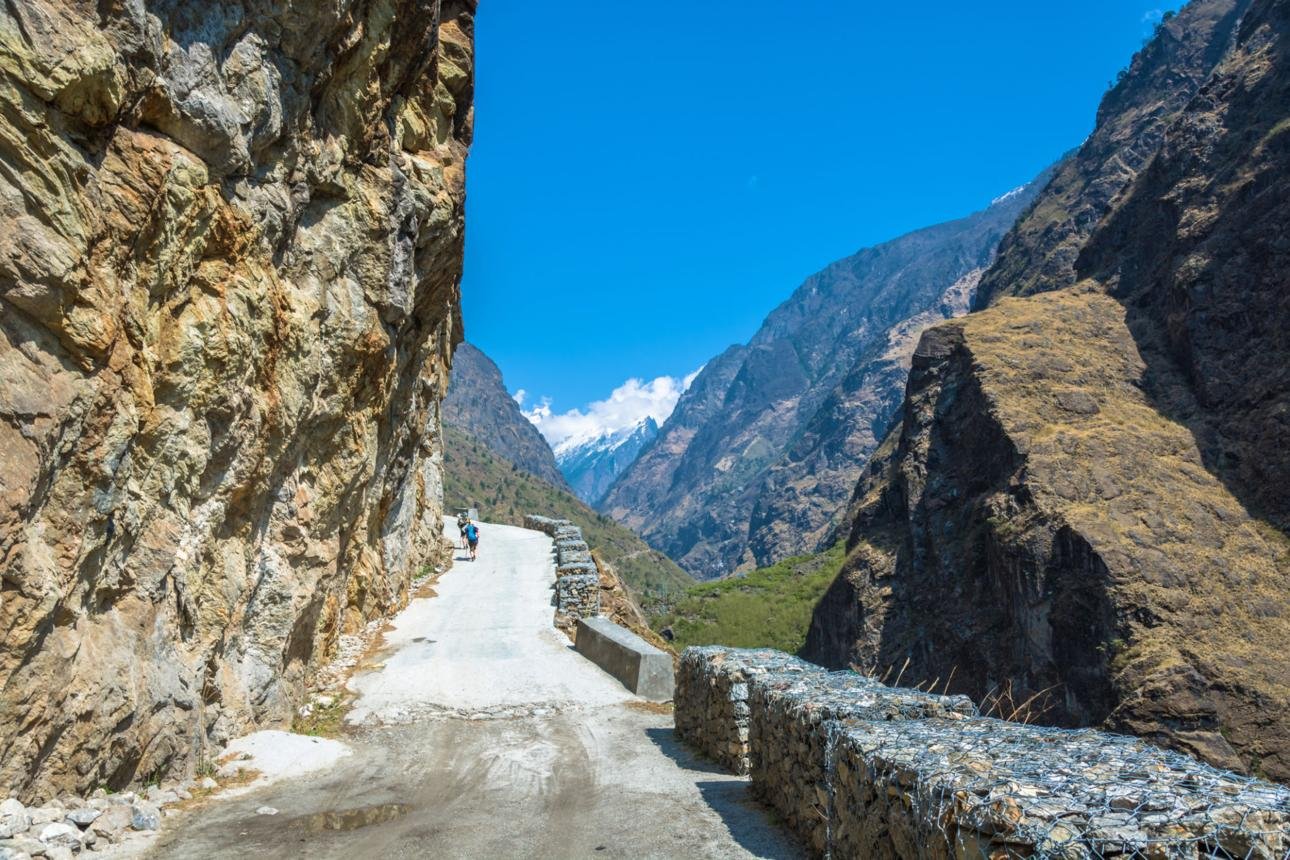
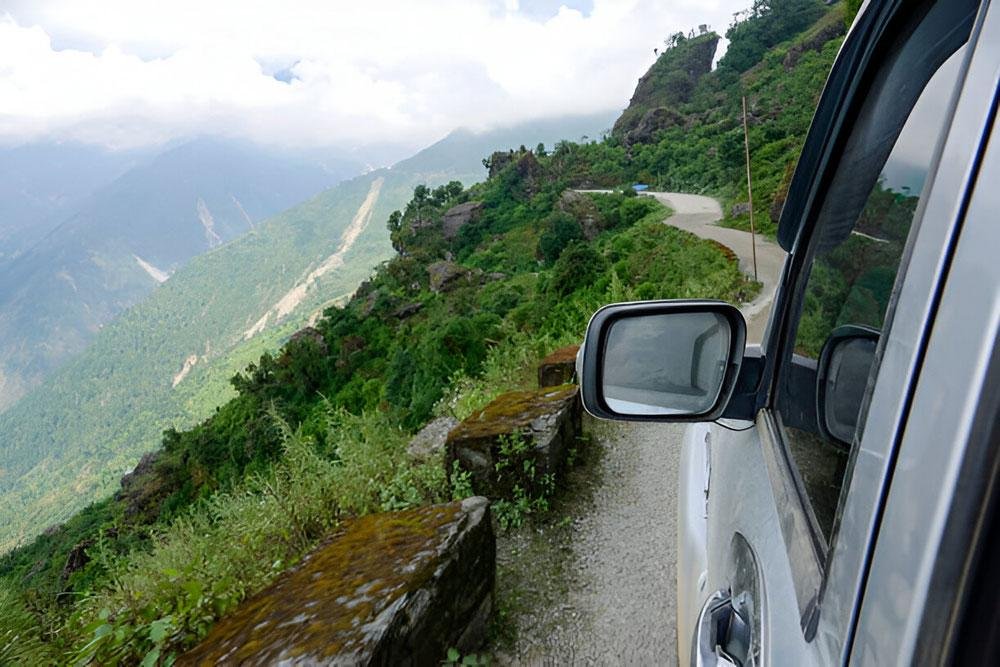
Driving in Nepal can be challenging.
Easy:
- Terai lowland highways
Moderate:
- main tourist routes
Difficult:
- mountain roads
- landslide-prone regions
- remote Himalayan routes
Expect:
- narrow roads
- steep drop-offs
- slow travel speeds
Fuel & Logistics
Generally good.
Expect:
- fuel stations in towns
- mechanics in larger cities
- supplies readily available
- occasional shortages in remote regions
Carry extra fuel when exploring high mountain areas.
Camping & Accommodation
Wild Camping
Possible in many mountain regions when done responsibly.
Always respect local communities and protected areas.
Campsites
Formal campsites are limited.
Most travelers use:
- guesthouses
- lodges
- homestays
- hotels
Motorhome Travel
Possible, though large vehicles may struggle on some mountain roads.
4×4 camper vehicles are ideal for remote routes.
Safety & Risks
Nepal is generally safe for travelers.
Main concerns:
- landslides
- mountain road conditions
- monsoon flooding
- altitude
- earthquakes
Avoid driving during heavy rain whenever possible.
Best Time to Visit
Ideal
October–November
Clear skies and spectacular mountain views.
Spring
March–April
Excellent weather and blooming rhododendrons.
Monsoon
June–September
Heavy rain and frequent landslides.
Travel can be difficult.
Winter
Cold conditions in high mountain regions.
Many high-altitude routes may experience snow.
Sample 3-Week Itinerary
Days 1–3: Kathmandu
Days 4–7: Pokhara
Days 8–12: Jomsom and Annapurna region
Days 13–15: Chitwan National Park
Days 16–18: Lumbini
Days 19–21: Return to Kathmandu
FAQ
Is Nepal good for overlanding?
Excellent. It offers some of the world’s most dramatic mountain scenery and adventurous roads.
Need a 4×4?
Not essential for major routes, but highly recommended for Upper Mustang and remote mountain regions.
Can you wild camp?
Yes, in many rural and mountain areas.
Good for campervans?
Possible, though smaller expedition vehicles are better suited than large motorhomes.
Best highlight?
The Annapurna region, Upper Mustang, and the incredible Himalayan scenery.
Related Pages
- Backpacking Nepal
- RV Travel Nepal
- Kathmandu
- Pokhara
- Jomsom
- Lo Manthang
- Chitwan National Park
- Lumbini
- Annapurna Circuit Guide
- Upper Mustang Travel Guide
- Himalayas Overlanding Guide
- India Overlanding Guide
- Tibet Travel Guide
- Nepal Campsites Guide
- Getting around in Nepal
- Overlanding in Nepal