Sri Lanka has a diverse transportation system that plays a crucial role in connecting different parts of the country. From highways and railroads to buses and tuk-tuks, the transport network in Sri Lanka is essential for facilitating economic growth, tourism, and everyday commuting. With the increasing population and economic activities in the country, the need for efficient and sustainable transport solutions has become more pressing than ever.
Transportation in Sri Lanka has seen significant improvements over the years, with the government investing in infrastructure projects to enhance connectivity and accessibility. The development of new highways and expressways has helped reduce travel times between major cities and towns, while upgrades to the railway system have improved passenger comfort and service quality. Despite these advancements, challenges such as traffic congestion, road safety, and environmental pollution remain prevalent in Sri Lanka’s transport sector.
One solution that has gained traction in addressing these challenges is the promotion of public transportation and the implementation of sustainable transport policies. By encouraging the use of buses, trains, and other mass transit options, Sri Lanka aims to reduce traffic congestion, lower carbon emissions, and improve air quality in urban areas. In addition, promoting cycling and walking as alternative modes of transport can help create healthier and more livable cities in the country.
According to the World Bank, only 11% of Sri Lanka’s population currently uses public transport for their daily commuting needs. By comparison, in countries like Japan and Singapore, over 60% of the population relies on public transportation. This disparity highlights the need for further investments in public transport infrastructure and facilities in Sri Lanka to encourage more people to choose sustainable modes of transport. By prioritizing public transportation and adopting innovative solutions, Sri Lanka can build a more efficient, inclusive, and environmentally friendly transport system for the future.
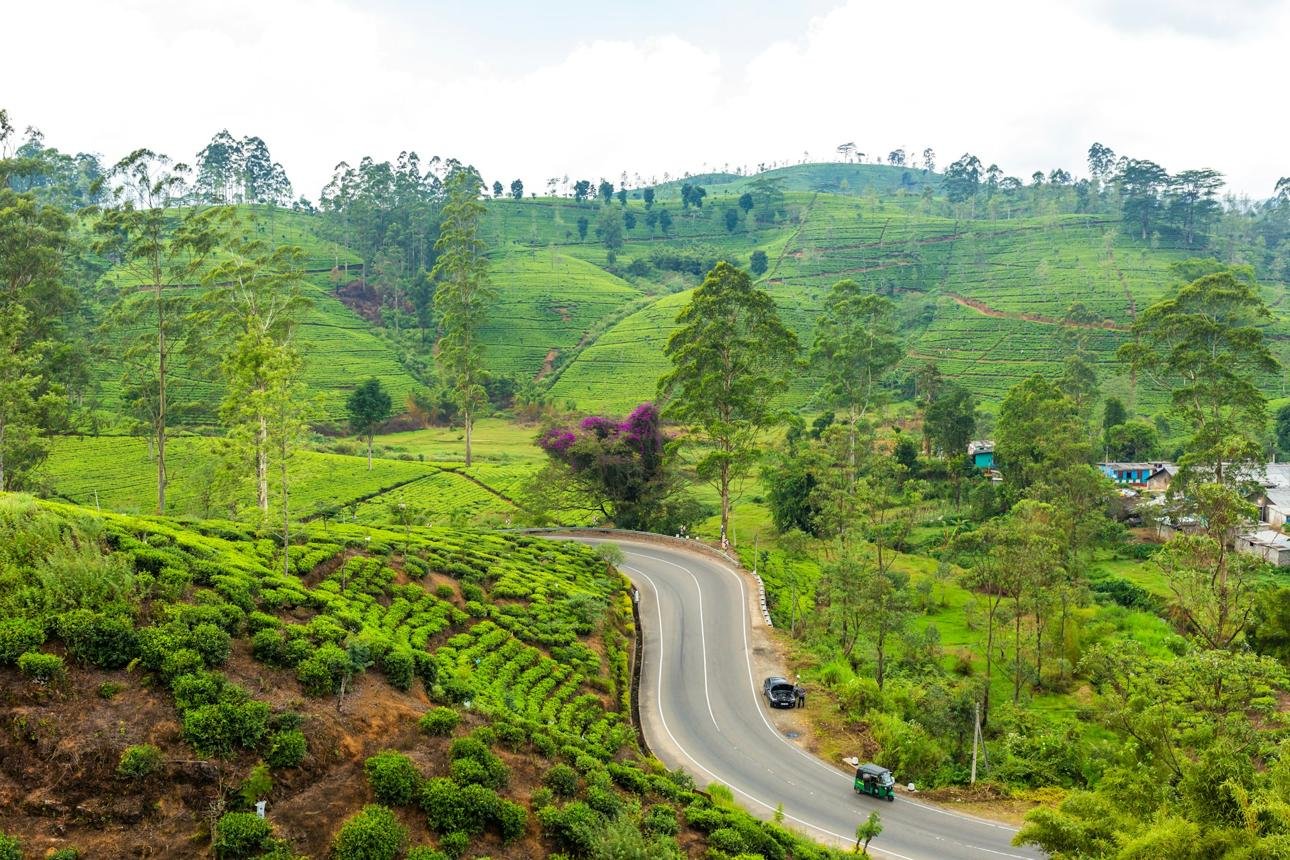
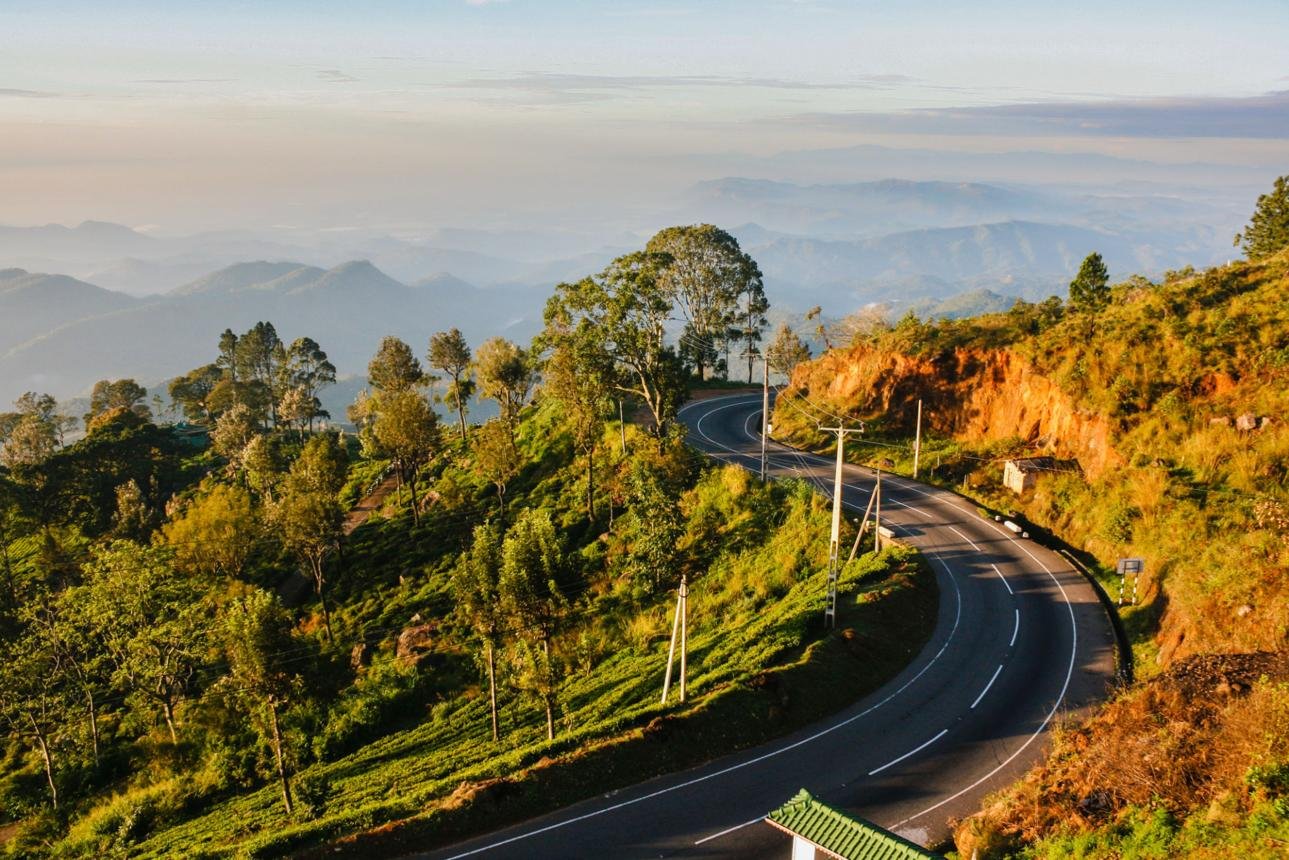

Looking for Information on Transport in Sri Lanka?
Are you wondering about the various transportation options available in Sri Lanka? From buses and trains to tuk-tuks and taxis, this article will provide you with comprehensive details on how to get around this beautiful island nation. Continue reading to learn more!
Transport in Sri Lanka
Sri Lanka is a small island nation located in South Asia, known for its rich cultural heritage, stunning landscapes, and vibrant wildlife. When it comes to transport, the country offers a variety of options for both locals and tourists to get around efficiently. From buses and trains to tuk-tuks and taxis, there is no shortage of ways to travel in Sri Lanka.
Road Transport
One of the most common modes of transport in Sri Lanka is road transport. The country has a well-developed road network that connects major cities and towns, making it easy to travel by bus or car. Buses are a popular choice among locals, as they are affordable and cover almost every part of the island. Private taxis and tuk-tuks are also widely available for those who prefer more comfort and convenience.
Rail Transport
Sri Lanka also has an extensive railway system that offers a scenic way to explore the country. The train journey from Kandy to Ella, for example, is one of the most picturesque train rides in the world, taking passengers through lush tea plantations and misty mountains. Trains in Sri Lanka are divided into classes, with first-class carriages offering air-conditioning and reserved seating.
Air Transport
For those who want to travel quickly between major cities, domestic flights are available in Sri Lanka. The country has several domestic airports, including those in Colombo, Kandy, and Jaffna, allowing passengers to reach their destinations in a fraction of the time compared to road or rail transport.
Water Transport
Given its island geography, Sri Lanka also has a well-developed water transport system. Ferries and boats are commonly used to travel between coastal towns and islands. Whale-watching tours and fishing excursions are also popular activities that utilize water transport in Sri Lanka.
Sustainable Transport
In recent years, Sri Lanka has made efforts to promote sustainable transport options, such as cycling and walking. Colombo, the capital city, has introduced bike lanes and pedestrian-friendly pathways to encourage people to use non-motorized modes of transport. These initiatives not only reduce traffic congestion but also promote a healthier lifestyle for residents.
Overall, transport in Sri Lanka offers a diverse range of options for travelers to explore this beautiful country. Whether you prefer the scenic route by train or the convenience of a private taxi, there is something for everyone in Sri Lanka.
According to recent statistics, over 70% of people in Sri Lanka use public transport for their daily commute.
1. What are the major modes of transportation in Sri Lanka?
The major modes of transportation in Sri Lanka include buses, trains, tuk-tuks, taxis, and rental cars.
2. Are buses a reliable mode of transportation in Sri Lanka?
Yes, buses are a popular and reliable mode of transportation in Sri Lanka, covering most parts of the country at affordable rates.
3. How efficient is the train system in Sri Lanka?
The train system in Sri Lanka is known for its scenic routes and relatively affordable fares. However, delays are common, especially on certain routes.
4. Is it safe to use tuk-tuks in Sri Lanka?
Tuk-tuks are a convenient mode of transportation in Sri Lanka, especially for short distances. While generally safe, it’s advisable to negotiate the fare before starting your journey.
5. Can I rent a car in Sri Lanka as a foreigner?
Yes, foreign tourists can rent cars in Sri Lanka, but it’s recommended to have an international driving permit and be familiar with local traffic rules.
6. Are taxis readily available in Sri Lanka?
Yes, taxis are readily available in major cities and tourist areas in Sri Lanka, but it’s important to choose registered taxi services for safety and fair pricing.
7. What is the cost of transportation in Sri Lanka?
The cost of transportation in Sri Lanka varies depending on the mode of transport and the distance traveled. Buses are the cheapest option, while taxis and rental cars are more expensive.
8. Are there any transportation apps available in Sri Lanka?
Yes, there are several transportation apps available in Sri Lanka that can help you book taxis, tuk-tuks, and even train tickets in advance.
9. How is the road condition in Sri Lanka?
The road condition in Sri Lanka varies, with major highways generally in good condition. However, some rural roads may be narrow and bumpy, especially during the rainy season.
10. Are there any cultural etiquettes to be aware of when using transportation in Sri Lanka?
When using public transportation in Sri Lanka, it’s important to respect local customs and dress modestly. Additionally, it’s customary to give up your seat to the elderly or disabled passengers on buses and trains.
Conclusion
Overall, the transportation system in Sri Lanka faces various challenges due to factors such as inadequate infrastructure, congestion, and lack of investment. The country relies heavily on road transport, which has resulted in traffic congestion and air pollution in major cities. However, efforts are being made to improve the transportation system through initiatives such as the Colombo Megapolis Plan and the development of new highways and expressways. Investing in public transportation, such as rail and bus services, is crucial to reducing congestion and promoting sustainable transportation in Sri Lanka.
Furthermore, the emergence of ride-sharing services and the potential for electric vehicles offer opportunities to improve the efficiency and sustainability of the transportation system. It is essential for Sri Lanka to prioritize investments in infrastructure, adopt new technologies, and implement policies that promote sustainable and efficient transportation. By addressing these challenges and harnessing new opportunities, Sri Lanka can create a more connected, accessible, and environmentally friendly transportation system for its citizens and visitors.