Amazon Rainforest, Colonial Heritage, River Expeditions & Untouched Wilderness
8
Suriname Travel Guide
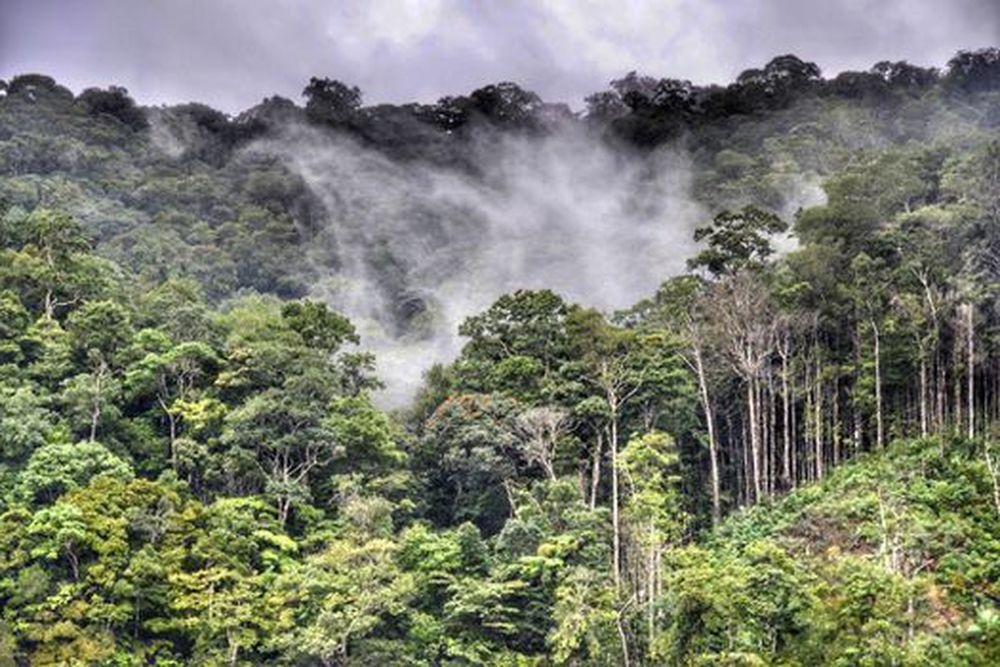
Suriname is one of South America’s most overlooked travel destinations, offering vast Amazon rainforests, wildlife-rich rivers, colonial architecture, diverse cultures, and authentic adventure travel. Covering more than 163,000 square kilometers, this small country on the continent’s northeastern coast remains one of the least populated and most forested nations in the Americas, with around 90% of its territory still covered by pristine tropical rainforest.
Bordered by Guyana, French Guiana, Brazil, and the Atlantic Ocean, Suriname combines South American landscapes with a unique Caribbean atmosphere. Once a Dutch colony, it is the only independent country in South America where Dutch is the official language. Its multicultural population includes Indigenous peoples, Maroons, Javanese, Hindustani, Chinese, Creole, and European communities, creating one of the world’s most culturally diverse societies.
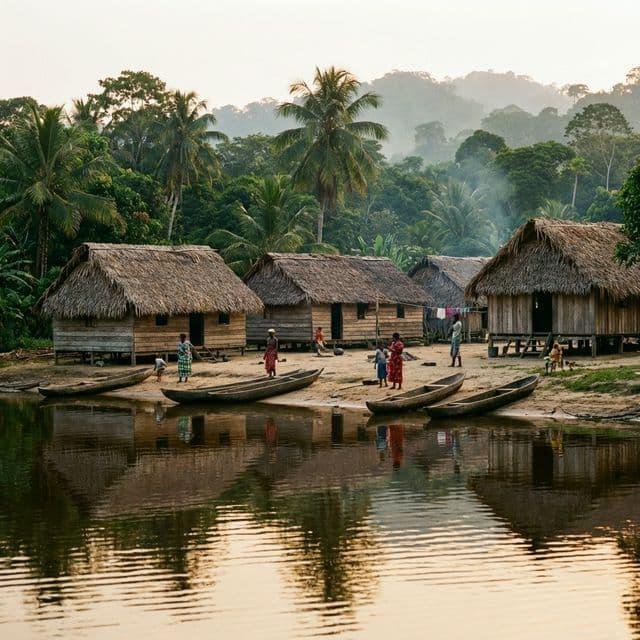
Nature is Suriname’s greatest attraction. The country’s enormous protected areas preserve jaguars, giant river otters, monkeys, sloths, macaws, harpy eagles, tapirs, caimans, river dolphins, and thousands of plant species. Much of the interior has no road access, making rivers the primary transportation routes into the rainforest.
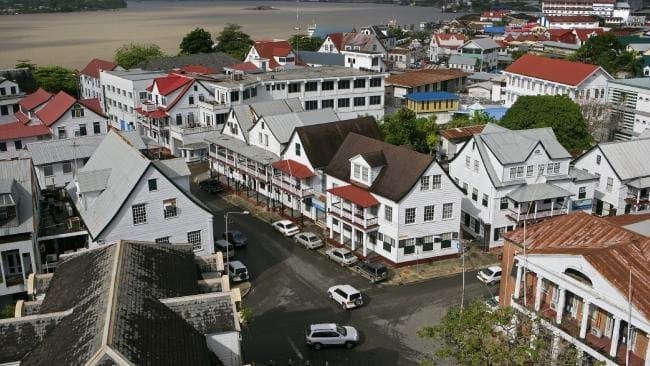
History also plays an important role. The capital, Paramaribo, is a UNESCO World Heritage Site renowned for its beautifully preserved Dutch colonial architecture, wooden buildings, lively markets, and riverside setting. Beyond the capital, visitors can discover former plantations, Maroon villages, Indigenous communities, waterfalls, and remote eco-lodges deep within the rainforest.
For adventurous travelers, Suriname is a paradise for wildlife watching, birdwatching, kayaking, river expeditions, rainforest trekking, and cultural experiences. Tourism remains relatively small-scale, allowing visitors to enjoy authentic encounters far from crowded tourist destinations.
This guide covers everything you need to plan an unforgettable journey through Suriname.
Quick Facts
| Item | Information |
|---|---|
| Capital | Paramaribo |
| Currency | Surinamese Dollar (SRD) |
| Official Language | Dutch |
| Population | Approximately 650,000 |
| Time Zone | UTC−3 |
| Driving | Left-hand side |
| Country Code | +597 |
Why Visit Suriname?
Suriname offers extraordinary biodiversity and remarkable cultural diversity.
Highlights include:
- Paramaribo
- Central Suriname Nature Reserve
- Brownsberg Nature Park
- Raleighvallen
- Galibi Nature Reserve
- Upper Suriname River
- Maroon villages
- Amazon rainforest
- River expeditions
- Wildlife
- Birdwatching
- Tropical waterfalls
Suriname is perfect for eco-tourism, wildlife photography, and adventurous travelers.
Best Places to Visit
7
Paramaribo
Suriname’s capital is one of South America’s most distinctive cities.
Highlights include:
- Historic city center
- St. Peter and Paul Cathedral
- Independence Square
- Waterfront
- Central Market
- Fort Zeelandia
- Colonial wooden architecture
The city blends Dutch heritage with Caribbean culture.
Central Suriname Nature Reserve
A UNESCO World Heritage Site covering more than 1.6 million hectares of untouched rainforest.
Visitors enjoy:
- Wildlife
- Hiking
- Rivers
- Birdwatching
- Jungle expeditions
- Scientific importance
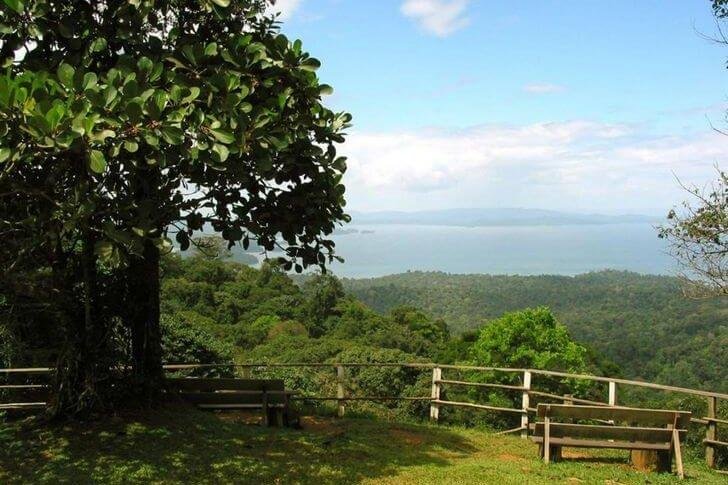
Brownsberg Nature Park
Located south of Paramaribo, the park offers:
- Rainforest hiking
- Waterfalls
- Scenic viewpoints
- Monkeys
- Birdwatching
It is one of Suriname’s most accessible rainforest destinations.
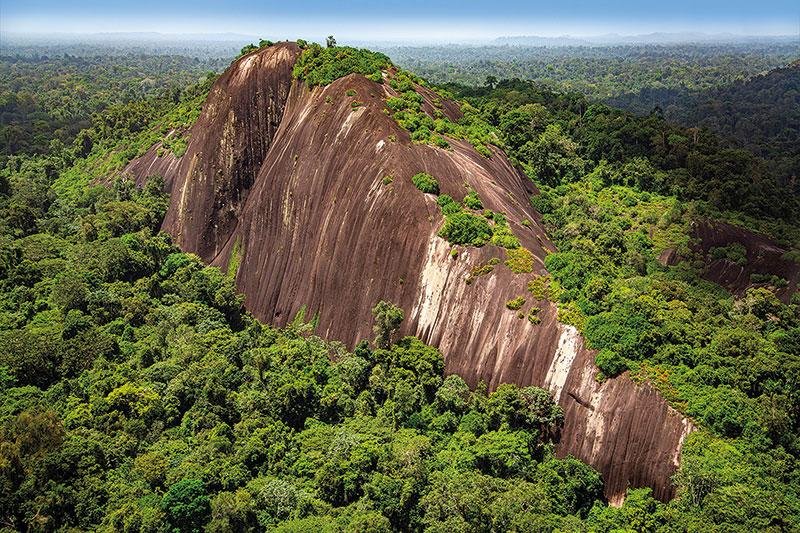
Raleighvallen & Voltzberg
One of the country’s premier ecotourism destinations.
Visitors experience:
- River rapids
- Granite domes
- Wildlife
- Jungle lodges
- Canoeing
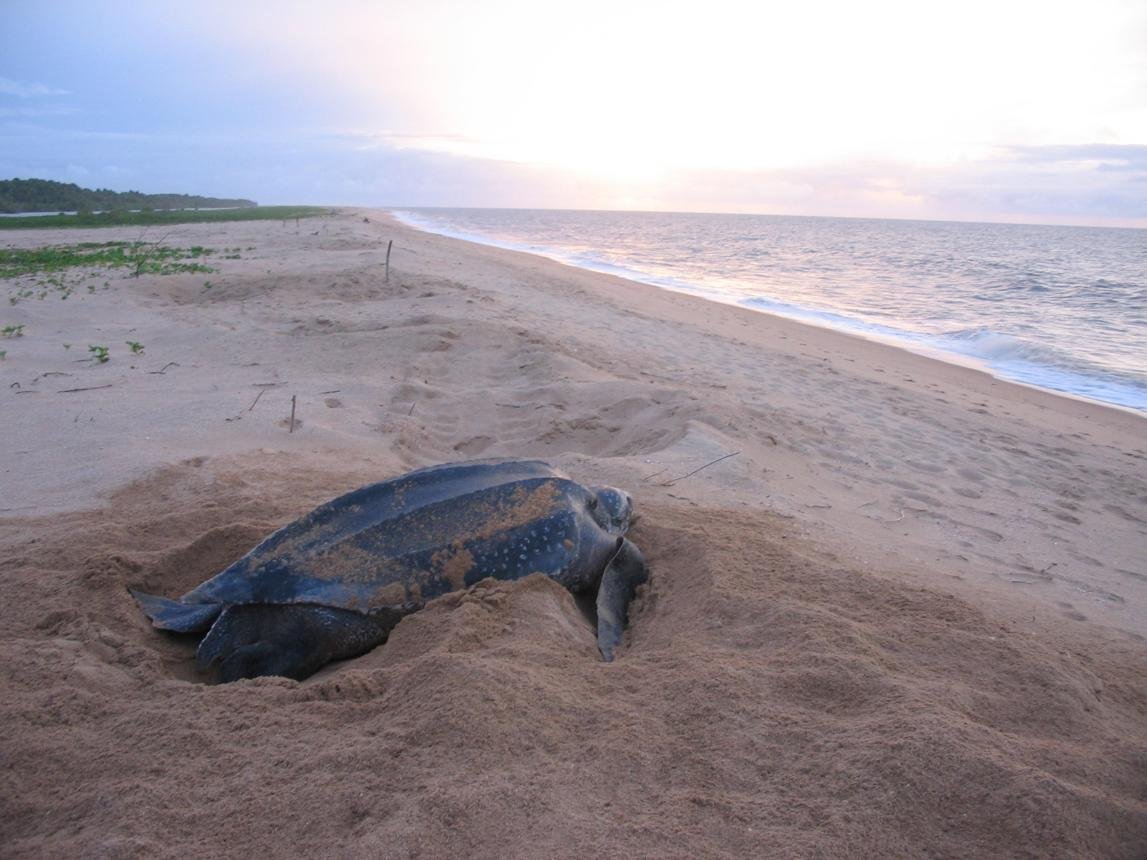
Galibi Nature Reserve
Famous for:
- Sea turtle nesting
- River estuaries
- Indigenous villages
- Birdlife
Leatherback, green, olive ridley, and hawksbill turtles visit the beaches seasonally.
Upper Suriname River
A journey into the rainforest.
Highlights include:
- Maroon communities
- River transport
- Traditional villages
- Tropical scenery
Brokopondo Reservoir
One of the world’s largest reservoirs.
Popular activities include:
- Boat trips
- Fishing
- Wildlife observation
- Forest lodges
Jodensavanne
An important historical site featuring:
- Former Jewish settlement
- Historic cemeteries
- Plantation history
- Archaeological remains
Best Time to Visit
Suriname has a tropical climate with two relatively dry seasons.
| Season | Conditions |
|---|---|
| February – April | One of the best travel periods |
| August – November | Generally drier conditions |
| May – July | Main rainy season |
| December – January | Short rainy season |
The drier months provide the best opportunities for hiking and river travel.
Regions of Suriname
Coastal Region
Home to:
- Paramaribo
- Historic plantations
- Atlantic coast
Central Rainforest
Known for:
- Brownsberg
- Rivers
- Wildlife
- Nature reserves
Southern Interior
Features:
- Central Suriname Nature Reserve
- Indigenous communities
- Remote rainforest
Eastern Border
Offers:
- Galibi
- French Guiana border
- Turtle nesting beaches
Suggested Itineraries
5-Day Suriname Highlights
Day 1
- Paramaribo
Day 2
- Brownsberg Nature Park
Day 3
- River excursion
Day 4
- Historic plantations
Day 5
- Return to Paramaribo
Perfect for first-time visitors.
One-Week Rainforest Adventure
Explore:
- Paramaribo
- Brownsberg
- Upper Suriname River
- Maroon villages
Ideal for nature enthusiasts.
Two-Week Suriname Expedition
Travel through:
- Paramaribo
- Raleighvallen
- Central Suriname Nature Reserve
- Galibi
- Brokopondo
Perfect for adventurous travelers.
Overlanding in Suriname
5
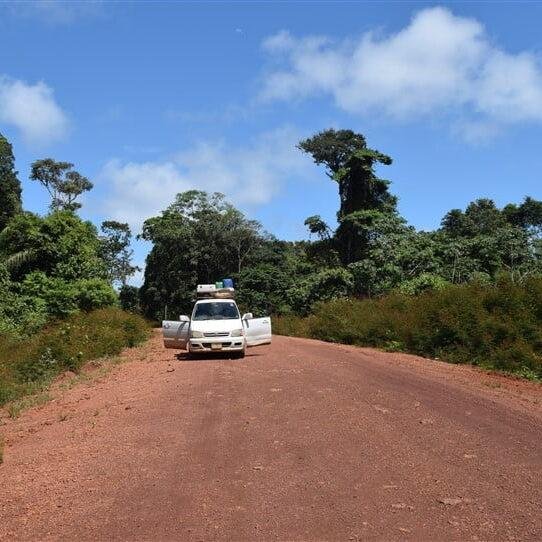
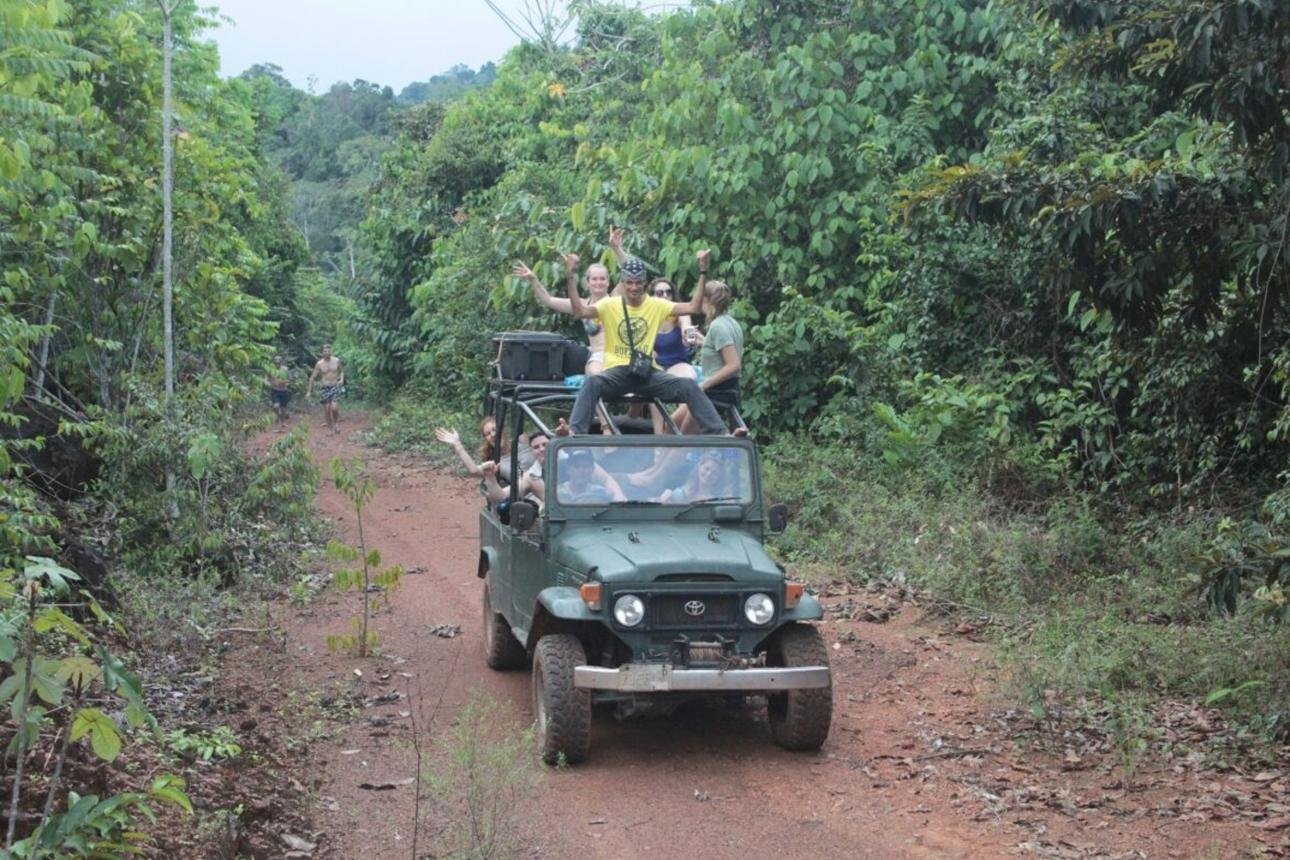
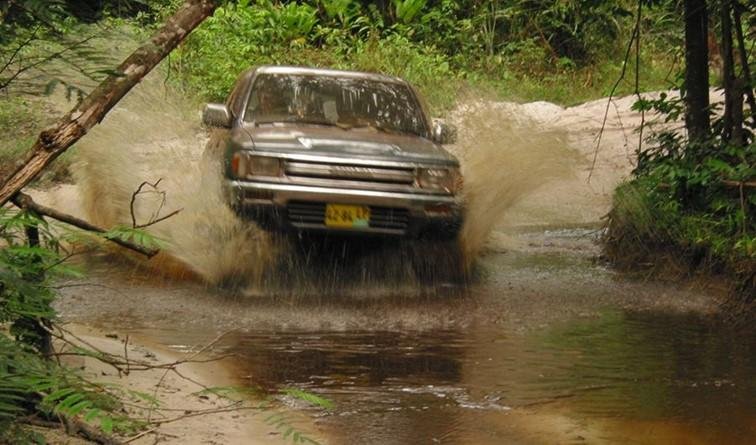
Suriname offers adventurous overland travel, although much of the country has no road access.
Why Overlanders Love Suriname
- Rainforests
- River expeditions
- Friendly communities
- Wildlife
- Unique cultures
- Remote wilderness
- Cross-border routes
Road travel is mainly concentrated in the northern coastal region.
Popular Routes
Coastal Highway
Nieuw Nickerie → Paramaribo → Albina
The country’s principal overland route.
Brownsberg Route
Paramaribo → Brownsberg Nature Park
Perfect for rainforest scenery.
Brokopondo Explorer
Paramaribo → Brokopondo Reservoir
Ideal for wildlife and nature.
Road Conditions
Expect:
- Good paved roads near the coast
- Gravel roads inland
- Limited road access in the south
- Rivers replacing roads in many regions
Large areas of Suriname are accessible only by boat or aircraft.
Backpacking in Suriname
Suriname is ideal for adventurous backpackers interested in nature and culture.
Accommodation
Options include:
- Hostels
- Hotels
- Guesthouses
- Eco-lodges
- Jungle lodges
Accommodation is concentrated around Paramaribo and major ecotourism destinations.
Transportation
Travel using:
- Buses
- Shared taxis
- River boats
- Domestic flights
River transport remains essential for reaching much of the interior.
Backpacking Highlights
- Paramaribo
- Brownsberg
- Rainforest lodges
- Maroon villages
- River expeditions
Camping
Camping is an important part of rainforest exploration.
Campgrounds
Organized camps are available through eco-lodges and guided rainforest expeditions.
Wild Camping
Wild camping is generally discouraged unless undertaken with experienced guides. Dense rainforest, wildlife, river conditions, and protected areas require careful planning and local knowledge.
RV & Motorhome Travel
Motorhome travel is practical only in the northern part of Suriname.
Popular RV Routes
Coastal Highway
Nieuw Nickerie → Paramaribo
Brownsberg
Paramaribo → Brownsberg
Eastern Route
Paramaribo → Albina
Practical Information
Motorhome travelers should prepare for:
- Limited camper facilities
- Humid tropical climate
- Reliable fuel stations near major towns
- Few services outside populated areas
Remote rainforest travel generally requires boats rather than vehicles.
Driving in Suriname
Driving is relatively easy in the populated northern region.
Main Roads
Major highways connect:
- Paramaribo
- Nieuw Nickerie
- Albina
- Zanderij
Road access into the southern rainforest is extremely limited.
Things to Know
- Drive on the left.
- Tropical rains can affect road conditions.
- Fuel stations are concentrated near towns.
- Many interior destinations require river transport.
Border Crossings
Suriname shares land borders with:
- Guyana
- French Guiana
- Brazil
Crossings into Guyana and French Guiana commonly involve ferry services across the Corentyne and Maroni Rivers, while the southern border with Brazil connects through remote interior routes. Travelers should check current operating schedules and entry procedures before crossing.
Visa & Entry Requirements
Many travelers require an entry authorization or tourist card, while some nationalities can enter visa-free. Requirements vary depending on nationality.
Before traveling, ensure you have:
- A valid passport
- Any required visa or entry authorization
- Proof of onward travel if requested
- Vehicle documentation for international overland travel
Always verify the latest entry requirements before departure.
Budget & Costs
Estimated daily travel expenses:
| Travel Style | Daily Budget |
|---|---|
| Budget traveler | US$40–70 |
| Mid-range | US$100–220 |
| Comfortable | US$350+ |
| Motorhome traveler | US$60–140 |
Rainforest lodges and domestic flights significantly increase travel costs.
Safety
Suriname is generally a safe destination for travelers who prepare properly.
Travel tips include:
- Take normal precautions in Paramaribo.
- Use insect repellent in rainforest areas.
- Travel with experienced guides in remote regions.
- Stay hydrated in the tropical climate.
- Respect wildlife and protected areas.
The greatest challenges are related to the remote rainforest environment rather than crime.
Food & Culture
Surinamese cuisine reflects one of the world’s most multicultural societies.
Popular dishes include:
- Pom
- Roti
- Moksi Meti
- Peanut soup
- Saoto soup
- Grilled fish
- Cassava dishes
- Tropical fruits
Suriname’s population includes Creole, Hindustani, Javanese, Indigenous, Maroon, Chinese, and European communities, creating an extraordinary cultural blend reflected in its festivals, languages, music, and cuisine.
Frequently Asked Questions
Is Suriname expensive?
Suriname is moderately priced, although rainforest lodges, guided expeditions, and domestic flights can increase travel costs.
Is Suriname safe?
Yes. Suriname is generally safe for travelers who take normal precautions and prepare properly for remote rainforest travel.
Is Suriname good for road trips?
Yes, along the northern coastal region. Much of the country’s interior, however, is accessible only by river or aircraft.
Can you travel Suriname by campervan?
Yes, but only in the northern part of the country. The southern rainforest has almost no road infrastructure and is reached mainly by boat or small aircraft.
How many days do you need in Suriname?
A week is enough to explore Paramaribo and nearby rainforest attractions, while two weeks allows time for river expeditions, nature reserves, and remote eco-lodges.
What is Suriname famous for?
Suriname is best known for:
- Paramaribo
- Central Suriname Nature Reserve
- Amazon Rainforest
- Brownsberg Nature Park
- Maroon villages
- River expeditions
- Sea turtle nesting beaches
- Exceptional cultural diversity