West Africa’s Cultural Heart, Wildlife Safaris & Coastal Road Trips
Benin is one of West Africa’s most fascinating yet underrated travel destinations. Often overshadowed by larger neighboring countries, Benin rewards curious travelers with a remarkable combination of rich cultural heritage, vibrant markets, historic kingdoms, wildlife reserves, Atlantic beaches and welcoming local communities. From the royal palaces of Abomey and the stilt village of Ganvié to Pendjari National Park and the remote Atakora Mountains, Benin offers authentic experiences that remain largely untouched by mass tourism.
Situated between Togo and Nigeria along the Gulf of Guinea, Benin occupies an important place in African history. It was the heartland of the powerful Kingdom of Dahomey and is widely regarded as the birthplace of Vodun (Vodou), a traditional religion that continues to shape local culture and ceremonies today. Colonial influences, diverse ethnic communities and centuries of regional trade have created a country rich in traditions, music, architecture and festivals.
For independent travelers, Benin is one of the easiest countries to explore in West Africa. Roads connect most major destinations, accommodation is available throughout the country, and transport costs remain affordable. Backpackers appreciate its relaxed atmosphere and cultural diversity, while overlanders frequently include Benin as part of larger trans-West African expeditions between Ghana, Togo, Nigeria and beyond. Motorhome and expedition vehicle travelers benefit from relatively straightforward border crossings, reliable fuel availability and manageable driving distances.
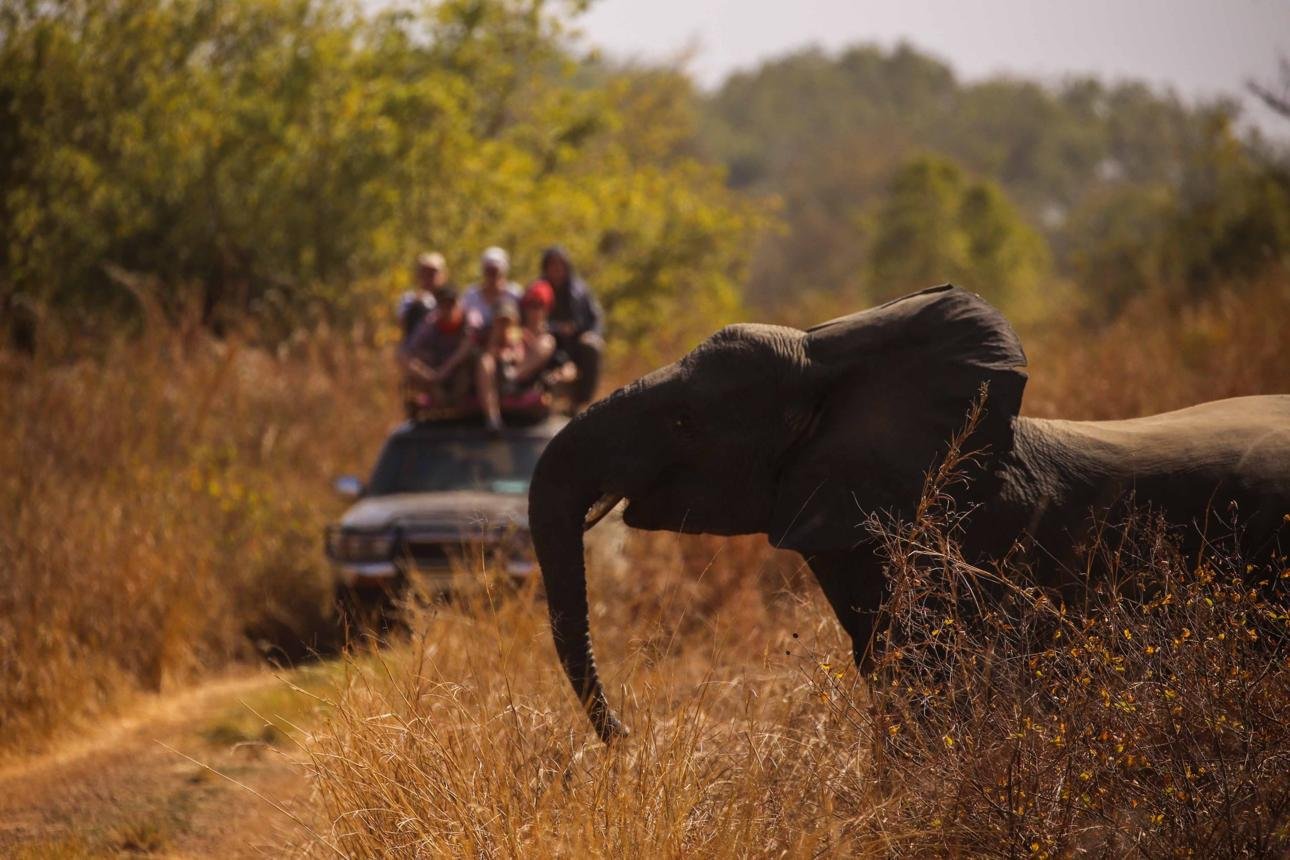
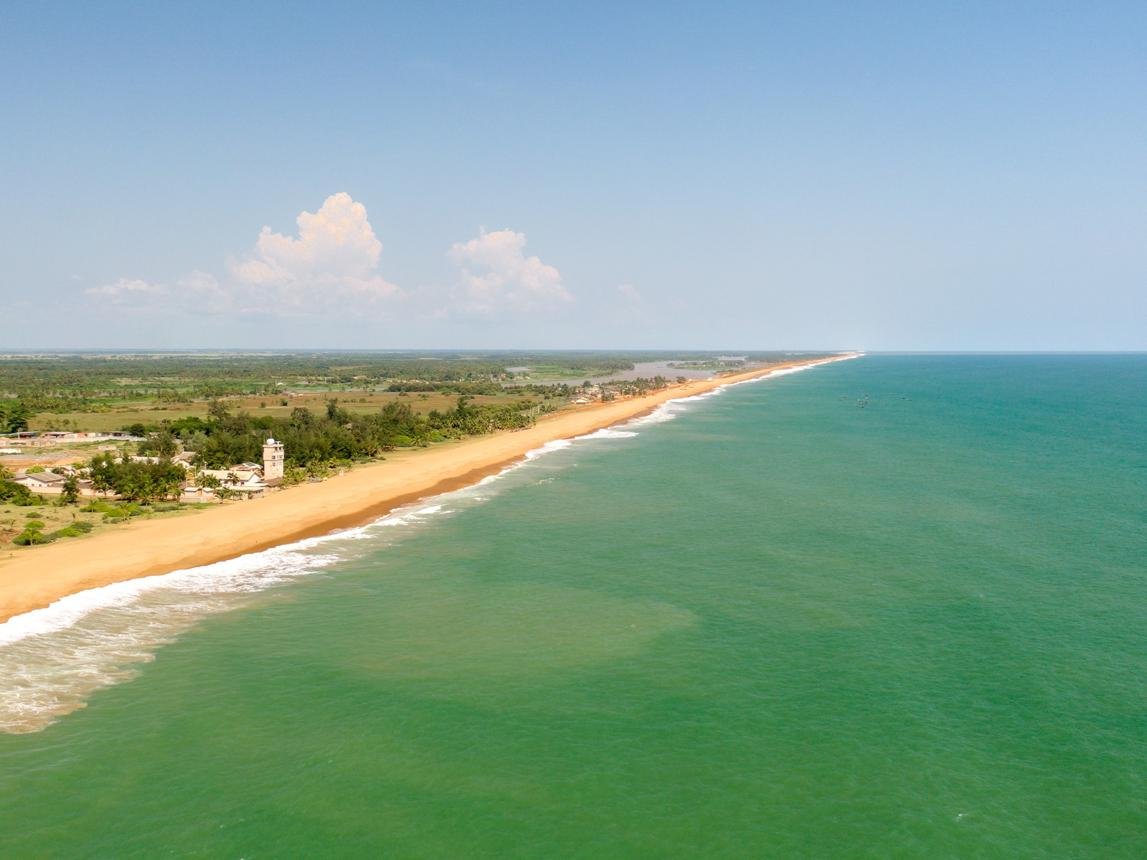
Although Benin is compact compared with many African countries, its landscapes are surprisingly diverse. Palm-lined beaches stretch along the southern coast, tropical forests cover parts of the interior, granite hills dominate the northwest, and vast savannahs support elephants, lions and other wildlife in Pendjari National Park. Traditional villages, sacred forests, floating communities and colorful markets add further variety to every journey.
Whether you are planning your first West African adventure or looking to explore one of the region’s most culturally significant destinations, Benin offers an excellent introduction to authentic African travel.
6
Quick Facts
| Information | Details |
|---|---|
| Capital | Porto-Novo |
| Largest City | Cotonou |
| Population | Approximately 14 million |
| Area | 114,763 km² |
| Language | French (official), numerous local languages |
| Currency | West African CFA Franc (XOF) |
| Time Zone | UTC+1 |
| Driving Side | Right |
| Calling Code | +229 |
| Visa | eVisa available for many nationalities |
| Best Time | November to February |
Benin experiences a tropical climate with distinct dry and rainy seasons. Southern regions receive two rainy seasons, while northern Benin experiences one long rainy season followed by a dry season influenced by the Harmattan winds from the Sahara.
Cash remains the preferred payment method throughout most of the country. ATMs are available in larger cities such as Cotonou, Porto-Novo and Parakou, but travelers heading into rural areas should carry sufficient cash.
Why Visit Benin?
Benin offers a travel experience that is both authentic and rewarding. Unlike more heavily visited African destinations, tourism here remains relatively low-key, allowing visitors to engage directly with local communities, traditions and everyday life.
History is one of Benin’s greatest attractions. The former Kingdom of Dahomey left behind royal palaces, ceremonial sites and museums that provide fascinating insight into one of West Africa’s most powerful pre-colonial states. The country also plays an important role in the history of the Atlantic slave trade, with Ouidah serving as one of the principal departure points for enslaved Africans transported across the Atlantic.
Benin is equally renowned for its living culture. Traditional Vodun ceremonies, colorful festivals, artisan markets and centuries-old customs remain an integral part of daily life. Rather than existing solely for tourists, these traditions continue to shape local identity and community life.
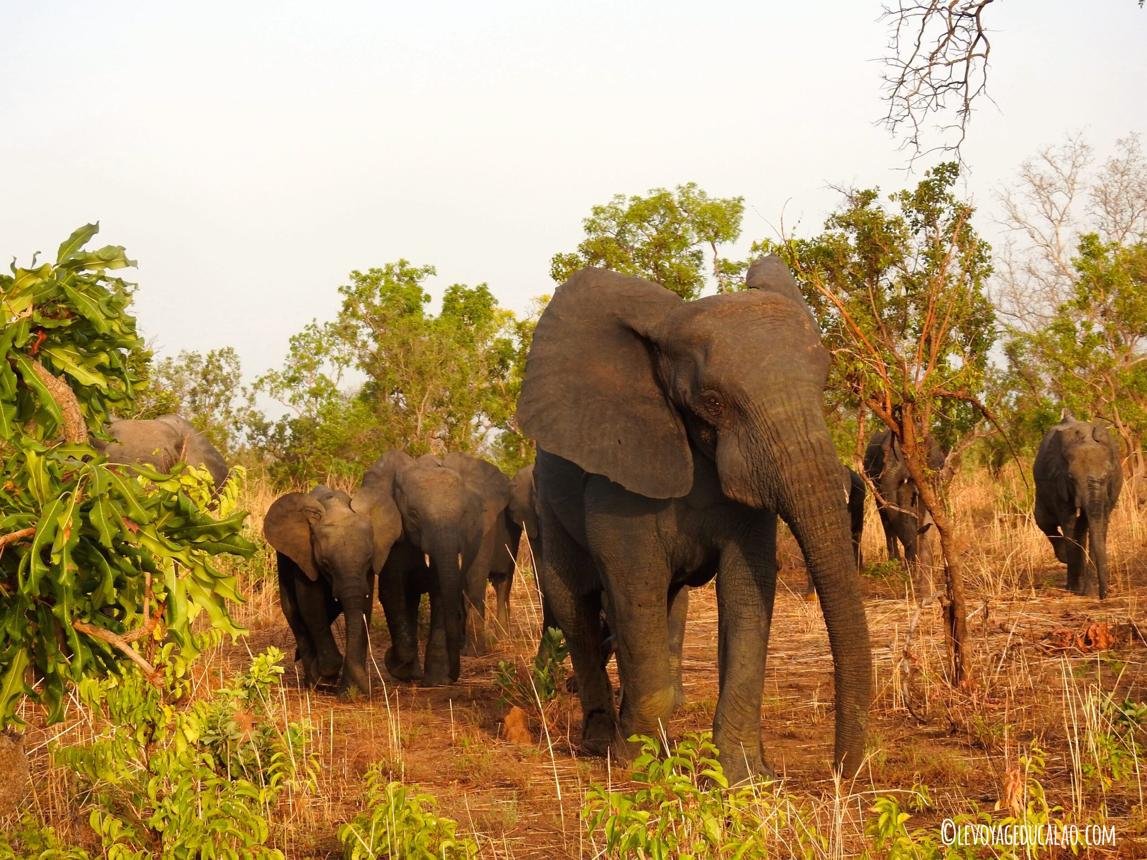
Nature lovers will discover one of West Africa’s finest safari destinations in Pendjari National Park. Together with neighboring protected areas in Burkina Faso and Niger, it forms part of the vast W-Arly-Pendjari ecosystem, home to elephants, lions, buffalo, antelope and hundreds of bird species.
For adventure travelers, Benin offers a diverse mix of beaches, forests, mountains, wildlife reserves and scenic road trips, making it ideal for both first-time visitors and experienced overlanders exploring West Africa.
Best Places to Visit
Cotonou
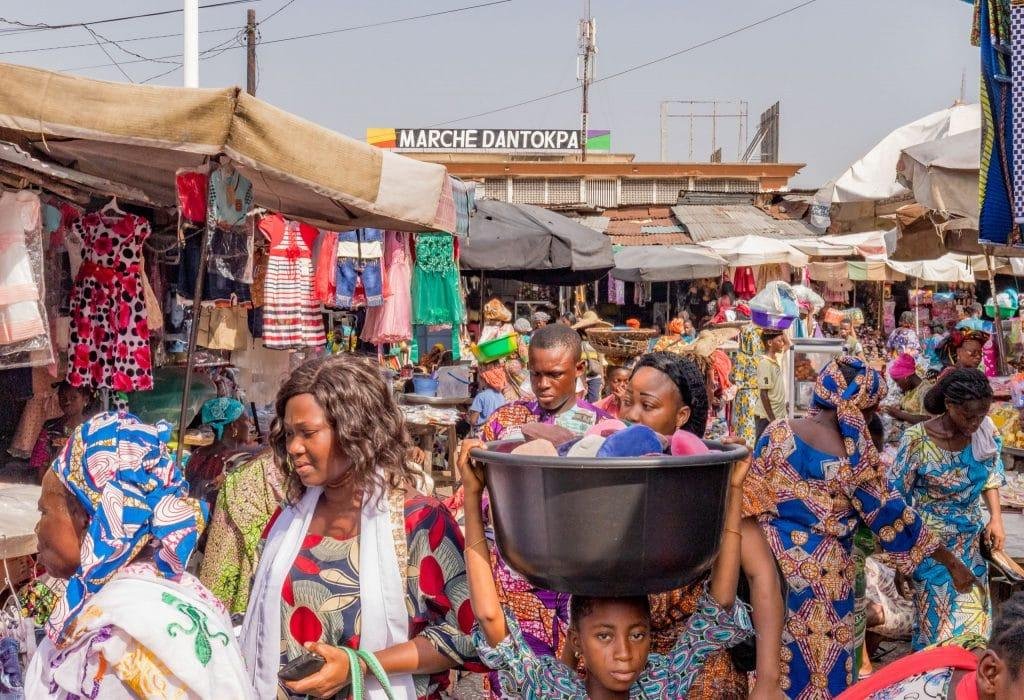
Although Porto-Novo is the official capital, Cotonou is Benin’s economic and cultural center. Visit the enormous Dantokpa Market, relax on Atlantic beaches, enjoy lively restaurants and experience the country’s vibrant urban atmosphere.
Recommended stay: 2–3 days
Porto-Novo
Benin’s official capital combines colonial architecture, traditional markets and fascinating museums. The city offers a quieter alternative to bustling Cotonou while showcasing Yoruba cultural influences.
Recommended stay: 1–2 days
Ouidah
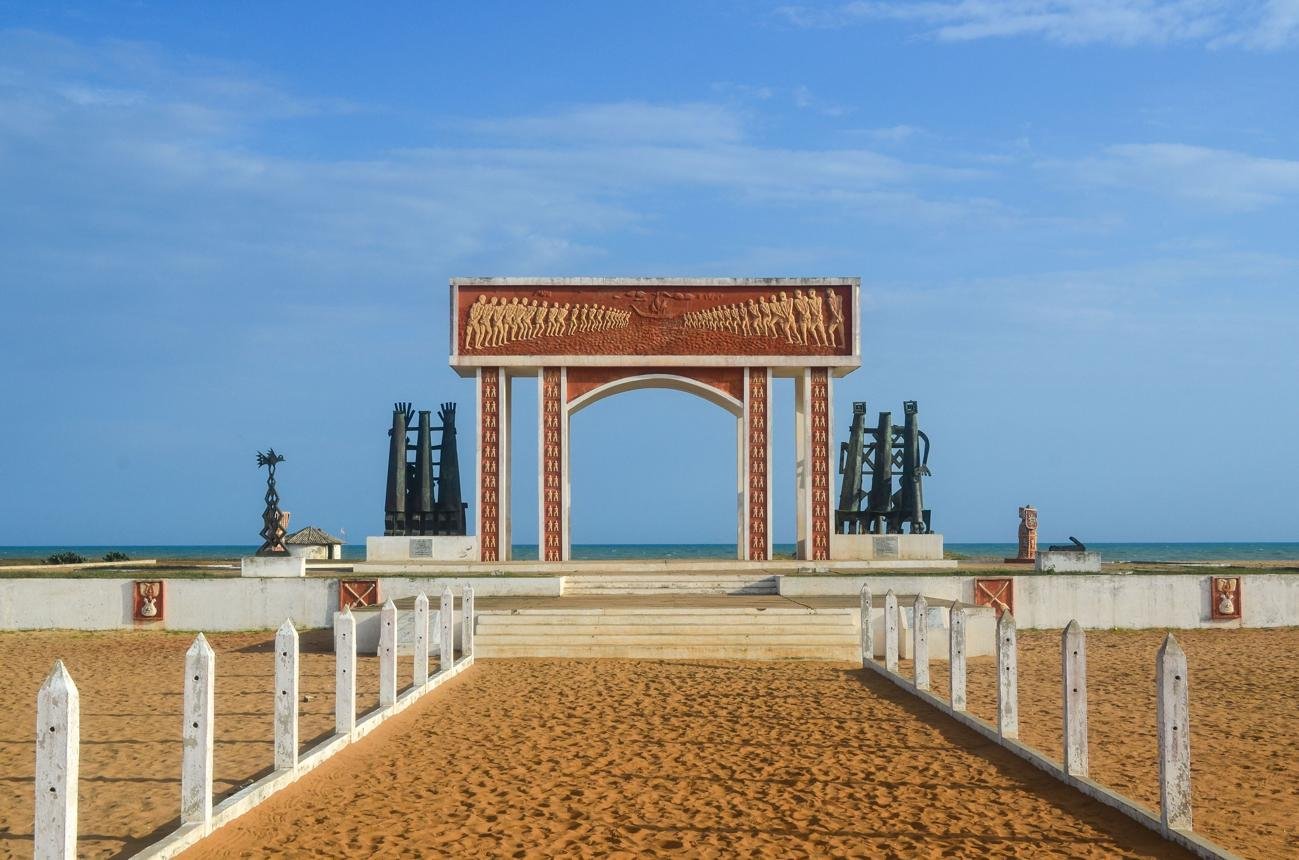
One of Benin’s most historically significant towns, Ouidah played a central role in the Atlantic slave trade and remains an important center of Vodun culture. Highlights include the Route of Slaves, the Door of No Return and the Sacred Forest.
Recommended stay: 2 days
Ganvié
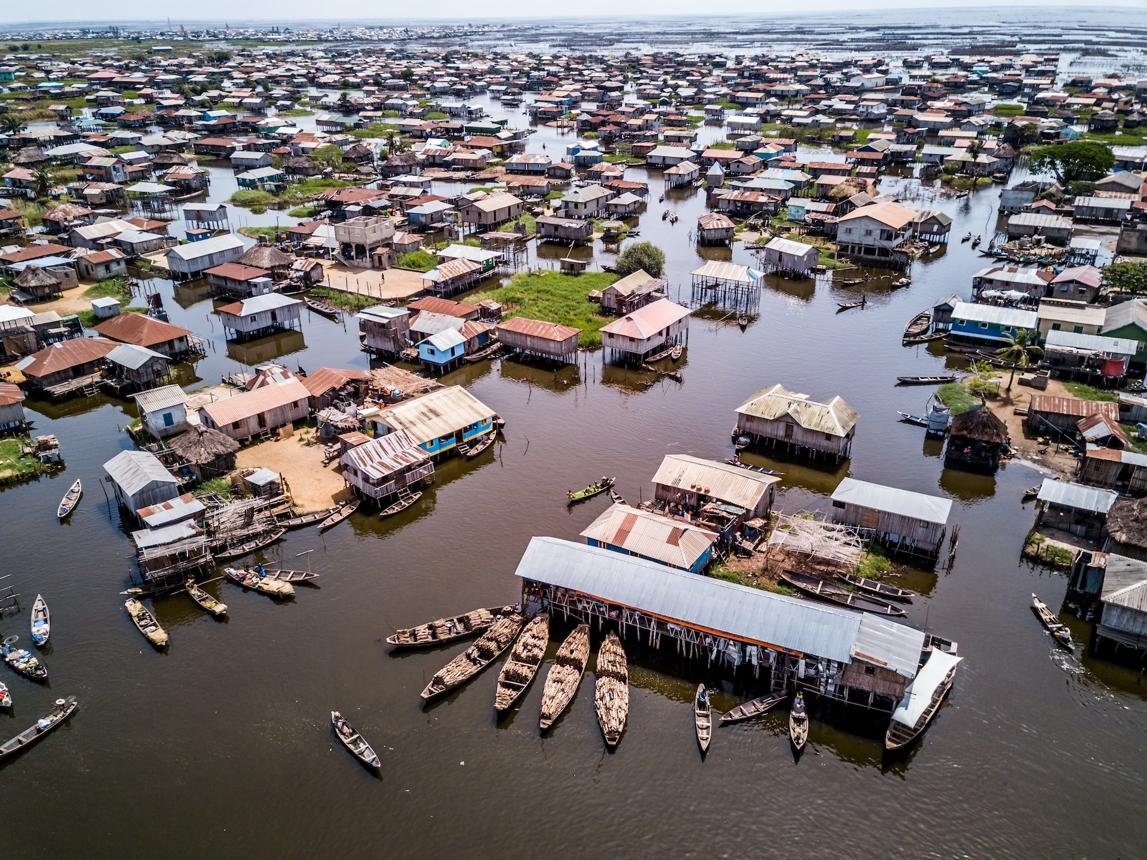
Known as the “Venice of Africa,” Ganvié is a remarkable village built entirely on stilts over Lake Nokoué. Wooden boats replace cars, creating one of West Africa’s most unique communities.
Recommended stay: Half to one day
Abomey
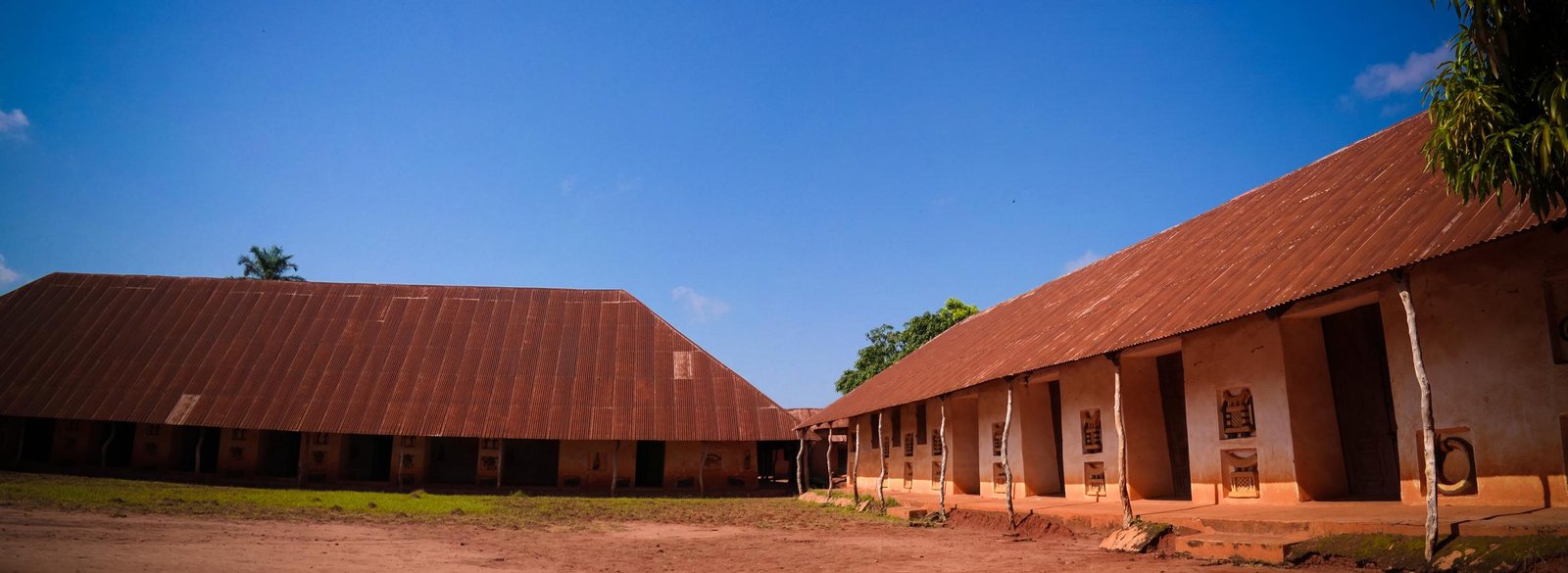
The former capital of the Kingdom of Dahomey is home to the UNESCO-listed Royal Palaces of Abomey, one of Africa’s most important historical sites.
Recommended stay: 1–2 days
Pendjari National Park
Benin’s premier wildlife destination offers excellent safari opportunities with elephants, lions, leopards, buffalo, hippos and more than 300 bird species.
Recommended stay: 2–3 days
Natitingou
Located near the Atakora Mountains, Natitingou serves as the gateway to traditional Somba villages and northern Benin’s spectacular landscapes.
Recommended stay: 2 days
Boukoumbé
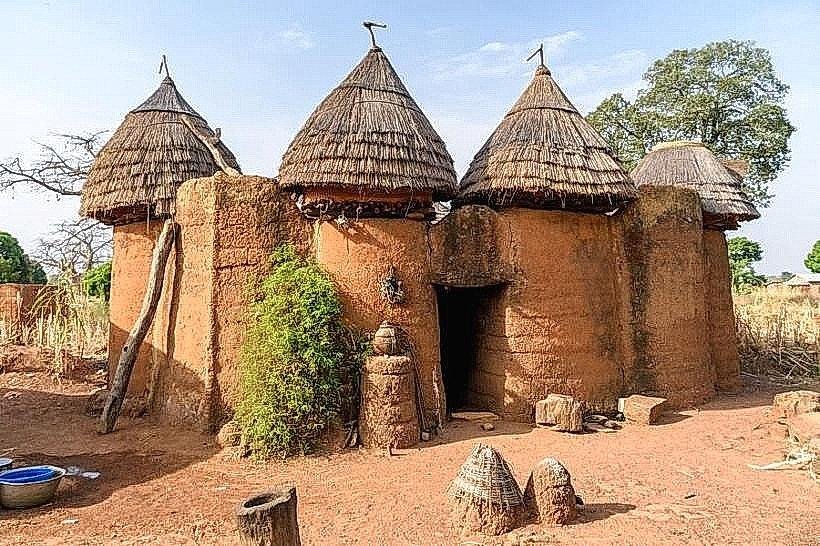
This region is famous for the distinctive Tata Somba mud fortresses built by the Betammaribe people. These traditional homes remain among West Africa’s most remarkable architectural achievements.
Recommended stay: 1–2 days
Grand-Popo
A relaxed coastal town known for beaches, fishing villages, lagoons and birdlife, Grand-Popo is an excellent place to unwind after exploring inland Benin.
Recommended stay: 2 days
Parakou
Benin’s largest northern city serves as an important transport hub and convenient stop on journeys between southern Benin and Pendjari National Park.
Recommended stay: 1 day
6
Best Time to Visit
Benin can be visited throughout the year, although weather conditions vary considerably between the north and south.
November to February
The dry season offers the most comfortable conditions for exploring the entire country. Wildlife viewing in Pendjari National Park is excellent as animals gather around remaining water sources, while temperatures remain relatively pleasant.
March to May
Temperatures become hotter, particularly in northern Benin. Southern regions begin experiencing seasonal rains, although travel remains possible.
June to September
Southern Benin experiences its main rainy season. Roads in remote areas may become muddy, although landscapes are lush and green.
October
Rainfall gradually decreases, making October a good transitional month before the peak travel season begins.
Regions of Benin
Southern Benin
The country’s most populated region includes Cotonou, Porto-Novo, Ouidah and Grand-Popo. Visitors find beaches, historical sites, lagoons and cultural attractions.
Central Benin
Dominated by agricultural landscapes, central Benin includes Abomey and Bohicon, both important historical and transport centers.
Northern Benin
Characterized by savannahs, mountains and national parks, northern Benin is ideal for wildlife viewing, hiking and cultural encounters with the Betammaribe people.
Backpacking Benin
Benin is among the more accessible backpacking destinations in West Africa. Public transport is inexpensive, accommodation is widely available and travel distances are manageable.
A classic two-week backpacking route might include:
- Cotonou
- Ganvié
- Ouidah
- Grand-Popo
- Abomey
- Parakou
- Natitingou
- Pendjari National Park
Shared taxis, minibuses and buses connect most destinations. French is the primary language for tourism, although learning a few greetings in local languages is always appreciated.
Budget accommodation ranges from backpacker guesthouses in Cotonou to simple hotels in provincial towns. Meals at local restaurants remain inexpensive, allowing budget-conscious travelers to explore comfortably.
Future supporting articles include:
- Backpacking Benin Itinerary
- Benin Budget Guide
- Backpacking Cotonou
- Public Transport in Benin
- Backpacker Safety Guide
Overlanding Benin
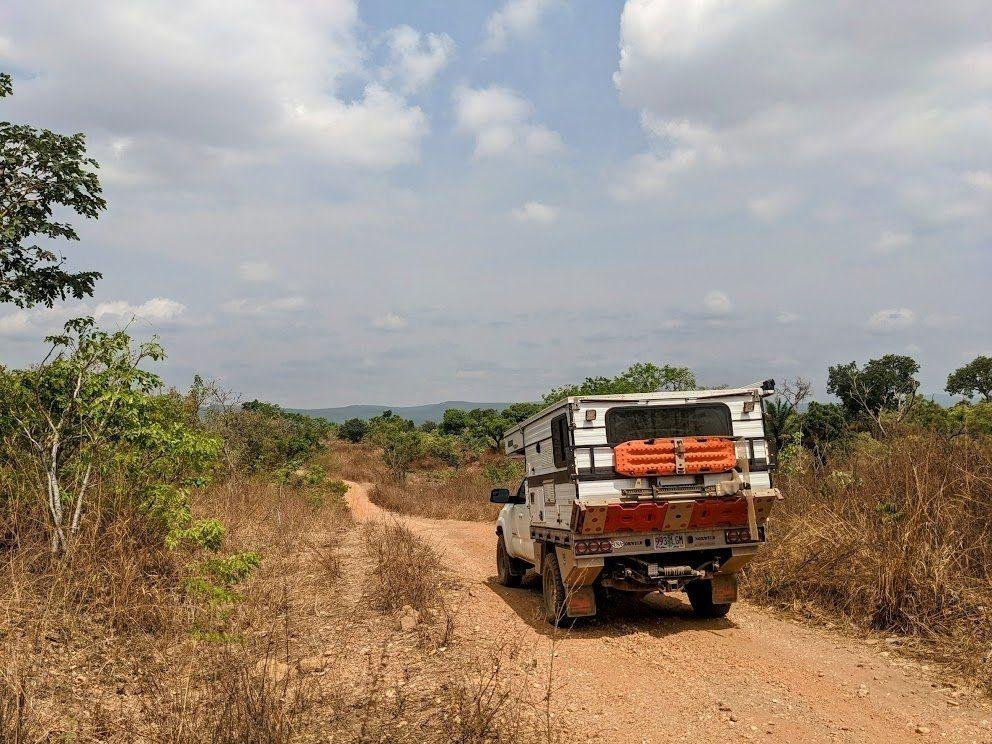
Benin forms an important link within many trans-West African overland routes. Its compact size, relatively good roads and straightforward border procedures make it a popular destination for expedition vehicles.
Common entry points include:
- Togo (west)
- Nigeria (east)
- Burkina Faso (north)
- Niger (northeast)
Popular overland routes include:
Coastal Route
Grand-Popo – Ouidah – Cotonou – Porto-Novo
A scenic drive along Benin’s Atlantic coast featuring beaches, fishing villages and cultural sites.
Cultural Route
Cotonou – Abomey – Dassa-Zoumè – Parakou
Ideal for travelers interested in history and traditional culture.
Safari Route
Parakou – Natitingou – Pendjari National Park
One of West Africa’s finest wildlife drives.
Overlanders should prepare for occasional police checkpoints, variable fuel quality in remote areas and slower travel speeds outside major highways.
Future overlanding guides will cover:
- Border crossings
- Carnet de Passages requirements
- Vehicle insurance
- Fuel availability
- Wild camping
- Road conditions
- West Africa expedition planning
Motorhome & RV Travel
Motorhome tourism remains relatively uncommon in Benin but is entirely feasible with a well-prepared expedition vehicle. Major roads are paved, although secondary roads may become rough during the rainy season.
Recommended RV routes include:
Southern Discovery
Grand-Popo – Ouidah – Cotonou – Porto-Novo
Approximately 200 km
Heritage Circuit
Cotonou – Abomey – Dassa-Zoumè – Bohicon
Perfect for history enthusiasts.
Northern Adventure
Parakou – Natitingou – Pendjari National Park
Suitable for self-contained expedition vehicles.
Camping infrastructure is still developing, so overnight stays generally rely on hotels, lodges or permission from local communities. Expedition vehicles with water and power independence enjoy greater flexibility.
Future RV articles should cover:
- Camping opportunities
- Safe overnight parking
- Fuel stations
- Vehicle services
- Scenic driving routes
- Border procedures
Suggested Road Trips & Itineraries
One Week
Cotonou – Ganvié – Ouidah – Abomey – Grand-Popo
Ideal for travelers focusing on Benin’s history and culture.
Two Weeks
Cotonou – Porto-Novo – Ouidah – Abomey – Parakou – Natitingou – Pendjari National Park
Combines historical attractions with wildlife and northern landscapes.
Three Weeks
Complete Benin Circuit
Grand-Popo – Ouidah – Cotonou – Porto-Novo – Abomey – Dassa-Zoumè – Parakou – Natitingou – Pendjari – Boukoumbé
An excellent itinerary covering Benin’s major highlights.
Four Weeks West Africa
Combine Benin with Togo and Ghana to the west or Nigeria to the east for a broader regional journey.
Essential Travel Information
Visa
Many nationalities can obtain an electronic visa before arrival. Requirements vary depending on nationality, and travelers should confirm the latest regulations before departure.
Budget
Benin remains an affordable destination.
Typical daily costs:
- Budget: €30–50
- Mid-range: €60–120
- Luxury: €150+
Safari lodges and guided wildlife tours increase overall travel expenses.
Safety
Benin is generally regarded as one of the more stable countries in West Africa. Travelers should remain aware of local conditions, particularly near international borders, and follow current travel advisories.
Petty theft may occur in busy urban areas, so standard travel precautions are recommended.
Transport
Transport options include:
- Long-distance buses
- Shared taxis
- Motorcycle taxis (zemidjans)
- Domestic flights (limited)
- Car rental
Road quality varies, with major highways generally in good condition while rural roads may deteriorate during the rainy season.
Continue Planning Your Trip
Top Destinations
- Cotonou
- Porto-Novo
- Ouidah
- Ganvié
- Abomey
- Pendjari National Park
- Natitingou
- Boukoumbé
- Grand-Popo
- Parakou
Travel Planning
- Benin Visa Guide
- Best Time to Visit Benin
- Benin Budget Guide
- Benin Border Crossings
- Driving in Benin
- Benin Safety Guide
Adventure Travel
- Backpacking Benin
- Overlanding Benin
- Benin Motorhome Travel
- Benin Road Trips
- Pendjari Safari Guide
- Vodun Culture Guide
- West Africa Overland Route
- Overlanding in Benin
- Getting around in Benin
Recommended Guides
Continue planning your journey through Benin with OVL’s detailed travel guides covering Cotonou, Porto-Novo, Ouidah, Ganvié, Abomey, Pendjari National Park, Natitingou and Grand-Popo. Additional articles explore backpacking itineraries, overlanding routes, border crossings, camping opportunities, wildlife safaris, road trip planning, cultural festivals and practical travel logistics. Together with this country hub, these in-depth guides provide everything independent travelers need to explore one of West Africa’s most authentic and rewarding destinations.