In Benin, transportation plays a crucial role in connecting people and facilitating the movement of goods across the country. With a history dating back to ancient times when travel was mostly done by foot or animal-drawn carts, the transportation infrastructure in Benin has evolved significantly over the years. Today, a combination of roads, railways, waterways, and air transport systems serve as vital lifelines for the country’s economy and its people.
Despite improvements in recent years, challenges such as inadequate road maintenance and limited access to transportation services still persist in many parts of Benin. As a result, the government has implemented various initiatives to address these issues, including ongoing efforts to upgrade and expand the transportation network to better serve the needs of the population. Additionally, partnerships with international organizations and private sector investors have helped to modernize transport systems and improve efficiency.
One notable statistic is that approximately 85% of all goods in Benin are transported by road, highlighting the importance of the country’s road network in facilitating trade and commerce. Additionally, the construction of new highways and bridges has helped to reduce travel times and improve connectivity between different regions, boosting economic growth and development in the process. As Benin continues to prioritize investments in its transportation infrastructure, the future looks promising for further advancements in the sector.

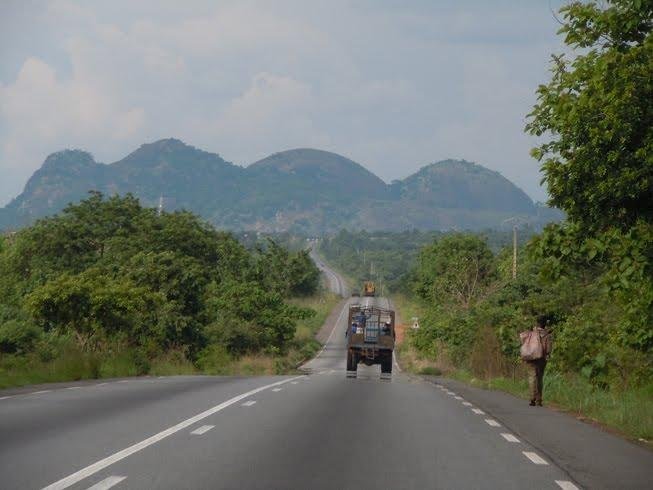

What are the transportation options available in Benin?
Transport in Benin refers to the various means of transportation that are utilized within the country. This includes modes such as buses, taxis, motorcycles, and ferries. The diverse landscape of Benin presents challenges in terms of accessibility, but the transportation network in the country has been continuously developing to improve connectivity and efficiency. To learn more about the specific transportation modes available in Benin and how they contribute to the overall transportation system, continue reading the following sections.
Transport in Benin
Transport in Benin is characterized by a variety of modes of transportation, with the majority of the population relying on informal and traditional means of getting around. The country has a mix of paved and unpaved roads, limited railway networks, and several waterways that are used for transportation. The main modes of transport used in Benin include road transport, railways, water transport, and air transport.
Road Transport
Road transport is the most common mode of transportation in Benin, with the road network being the most extensive. The major roads connect the major cities and towns in the country, but many of them are in poor condition, especially in rural areas. The transportation sector is heavily reliant on minibusses and motorcycles, which are the primary means of public transport for most Beninese. Traffic congestion is a common issue in urban areas, particularly in Cotonou, the largest city in Benin.
Railways
Benin has a limited railway network operated by the Benin National Railway Company. The railway system connects Cotonou, Parakou, and other cities in the country. However, the railway network is not as widely used as road transport due to its limited reach and slower speed compared to other modes of transportation.
Water Transport
Water transport is essential in Benin, given its extensive coastline along the Gulf of Guinea and several rivers that run through the country. Many communities in Benin rely on boats and canoes to navigate through the rivers and waterways, especially in the rural areas where road infrastructure is lacking. The major ports in Benin are located in Cotonou and Porto-Novo, serving as important hubs for international trade and transportation.
Air Transport
Benin has several airports, with the Cadjehoun Airport in Cotonou being the main international airport in the country. The airport serves as the gateway to Benin, connecting the country to various international destinations. Domestic flights are also available, connecting major cities within Benin. However, air transport is not as widely used by the local population due to high costs compared to other modes of transportation.
Statistic
According to recent data, road transport accounts for over 80% of passenger transport in Benin, highlighting the significance of road infrastructure in the country’s transportation system.
https://youtube.com/watch?v=_7RIOY1WbcA
What types of transportation are available in Benin?
– Motorcycle taxis
– Minibuses
– Car rental services
– Bicycle rental services
– Inter-city buses
Is public transportation reliable in Benin?
While public transportation in Benin can be affordable, it is not always the most reliable option. Delays and overcrowding are common, especially in larger cities like Cotonou.
Are taxis readily available in Benin?
Yes, taxis are readily available in Benin, particularly in urban areas. It is advisable to negotiate the fare before starting your journey as taxis may not always use meters.
Are there any safety concerns when using public transportation in Benin?
Travelers should exercise caution when using public transportation in Benin, particularly at night. It is advisable to avoid overcrowded vehicles and be aware of pickpockets.
Can I rent a car in Benin as a tourist?
Yes, tourists can rent cars in Benin from various agencies. However, it is recommended to have an international driving permit and familiarize yourself with local driving regulations.
How much does public transportation cost in Benin?
The cost of public transportation in Benin varies depending on the mode of transport and distance traveled. Motorcycle taxis are generally the most affordable option, while car rental services may be more expensive.
Are there any specific cultural norms to be aware of when using transportation in Benin?
When using transportation in Benin, it is important to greet drivers and fellow passengers with a polite “bonjour” or “bonsoir.” Additionally, it is customary to offer the front seat to elders or women.
Can I use ride-sharing services like Uber in Benin?
No, Uber and other ride-sharing services are not currently available in Benin. However, there are local taxi apps that can be used for transport services.
What are the main transport hubs in Benin?
– Cotonou Cadjèhoun Airport
– Cotonou Railway Station
– Cotonou Bus Station
– Parakou Bus Station
Are there any restrictions on transporting goods in Benin?
In Benin, there may be restrictions on transporting certain goods, particularly agricultural products and livestock. It is advisable to check with local authorities or transport agencies before transporting goods within the country.
Conclusion
In conclusion, Transport in Benin presents a complex system that plays a crucial role in the country’s economy and daily life. The challenges faced in infrastructure development, road maintenance, and public transportation highlight the need for continued investment and improvement in the transportation sector. Despite these challenges, the government’s efforts to enhance the transport network through initiatives such as the Cotonou-Parakou railway project and the construction of new roads are steps in the right direction to alleviate congestion and improve connectivity.
Moreover, the reliance on informal modes of transport such as zemidjans and moto-taxis reflects the adaptability and resourcefulness of the Beninese people in navigating the shortcomings of the formal transportation system. As the country continues to urbanize and modernize, addressing issues such as road safety, public transportation accessibility, and sustainable transport options will be essential to ensure efficient and reliable transport services for all citizens. By addressing these challenges and investing in strategic improvements, Benin can foster economic growth and improve the quality of life for its people through a more efficient and sustainable transportation system.