India is home to one of the largest transport networks in the world, with a diverse range of modes of transportation connecting cities, towns, and rural areas across the country. From railways to roadways, airways to waterways, the transport system in India plays a critical role in facilitating economic growth, social mobility, and cultural exchange. The history of transport in India dates back centuries, with ancient civilizations like the Indus Valley Civilization having well-developed trade routes and transportation systems. Today, the transport sector is a vital component of India’s infrastructure, supporting industries such as agriculture, tourism, and manufacturing.
One of the biggest challenges facing transport in India is the issue of congestion and overcrowding on roads and railways. With a population exceeding 1.3 billion people, the demand for transportation services far exceeds the available infrastructure capacity. This has led to increased travel times, road accidents, and environmental pollution. To address this issue, the Indian government has been investing in upgrading and expanding its transport infrastructure, including building new highways, railways, and airports. Initiatives like the Bharatmala project and the Sagarmala project aim to improve connectivity and reduce transportation costs across the country.
The Indian Railways is the lifeline of the country, serving millions of passengers and transporting goods across vast distances every day. With over 115,000 km of track and more than 7,000 stations, it is one of the largest rail networks in the world. Despite its size, the Indian Railways faces challenges such as maintenance issues, delays, and accidents. The introduction of high-speed trains like the Vande Bharat Express and initiatives like the dedicated freight corridor project are aimed at modernizing and improving the efficiency of the rail network in India. Additionally, the government has been promoting initiatives like the “Make in India” campaign to encourage domestic manufacturing of railway equipment and components.
India’s transport sector is undergoing rapid transformation with the advent of new technologies and innovative solutions. The introduction of ride-sharing services like Ola and Uber, the growth of e-commerce platforms like Amazon and Flipkart, and the development of smart cities are changing the way people and goods move in the country. With the government’s focus on sustainable and inclusive growth, there is a growing emphasis on promoting green transportation options like electric vehicles and public transport systems. The future of transport in India holds great promise, with opportunities for investments, job creation, and improved quality of life for its citizens.
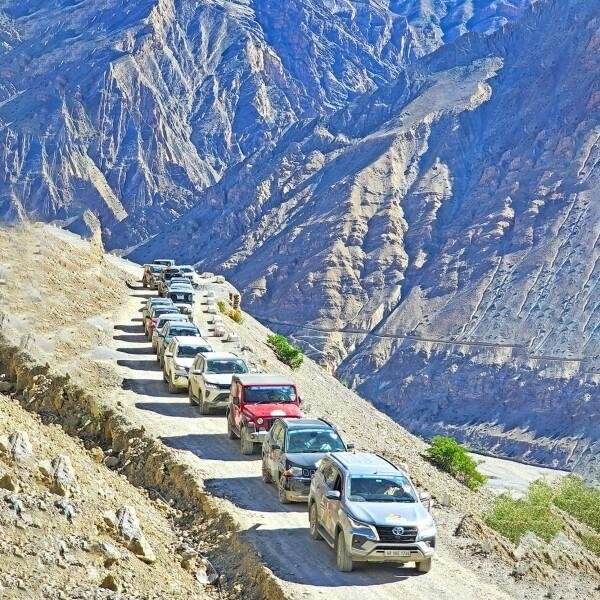
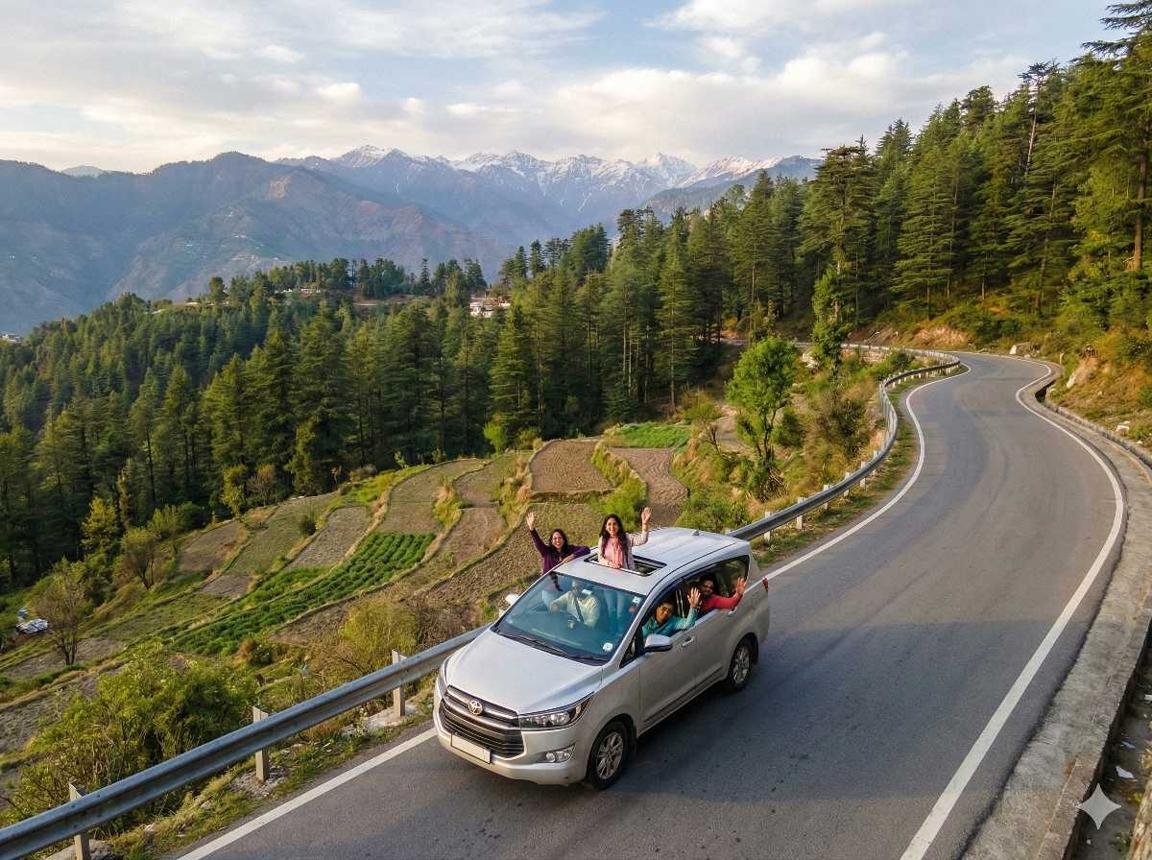
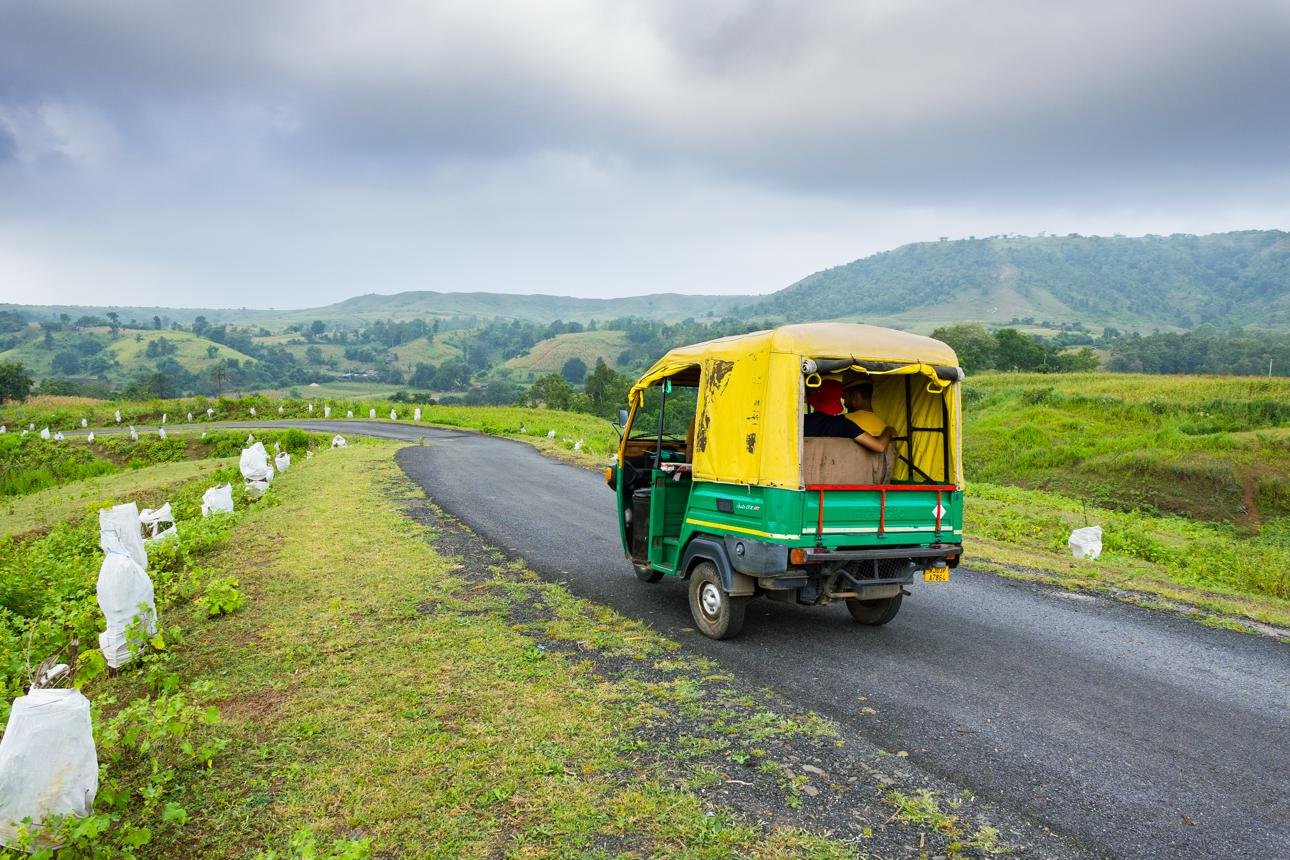
What are the Key Aspects of Transport in India?
Transport in India refers to the system of moving people and goods from one place to another within the country. This includes various modes of transportation such as roads, railways, airways, and waterways. The transport sector in India plays a crucial role in facilitating economic growth and connecting different parts of the country. To learn more about the importance and impact of transport in India, continue reading the following section.
India is a vast country with a population of over 1.3 billion people, and its transport system plays a crucial role in connecting people and goods across the country. The transport infrastructure in India is diverse and includes roadways, railways, airways, and waterways.
**Road Transport**
Road transport is the most widely used form of transport in India, accounting for more than 80% of passenger traffic and 60% of freight traffic. The road network in India is extensive, with over 5.5 million kilometers of roads. The National Highways Authority of India (NHAI) is responsible for the development and maintenance of national highways in the country.
**Rail Transport**
India has one of the largest railway networks in the world, operated by Indian Railways. The railway network spans over 67,000 kilometers, connecting remote areas and urban centers across the country. Indian Railways operates passenger trains, freight trains, and suburban rail services, making it a lifeline for millions of people in India.
**Air Transport**
Air transport in India has seen significant growth in recent years, with the country having over 100 operational airports. The national carrier, Air India, along with several private airlines, connect major cities and towns in India. The government has also launched the UDAN (Ude Desh ka Aam Nagrik) scheme to improve regional connectivity and make air travel more affordable for the common people.
**Water Transport**
Water transport plays a crucial role in connecting coastal areas and islands in India. The country has a vast network of rivers, canals, and ports that facilitate the movement of goods and people. Major ports like Mumbai, Chennai, Kolkata, and Cochin handle a significant amount of cargo traffic, contributing to India’s maritime trade.
**Challenges and Future Prospects**
Despite having a diverse transport network, India faces several challenges such as traffic congestion, inadequate infrastructure, and safety concerns. The government is investing in infrastructure development and introducing innovative solutions like the Bharatmala project for road connectivity and the Sagarmala project for port-led development.
India is poised to become a global transportation hub with the adoption of modern technologies like high-speed rail, intelligent transport systems, and electric vehicles. The integration of different modes of transport and the emphasis on sustainable practices will play a key role in shaping the future of transport in India.
According to the Ministry of Road Transport and Highways, India witnessed a 7.54% increase in road traffic in 2020-2021 compared to the previous year, highlighting the growing demand for efficient transport systems in the country.
What are the major modes of transport in India?
The major modes of transport in India include road transport, railway transport, air transport, and water transport.
How extensive is the railway network in India?
India has one of the largest railway networks in the world, covering over 67,000 km of track and connecting almost every corner of the country.
Are the roads in India well-developed?
While major cities and highways have well-developed roads, rural areas in India may still have poor road infrastructure.
Is public transportation easily accessible in India?
Yes, public transportation options like buses, trains, and metro systems are easily accessible in most major cities in India.
Are taxis and auto-rickshaws readily available in India?
Yes, taxis and auto-rickshaws are popular modes of transport in India and are readily available in most cities and towns.
How is air travel in India?
Air travel in India is well-established, with many domestic and international airlines operating flights to and from major cities across the country.
Can I travel by boat in India?
Yes, India has a vast network of rivers and coastal areas where you can travel by boat for both transportation and leisure purposes.
Are there any challenges in the Indian transport system?
Some challenges in the Indian transport system include traffic congestion, inadequate infrastructure, and safety concerns, especially for women travelers.
What are the popular means of transport for long-distance travel in India?
For long-distance travel in India, people often choose trains or buses for cost-effectiveness and convenience.
How can I stay updated on transport schedules and routes in India?
You can stay updated on transport schedules and routes in India by checking official websites, using travel apps, or contacting local transportation authorities.
Conclusion
Overall, transport in India is a complex and evolving system that plays a crucial role in the country’s economic development and societal well-being. The diverse modes of transport, including road, rail, air, and waterways, cater to the vast and varied population of India, connecting people, goods, and services across the nation. While the transport infrastructure in India has seen significant improvements in recent years, challenges such as congestion, pollution, safety concerns, and the need for sustainable development remain major areas of concern.
Efforts to enhance transport connectivity, modernize infrastructure, and promote multimodal transportation are essential for addressing these challenges and ensuring efficient and sustainable transport systems in India. Collaboration between the government, private sector, and civil society is crucial for achieving these goals and unlocking the full potential of India’s transport sector. As India continues to urbanize and develop rapidly, the focus on innovative solutions, technology integration, and inclusive approaches will be key in shaping the future of transport in the country.