Tropical Islands, Volcanoes, Rainforests & Central African Adventure
6
Equatorial Guinea Travel Guide
Equatorial Guinea is one of Africa’s smallest, wealthiest, and least-visited countries. Located on the Gulf of Guinea, it consists of a mainland region known as Río Muni and several islands, the largest of which is Bioko Island, home to the capital, Malabo. Although often overlooked by international travelers, the country rewards adventurous visitors with volcanic mountains, tropical rainforests, pristine beaches, colonial architecture, and exceptional biodiversity.
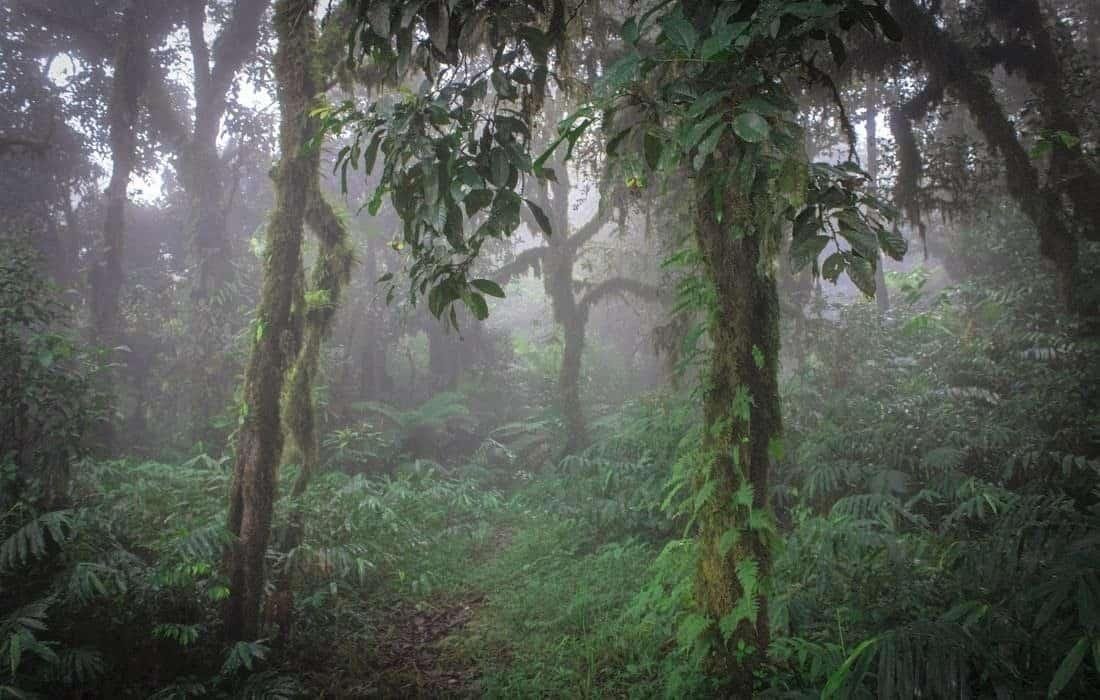
Bordered by Cameroon and Gabon on the mainland and surrounded by the warm waters of the Atlantic Ocean, Equatorial Guinea occupies a unique position between West and Central Africa. The mainland features dense forests that form part of the Congo Basin ecosystem, while Bioko Island rises dramatically from the sea, dominated by volcanic peaks and cloud forests. Offshore islands such as Corisco and Annobón add even more diversity with secluded beaches, marine life, and traditional fishing communities.
Unlike many neighboring countries, tourism remains in its early stages. Visitor numbers are low, allowing travelers to enjoy attractions without crowds. Roads on the mainland have improved considerably in recent years, and the country’s modern infrastructure contrasts with the remote rainforests and quiet villages found beyond the cities.
For overlanders exploring Central Africa, Equatorial Guinea presents an interesting detour from the more common routes through Cameroon and Gabon. Backpackers seeking unusual destinations will find authentic experiences and remarkable natural beauty, while RV travelers can explore much of the mainland using paved roads, although ferry logistics to the islands require additional planning.
This guide provides an introduction to Equatorial Guinea’s highlights while serving as the central travel hub for detailed articles covering overlanding, backpacking, camping, driving, visas, border crossings, and destination-specific travel information.
Quick Facts
| Item | Information |
|---|---|
| Capital | Malabo |
| Largest Mainland City | Bata |
| Currency | Central African CFA Franc (XAF) |
| Official Languages | Spanish, French and Portuguese |
| Population | Approximately 1.8 million |
| Time Zone | UTC+1 |
| Driving | Right-hand side |
| Country Code | +240 |
Why Visit Equatorial Guinea?
Equatorial Guinea combines tropical islands, rainforest wildlife, volcanic scenery, and a fascinating cultural heritage.
Reasons to visit include:
- Bioko Island
- Pico Basile
- Tropical rainforests
- Quiet beaches
- Colonial architecture
- Monte Alén National Park
- Sea turtles
- Birdwatching
- Volcanic landscapes
- Atlantic coastline
- Adventure travel
- Authentic local culture
Its combination of island and mainland ecosystems makes it one of Africa’s most distinctive destinations.
Best Places to Visit
6
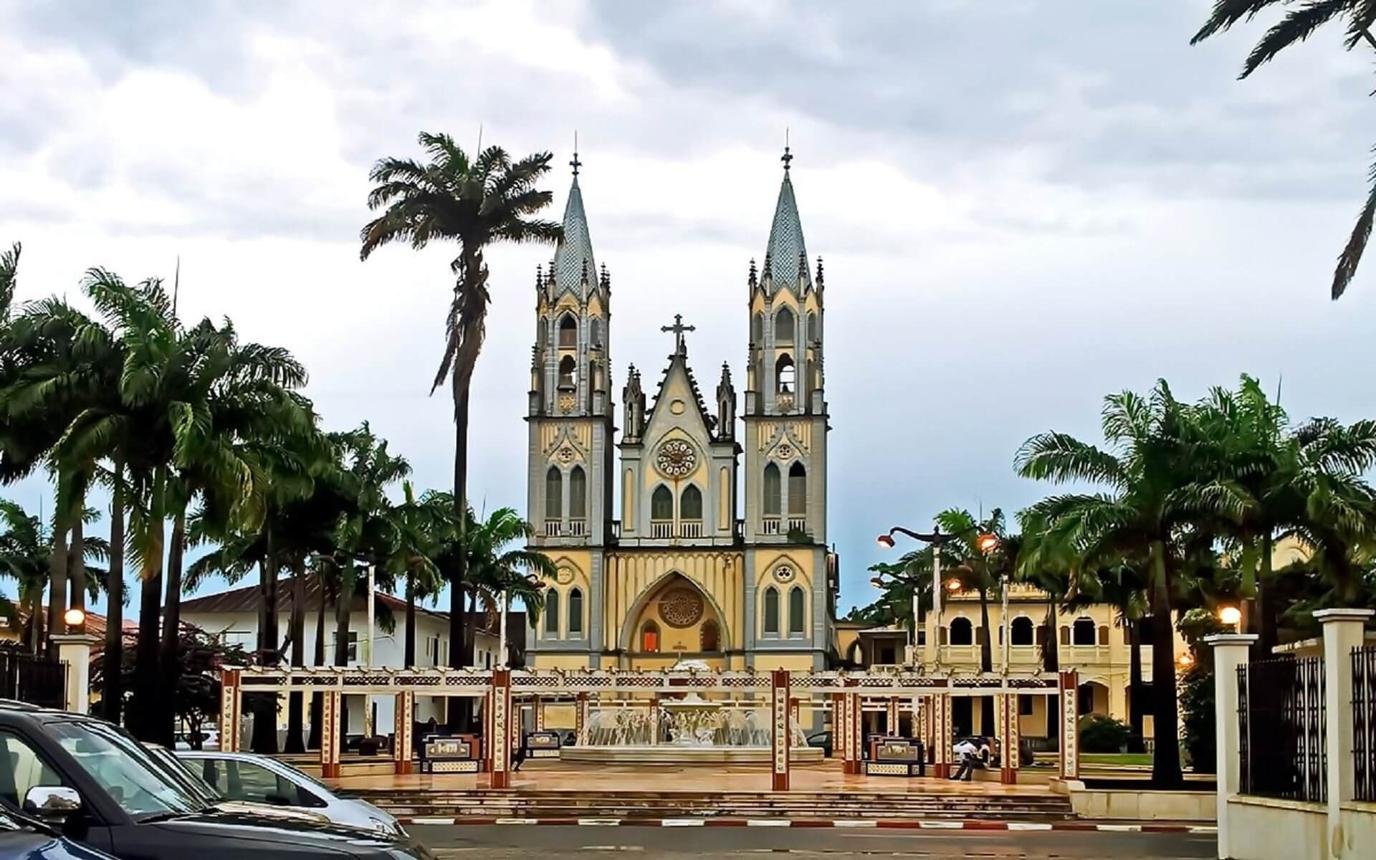
Malabo
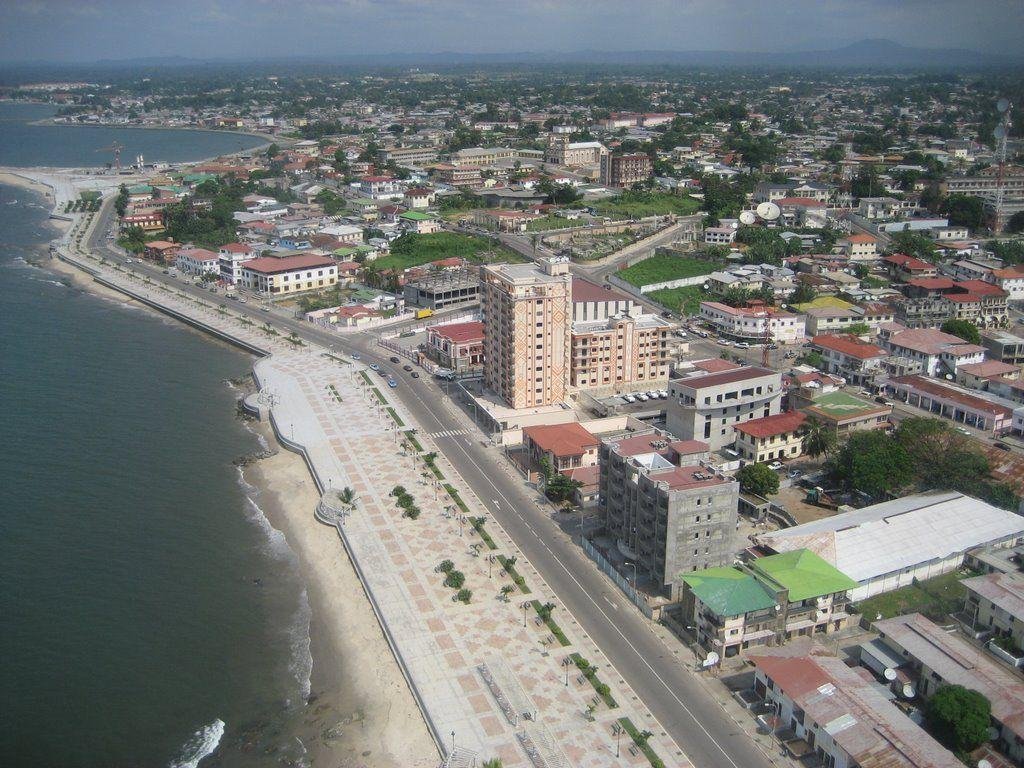
Located on Bioko Island, Malabo is one of Africa’s most attractive island capitals.
Highlights include:
- Santa Isabel Cathedral
- Presidential Palace (view from outside)
- Colonial architecture
- Waterfront
- Markets
- Restaurants
The city combines Spanish colonial influences with modern development.
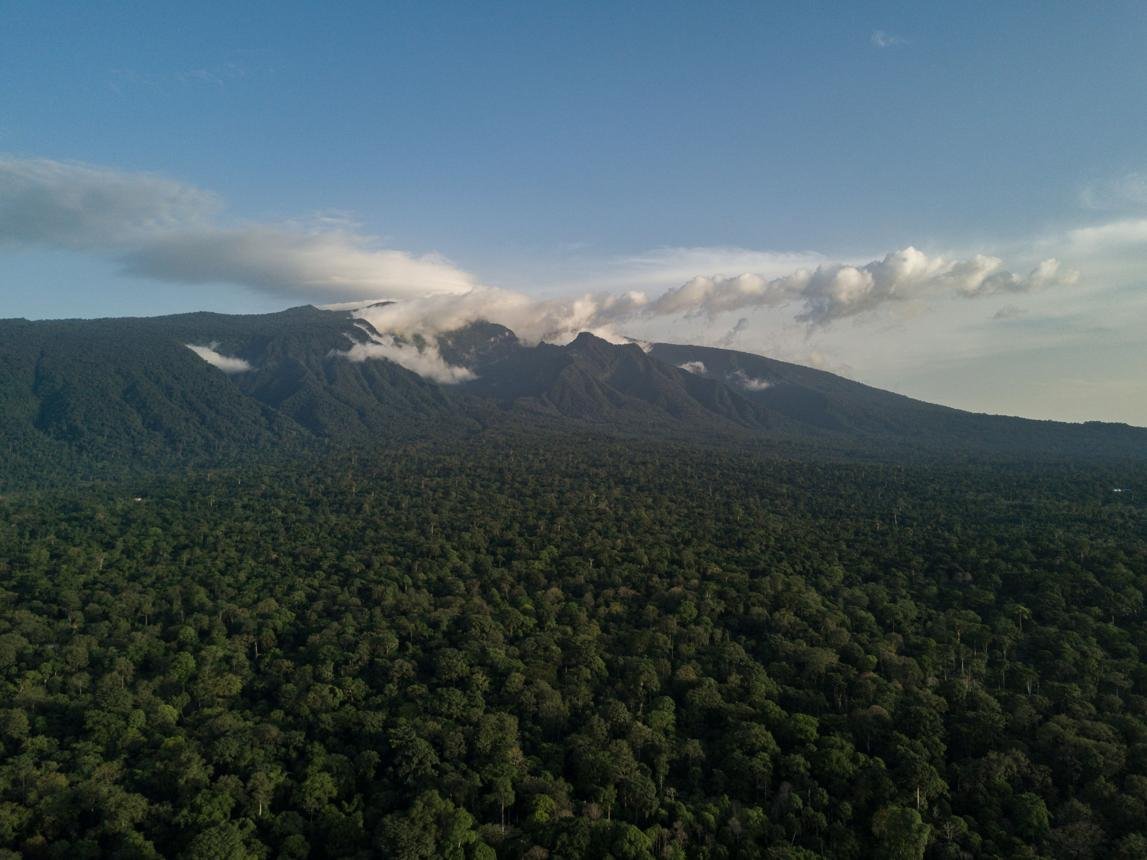
Pico Basile
Standing at over 3,000 meters (9,800 feet), Pico Basile dominates Bioko Island.
Visitors enjoy:
- Hiking
- Cloud forests
- Panoramic views
- Birdwatching
- Cool mountain climate
On clear days, views extend across the Gulf of Guinea toward Cameroon.
Monte Alén National Park
The country’s premier protected area preserves extensive rainforest habitats.
Wildlife includes:
- Primates
- Forest elephants
- Pangolins
- Birds
- Butterflies
Guided hikes provide opportunities to explore one of Central Africa’s richest ecosystems.
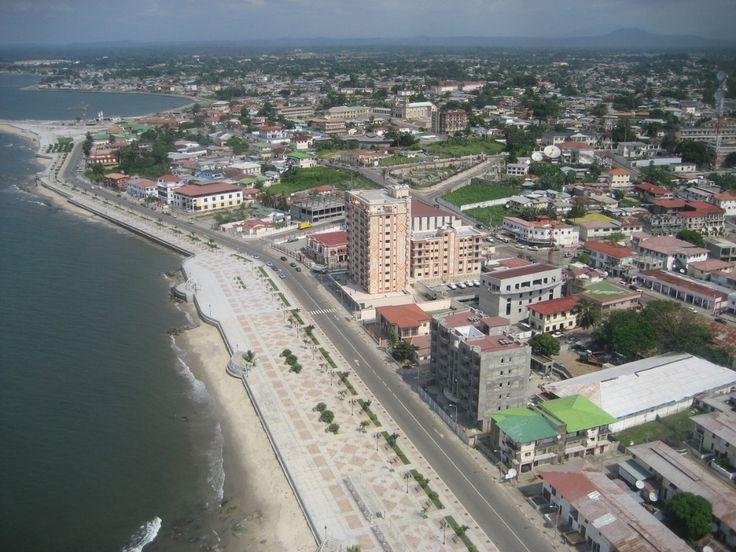
Bata
The mainland’s largest city offers:
- Beaches
- Waterfront promenade
- Markets
- Restaurants
- Modern infrastructure
Bata serves as the gateway to Río Muni.
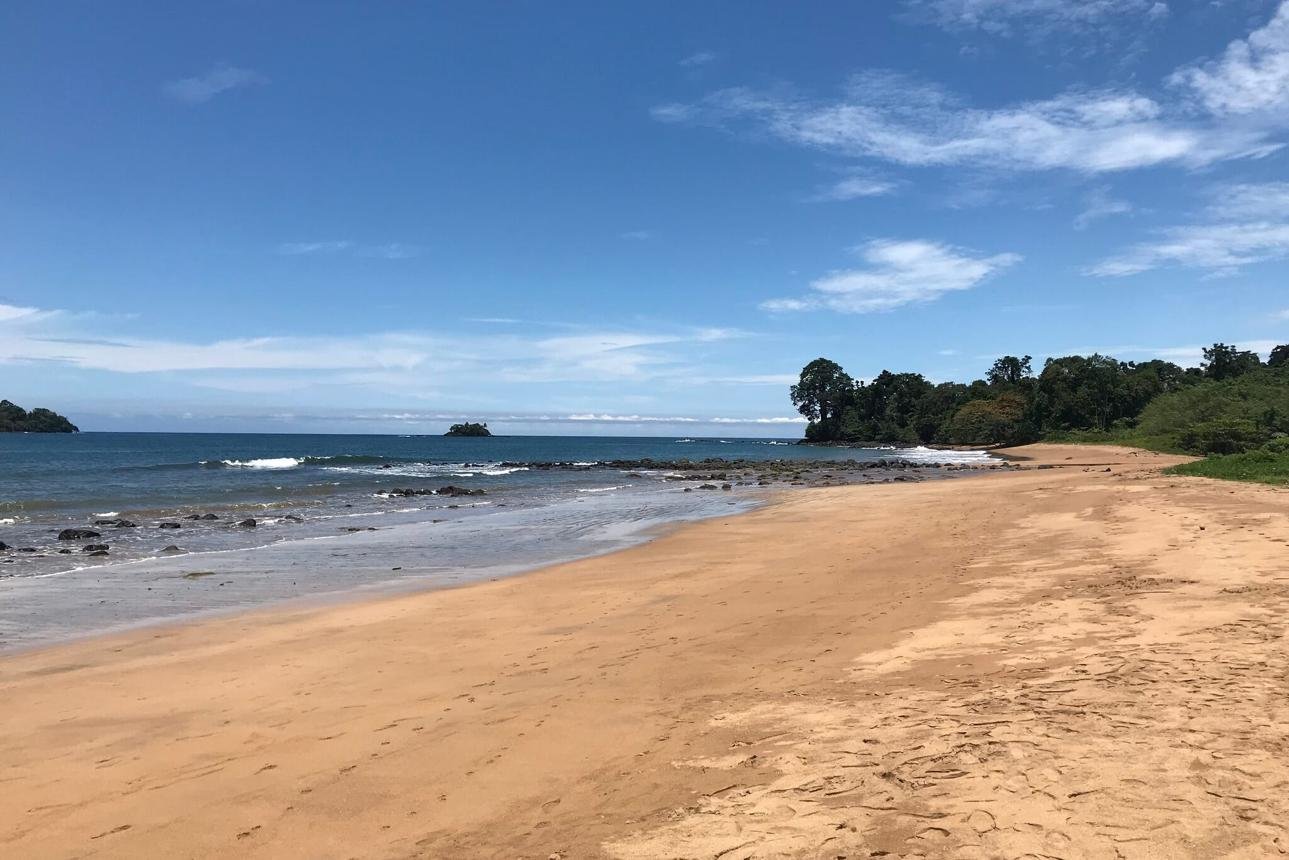
Arena Blanca Beach
One of Bioko Island’s finest beaches.
Highlights include:
- White sand
- Calm waters
- Birdlife
- Sea turtles (seasonal)
Corisco Island
Located near the Gabon border, Corisco features:
- Quiet beaches
- Fishing villages
- Marine wildlife
- Tropical scenery
Annobón Island
This remote volcanic island remains one of Africa’s least-visited destinations.
Visitors discover:
- Crater lakes
- Dramatic cliffs
- Traditional villages
- Rich birdlife
Access is limited and requires careful planning.
Best Time to Visit
Equatorial Guinea has a tropical climate with high humidity throughout the year.
| Season | Conditions |
|---|---|
| December – February | Relatively drier, ideal for travel |
| March – May | Increasing rainfall |
| June – September | Wet season on parts of the mainland |
| October – November | Rainfall gradually decreases |
Mountain regions remain cooler than the coast.
Regions of Equatorial Guinea
Bioko Island
Home to:
- Malabo
- Pico Basile
- Beaches
- Volcanoes
Río Muni (Mainland)
Features:
- Bata
- Monte Alén
- Rainforests
- Rivers
Southern Islands
Includes:
- Corisco
- Annobón
- Small offshore islands
Suggested Road Trips & Itineraries
7-Day Bioko Island
Explore:
- Malabo
- Pico Basile
- Arena Blanca
- Coastal villages
10-Day Mainland Adventure
Continue to:
- Bata
- Monte Alén National Park
- Rainforest excursions
Two-Week Country Explorer
Combine:
- Bioko Island
- Río Muni
- National parks
- Beaches
Three-Week Grand Equatorial Guinea Journey
Visit:
- Bioko
- Mainland rainforests
- Corisco Island
- Local communities
Ideal for travelers seeking both nature and culture.
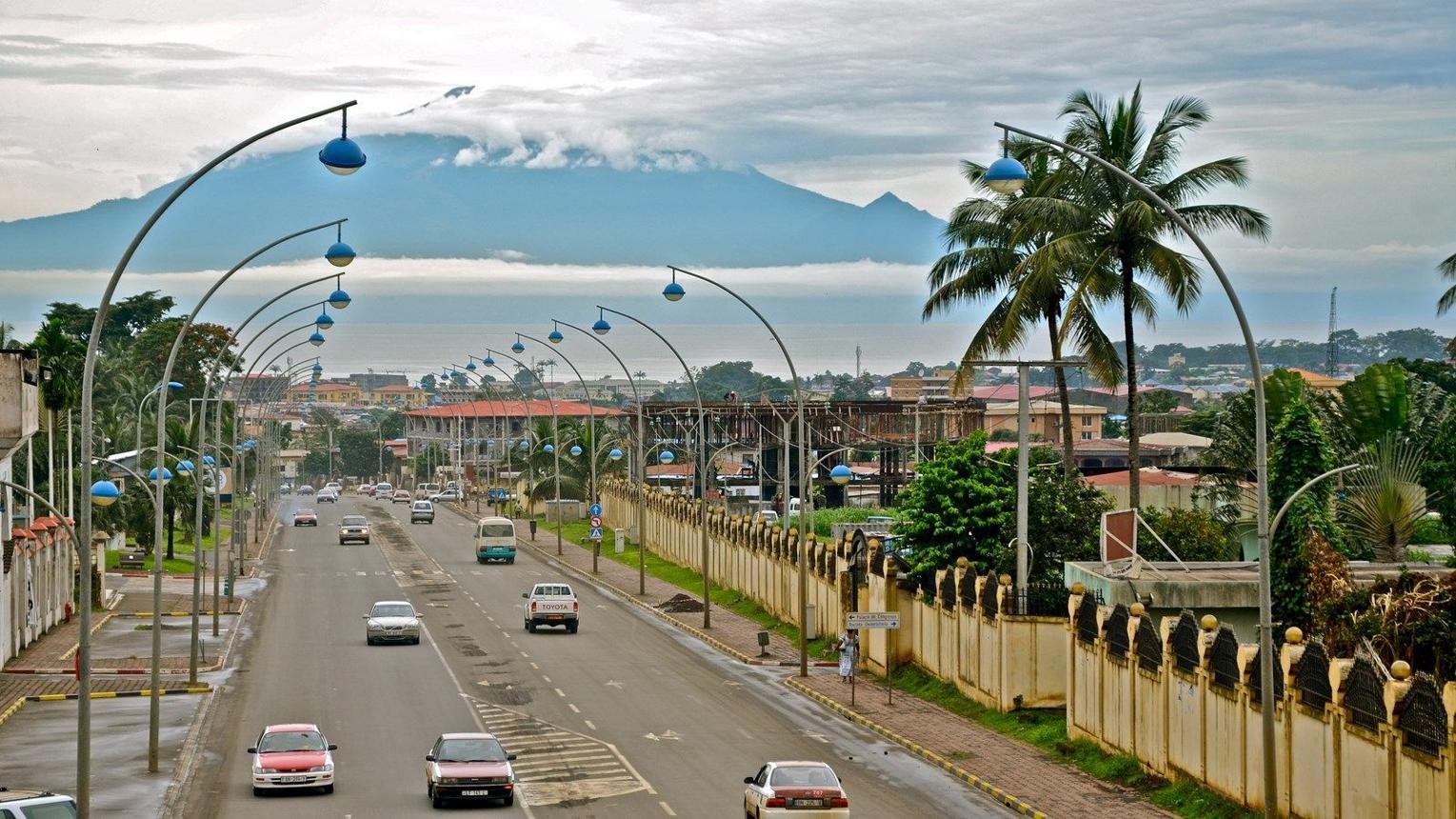
Overlanding in Equatorial Guinea
5
Equatorial Guinea is an interesting destination for experienced overlanders exploring Central Africa.
Why Overlanders Visit
Highlights include:
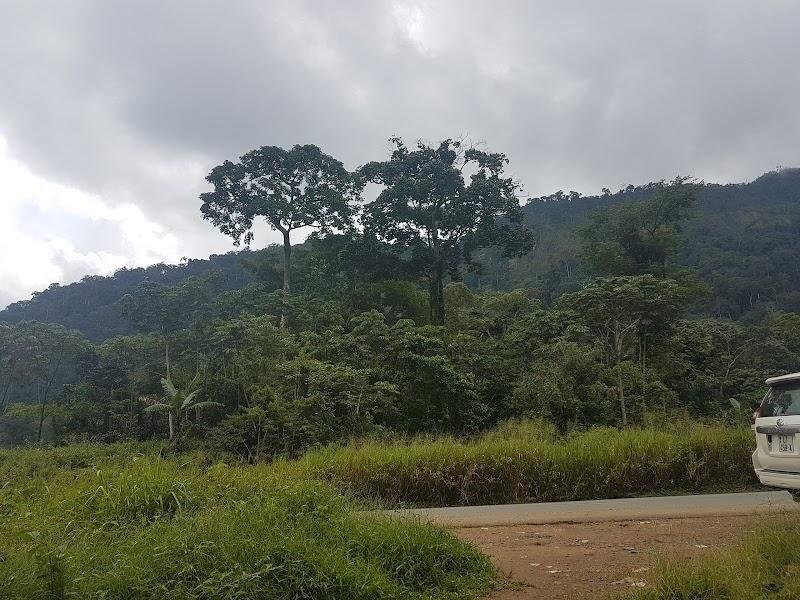
- Tropical forests
- Modern highways
- Low tourist numbers
- Atlantic coastline
- National parks
- Cross-border routes
- Unique island extension
Popular Overland Routes
Cameroon Border – Bata
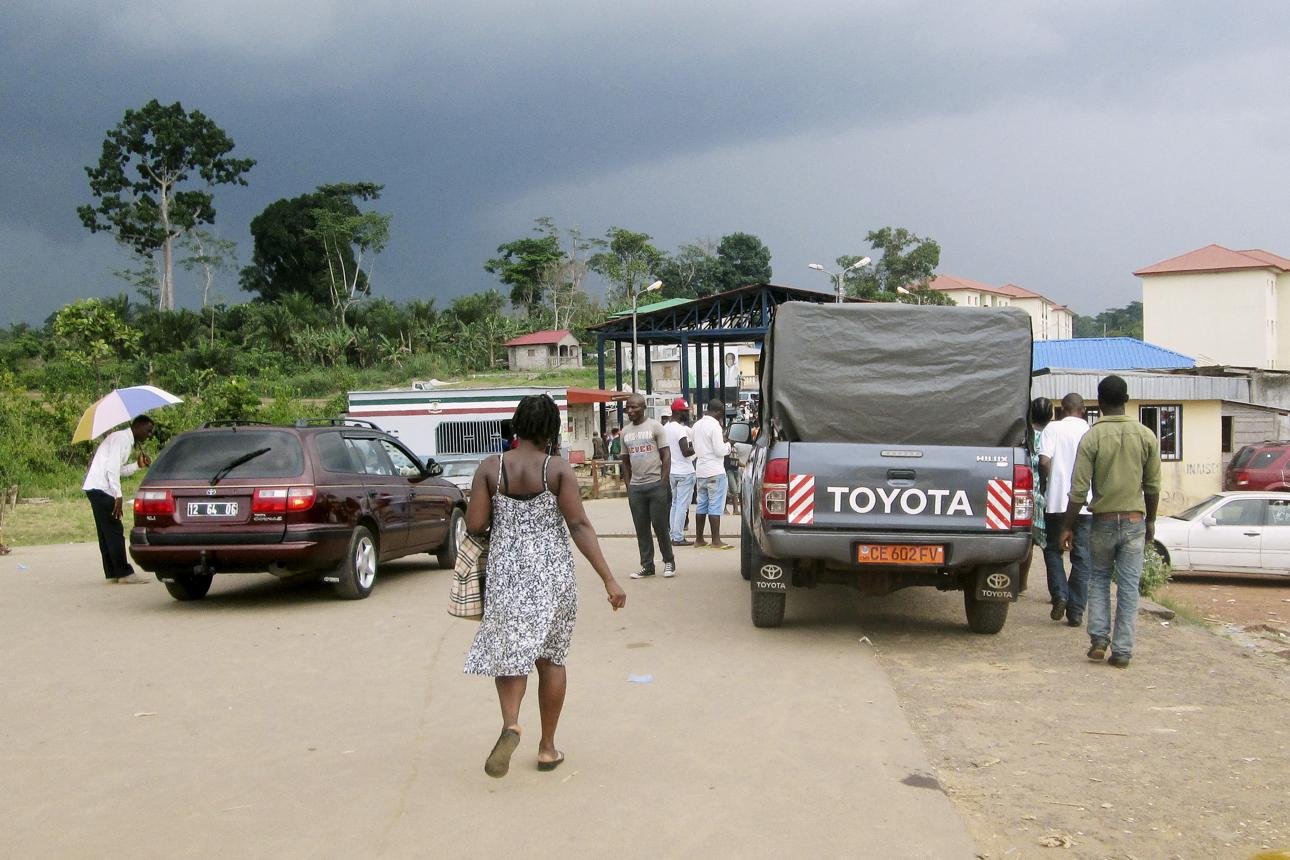
The most common overland entry into the mainland.
Bata – Monte Alén
A scenic rainforest drive.
Bata – Gabon Border
Popular for travelers continuing south into Gabon.
Bioko Island
Vehicles can be transported by ferry or cargo services, subject to schedules and availability.
Road Conditions
The mainland has some surprisingly good paved roads connecting major towns.
Travelers may also encounter:
- Secondary gravel roads
- Forest tracks
- Heavy rain
- Mud in remote areas
Four-wheel drive is recommended for exploring national parks and rural regions.
Vehicle Preparation
Carry:
- Spare tires
- Basic spare parts
- Recovery equipment
- Extra fuel for remote areas
- Offline maps
Continue Planning
Future supporting pages:
- Overlanding Equatorial Guinea
- Driving in Río Muni
- Central Africa Overland Route
- Border Crossings Guide
Backpacking in Equatorial Guinea
Although still a niche destination, backpackers can enjoy a unique and uncrowded travel experience.
Accommodation
Available options include:
- Hotels
- Guesthouses
- Eco-lodges
- Family-run accommodations
Hostels remain uncommon.
Transportation
Travel options include:
- Shared taxis
- Buses
- Domestic flights
- Ferries between islands (where available)
Backpacking Highlights
Popular activities include:
- Hiking Pico Basile
- Exploring Malabo
- Rainforest trekking
- Beaches
- Wildlife watching
Continue Planning
Future cluster pages:
- Backpacking Equatorial Guinea
- Budget Travel Guide
- Malabo Backpacking Guide
- Bata Travel Guide
Camping
Camping opportunities remain limited but are gradually developing through ecotourism.
National Parks
Some organized tours include overnight camping or lodge accommodation.
Beach Camping
Camping may be possible in selected locations with local permission.
Wild Camping
Wild camping should only be undertaken after consulting local authorities or landowners and with careful consideration of wildlife, weather, and security.
Camping Equipment
Bring:
- Mosquito protection
- Lightweight tent
- Water purification
- Tropical rain gear
Continue Planning
Future pages:
- Camping in Equatorial Guinea
- National Park Camping
- Tropical Camping Guide
RV & Motorhome Travel
Equatorial Guinea is one of the more accessible countries in Central Africa for experienced RV travelers, particularly on the mainland.
Suggested RV Routes
Mainland Explorer
Cameroon Border → Bata → Monte Alén
Coastal Route
Bata → Southern coastline
Island Extension
Transport your vehicle to Bioko Island if ferry or cargo services are available and practical.
Practical Considerations
Motorhome travelers should prepare for:
- Limited RV infrastructure
- Secure overnight parking
- Fuel planning
- Ferry logistics
- Tropical weather
Hotels and lodges may provide suitable parking.
Continue Planning
Future supporting guides:
- Motorhome Travel in Equatorial Guinea
- RV Routes in Central Africa
- Campervan Guide
Driving in Equatorial Guinea
Driving is generally easier than in many neighboring Central African countries.
Main Roads
Well-maintained roads connect:
- Bata
- Major mainland towns
- National parks
- Border crossings
Bioko Island also has a good road network.
Driving Challenges
Travelers should watch for:
- Heavy tropical rain
- Livestock
- Roadworks
- Limited services in remote forest regions
Driving after dark is generally discouraged.
Border Crossings
Equatorial Guinea shares land borders with:
- Cameroon
- Gabon
International ferry and air connections link Bioko Island with the mainland and neighboring countries. Border procedures, visa requirements, ferry schedules, and temporary vehicle import regulations should be confirmed before travel.
Visa & Entry Requirements
Most visitors require a visa before entering Equatorial Guinea.
Travelers should prepare:
- Passport valid for at least six months
- Visa or eVisa if available
- Accommodation details
- Return or onward travel
- Yellow fever vaccination certificate, which is generally required for entry
Entry requirements can change, so verify the latest regulations before departure.
Budget & Costs
Estimated daily travel expenses:
| Travel Style | Daily Budget |
|---|---|
| Budget traveler | US$45–80 |
| Mid-range | US$120–220 |
| Comfortable | US$250+ |
| Overlander (excluding vehicle costs) | US$60–120 |
Transportation to offshore islands, guided excursions, and domestic flights will increase overall costs.
Safety
Equatorial Guinea is generally calmer than several neighboring countries, but travelers should still exercise normal precautions.
Recommendations include:
- Monitor official travel advisories
- Carry identification
- Respect photography restrictions around government and military facilities
- Avoid unnecessary night driving
- Plan carefully for travel to remote areas
Healthcare facilities are limited outside Malabo and Bata, making comprehensive travel insurance advisable.
Food & Culture
The country’s cuisine reflects Spanish, Central African, and coastal influences.
Popular dishes include:
- Grilled fish
- Cassava
- Plantains
- Peanut stews
- Rice
- Tropical fruits
- Fresh seafood
Spanish remains the dominant official language in everyday life, making Equatorial Guinea unique in mainland Africa. Music, dance, and traditional festivals vary among the country’s ethnic groups, including the Fang, Bubi, Ndowe, and others.
Visitors who take an interest in local customs and traditions are generally welcomed warmly.
Frequently Asked Questions
Is Equatorial Guinea safe for tourists?
Many visitors travel without significant problems, but travelers should monitor official travel advisories, follow local regulations, and plan carefully for remote areas.
Can you overland through Equatorial Guinea?
Yes. The mainland forms part of several Central African overland routes connecting Cameroon and Gabon.
Is Equatorial Guinea suitable for backpacking?
Yes, especially for experienced backpackers looking for a less-visited destination with rainforest hikes, beaches, and cultural experiences.
Can you travel by motorhome?
Yes. The mainland’s relatively good road network makes Equatorial Guinea one of the more practical Central African countries for expedition-style RV travel.
What is Equatorial Guinea famous for?
The country is known for:
- Bioko Island
- Malabo
- Pico Basile
- Monte Alén National Park
- Tropical rainforests
- Atlantic beaches
- Spanish colonial heritage
- Rich biodiversity
Continue Planning
This cornerstone guide serves as the central travel hub for Equatorial Guinea. Continue planning your journey with these detailed resources:
- Overlanding in Equatorial Guinea
- Backpacking Equatorial Guinea
- Motorhome & RV Travel in Equatorial Guinea
- Camping in Equatorial Guinea
- Driving in Equatorial Guinea
- Border Crossings in Equatorial Guinea
- Equatorial Guinea Visa Guide
- Malabo Travel Guide
- Bata Travel Guide
- Monte Alén National Park Guide
- Pico Basile Hiking Guide
- Bioko Island Travel Guide
- Central Africa Overlanding Guide
- Gulf of Guinea Islands Guide
- Overlanding in Equatorial Guinea
- Getting around in Equatorial Guinea