Tribal Cultures, Volcanoes, Rainforests & the Pacific’s Greatest Adventure
6
Papua New Guinea Travel Guide
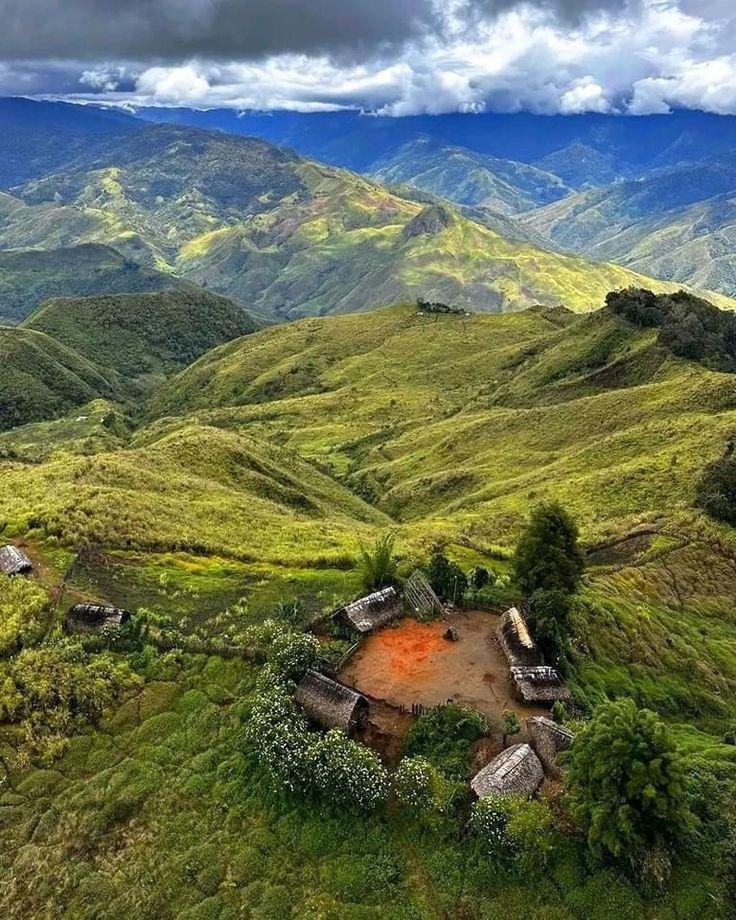
Papua New Guinea (PNG) is one of the world’s last great frontiers for adventurous travelers. Covering the eastern half of the island of New Guinea and hundreds of offshore islands, it is a land of rugged mountains, dense tropical rainforests, active volcanoes, pristine coral reefs, and extraordinary cultural diversity. Few destinations offer such a combination of untouched wilderness, unique wildlife, and traditional societies that have preserved customs dating back thousands of years.
Located north of Australia in the southwestern Pacific Ocean, Papua New Guinea is the largest country in Melanesia and one of the most biologically diverse nations on Earth. Towering mountain ranges divide the country into isolated valleys where communities developed independently for centuries, resulting in more than 800 living languages—more than any other country in the world.
Nature dominates nearly every aspect of Papua New Guinea. Dense rainforests shelter tree kangaroos, cassowaries, birds-of-paradise, crocodiles, flying foxes, parrots, and countless endemic plant species. Offshore, some of the world’s healthiest coral reefs provide exceptional diving among reef sharks, manta rays, sea turtles, whale sharks, dolphins, and vibrant tropical fish.
Papua New Guinea is also one of the Pacific’s richest cultural destinations. Colorful sing-sing festivals, elaborate ceremonial dress, traditional villages, carved spirit houses, and Indigenous customs remain an important part of everyday life. Visitors have opportunities to experience authentic cultural encounters that are increasingly rare elsewhere in the world.
For travelers seeking adventure, Papua New Guinea offers trekking, wildlife photography, scuba diving, volcano climbing, river expeditions, and remarkable overland journeys through spectacular mountain landscapes. Tourism infrastructure remains limited in many areas, making careful planning essential, but those willing to venture beyond the ordinary are rewarded with one of the most unforgettable travel experiences on Earth.
This guide covers everything you need to plan an unforgettable journey through Papua New Guinea.
Quick Facts
| Item | Information |
|---|---|
| Capital | Port Moresby |
| Currency | Papua New Guinean Kina (PGK) |
| Official Languages | English, Tok Pisin, Hiri Motu |
| Population | Approximately 10 million |
| Time Zone | UTC+10 |
| Driving | Left-hand side |
| Country Code | +675 |
Why Visit Papua New Guinea?
Papua New Guinea offers one of the world’s most authentic adventure travel experiences.
Highlights include:
- Kokoda Track
- Highlands
- Sepik River
- Mount Hagen
- Kimbe Bay
- Tufi Fjords
- Rabaul
- Bird-of-paradise
- Tribal festivals
- Volcanoes
- Coral reefs
- Remote villages
Papua New Guinea is ideal for experienced travelers, trekkers, divers, photographers, birdwatchers, and cultural enthusiasts.
Best Places to Visit
6
Port Moresby
The capital is the country’s main gateway.
Highlights include:
- National Museum and Art Gallery
- Nature Park
- Ela Beach
- Local markets
- Cultural centers
- Harbour views
Most international visitors begin their journey here.
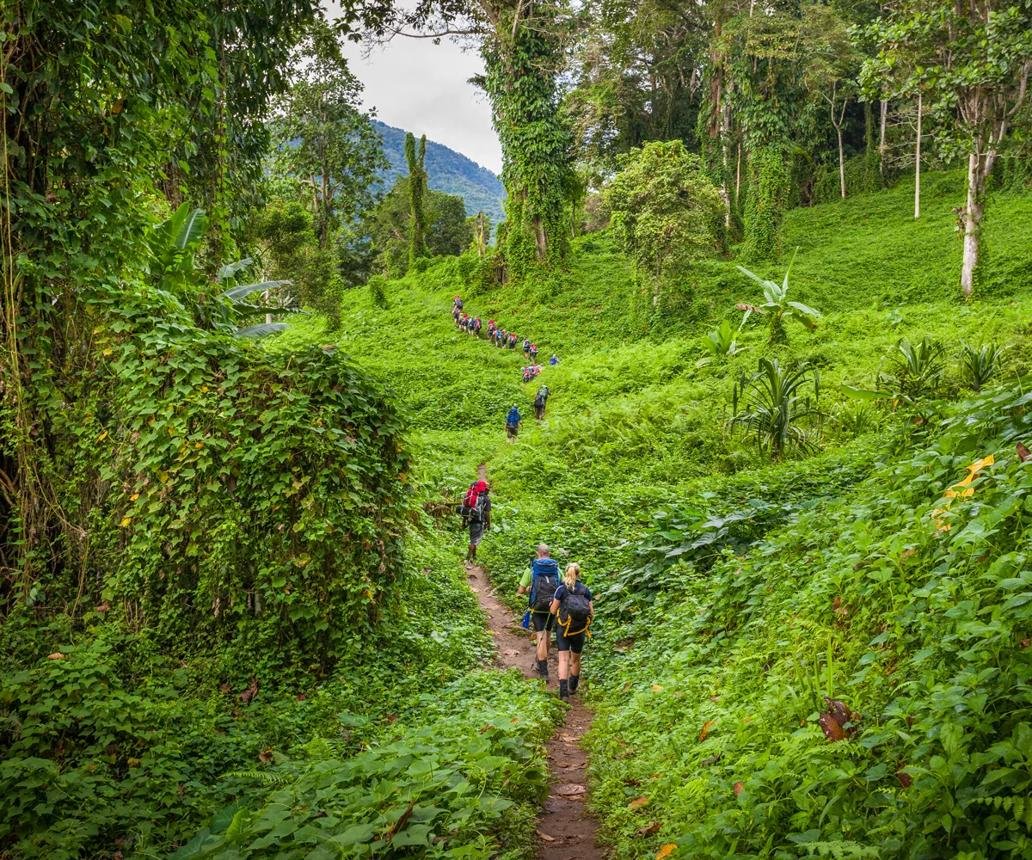
Kokoda Track
One of the world’s most famous long-distance treks.
Visitors experience:
- Dense rainforest
- Mountain villages
- WWII history
- River crossings
- Challenging hiking
- Cultural encounters
The trek usually requires eight to ten days.
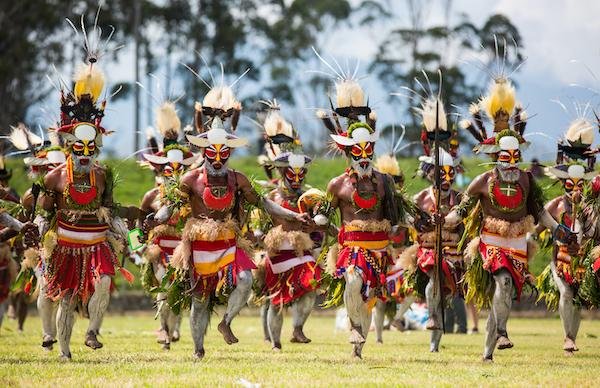
Mount Hagen
The cultural heart of the Highlands.
Highlights include:
- Highlands scenery
- Traditional villages
- Mount Hagen Cultural Show
- Coffee plantations
- Local markets
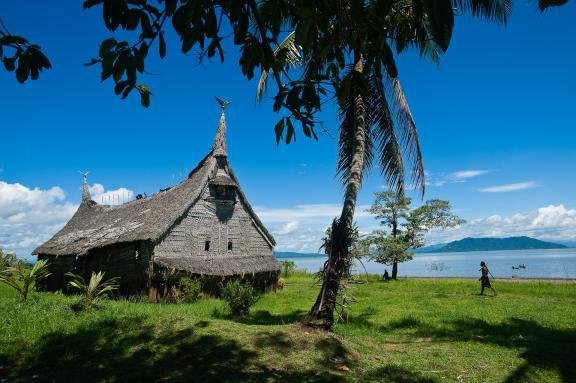
Sepik River
One of the Pacific’s great river systems.
Visitors discover:
- Spirit houses
- Canoe journeys
- Traditional carving
- Crocodile culture
- Remote communities
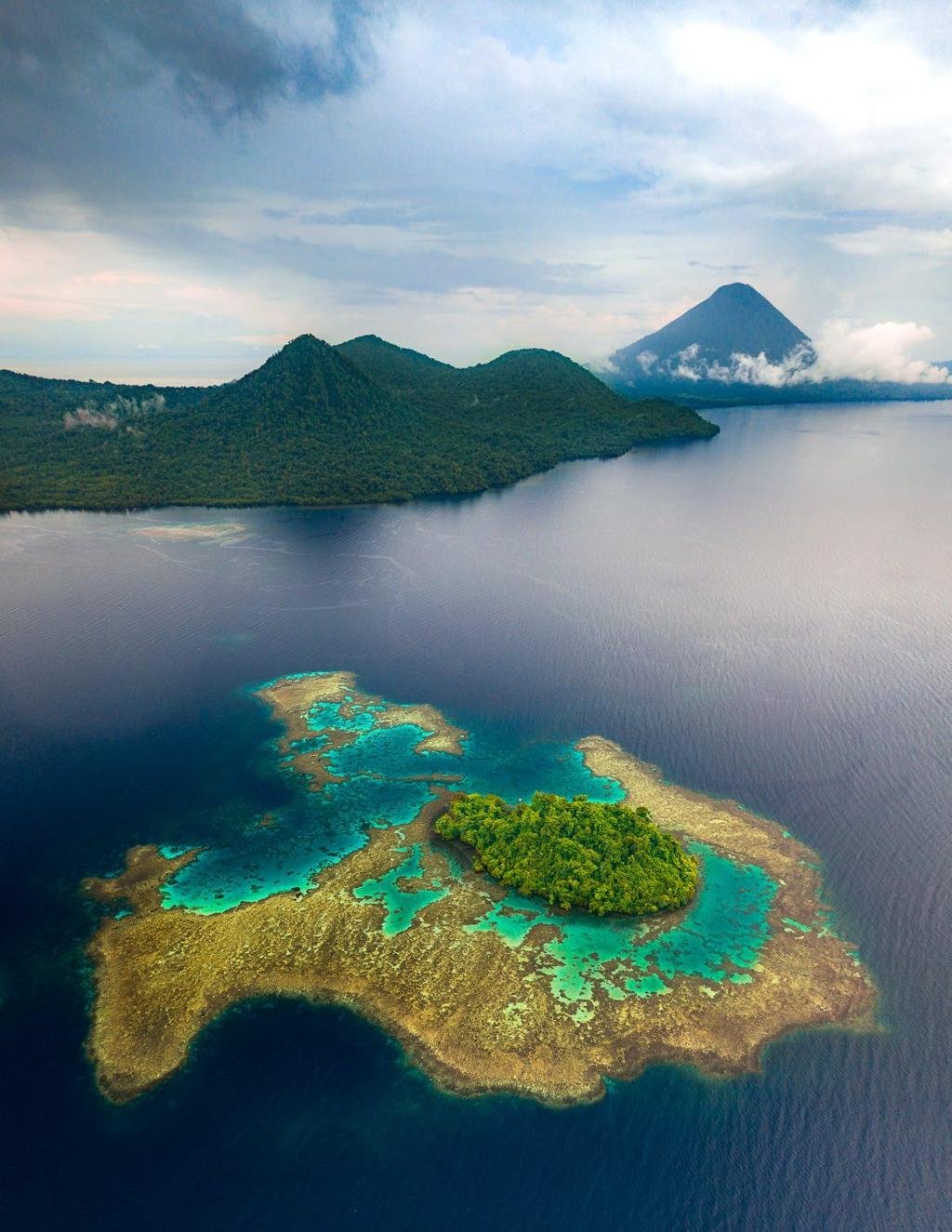
Kimbe Bay
A world-renowned diving destination.
Known for:
- Coral reefs
- Reef sharks
- Sea turtles
- Macro photography
- Volcanic islands
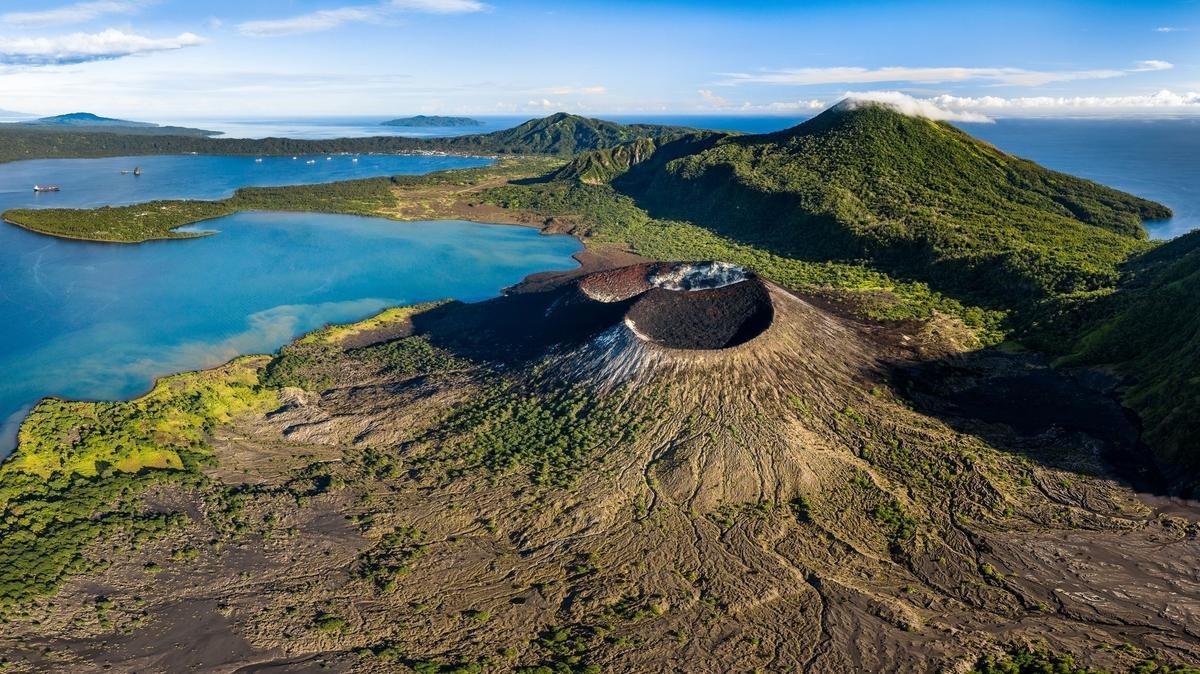
Rabaul
Built beside an active volcanic caldera.
Highlights include:
- Tavurvur Volcano
- WWII tunnels
- Scenic harbour
- Diving
- Volcanic landscapes
Tufi
Known as the “Norway of the Tropics.”
Visitors enjoy:
- Fjords
- Coral reefs
- Diving
- Traditional villages
- Rainforest
Madang
A relaxed coastal town surrounded by islands and reefs.
Popular activities include:
- Diving
- Snorkeling
- Cultural tours
- River excursions
- Wildlife
Best Time to Visit
Papua New Guinea has a tropical climate.
| Season | Conditions |
|---|---|
| May – October | Drier season and best for travel |
| November – April | Wetter with higher humidity |
| June – September | Excellent trekking conditions |
| July – October | Outstanding diving visibility |
Rainfall varies considerably across different regions.
Regions of Papua New Guinea
Highlands
Home to:
- Mount Hagen
- Goroka
- Tribal cultures
- Coffee plantations
Southern Region
Known for:
- Port Moresby
- Kokoda Track
- National parks
Momase Region
Features:
- Sepik River
- Madang
- Rainforests
New Guinea Islands
Offers:
- Rabaul
- Kimbe Bay
- Volcanoes
- Diving
Suggested Itineraries
5-Day Cultural Highlights
Day 1
- Port Moresby
Day 2
- Mount Hagen
Day 3
- Highlands villages
Day 4
- Cultural experiences
Day 5
- Return to Port Moresby
Ideal for first-time visitors.
One-Week Adventure
Explore:
- Port Moresby
- Highlands
- Mount Hagen
- Sepik River
Perfect for combining culture and nature.
Two-Week Papua New Guinea Explorer
Travel through:
- Port Moresby
- Kokoda Track region
- Mount Hagen
- Sepik River
- Rabaul
Ideal for adventurous travelers.
Three-Week Grand Expedition
Continue to:
- Kimbe Bay
- Tufi
- Madang
- Remote islands
- Diving destinations
Perfect for experiencing the country’s extraordinary diversity.
Overlanding in Papua New Guinea
7
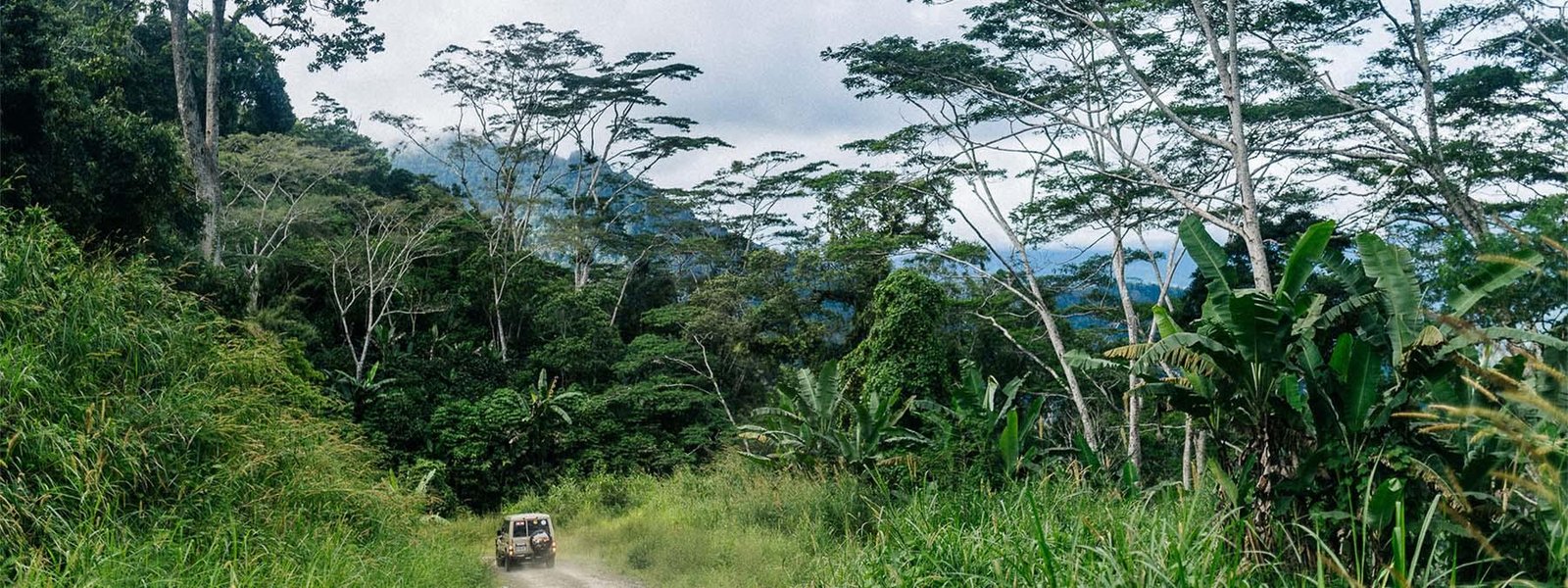
Papua New Guinea offers some of the Pacific’s most adventurous overland travel.
Why Overlanders Visit
- Rugged mountain scenery
- Traditional villages
- Rainforests
- Remote roads
- Unique cultures
- Volcanoes
- Authentic adventure
Self-drive travel requires careful preparation because of road conditions and limited infrastructure.
Popular Routes
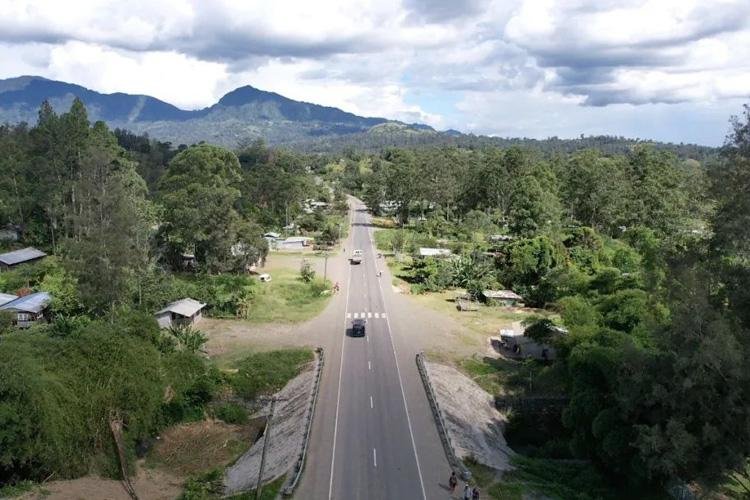
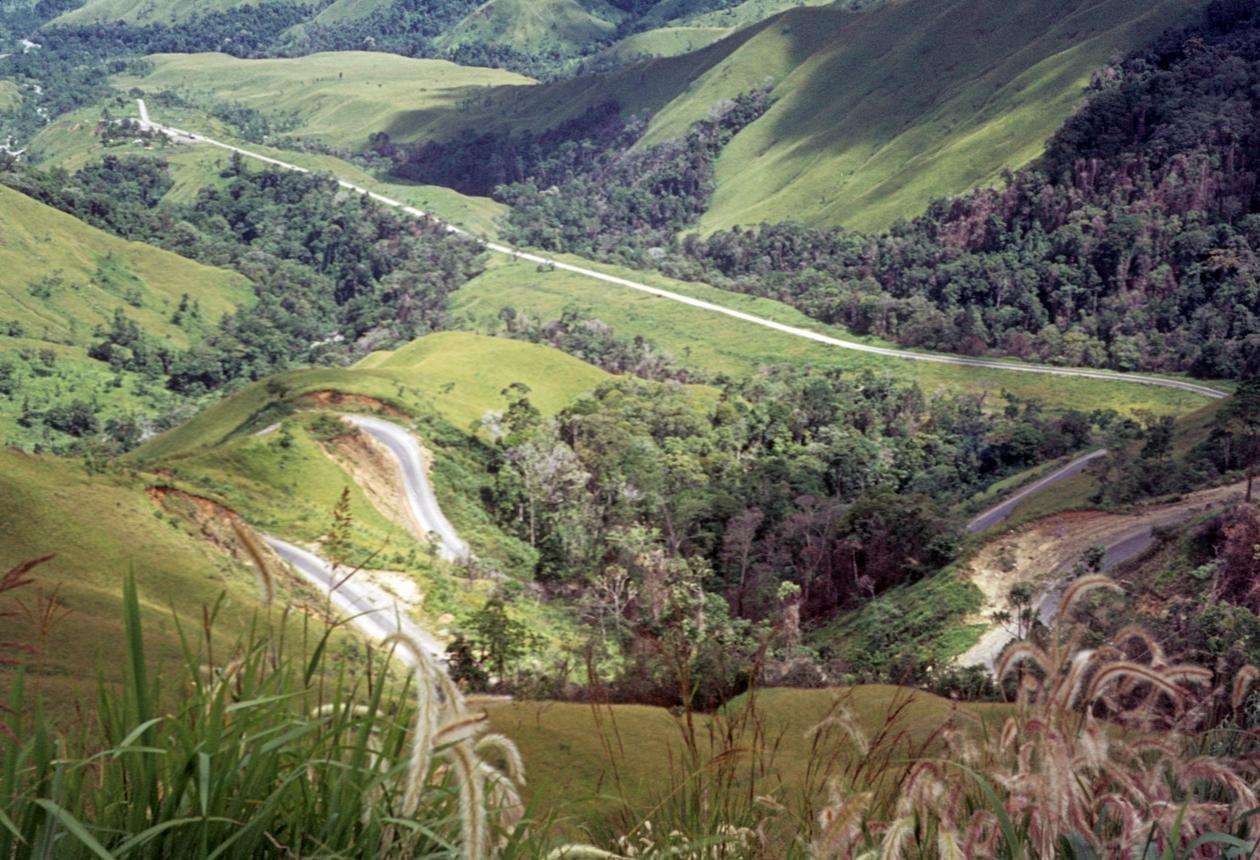
Highlands Highway
Lae → Goroka → Mount Hagen
The country’s most important road links the coast with the Highlands through spectacular mountain scenery.
Ramu Valley Route
Madang → Highlands
Known for plantations and scenic landscapes.
East New Britain
Kokopo → Rabaul
Perfect for volcanoes and coastal scenery.
Road Conditions
Expect:
- Mountain highways
- Gravel roads
- Occasional landslides
- River crossings
- Limited fuel stations in remote areas
Road conditions vary greatly depending on weather and maintenance.
Backpacking in Papua New Guinea
Papua New Guinea is best suited to experienced backpackers.
Accommodation
Options include:
- Guesthouses
- Hotels
- Eco-lodges
- Dive resorts
- Village stays
Accommodation is concentrated around major towns and tourism areas.
Transportation
Travel using:
- Domestic flights
- Shared buses
- Boats
- Four-wheel-drive vehicles
Domestic flights are often the fastest way to travel between regions because many parts of the country are not connected by roads.
Backpacking Highlights
- Highlands
- Kokoda Track
- Sepik River
- Rabaul
- Kimbe Bay
- Tribal festivals
Camping
Camping is common during organized trekking expeditions.
Campgrounds
Most camping takes place as part of guided hikes, particularly along the Kokoda Track, where designated campsites are available.
Wild Camping
Independent wild camping is generally not recommended. Visitors should camp only with organized trekking operators or with permission from local communities.
RV & Motorhome Travel
Motorhome travel is very limited.
Practical Information
Travelers should prepare for:
- Limited road network
- Challenging terrain
- Few camper facilities
- Long distances between services
Four-wheel-drive vehicles are recommended for remote areas.
Driving in Papua New Guinea
Driving can be rewarding but requires experience.
Main Roads
The principal roads include:
- Highlands Highway
- Coastal roads around Port Moresby
- East New Britain highways
Many regions remain inaccessible by road.
Things to Know
- Drive on the left.
- Road conditions change rapidly after heavy rain.
- Fuel stations may be widely spaced outside towns.
- Plan journeys carefully and avoid driving after dark where possible.
Border Crossings
Papua New Guinea shares its only land border with Indonesia, on the island of New Guinea.
The border crossing between Wutung and Skouw is the principal international land crossing, although many visitors arrive by air. Travelers should confirm current border procedures and documentation requirements before planning an overland journey.
Visa & Entry Requirements
Many travelers require a visa or electronic travel authorization before arriving in Papua New Guinea.
Before traveling, ensure you have:
- A valid passport
- Any required visa
- Proof of onward travel if requested
- Sufficient funds for your stay
Always verify the latest entry requirements before departure.
Budget & Costs
Estimated daily travel expenses:
| Travel Style | Daily Budget |
|---|---|
| Budget traveler | US$60–100 |
| Mid-range | US$180–350 |
| Comfortable | US$500+ |
Domestic flights, guided trekking, and diving expeditions significantly increase travel costs.
Safety
Papua New Guinea requires careful planning, and travel conditions vary by region.
Travel tips include:
- Seek up-to-date local advice before visiting different areas.
- Use experienced local guides for trekking and remote travel.
- Arrange transport through reputable operators where possible.
- Avoid displaying valuables in busy urban areas.
- Prepare thoroughly for remote expeditions and changing weather conditions.
Many visitors enjoy rewarding trips by traveling with experienced guides and following local advice.
Food & Culture
Papua New Guinean cuisine relies on fresh local ingredients and traditional cooking methods.
Popular foods include:
- Mumu (earth oven feast)
- Sweet potatoes
- Taro
- Cassava
- Sago
- Fresh fish
- Tropical fruits
- Coconut dishes
Papua New Guinea is famous for its remarkable cultural diversity, sing-sing festivals, carved masks, traditional music, and Indigenous customs. Every region has its own languages, ceremonies, artistic traditions, and distinctive way of life.
Frequently Asked Questions
Is Papua New Guinea expensive?
Papua New Guinea can be relatively expensive because domestic flights, guided tours, and remote travel logistics add significantly to overall costs.
Is Papua New Guinea safe?
Travel conditions vary across the country. Careful planning, local advice, and the use of experienced guides are strongly recommended, particularly in remote areas.
Is Papua New Guinea good for road trips?
Yes, especially along the Highlands Highway and on East New Britain, although the limited road network means many regions are accessible only by air or boat.
Can you travel Papua New Guinea by campervan?
Campervan travel is uncommon because of the country’s limited road network and lack of dedicated motorhome infrastructure. Four-wheel-drive vehicles are generally the better option.
How many days do you need in Papua New Guinea?
A week allows you to explore one region, while two to three weeks provides enough time to combine the Highlands, Sepik River, diving destinations, and cultural experiences.
What is Papua New Guinea famous for?
Papua New Guinea is best known for:
- Kokoda Track
- Highlands tribes
- Birds-of-paradise
- Sepik River
- Kimbe Bay diving
- Rabaul volcanoes
- Cultural festivals
- Exceptional linguistic and cultural diversity