Quick Facts
Best time to visit: October–March (varies by region)
Difficulty: 3.5/5
Road conditions: Excellent highways in many regions, variable rural roads, challenging mountain routes in the Himalayas
Visa situation: eVisa available for many nationalities; foreign vehicle import regulations can be complex
Why Overland India?
India is one of the world’s greatest overlanding destinations.
From the snow-covered Himalayas to tropical beaches, vast deserts, wildlife-rich national parks, ancient temples, and vibrant cities, India offers an almost endless variety of landscapes and cultures.
Why it stands out:
- incredible cultural diversity
- Himalayan adventures
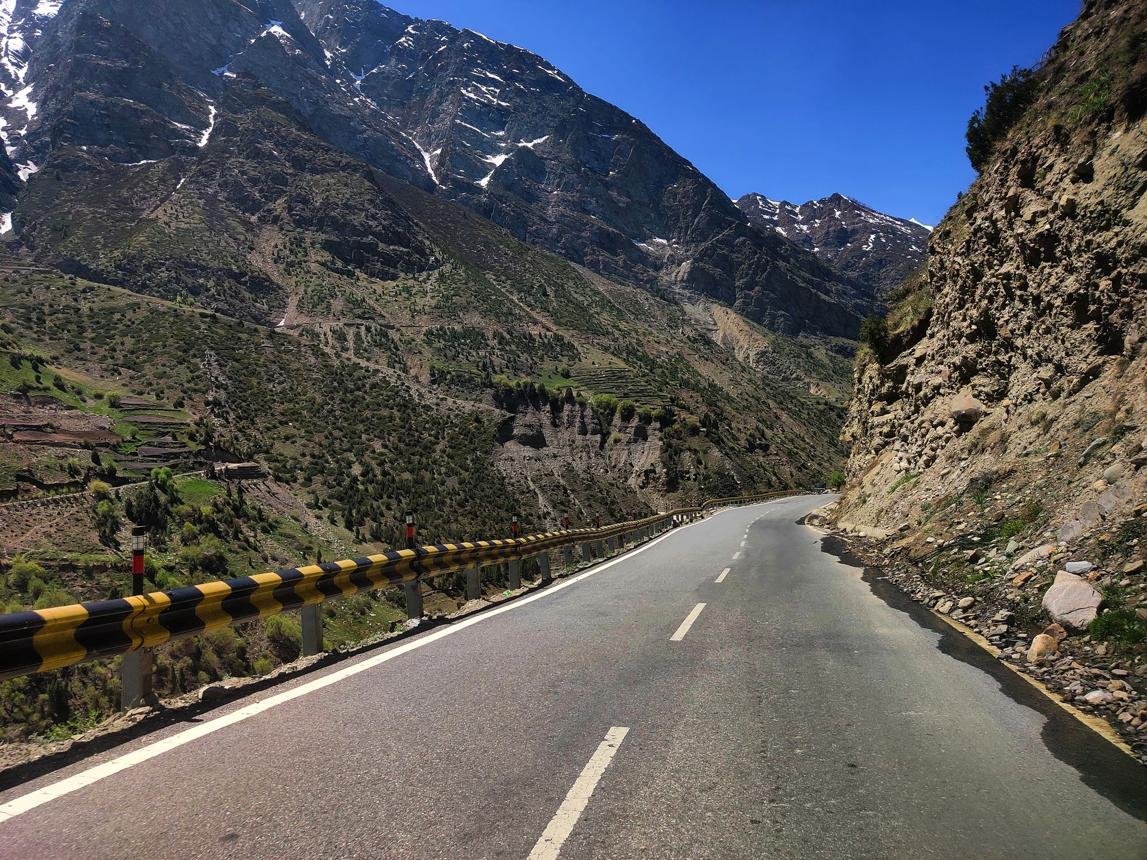
- spectacular mountain roads
- ancient history
- wildlife reserves
- affordable travel
- varied climates and landscapes
- unforgettable road-trip experiences
India is not a country you simply pass through. Many overlanders spend months exploring its different regions.
One day you can be crossing a 5,000-meter Himalayan pass, the next driving through Rajasthan’s deserts, and later camping beside tropical beaches in the south.
Main Overlanding Routes
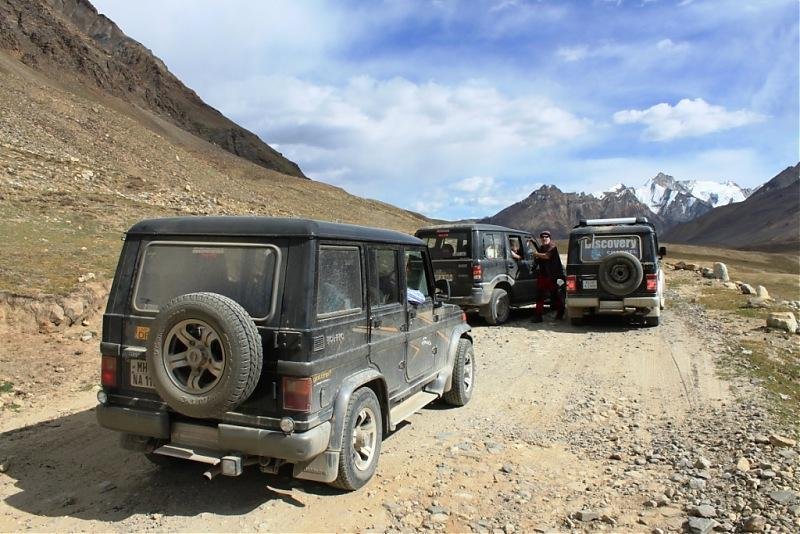
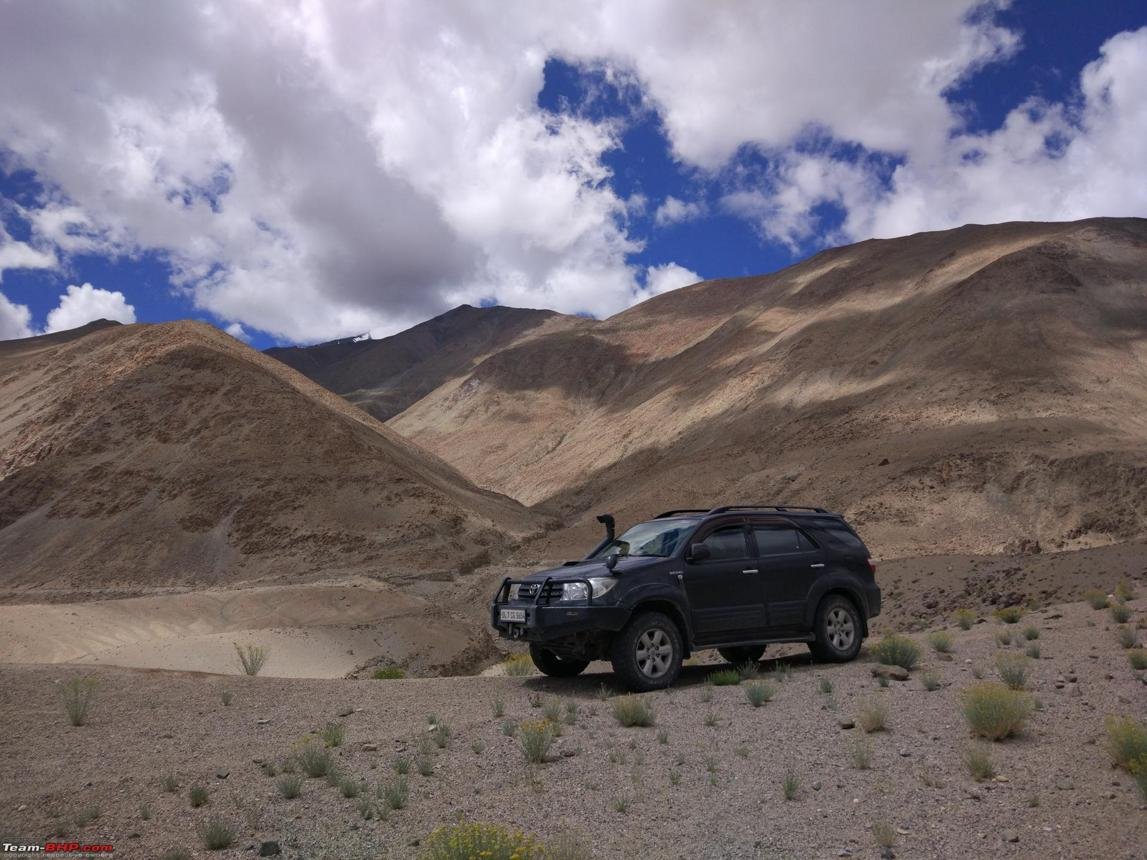
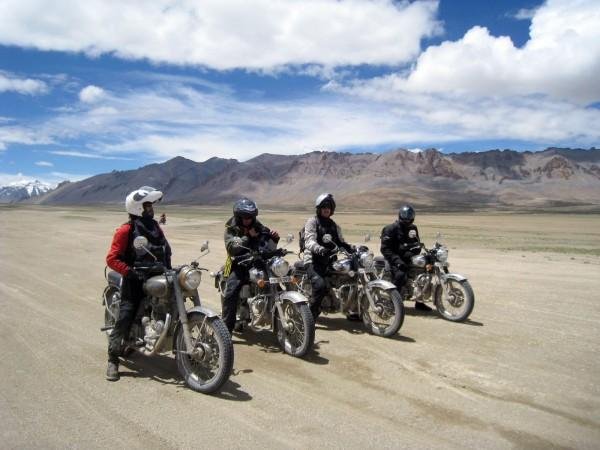
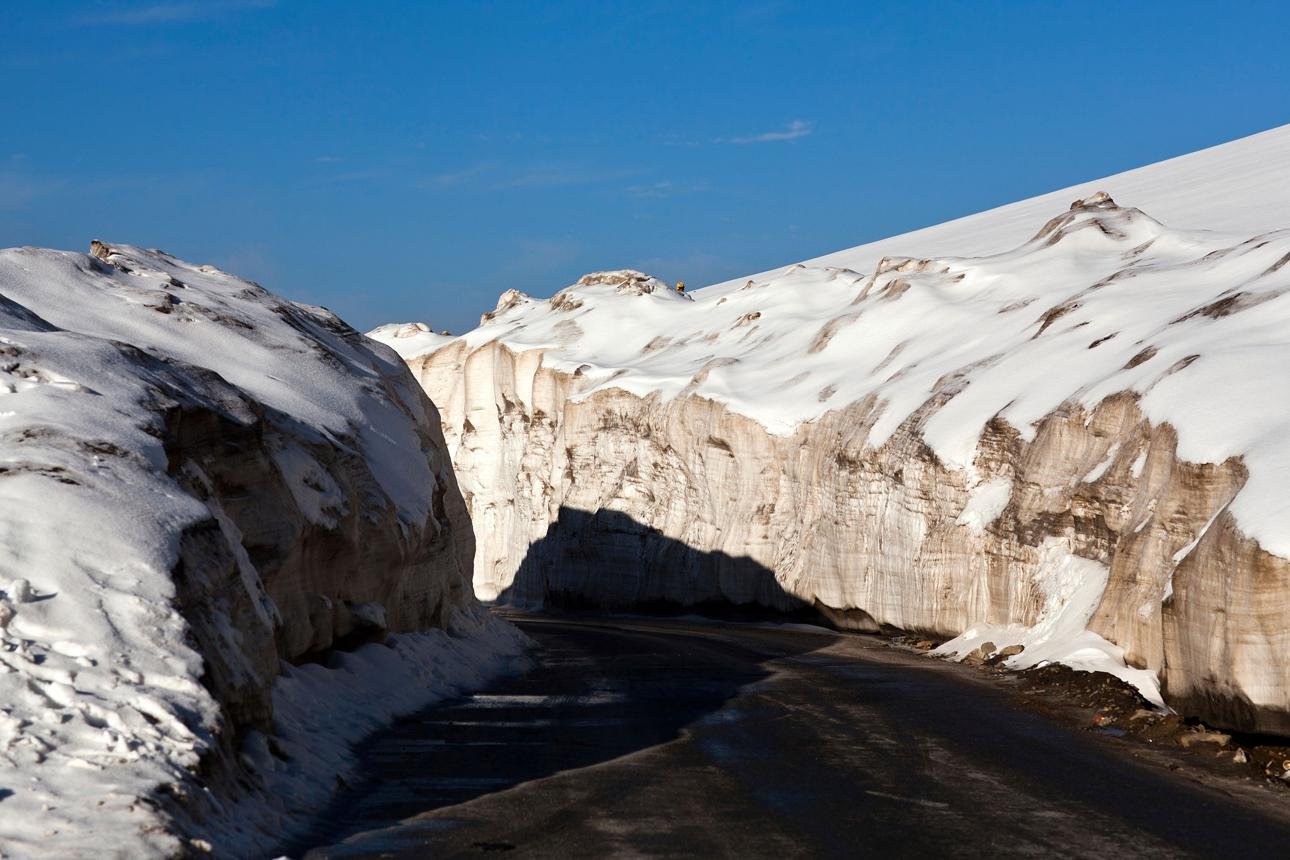
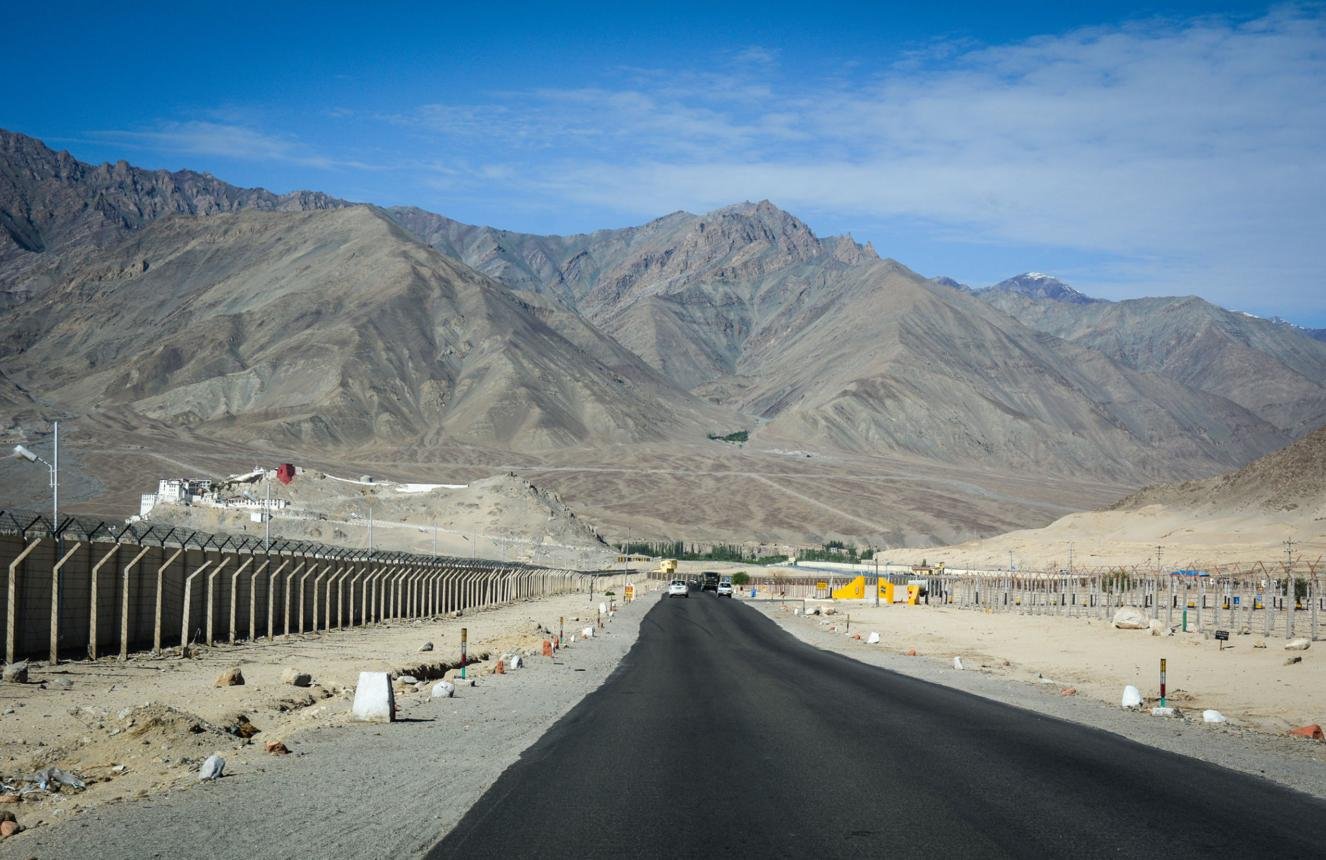
1. Ladakh & Himalayan Route
10
Route: Manali – Leh – Nubra Valley – Pangong Lake
Distance: approx. 1,000 km
Road type: mountain highways and high-altitude tracks
Fuel: limited in remote areas
India’s most famous overland adventure.
Highlights:
- high mountain passes
- Tibetan culture
- dramatic landscapes
- remote monasteries
- alpine lakes
Major attractions include:
- Leh
- Pangong Lake
- Nubra Valley
A bucket-list route for overlanders.
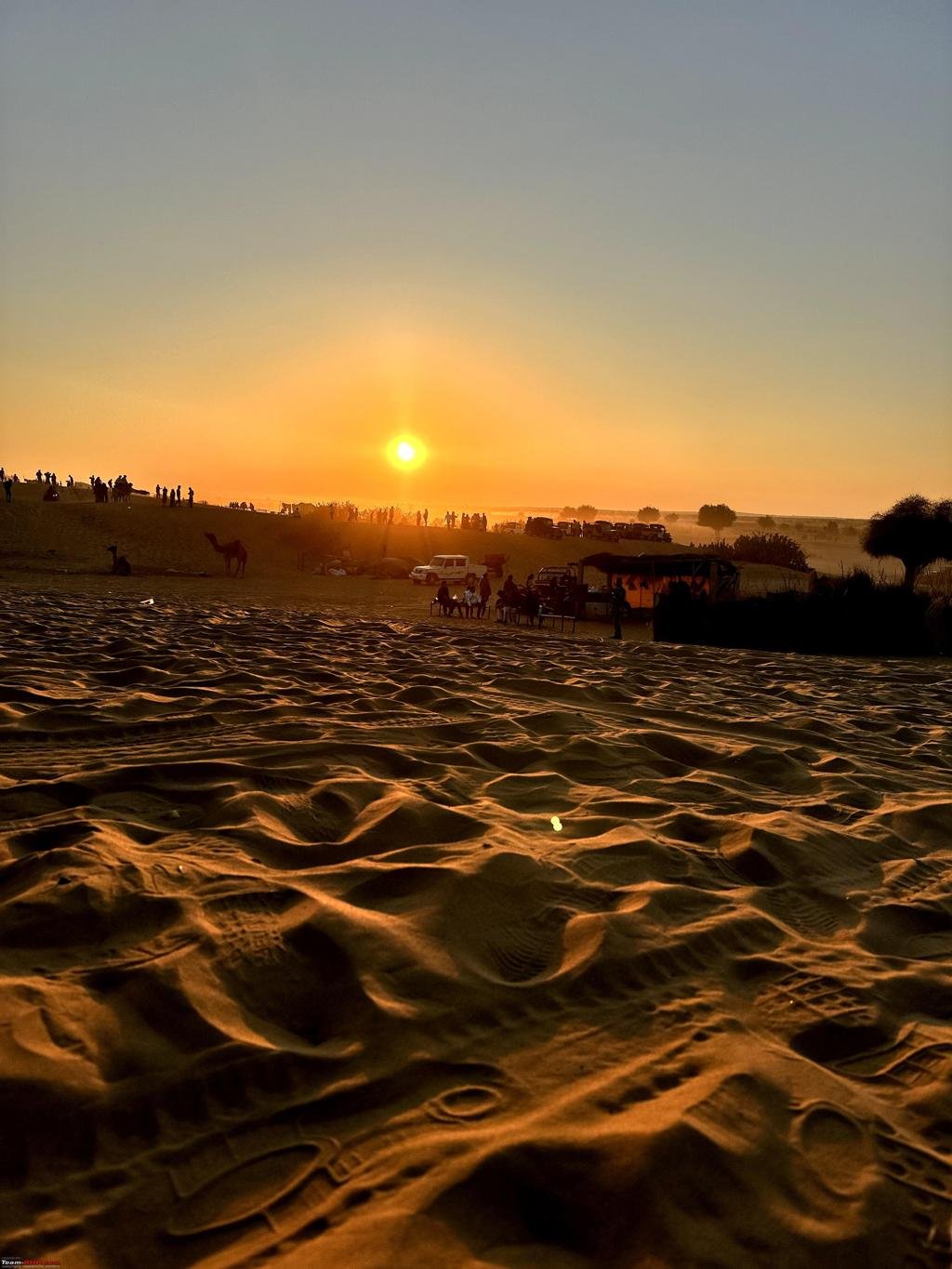
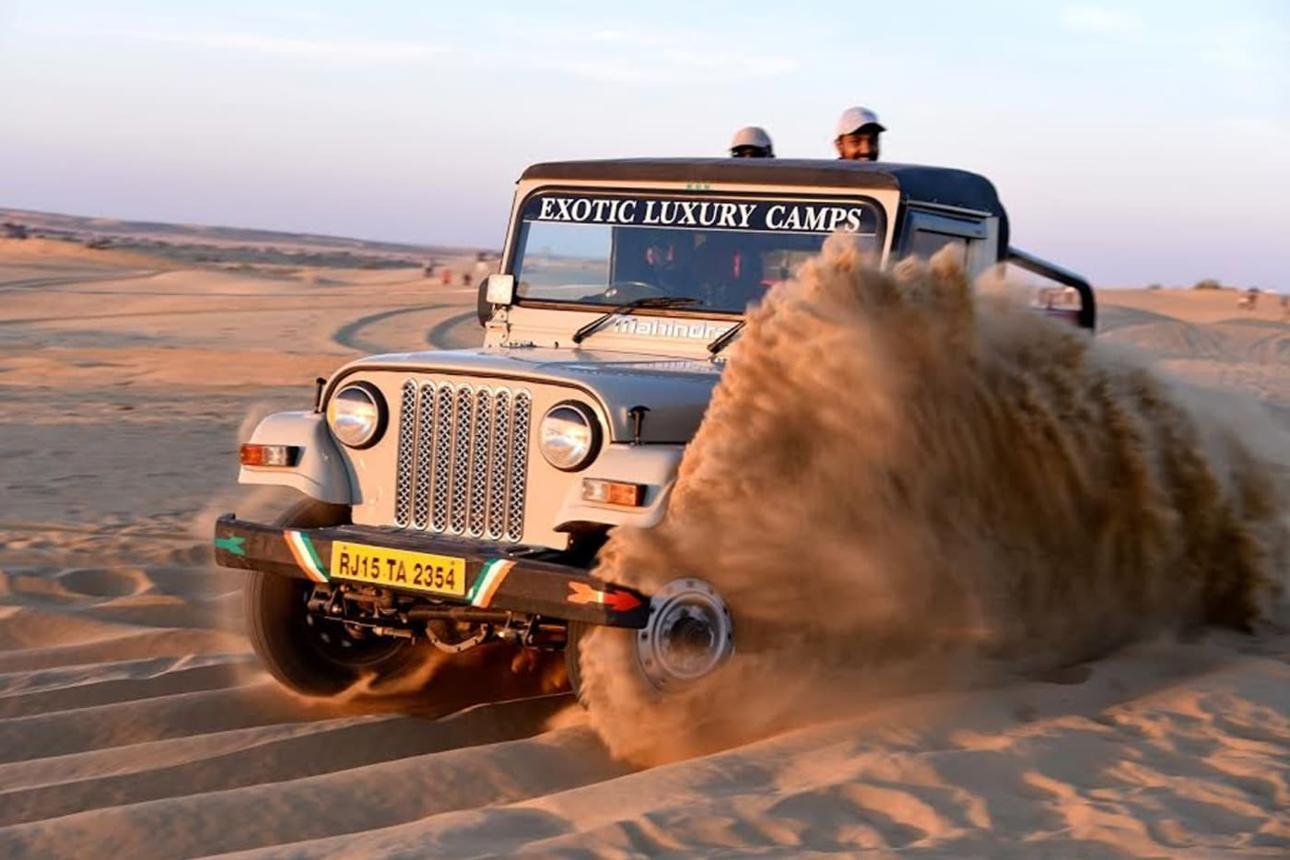
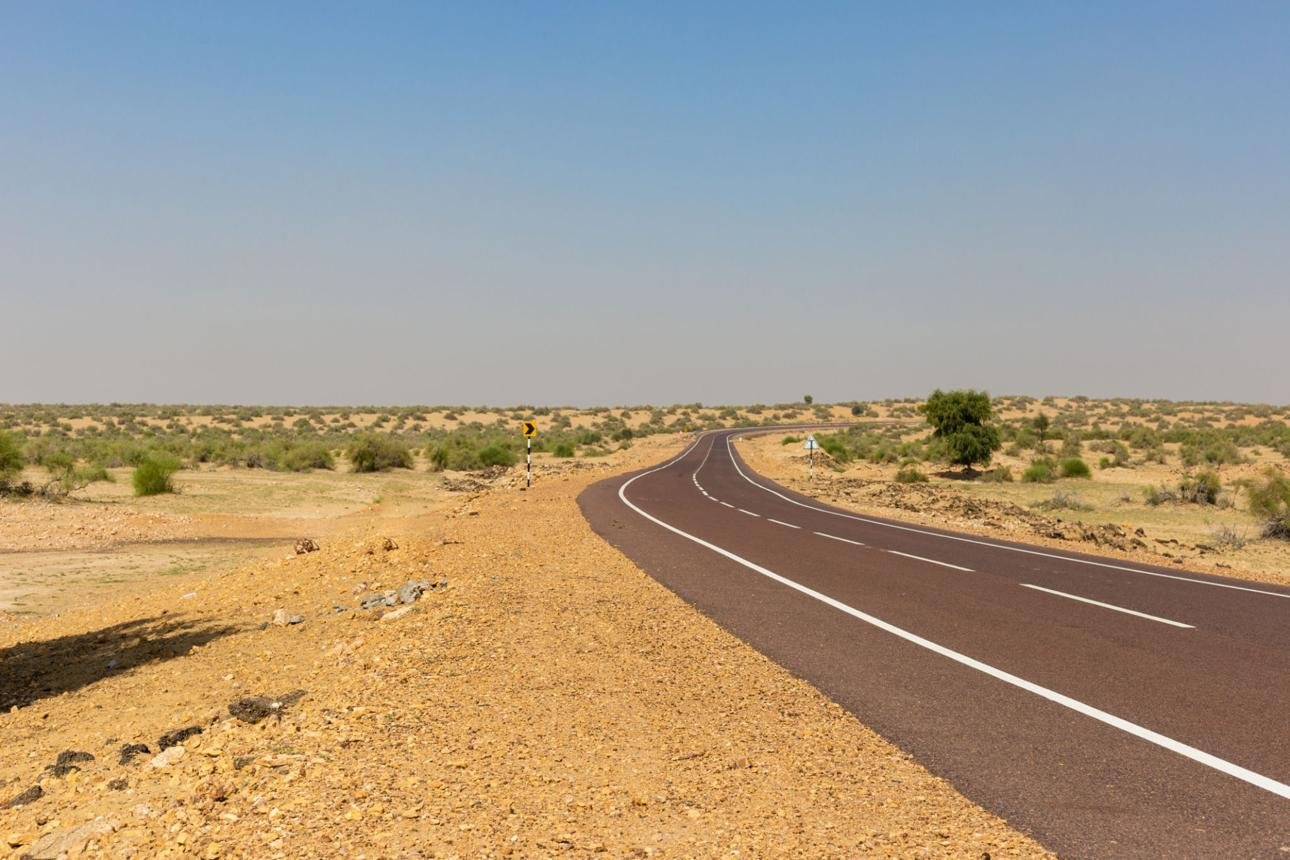
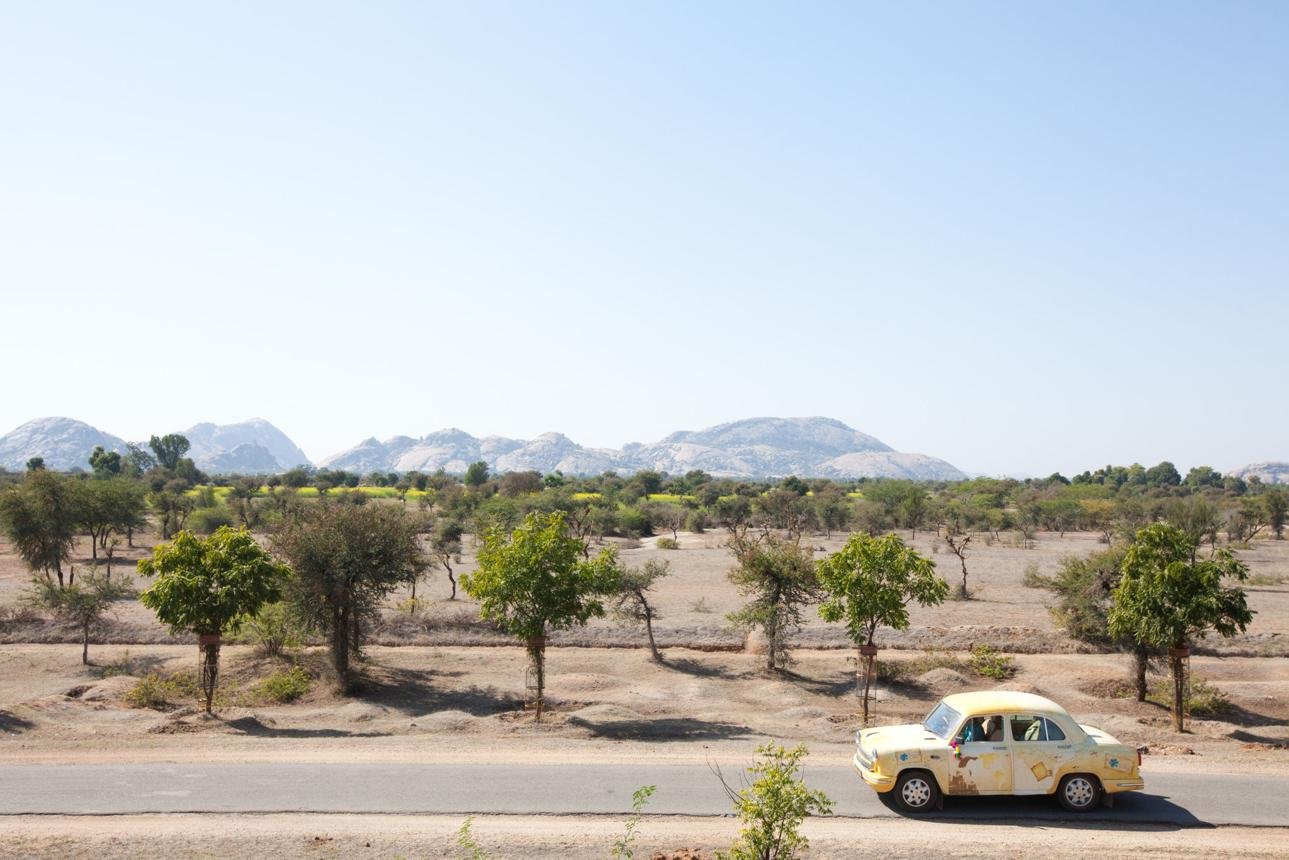
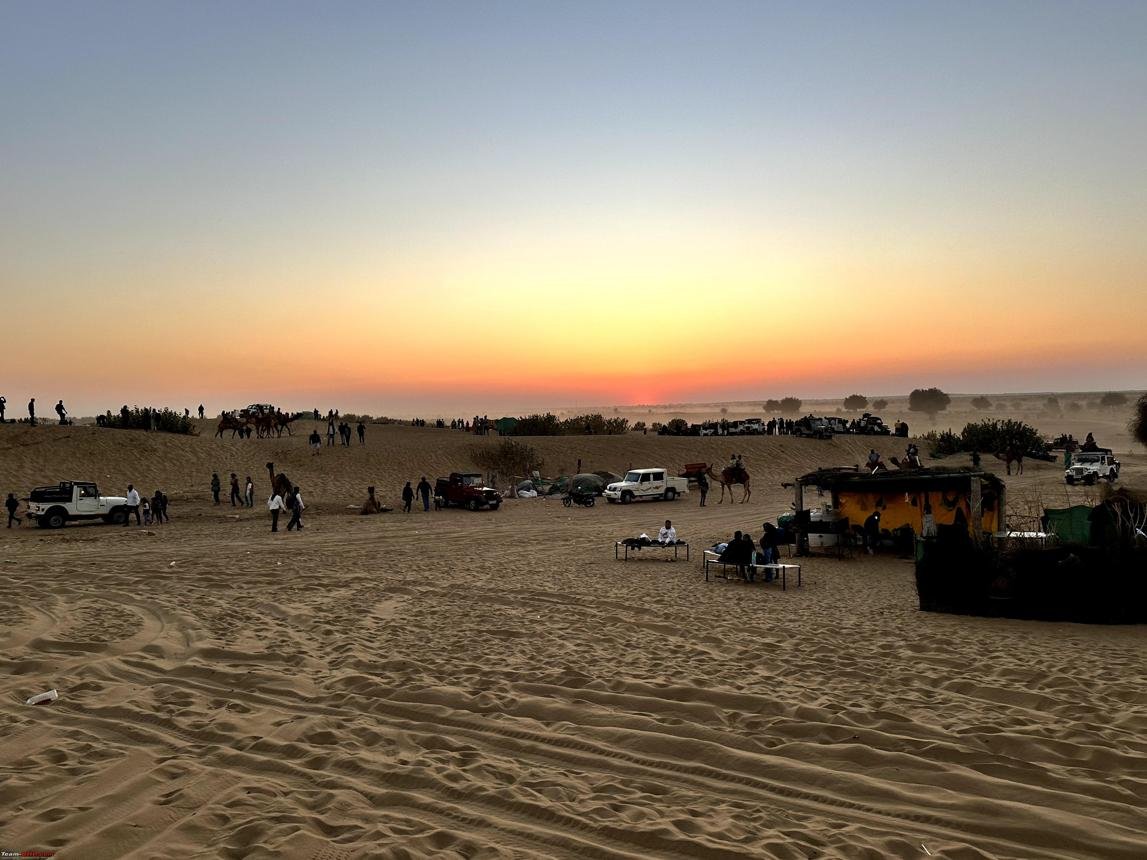
2. Rajasthan Desert Route
7
Route: Jaipur – Jodhpur – Jaisalmer – Bikaner
Highlights:
- desert landscapes
- historic forts
- colorful cities
- camel culture
- traditional villages
Major destinations:
- Jaipur
- Jodhpur
- Jaisalmer
One of India’s classic road trips.
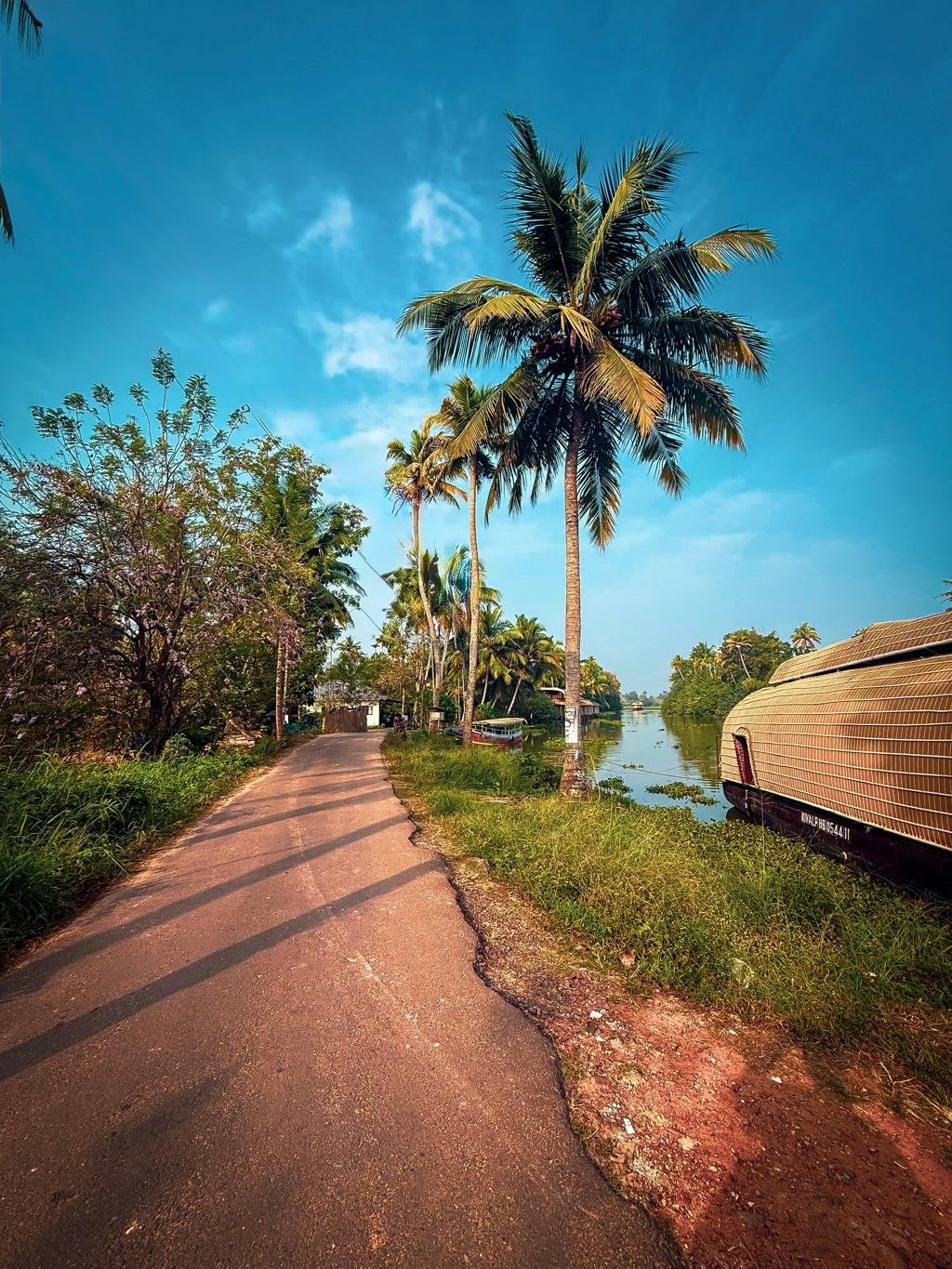
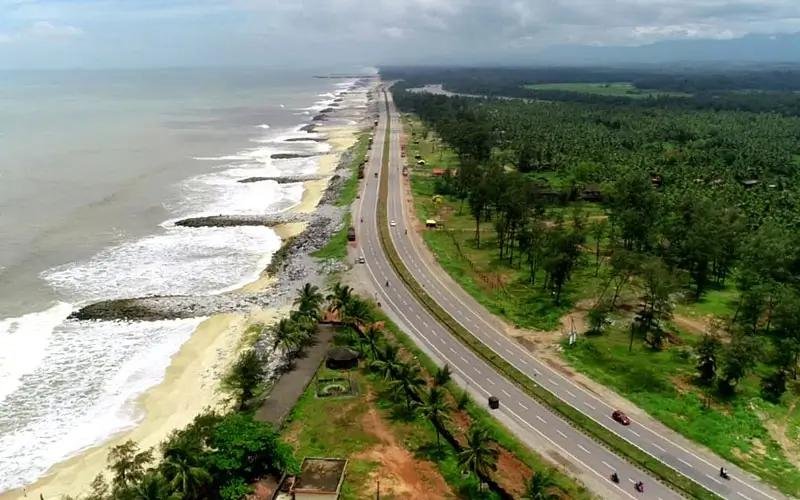
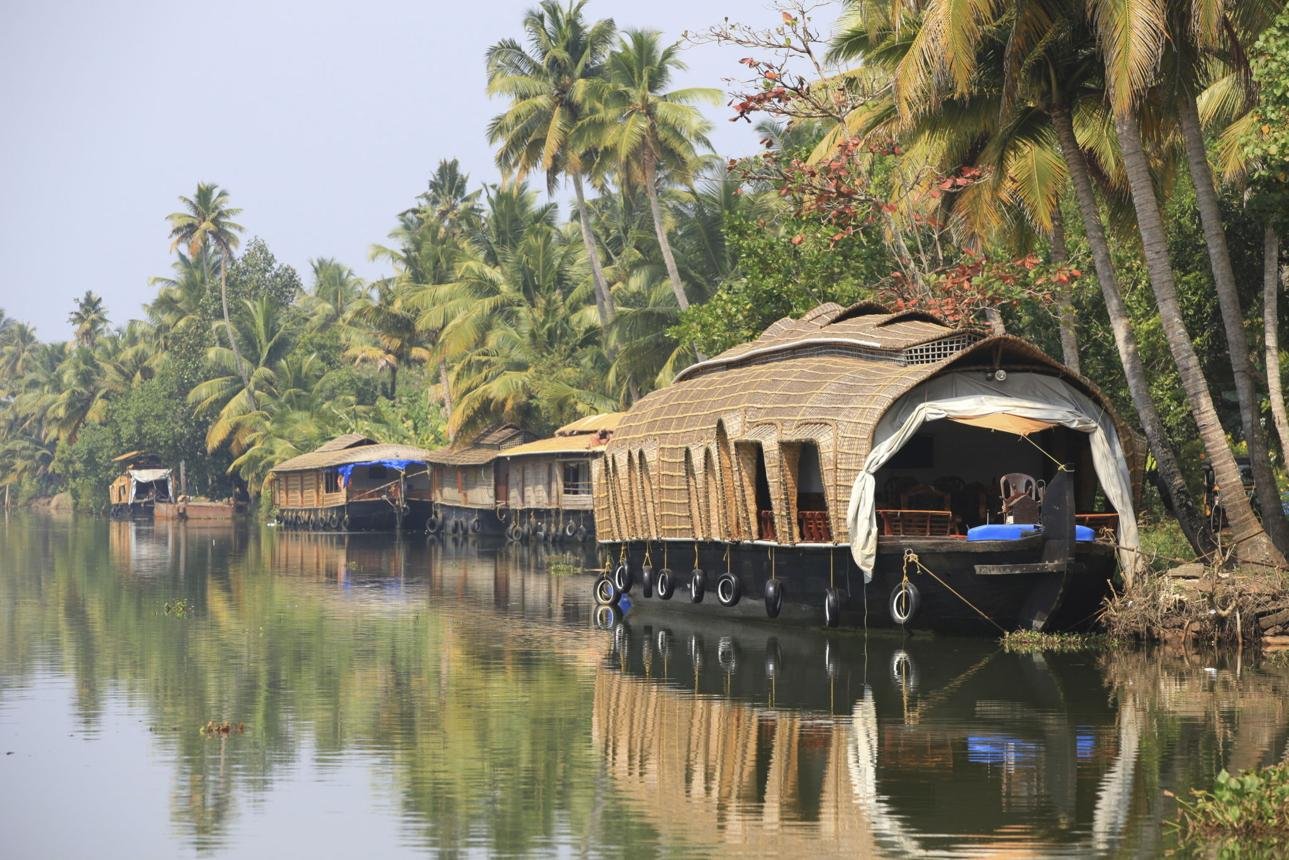
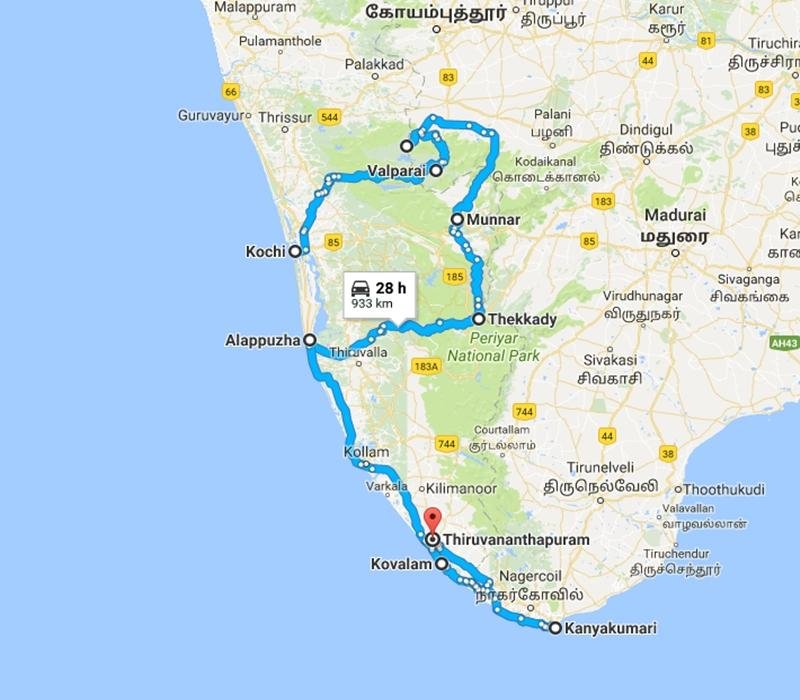
3. Kerala Coastal Route
7
Route: Kochi – Alleppey – Varkala – Kovalam
Highlights:
- tropical beaches
- backwaters
- spice plantations
- fishing villages
- lush landscapes
Major attractions:
- Kochi
- Alleppey Backwaters
Ideal during the winter months.
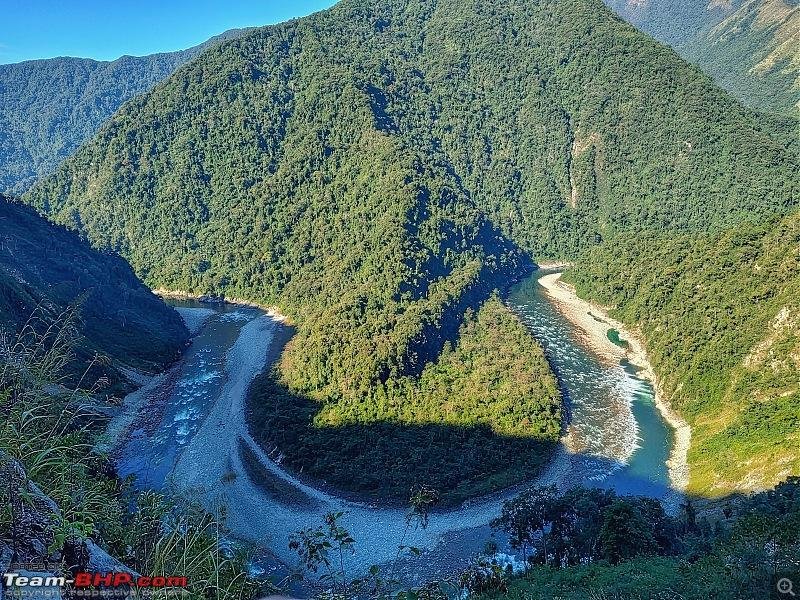
4. Northeast India Route
8
One of India’s least-visited overlanding regions.
Highlights:
- waterfalls
- tribal cultures
- mountain scenery
- living root bridges
- lush forests
Major destination:
- Meghalaya
A hidden gem for adventurous travelers.
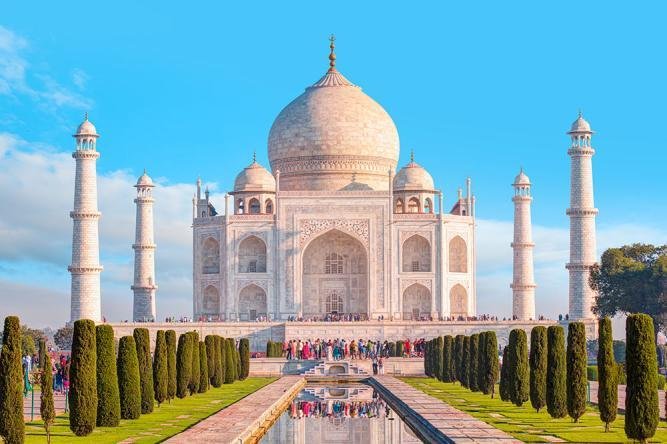
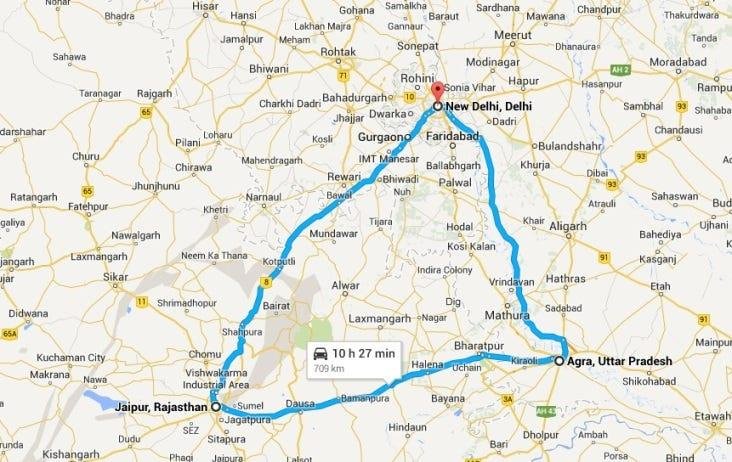
5. Golden Triangle Route
7
Route: Delhi – Agra – Jaipur – Delhi
India’s most famous tourism circuit.
Highlights:
- historic monuments
- palaces
- markets
- cultural experiences
Major attractions:
- Taj Mahal
- Delhi
- Jaipur
Perfect for first-time visitors.
6. Western Ghats Route

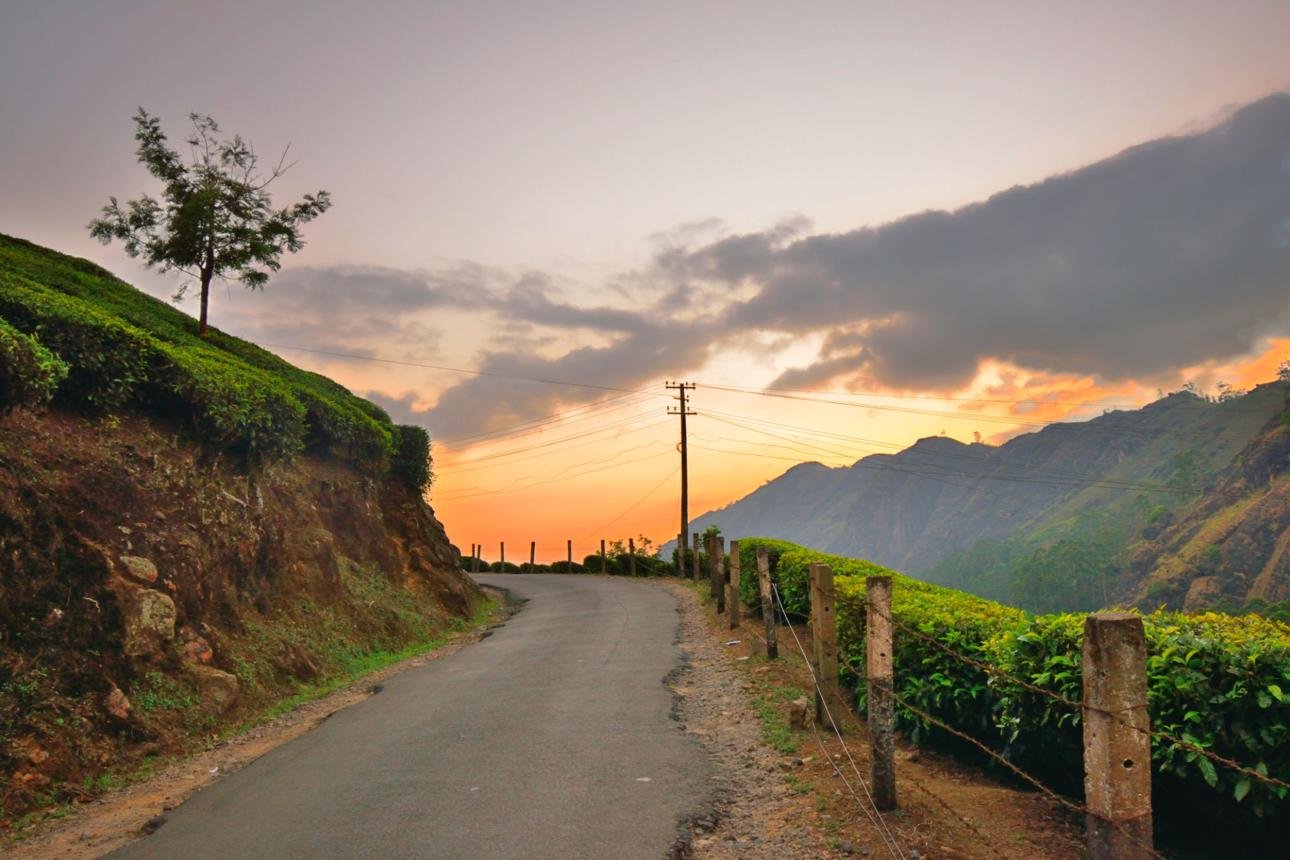
One of India’s most scenic regions.
Highlights:
- tea plantations
- mountain roads
- waterfalls
- wildlife
- cool climates
Major destination:
- Munnar
Excellent for camper travel.
Borders & Entry Points
India borders:
- Pakistan
- Nepal
- Bhutan
- Bangladesh
- Myanmar
- China
Nepal
One of the most popular overland crossings.
Excellent route combination for Himalayan travel.
Bhutan
Possible via designated border crossings.
Vehicle permits may be required.
Myanmar
Regulations vary and organized overland arrangements may be necessary.
Pakistan
Crossings are possible but require advance planning and paperwork.
Vehicle Entry Requirements
Usually required:
- passport
- visa or eVisa
- vehicle registration
- Carnet de Passages
- insurance
- international driving permit
Requirements for foreign vehicles should be researched carefully before arrival.
Driving Conditions
India offers every type of driving imaginable.
Easy:
- modern expressways
- major highways
Moderate:
- regional roads
- rural highways
Difficult:
- major cities
- mountain roads
- remote Himalayan regions
Driving after dark is generally not recommended.
Livestock, pedestrians, and unpredictable traffic are common.
Fuel & Logistics
Excellent throughout most of the country.
Expect:
- fuel stations nationwide
- mechanics everywhere
- affordable repairs
- supermarkets
- widespread mobile coverage
Remote Himalayan routes require more planning.
Camping & Accommodation
Wild Camping
Possible in some mountain and remote regions.
Always respect local customs and regulations.
Campsites
Limited compared with Europe or Australia.
Many travelers use:
- guesthouses
- hotels
- homestays
- eco-camps
- farm stays
Budget Accommodation
Extremely widespread and affordable.
Available in almost every town and city.
Safety & Risks
Most overlanders travel successfully throughout India.
Main concerns:
- traffic accidents
- mountain road conditions
- extreme weather
- monsoon flooding
- altitude in the Himalayas
Careful driving is essential.
Best Time to Visit
North India & Rajasthan
October–March
Himalayas & Ladakh
June–September
South India
November–February
Monsoon Season
June–September in many regions.
Road conditions can be challenging.
Sample 4-Week Itinerary
Days 1–4: Delhi
Days 5–8: Jaipur and Rajasthan
Days 9–12: Jodhpur and Jaisalmer
Days 13–16: Agra and Taj Mahal
Days 17–21: Leh and Ladakh
Days 22–28: Nubra Valley and Pangong Lake
FAQ
Is India good for overlanding?
Excellent. It is one of the world’s most rewarding overland destinations.
Need a 4×4?
Not for most routes, but highly recommended for Ladakh and remote mountain regions.
Can you wild camp?
Possible in many remote areas, especially in the Himalayas.
Good for campervans?
Increasingly popular, though dedicated infrastructure remains limited.
Best highlight?
Ladakh and the Himalayan overland routes.
Related Pages
- Backpacking India
- RV Travel India
- Delhi
- Leh
- Jaipur
- Jaisalmer
- Taj Mahal
- Pangong Lake
- Nubra Valley
- Himalaya Overlanding Guide
- South Asia Overlanding Guide
- India Campsites Guide
- Getting around
- Further Reading