With a land area of over 2.38 million square kilometers, Algeria is the largest country in Africa, spanning from the Mediterranean Sea in the north to the Sahara Desert in the south. The country’s transport system plays a crucial role in connecting its diverse regions and facilitating economic activities. Algeria’s transport infrastructure has significantly improved over the years, with a focus on developing its road, rail, air, and maritime networks to enhance connectivity and accessibility.
The history of transport in Algeria dates back to the colonial era, where France invested in building a modern transport system to connect different parts of the country. Today, Algeria’s transport network comprises a vast road network of over 180,000 kilometers, connecting major cities and rural areas. The country also has an extensive railway network that plays a vital role in transporting goods and passengers across the country.
One significant challenge facing Algeria’s transport sector is road safety, with a high number of accidents reported each year. In response to this issue, the government has implemented road safety campaigns and invested in improving road infrastructure to reduce accidents and fatalities. Despite these challenges, Algeria continues to invest in its transport infrastructure to support economic growth and enhance connectivity within the country and the region.
In recent years, Algeria has focused on expanding and modernizing its transport infrastructure to meet the growing demands of its population and economy. The government has initiated projects to upgrade airports, seaports, and roads to enhance efficiency and safety. With ongoing developments and investments in its transport sector, Algeria aims to further strengthen its position as a key transport hub in North Africa.

What are the modes of transportation available in Algeria?
In Algeria, various modes of transportation are used to travel within the country, including buses, taxis, trains, and private cars. Each mode of transportation has its advantages and disadvantages, depending on the distance and convenience required. To explore the different transportation options and their benefits in Algeria, continue reading below.
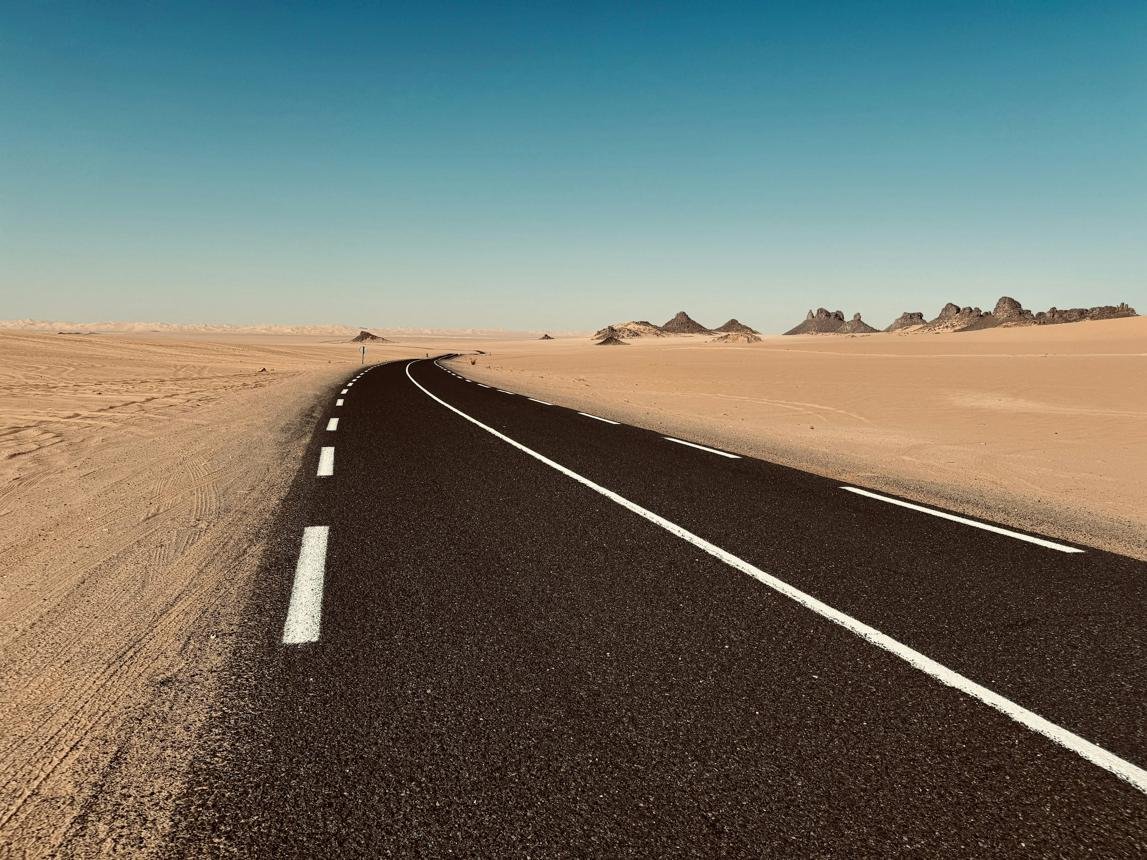
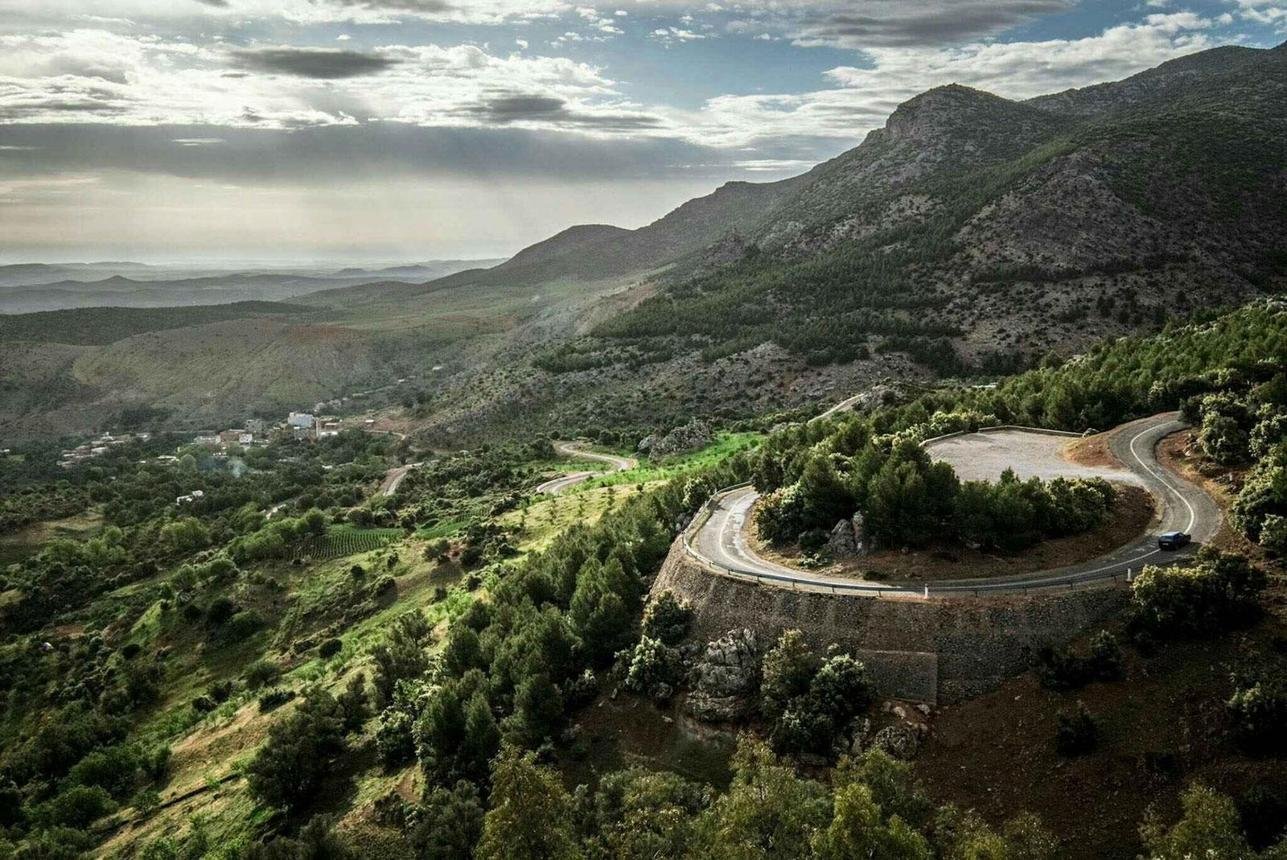
Transport in Algeria is a vital part of the country’s infrastructure, connecting cities, towns, and rural areas. The transport sector in Algeria is primarily focused on road transportation, with a network of highways and roads that span across the country.
Algeria has an extensive road network that covers over 180,000 kilometers, with the majority of roads being paved. The country has made significant investments in improving its road infrastructure in recent years, which has led to better connectivity between different regions.
In addition to roads, Algeria also has a well-developed railway system that connects major cities such as Algiers, Oran, and Constantine. The railway network is operated by the state-owned company SNTF (National Company of Rail Transport), which provides both passenger and freight services.
Air transport is another important mode of transport in Algeria, with several airports and airfields located across the country. The busiest airport in Algeria is Houari Boumediene Airport in Algiers, which serves as the main hub for international and domestic flights. Other major airports include Oran Es Senia Airport and Constantine Mohamed Boudiaf Airport.
Public transport in Algeria is mainly provided by buses and shared taxis, which are popular modes of transportation for locals and visitors alike. In major cities like Algiers, public buses are operated by ETUSA (Algiers Urban and Suburban Transport Establishment), providing a cost-effective way to navigate the city.
Despite these transportation options, Algeria still faces challenges in its transport sector, including inadequate infrastructure in some rural areas and traffic congestion in urban centers. The government continues to invest in improving the transport network to enhance connectivity and support economic growth.
Overall, the transport sector in Algeria plays a crucial role in connecting people and goods across the country, contributing to the development and prosperity of the nation.
Statistic: According to the World Bank, Algeria had a road network of approximately 180,000 kilometers in 2018.
What are the main modes of transportation in Algeria?
The main modes of transportation in Algeria are buses, trains, taxis, and private cars.
Is public transportation reliable in Algeria?
Public transportation in Algeria can vary in reliability depending on the city and mode of transport. In larger cities like Algiers, public buses and trains are generally reliable, but in more rural areas, service may be less frequent.
Are taxis easily accessible in Algeria?
Yes, taxis are readily available in Algeria, especially in urban areas. It is common to hail a taxi on the street or find them waiting at designated taxi stands.
Are there long-distance buses in Algeria?
Yes, there are long-distance bus services that connect major cities in Algeria. These buses are a popular and affordable way to travel between different regions of the country.
What is the condition of roads in Algeria?
The condition of roads in Algeria can vary, with major highways generally in good condition while rural roads may be more rough and unpaved. It is important to exercise caution when driving in Algeria, especially in rural areas.
Can I rent a car in Algeria?
Yes, there are car rental agencies available in major cities in Algeria. Be sure to have the necessary documentation, such as a valid driver’s license and insurance, before renting a car.
Are there any regulations I need to be aware of when using public transportation in Algeria?
Yes, it is important to be aware of local regulations when using public transportation in Algeria. For example, it is customary to negotiate the fare with taxi drivers before beginning your journey.
Is it safe to use public transportation in Algeria?
While public transportation in Algeria is generally safe, it is always advisable to exercise caution and be aware of your surroundings, especially in crowded or unfamiliar areas.
Can I bring my bicycle on public transportation in Algeria?
Some public transportation services in Algeria allow passengers to bring bicycles on board, but it is recommended to check with the specific service provider beforehand to confirm their policy.
Are there any transportation apps available in Algeria?
There are a few transportation apps available in Algeria that can help you navigate public transportation, find taxi services, or book car rentals. It is recommended to download these apps before your trip for added convenience.
Conclusion
In conclusion, transport in Algeria plays a vital role in connecting people and goods across the vast and diverse country. The country’s extensive road network, railway system, and expanding air travel infrastructure have significantly improved connectivity and accessibility for both urban and rural populations. However, challenges such as traffic congestion, inadequate public transportation services, and the need for further investment in infrastructure still exist and need to be addressed to enhance the efficiency and sustainability of the transport system in Algeria.
Overall, the government’s efforts to improve and modernize transport infrastructure, coupled with ongoing investments in new projects such as the Algiers metro expansion and high-speed railways, are encouraging signs of progress in the sector. With a strong focus on sustainable and inclusive development, Algeria has the potential to further enhance its transport network and drive economic growth and social development in the years to come. By addressing current challenges and fostering innovation in transportation, Algeria can continue to build a more connected and accessible country for its citizens and visitors alike.