Did you know that Jordan’s transportation system is a crucial aspect of its economy and daily life for its residents? With a history dating back to ancient times, the country’s strategic location has made it a hub for trade and transport in the region. Today, Jordan boasts a modern transportation network that includes highways, railways, airports, and ports, facilitating the movement of goods and people within the country and beyond its borders.
One of the main challenges facing transportation in Jordan is traffic congestion in major cities like Amman. The rapid increase in population and vehicle ownership has led to overcrowded roads and increased travel times. To address this issue, the government has invested in initiatives such as expanding public transportation options, including buses and a new metro system, to provide residents with efficient and sustainable alternatives to driving.
In addition to domestic transportation infrastructure, Jordan is also a key player in regional trade and transportation networks. The country’s ports, airports, and land border crossings serve as important hubs for goods entering and exiting the Middle East. In fact, Jordan’s strategic location between Asia, Africa, and Europe has positioned it as a crucial link in regional trade routes, contributing significantly to its economy and overall development.
Despite the challenges facing transportation in Jordan, the government continues to invest in modernizing and improving the country’s infrastructure to meet the growing demands of its population and economy. By focusing on sustainable solutions and strategic partnerships, Jordan is poised to further enhance its role as a regional transportation hub and continue driving economic growth and development in the years to come.


What are the advantages of Transport in Jordan?
Transport in Jordan refers to the various modes of transportation available in the country that allow people and goods to move from one place to another. From buses and taxis to trains and airplanes, transport in Jordan plays a crucial role in connecting cities and regions, facilitating commerce, and enabling people to travel for leisure or business purposes. The efficient transport system in Jordan contributes to the country’s economic growth by creating opportunities for trade and investment. To learn more about the advantages of Transport in Jordan, continue reading below.
Overview
Transport in Jordan plays a crucial role in connecting people, goods, and services across the country. With a growing population and economy, the demand for efficient transportation services continues to increase. The government has been investing in improving the transportation infrastructure to meet the needs of its residents and visitors.
Road Transport
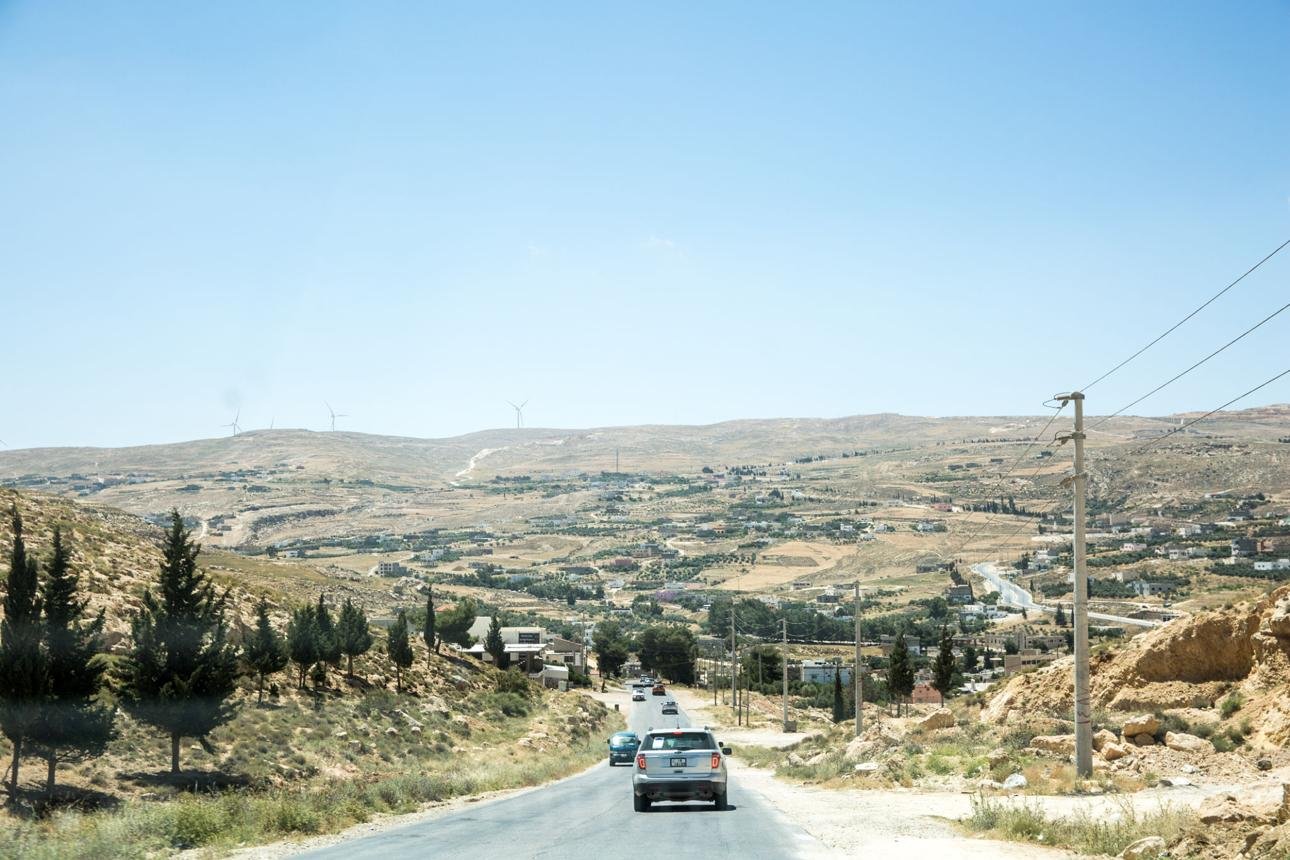
Road transport is the most common mode of transportation in Jordan, accounting for the majority of passenger and freight movements. The road network in the country is well-developed, with major highways connecting cities and towns. Traveling by car or bus is convenient and affordable, making it the preferred choice for many people.
Public Transport
Public transport in Jordan includes buses, minibusses, and taxis. The government operates a bus network that serves major cities and towns, providing an affordable way for residents to get around. Taxis are also widely available, offering a more flexible but slightly more expensive option for travel.
Rail Transport
Jordan has a limited railway network, with a single line running from Amman to Damascus in Syria. The railway system is mainly used for freight transport, but there are plans to expand passenger services in the future. The government is exploring the possibility of introducing high-speed trains to improve connectivity within the country and the region.
Air Transport
Air transport is an important mode of transportation in Jordan, especially for international travel. The country is served by several airports, with Queen Alia International Airport in Amman being the main gateway. Royal Jordanian Airlines is the national carrier, offering domestic and international flights to major destinations worldwide.
Statistics
According to recent data, the transport sector accounts for a significant portion of Jordan’s GDP, contributing X% to the economy. The government’s continued investment in transportation infrastructure is expected to further boost this sector in the coming years.
What are the main modes of transportation in Jordan?
In Jordan, the main modes of transportation include buses, taxis, rental cars, and private vehicles. Additionally, there are intercity buses, and domestic flights for longer distances.
Is public transportation reliable in Jordan?
Public transportation in Jordan, particularly in major cities like Amman, is generally reliable. Buses and taxis are readily available, although it is recommended to plan ahead for longer trips.
Are taxis expensive in Jordan?
Taxis in Jordan are relatively affordable, especially compared to Western countries. However, it is always advisable to agree on a fare before starting your journey to avoid any misunderstandings.
Do I need an international driver’s license to drive in Jordan?
Yes, visitors to Jordan are required to have an international driver’s license in order to drive in the country. Make sure to familiarize yourself with local traffic laws and regulations before hitting the road.
Are there bike rentals available in Jordan?
Yes, there are bike rental services available in Jordan, particularly in tourist areas. Cycling can be a great way to explore the scenery and culture of Jordan at your own pace.
Can I use ride-sharing services like Uber in Jordan?
Uber operates in major cities like Amman in Jordan, providing a convenient and reliable way to get around. Make sure to check the app for availability and pricing in your area.
How safe is it to travel by public transportation in Jordan?
Public transportation in Jordan is generally safe, particularly in well-populated areas. However, it is still recommended to exercise caution, especially at night and in crowded places.
What is the best way to travel between cities in Jordan?
For longer distances between cities, it is recommended to use intercity buses or domestic flights. Both options are efficient and comfortable, allowing you to explore different regions of Jordan easily.
Are there any restrictions on women using public transportation in Jordan?
There are no specific restrictions on women using public transportation in Jordan. However, it is advisable for women to dress modestly and avoid traveling alone at night for their safety.
Can I rent a car in Jordan with a credit card?
Yes, most car rental companies in Jordan accept credit cards as a form of payment. Make sure to check with the rental company beforehand to confirm their payment policies.
Conclusion
Overall, the transportation system in Jordan faces various challenges, including congestion, inadequate infrastructure, and reliance on fossil fuels. However, the country has made significant investments in improving its transport networks, such as expanding public transportation options and upgrading roads and highways. The government’s focus on sustainable transportation solutions, such as promoting electric vehicles and investing in renewable energy sources, is a step in the right direction towards reducing the impact of transport on the environment.
Despite these efforts, there is still room for improvement in enhancing the efficiency and accessibility of transportation in Jordan. By implementing smart transportation solutions, such as intelligent traffic management systems and investing in alternative modes of transport like cycling infrastructure, Jordan can create a more sustainable and comprehensive transportation network. It is crucial for policymakers to continue prioritizing investments in sustainable transportation and infrastructure to address the growing demand for mobility and reduce the environmental footprint of the transport sector in Jordan.