Bijagós Islands, Colonial Towns & West African Adventure
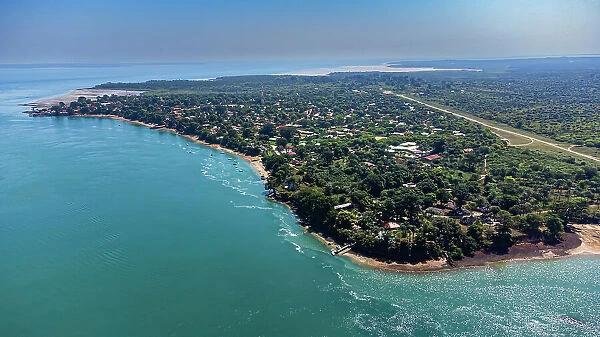
Guinea-Bissau is one of West Africa’s most overlooked travel destinations. Situated between Senegal and Guinea on the Atlantic coast, this small Portuguese-speaking nation rewards adventurous travelers with untouched beaches, tropical islands, mangrove forests, vibrant local cultures and remarkable biodiversity. Far removed from mass tourism, Guinea-Bissau offers authentic experiences where traditional fishing villages, colorful colonial architecture and pristine national parks remain largely unchanged by modern development.
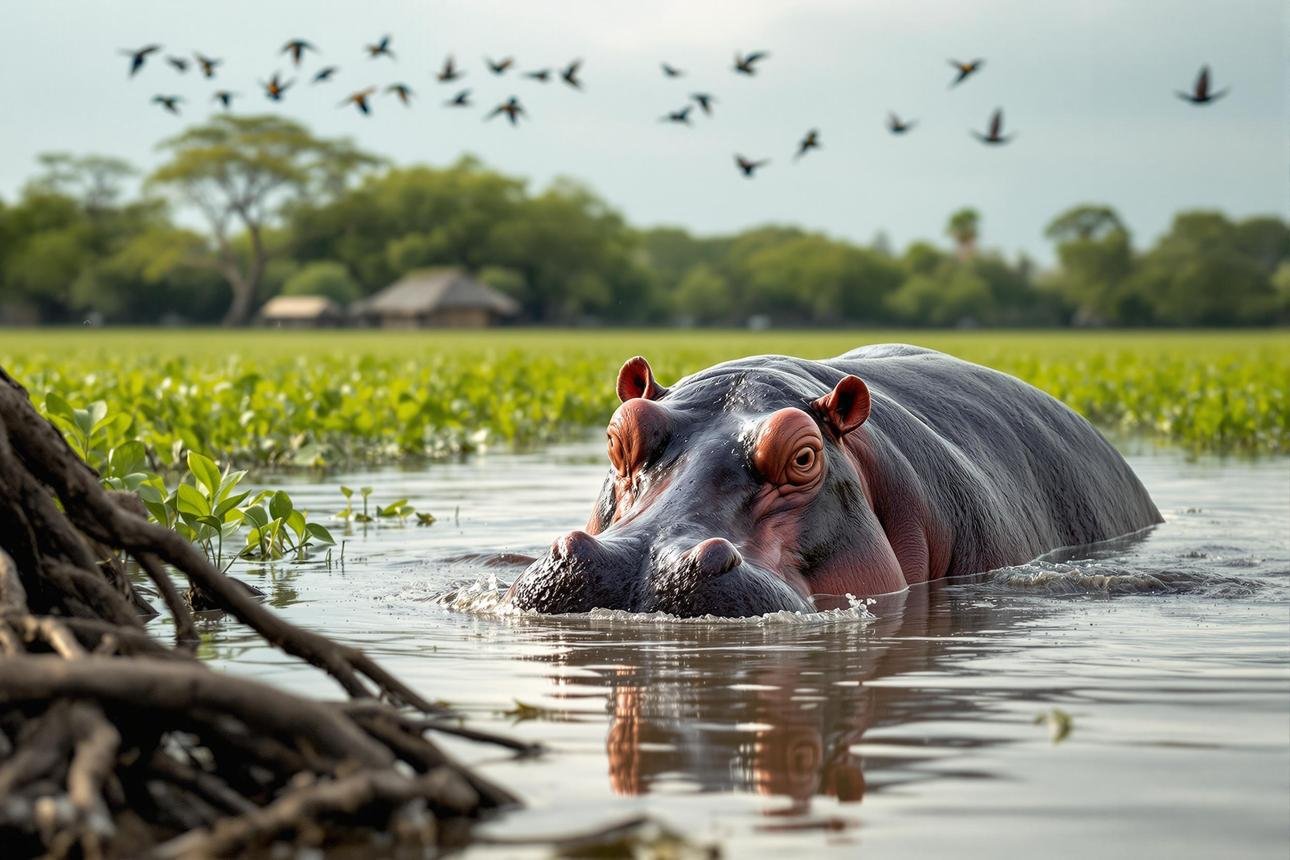
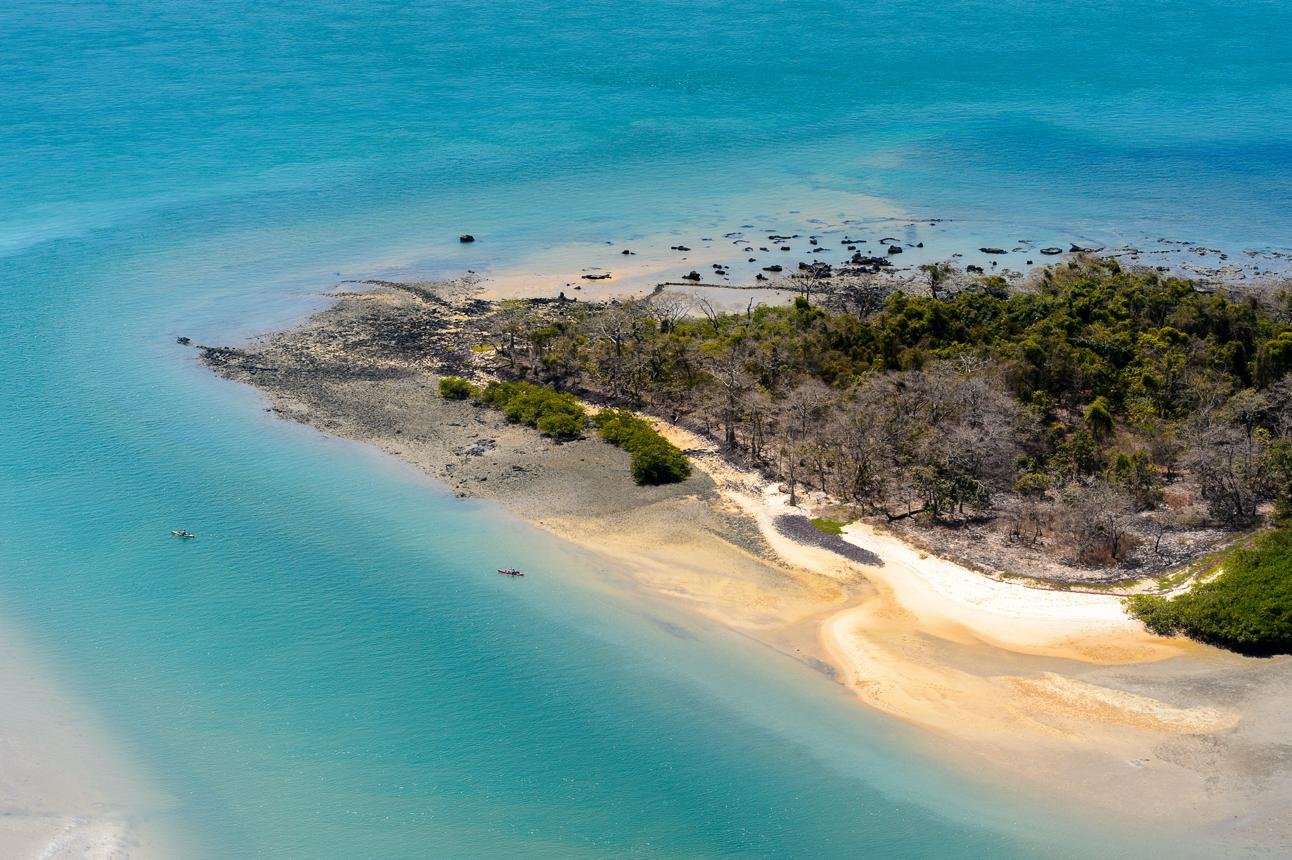
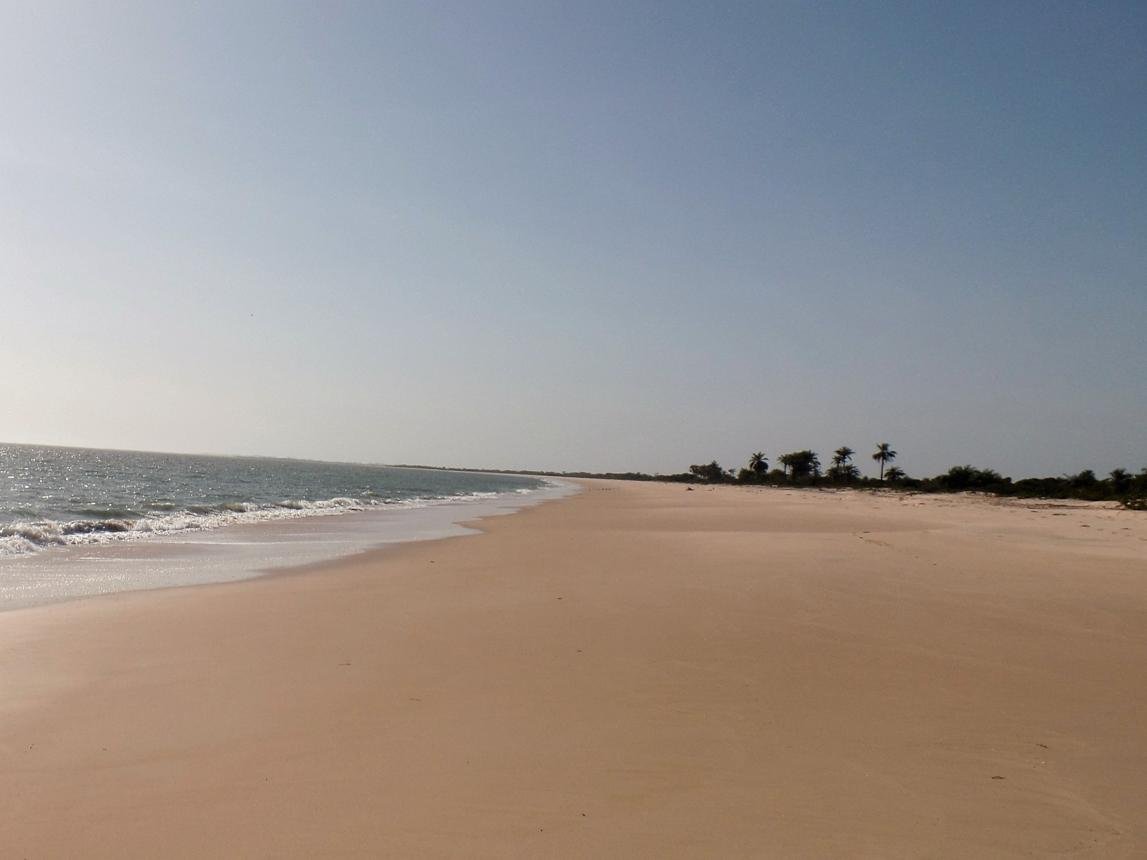
The country’s greatest treasure is the spectacular Bijagós Archipelago, a UNESCO Biosphere Reserve consisting of more than 80 islands scattered across the Atlantic Ocean. Many of these islands remain virtually untouched, providing sanctuary for rare wildlife including saltwater hippos, nesting sea turtles, dolphins, monkeys and hundreds of migratory bird species. Combined with remote beaches, rich marine ecosystems and traditional island cultures, the archipelago is one of Africa’s hidden gems.
On the mainland, Guinea-Bissau offers bustling markets, rivers lined with mangrove forests, colonial-era towns and welcoming communities where Portuguese and Creole traditions blend with African heritage. The country’s slow pace of life, affordable prices and genuine hospitality make it particularly attractive for travelers seeking authentic cultural experiences.
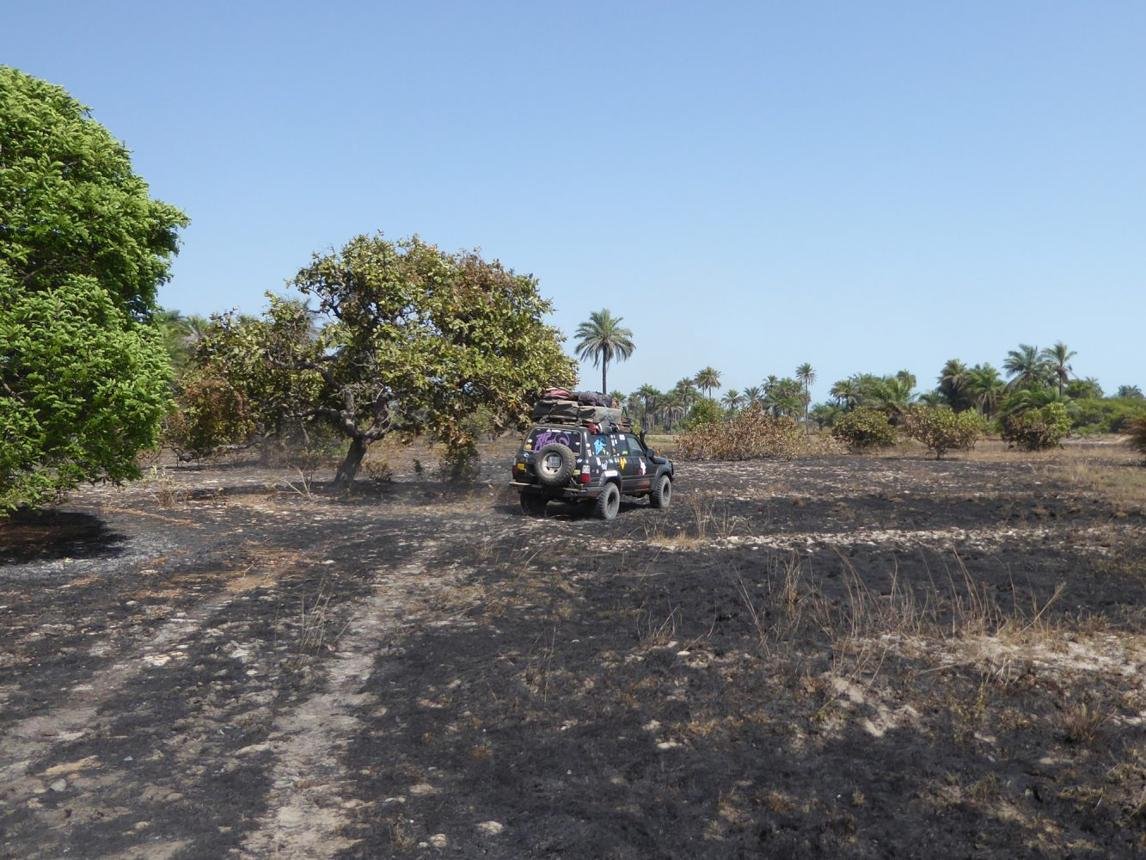
Independent travelers are increasingly discovering Guinea-Bissau as part of wider West African itineraries. Backpackers appreciate the country’s relaxed atmosphere and inexpensive guesthouses, while overlanders frequently cross the country between Senegal and Guinea on trans-West African expeditions. Although dedicated RV infrastructure is almost nonexistent, expedition vehicles can comfortably explore much of the mainland using the primary road network.
For nature enthusiasts, birdwatchers, photographers and overland travelers, Guinea-Bissau offers one of West Africa’s last truly off-the-beaten-path destinations. This guide provides a comprehensive overview of the country’s regions, attractions, backpacking opportunities, overlanding routes, road trips and practical travel information while serving as a central hub linking to more specialized destination guides.
8
Quick Facts
| Information | Details |
|---|---|
| Capital | Bissau |
| Population | Approximately 2.2 million |
| Area | 36,125 km² |
| Language | Portuguese (official), Guinea-Bissau Creole |
| Currency | West African CFA Franc (XOF) |
| Time Zone | UTC |
| Driving Side | Right |
| Calling Code | +245 |
| Visa | eVisa or visa required for many nationalities |
| Best Time | November to April |
Guinea-Bissau experiences a tropical climate with a distinct dry season and rainy season. Most visitors travel between November and April when roads are more accessible, humidity is lower and island transport is more reliable.
Portuguese is the official language, while Guinea-Bissau Creole is widely spoken throughout the country.
Why Visit Guinea-Bissau?
Guinea-Bissau offers something increasingly rare in today’s travel world: genuine authenticity. International tourism remains limited, allowing visitors to experience traditional African and island cultures with little commercial development.
The Bijagós Islands are the country’s most famous attraction. This unique archipelago supports remarkable biodiversity and traditional island communities that have preserved their customs for centuries. Many islands have no paved roads, creating a peaceful atmosphere where wildlife often outnumbers visitors.
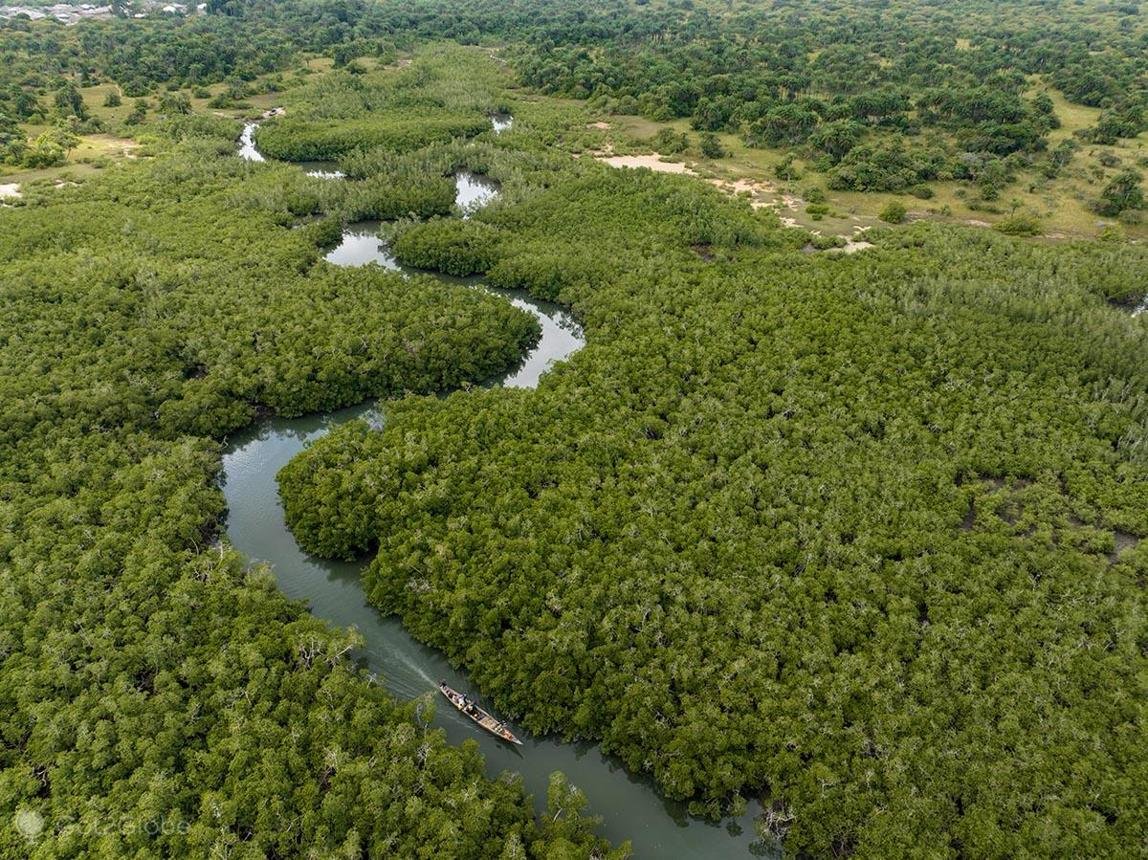
Nature lovers will discover mangrove forests, estuaries, tropical beaches and marine ecosystems that support dolphins, turtles, manatees and countless bird species. Birdwatchers consider Guinea-Bissau one of West Africa’s premier destinations, particularly during the European winter migration.
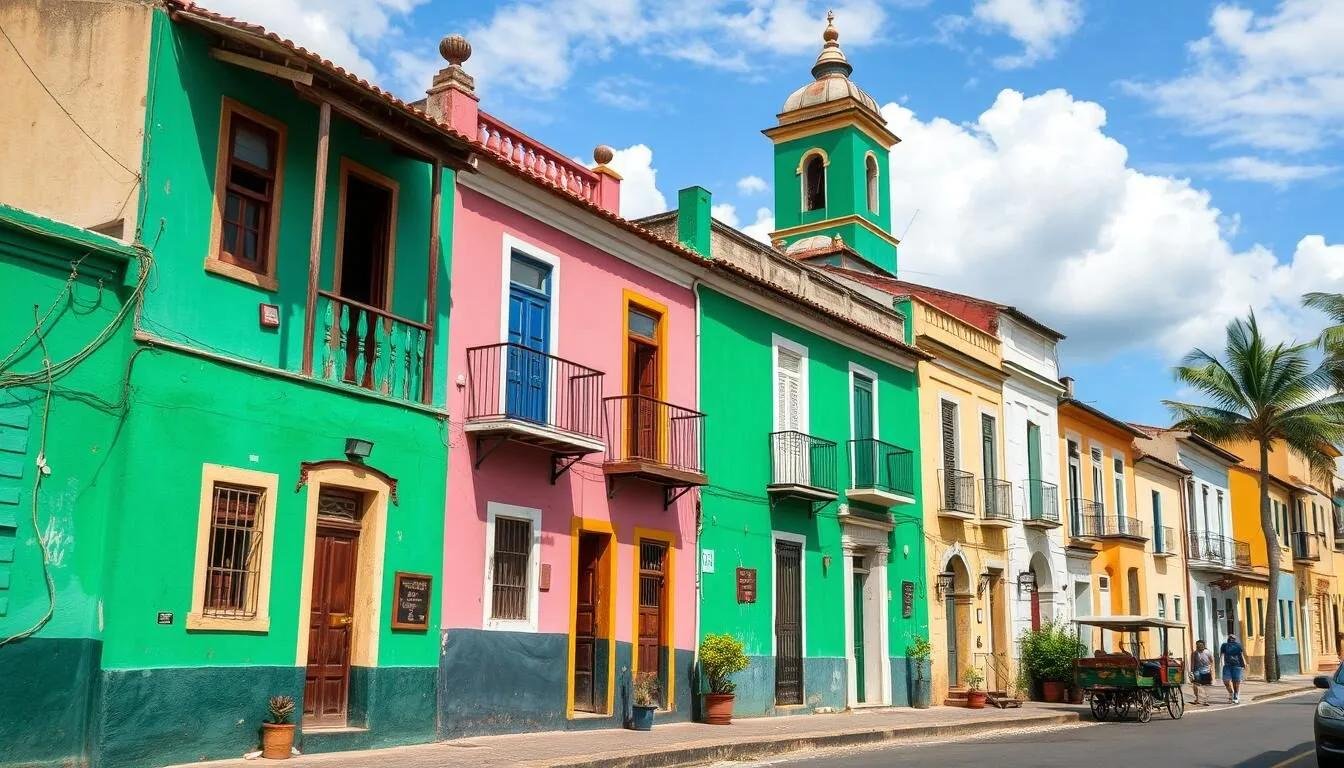
The country’s colonial history is reflected in Bissau and smaller towns, where Portuguese architecture, lively markets and colorful waterfronts create a fascinating urban atmosphere.
For adventurous overlanders and backpackers, Guinea-Bissau offers rewarding travel with relatively short distances, affordable prices and opportunities to explore destinations rarely featured in mainstream guidebooks.
Best Places to Visit
Bissau
The capital combines colonial architecture, bustling markets, lively waterfronts and excellent restaurants serving fresh seafood.
Highlights include:
- Fortaleza d’Amura
- Presidential Palace
- Bandim Market
- Old Portuguese Quarter
- Port area
Recommended stay: 2–3 days
Bijagós Archipelago
A UNESCO Biosphere Reserve of more than eighty islands featuring untouched beaches, mangroves, wildlife and traditional villages.
Highlights:
- Island hopping
- Wildlife
- Fishing communities
- Remote beaches
- Birdwatching
Recommended stay: 4–7 days
Orango National Park
The best-known protected area in the archipelago is famous for saltwater hippos, marine wildlife and extensive mangrove forests.
Recommended stay: 2–3 days
Bolama
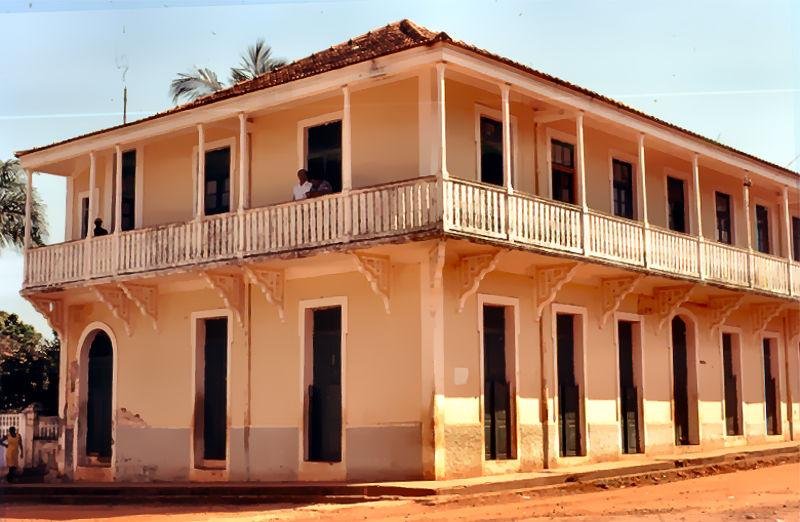
The former colonial capital preserves elegant Portuguese architecture slowly being reclaimed by tropical vegetation.
Recommended stay: 1–2 days
Cacheu
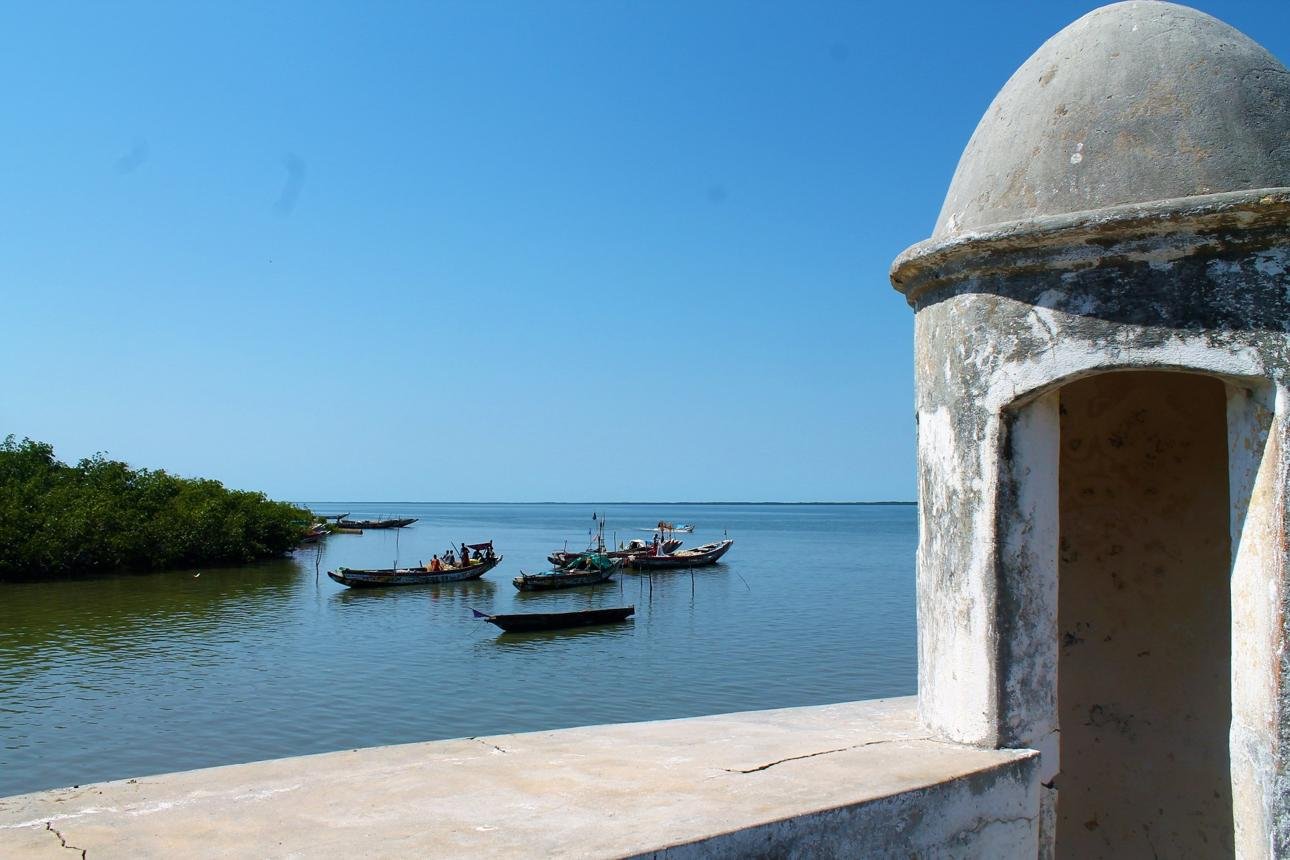
A historic riverside town with deep connections to the Atlantic slave trade and Portuguese colonial history.
Recommended stay: 1 day
João Vieira–Poilão Marine National Park
One of Africa’s most important sea turtle nesting sites.
Recommended stay: 2 days
Quinhamel
A peaceful riverside town offering boat excursions through mangrove ecosystems.
Recommended stay: 1–2 days
Bafatá
The country’s second-largest city is known for colonial architecture and traditional markets.
Recommended stay: 1–2 days
Varela
Near the Senegal border, Varela offers beautiful beaches and one of Guinea-Bissau’s most relaxing coastal destinations.
Recommended stay: 2–3 days
Cufada Lagoons Natural Park
A protected wetland supporting hippos, crocodiles, monkeys and exceptional birdlife.
Recommended stay: 1–2 days
8
Best Time to Visit
November to April
The dry season offers sunny weather, comfortable temperatures and reliable transport between the islands. Wildlife viewing and birdwatching are excellent.
May
Temperatures rise before the rainy season begins.
June to October
Heavy rainfall affects much of the country. While landscapes become lush and green, many roads deteriorate and transport schedules become less predictable.
Regions of Guinea-Bissau
Coastal Mainland
Home to Bissau, mangrove estuaries and important fishing communities.
Bijagós Archipelago
The country’s most famous region consists of tropical islands, marine parks and traditional island cultures.
Northern Guinea-Bissau
Historic Cacheu, Varela and border areas with Senegal dominate the north.
Eastern Guinea-Bissau
Agricultural landscapes, traditional villages and the city of Bafatá characterize the interior.
Backpacking Guinea-Bissau
Guinea-Bissau remains one of West Africa’s least-developed backpacking destinations, making it especially attractive for adventurous travelers.
A suggested two-week itinerary includes:
- Bissau
- Bolama
- Bijagós Islands
- Orango National Park
- Cacheu
- Varela
Budget travelers find:
- Small guesthouses
- Family-run hotels
- Affordable restaurants
- Shared taxis
- Local ferries
Popular backpacking activities include:
- Island hopping
- Wildlife observation
- Birdwatching
- Beach camping
- Fishing villages
- Photography
Future supporting guides:
- Backpacking Guinea-Bissau
- Bijagós Island Hopping
- Budget Guide
- Backpacker Safety
- Public Transport Guide
Overlanding Guinea-Bissau
Guinea-Bissau plays an important role on several West African overland routes.
Border crossings include:
- Senegal
- Guinea
Popular routes include:
Northern Route
Senegal – Varela – Bissau
Ideal for travelers entering from Casamance.
Inland Route
Bissau – Bafatá – Guinea
Connecting with Guinea’s highlands.
Coastal Explorer
Bissau – Cacheu – Varela
Excellent for beaches and colonial history.
Road conditions vary considerably. Main roads continue to improve, but many secondary roads become difficult during the rainy season.
Future overlanding guides should include:
- Border crossings
- Vehicle permits
- Insurance
- Fuel stations
- Camping
- Road conditions
Motorhome & RV Travel
Dedicated RV tourism is virtually unknown, but Guinea-Bissau can be explored by self-sufficient expedition vehicles.
Recommended routes include:
Coastal Circuit
Bissau – Cacheu – Varela
Approximately 250 km of coastal exploration.
Interior Explorer
Bissau – Bafatá – Cufada
Combining wildlife with traditional villages.
Full Mainland Tour
Explore all major mainland attractions before leaving vehicles in Bissau for island excursions.
Because ferries to the Bijagós Islands generally do not accommodate large motorhomes, most RV travelers leave vehicles on the mainland while visiting the archipelago.
Future RV articles:
- Safe overnight parking
- Campsites
- Vehicle maintenance
- Ferry logistics
- Road conditions
Suggested Road Trips & Itineraries
One Week
Bissau – Bolama – Bijagós Islands
An ideal introduction to Guinea-Bissau.
Two Weeks
Bissau – Cacheu – Varela – Bijagós – Orango
Combines history, beaches and wildlife.
Three Weeks
Complete Guinea-Bissau Circuit
Bissau – Cacheu – Varela – Bafatá – Cufada – Bolama – Bijagós
Ideal for photographers and nature enthusiasts.
Four Weeks West Africa
Combine Guinea-Bissau with Senegal and Guinea for a rewarding overland expedition through some of West Africa’s least-visited regions.
Wildlife & Nature
Despite its small size, Guinea-Bissau protects remarkable biodiversity.
Top wildlife destinations include:
- Bijagós Biosphere Reserve
- Orango National Park
- João Vieira Marine Park
- Cufada Lagoons
- Cacheu Mangroves
Wildlife includes:
- Saltwater hippos
- Green sea turtles
- Dolphins
- Manatees
- Crocodiles
- Monkeys
- Hundreds of bird species
The country is internationally recognized as one of West Africa’s premier birdwatching destinations.
Beaches & Island Adventures
The Bijagós Archipelago contains some of Africa’s most pristine beaches.
Popular island destinations include:
- Bubaque
- Orango
- Rubane
- João Vieira
- Poilão
Activities include:
- Kayaking
- Boat safaris
- Snorkeling
- Fishing
- Turtle watching
- Beach hiking
Many islands remain almost completely undeveloped, providing exceptional opportunities for eco-tourism.
Essential Travel Information
Visa
Many travelers require a visa or eVisa before arrival. Entry requirements vary according to nationality.
Budget
Guinea-Bissau remains one of West Africa’s more affordable destinations.
Typical daily costs:
- Budget: €30–50
- Mid-range: €70–140
- Luxury: €180+
Island transport and guided wildlife excursions increase travel costs.
Safety
Most tourist areas are generally calm, but travelers should stay informed about local developments and follow current travel advisories. Petty theft can occur in urban areas, while remote travel requires careful planning due to limited services.
Transport
Available transport includes:
- Shared taxis
- Minibuses
- Ferries
- Private boats
- Car rental with driver
Road travel is generally straightforward during the dry season but can become challenging after heavy rains.
Continue Planning Your Trip
Top Destinations
- Bissau
- Bijagós Islands
- Orango National Park
- Bolama
- Cacheu
- Varela
- Bafatá
- Quinhamel
- João Vieira Marine Park
- Cufada Lagoons
Travel Planning
- Guinea-Bissau Visa Guide
- Best Time to Visit Guinea-Bissau
- Guinea-Bissau Budget Guide
- Driving in Guinea-Bissau
- Border Crossings
- Safety Guide
Adventure Travel
- Backpacking Guinea-Bissau
- Overlanding Guinea-Bissau
- Guinea-Bissau RV Travel
- Bijagós Island Guide
- Birdwatching Guide
- West Africa Overland Route
- Island Hopping Guide
- Overlanding in Guinea-Bissau
- Getting around in Guinea-Bissau
Recommended Guides
Continue planning your journey through Guinea-Bissau with detailed destination guides covering Bissau, the Bijagós Archipelago, Orango National Park, Bolama, Cacheu, Varela, Bafatá and the João Vieira Marine National Park. Additional articles explore backpacking itineraries, overlanding routes, border crossings, ferry schedules, camping opportunities, wildlife experiences, birdwatching hotspots, scenic road trips and practical travel planning. Together with this country hub, these in-depth resources provide independent travelers with everything needed to explore one of West Africa’s most authentic, biodiverse and least-discovered destinations.