Adriatic Beaches, Rugged Mountains, Ancient Towns & Balkan Road Trips
7
Albania Travel Guide
Albania is one of the most fascinating destinations in the Balkans, combining spectacular Mediterranean beaches, rugged mountain landscapes, ancient archaeological sites, Ottoman-era towns, lively cities, and a growing reputation as one of Europe’s best-value travel destinations.
Situated between Greece, Montenegro, Kosovo, North Macedonia, and the Adriatic and Ionian Seas, Albania occupies a remarkably varied landscape. The country stretches from the beaches of the Albanian Riviera to the dramatic peaks of the Accursed Mountains in the north. Between them are deep valleys, lakes, forests, historic towns, vineyards, rivers, and rural villages.
For decades Albania was one of Europe’s most isolated countries. Today, that history has helped preserve many landscapes and traditions that have disappeared elsewhere in the Mediterranean. Tourism is developing rapidly, particularly along the coast, but large parts of the country still feel distinctly authentic.
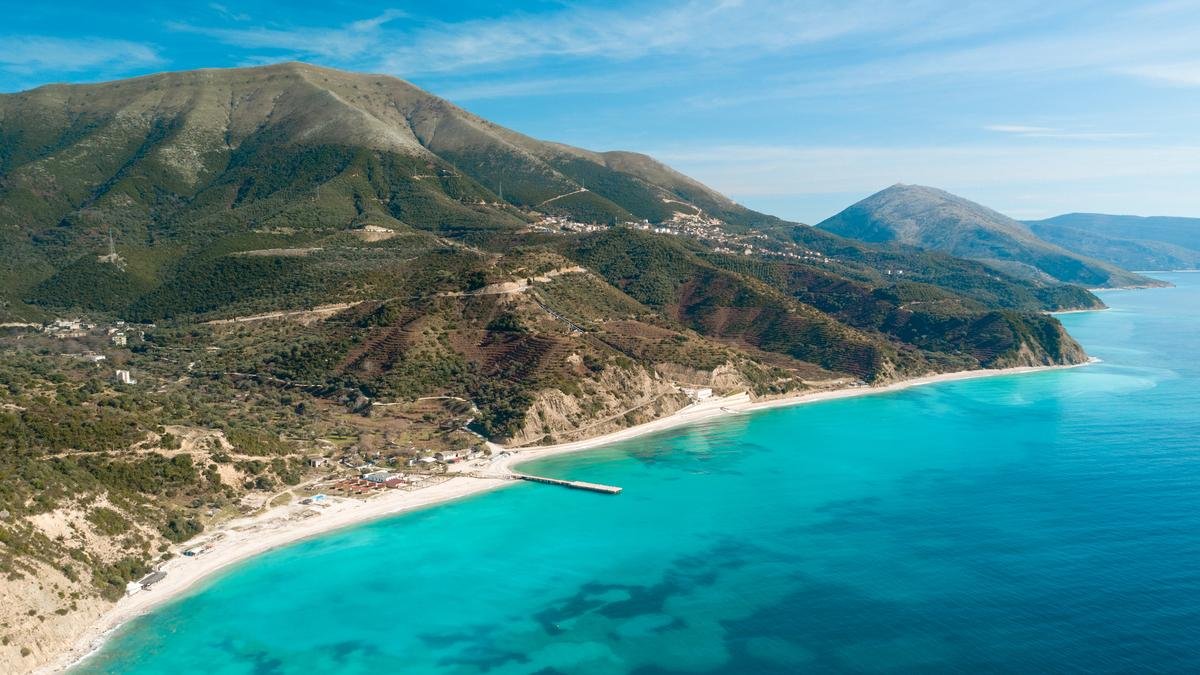
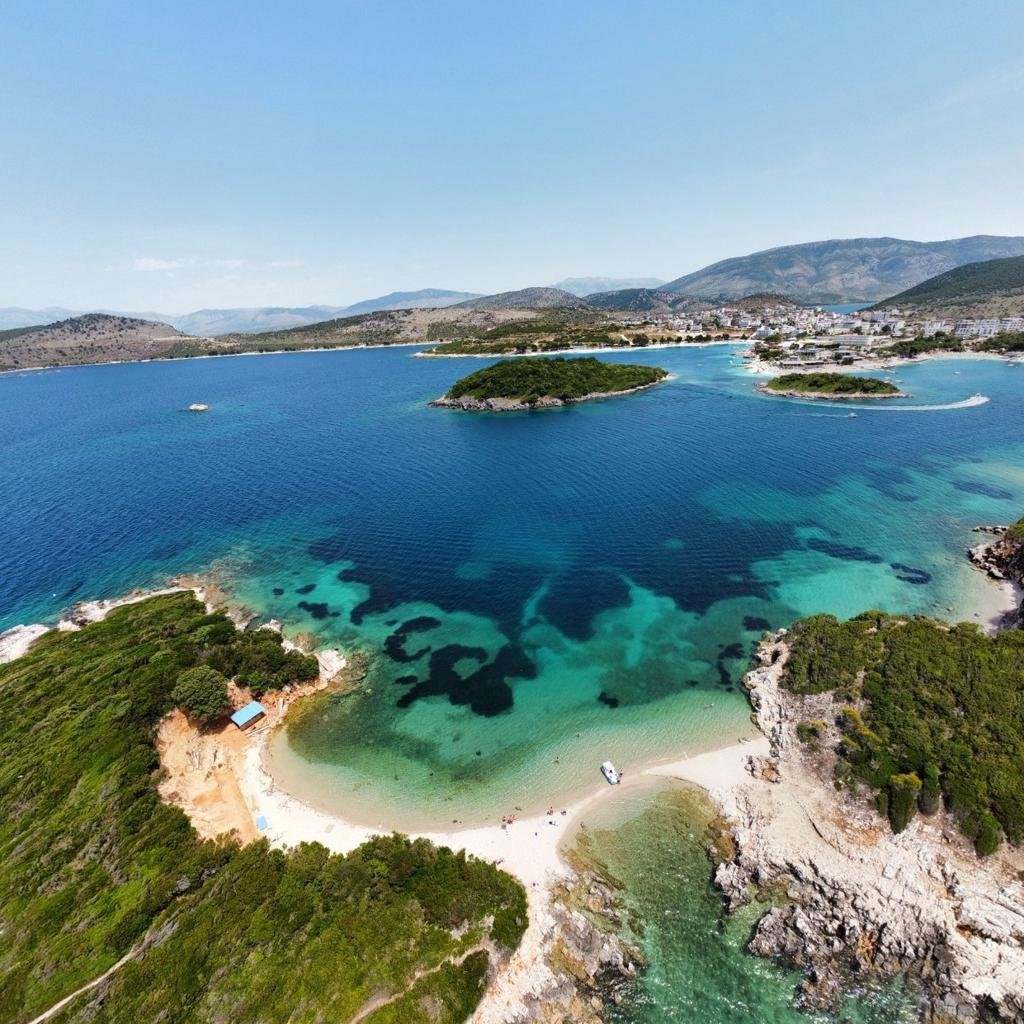
The Albanian Riviera is the country’s most famous coastal region. Between Vlora and Sarand?, winding mountain roads descend toward turquoise bays, secluded beaches, olive groves, and small seaside villages. Ksamil is particularly famous for its clear water and offshore islands, while Himar?, Dh?rmi, Borsh, and Qeparo offer different versions of the Riviera experience.
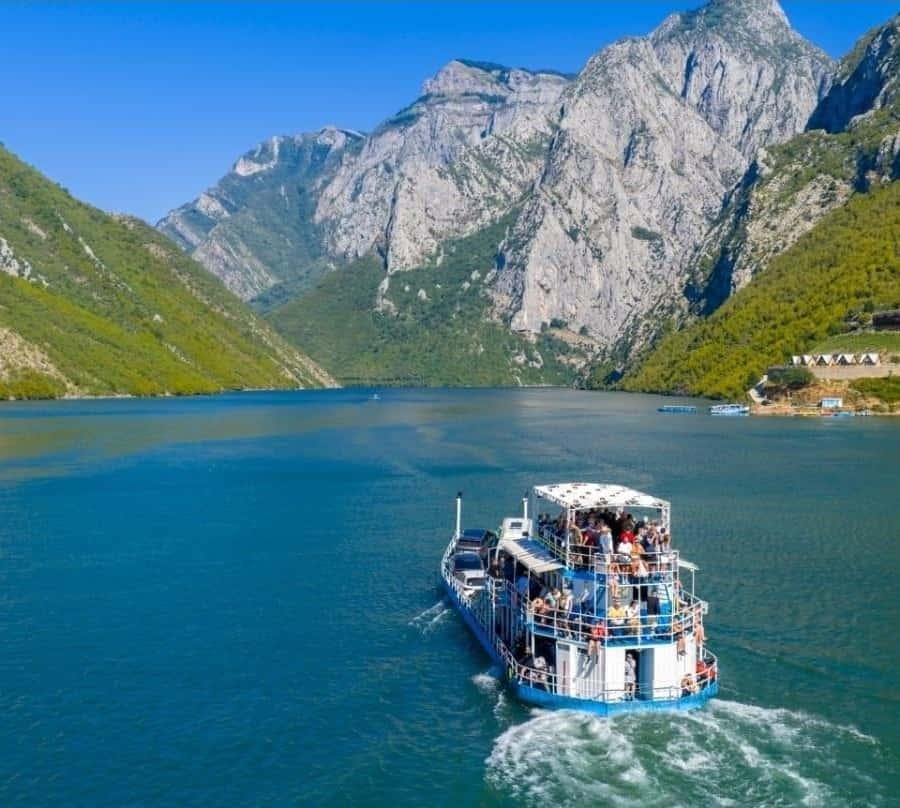
Inland, Albania becomes dramatically mountainous. The northern Accursed Mountains around Theth and Valbona provide some of the country’s finest hiking, while Lake Koman offers one of the Balkans’ most spectacular boat journeys. In the south, the historic towns of Berat and Gjirokast?r reveal Albania’s Ottoman heritage, while Butrint preserves thousands of years of Greek, Roman, Byzantine, and Venetian history.
Albania is also an excellent destination for road trips. The country’s compact size makes it possible to combine mountains, beaches, historic towns, and national parks in a single journey. Travelers with campervans and four-wheel-drive vehicles will find numerous opportunities to explore beyond the main tourist routes.
This guide covers the most important destinations, routes, practical information, and travel experiences for planning a trip through Albania.
Quick Facts
| Item | Information |
|---|---|
| Capital | Tirana |
| Currency | Albanian Lek (ALL) |
| Official Language | Albanian |
| Population | Approximately 2.7 million |
| Time Zone | Central European Time |
| Driving | Right-hand side |
| Country Code | +355 |
| EU Member | No |
Why Visit Albania?
Albania offers an unusual combination of mountains and Mediterranean coastline.
Highlights include:
- Albanian Riviera
- Tirana
- Berat
- Gjirokast?r
- Shkod?r
- Theth
- Valbona Valley
- Lake Koman
- Ksamil
- Butrint
- Lake Ohrid
- Llogara National Park
- Blue Eye
- Albanian Alps
The country is particularly attractive to road trippers, backpackers, hikers, beach travelers, and campers.
Best Places to Visit
6
Tirana
Albania’s capital is the country’s main cultural and transportation hub.
Highlights include:
- Skanderbeg Square
- Et’hem Bey Mosque
- Bunk’Art
- House of Leaves
- Blloku district
- Dajti Mountain
- Grand Park
Tirana combines Ottoman, communist, and modern architecture with a lively caf? and restaurant culture.
Berat
Known as the “City of a Thousand Windows,” Berat is one of Albania’s most beautiful historic towns.
Highlights include:
- Berat Castle
- Mangalem district
- Gorica district
- Ottoman houses
- Byzantine churches
- Osum River
The historic center is a UNESCO World Heritage Site.
Gjirokast?r
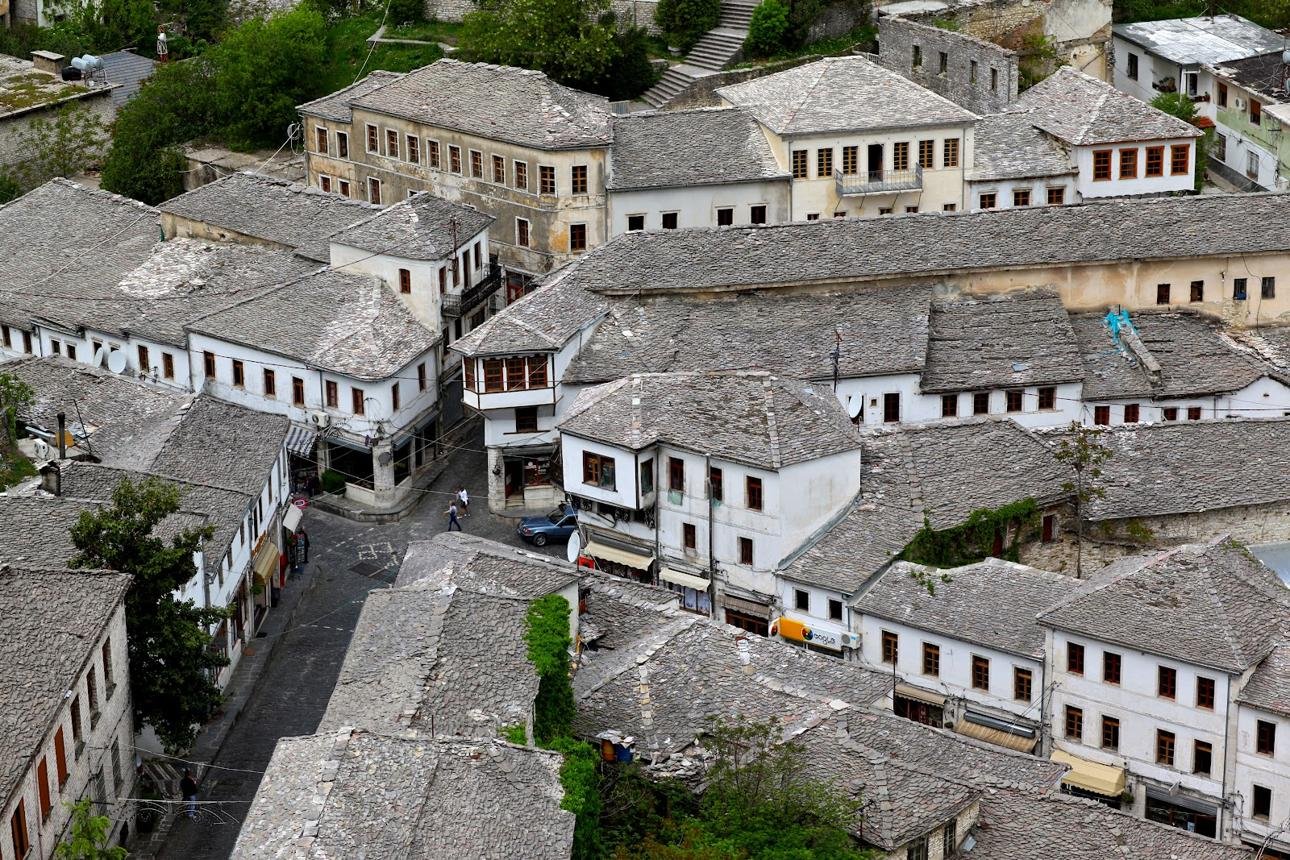
Gjirokast?r is another UNESCO-listed historic city.
Its stone-roofed houses climb the slopes beneath an impressive fortress.
Highlights include:
- Gjirokast?r Castle
- Old Bazaar
- Ottoman houses
- Ethnographic Museum
- Fortress viewpoints
Shkod?r
Located in northern Albania near Lake Shkod?r, this historic city is an important gateway to the Albanian Alps.
Highlights include:
- Rozafa Castle
- Lake Shkod?r
- Marubi National Museum
- Historic center
- Cycling
Shkod?r is an excellent base for journeys into the mountains.
Theth
Theth is one of Albania’s premier hiking destinations.
Surrounded by dramatic peaks, the village offers access to:
- Theth National Park
- Grunas Waterfall
- Blue Eye of Theth
- Theth Pass
- Traditional stone houses
The road to Theth has improved considerably, but mountain conditions still require care.
Valbona Valley
Valbona is another spectacular destination in the Albanian Alps.
Highlights include:
- Hiking
- Mountain scenery
- Alpine villages
- Valbona Pass
- Guesthouses
The famous Theth?Valbona hike connects the two valleys.
Albanian Riviera
The Ionian coast is the country’s most famous beach region.
Popular destinations include:
- Dh?rmi
- Himar?
- Qeparo
- Borsh
- Porto Palermo
- Sarand?
- Ksamil
The coastal road is one of Albania’s great scenic drives.
Ksamil
Located near Sarand?, Ksamil is famous for:
- Turquoise water
- Small offshore islands
- Beaches
- Boat trips
- Snorkeling
It becomes extremely busy during the summer peak.
Butrint
One of Albania’s most important archaeological sites.
The ancient city contains remains from:
- Greek civilization
- Roman period
- Byzantine era
- Venetian period
Butrint is a UNESCO World Heritage Site and one of the country’s essential cultural attractions.
Blue Eye
The Syri i Kalt?r, or Blue Eye, is a remarkable natural spring in southern Albania.
Its intensely blue water emerges from an underground karst system surrounded by forest.
Best Time to Visit
Albania has a Mediterranean climate along the coast and a more continental climate in the mountains.
| Season | Best For |
|---|---|
| April?May | Spring road trips and hiking |
| June | Beaches and hiking before peak crowds |
| July?August | Swimming and beach holidays |
| September?October | Warm coast and quieter travel |
| November?March | Cities and low-season travel |
July and August are the busiest months on the Riviera.
For hiking in the Albanian Alps, late spring through early autumn is generally the best period, although mountain conditions can change quickly.
Regions of Albania
Northern Albania
Known for:
- Albanian Alps
- Theth
- Valbona
- Shkod?r
- Lake Koman
Central Albania
Home to:
- Tirana
- Durr?s
- Berat
- Mountains and rural areas
Southern Albania
Features:
- Gjirokast?r
- Sarand?
- Butrint
- Albanian Riviera
- Blue Eye
Eastern Albania
Known for:
- Lake Ohrid
- Kor??
- Mountain landscapes
- Traditional villages
Suggested Itineraries
5-Day Albania Highlights
Day 1 ? Tirana
Explore the capital and Dajti Mountain.
Day 2 ? Berat
Visit the castle and historic neighborhoods.
Day 3 ? Gjirokast?r
Explore the fortress and old town.
Day 4 ? Sarand? & Butrint
Visit the Ionian coast and archaeological site.
Day 5 ? Ksamil
Relax on the beaches before continuing your journey.
One-Week Road Trip
A classic route:
Tirana ? Berat ? Gjirokast?r ? Sarand? ? Butrint ? Ksamil ? Albanian Riviera ? Vlora
This combines historic towns, archaeological sites, mountains, and beaches.
Two-Week Albania Explorer
Consider:
Tirana ? Shkod?r ? Theth ? Valbona ? Lake Koman ? Berat ? Gjirokast?r ? Riviera ? Sarand? ? Butrint ? Ksamil ? Vlora
This provides an excellent overview of the country.
Three-Week Albania Road Trip
With three weeks, travel more slowly and include:
- Albanian Alps
- Lake Shkod?r
- Lake Ohrid
- Kor??
- Berat
- Gjirokast?r
- Llogara
- Albanian Riviera
- Butrint
- Southern beaches
Overlanding in Albania
7
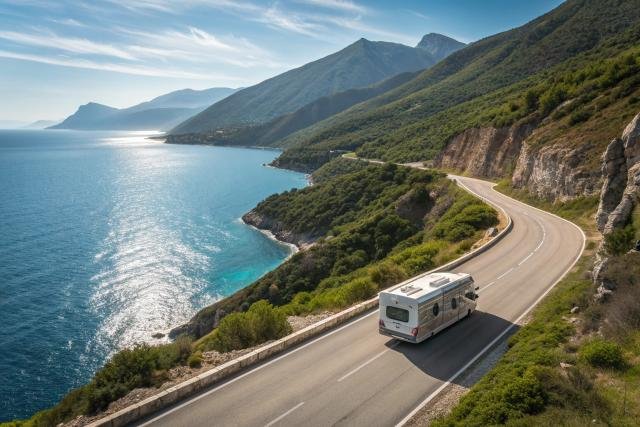
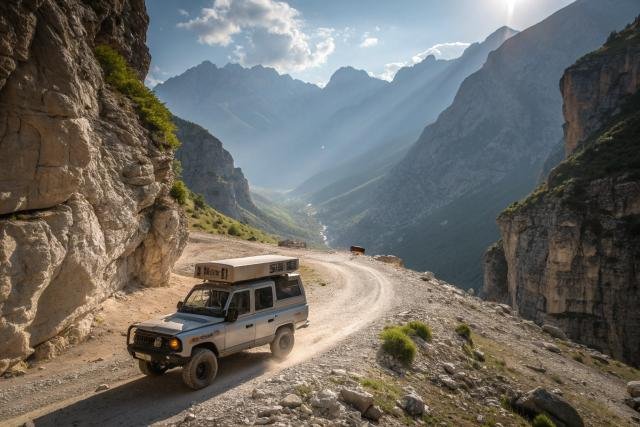
Albania is one of the Balkans’ most interesting destinations for overlanders. The combination of inexpensive travel, dramatic landscapes, numerous secondary roads, and a relatively small geographic area makes it particularly rewarding for campervans and four-wheel-drive vehicles.
Popular Overland Routes
Albanian Riviera
Vlora ? Llogara Pass ? Dh?rmi ? Himar? ? Borsh ? Sarand?
One of the country’s most spectacular drives.
The road climbs through Llogara National Park before descending toward the Ionian Sea.
Northern Albania
Shkod?r ? Koman ? Valbona ? Theth
A spectacular mountain adventure combining roads, ferries, and hiking.
Southern Albania
Berat ? Gjirokast?r ? Blue Eye ? Sarand? ? Butrint
Ideal for combining culture and nature.
Road Conditions
Major roads are generally paved, but secondary routes can be rough.
Expect:
- Mountain roads
- Narrow village roads
- Gravel tracks
- Potholes
- Steep passes
- Occasional road construction
A four-wheel-drive vehicle is useful for remote mountain routes but is not necessary for the country’s principal highways.
Backpacking in Albania
Albania is one of the better-value destinations in Europe for backpackers.
Accommodation
Options include:
- Hostels
- Guesthouses
- Family-run hotels
- Mountain lodges
- Beach accommodation
Guesthouses are particularly important in mountain regions.
Transportation
Travel using:
- Buses
- Minibuses
- Trains on limited routes
- Rental cars
- Ferries
Buses and minibuses connect the major tourist destinations, although schedules can be less predictable than in Western Europe.
Backpacking Highlights
- Tirana
- Shkod?r
- Theth
- Berat
- Gjirokast?r
- Sarand?
- Ksamil
- Albanian Riviera
Camping in Albania
Camping is increasingly popular among European road trippers.
Campsites
Campsites can be found along:
- The coast
- Albanian Riviera
- Lake regions
- Mountain areas
Facilities vary from basic pitches to modern camping grounds.
Wild Camping
Wild camping practices vary depending on location and land ownership. Travelers should avoid protected areas where camping is prohibited and ask permission when staying on private or customary land.
Responsible camping is particularly important along the increasingly popular Riviera.
RV & Motorhome Travel
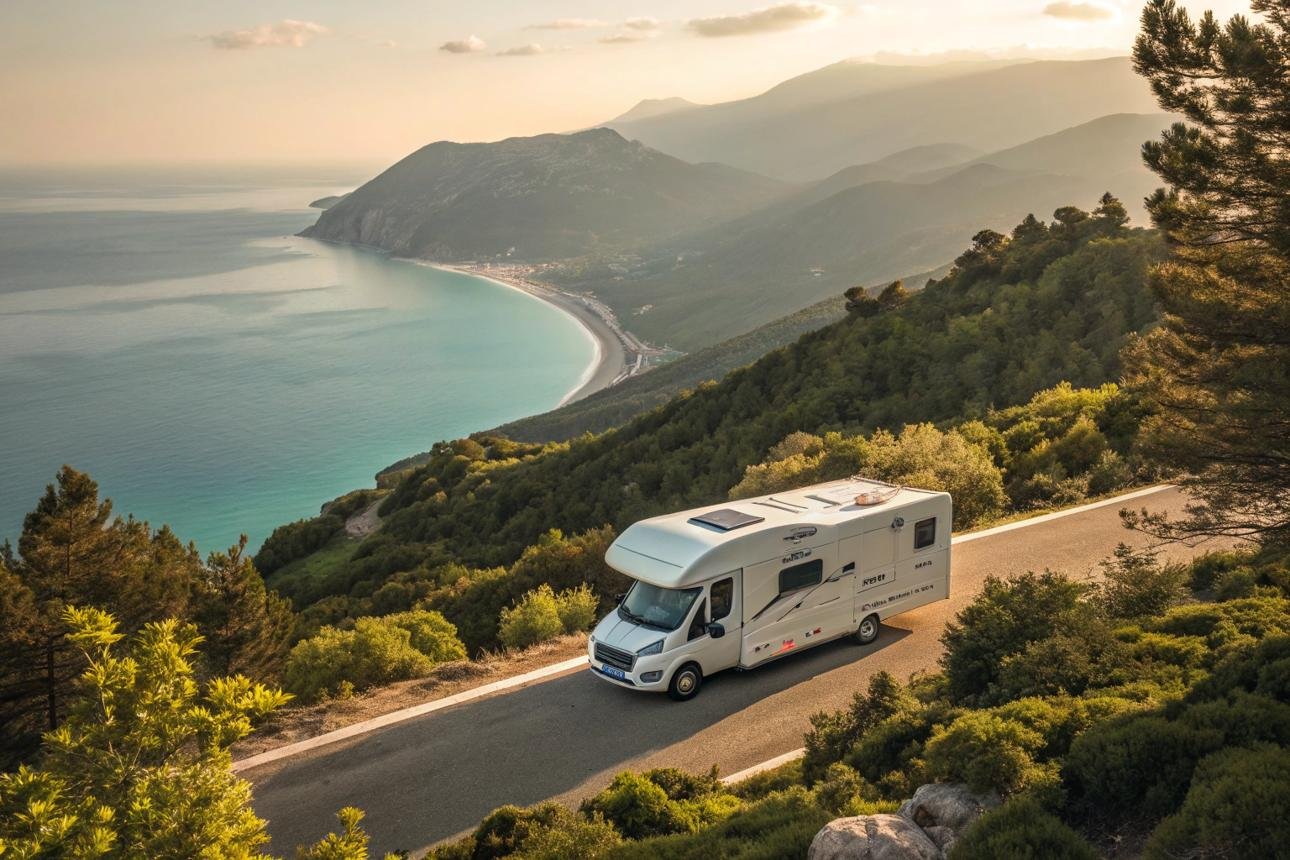
Albania is well suited to motorhome travel.
Popular RV Routes
Riviera Circuit
Vlora ? Llogara ? Himar? ? Sarand?
Northern Mountains
Shkod?r ? Lake Koman ? Valbona
Southern Circuit
Berat ? Gjirokast?r ? Butrint ? Ksamil
Practical Information
Motorhome travelers should be prepared for:
- Narrow mountain roads
- Limited services in remote areas
- Seasonal congestion along the coast
- Uneven secondary roads
- Limited large-vehicle parking in historic centers
Smaller campervans can reach more destinations than large motorhomes.
Driving in Albania
Driving gives travelers access to destinations that are difficult to reach by public transportation.
Main Roads
Important routes connect:
- Tirana
- Durr?s
- Shkod?r
- Vlora
- Gjirokast?r
- Sarand?
- Kor??
Things to Know
- Drive on the right.
- Mountain roads require caution.
- Local driving styles can be unpredictable.
- Pedestrians and animals may appear on rural roads.
- Avoid rushing on unfamiliar mountain routes.
Border Crossings
Albania shares land borders with:
- Montenegro
- Kosovo
- North Macedonia
- Greece
There is no land border with Italy, despite the two countries being separated only by the Adriatic Sea.
Popular overland approaches include:
- Montenegro ? Shkod?r
- Kosovo ? Kuk?s
- North Macedonia ? Pogradec
- Greece ? Gjirokast?r or Kakavij?
Border procedures are generally straightforward for travelers carrying valid documentation, but requirements can vary according to nationality and vehicle ownership.
Visa & Entry Requirements
Albania is not currently part of the European Union or Schengen Area, although it has close European travel connections.
Many nationalities can enter Albania without a visa for short tourist stays, while others require a visa.
Before traveling, check:
- Passport validity
- Visa requirements
- Length-of-stay limits
- Vehicle insurance
- International driving requirements
Budget & Costs
Albania remains relatively affordable compared with many Western European destinations.
| Travel Style | Approximate Daily Budget |
|---|---|
| Backpacker | ?35?60 |
| Mid-range | ?70?130 |
| Comfortable | ?180+ |
| Campervan/RV | ?40?90 |
Prices rise substantially along the Riviera during July and August.
Food & Drink
Albanian cuisine reflects Balkan, Mediterranean, Ottoman, and Italian influences.
Popular dishes include:
- Tav? kosi
- Byrek
- F?rges?
- Qofte
- Grilled seafood
- Fresh salads
- Baklava
- Yogurt-based dishes
Regional specialties vary between the mountains and the coast.
Along the Riviera, fresh seafood is particularly popular, while mountain regions feature hearty meat, cheese, yogurt, and pastry dishes.
Albania also produces wine, raki, olive oil, and a variety of regional agricultural products.
Beaches & Coastal Travel
The Albanian Riviera is one of the country’s greatest attractions.
Dh?rmi
Known for:
- Clear water
- Beaches
- Nightlife
- Mountain scenery
Himar?
A more relaxed coastal base with:
- Beaches
- Restaurants
- Old town
- Boat trips
Borsh
Known for a long beach and olive groves.
Ksamil
Famous for exceptionally clear water and small islands.
Summer crowds can be substantial, so travelers seeking a quieter experience may prefer May, June, September, or October.
Hiking in Albania
Albania has excellent hiking opportunities.
Popular routes include:
Theth to Valbona
One of the country’s most famous mountain hikes.
Theth Waterfall
A shorter hike from Theth.
Llogara National Park
Offers mountain and coastal scenery.
Korab Mountain
Located near the North Macedonian border and home to Albania’s highest peak.
Mountain hiking requires appropriate preparation because weather can change quickly.
Wildlife & Nature
Albania’s varied landscapes support diverse wildlife.
Species include:
- Brown bears
- Wolves
- Golden eagles
- Wild boar
- Chamois
- Lynx
- Dolphins
- Sea turtles
Protected areas include:
- Theth National Park
- Llogara National Park
- Divjak?-Karavasta National Park
- Butrint National Park
- Prespa National Park
Safety
Albania is generally a safe destination for tourists.
Travelers should nevertheless take normal precautions:
- Protect valuables in crowded areas.
- Take care on mountain roads.
- Use licensed or reputable transportation providers.
- Check weather conditions before hiking.
- Follow local advice when visiting remote areas.
The greatest practical hazards for road trippers are often road conditions, mountain weather, and unpredictable traffic rather than serious crime.
Culture & History
Albania has a fascinating history shaped by Illyrian, Greek, Roman, Byzantine, Ottoman, and modern European influences.
The country’s long period of communist isolation left a distinctive architectural and cultural legacy. Thousands of concrete bunkers remain scattered across the countryside.
Traditional Albanian hospitality is an important part of the culture. Visitors are often welcomed warmly, particularly in family-run guesthouses and rural communities.
Important cultural experiences include:
- Traditional music
- Folk dancing
- Mountain guesthouses
- Ottoman architecture
- Local markets
- Regional festivals
Frequently Asked Questions
Is Albania worth visiting?
Absolutely. Albania offers spectacular beaches, dramatic mountains, historic towns, archaeological sites, and relatively affordable travel.
Is Albania safe?
Yes. Albania is generally safe for tourists, although travelers should take normal precautions and exercise particular care when driving.
Is Albania good for a road trip?
It is an excellent road-trip destination. The Albanian Riviera, Llogara Pass, southern historic towns, and northern mountains offer spectacular routes.
Can you travel Albania by campervan?
Yes. Albania is increasingly popular with campervan travelers. Campsites are available, and many scenic areas can be reached by smaller motorhomes and campervans.
Is wild camping allowed in Albania?
Rules vary by location. Travelers should avoid prohibited areas and obtain permission when camping on private or locally managed land.
What are the best places to visit in Albania?
The highlights include:
- Tirana
- Berat
- Gjirokast?r
- Shkod?r
- Theth
- Valbona
- Lake Koman
- Albanian Riviera
- Ksamil
- Butrint
- Llogara National Park
How many days do you need in Albania?
One week allows a taste of the major highlights. Two weeks is ideal for combining the mountains, historic towns, and Riviera, while three weeks or longer allows for a much slower and more comprehensive road trip.
When is the best time to visit Albania?
May, June, September, and early October are excellent for combining warm coastal weather with hiking and sightseeing. July and August are best for guaranteed summer beach conditions but are also the busiest and hottest months.