Angel Falls, Caribbean Islands, Andes Mountains & South America’s Untamed Wilderness
6
Venezuela Travel Guide
Venezuela is one of South America’s most naturally spectacular countries, home to the world’s highest waterfall, pristine Caribbean islands, towering table mountains, snow-capped Andean peaks, vast plains, tropical rainforests, and extraordinary wildlife. Although international tourism remains limited because of the country’s ongoing political and economic challenges, Venezuela possesses some of the continent’s most breathtaking natural landscapes and immense tourism potential.
Located on the northern coast of South America, Venezuela borders Colombia, Brazil, Guyana, and the Caribbean Sea. Covering more than 916,000 square kilometers, the country encompasses an extraordinary range of ecosystems, from the Amazon rainforest and the Orinoco Delta to the Andes Mountains, the Llanos savannahs, Caribbean beaches, and the ancient tepui plateaus of the Guiana Highlands.
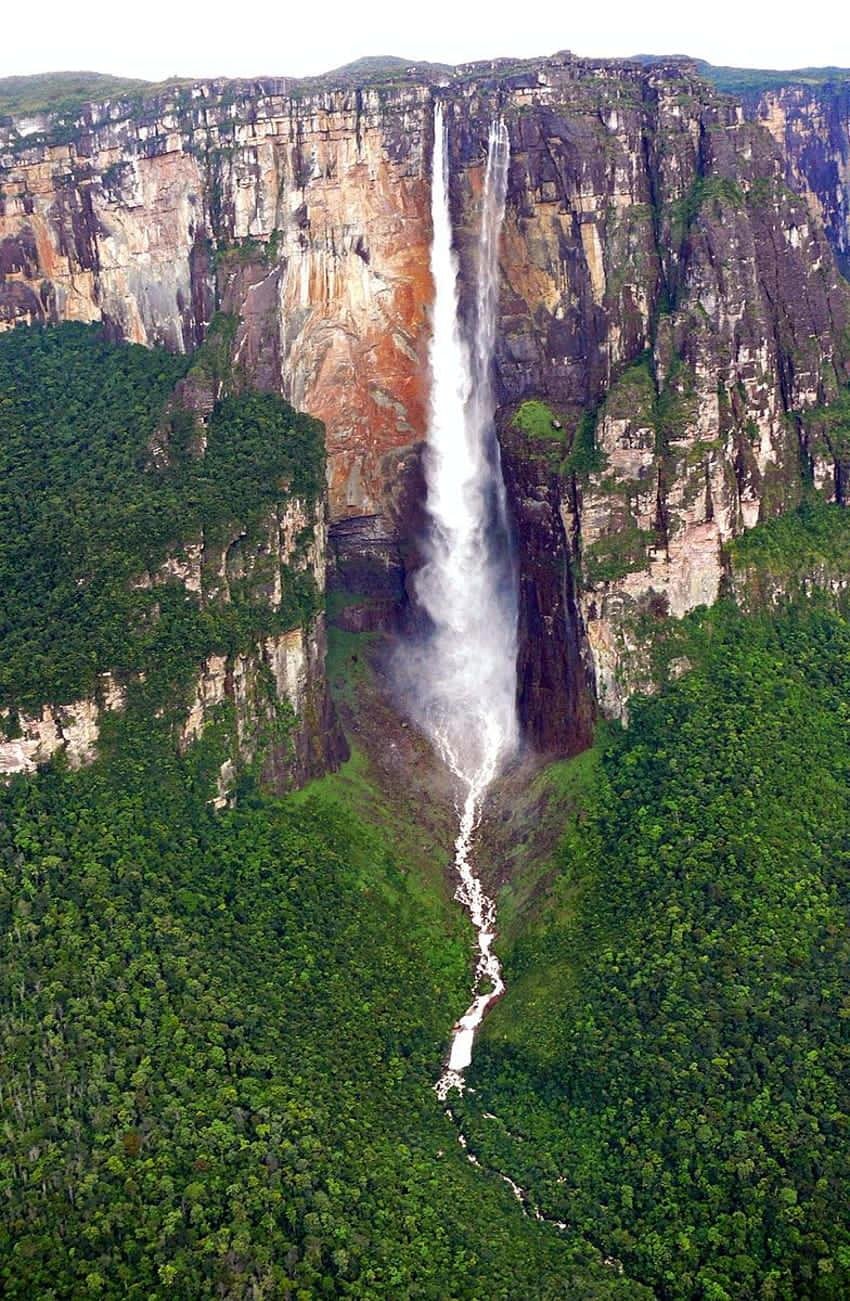
Nature is Venezuela’s greatest attraction. The country protects more than 40 national parks that shelter jaguars, giant anteaters, capybaras, pink river dolphins, giant river otters, macaws, toucans, caimans, anacondas, sea turtles, and thousands of plant species. Canaima National Park alone covers an area larger than many countries and contains the spectacular Angel Falls, which plunges 979 meters from the summit of Auyán-tepui.
Venezuela’s cultural heritage reflects Indigenous traditions, Spanish colonial history, and Caribbean influences. Colonial towns, colorful festivals, traditional music, and regional cuisine remain important parts of daily life, while the cosmopolitan capital of Caracas serves as the country’s economic and cultural center.
For adventurous travelers, Venezuela offers remarkable opportunities for wildlife viewing, mountain trekking, diving, sailing, birdwatching, and overlanding. However, travelers should carefully monitor current security conditions and official travel advisories before planning a visit, as circumstances can change significantly.
This guide covers the country’s major attractions and practical information for travelers considering a journey to Venezuela.
Quick Facts
| Item | Information |
|---|---|
| Capital | Caracas |
| Currency | Venezuelan Bolívar (VES) |
| Official Language | Spanish |
| Population | Approximately 29 million |
| Time Zone | UTC−4 |
| Driving | Right-hand side |
| Country Code | +58 |
Why Visit Venezuela?
Venezuela offers some of South America’s most dramatic natural scenery.
Highlights include:
- Angel Falls
- Canaima National Park
- Los Roques
- Mount Roraima
- Mérida
- Orinoco Delta
- Morrocoy National Park
- Llanos
- Caribbean beaches
- Andes Mountains
- Wildlife
- Tepui landscapes
Venezuela is particularly appealing to experienced adventure travelers and nature enthusiasts who carefully plan their trips.
Best Places to Visit
6
Canaima National Park
A UNESCO World Heritage Site and one of South America’s greatest wilderness areas.
Highlights include:
- Angel Falls
- Tepui mountains
- Lagoons
- Indigenous Pemon communities
- River excursions
- Scenic flights
The park protects one of the world’s oldest geological landscapes.
Angel Falls
The highest uninterrupted waterfall on Earth.
Visitors enjoy:
- Scenic flights
- River expeditions
- Jungle lodges
- Photography
- Guided hikes
The falls are most impressive during the rainy season.
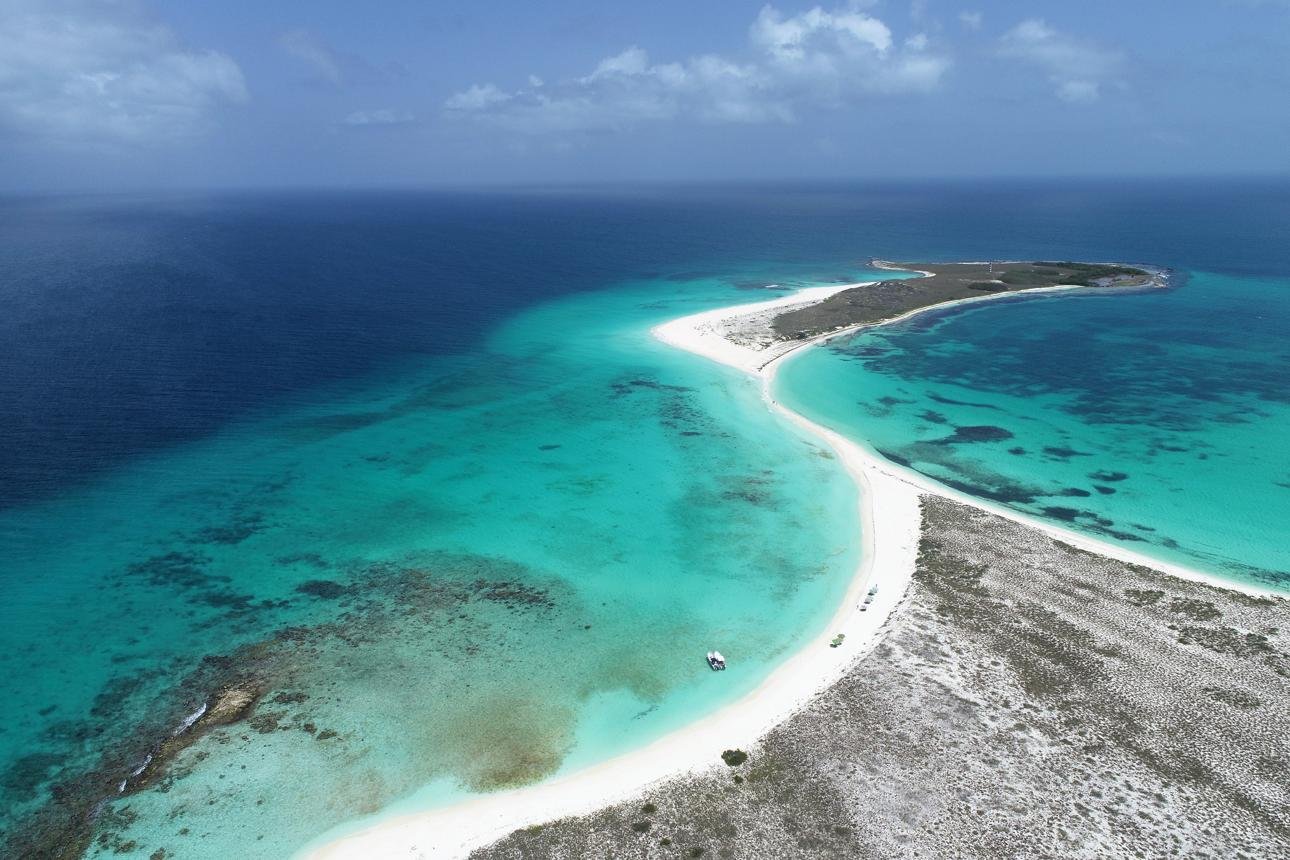
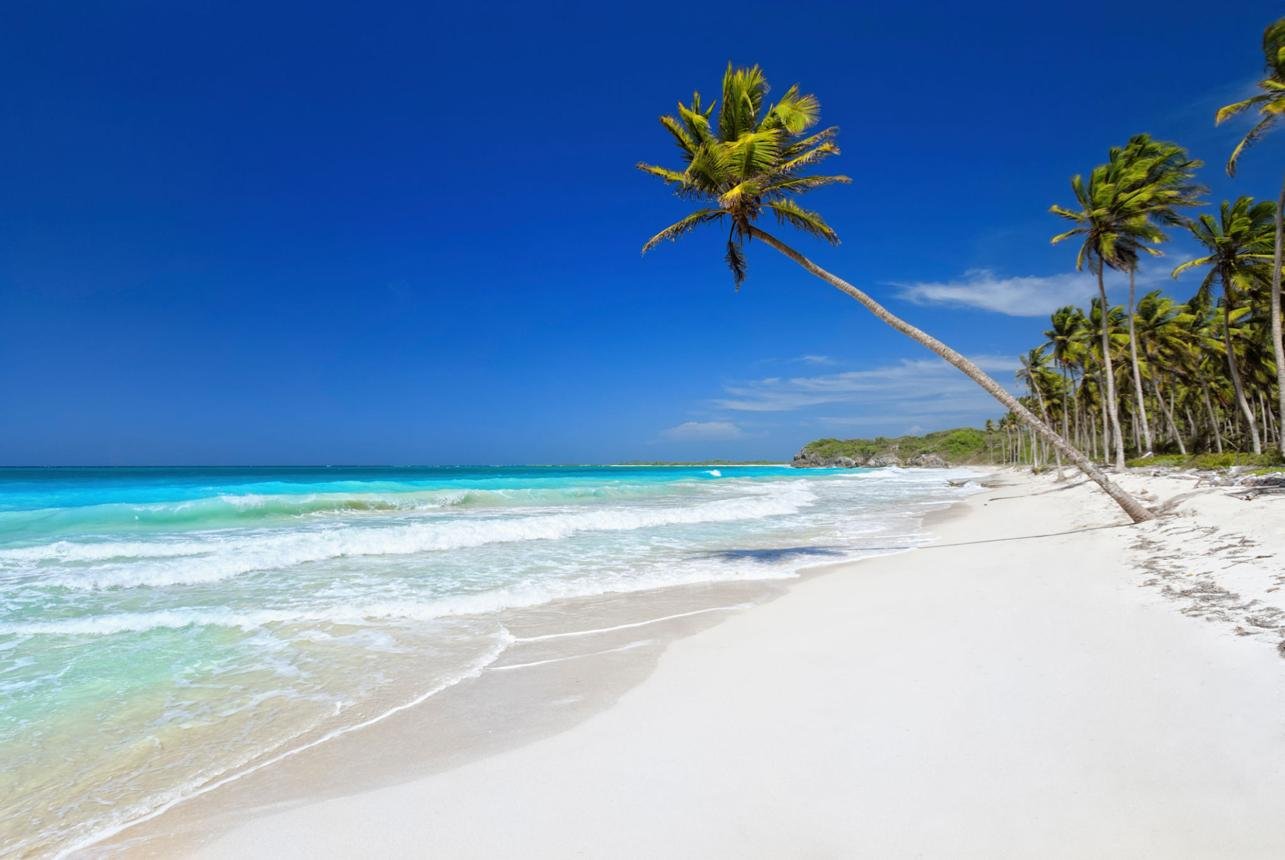
Los Roques National Park
A stunning Caribbean archipelago.
Known for:
- White-sand beaches
- Coral reefs
- Kitesurfing
- Snorkeling
- Diving
- Sailing
Its crystal-clear waters are among the finest in the Caribbean.
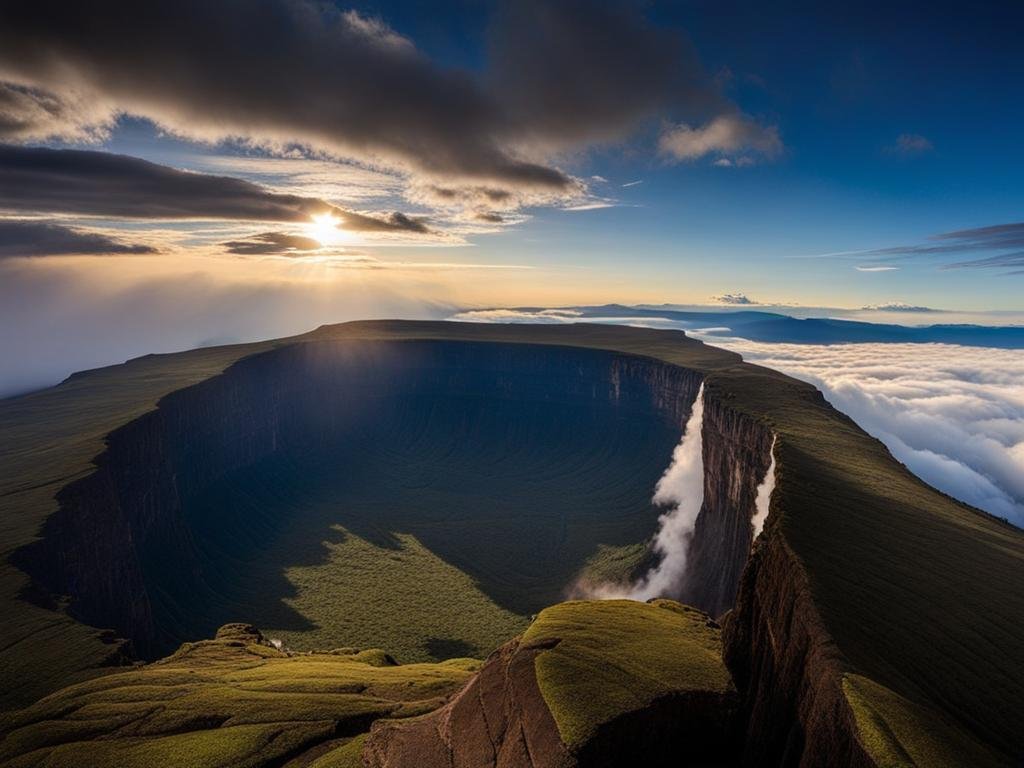
Mount Roraima
One of South America’s most iconic trekking destinations.
Visitors experience:
- Multi-day hikes
- Ancient tepui plateau
- Unique rock formations
- Spectacular views
- Rare plant species
The mountain inspired Arthur Conan Doyle’s The Lost World.
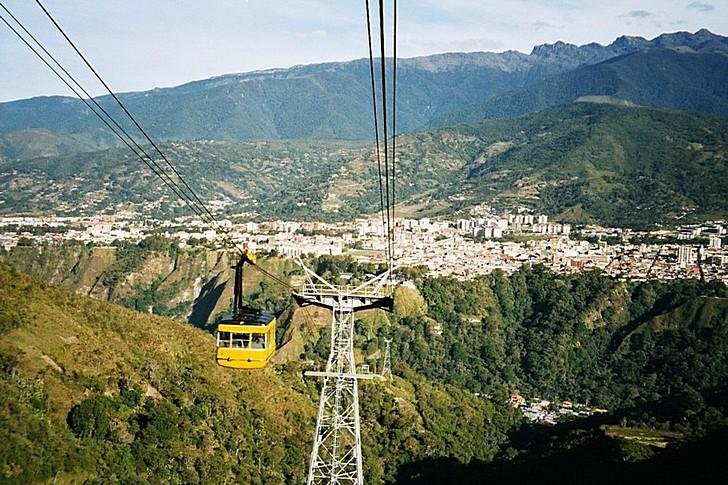
Mérida
Venezuela’s mountain adventure capital.
Highlights include:
- Colonial center
- Andean scenery
- Hiking
- Cable car
- National parks
- Adventure sports
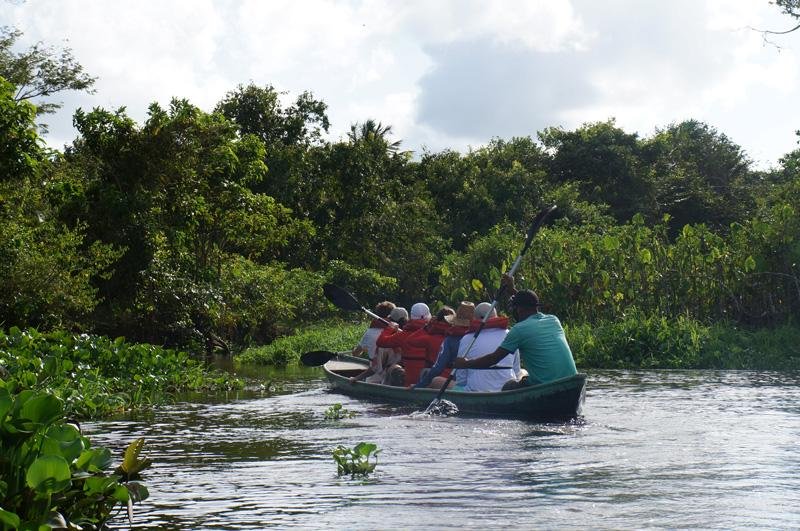
Orinoco Delta
One of South America’s largest river deltas.
Popular activities include:
- Canoe expeditions
- Wildlife watching
- Indigenous Warao communities
- Birdwatching
- Eco-lodges
Morrocoy National Park
A beautiful coastal reserve featuring:
- Coral islands
- Mangroves
- Beaches
- Boat excursions
- Snorkeling
Los Llanos
One of the continent’s finest wildlife regions.
Visitors encounter:
- Capybaras
- Caimans
- Anacondas
- Giant anteaters
- Jabiru storks
- Hundreds of bird species
Best Time to Visit
Venezuela has a tropical climate with regional variations.
| Season | Conditions |
|---|---|
| December – April | Dry season and generally best for travel |
| May – November | Rainy season, with fuller waterfalls and greener landscapes |
| Andes | Cooler year-round |
| Caribbean Coast | Warm throughout the year |
The dry season is generally preferred for road travel, while the rainy season offers spectacular waterfall conditions.
Regions of Venezuela
Caribbean Coast
Home to:
- Caracas
- Los Roques
- Morrocoy
- Beaches
Andes
Known for:
- Mérida
- Mountain scenery
- Hiking
- National parks
Guiana Highlands
Features:
- Canaima
- Angel Falls
- Tepuis
- Mount Roraima
Llanos
Offers:
- Wildlife
- Savannahs
- Birdwatching
- Ranches
Orinoco Region
Known for:
- Delta
- Rainforests
- Indigenous communities
- River expeditions
Suggested Itineraries
5-Day Venezuela Highlights
Day 1
- Caracas
Day 2
- Canaima
Day 3
- Angel Falls
Day 4
- Return to Caracas
Day 5
- Coastal excursion
Suitable only where travel logistics and local conditions allow.
One-Week Nature Adventure
Explore:
- Canaima National Park
- Angel Falls
- Caracas
- Los Roques
Ideal for experiencing Venezuela’s most famous attractions.
Two-Week Venezuela Expedition
Travel through:
- Caracas
- Mérida
- Canaima
- Los Llanos
- Orinoco Delta
Perfect for experienced adventure travelers.
Three-Week Grand Venezuela Journey
Continue to:
- Mount Roraima
- Morrocoy
- Caribbean coast
- Additional national parks
Ideal for exploring the country’s extraordinary natural diversity.
Overlanding in Venezuela
6
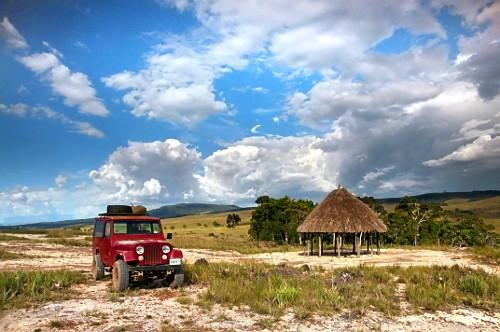
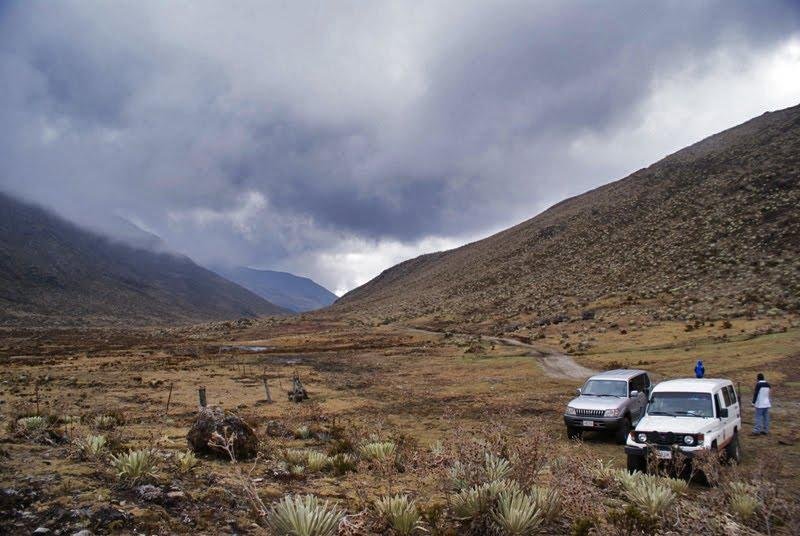
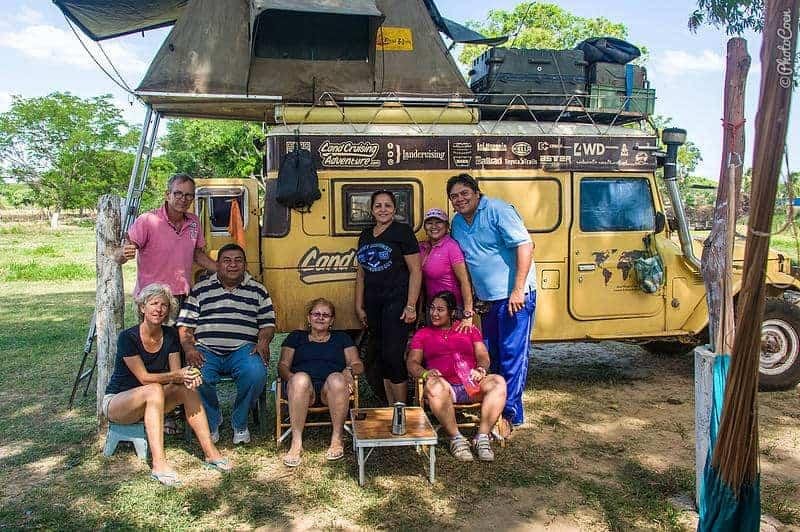
Venezuela has historically been an outstanding overlanding destination, offering remarkable scenery and diverse landscapes.
Why Overlanders Visit
- Andes Mountains
- Gran Sabana
- Tepuis
- Llanos
- Caribbean coast
- National parks
- Border connections
However, travelers should carefully evaluate current road conditions, fuel availability, and security before undertaking overland travel.
Popular Routes
Gran Sabana Route
Ciudad Guayana → Santa Elena de Uairén
One of South America’s most spectacular drives, passing waterfalls, savannahs, and tepui landscapes.
Andes Route
Barinas → Mérida
Perfect for mountain scenery and traditional Andean towns.
Caribbean Coast
Caracas → Morrocoy
Ideal for beaches and coastal scenery.
Road Conditions
Expect:
- Modern highways in populated regions
- Remote roads in national parks
- Long distances between services in some areas
- Conditions that vary depending on maintenance and current circumstances
Travelers should obtain up-to-date local information before departing.
Backpacking in Venezuela
Backpacking is possible but requires considerably more planning than in many neighboring countries.
Accommodation
Options include:
- Hotels
- Guesthouses
- Eco-lodges
- Jungle lodges
Availability and standards vary depending on the region.
Transportation
Travel using:
- Domestic flights
- Long-distance buses
- River boats
- Organized tours
Domestic flights often provide the easiest access to remote destinations such as Canaima.
Backpacking Highlights
- Angel Falls
- Los Roques
- Mérida
- Mount Roraima
- Orinoco Delta
Camping
Camping is popular in remote national parks and wilderness areas.
Campgrounds
Basic camping facilities are available in some national parks and adventure tourism destinations, often as part of guided expeditions.
Wild Camping
Wild camping should only be considered with experienced local guides and after obtaining reliable local advice. Regulations, access, and security conditions vary considerably by region.
RV & Motorhome Travel
Motorhome travel is possible but requires careful preparation.
Popular RV Routes
Andes Explorer
Barinas → Mérida
Gran Sabana
Ciudad Guayana → Santa Elena de Uairén
Caribbean Coast
Caracas → Morrocoy
Practical Information
Motorhome travelers should prepare for:
- Variable road conditions
- Fuel availability that may fluctuate
- Limited dedicated camper facilities
- The need for careful route planning
Current local conditions should always be checked before travel.
Driving in Venezuela
Driving provides flexibility but requires additional planning.
Main Roads
Major highways connect:
- Caracas
- Valencia
- Maracaibo
- Barquisimeto
- Mérida
- Ciudad Guayana
Road conditions vary across the country.
Things to Know
- Avoid driving after dark whenever possible.
- Carry sufficient fuel, water, and emergency supplies.
- Stay informed about current road and security conditions.
- Plan routes carefully before entering remote regions.
Border Crossings
Venezuela shares land borders with:
- Colombia
- Brazil
- Guyana
Border regulations, operating hours, and accessibility may change because of political, administrative, or security developments. Travelers should confirm the current status of any planned border crossing well before departure.
Visa & Entry Requirements
Visa requirements vary depending on nationality.
Before traveling, ensure you have:
- A valid passport
- Any required visa
- Proof of onward travel if requested
- Vehicle documentation for international overland travel
Entry requirements and procedures may change, so always verify the latest official information before departure.
Budget & Costs
Estimated daily travel expenses vary significantly depending on exchange rates, local availability, and travel style.
| Travel Style | Daily Budget |
|---|---|
| Budget traveler | US$40–80 |
| Mid-range | US$100–220 |
| Comfortable | US$350+ |
| Motorhome traveler | US$60–140 |
Costs can fluctuate because of economic conditions, so travelers should budget with flexibility.
Safety
Venezuela offers exceptional natural attractions, but travelers should carefully evaluate current conditions before visiting.
Travel tips include:
- Review official travel advisories before planning a trip.
- Follow reliable local advice throughout your journey.
- Avoid unnecessary travel after dark.
- Use experienced guides for remote destinations.
- Keep family or friends informed of your itinerary.
Many of Venezuela’s most spectacular natural attractions are located in remote areas that are typically visited as part of organized tours.
Food & Culture
Venezuelan cuisine reflects Indigenous, Spanish, African, and Caribbean influences.
Popular dishes include:
- Arepas
- Pabellón Criollo
- Cachapas
- Hallacas
- Empanadas
- Fresh seafood
- Tropical fruits
- Papelón con limón
Venezuela is known for its vibrant music, traditional festivals, Caribbean influences, baseball culture, and warm hospitality. Regional traditions vary greatly between the Andes, the Caribbean coast, the Llanos, and the Amazon.
Frequently Asked Questions
Is Venezuela expensive?
Travel costs vary considerably depending on local economic conditions, exchange rates, and availability of services.
Is Venezuela safe?
Travel conditions vary significantly across the country. Anyone considering a visit should carefully review current official travel advisories, monitor local developments, and make informed decisions based on the latest information.
Is Venezuela good for road trips?
Venezuela has spectacular scenic routes, particularly in the Andes and Gran Sabana. However, travelers should carefully assess current road conditions, fuel availability, and security before undertaking self-drive journeys.
Can you travel Venezuela by campervan?
It is possible, but only with thorough planning, up-to-date local information, and careful consideration of current travel conditions.
How many days do you need in Venezuela?
One to two weeks allows time to explore a limited number of regions, while three weeks is better for visiting destinations such as Canaima, the Andes, Los Roques, and the Llanos, provided travel conditions permit.
What is Venezuela famous for?
Venezuela is best known for:
- Angel Falls
- Canaima National Park
- Mount Roraima
- Los Roques
- Gran Sabana
- Orinoco Delta
- Los Llanos
- Caribbean beaches