Rainforests, Atlantic Beaches & West African Road Trips
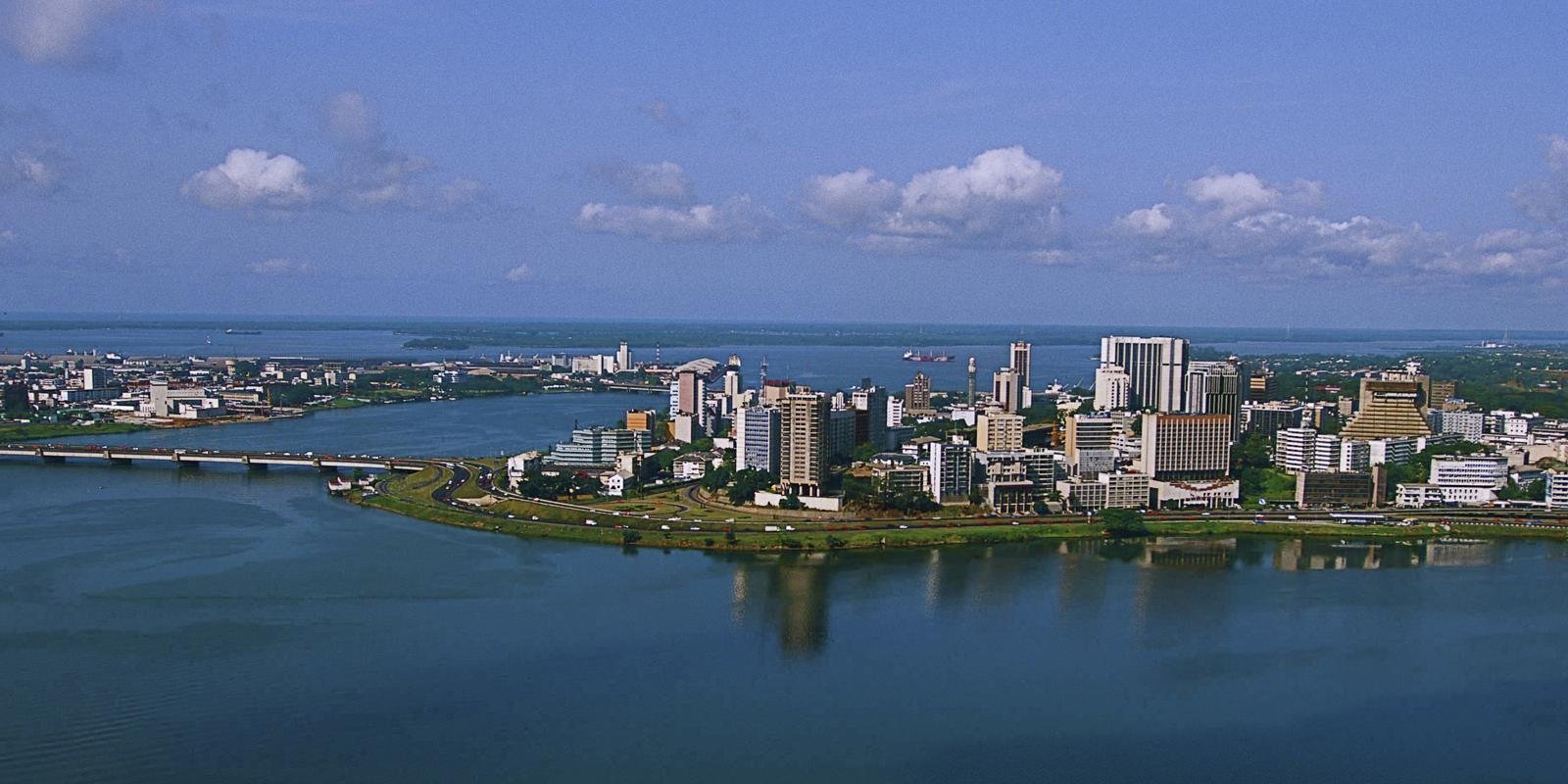
Côte d’Ivoire (Ivory Coast) is one of West Africa’s most dynamic and diverse travel destinations. Combining vibrant modern cities, UNESCO World Heritage Sites, tropical rainforests, wildlife reserves, palm-fringed beaches and rich cultural traditions, the country offers an impressive variety of experiences for independent travelers. From the futuristic skyline of Abidjan and the colonial charm of Grand-Bassam to the dense forests of Taï National Park and the savannahs of Comoé National Park, Côte d’Ivoire rewards visitors with landscapes and cultures that remain largely undiscovered by international tourism.
Situated along the Gulf of Guinea between Liberia, Guinea, Mali, Burkina Faso and Ghana, Côte d’Ivoire has long served as one of West Africa’s economic and cultural powerhouses. More than sixty ethnic groups contribute to a remarkable diversity of languages, music, architecture, festivals and culinary traditions. French remains the official language, making travel relatively straightforward for visitors familiar with French-speaking Africa.
Independent travelers increasingly include Côte d’Ivoire on West African itineraries due to its improving infrastructure, modern highways and growing tourism sector. Backpackers appreciate its affordability, colorful markets and cultural attractions, while overlanders often cross the country on trans-West African expeditions between Ghana, Liberia, Guinea and Burkina Faso. Although motorhome tourism is still developing, self-drive travelers find good road networks connecting most major attractions.
Nature lovers can explore one of Africa’s last remaining primary rainforests, observe forest elephants and chimpanzees, discover mangrove ecosystems and relax on beautiful Atlantic beaches. History enthusiasts can visit colonial towns, traditional villages and UNESCO-listed sites, while food lovers enjoy some of the region’s finest seafood, tropical fruits and local cuisine.
Whether you’re planning a short city break, a cultural road trip or a larger West African overland expedition, Côte d’Ivoire offers a fascinating introduction to one of the continent’s most vibrant countries.
6
Quick Facts
| Information | Details |
|---|---|
| Capital | Yamoussoukro |
| Largest City | Abidjan |
| Population | Approximately 31 million |
| Area | 322,463 km² |
| Language | French (official) |
| Currency | West African CFA Franc (XOF) |
| Time Zone | UTC |
| Driving Side | Right |
| Calling Code | +225 |
| Visa | eVisa available for many nationalities |
| Best Time | November to February |
Côte d’Ivoire has a tropical climate with humid coastal regions, dense rainforest in the southwest and savannah landscapes in the north. Southern areas experience two rainy seasons, while northern regions have a single wet season followed by a long dry period.
Cash remains the most common form of payment outside major hotels and shopping centers, although credit cards are accepted in larger cities.
Why Visit Côte d’Ivoire?
Côte d’Ivoire offers one of West Africa’s most complete travel experiences. Few countries combine modern cities, tropical beaches, UNESCO heritage sites, national parks and traditional cultures so successfully.
Abidjan is among Africa’s most modern metropolitan areas, featuring impressive skyscrapers, lively nightlife, waterfront districts and excellent restaurants. Yet only a short drive away, visitors discover colonial architecture in Grand-Bassam, fishing villages along the Atlantic coast and protected rainforests teeming with wildlife.
The country’s cultural diversity is equally impressive. Traditional festivals, mask dances, artisan villages and local markets provide authentic opportunities to experience West African life. Music plays an important role in everyday culture, with genres ranging from Zouglou to Coupé-Décalé reflecting Côte d’Ivoire’s vibrant creative scene.
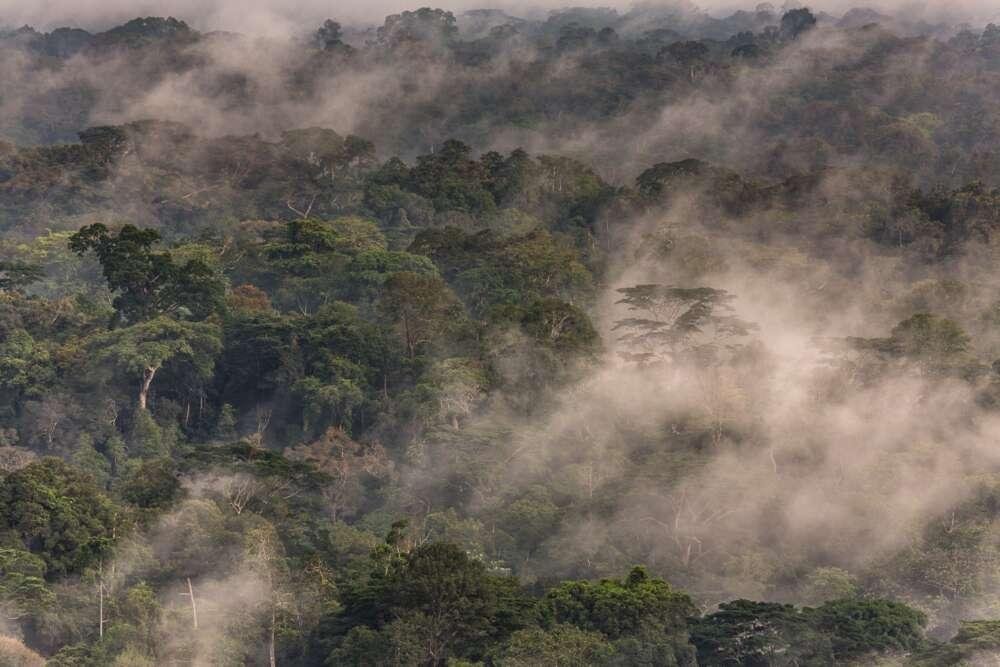
Nature enthusiasts can visit Taï National Park, one of the largest remaining areas of Upper Guinean rainforest, or explore Comoé National Park, one of Africa’s largest protected savannah ecosystems. Coastal lagoons, waterfalls and mountain forests further increase the country’s appeal.
For independent travelers, Côte d’Ivoire offers relatively good infrastructure, improving tourism facilities and a strategic location for exploring the wider West African region.
Best Places to Visit
Abidjan
The economic capital is one of Africa’s fastest-growing cities, offering modern architecture, lively nightlife, museums, beaches and vibrant neighborhoods.
Highlights include:
- Plateau business district
- St. Paul’s Cathedral
- Banco National Park
- Cocody
- Treichville markets
Recommended stay: 3–4 days
Grand-Bassam
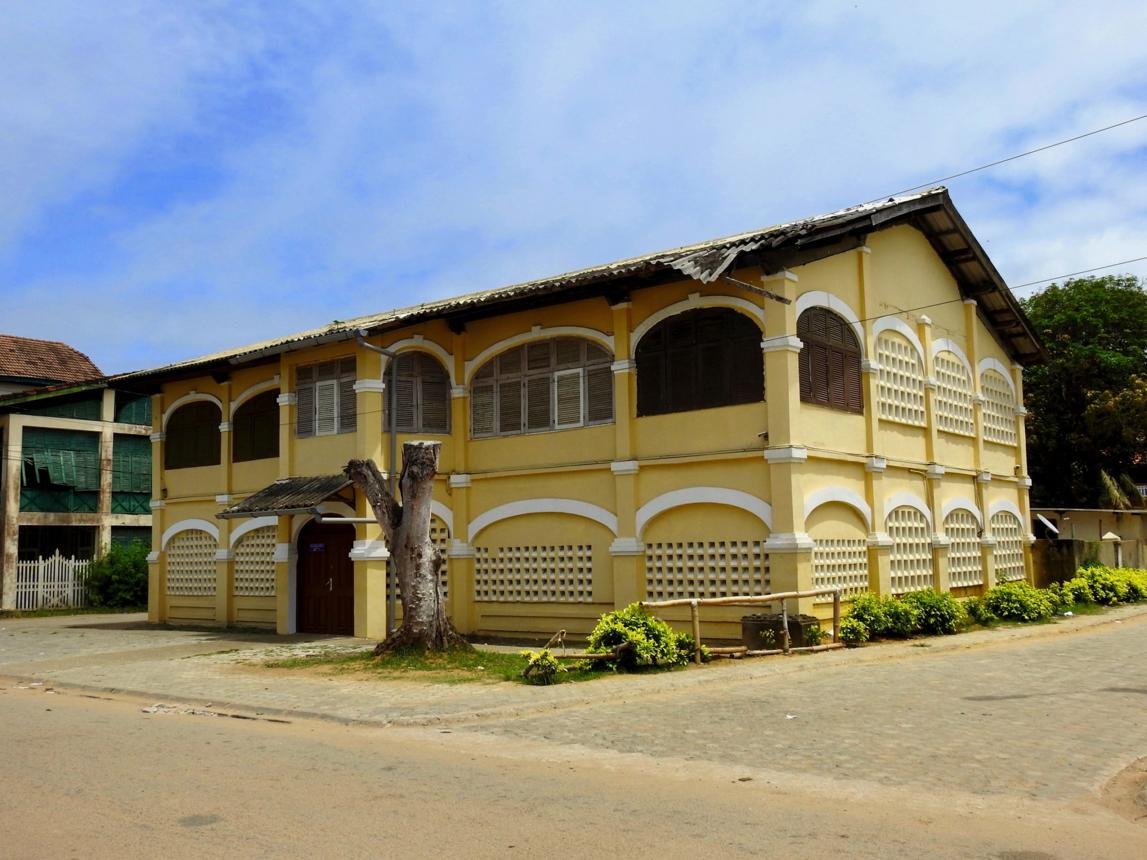
A UNESCO World Heritage Site, Grand-Bassam preserves elegant colonial architecture alongside beautiful Atlantic beaches.
Highlights:
- Historic colonial quarter
- National Costume Museum
- Beachfront restaurants
- Artisan workshops
Recommended stay: 2 days
Yamoussoukro
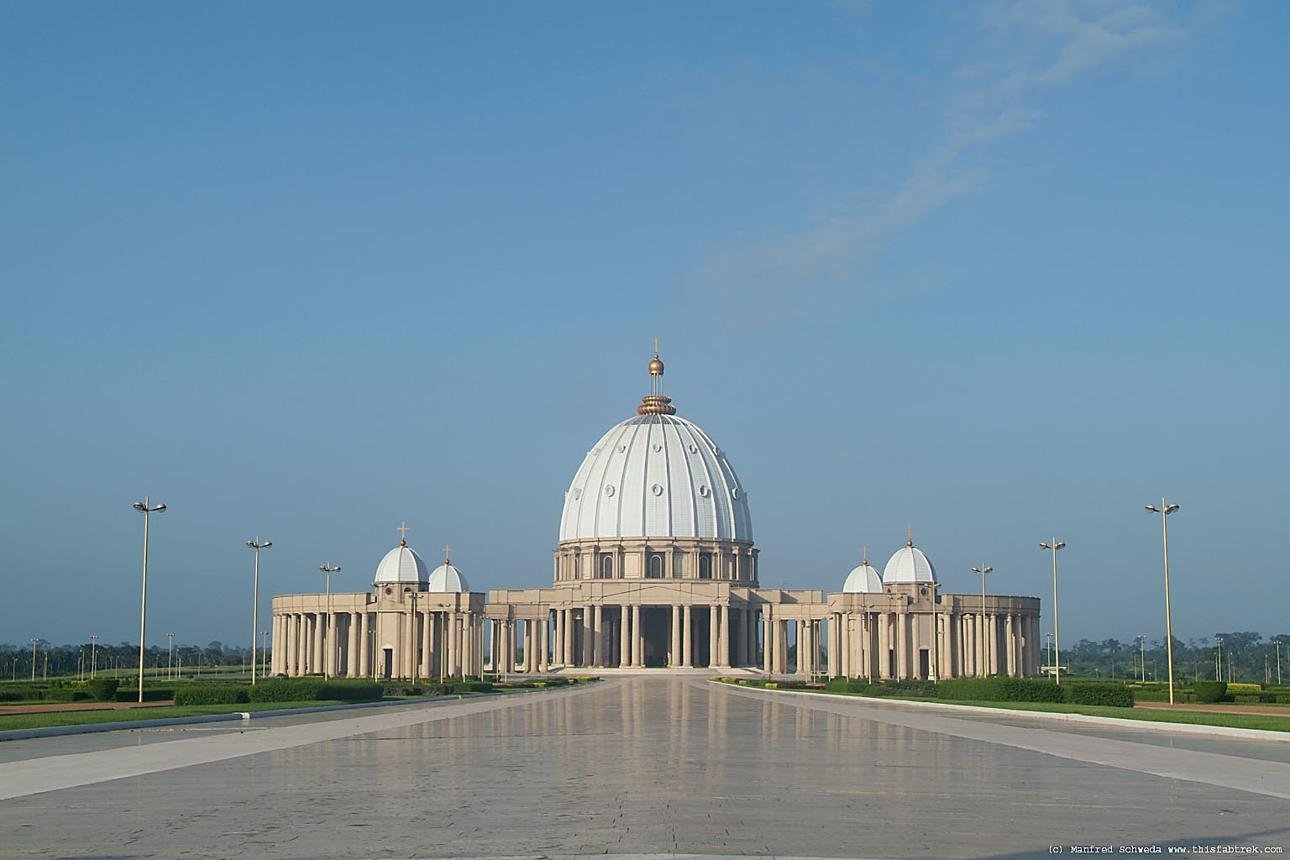
The political capital is famous for the immense Basilica of Our Lady of Peace, one of the largest churches in the world.
Other attractions include:
- Presidential Palace
- Sacred crocodile lake
- Wide boulevards
Recommended stay: 1–2 days
Taï National Park
This UNESCO-listed rainforest protects endangered chimpanzees, pygmy hippos, forest elephants and extraordinary biodiversity.
Recommended stay: 2–3 days
Comoé National Park
One of West Africa’s largest national parks, Comoé protects elephants, lions, buffalo, antelope and hundreds of bird species.
Recommended stay: 2–3 days
Assinie
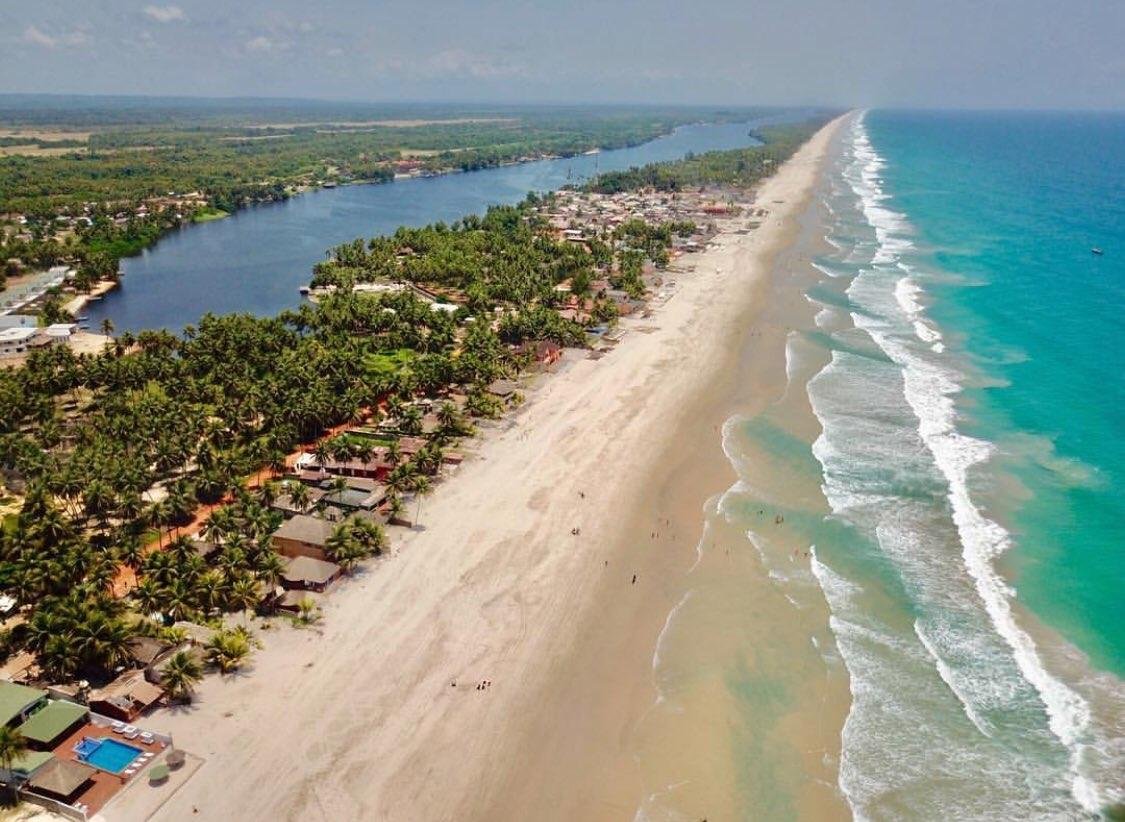
A popular beach destination featuring lagoons, luxury resorts and water sports.
Recommended stay: 2–3 days
Man
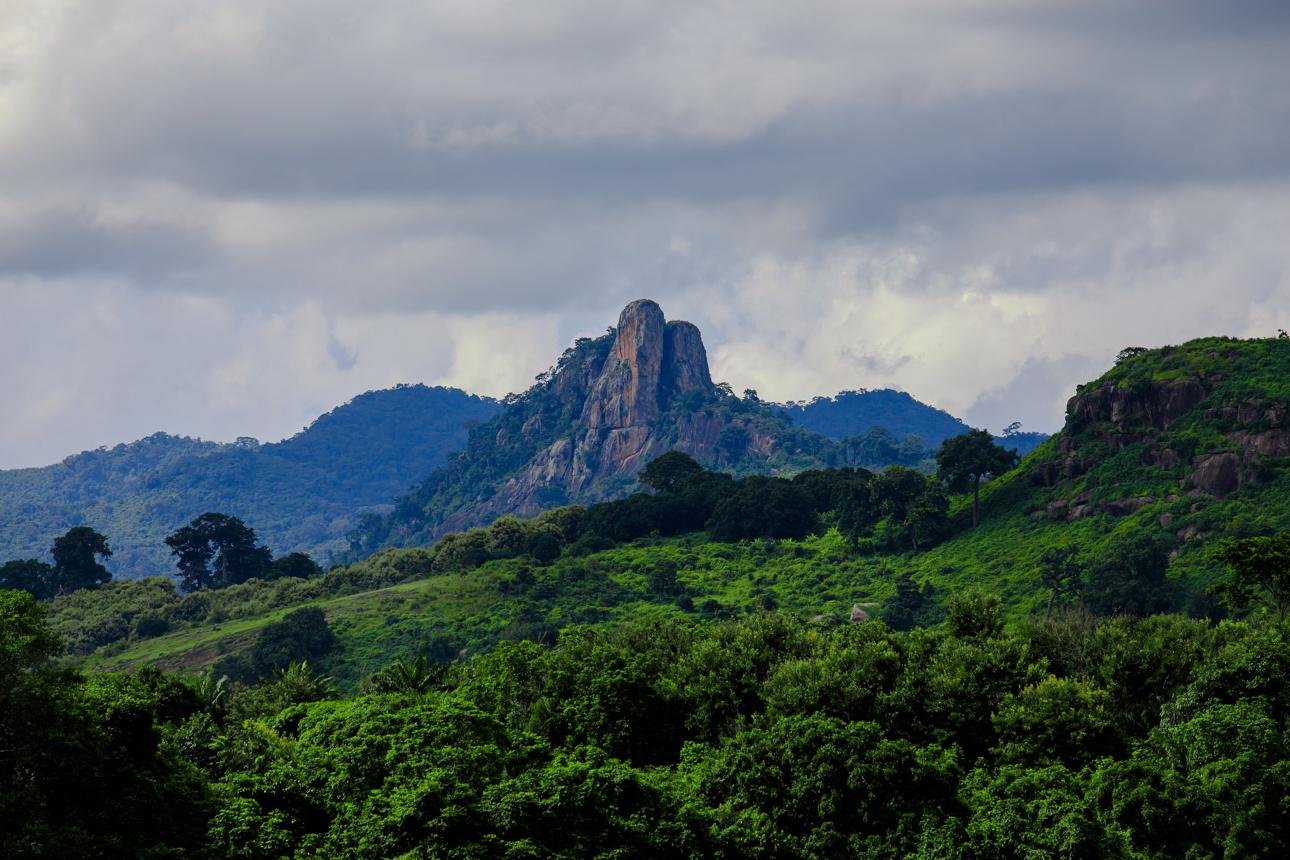
Located in western Côte d’Ivoire, Man is surrounded by mountains, waterfalls and lush forests, making it one of the country’s premier outdoor destinations.
Recommended stay: 2 days
Korhogo
The cultural center of northern Côte d’Ivoire is renowned for traditional Senufo art, weaving, carving and village life.
Recommended stay: 2 days
San Pedro
A major port city with nearby beaches, forests and easy access to Taï National Park.
Recommended stay: 2 days
Bondoukou
Known for its historic mosques and traditional architecture, Bondoukou reflects centuries of trans-Saharan trade.
Recommended stay: 1 day
7
Best Time to Visit
November to February
The dry season provides the most comfortable temperatures and excellent conditions for road trips, wildlife viewing and city sightseeing.
March to May
Increasing humidity and occasional rainfall characterize southern Côte d’Ivoire, while northern regions remain suitable for travel.
June to September
Southern regions receive significant rainfall, although landscapes become lush and waterfalls are particularly impressive.
October
The transition into the dry season offers pleasant conditions with fewer visitors.
Regions of Côte d’Ivoire
Southern Coast
Home to Abidjan, Grand-Bassam, Assinie and San Pedro, this region combines beaches, lagoons and urban attractions.
Central Region
Includes Yamoussoukro and extensive agricultural landscapes dominated by cocoa and coffee plantations.
Western Highlands
Mountain scenery, waterfalls and rainforest characterize this region around Man.
Northern Savannah
Traditional villages, wildlife reserves and Senufo culture define the north.
Backpacking Côte d’Ivoire
Backpacking through Côte d’Ivoire is becoming increasingly popular among travelers exploring West Africa independently.
A suggested two-week itinerary includes:
- Abidjan
- Grand-Bassam
- Yamoussoukro
- Man
- Korhogo
- Comoé National Park
Budget travelers benefit from:
- Affordable guesthouses
- Local restaurants
- Shared taxis
- Long-distance buses
- Active urban nightlife
Popular backpacking activities include:
- Colonial architecture
- National parks
- Beach relaxation
- Local markets
- Music venues
- Hiking
Future backpacking articles:
- Backpacking Côte d’Ivoire Itinerary
- Budget Guide
- Backpacking Abidjan
- Public Transport Guide
- Backpacker Safety
Overlanding Côte d’Ivoire
Côte d’Ivoire occupies an important position within many West African overland routes.
Border crossings include:
- Ghana
- Liberia
- Guinea
- Mali
- Burkina Faso
Popular overland routes:
Coastal Route
Ghana – Grand-Bassam – Abidjan – San Pedro – Liberia
National Parks Route
Yamoussoukro – Bouaké – Comoé National Park
Mountain Route
Abidjan – Yamoussoukro – Man – Taï National Park
Travelers generally encounter paved highways between major cities, although rural roads vary in quality depending on weather conditions.
Future overlanding guides should include:
- Border crossings
- Carnet requirements
- Vehicle insurance
- Fuel availability
- Camping
- Road conditions
- Expedition planning
Motorhome & RV Travel
Motorhome travel remains relatively uncommon but is feasible for experienced expedition travelers.
Recommended RV routes include:
Atlantic Coast
Grand-Bassam – Abidjan – Assinie
Excellent road conditions and beach destinations.
Cultural Circuit
Abidjan – Yamoussoukro – Korhogo
Ideal for history and traditional culture.
Nature Route
San Pedro – Taï National Park – Man
Perfect for rainforest exploration.
Camping infrastructure remains limited, so self-contained vehicles offer the greatest flexibility.
Future RV guides can include:
- Overnight parking
- Campsites
- Service stations
- Fuel availability
- Scenic drives
Suggested Road Trips & Itineraries
One Week
Abidjan – Grand-Bassam – Yamoussoukro
An excellent introduction to Côte d’Ivoire’s cities and colonial history.
Two Weeks
Abidjan – Grand-Bassam – Yamoussoukro – Man – Taï National Park
Combines culture, rainforest and mountains.
Three Weeks
Complete Côte d’Ivoire Circuit
Abidjan – Assinie – Grand-Bassam – Yamoussoukro – Korhogo – Comoé – Man – Taï – San Pedro
Provides comprehensive coverage of the country’s major attractions.
Four Weeks West Africa
Combine Côte d’Ivoire with Ghana, Liberia or Guinea for a larger regional expedition.
Essential Travel Information
Visa
Many visitors require an electronic visa before arrival. Requirements vary according to nationality.
Budget
Daily travel costs are moderate compared with many other African destinations.
Typical daily costs:
- Budget: €35–60
- Mid-range: €80–150
- Luxury: €220+
Safari lodges and beach resorts increase overall travel costs.
Safety
Most tourist destinations can be visited independently, although travelers should remain informed about local conditions and follow official travel advice. Standard precautions against petty theft apply in urban areas.
Transport
Transport options include:
- Long-distance buses
- Shared taxis
- Domestic flights
- Car rental
Major highways are generally in good condition, making self-drive travel increasingly attractive.
Continue Planning Your Trip
Top Destinations
- Abidjan
- Grand-Bassam
- Yamoussoukro
- Taï National Park
- Comoé National Park
- Man
- Korhogo
- Assinie
- San Pedro
- Bondoukou
Travel Planning
- Côte d’Ivoire Visa Guide
- Best Time to Visit Côte d’Ivoire
- Côte d’Ivoire Budget Guide
- Driving in Côte d’Ivoire
- Border Crossings
- Safety Guide
Adventure Travel
- Backpacking Côte d’Ivoire
- Overlanding Côte d’Ivoire
- Côte d’Ivoire RV Travel
- Road Trips
- Taï National Park Guide
- Comoé Safari Guide
- West Africa Overland Route
- Overlanding in Ivory Coast (Côte d’Ivoire)
Recommended Guides
Continue planning your journey through Côte d’Ivoire with destination guides covering Abidjan, Grand-Bassam, Yamoussoukro, Man, Korhogo, Taï National Park, Comoé National Park and Assinie. Additional articles explore backpacking itineraries, overlanding routes, border crossings, camping opportunities, rainforest expeditions, wildlife safaris, scenic road trips and practical travel planning. Together with this country hub, these guides provide independent travelers with a comprehensive foundation for exploring one of West Africa’s most diverse and rapidly developing destinations.