Untouched Islands, World-Class Diving, WWII History & Tropical Adventure
6
Solomon Islands Travel Guide
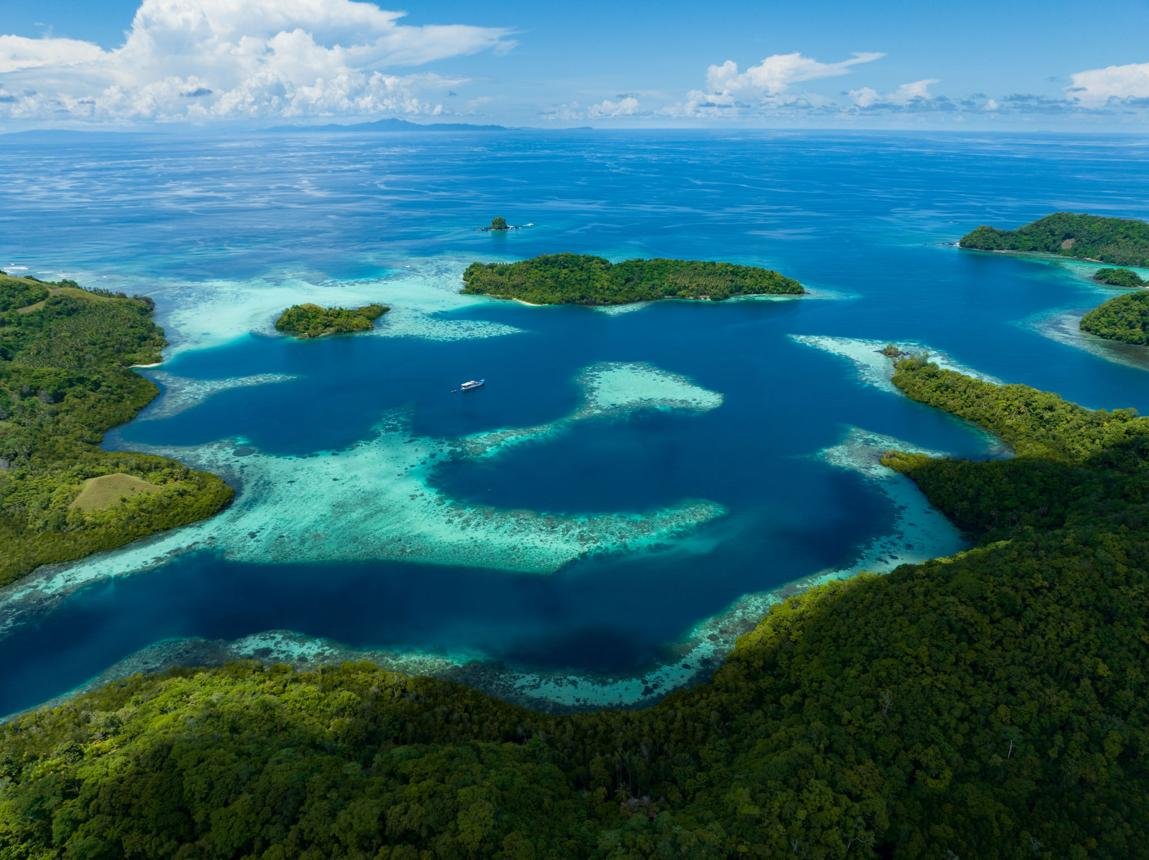
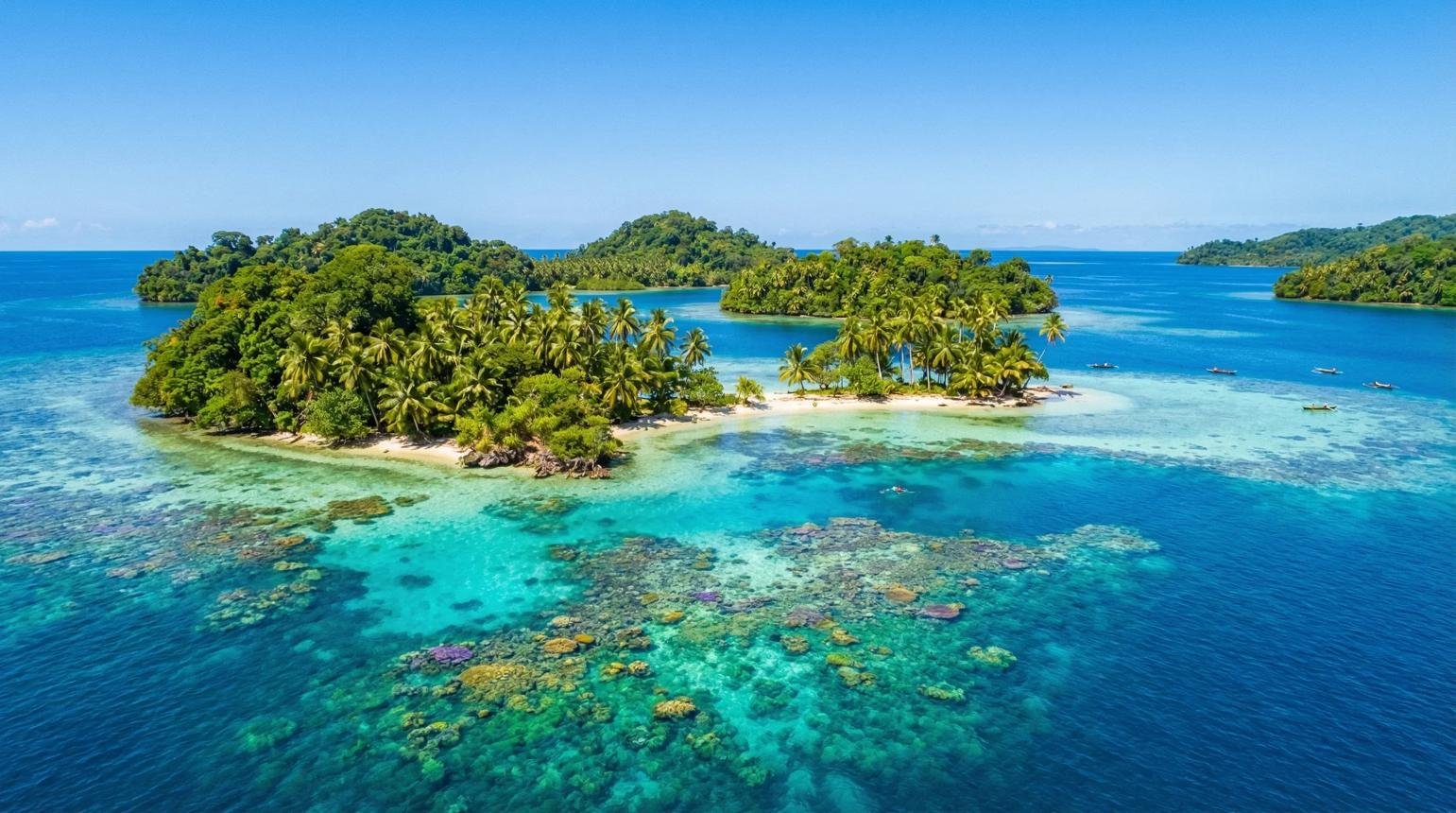
The Solomon Islands are one of the South Pacific’s most unspoiled destinations, offering pristine coral reefs, lush tropical rainforests, remote islands, fascinating World War II history, and vibrant Melanesian culture. Spread across nearly 1,000 islands east of Papua New Guinea, the archipelago remains largely untouched by mass tourism, making it an ideal destination for adventurous travelers seeking authentic island experiences.
Located in the heart of Melanesia, the Solomon Islands stretch across the Coral Sea and South Pacific Ocean. Only a small number of the islands are permanently inhabited, leaving vast areas of rainforest, mangroves, lagoons, and coral reefs in their natural state. The islands are famous for spectacular diving, excellent snorkeling, sport fishing, birdwatching, kayaking, and encounters with welcoming local communities.
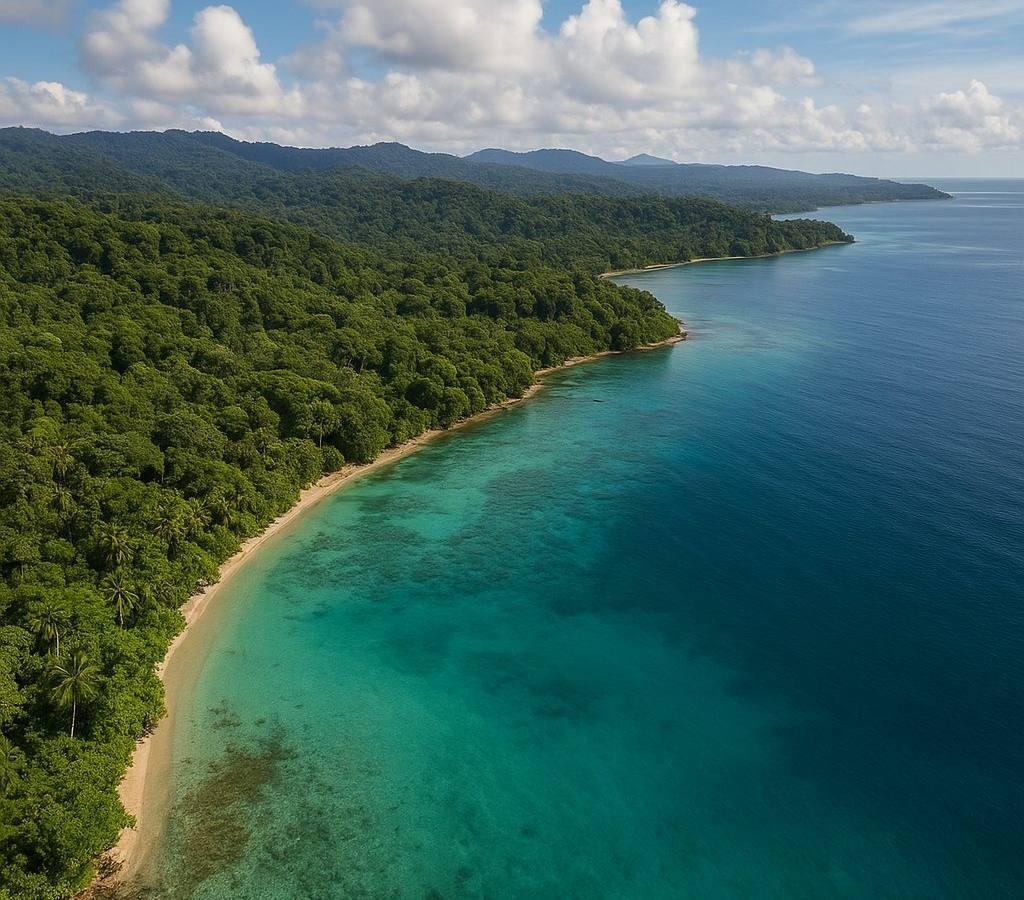
Nature dominates the landscape. Dense tropical forests cover volcanic mountains, waterfalls plunge into jungle rivers, and beaches of white, black, and volcanic sand line the coasts. The surrounding seas support extraordinary marine biodiversity, including sea turtles, reef sharks, manta rays, dolphins, whales, dugongs, and countless species of tropical fish. Marovo Lagoon, one of the world’s largest saltwater lagoons, is a UNESCO Tentative List site and one of the region’s greatest natural treasures.
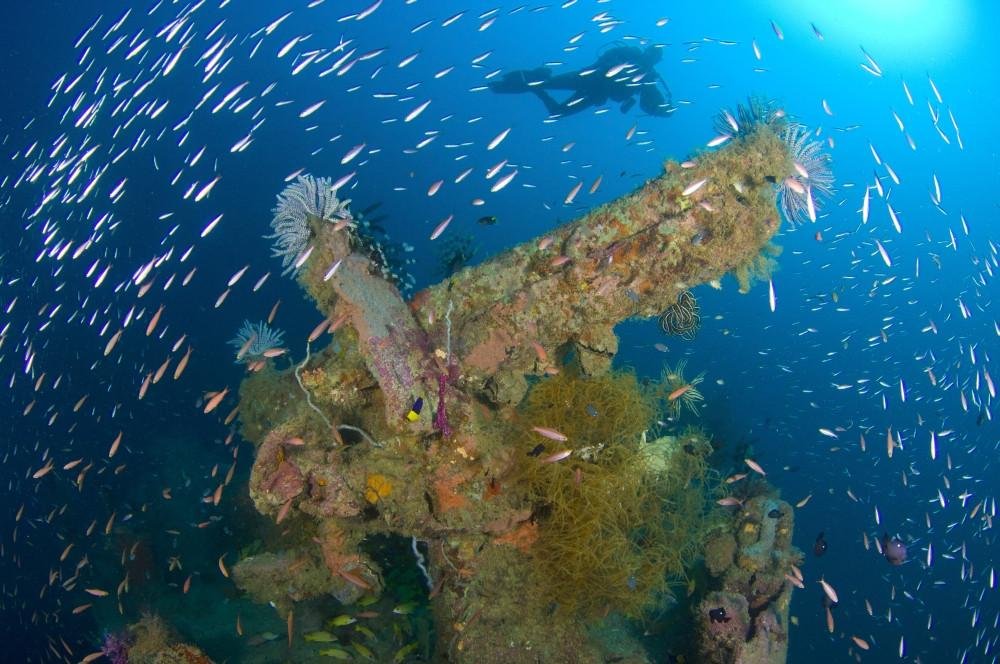
The Solomon Islands also played a major role during the Second World War. Numerous battlefields, memorials, aircraft wrecks, and sunken warships remain scattered throughout the islands, particularly around Guadalcanal, attracting history enthusiasts and wreck divers from around the world.
Although tourism infrastructure is modest compared to neighboring Fiji, the Solomon Islands reward visitors with genuine cultural encounters, exceptional natural beauty, and some of the Pacific’s finest diving and island exploration.
This guide covers everything you need to plan an unforgettable journey through the Solomon Islands.
Quick Facts
| Item | Information |
|---|---|
| Capital | Honiara |
| Currency | Solomon Islands Dollar (SBD) |
| Official Language | English |
| Population | Approximately 760,000 |
| Time Zone | UTC+11 |
| Driving | Left-hand side |
| Country Code | +677 |
Why Visit the Solomon Islands?
The Solomon Islands offer authentic Pacific adventures far from the crowds.
Highlights include:
- Honiara
- Guadalcanal
- Marovo Lagoon
- Gizo
- Munda
- Rennell Island
- Tetepare Island
- WWII wrecks
- Coral reefs
- Tropical rainforests
- Traditional villages
- Exceptional diving
The islands are ideal for divers, wildlife enthusiasts, photographers, anglers, and travelers looking for authentic cultural experiences.
Best Places to Visit
7
Honiara
The capital is the country’s main transportation hub and cultural center.
Highlights include:
- National Museum
- Central Market
- Waterfront
- Botanical Gardens
- Local restaurants
- WWII memorials
Most international visitors begin their journey here.
Guadalcanal
One of the Solomon Islands’ most historically significant islands.
Visitors enjoy:
- WWII battlefields
- Henderson Field
- Memorials
- Waterfalls
- Rainforests
- Coastal scenery
Marovo Lagoon
One of the world’s largest saltwater lagoons.
Highlights include:
- Coral reefs
- Kayaking
- Diving
- Traditional villages
- Marine wildlife
- Island hopping
Gizo
The country’s premier diving destination.
Known for:
- Coral reefs
- WWII wrecks
- Snorkeling
- Dolphins
- Island resorts
- Fishing
Munda
A paradise for divers and history enthusiasts.
Visitors discover:
- Shipwrecks
- Aircraft wrecks
- Coral reefs
- Fishing
- Rainforests
Rennell Island
A UNESCO World Heritage Site.
Highlights include:
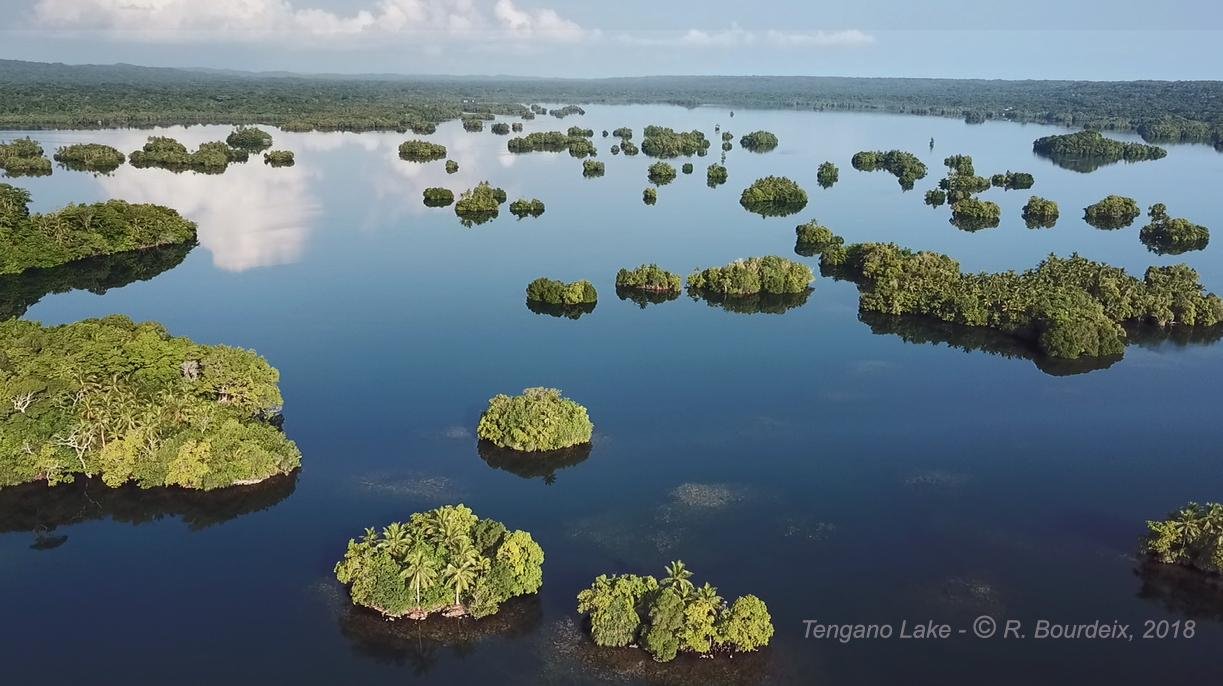
- Lake Tegano
- Birdwatching
- Limestone forests
- Remote villages
- Hiking
Tetepare Island
The largest uninhabited island in the South Pacific.
Popular activities include:
- Turtle watching
- Wildlife
- Rainforest hikes
- Kayaking
- Eco-tourism
Florida Islands (Nggela Islands)
Located close to Guadalcanal, these islands offer:
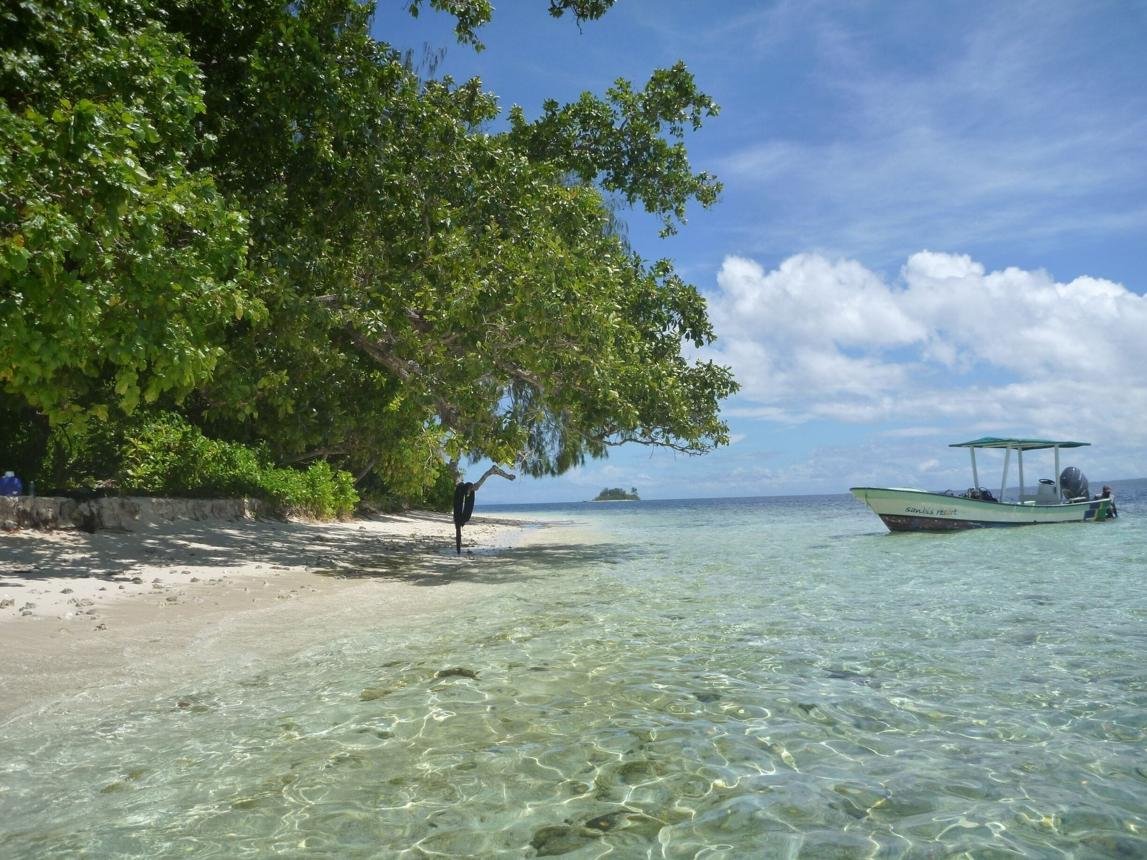
- Snorkeling
- Traditional villages
- Beaches
- Coral reefs
- Day trips
Best Time to Visit
The Solomon Islands have a tropical climate throughout the year.
| Season | Conditions |
|---|---|
| May – October | Dry season and best for travel |
| November – April | Wetter with higher humidity |
| June – September | Excellent diving visibility |
| July – October | Pleasant weather for island hopping |
The dry season is generally the best time for outdoor activities.
Regions of the Solomon Islands
Guadalcanal
Home to:
- Honiara
- WWII sites
- Waterfalls
- Rainforests
Western Province
Known for:
- Gizo
- Munda
- Marovo Lagoon
- Diving
Rennell and Bellona
Features:
- Lake Tegano
- Wildlife
- Remote scenery
Malaita
Offers:
- Traditional villages
- Rainforests
- Cultural experiences
Suggested Itineraries
5-Day Highlights
Day 1
- Honiara
Day 2
- Guadalcanal
Day 3
- Gizo
Day 4
- Diving or snorkeling
Day 5
- Return to Honiara
Perfect for first-time visitors.
One-Week Island Adventure
Explore:
- Honiara
- Guadalcanal
- Gizo
- Marovo Lagoon
Ideal for combining history with marine activities.
Two-Week Solomon Islands Explorer
Travel through:
- Guadalcanal
- Gizo
- Munda
- Marovo Lagoon
- Rennell Island
Perfect for divers and nature lovers.
Three-Week Grand Expedition
Continue to:
- Tetepare Island
- Malaita
- Florida Islands
- Additional remote villages
Ideal for experiencing the country’s full diversity.
Overlanding in the Solomon Islands
6
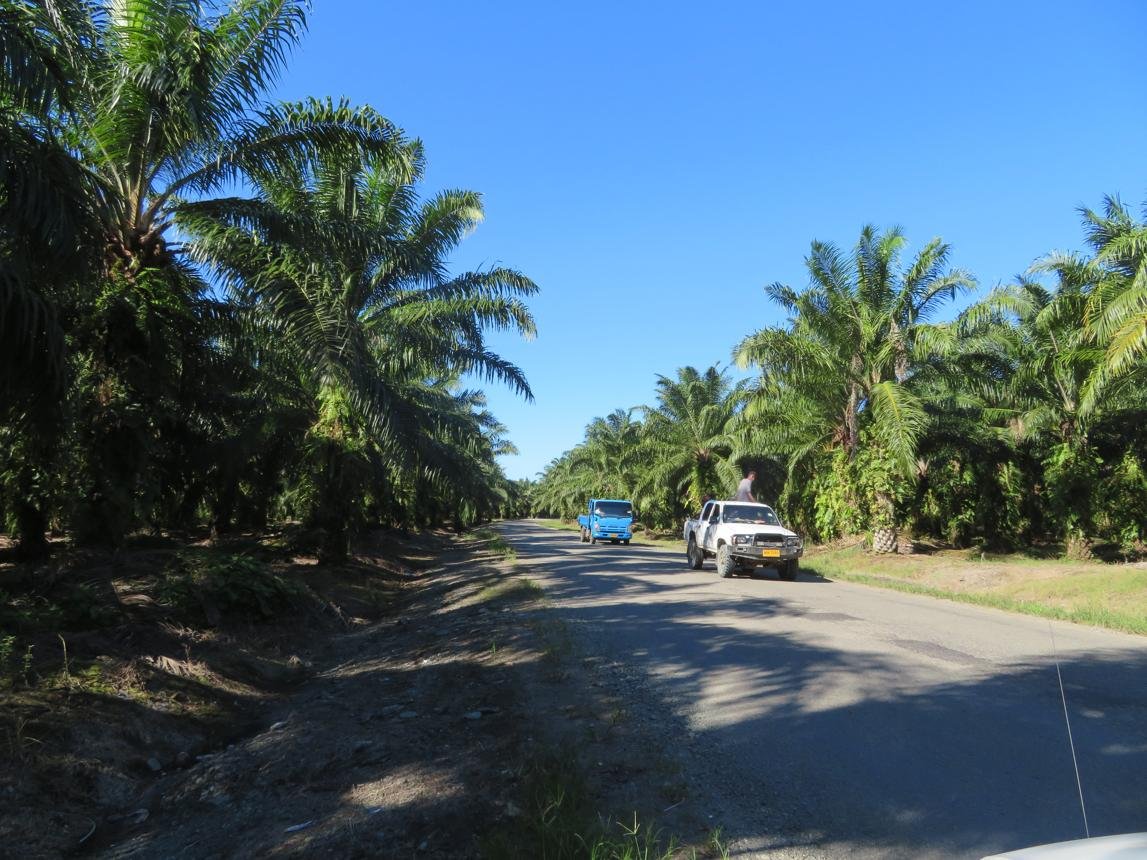
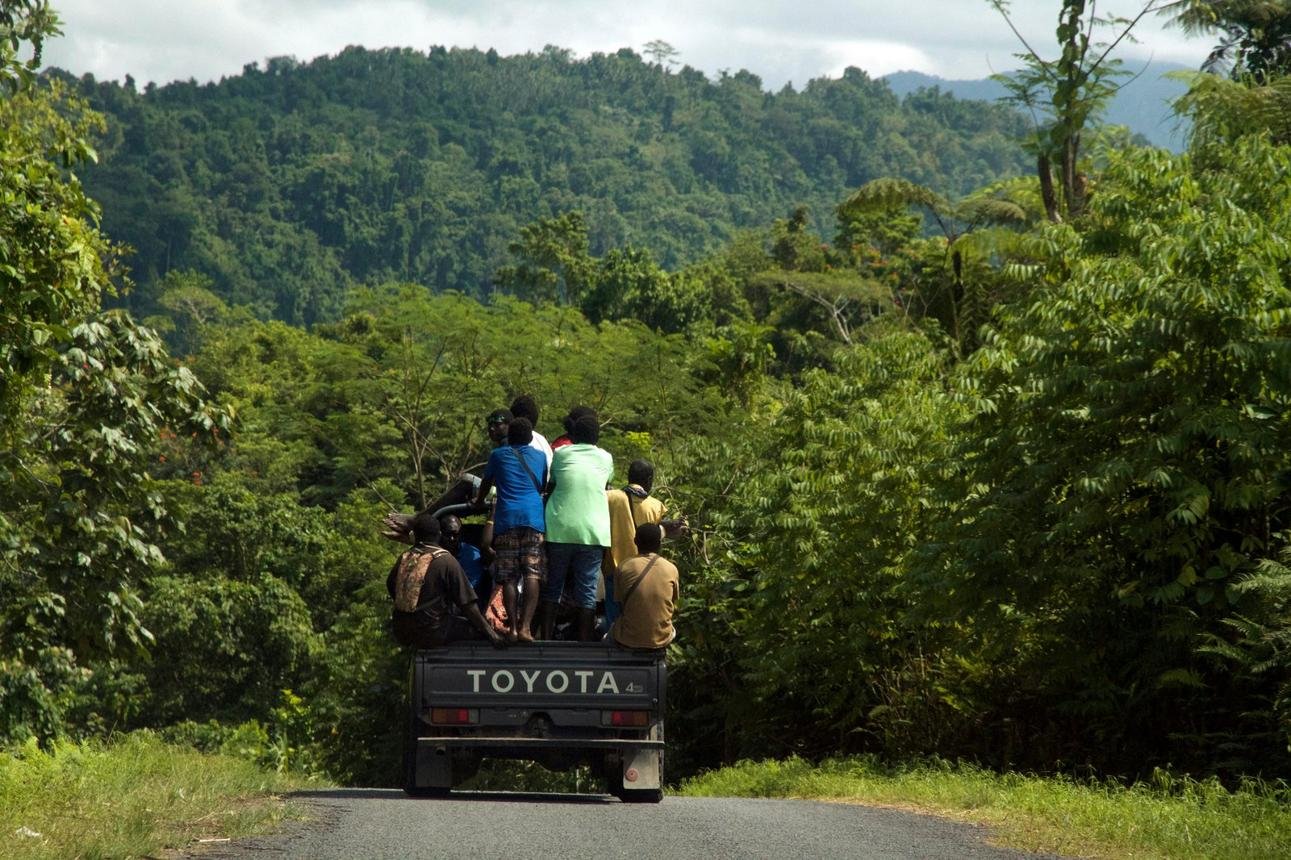
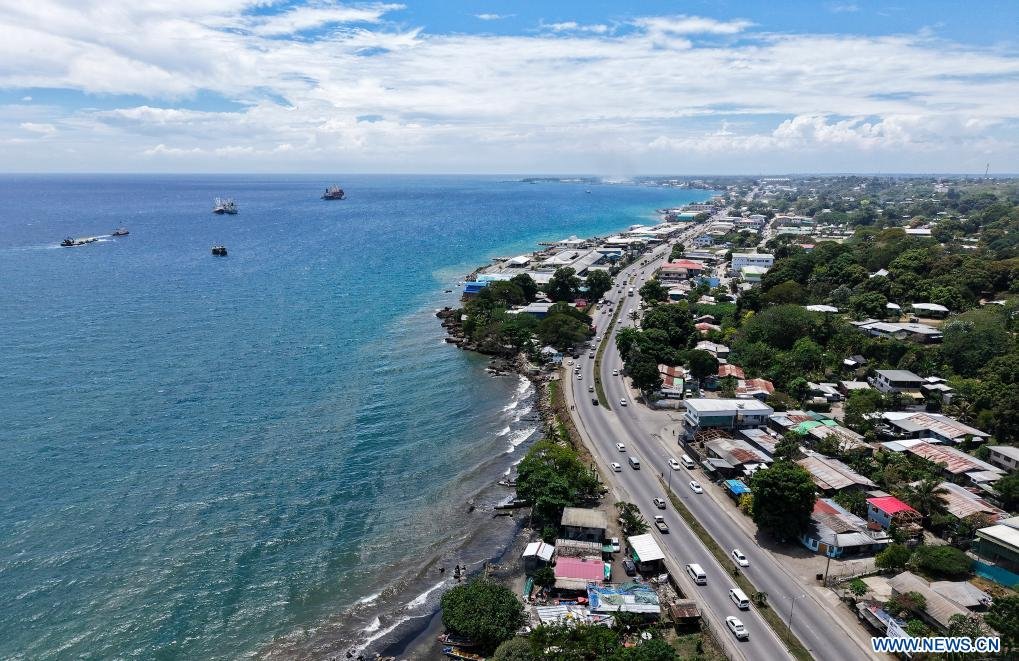
Because the Solomon Islands consist of numerous islands, traditional overlanding is limited. Self-drive travel is mainly possible on Guadalcanal and several larger islands.
Why Explore by Road?
- Tropical scenery
- Coastal villages
- Waterfalls
- Rainforests
- Historical sites
- Quiet roads
Popular Routes
Guadalcanal Coastal Road
Honiara → East Guadalcanal
A scenic drive passing beaches, villages, and historical landmarks.
Western Province
Roads around Munda and nearby settlements provide access to diving areas and coastal scenery.
Road Conditions
Expect:
- Paved roads around Honiara
- Narrow rural roads
- Gravel sections outside towns
- Limited fuel stations on smaller islands
Most travel between islands is by ferry or domestic flight.
Backpacking in the Solomon Islands
Independent travel is possible but requires flexibility.
Accommodation
Options include:
- Guesthouses
- Beach bungalows
- Eco-lodges
- Small hotels
- Dive resorts
Accommodation is concentrated around Honiara, Gizo, and Munda.
Transportation
Travel using:
- Domestic flights
- Ferries
- Speedboats
- Local buses
- Rental cars
Boat transport is essential for reaching many islands.
Backpacking Highlights
- Gizo
- Guadalcanal
- Marovo Lagoon
- Munda
- Tetepare Island
Camping
Camping is available in selected eco-tourism areas.
Campgrounds
Organized camping is offered at some eco-lodges and community tourism projects, particularly on remote islands.
Wild Camping
Wild camping should only be undertaken with permission from local communities, as most land is under customary ownership.
RV & Motorhome Travel
Motorhome travel is not practical in the Solomon Islands. Limited road networks and frequent inter-island travel make rental cars and boats the preferred means of transportation.
Driving in the Solomon Islands
Driving is relatively easy around Honiara and larger settlements.
Main Roads
Roads connect:
- Honiara
- Eastern Guadalcanal
- Western Guadalcanal
Outside these areas, road networks are limited.
Things to Know
- Drive on the left.
- Roads can become muddy after heavy rainfall.
- Livestock may be present on rural roads.
- Fuel availability is limited outside major towns.
Border Crossings
The Solomon Islands are an island nation with no international land borders.
Visitors arrive primarily through Honiara International Airport, while domestic flights and ferries connect the major islands.
Visa & Entry Requirements
Many nationalities can enter the Solomon Islands visa-free for short tourist visits, while others require a visa before arrival.
Before traveling, ensure you have:
- A valid passport
- Any required visa
- Proof of onward travel if requested
- Sufficient funds for your stay
Always verify current entry requirements before departure.
Budget & Costs
Estimated daily travel expenses:
| Travel Style | Daily Budget |
|---|---|
| Budget traveler | US$50–90 |
| Mid-range | US$150–280 |
| Comfortable | US$450+ |
Domestic flights, boat transfers, and dive excursions account for a significant portion of travel costs.
Safety
The Solomon Islands are generally welcoming, but travelers should prepare carefully for remote island travel.
Travel tips include:
- Respect local customs and village traditions.
- Monitor weather forecasts during the cyclone season.
- Arrange transport in advance when traveling between islands.
- Use reputable operators for diving and boating activities.
- Carry sufficient cash outside Honiara, as banking facilities are limited.
Food & Culture
Solomon Islands cuisine relies on fresh local ingredients and traditional cooking methods.
Popular dishes include:
- Fresh grilled fish
- Coconut crab (where legally available)
- Taro
- Cassava
- Yam
- Breadfruit
- Coconut-based dishes
- Tropical fruits
Traditional music, dance, canoe building, wood carving, weaving, and storytelling remain central to village life. Visitors are welcomed into one of the Pacific’s most authentic and culturally rich societies.
Frequently Asked Questions
Are the Solomon Islands expensive?
They offer moderate accommodation prices, but domestic flights, boat transfers, and diving activities can significantly increase travel costs.
Are the Solomon Islands safe?
Yes. The islands are generally safe for travelers who take normal precautions and respect local customs.
Are the Solomon Islands good for diving?
Absolutely. They are considered one of the world’s finest diving destinations, with exceptional coral reefs, abundant marine life, and numerous World War II wrecks.
Can you travel the Solomon Islands by campervan?
No. Limited road infrastructure and inter-island travel make campervan tourism impractical. Rental cars, ferries, and domestic flights are the preferred ways to explore.
How many days do you need?
One week is enough to explore Guadalcanal and one additional island, while two to three weeks allows time for diving, island hopping, wildlife, and cultural experiences across several provinces.
What are the Solomon Islands famous for?
The Solomon Islands are best known for:
- Marovo Lagoon
- World-class diving
- WWII shipwrecks
- Guadalcanal battlefields
- Coral reefs
- Traditional Melanesian culture
- Tropical rainforests
- Remote island adventures