Quick Facts
Best time to visit: April–October
Difficulty: 4/5
Road conditions: Limited paved roads on some islands, sandy and coral roads elsewhere
Visa situation: Visa-free access for many nationalities for short stays
Why Overland Kiribati?
Kiribati is one of the world’s most remote and unusual travel destinations.
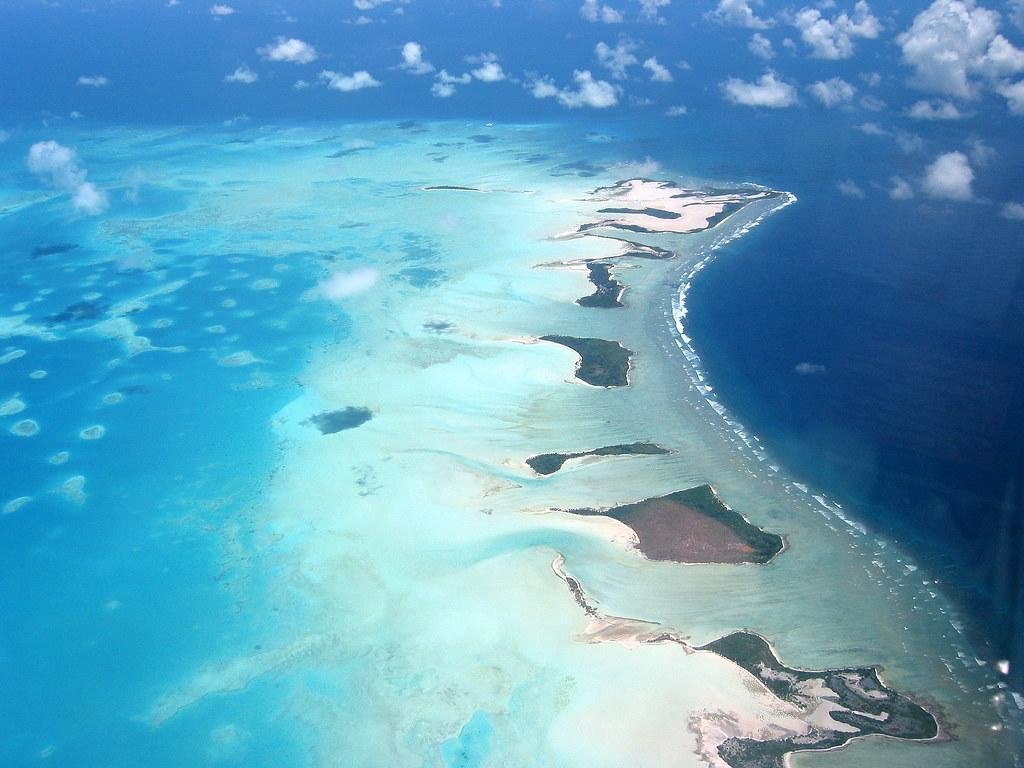
Spread across millions of square kilometers of the Pacific Ocean, Kiribati consists of low-lying coral atolls and islands scattered across three island groups. While traditional overlanding is limited due to the geography, exploring the islands by vehicle, bicycle, or motorcycle can be a fascinating adventure.
Why it stands out:
- extremely remote destination
- untouched Pacific islands
- traditional island culture
- world-class fishing
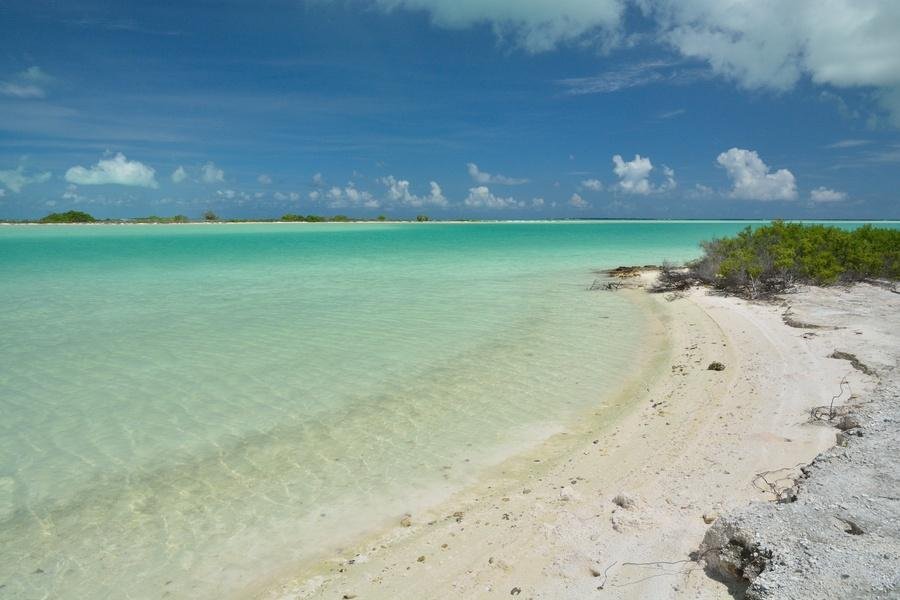
- incredible lagoons
- tropical scenery
- very few tourists
- unique travel experience
Kiribati is more about island exploration than long-distance overlanding.
Understanding Travel in Kiribati
Unlike continental destinations, Kiribati consists of numerous islands separated by vast stretches of ocean.
Travel usually combines:
- local vehicle hire
- motorcycles
- bicycles
- domestic flights
- inter-island boats
The largest opportunities for road travel exist on:
- Tarawa
- Kiritimati (Christmas Island)
Main Overlanding Routes
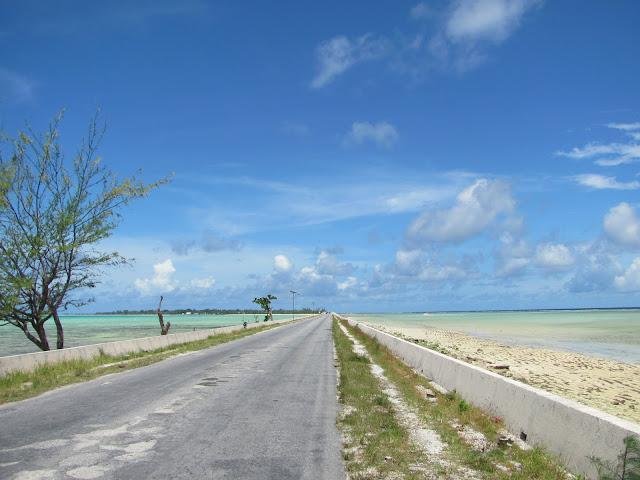
1. South Tarawa Route
5
Route: Betio – Bairiki – Bikenibeu – Bonriki
Distance: approx. 35 km
Road type: paved and coral roads
Fuel: available
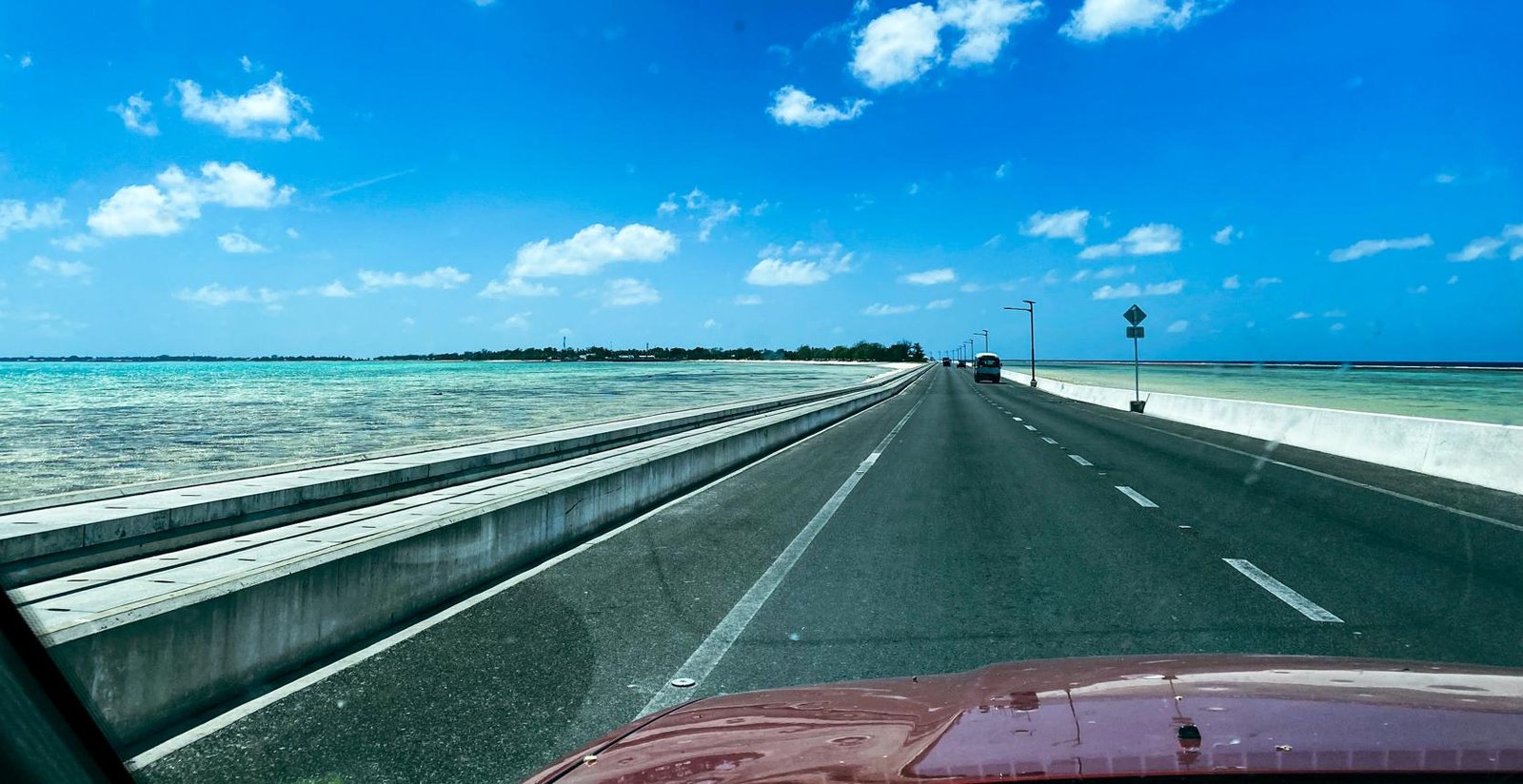
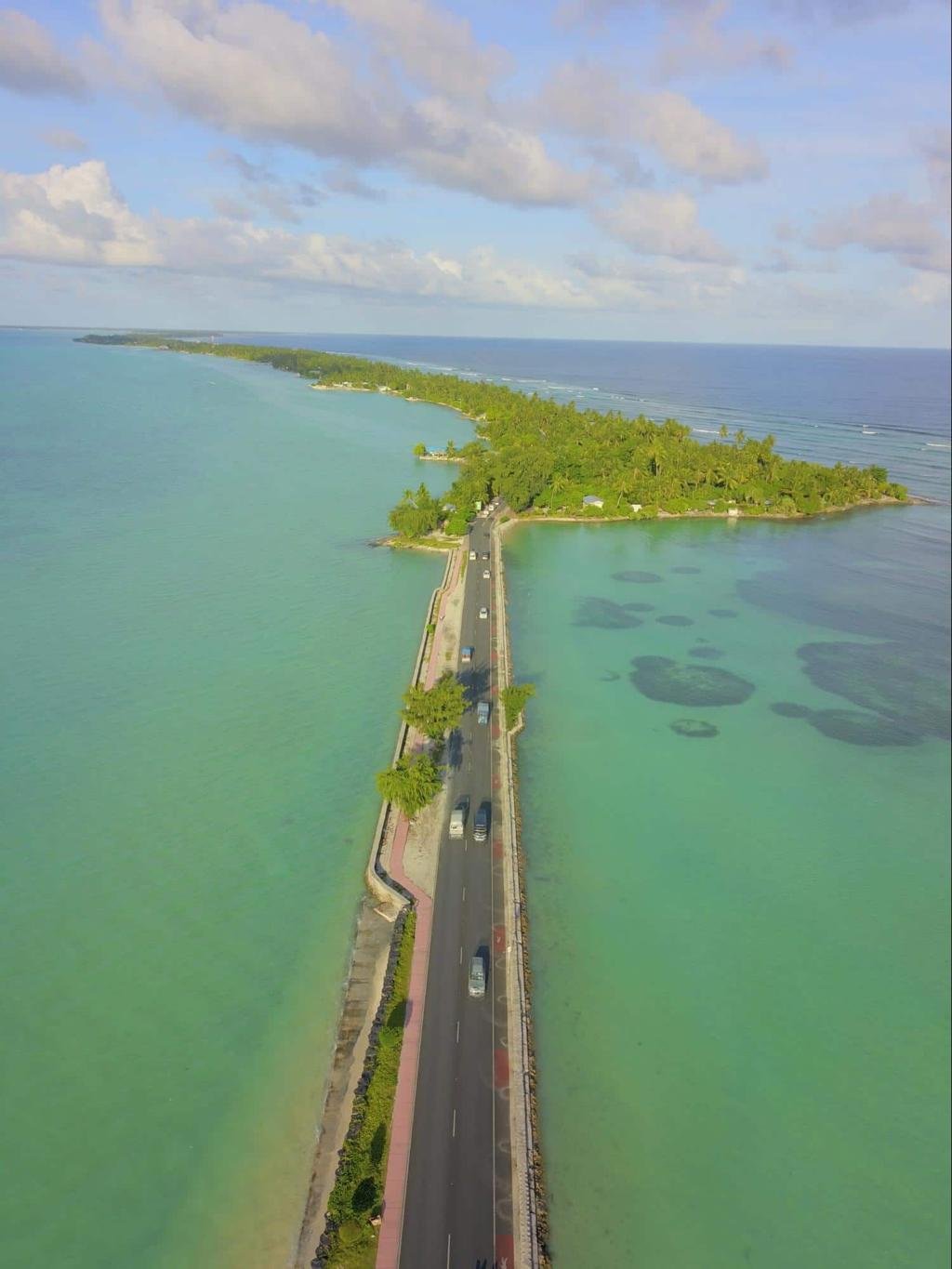
The country’s most developed road network.
Highlights:
- local villages
- lagoons
- causeways
- island life
Major destination:
- South Tarawa
Most visitors spend time here.
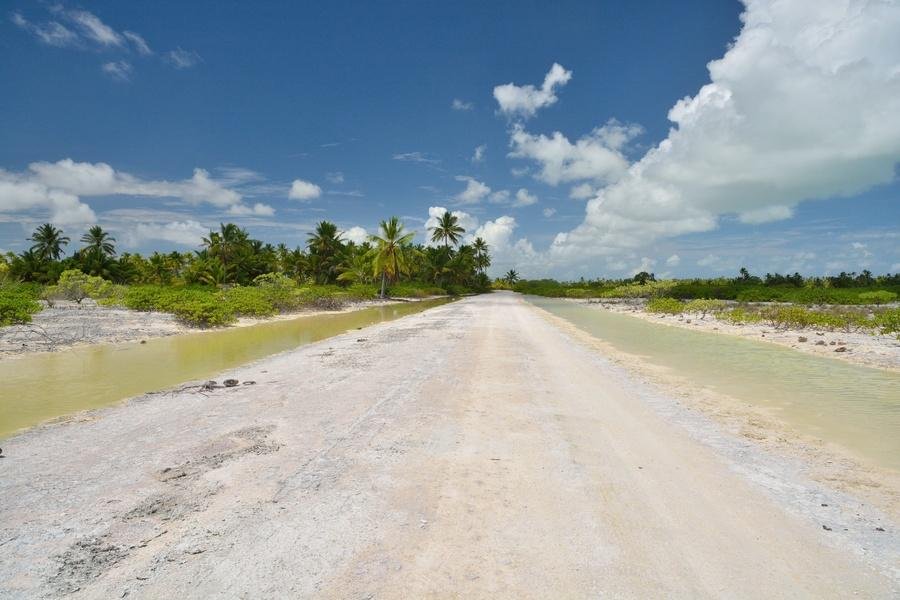
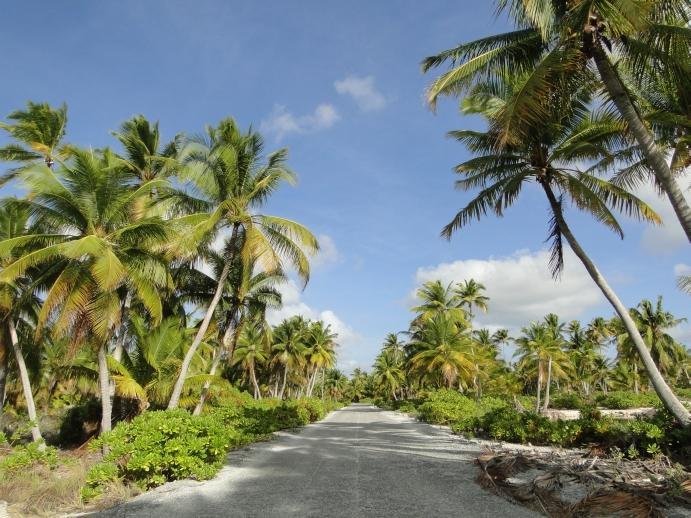
2. Kiritimati Island Explorer Route
7
The ultimate Kiribati road trip.
Highlights:
- lagoons
- remote beaches
- birdlife
- fishing areas
Major destination:
- Kiritimati
Kiritimati is the world’s largest coral atoll by land area.
3. Lagoon Circuit
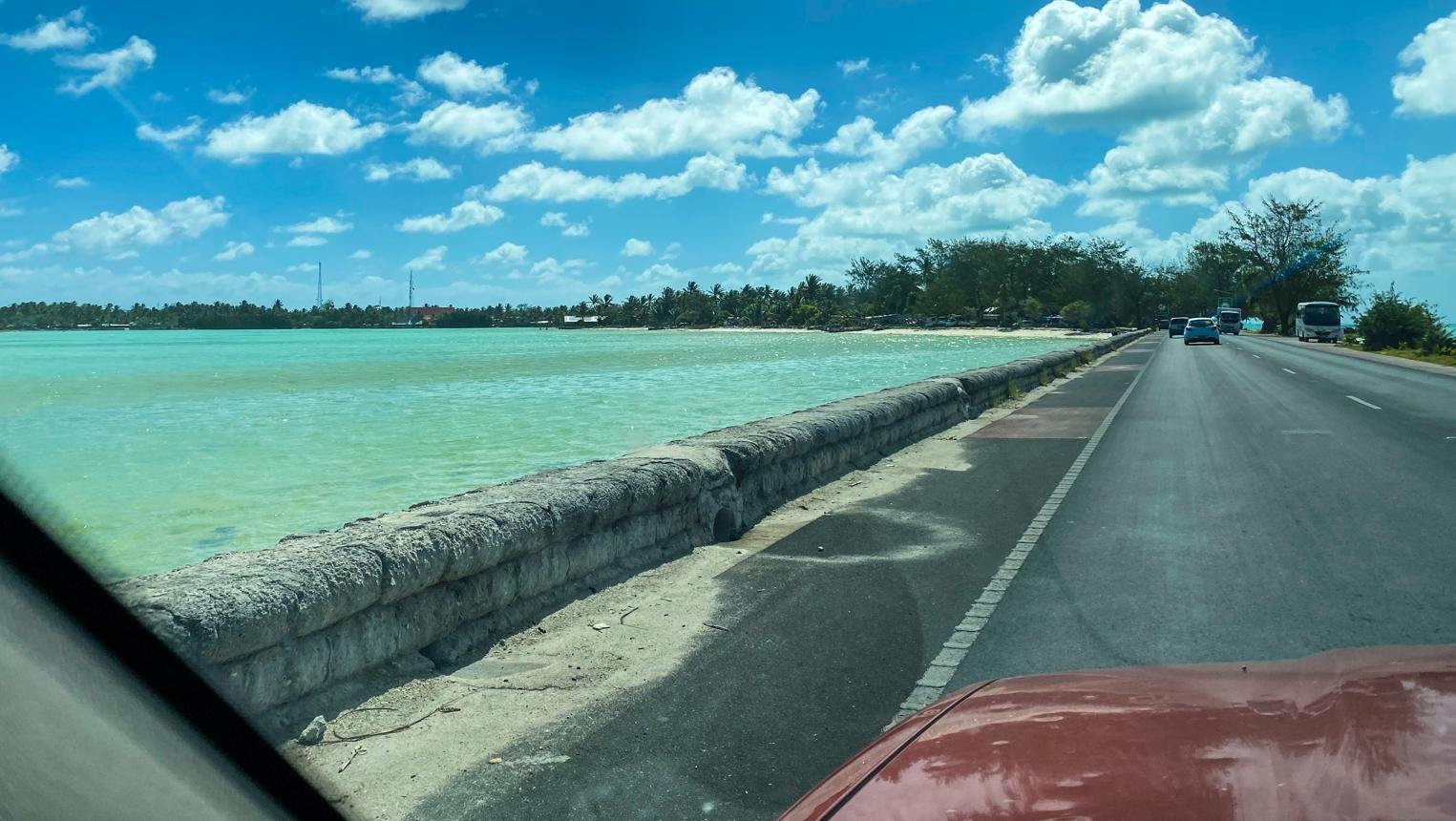
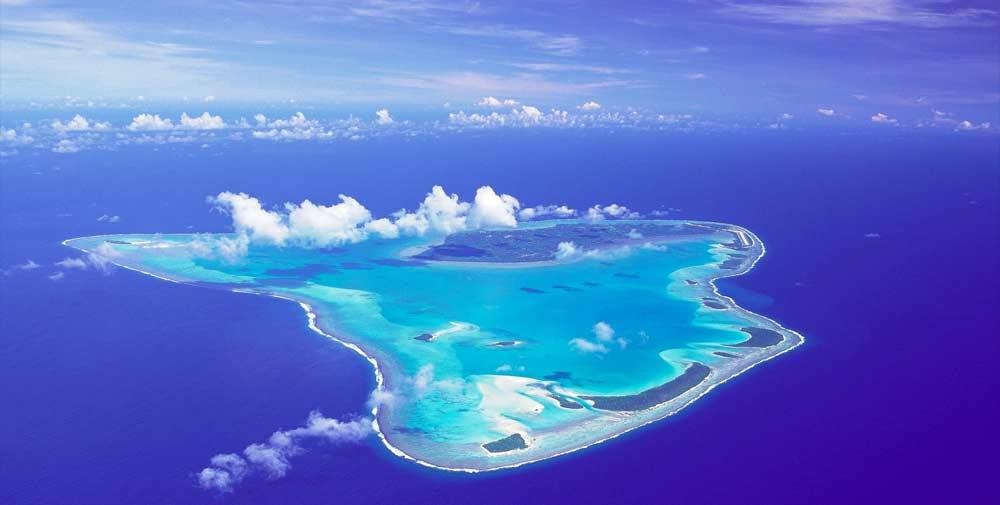
A scenic route through traditional island landscapes.
Highlights:
- turquoise lagoons
- fishing villages
- tropical scenery
Perfect for slow exploration.
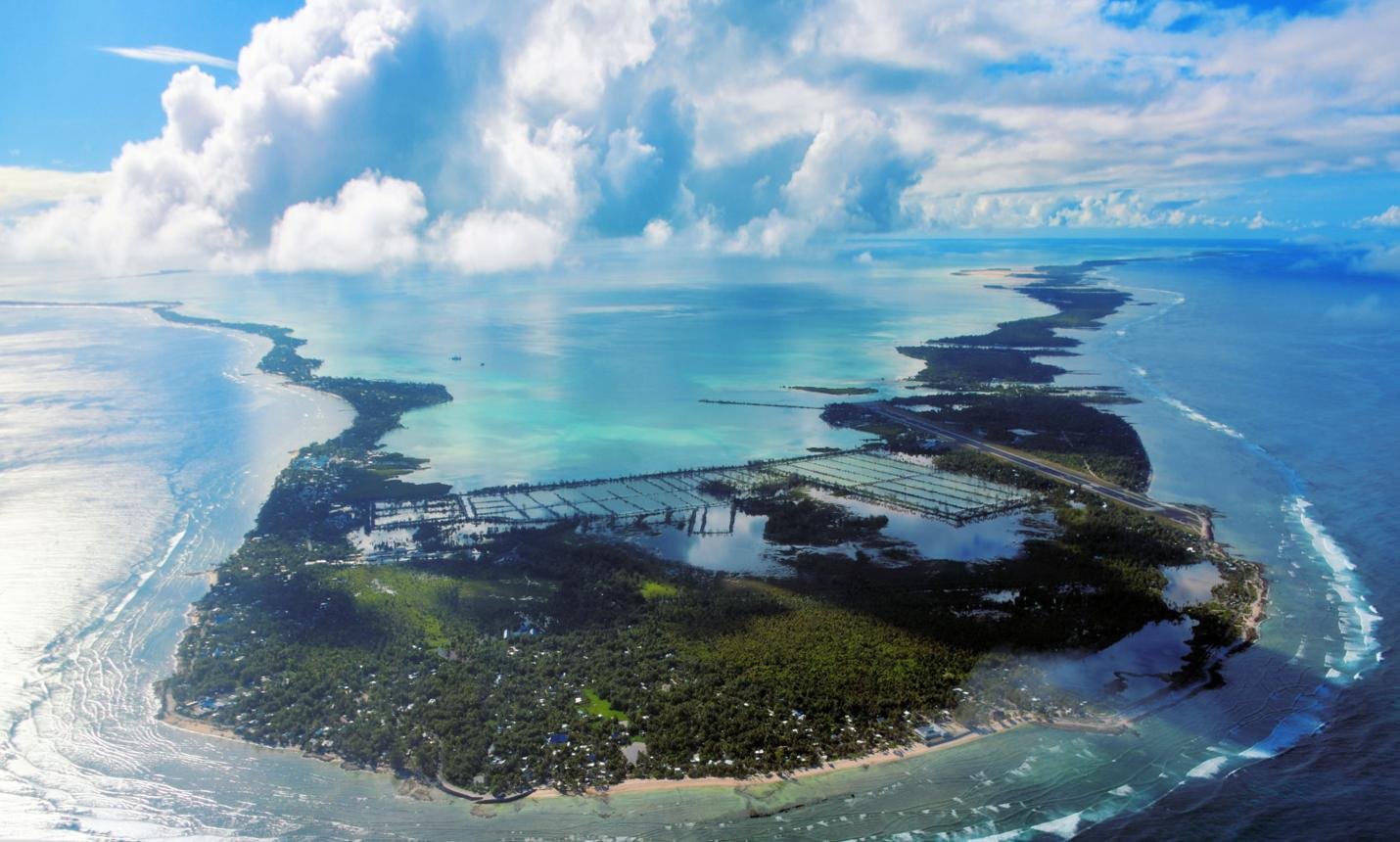
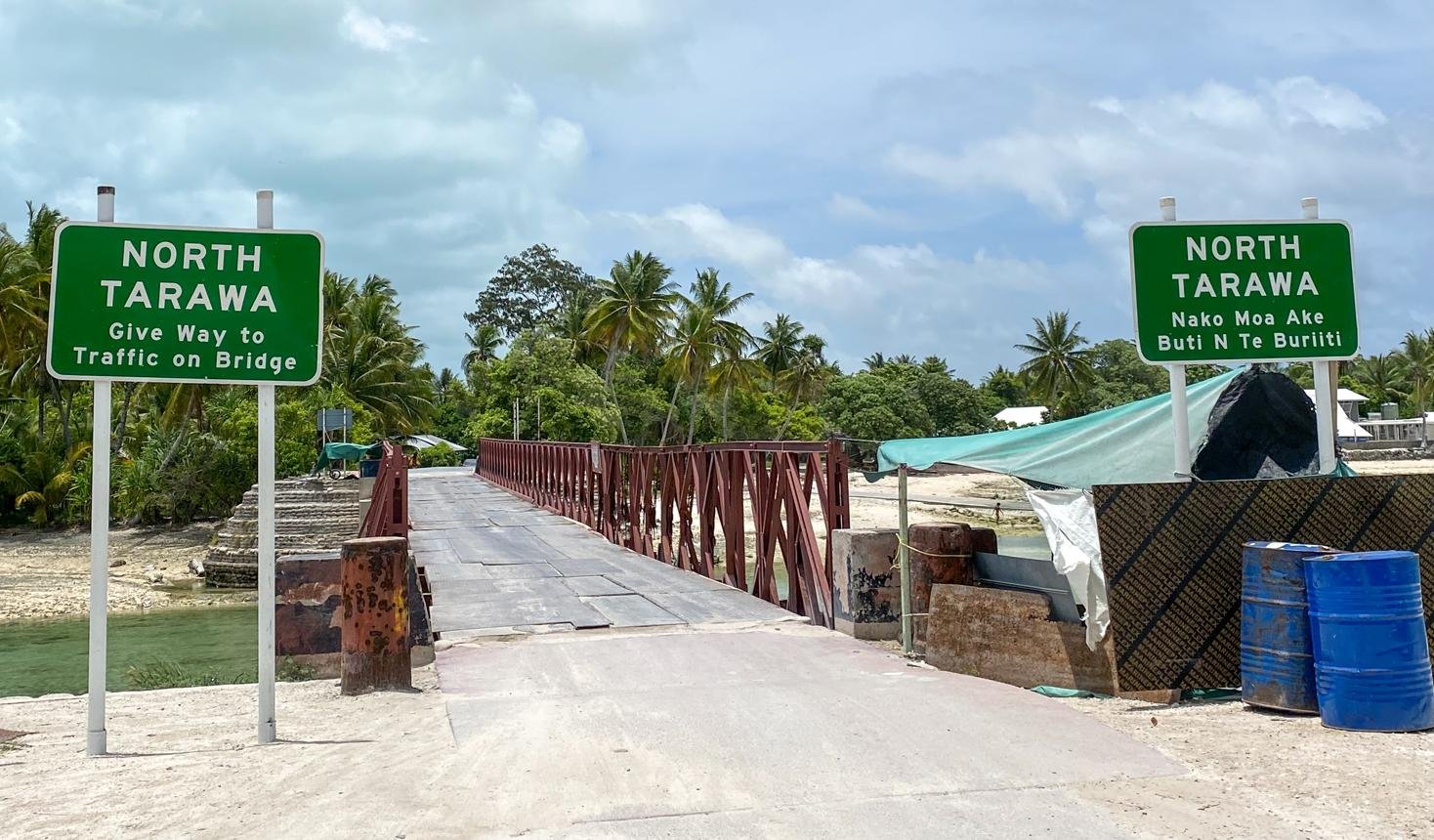
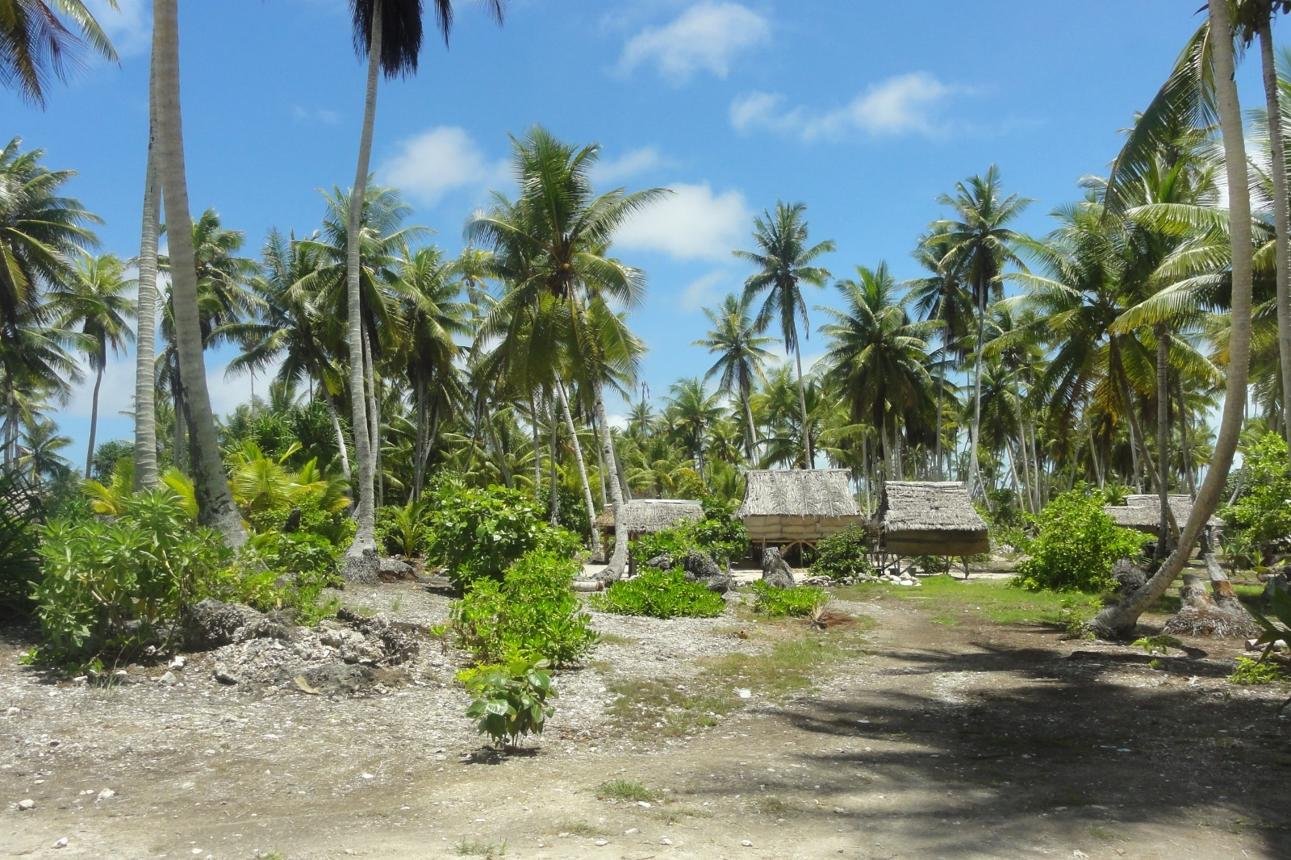
4. Northern Tarawa Route
6
A quieter alternative to South Tarawa.
Highlights:
- traditional culture
- less development
- beaches
- village life
Excellent for cultural travelers.
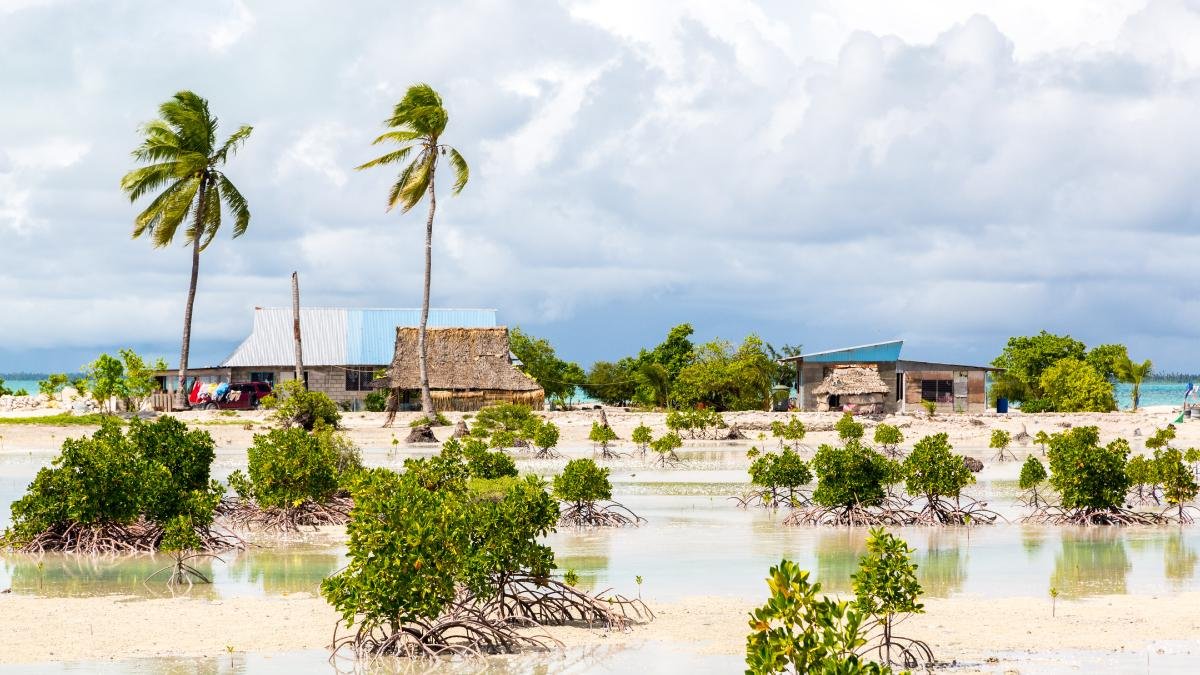
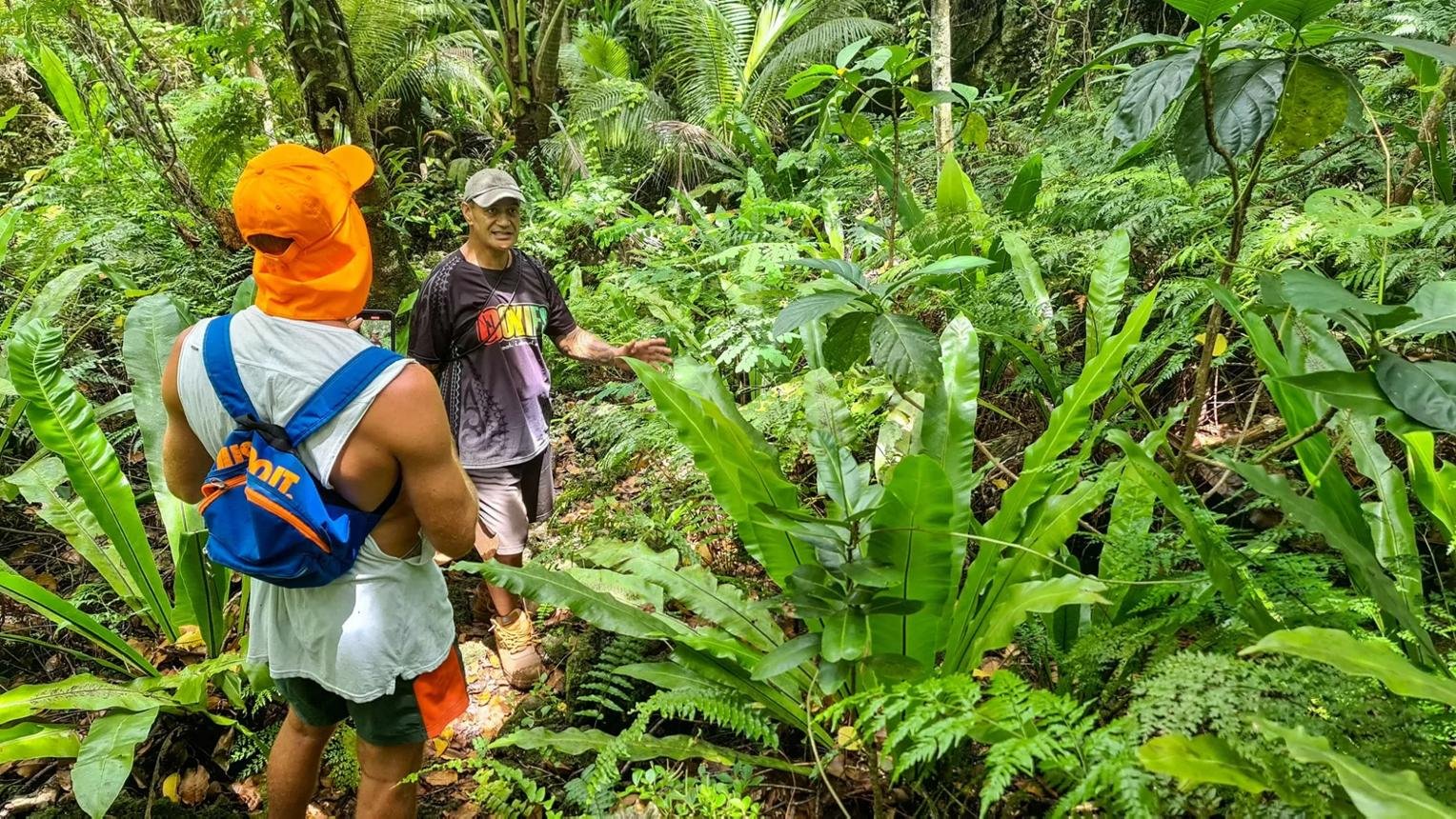
5. Remote Atoll Exploration
For adventurous visitors.
Highlights:
- isolated islands
- traditional communities
- untouched beaches
Access often depends on boat schedules.
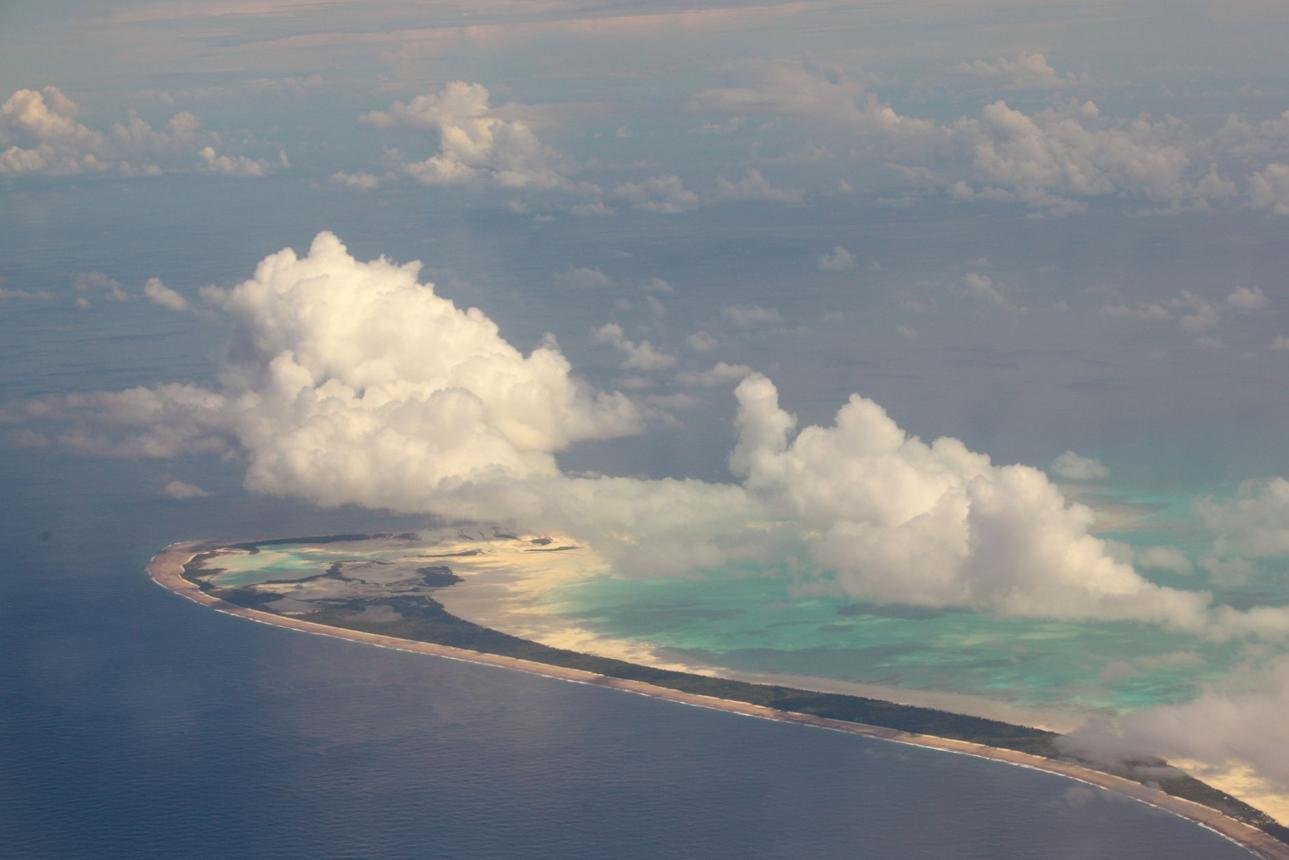
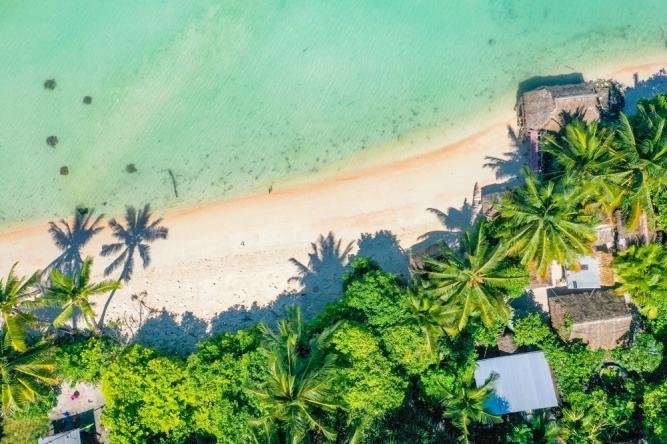
6. Phoenix Islands Expedition
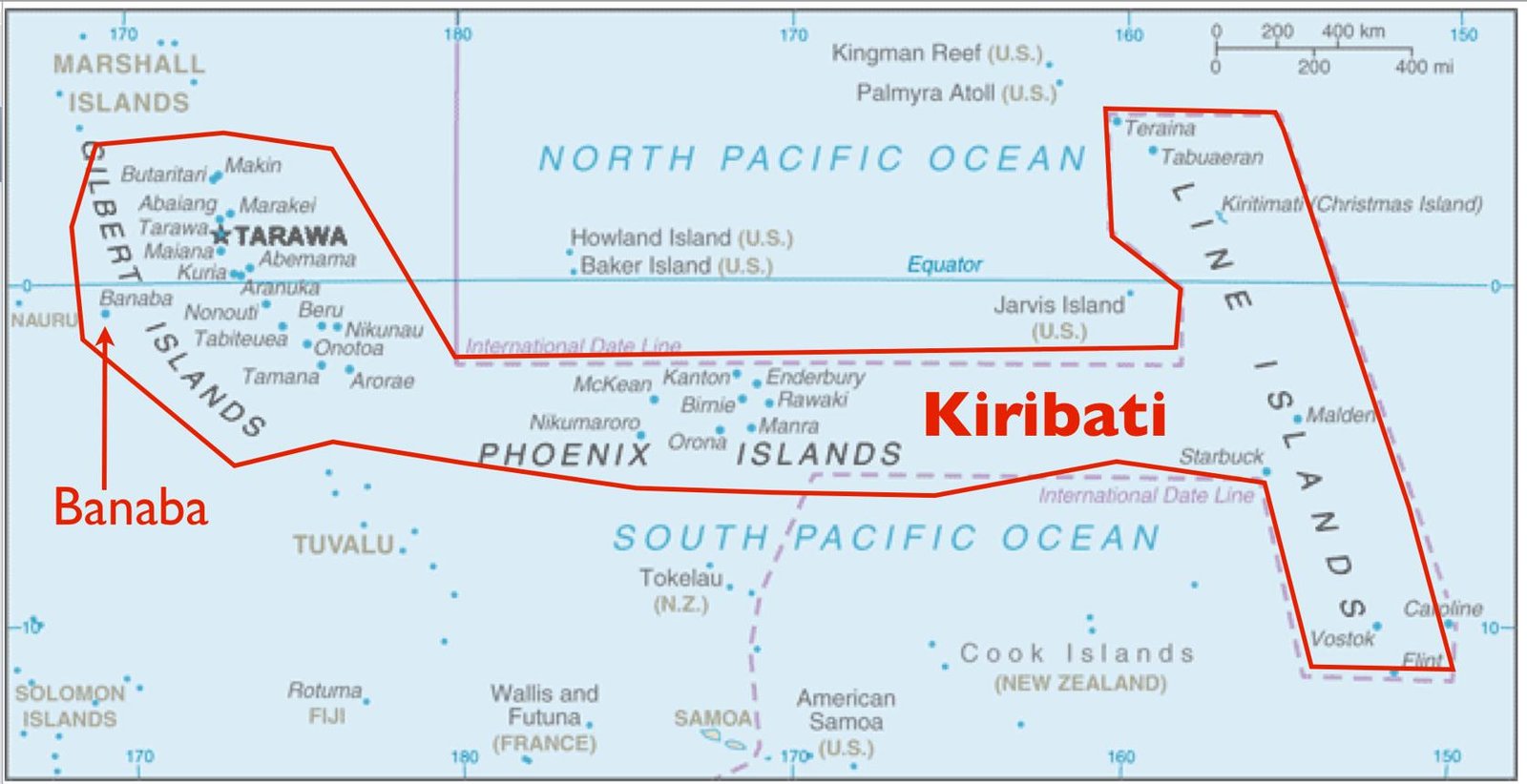
7
One of the world’s most remote island groups.
Highlights:
- marine wildlife
- pristine reefs
- expedition travel
Major attraction:
- Phoenix Islands Protected Area
A UNESCO World Heritage Site.
Entry & Transport
Kiribati has no land borders.
Most visitors arrive via international flights.
Main gateways:
- South Tarawa
- Kiritimati
Inter-island travel can be slow and schedules may change.
Flexibility is important.
Vehicle Requirements
Most travelers use:
- rental cars
- motorcycles
- bicycles
Bringing a foreign overland vehicle is generally impractical due to shipping costs and island logistics.
Driving Conditions
Driving is generally straightforward.
Easy:
- Tarawa roads
- Kiritimati roads
Moderate:
- coral roads
- sandy tracks
Difficult:
- remote island tracks
- rainy-season conditions
Road speeds are low.
Distances are short.
Fuel & Logistics
Basic but manageable.
Expect:
- fuel available on major islands
- limited vehicle repair services
- basic shopping facilities
- variable internet connectivity
Planning ahead is important.
Camping & Accommodation
Wild Camping
Possible on some islands with local permission.
Always respect local communities and land ownership.
Accommodation
Most travelers use:
- guesthouses
- lodges
- small hotels
- fishing resorts
Options are limited compared to major tourist destinations.
Budget Travel
Possible but requires flexibility and advance planning.
Safety & Risks
Kiribati is generally very safe.
Main concerns:
- extreme remoteness
- limited healthcare facilities
- tropical weather
- transport disruptions
- limited supplies on smaller islands
Preparation is essential.
Best Time to Visit
Ideal
April–October
Drier conditions and more comfortable travel.
Wet Season
November–March
Higher humidity and more rainfall.
Travel remains possible year-round.
Sample 10-Day Itinerary
Days 1–3: South Tarawa
Days 4–5: North Tarawa
Days 6–10: Kiritimati
FAQ
Is Kiribati good for overlanding?
Not in the traditional sense, but it offers unique island exploration opportunities.
Need a 4×4?
Generally no, although high-clearance vehicles can help on sandy tracks.
Can you wild camp?
Sometimes, with local permission.
Good for campervans?
No. Infrastructure is very limited and vehicle importation is impractical.
Best highlight?
Kiritimati and the remote Pacific island experience.
Related Pages
- Backpacking Kiribati
- Pacific Islands Travel Guide
- South Tarawa
- Kiritimati
- Phoenix Islands Protected Area
- Micronesia Travel Guide
- South Pacific Islands Guide
- Kiribati Accommodation Guide
- Kiribati Travel Tips
- Pacific Ocean Island Adventures Guide
- Getting around
- Further Reading