Quick Facts
Best time to visit: November–April
Difficulty: 2/5
Road conditions: Good main roads, some rough rural roads during the rainy season
Visa situation: Visa-free or visa on arrival for many nationalities
Why Overland The Gambia?
The Gambia is Africa’s smallest mainland country and one of the easiest destinations in West Africa for overland travel.
Centered around the mighty Gambia River, the country offers friendly people, abundant birdlife, wildlife reserves, Atlantic beaches, and a fascinating blend of African and colonial history.
Why it stands out:
- easy overlanding logistics
- English-speaking country
- friendly locals
- excellent birdwatching
- Atlantic coastline
- affordable travel
- compact size
- rich cultural heritage
The Gambia is often combined with neighboring Senegal and serves as an excellent introduction to West Africa.
One day you can be exploring mangrove-lined riverbanks, the next visiting historic slave-trade sites, and later camping beside a quiet Atlantic beach.
Main Overlanding Routes
1. Gambia River Route
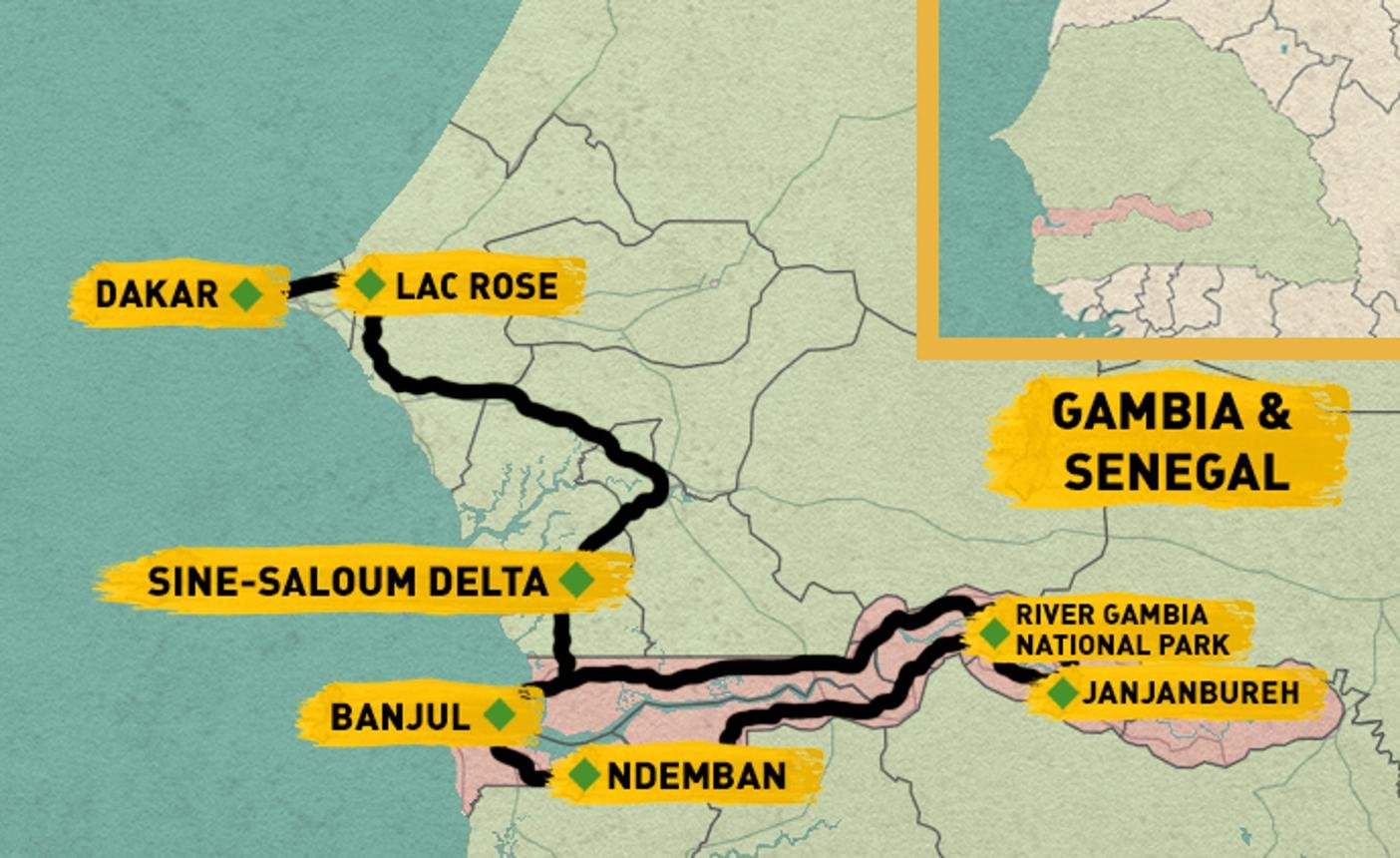
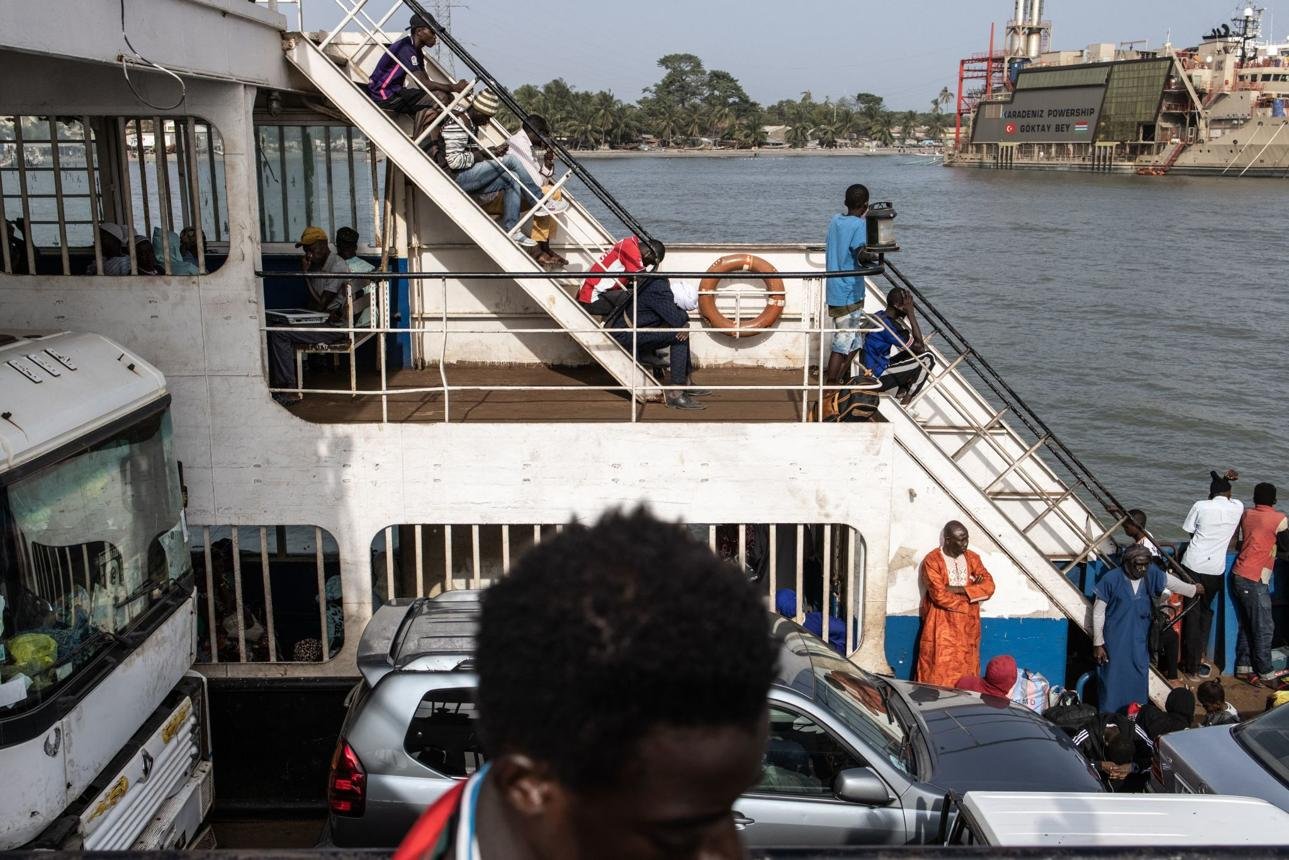
Route: Banjul – Farafenni – Georgetown (Janjanbureh) – Basse Santa Su
Distance: approx. 400 km
Road type: paved highways and regional roads
Fuel: available in major towns
The country’s classic overland route.
Highlights:
- Gambia River
- traditional villages
- wildlife reserves
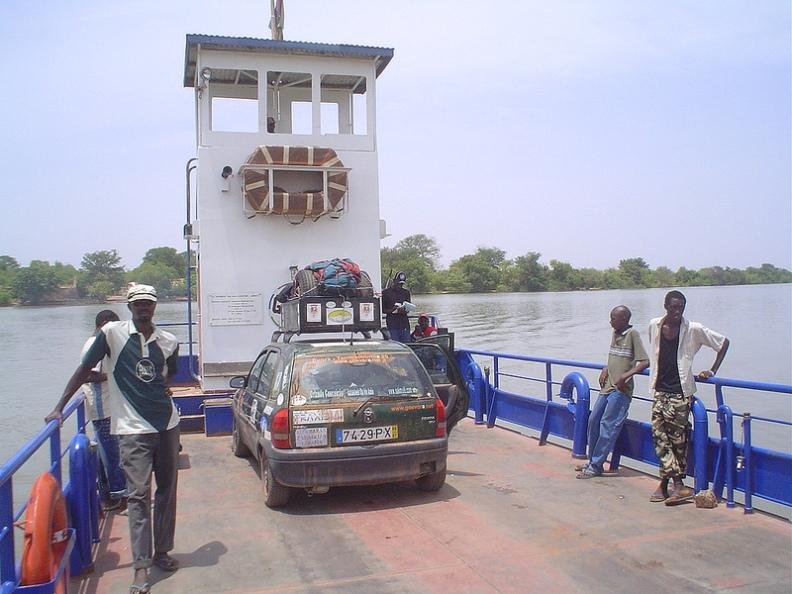
- ferry crossings
- local markets
Perfect for:
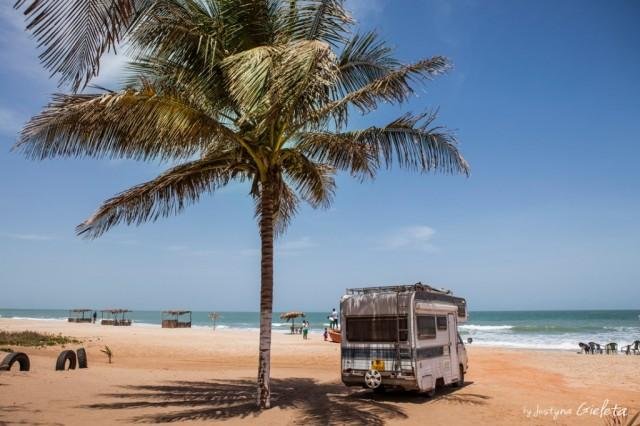
- campervans
- first-time West Africa visitors
- cultural exploration
2. Atlantic Coast Route
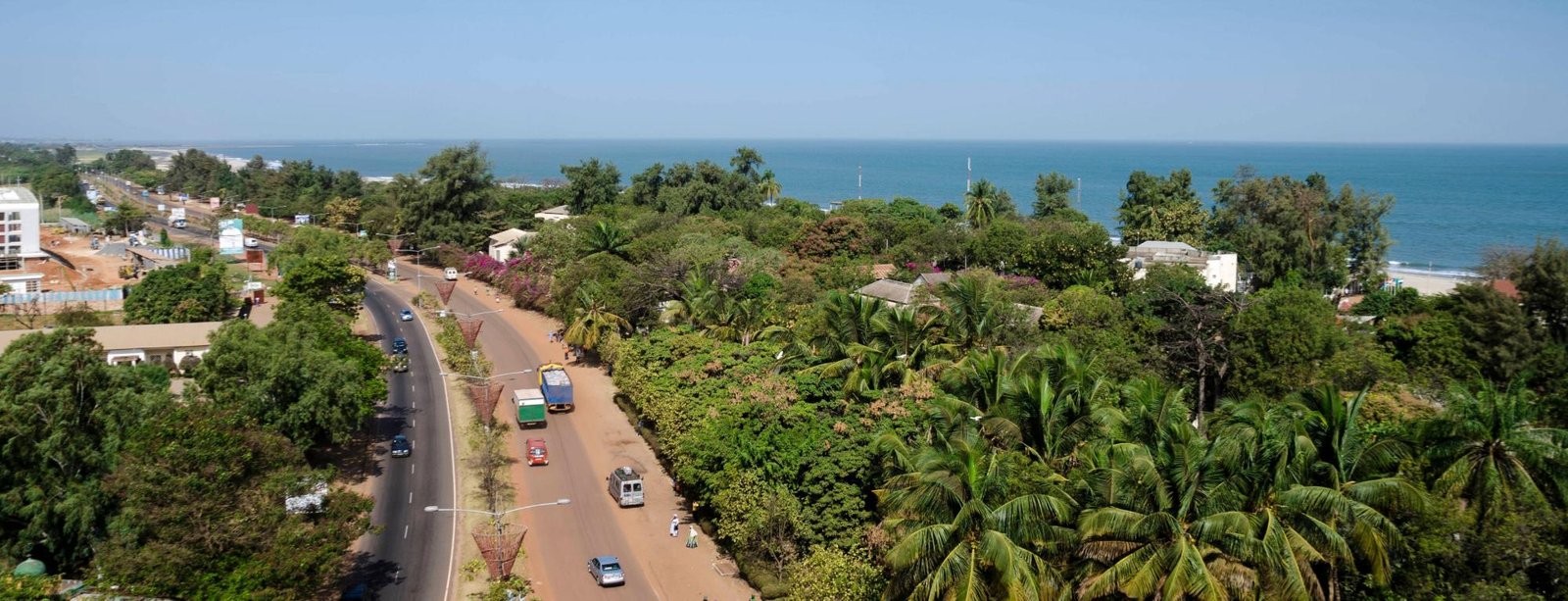
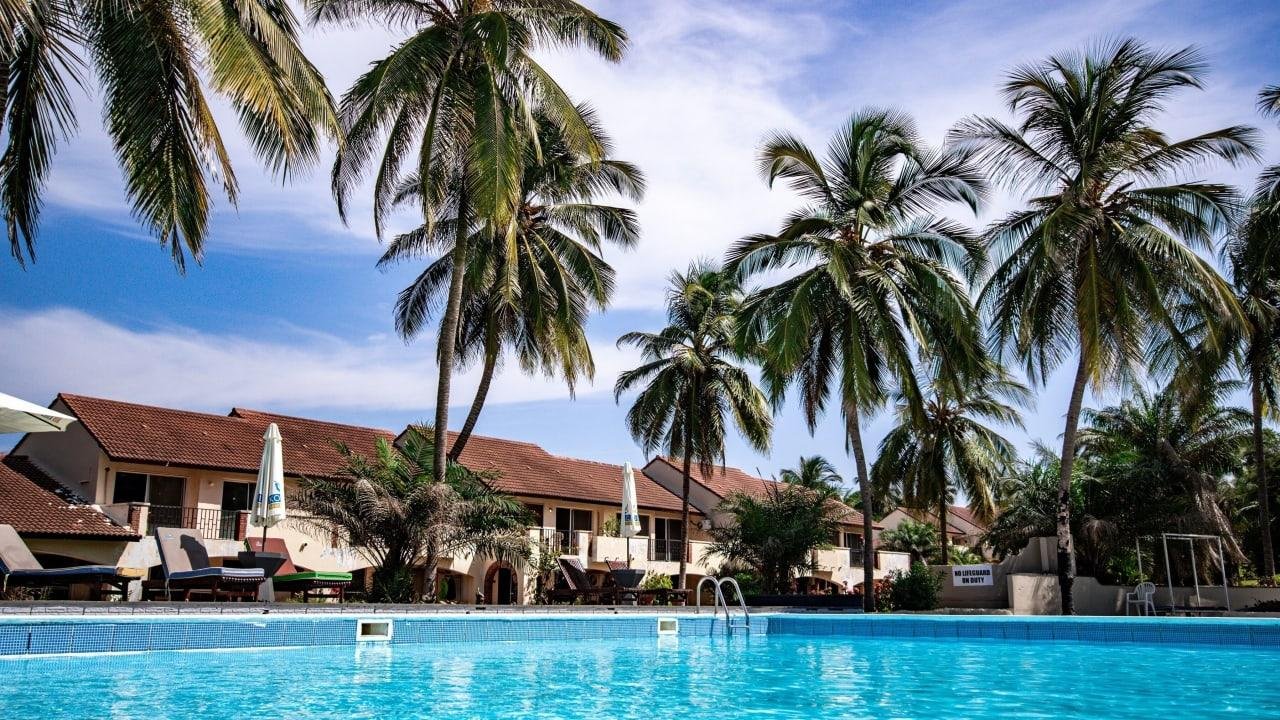
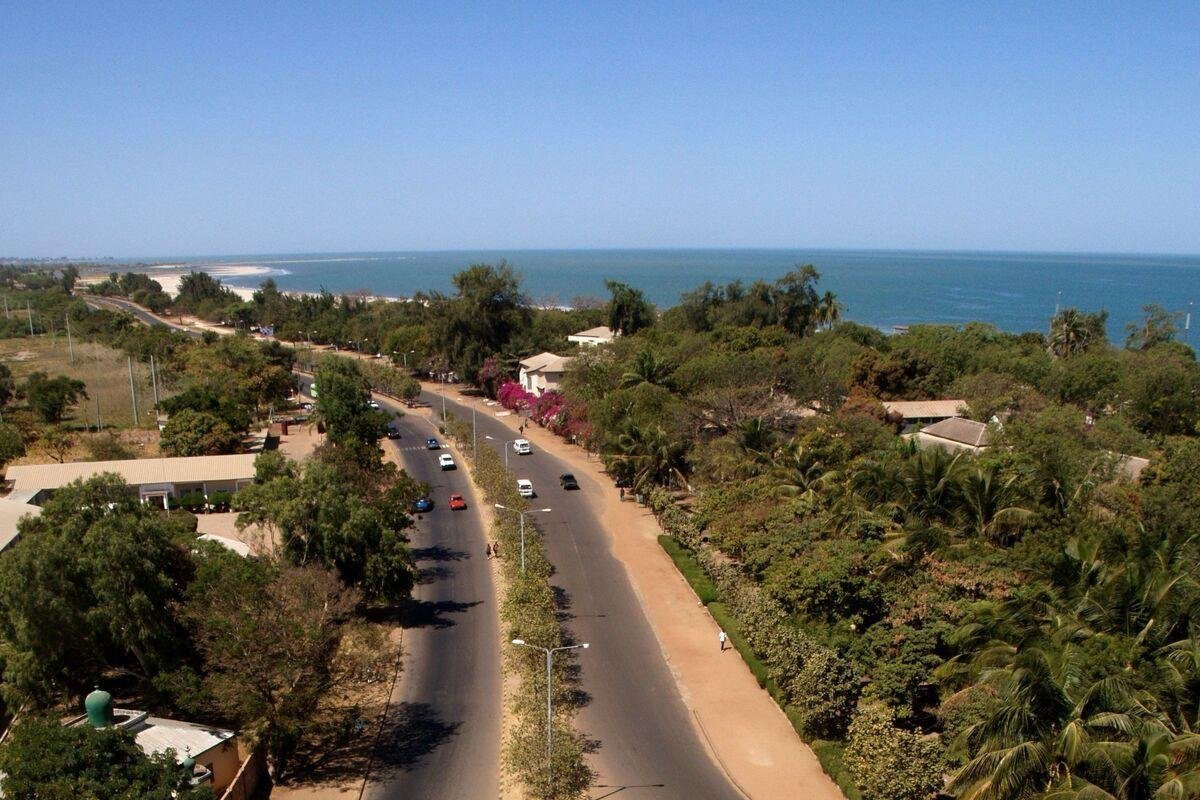
Route: Banjul – Bakau – Kololi – Brufut – Kartong
Highlights:
- beaches
- fishing villages
- coastal scenery
- beach camps
- birdwatching
This is the country’s main tourism region.
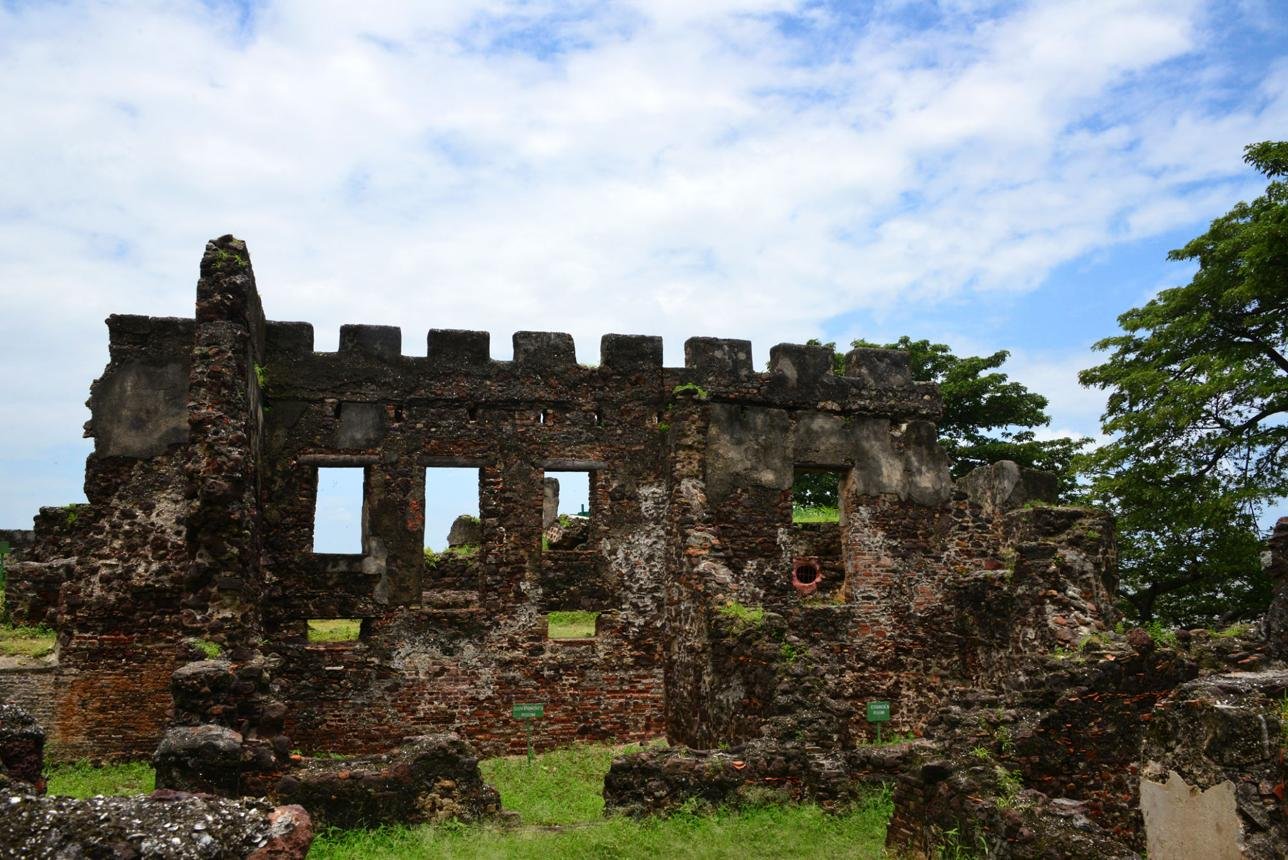
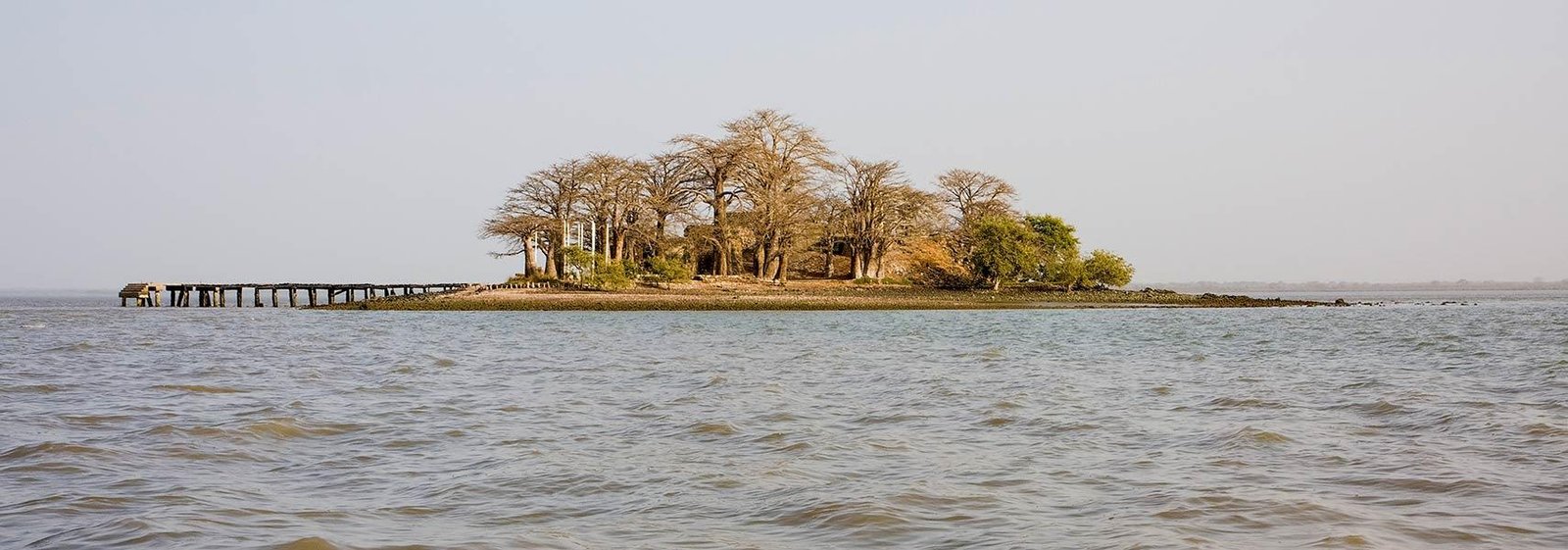
3. Kunta Kinteh Island Route
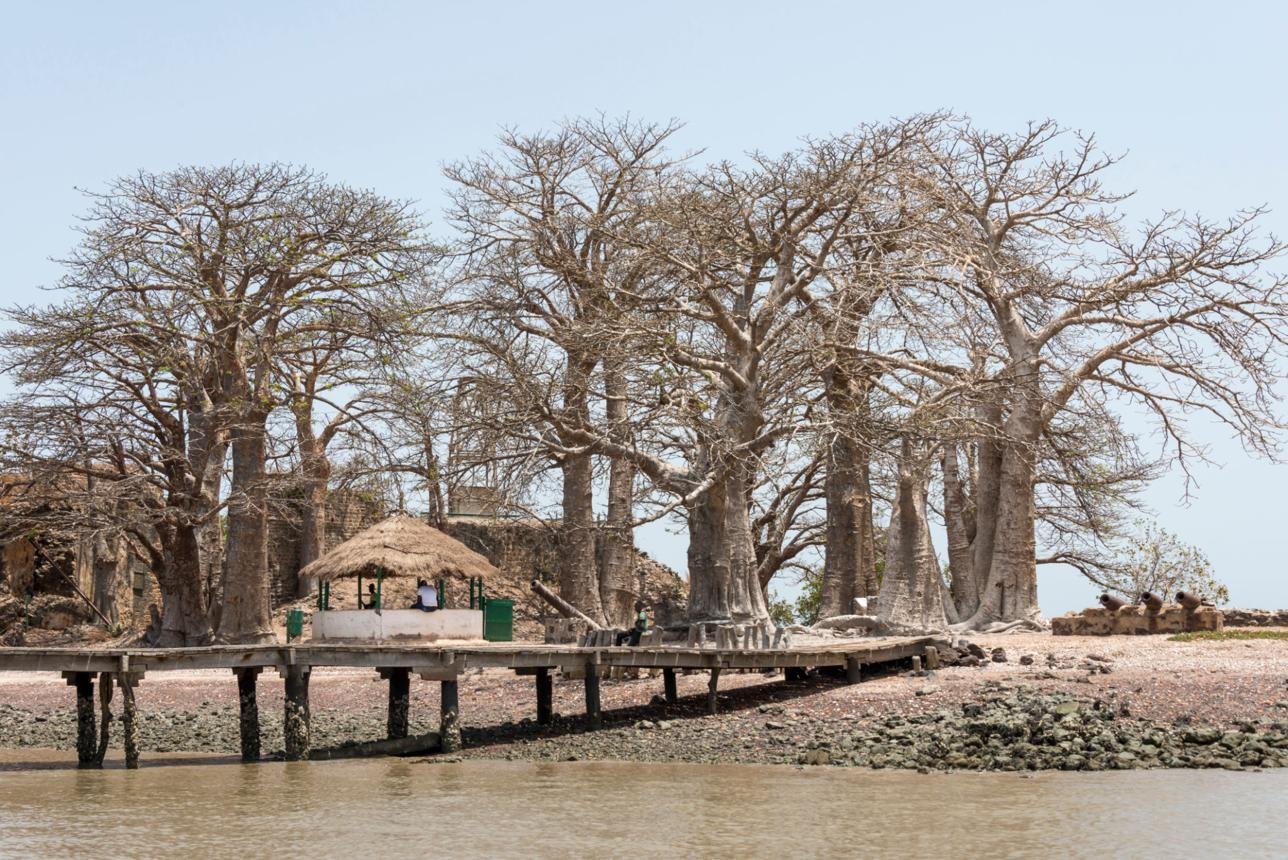
7
One of the most important historical sites in West Africa.
Highlights:
- colonial history
- UNESCO World Heritage sites
- river scenery
- cultural experiences
Major attraction:
- Kunta Kinteh Island
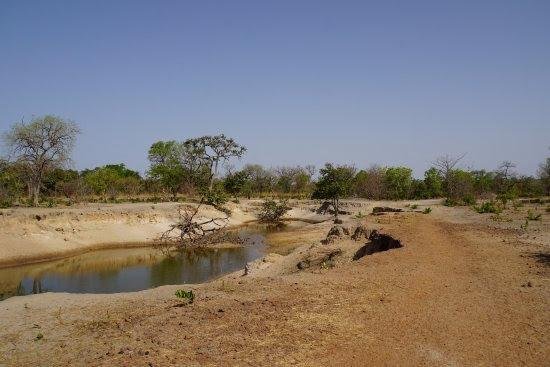
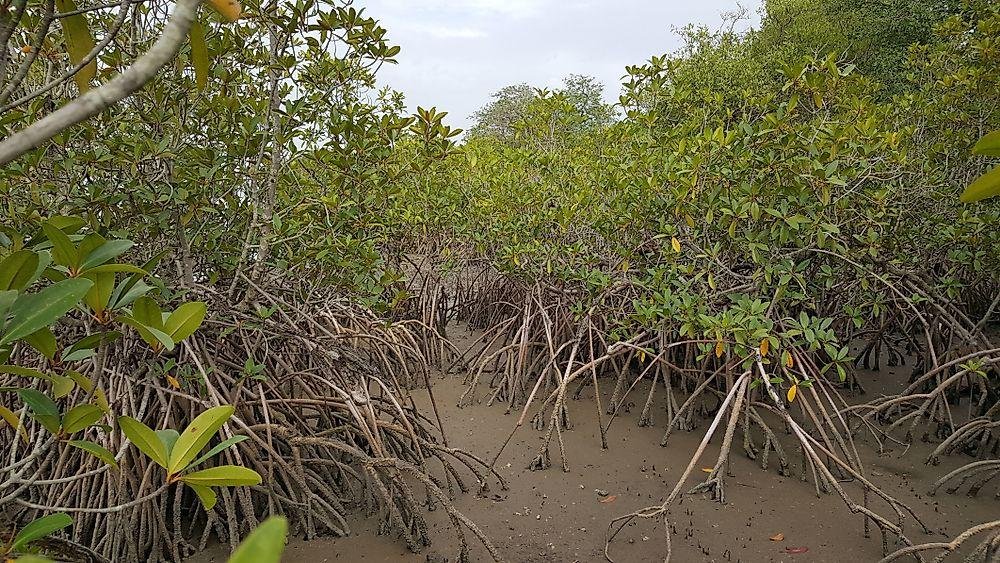
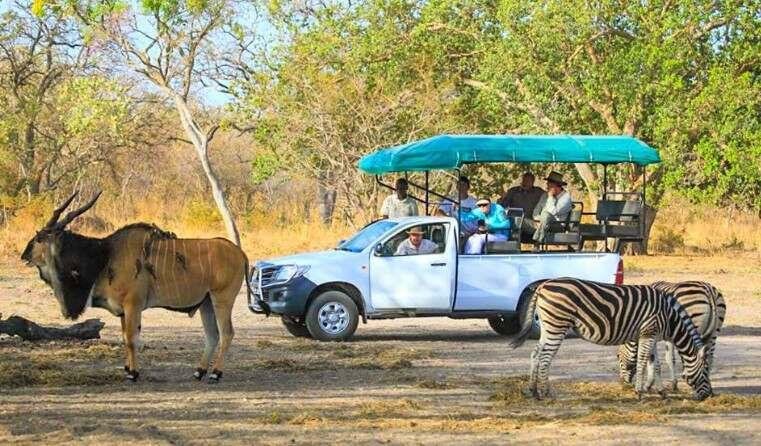
4. Kiang West National Park Route
7
A rewarding wildlife-focused route.
Highlights:
- birdlife
- monkeys
- antelope
- river habitats
- quiet camping spots
Excellent for nature enthusiasts.
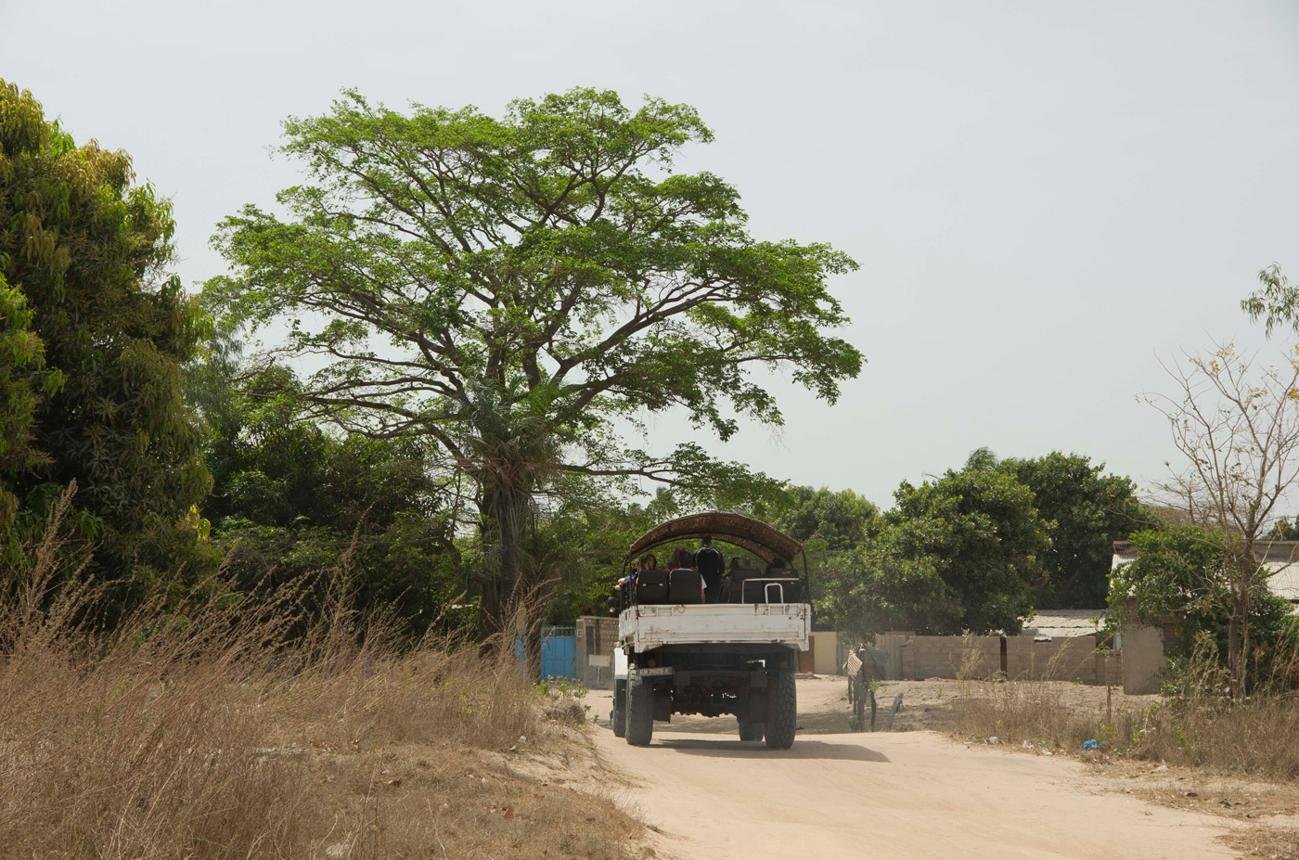
5. Eastern Gambia Route
7
The least-visited region of the country.
Highlights:
- traditional villages
- rural landscapes
- local culture
- authentic travel experiences
Ideal for travelers wanting to see beyond the coastal tourism areas.
Borders & Entry Points
The Gambia is almost entirely surrounded by:
- Senegal
Senegal
The only practical overland connection.
Multiple border crossings exist along both sides of the country.
Most overlanders enter from Senegal and continue back into Senegal after exploring The Gambia.
Vehicle Entry Requirements
Usually required:
- passport
- vehicle registration
- insurance
- temporary vehicle import permit
- driver’s license
Border procedures are generally straightforward.
ECOWAS insurance is useful for regional travel.
Driving Conditions
Driving is easier than in many West African countries.
Easy:
- coastal roads
- major highways
- tourism areas
Moderate:
- rural roads
- ferry crossings
More difficult:
- rainy-season roads
- remote village tracks
Traffic is relatively light outside urban areas.
Fuel & Logistics
Good throughout the country.
Advantages:
- fuel stations in major towns
- mechanics available
- mobile coverage
- supermarkets in urban areas
The country’s small size makes logistics simple.
Camping & Accommodation
Wild Camping
Possible in some rural areas with local permission.
Riverbanks and remote beaches can provide excellent overnight stops.
Always ask locally when possible.
Campsites
Limited but improving.
Popular options include:
- beach camps
- eco-lodges
- river camps
- wildlife lodges
Budget Accommodation
Widely available.
Options include:
- guesthouses
- backpacker lodges
- hotels
- beach resorts
Generally affordable.
Safety & Risks
The Gambia is one of West Africa’s safer destinations.
Main concerns:
- petty theft
- road conditions during heavy rain
- ferry delays
- livestock on roads
Most overlanders experience very few problems.
Best Time to Visit
Ideal
November–April
Dry season.
Cooler temperatures.
Best wildlife viewing.
Rainy Season
June–October
Greener landscapes but more difficult road conditions.
Some tracks become muddy.
Sample 10-Day Itinerary
Days 1–2: Banjul
Days 3–4: Atlantic Coast and Kololi region
Days 5–6: Kunta Kinteh Island
Days 7–8: Janjanbureh
Days 9–10: Eastern Gambia and return west
FAQ
Is The Gambia good for overlanding?
Yes. It is one of the easiest and friendliest countries in West Africa.
Need a 4×4?
No, not for most routes.
Can you wild camp?
Yes, in some rural areas with permission.
Good for campervans?
Yes, particularly along the river and coast.
Best highlight?
The Gambia River and Kunta Kinteh Island.
Related Pages
- Backpacking The Gambia
- RV Travel The Gambia
- Banjul
- Janjanbureh
- Kunta Kinteh Island
- Kiang West National Park
- Gambia River Guide
- Senegal Overlanding Guide
- West Africa Overlanding Guide
- The Gambia Campsites Guide
- Getting around
- Further Reading