Atlantic Coast, Wildlife, Colonial Heritage & West African Road Trips
6
Senegal Travel Guide
Senegal is often considered one of the easiest and most rewarding countries to explore in West Africa. Combining Atlantic beaches, vibrant cities, colonial architecture, wildlife reserves, UNESCO World Heritage Sites, and welcoming hospitality, it offers an excellent introduction to the region for independent travelers. Whether you’re interested in overlanding across Africa, backpacking on a budget, or touring by campervan, Senegal provides a relatively well-developed infrastructure and a diverse range of attractions.
Located at Africa’s westernmost point, Senegal borders Mauritania, Mali, Guinea, Guinea-Bissau, and The Gambia, making it a strategic gateway for travelers exploring West Africa. The country stretches from the Atlantic coastline through fertile river valleys to the semi-arid Sahel, offering landscapes that range from mangrove forests and tropical beaches to savannahs and deserts.
Senegal has long been a favorite destination among overlanders driving from Europe into Africa. The country’s reliable road network, peaceful atmosphere, and welcoming culture make it one of the continent’s classic starting points for trans-African journeys. Backpackers appreciate affordable accommodation, lively markets, excellent public transport, and vibrant music, while RV travelers enjoy scenic coastal drives and numerous opportunities for camping.
Unlike many neighboring countries, Senegal has developed a stable tourism industry with national parks, eco-lodges, beach resorts, and historical sites. Visitors can spend weeks exploring colonial towns, bird sanctuaries, fishing villages, bustling cities, and remote nature reserves.
Whether you’re planning a two-week holiday or a months-long overland expedition through West Africa, Senegal deserves a prominent place on your itinerary.
Quick Facts
| Item | Information |
|---|---|
| Capital | Dakar |
| Currency | West African CFA Franc (XOF) |
| Official Language | French |
| Widely Spoken | Wolof, Pulaar, Serer, Jola and others |
| Population | Approximately 19 million |
| Time Zone | UTC±0 |
| Driving | Right-hand side |
| Country Code | +221 |
Why Visit Senegal?
Senegal offers one of West Africa’s richest combinations of culture, history, wildlife, and outdoor adventure.
Highlights include:
- Atlantic beaches
- UNESCO World Heritage Sites
- Colonial architecture
- Vibrant music and festivals
- Excellent birdwatching
- National parks
- Friendly local culture
- Reliable road network
- Easy independent travel
- Excellent overlanding gateway
- Fresh seafood and outstanding cuisine
For many travelers, Senegal represents the perfect balance between accessibility and authentic African experiences.
Best Places to Visit
6
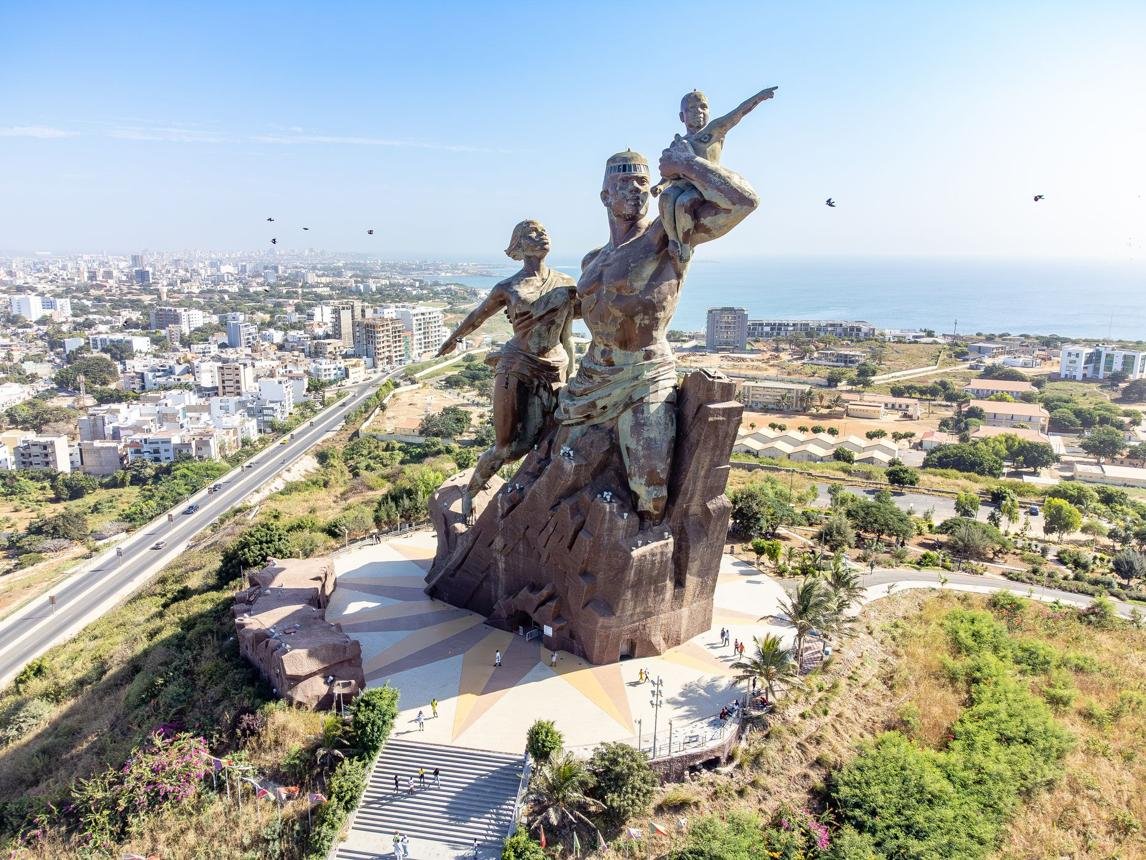
Dakar
Senegal’s energetic capital sits on the Cape Verde Peninsula and serves as the country’s cultural, political, and economic center.
Highlights include:
- African Renaissance Monument
- IFAN Museum
- Soumbédioune Market
- Corniche coastline
- Surf beaches
- Vibrant nightlife
- Seafood restaurants
Dakar also serves as the primary arrival point for international visitors.
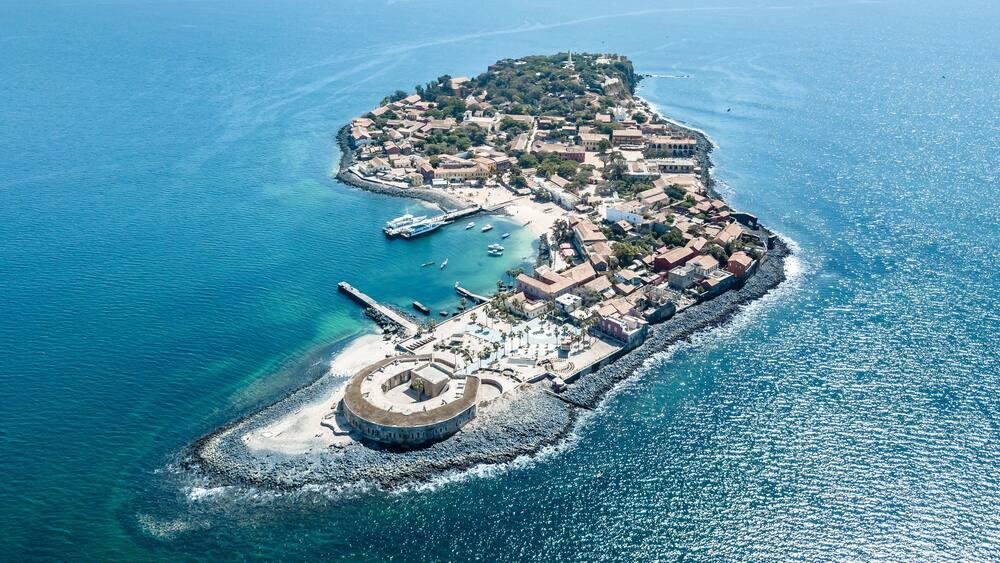
Gorée Island
Located just offshore from Dakar, Gorée Island is one of Africa’s most important historical sites.
Visitors explore:
- House of Slaves
- Colonial architecture
- Museums
- Quiet streets
- Atlantic views
Its history reflects the transatlantic slave trade and makes it one of Senegal’s most visited attractions.
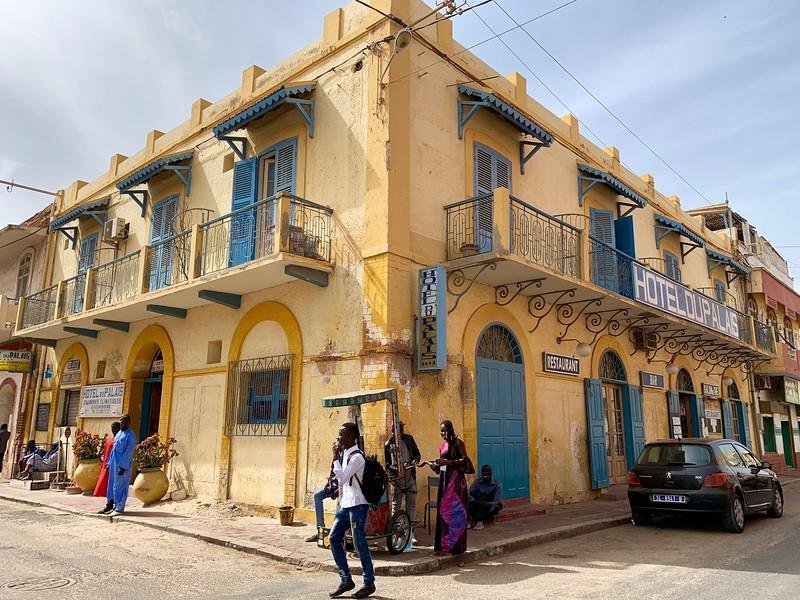
Saint-Louis
Formerly the capital of French West Africa, Saint-Louis combines elegant colonial buildings with a relaxed riverside atmosphere.
Major attractions include:
- Historic center
- Faidherbe Bridge
- Colorful fishing boats
- Art galleries
- Jazz Festival
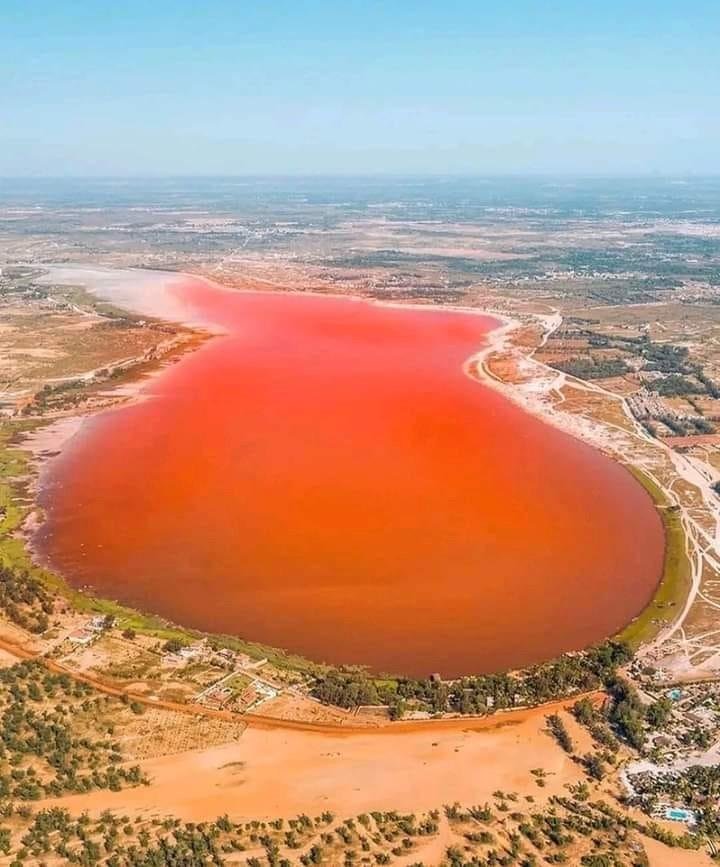
Lac Retba (Pink Lake)
Although the lake’s color varies depending on seasonal conditions, Lac Retba remains one of Senegal’s best-known natural attractions.
Visitors enjoy:
- Salt harvesting
- Boat trips
- Photography
- Off-road driving
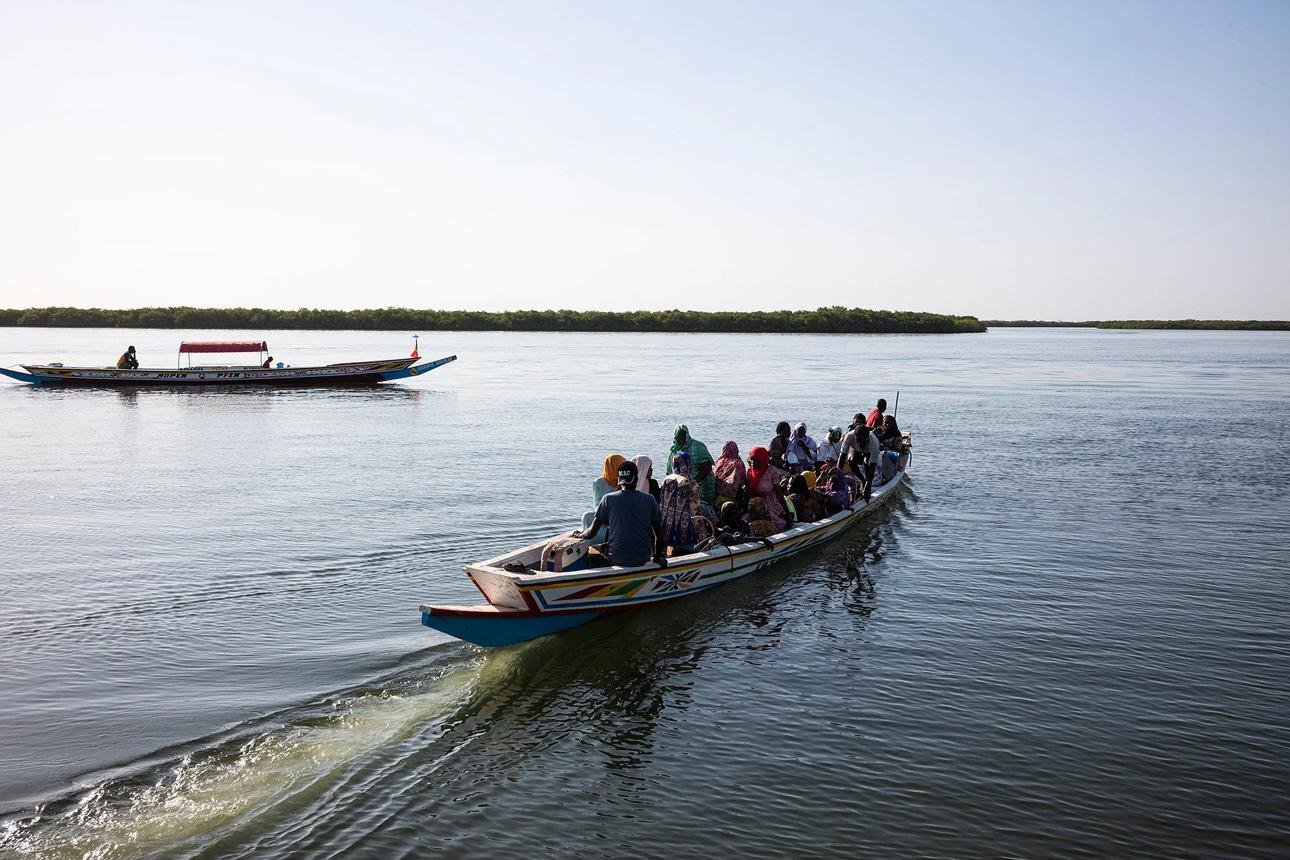
Sine-Saloum Delta
This UNESCO Biosphere Reserve consists of mangrove forests, islands, rivers, and traditional fishing villages.
Popular activities include:
- Canoeing
- Birdwatching
- Wildlife viewing
- Village visits
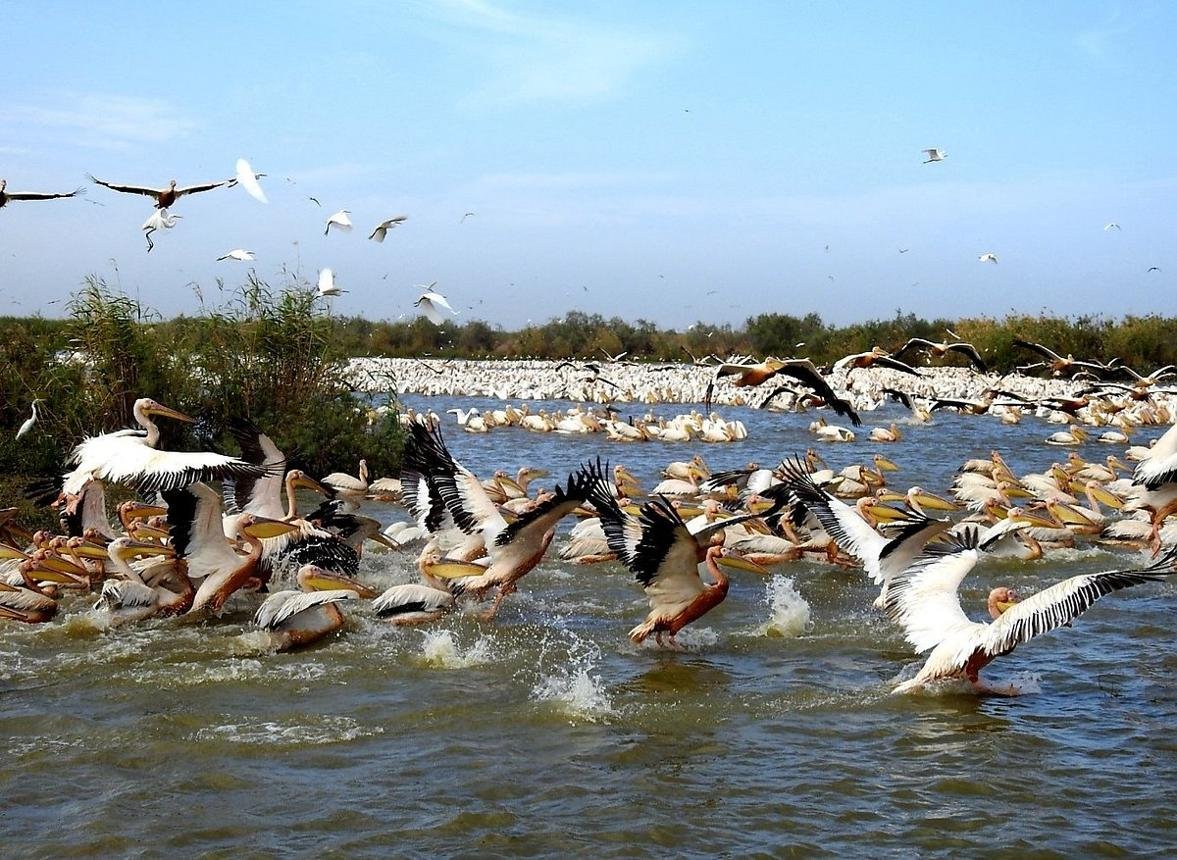
Djoudj National Bird Sanctuary
One of Africa’s premier birdwatching destinations.
Wildlife includes:
- Pelicans
- Flamingos
- Herons
- Cormorants
- Crocodiles
Thousands of migratory birds arrive during the northern winter.
Niokolo-Koba National Park
Senegal’s largest national park protects:
- Lions
- Leopards
- Buffalo
- Antelope
- Chimpanzees
- Hundreds of bird species
Casamance
Separated from northern Senegal by The Gambia, Casamance offers:
- Tropical forests
- Quiet beaches
- Rice fields
- Traditional villages
- Eco-tourism
Best Time to Visit
Senegal enjoys a tropical climate with distinct dry and wet seasons.
| Season | Conditions |
|---|---|
| November – April | Dry season, ideal for travel |
| May | Increasing temperatures |
| June – October | Rainy season |
The cooler months between December and February offer the most comfortable conditions for road trips, hiking, and sightseeing.
Regions of Senegal
Dakar Region
Modern city life, beaches, museums, and cultural attractions.
Northern Senegal
Home to:
- Saint-Louis
- Djoudj National Park
- Senegal River
Central Senegal
Includes:
- Sine-Saloum Delta
- Agricultural landscapes
- Traditional villages
Eastern Senegal
Features:
- Niokolo-Koba National Park
- Savannah
- Remote wilderness
Casamance
Known for:
- Tropical scenery
- Beaches
- Forests
- Relaxed atmosphere
Suggested Road Trips & Itineraries
7-Day Senegal Highlights
- Dakar
- Gorée Island
- Pink Lake
- Saint-Louis
Perfect for first-time visitors.
10-Day Nature & Culture Tour
Continue with:
- Djoudj National Park
- Sine-Saloum Delta
Two-Week Senegal Explorer
Include:
- Dakar
- Saint-Louis
- Djoudj
- Sine-Saloum
- Casamance
Three-Week Grand Senegal Journey
Travel through:
- Atlantic coast
- National parks
- Casamance
- Eastern Senegal
- Traditional villages
Ideal for independent travelers with their own vehicle.
Overlanding in Senegal
6
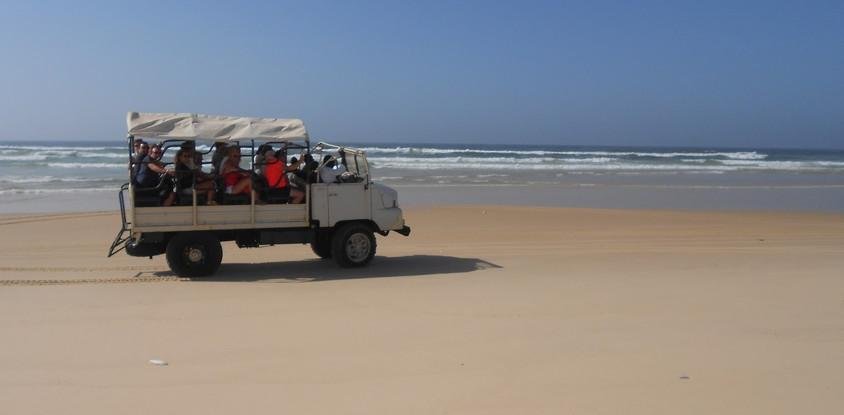
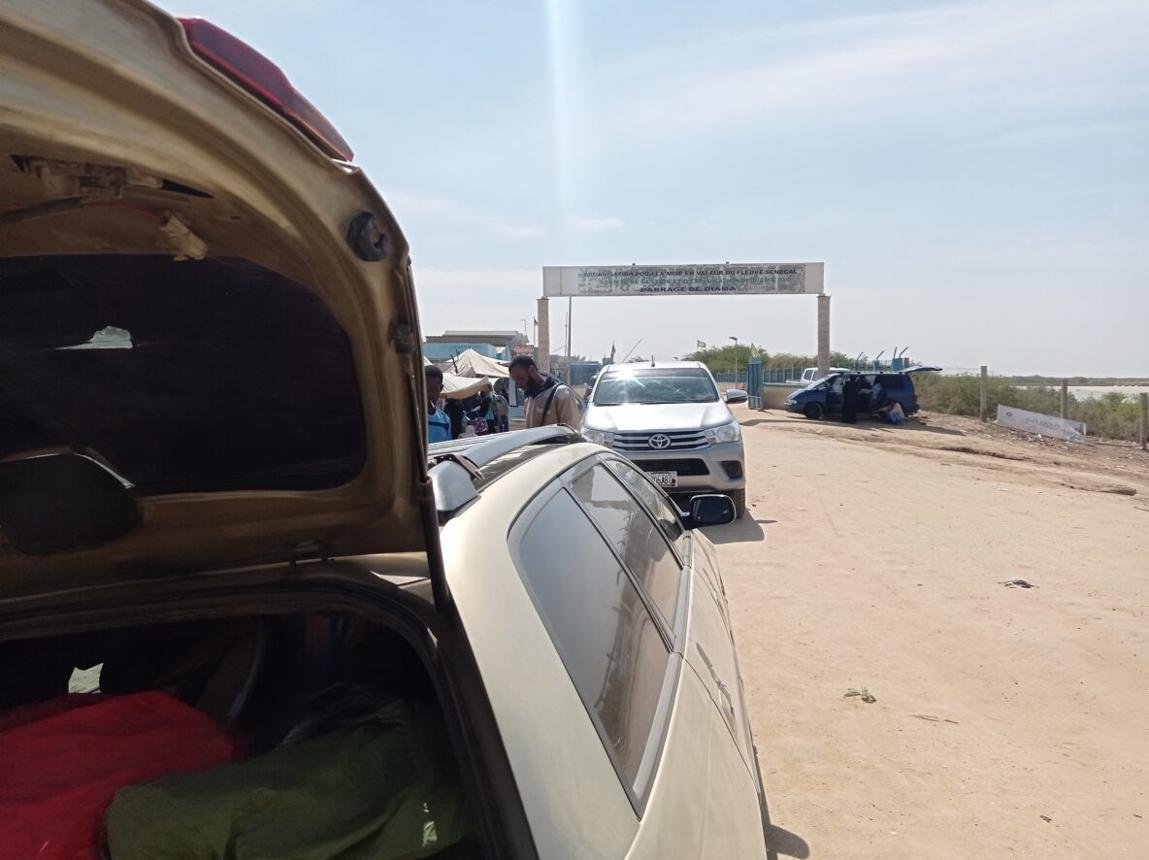
Senegal is one of Africa’s most popular overlanding destinations and frequently serves as the starting or finishing point for trans-African expeditions.
Why Overlanders Choose Senegal
Advantages include:
- Good paved highways
- Friendly local communities
- Reliable fuel availability
- Excellent camping
- Atlantic coastline
- Straightforward logistics
- Easy border connections
The country is especially popular among travelers entering West Africa from Morocco and Mauritania.
Classic Overland Routes
Mauritania Border – Saint-Louis
The northern gateway into Senegal via either the Diama Dam crossing or Rosso.
Saint-Louis – Dakar
Following the Atlantic coast through fishing villages and beaches.
Dakar – Sine-Saloum
A scenic drive combining coastal landscapes and mangrove forests.
Dakar – Tambacounda – Niokolo-Koba
The principal eastbound route toward Mali or Guinea.
Casamance Circuit
Exploring southern Senegal before continuing into Guinea-Bissau.
Road Conditions
Most national highways are paved and generally maintained to a good standard.
Travelers will also encounter:
- Rural paved roads
- Gravel tracks
- Sandy coastal roads
- Seasonal flooding in some areas
Fuel & Services
Fuel stations are common along major highways, and vehicle repair workshops can be found in larger towns. This makes Senegal one of the easiest countries in West Africa for self-drive travel.
Continue Planning
Future supporting articles:
- Overlanding Senegal
- West Africa Overland Route
- Senegal Border Crossings
- Driving Across Senegal
- Vehicle Preparation for West Africa
Backpacking in Senegal
Senegal is one of West Africa’s best destinations for independent backpackers.
Budget Accommodation
Options include:
- Hostels
- Guesthouses
- Auberges
- Beach lodges
- Budget hotels
Accommodation is available throughout the country, particularly in Dakar, Saint-Louis, and Casamance.
Transportation
Backpackers can travel using:
- Long-distance buses
- Sept-place shared taxis
- Minibuses
- Ferries
- Domestic flights
Public transport is affordable and connects most major destinations.
Backpacking Highlights
Popular experiences include:
- Gorée Island
- Dakar nightlife
- Atlantic beaches
- Wildlife safaris
- River cruises
- Local music
- Markets
- Seafood restaurants
Budget
Senegal is affordable compared to Europe, although slightly more expensive than some neighboring West African countries.
Continue Planning
Future guides:
- Backpacking Senegal
- Budget Travel in Senegal
- Dakar Backpacking Guide
- Casamance Backpacking
Camping
Camping opportunities are excellent throughout Senegal.
National Parks
Several parks offer:
- Designated campsites
- Eco-lodges
- Safari camps
Beach Camping
The Atlantic coast provides opportunities for camping at selected locations with permission.
Wild Camping
Wild camping is possible in some rural areas, although asking local permission is recommended.
Camping Tips
Carry:
- Mosquito protection
- Drinking water
- Shade equipment
- Reliable navigation
Continue Planning
Future supporting articles:
- Camping in Senegal
- Beach Camping Senegal
- National Park Camping
RV & Motorhome Travel
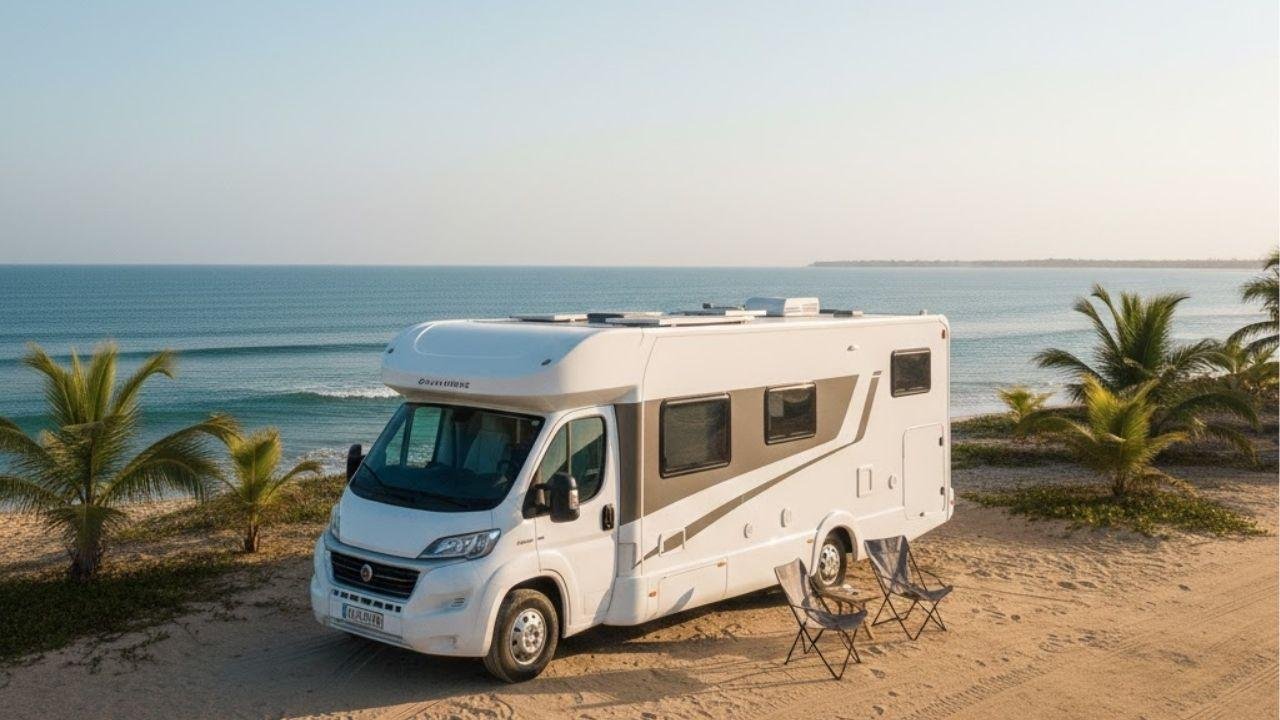
Senegal has become increasingly popular among European campervan travelers exploring West Africa.
Recommended RV Routes
Atlantic Coast Route
Saint-Louis → Dakar
Wildlife Route
Dakar → Tambacounda → Niokolo-Koba
Casamance Explorer
Southern beaches, forests, and villages.
Senegal Grand Tour
Combining coast, rivers, wildlife, and historic towns.
Practical Considerations
Motorhome travelers benefit from:
- Good fuel availability
- Wide selection of repair services
- Generally good roads
- Numerous overnight options
Although dedicated RV parks are limited, hotels, lodges, and camps often welcome self-contained vehicles.
Continue Planning
Supporting pages:
- Motorhome Travel in Senegal
- RV Routes in West Africa
- Driving a Camper Through Senegal
Driving in Senegal
Driving is generally straightforward.
Highway Network
Major paved roads connect:
- Dakar
- Saint-Louis
- Kaolack
- Tambacounda
- Ziguinchor
Driving Challenges
Travelers should prepare for:
- Livestock
- Speed bumps
- Urban congestion
- Seasonal flooding
- Motorcycles and carts in villages
Night driving is best avoided due to reduced visibility and unlit vehicles.
Border Crossings
Senegal shares borders with:
- Mauritania
- Mali
- Guinea
- Guinea-Bissau
- The Gambia
Popular overland crossings include:
- Diama Dam and Rosso from Mauritania
- Crossings into The Gambia along the Trans-Gambia Highway
- Eastern crossings toward Mali
- Southern crossings into Guinea and Guinea-Bissau
Border procedures are generally straightforward but can vary by crossing. Travelers with vehicles should ensure they have the required insurance, registration documents, and any temporary vehicle import paperwork.
Visa & Entry Requirements
Many visitors can enter Senegal without a visa for short stays, while others require a visa depending on nationality.
Travelers should ensure they have:
- A passport valid for at least six months
- Proof of onward travel if requested
- Accommodation details
- Vehicle documentation if driving
Entry requirements can change, so it is advisable to verify the latest information with official Senegalese authorities before departure.
Budget & Costs
Estimated daily travel expenses:
| Travel Style | Daily Budget |
|---|---|
| Backpacker | US$35–60 |
| Mid-range | US$80–150 |
| Comfortable | US$170+ |
| Overlander (excluding vehicle costs) | US$40–80 |
Fresh local food, shared transport, and guesthouses help keep travel costs relatively low.
Safety
Senegal is widely regarded as one of the more stable and welcoming destinations in West Africa.
Travelers should still:
- Stay informed about local conditions
- Protect valuables in crowded areas
- Exercise normal precautions after dark
- Monitor weather during the rainy season
- Check current advice before traveling near international borders
Medical facilities are best in Dakar, while rural areas have more limited healthcare services.
Food & Culture
Senegal is famous for its rich culinary traditions and vibrant cultural scene.
Popular dishes include:
- Thieboudienne (fish and rice)
- Yassa chicken
- Mafé (peanut stew)
- Grilled seafood
- Fresh tropical fruit
- Bissap juice
- Café Touba
Music plays a central role in Senegalese life. Traditional drumming, mbalax rhythms, and contemporary artists contribute to one of Africa’s most influential musical cultures.
Hospitality, known locally as teranga, is a defining characteristic of Senegalese society. Visitors are often welcomed warmly and encouraged to participate respectfully in local customs and traditions.
Frequently Asked Questions
Is Senegal safe for tourists?
Senegal is generally considered one of the safer destinations in West Africa for independent travelers. As with any destination, travelers should stay informed about local conditions and follow current official travel advice.
Can you overland through Senegal?
Yes. Senegal is one of Africa’s premier overlanding destinations and an important gateway to West Africa.
Is Senegal good for backpacking?
Absolutely. Reliable transport, affordable accommodation, friendly people, and diverse attractions make Senegal one of the region’s best backpacking destinations.
Can you travel by motorhome in Senegal?
Yes. Senegal’s paved road network, fuel availability, and welcoming accommodations make it well suited to campervan and RV travel.
What is Senegal famous for?
Senegal is renowned for:
- Dakar
- Gorée Island
- Saint-Louis
- Pink Lake (Lac Retba)
- Djoudj National Bird Sanctuary
- Sine-Saloum Delta
- Teranga hospitality
- Atlantic beaches
Continue Planning
Use this guide as your starting point for exploring Senegal. Continue with these in-depth resources:
- Overlanding in Senegal
- Backpacking Senegal
- Motorhome & RV Travel in Senegal
- Camping in Senegal
- Driving in Senegal
- Border Crossings in Senegal
- Senegal Visa Guide
- Dakar Travel Guide
- Saint-Louis Travel Guide
- Casamance Travel Guide
- Sine-Saloum Delta Guide
- Niokolo-Koba National Park Guide
- West Africa Overlanding Guide
- West Africa Backpacking Guide
- Overlanding in Senegal
- Transport in Senegal