Historic Cities, Vast Forests, Castles & Eastern European Landscapes
7
Belarus Travel Guide
Belarus is a country of broad forests, peaceful lakes, historic towns, impressive castles, and vast rural landscapes in the heart of Eastern Europe. Situated between Poland, Lithuania, Latvia, Russia, and Ukraine, Belarus occupies an important geographical position between Central and Eastern Europe.
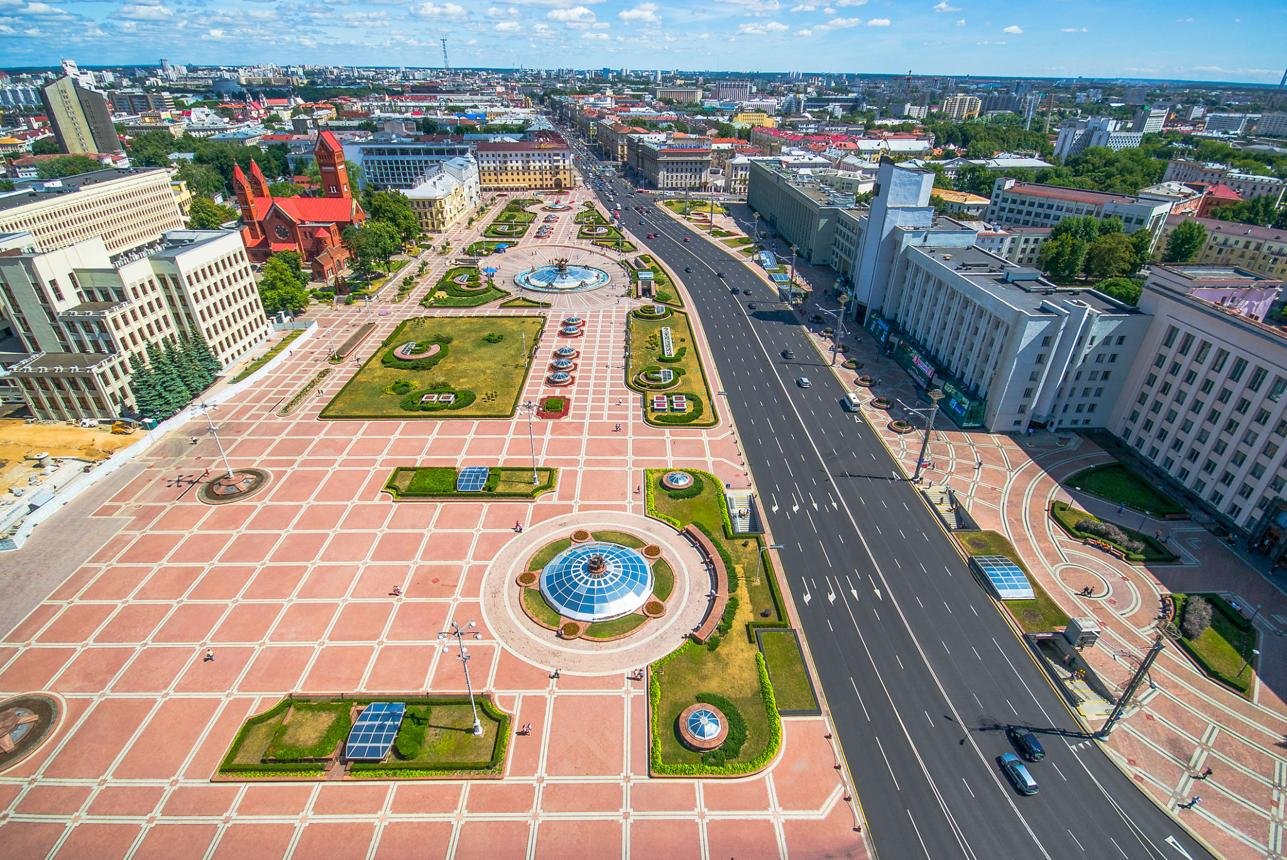
The country is particularly interesting for travelers who enjoy history, architecture, nature, and destinations that remain relatively unfamiliar to international tourism. Minsk, the capital, is characterized by broad avenues, monumental Soviet architecture, modern districts, parks, and museums, while outside the capital the landscape becomes much more rural, with forests, wetlands, farmland, and traditional villages.
Belarus has a complex history shaped by the Grand Duchy of Lithuania, the Polish-Lithuanian Commonwealth, the Russian Empire, the Soviet Union, and the Second World War. Historic castles and palaces survive alongside Soviet monuments and memorials, creating a distinctive architectural landscape.
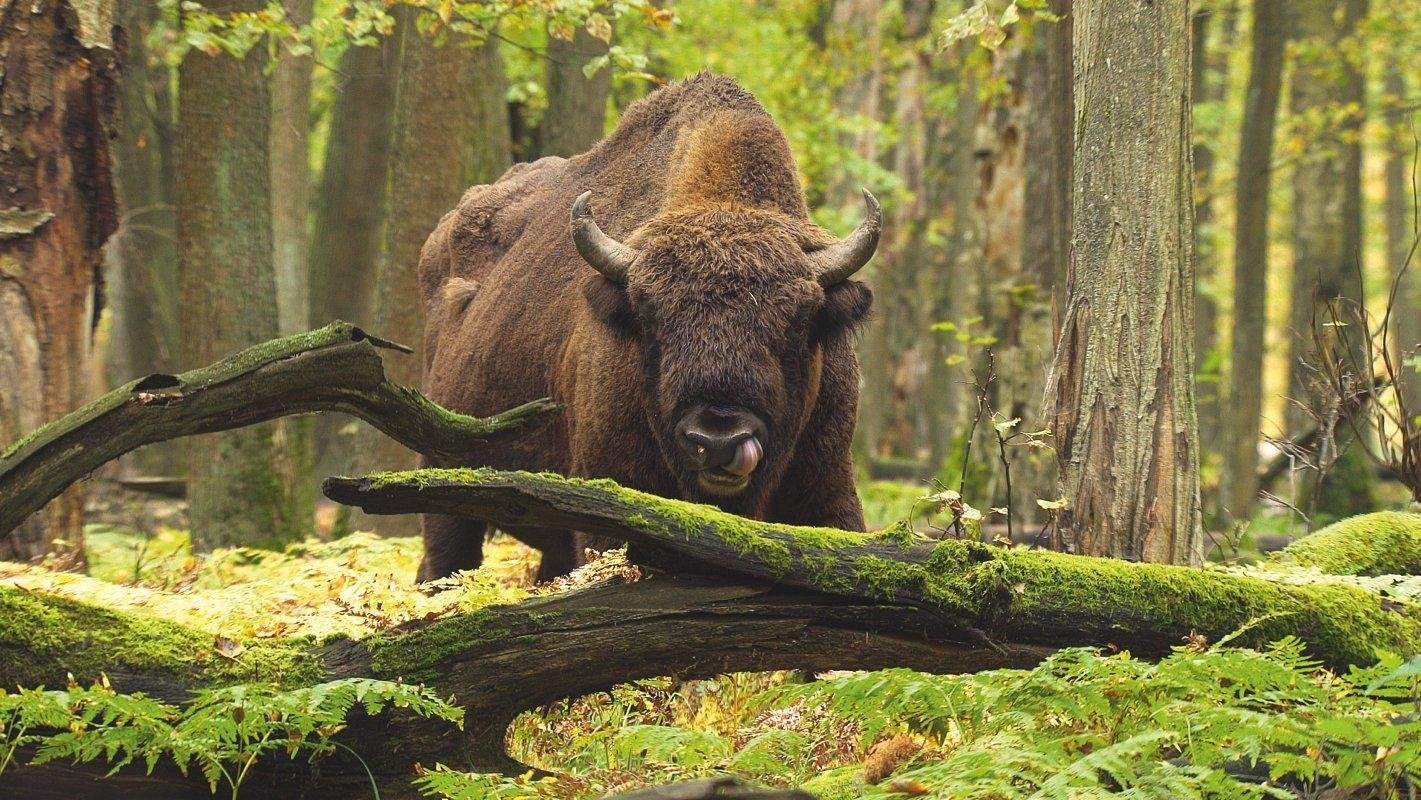
The country’s natural environment is one of its greatest attractions. Belarus contains extensive forests and wetlands, with Belovezhskaya Pushcha being the best-known protected area. This ancient forest is shared with Poland and is famous for its European bison. Other protected landscapes include the Braslav Lakes, Pripyat wetlands, and Naliboki Forest.
For road-trippers, Belarus offers long-distance highways, quiet rural roads, forests, lakes, and historic sites spread throughout the country. However, current political conditions, border restrictions, and travel advisories make careful research essential before planning a trip.
This guide covers the major destinations, nature, history, road travel, backpacking, camping, and practical considerations for visiting Belarus.
Quick Facts
| Item | Information |
|---|---|
| Capital | Minsk |
| Currency | Belarusian Ruble (BYN) |
| Official Languages | Belarusian and Russian |
| Population | Approximately 9 million |
| Time Zone | UTC+3 |
| Driving | Right-hand side |
| Country Code | +375 |
Why Visit Belarus?
Belarus offers a different side of Eastern Europe, with extensive forests and relatively open landscapes.
Highlights include:
- Minsk
- Mir Castle
- Nesvizh Palace
- Brest
- Belovezhskaya Pushcha
- Braslav Lakes
- Grodno
- Polotsk
- Pripyat National Park
- Soviet history
- European bison
- Rural landscapes
The country is particularly interesting for history enthusiasts, photographers, nature lovers, and experienced independent travelers.
Best Places to Visit
7
Minsk
The capital is the country’s principal cultural and transportation center.
Highlights include:
- Independence Square
- Independence Avenue
- National Library
- Victory Square
- Victory Park
- Upper Town
- Belarusian Great Patriotic War Museum
Minsk’s broad avenues and monumental architecture provide a fascinating insight into 20th-century Soviet urban planning.
Mir Castle
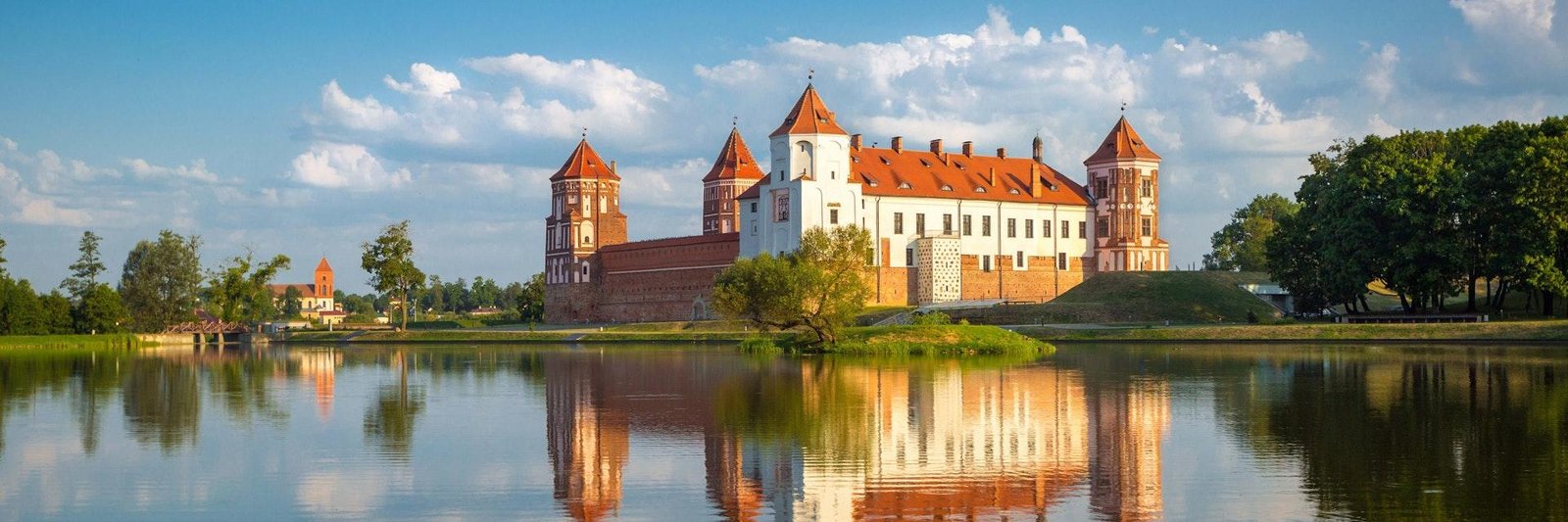
Mir Castle is one of Belarus’s most famous landmarks and a UNESCO World Heritage Site.
The fortified complex combines Gothic, Renaissance, and Baroque architectural elements.
Visitors can explore:
- Castle towers
- Courtyard
- Museum
- Park
- Historic interiors
Nesvizh
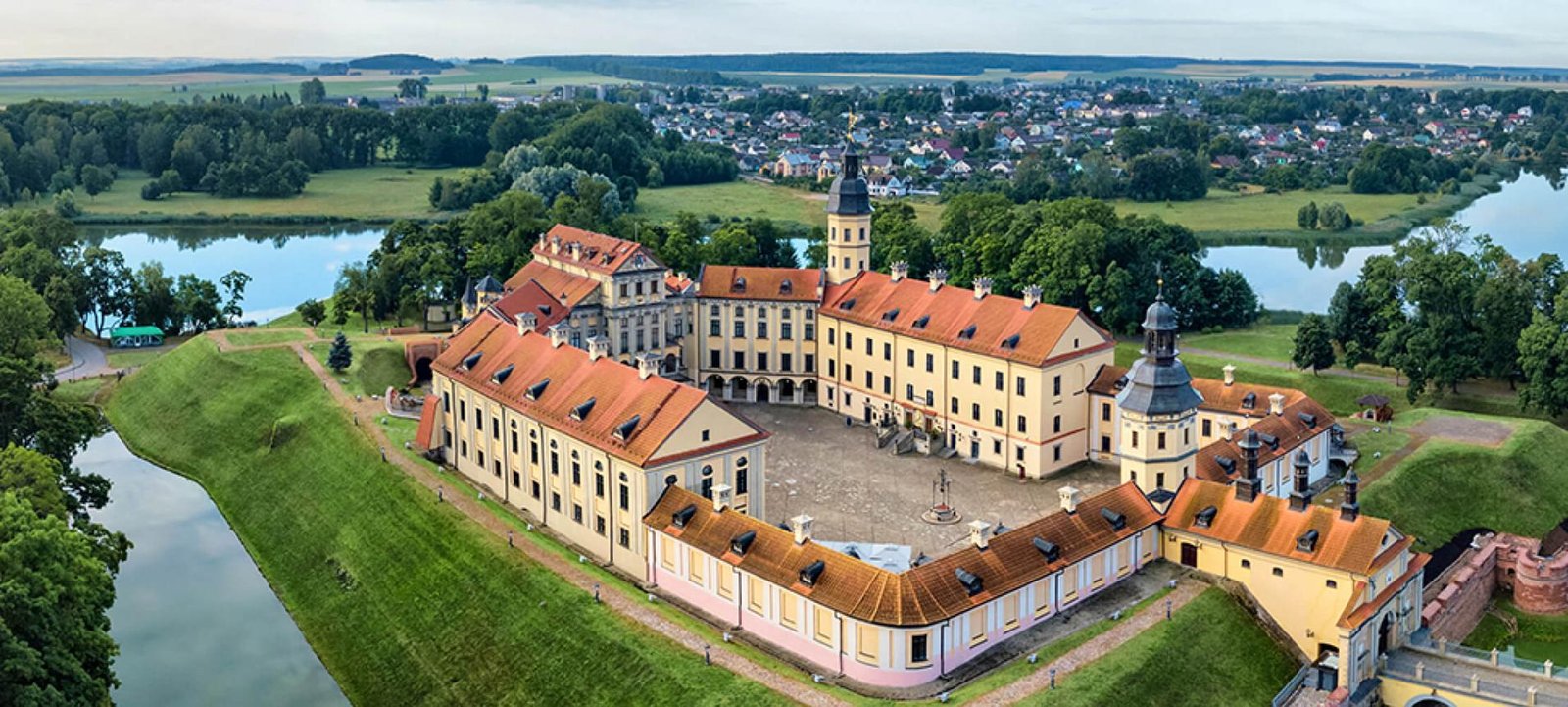
Nesvizh is home to the impressive Nesvizh Palace and Park complex, another UNESCO-listed site.
Highlights include:
- Palace
- Park
- Corpus Christi Church
- Historic town center
Brest
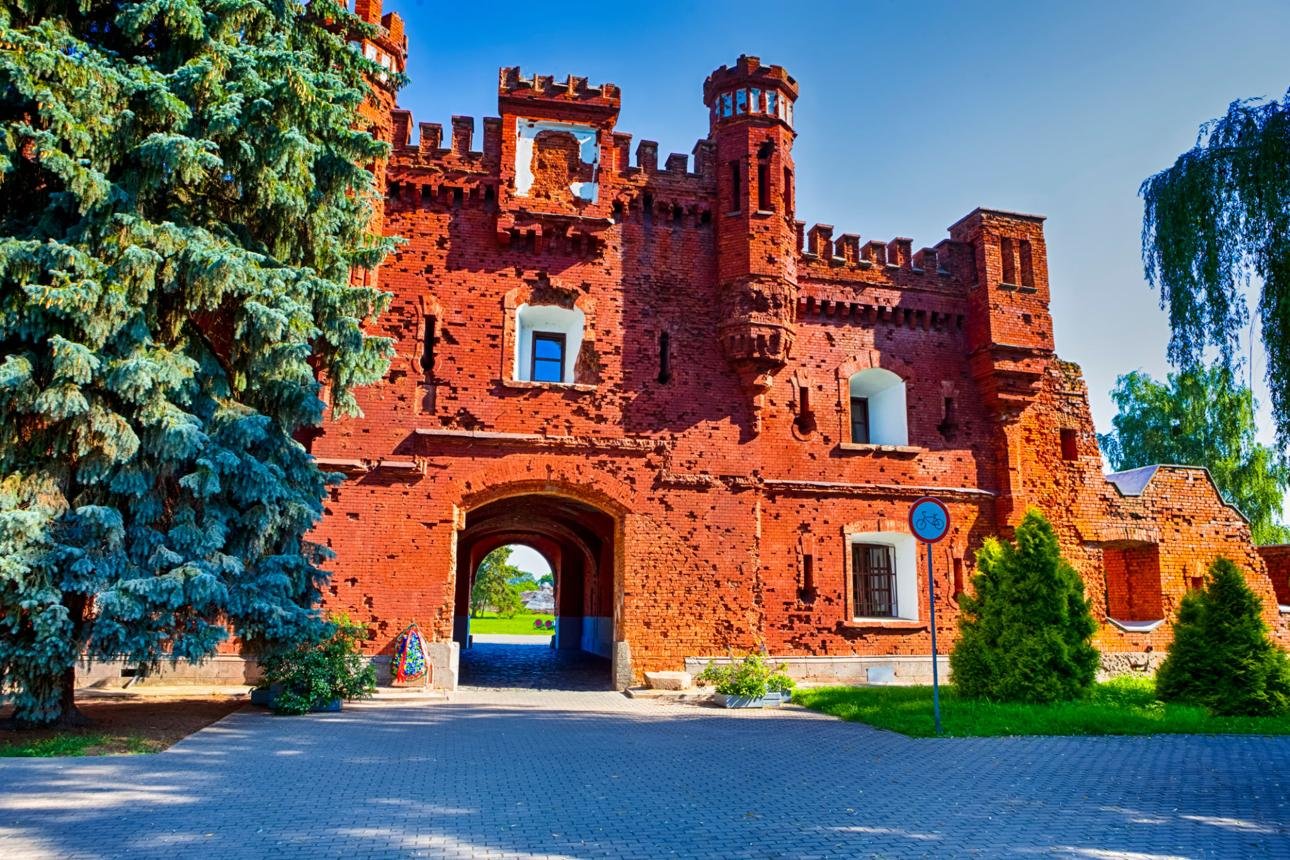
Located near the Polish border, Brest is best known for its enormous fortress complex.
The Brest Fortress became a major symbol of Soviet resistance during the Second World War.
Other attractions include:
- Fortress memorial
- Railway station
- Sovetskaya Street
- Bug River area
Grodno
Grodno is one of Belarus’s most historically European cities.
Highlights include:
- Old Castle
- New Castle
- Historic churches
- Old Town
- Neman River
Its architectural heritage reflects centuries of Polish-Lithuanian and Russian influence.
Polotsk
One of Belarus’s oldest cities and an important center of Belarusian history.
Visitors can explore:
- Saint Sophia Cathedral
- Historical monuments
- Museums
- Dvina River
Belovezhskaya Pushcha
One of Europe’s most famous ancient forests.
The protected forest is shared between Belarus and Poland and is famous for:
- European bison
- Ancient woodland
- Deer
- Wild boar
- Birdlife
- Cycling and hiking
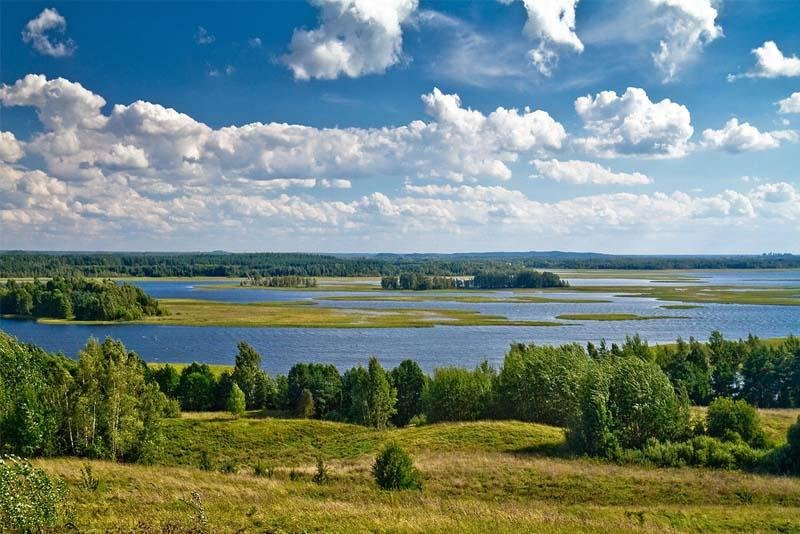
Braslav Lakes
A spectacular region of interconnected lakes in northern Belarus.
Popular activities include:
- Boating
- Fishing
- Hiking
- Cycling
- Camping
- Wildlife watching
Pripyat National Park
Located in the Polesie wetlands, the park protects an enormous network of floodplains, forests, rivers, and marshes.
It is particularly important for:
- Birdwatching
- Wildlife
- Fishing
- Boat trips
- Wetland landscapes
Best Time to Visit
Belarus has a continental climate with cold winters and warm summers.
| Season | Best For |
|---|---|
| May–June | Green landscapes and mild temperatures |
| July–August | Warm weather and outdoor activities |
| September | Autumn scenery |
| October | Fall colors |
| November–March | Winter landscapes |
Late spring and summer are generally the most comfortable periods for sightseeing and road trips.
Regions of Belarus
Minsk Region
Known for:
- Minsk
- Lakes
- Historic estates
- Central Belarus
Brest Region
Home to:
- Brest
- Belovezhskaya Pushcha
- Western borderlands
Grodno Region
Features:
- Grodno
- Castles
- Historic towns
- Neman River
Vitebsk Region
Known for:
- Braslav Lakes
- Vitebsk
- Forests
- Lakes
Gomel Region
Offers:
- Pripyat wetlands
- Rural landscapes
- Forests
Mogilev Region
Known for:
- Historic towns
- Dnieper River
- Countryside
Suggested Itineraries
5-Day Belarus Highlights
Day 1 – Minsk
Explore the historic center and major museums.
Day 2 – Mir & Nesvizh
Visit the two famous castle complexes.
Day 3 – Brest
Explore Brest Fortress.
Day 4 – Belovezhskaya Pushcha
Explore the ancient forest.
Day 5 – Return to Minsk
Allow time for additional sightseeing.
One-Week Belarus Road Trip
A classic route can include:
Minsk → Mir → Nesvizh → Brest → Belovezhskaya Pushcha → Grodno → Minsk
This combines the country’s most important historic and natural attractions.
Two-Week Explorer
With two weeks, add:
- Braslav Lakes
- Polotsk
- Vitebsk
- Additional national parks
- Rural villages
This allows a much slower journey through the country’s forests and historic regions.
Overlanding in Belarus
6
Belarus has historically been an interesting destination for European overlanders because of its relatively quiet roads, large forests, lakes, and extensive rural areas. However, current geopolitical conditions and border restrictions are an important consideration for anyone planning an overland journey.
Popular Road Trip Routes
Castles & Historic Towns
Minsk → Mir → Nesvizh → Brest → Grodno
Ideal for combining architecture and history.
Forest Route
Brest → Belovezhskaya Pushcha → Grodno
A good route for nature and wildlife.
Northern Lakes
Minsk → Braslav → Polotsk → Vitebsk
Combines lakes, forests, and historic cities.
Road Conditions
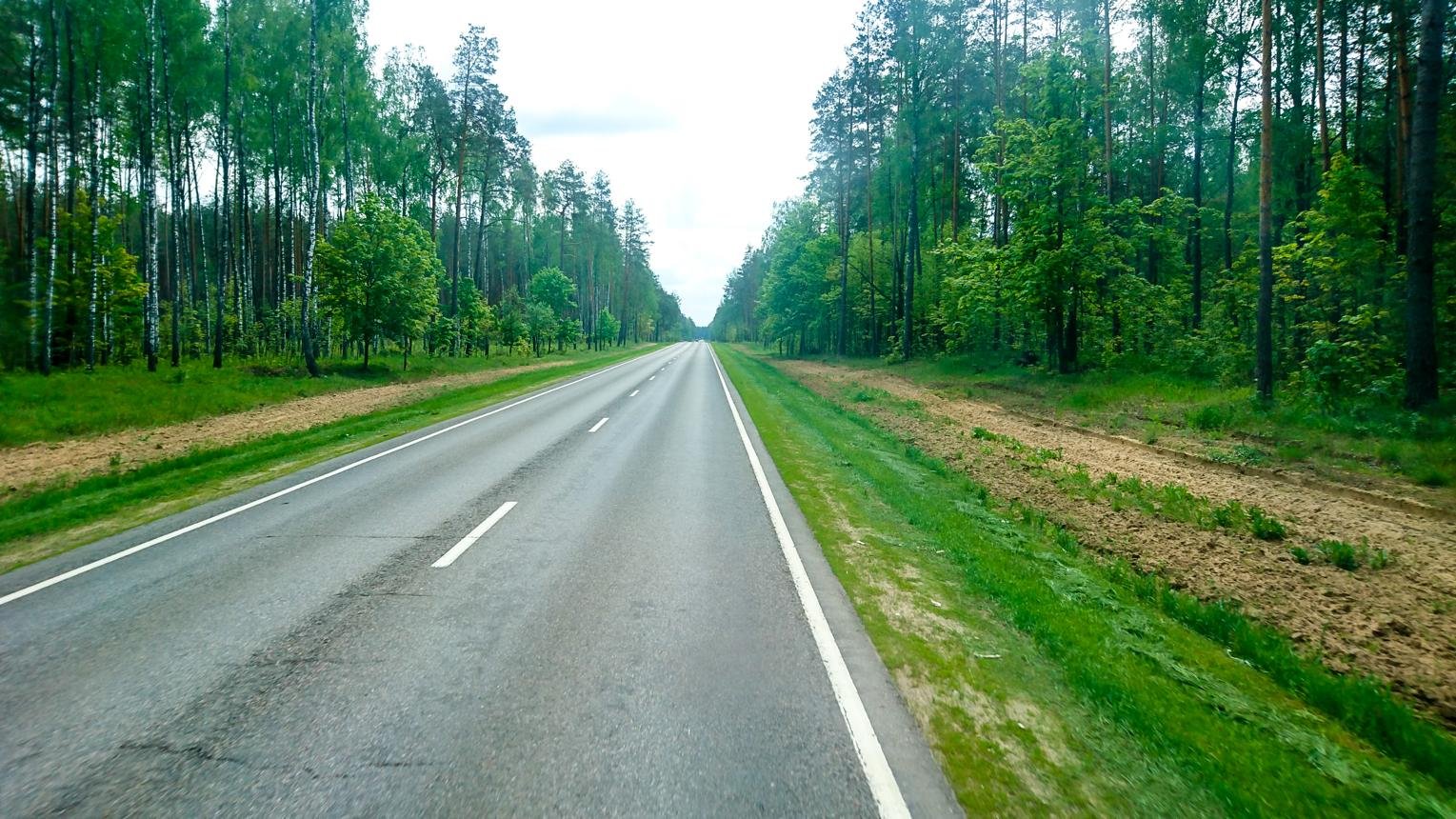
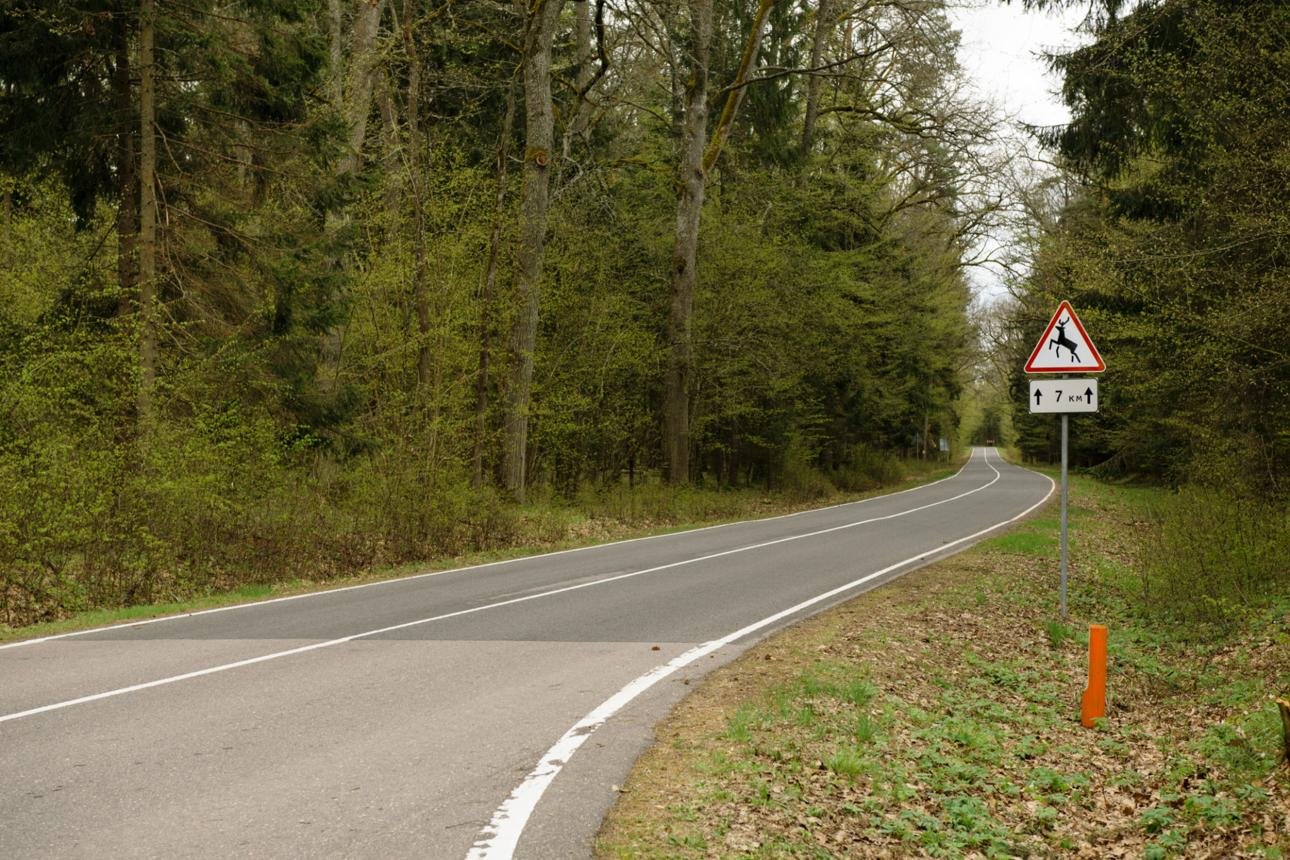
Major roads are generally well maintained, while rural roads can be narrower and less developed.
Expect:
- Long straight highways
- Forest roads
- Rural villages
- Gravel roads
- Limited services in remote areas
Backpacking in Belarus
Independent backpacking has historically been possible, although the current travel environment requires substantially more preparation than in many other European destinations.
Accommodation
Options include:
- Hotels
- Guesthouses
- Hostels
- Rural accommodation
Minsk and major regional cities offer the greatest choice.
Transportation
The country has traditionally had extensive:
- Railways
- Intercity buses
- Local buses
- Taxis
Rail travel is particularly useful between major cities.
Backpacking Highlights
- Minsk
- Brest
- Grodno
- Mir
- Nesvizh
- Braslav
- Polotsk
Camping
Belarus has extensive forests and lakes, but camping regulations depend on the location.
Campgrounds
Organized camping facilities can be found around recreational areas and national parks.
Wild Camping
Do not assume that wild camping is permitted simply because a landscape appears remote. Protected areas may have specific restrictions, and travelers should follow local regulations and obtain permission where required.
RV & Motorhome Travel
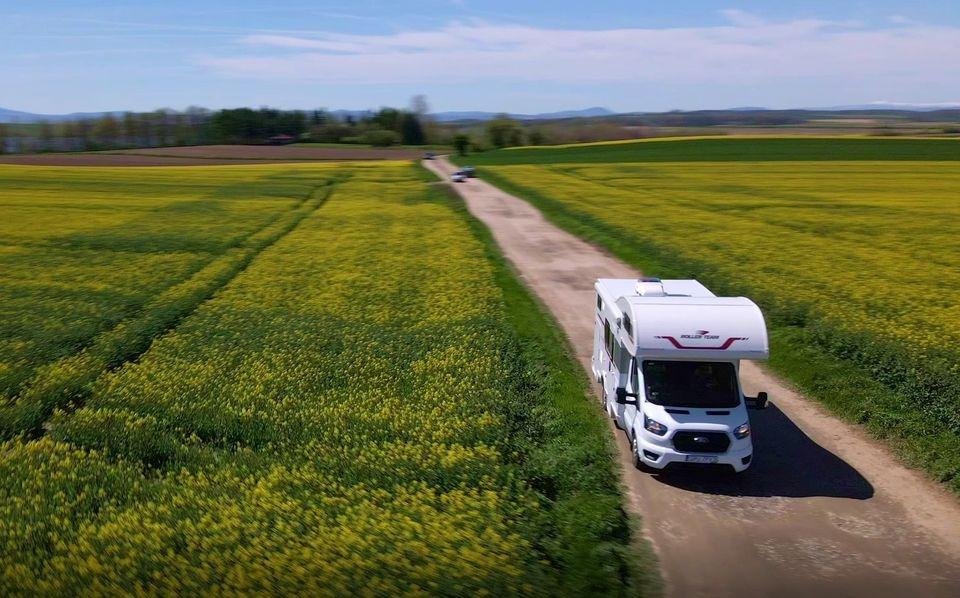
Belarus has historically been suitable for European motorhome travel, particularly for travelers exploring the countryside and national parks.
However, the practical difficulty of reaching Belarus by road has changed significantly because of international border restrictions.
Motorhome travelers should investigate:
- Open border crossings
- Vehicle insurance
- Entry requirements
- Road tolls
- Fuel availability
- Overnight parking regulations
These conditions can change, so information should be checked immediately before departure.
Driving in Belarus
Driving is on the right.
The country has a substantial road network connecting Minsk with regional cities and neighboring countries.
Things to Know
- Major highways can be excellent.
- Rural roads vary in quality.
- Distances between services can be considerable.
- Winter driving can be challenging.
- Carry the required vehicle documentation.
Border Crossings
Belarus shares land borders with:
- Poland
- Lithuania
- Latvia
- Russia
- Ukraine
Border availability and crossing procedures are subject to significant change. Some crossings may be restricted or closed, and travelers should check the latest information before beginning an international road trip.
For overlanders, border planning is particularly important because neighboring countries may impose restrictions affecting vehicles, passengers, or goods.
Visa & Entry Requirements
Entry rules for Belarus vary according to nationality and can change quickly.
Some travelers may qualify for visa-free entry under specific conditions, while others require a visa.
Before traveling, check:
- Current visa requirements
- Passport validity
- Approved entry points
- Insurance requirements
- Registration requirements
- Current border arrangements
Travelers should also consult their own government’s current travel advice because the political situation can affect both entry and onward travel.
Budget & Costs
Belarus has historically been relatively affordable compared with Western Europe.
| Travel Style | Approximate Daily Budget |
|---|---|
| Budget traveler | €30–60 |
| Mid-range | €70–130 |
| Comfortable | €180+ |
| Campervan/RV | €40–80 |
Actual costs can vary considerably depending on availability, payment methods, accommodation, and current economic conditions.
Food & Drink
Belarusian cuisine is based around hearty dishes suited to the country’s cold climate.
Popular foods include:
- Draniki
- Machanka
- Kletski
- Solyanka
- Borscht
- Pickled vegetables
- Rye bread
- Mushrooms
Potatoes feature prominently in traditional cuisine.
Regional restaurants and rural guesthouses often provide opportunities to sample traditional Belarusian dishes.
Nature & Wildlife
Belarus is one of Europe’s most heavily forested countries.
Wildlife includes:
- European bison
- Elk
- Red deer
- Wild boar
- Wolves
- Lynx
- Beavers
- Otters
- Numerous bird species
The country’s forests and wetlands are particularly important habitats for European wildlife.
History & Culture
Belarus has experienced repeated periods of political and cultural change.
Its history includes:
- Medieval Belarusian principalities
- Grand Duchy of Lithuania
- Polish-Lithuanian Commonwealth
- Russian Empire
- Soviet Union
- Second World War
- Independent Belarus
The Second World War had a devastating impact on the country, and numerous memorials, museums, and monuments commemorate the enormous human losses.
Soviet architecture remains particularly prominent in Minsk and other cities.
Safety & Practical Considerations
Belarus requires more preparation than most European destinations because of its current political and geopolitical circumstances.
Travelers should:
- Check current government travel advisories.
- Verify border conditions immediately before departure.
- Carry appropriate travel and vehicle documentation.
- Confirm that payment cards and banking arrangements will work.
- Avoid photographing sensitive government or military facilities.
- Follow local laws and regulations.
- Allow extra time for border procedures.
Conditions can change quickly, particularly for international travelers and overlanders.
Frequently Asked Questions
Is Belarus worth visiting?
Belarus has significant cultural, historical, and natural attractions, including Minsk, Mir Castle, Nesvizh, Belovezhskaya Pushcha, and the Braslav Lakes. However, travelers should carefully consider current political and border conditions before planning a visit.
Is Belarus safe for tourists?
Travel conditions are currently more complicated than in most European destinations. Travelers should consult current official travel advice and understand the legal, political, and border environment before visiting.
Is Belarus good for road trips?
The country’s extensive road network, forests, lakes, and historic sites make it geographically well suited to road trips. Current border restrictions and international travel conditions, however, are an important practical consideration.
Can you travel Belarus by campervan?
Historically, yes. Belarus has roads, campsites, and extensive countryside suitable for motorhomes. Current international access and border restrictions are the more significant issue for foreign motorhome travelers.
What are the best places to visit in Belarus?
Major attractions include:
- Minsk
- Mir Castle
- Nesvizh Palace
- Brest Fortress
- Belovezhskaya Pushcha
- Grodno
- Braslav Lakes
- Polotsk
- Pripyat National Park
How many days do you need in Belarus?
A week is enough to see Minsk, the major castles, Brest, and Belovezhskaya Pushcha. Two weeks allows travelers to explore the northern lakes, historic cities, and additional national parks.
What is Belarus famous for?
Belarus is best known for:
- Vast forests
- European bison
- Belovezhskaya Pushcha
- Mir Castle
- Nesvizh Palace
- Minsk’s Soviet architecture
- Brest Fortress
- Braslav Lakes
- Rich Eastern European history
- Traditional Belarusian culture