Quick Facts
Best time to visit: May–October
Difficulty: 1/5
Road conditions: Good paved coastal ring road, rough mining tracks inland
Visa situation: Visa required for most visitors
Why Overland Nauru?
Nauru is one of the most unusual “overlanding” destinations on Earth.
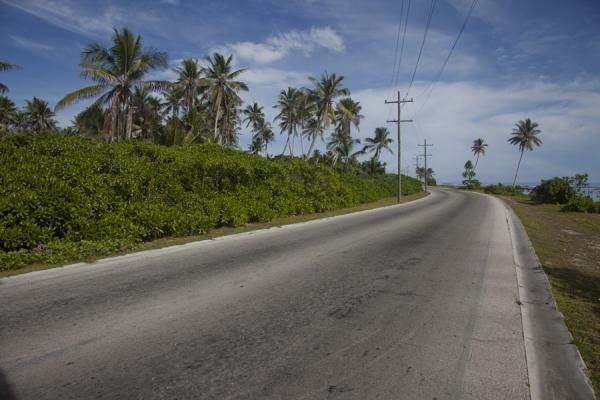
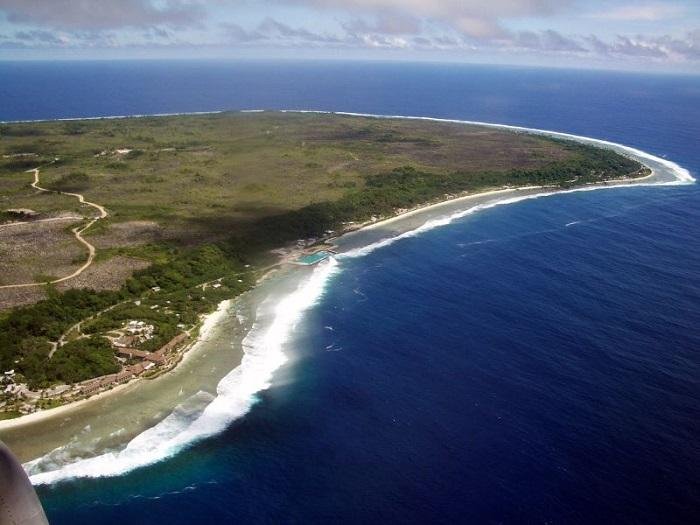
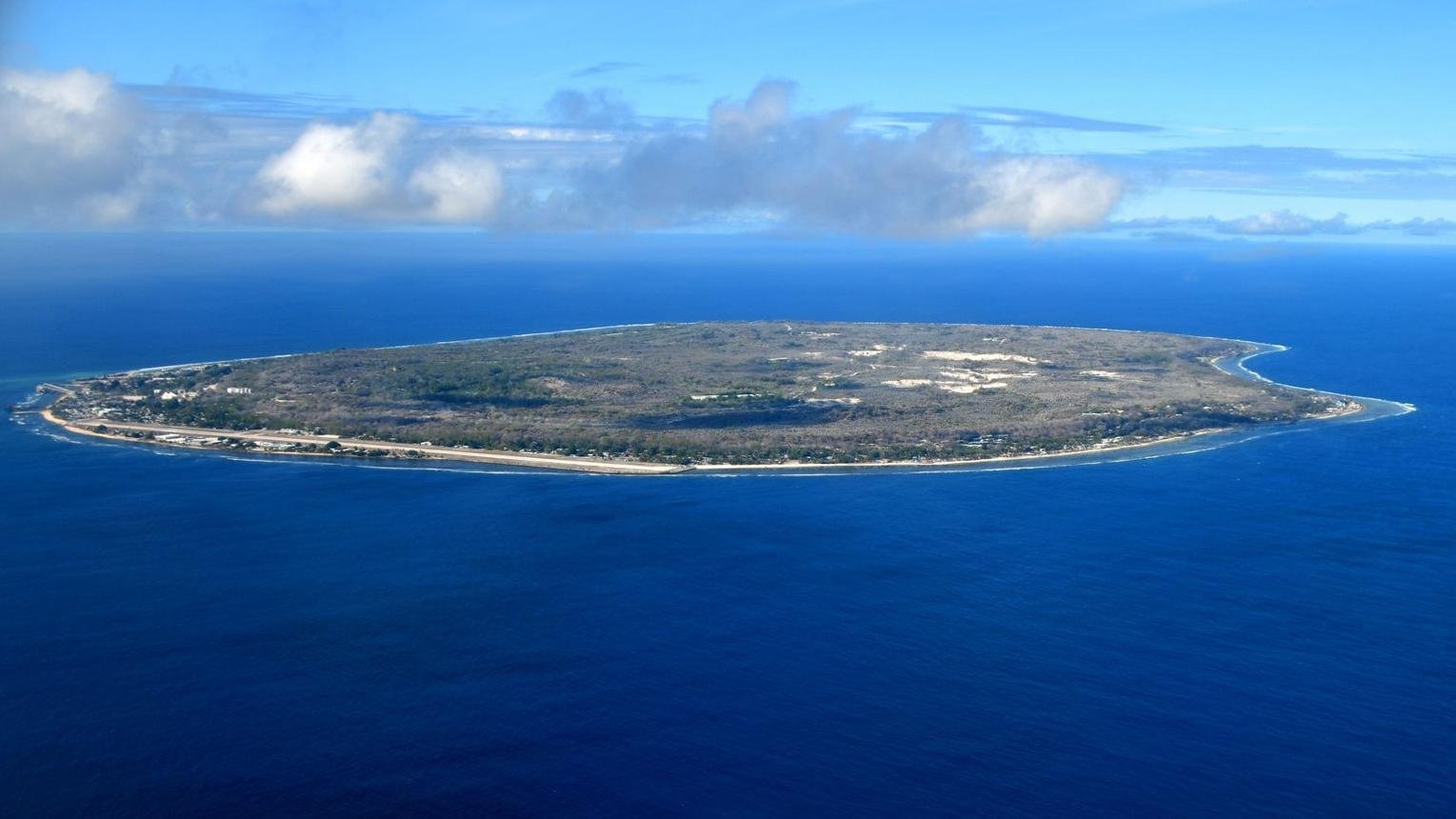
The entire country can be circled on a single road in less than an hour. The island’s paved coastal ring road is approximately 19 km long and loops around the entire nation.
While Nauru is far from a traditional overlanding destination, it offers a unique opportunity to explore an entire country in a single day while discovering one of the Pacific’s least-visited nations. Some travel sources note that only a few hundred tourists visit annually.
Why it stands out:
- one of the world’s least-visited countries
- complete island circuit road
- unique phosphate-mining landscapes
- remote Pacific location
- fascinating modern history
- easy self-drive exploration
- tropical coastline
- authentic local culture
Main Overlanding Routes
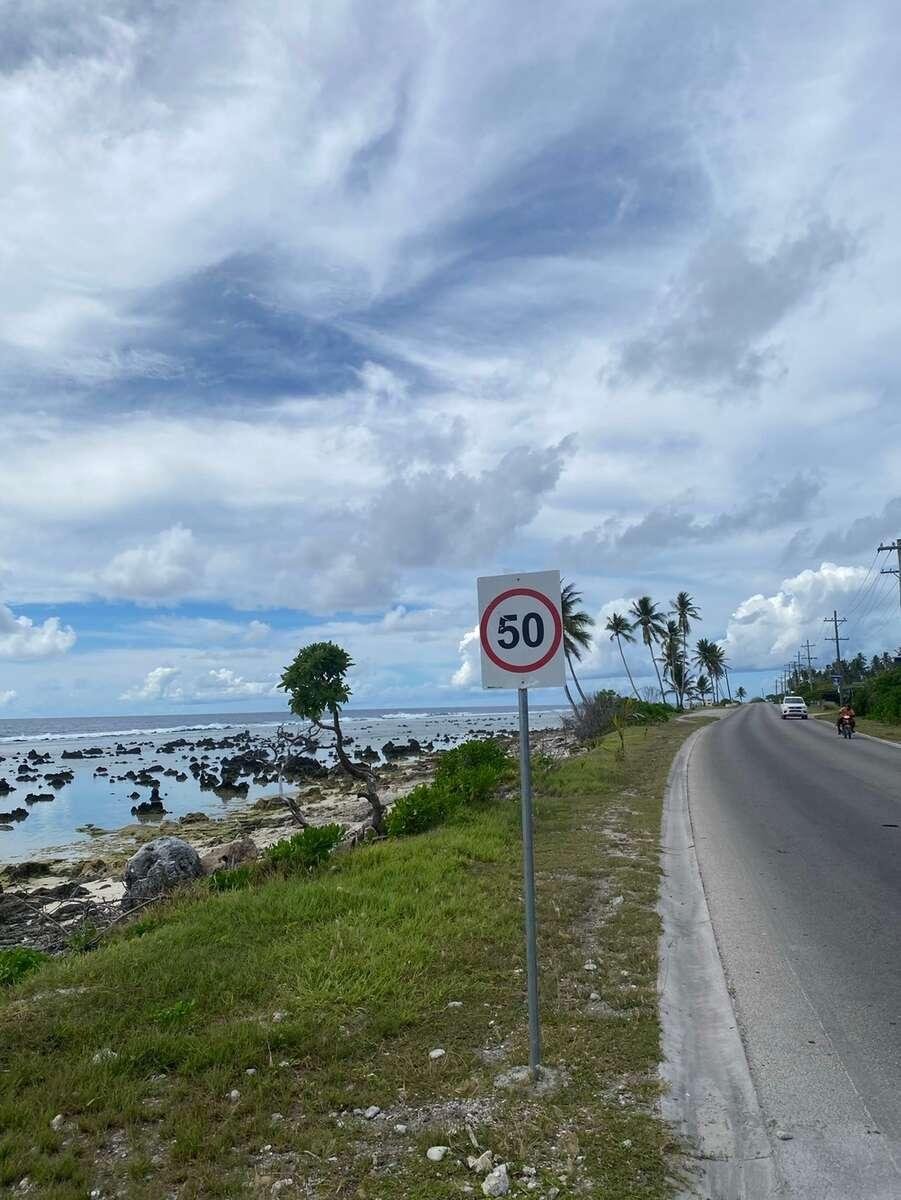
1. Island Ring Road Circuit
4
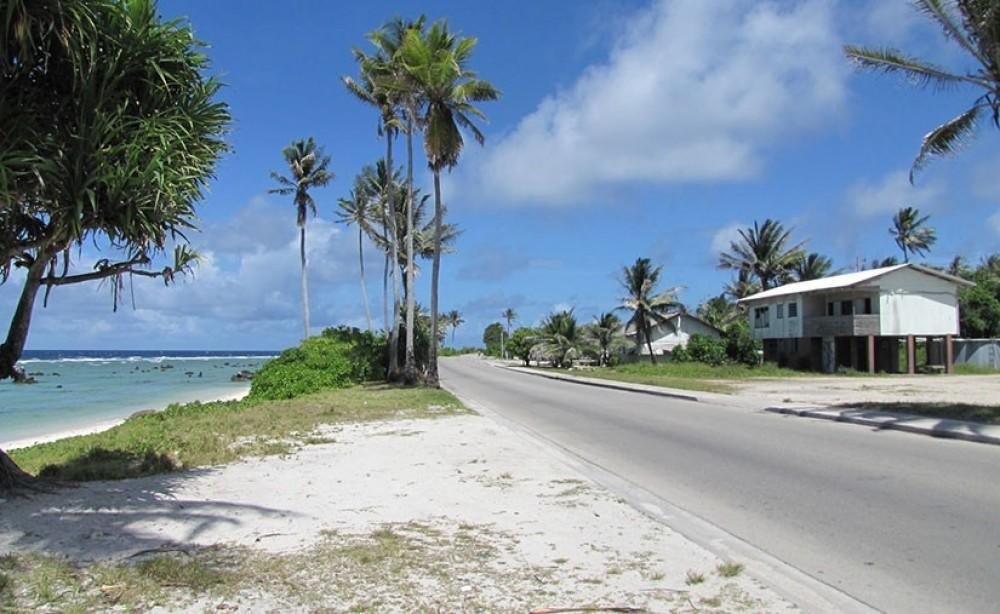
Route: Complete island circuit
Distance: approximately 19 km
Road type: paved coastal road
Fuel: available locally
The ultimate Nauru road trip.
Highlights:
- coastal scenery
- local villages
- ocean viewpoints
- airport crossing
The entire island can be driven in 20–30 minutes without stops.
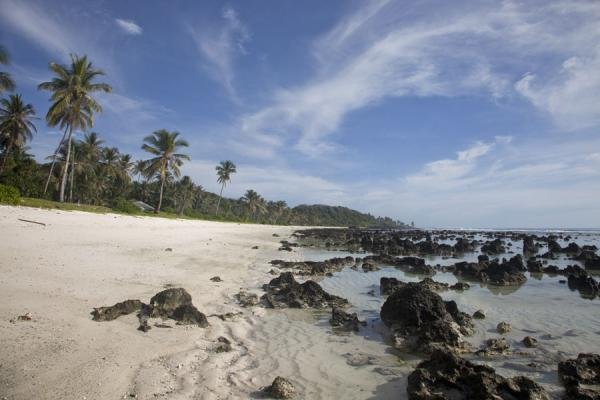
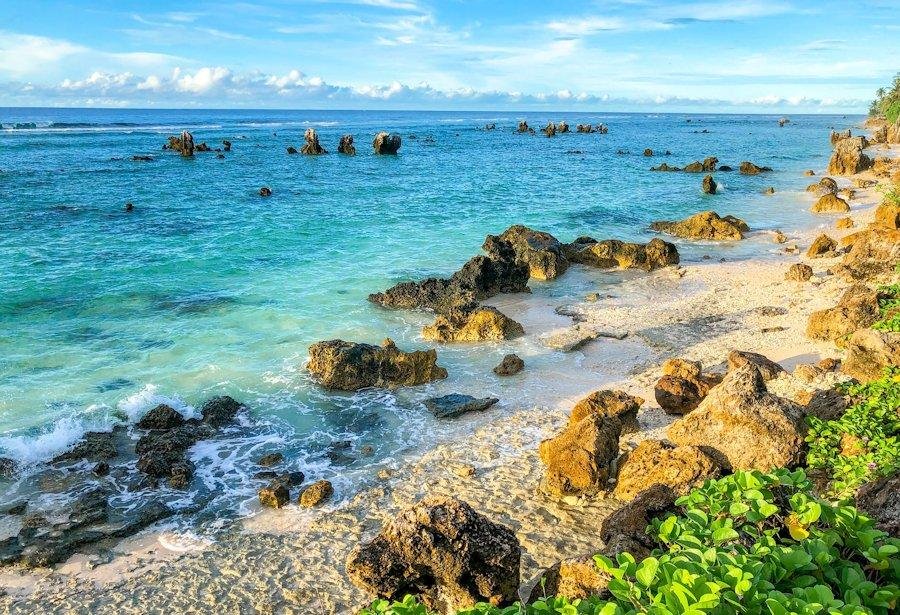
2. Anibare Bay Route
6
The island’s most scenic coastal section.
Highlights:
- beaches
- Pacific Ocean views
- fishing areas
- photography opportunities
Major attraction:
- Anibare Bay
Often considered the most beautiful part of Nauru.
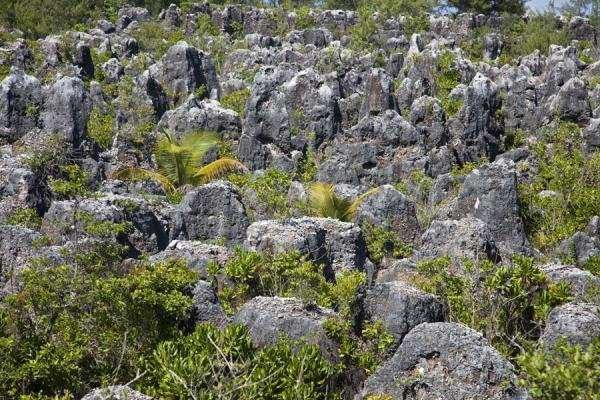
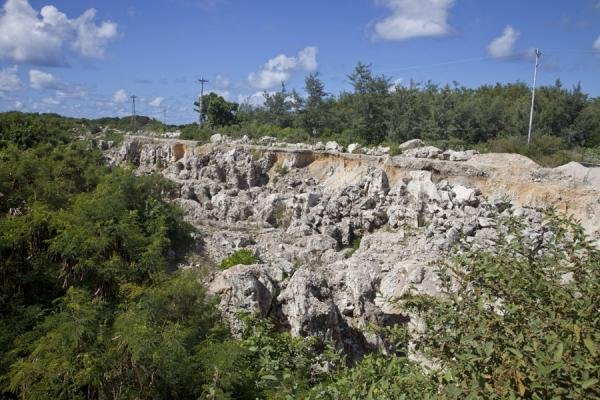
3. Topside Mining Route
8
The most unusual drive on the island.
Highlights:
- abandoned mining areas
- limestone pinnacles
- lunar-like landscapes
- industrial history
The mined interior of Nauru is one of the most distinctive landscapes in the Pacific.
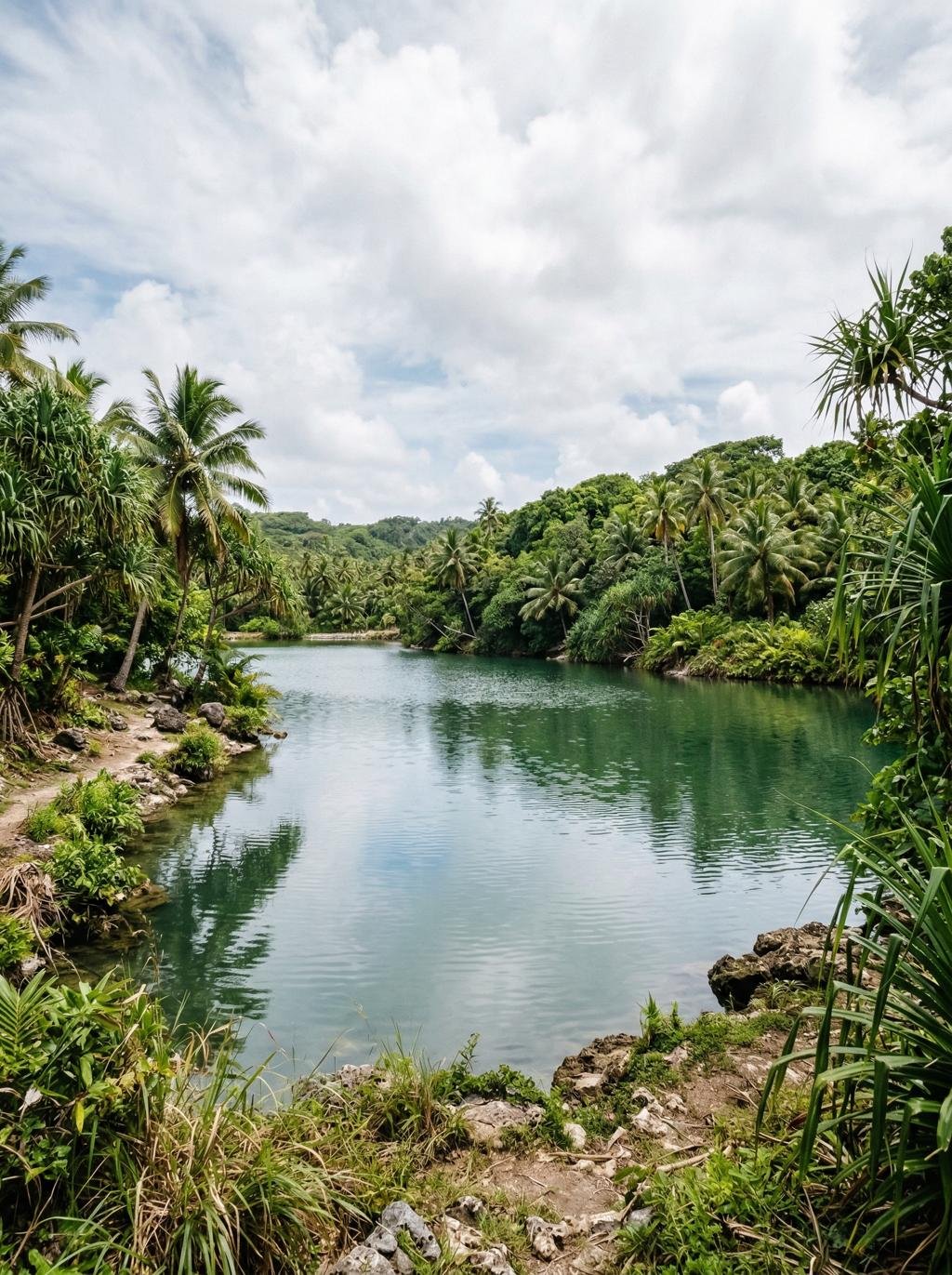
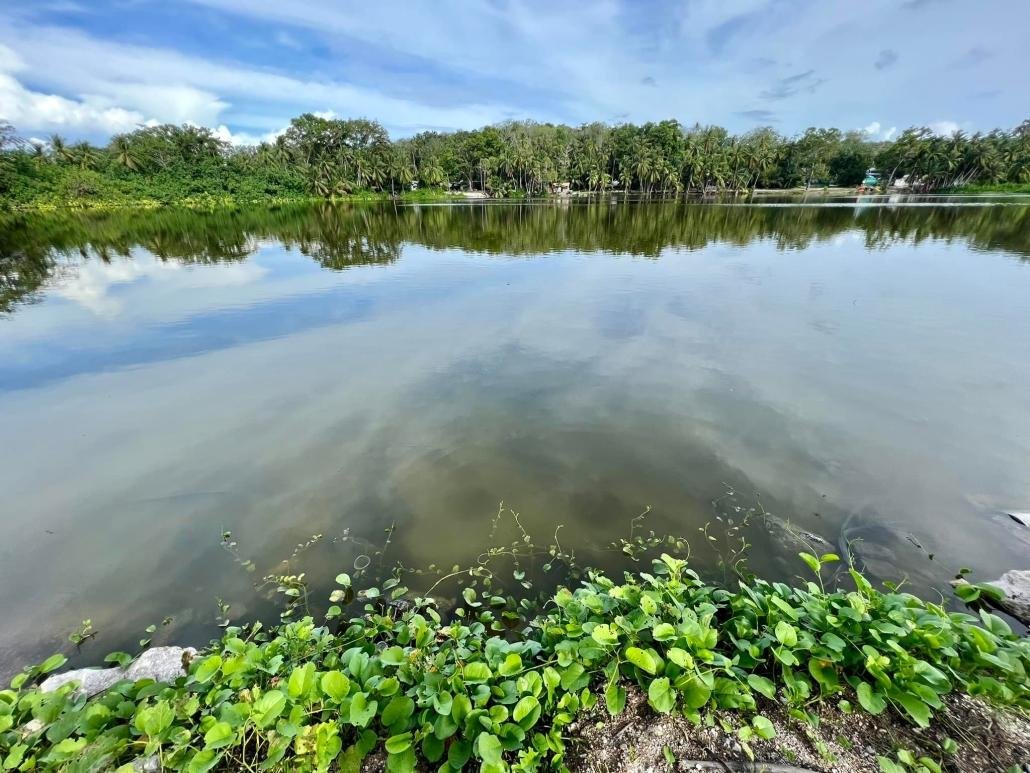
4. Buada Lagoon Route
5
A contrast to the coastal scenery.
Highlights:
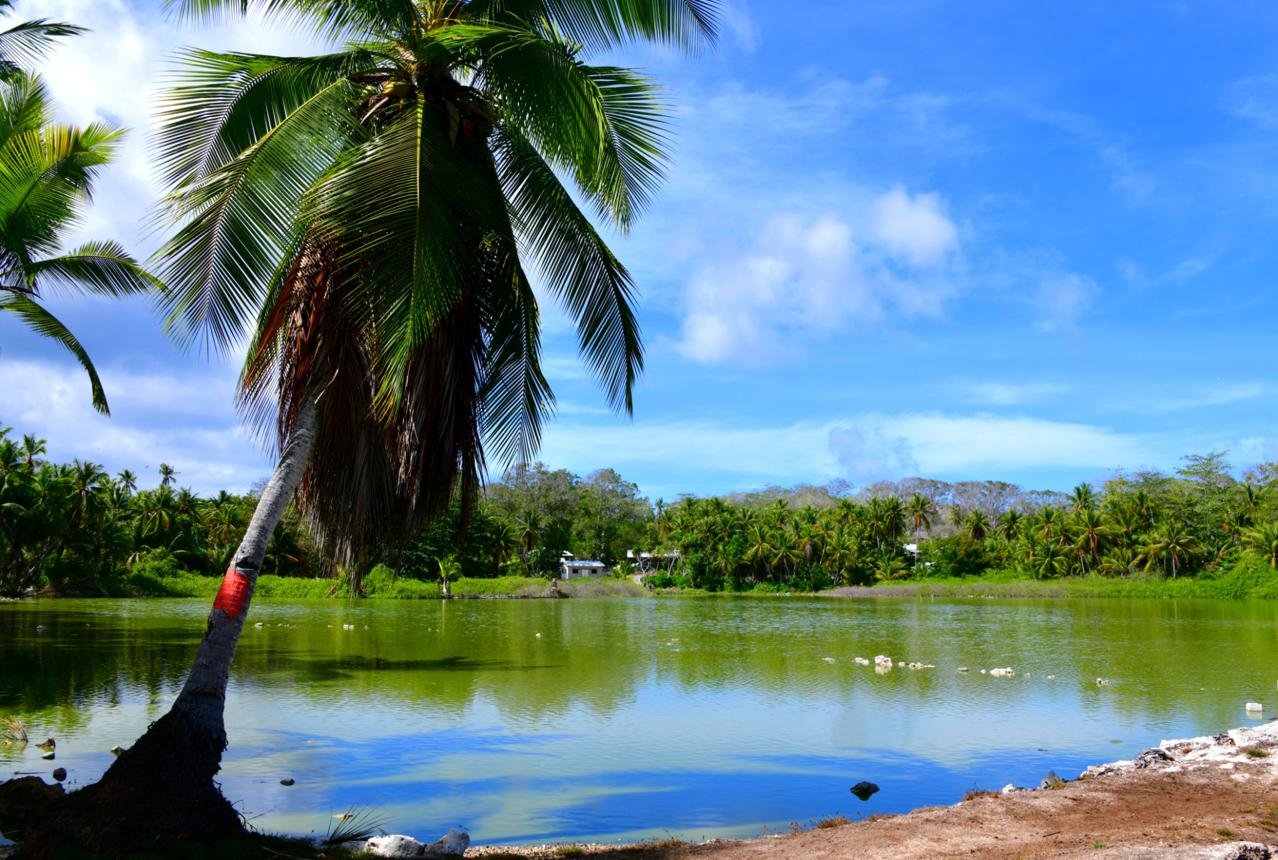
- freshwater lagoon
- tropical vegetation
- peaceful surroundings
- inland scenery
Major attraction:
- Buada Lagoon
One of the greenest locations on the island.
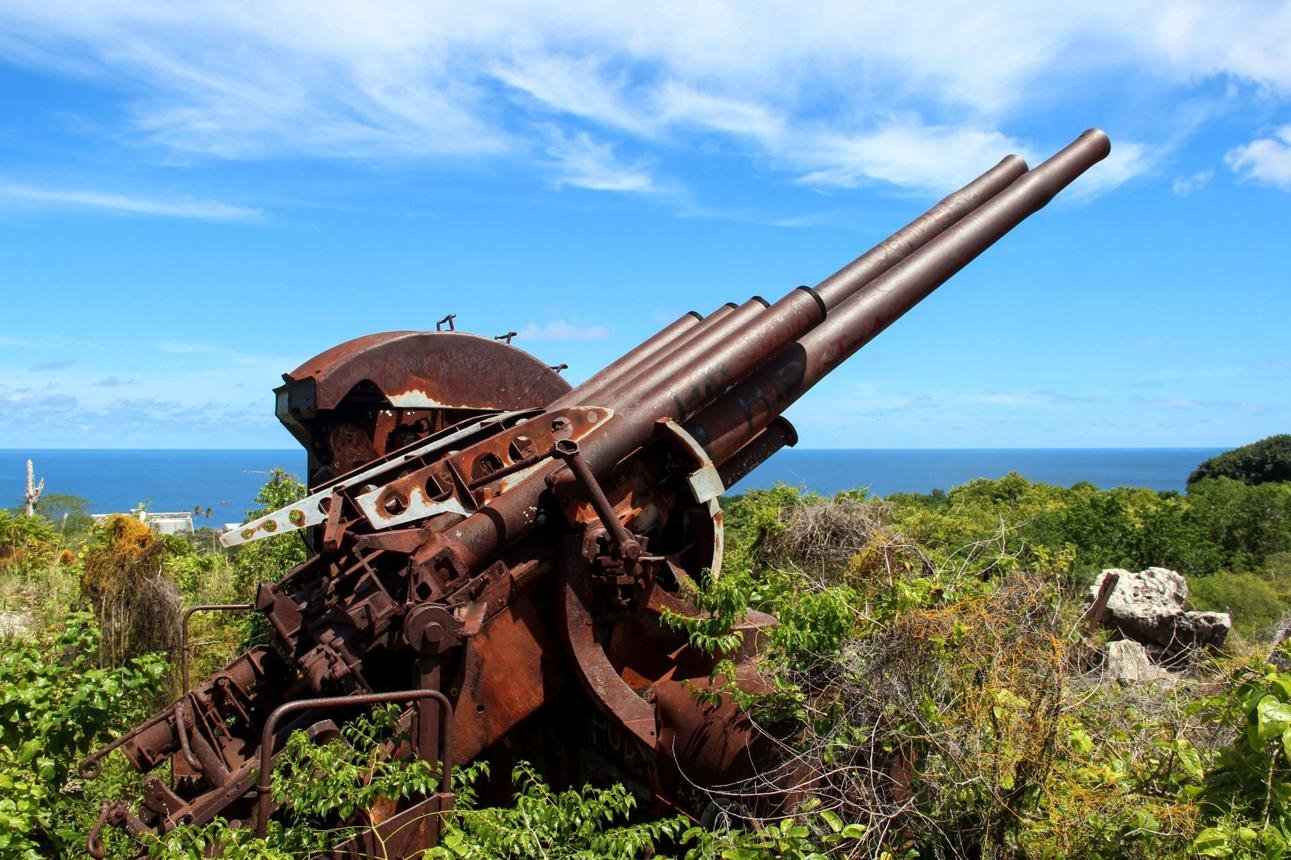
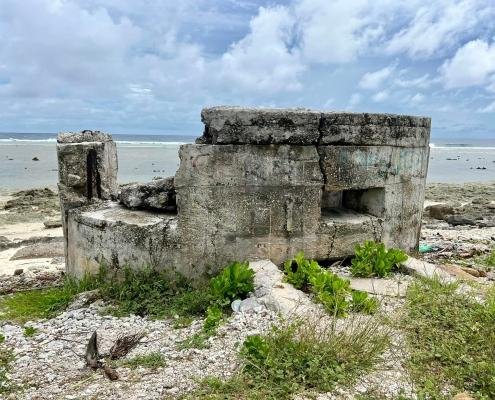
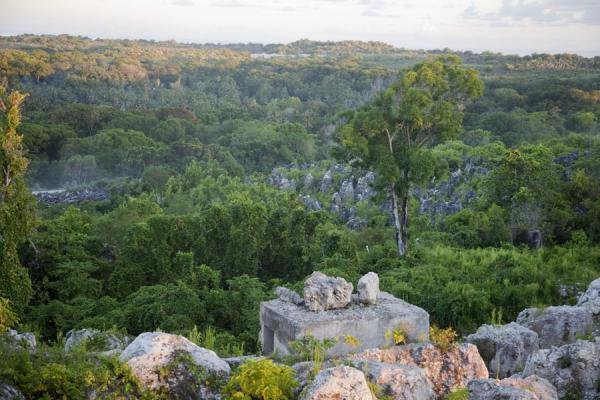
5. Command Ridge Route
6
The island’s highest point.
Highlights:
- WWII relics
- island views
- military history
- panoramic scenery
Major attraction:
- Command Ridge
Offers views across much of the island.
6. Airport Crossing Route
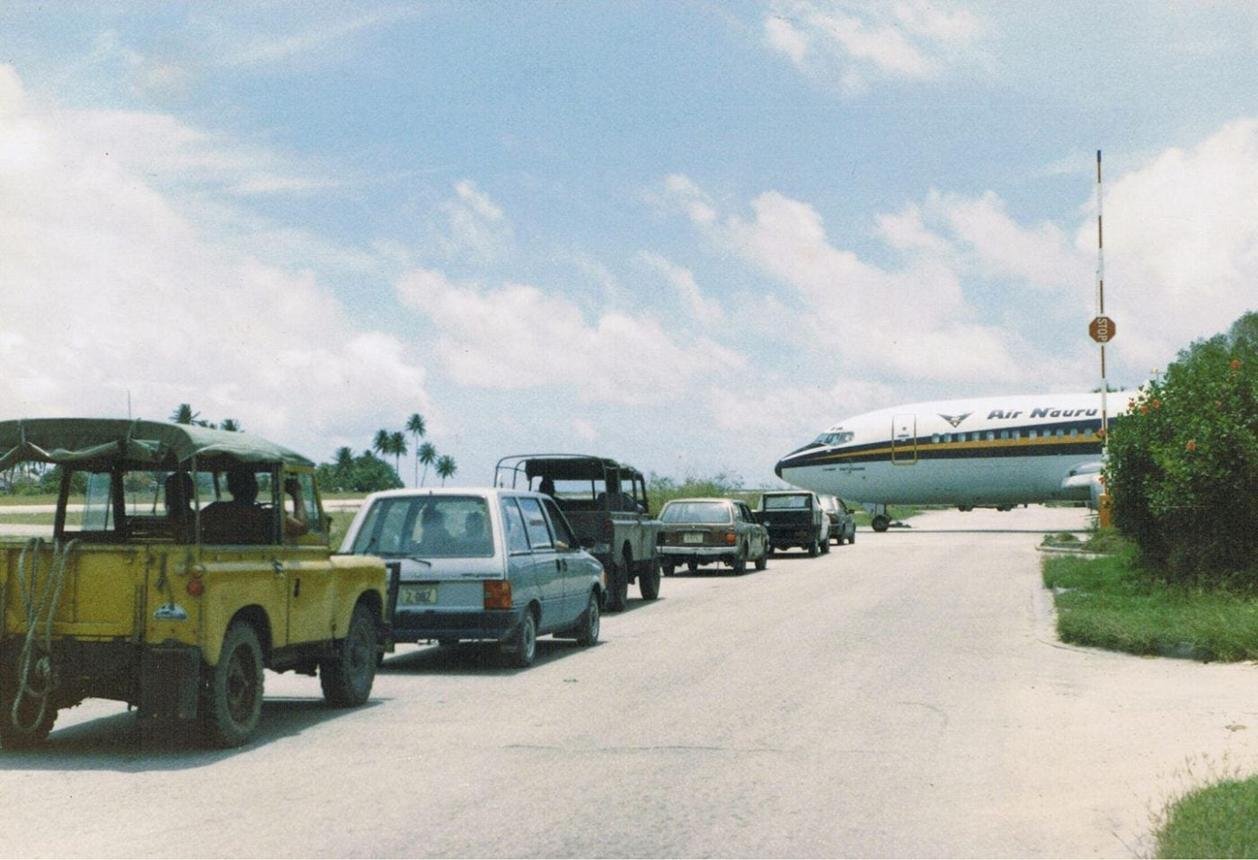
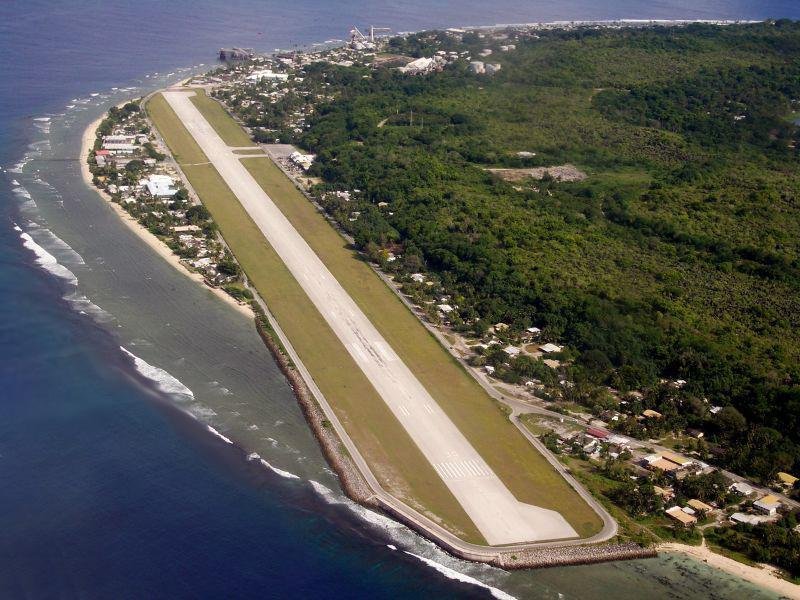
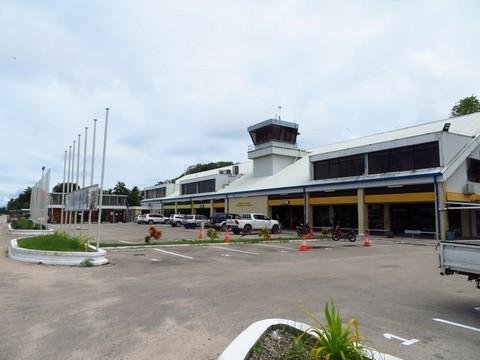
One of the world’s most unusual roads.
Highlights:
- runway crossing
- aviation photography
- unique infrastructure
A section of the island road network passes directly through the airport area and is temporarily closed when aircraft operate.
Entry & Access
Nauru has no land borders.
Visitors arrive via:
- international flights
Air services are limited and schedules should be checked well in advance.
Vehicle Travel
Rental vehicles are available locally through hotels and local providers. Driving is on the left side of the road.
Most travelers use:
- rental cars
- scooters
- bicycles
Bringing your own overland vehicle is generally impractical.
Driving Conditions
Driving is extremely easy.
Easy:
- Island Ring Road
- coastal roads
Moderate:
- inland mining tracks
- Topside access roads
Road navigation is almost impossible to get wrong due to the island’s simple layout.
Fuel & Logistics
Good for such a remote destination.
Expect:
- fuel availability
- limited vehicle services
- basic shopping facilities
- small distances between all destinations
The entire island is less than 25 square kilometers in area.
Camping & Accommodation
Wild Camping
Wild camping opportunities are limited and permission should always be sought.
Accommodation
Most visitors stay in:
- hotels
- guesthouses
Accommodation options are limited compared with larger Pacific destinations.
Motorhome Travel
Not practical.
Nauru’s size makes conventional campervan travel unnecessary.
Safety & Risks
Nauru is generally safe.
Main considerations:
- tropical heat
- limited tourism infrastructure
- flight schedule disruptions
- remoteness
Road safety risks are minimal due to low traffic volumes.
Best Time to Visit
Ideal
May–October
Generally drier conditions and more comfortable temperatures.
Wet Season
November–April
Higher humidity and increased rainfall.
Sample 1–2 Day Itinerary
Day 1:
- Complete Island Ring Road circuit
- Anibare Bay
- Buada Lagoon
- Command Ridge
Day 2:
- Topside exploration
- phosphate mining areas
- coastal photography
- local villages
FAQ
Is Nauru good for overlanding?
Not in the traditional sense, but it is one of the most unique self-drive destinations in the world.
Need a 4×4?
No. A standard vehicle is sufficient for most routes.
Can you wild camp?
Generally not recommended without permission.
Good for campervans?
No. The island is too small to justify campervan travel.
Best highlight?
Driving around an entire country in under an hour and exploring the surreal phosphate-mining landscape.
Related Pages
- Backpacking Nauru
- Pacific Islands Travel Guide
- Anibare Bay
- Buada Lagoon
- Command Ridge
- Marshall Islands Travel Guide
- Micronesia Travel Guide
- Kiribati Travel Guide
- Pacific Ocean Islands Guide
- Remote Island Travel Guide
- Nauru Accommodation Guide