River Adventures, Atlantic Beaches & West African Wildlife
The Gambia may be the smallest country on mainland Africa, but it delivers a surprisingly diverse travel experience. Stretching along both banks of the mighty Gambia River, this narrow nation combines golden Atlantic beaches, vibrant markets, wildlife reserves, traditional villages, colonial history and one of the friendliest populations in West Africa. Whether you’re watching hippos along the river, exploring bustling Banjul, relaxing on the beaches of Kololi, or following bird-filled waterways deep into the interior, The Gambia offers an accessible introduction to West African culture and nature.
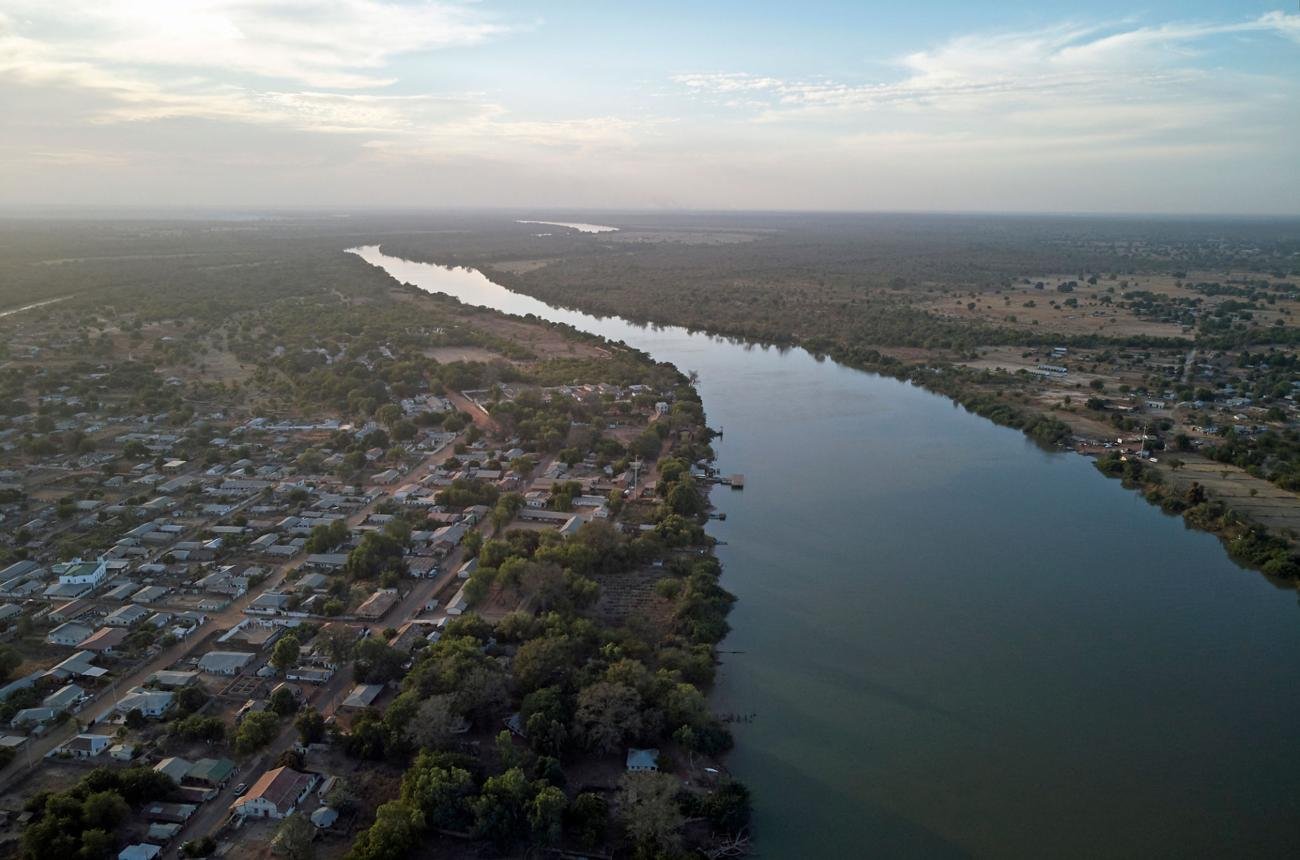
Almost completely surrounded by Senegal except for its Atlantic coastline, The Gambia follows the course of the Gambia River for nearly 480 kilometers inland. This unique geography has shaped the country’s history, economy and culture for centuries. Once an important center of regional trade and later deeply connected to the Atlantic slave trade, The Gambia today welcomes visitors with a relaxed atmosphere, stable tourism infrastructure and exceptional hospitality.
Independent travelers appreciate The Gambia’s compact size, affordable prices and relatively easy logistics. Backpackers can travel across the country in just a few hours while still experiencing remarkably different landscapes and cultures. Overlanders frequently include The Gambia on larger West African expeditions, entering from Senegal before continuing toward Guinea-Bissau or back into Senegal. Although traditional motorhome tourism is limited, self-drive travelers and expedition vehicles find the country straightforward to explore.
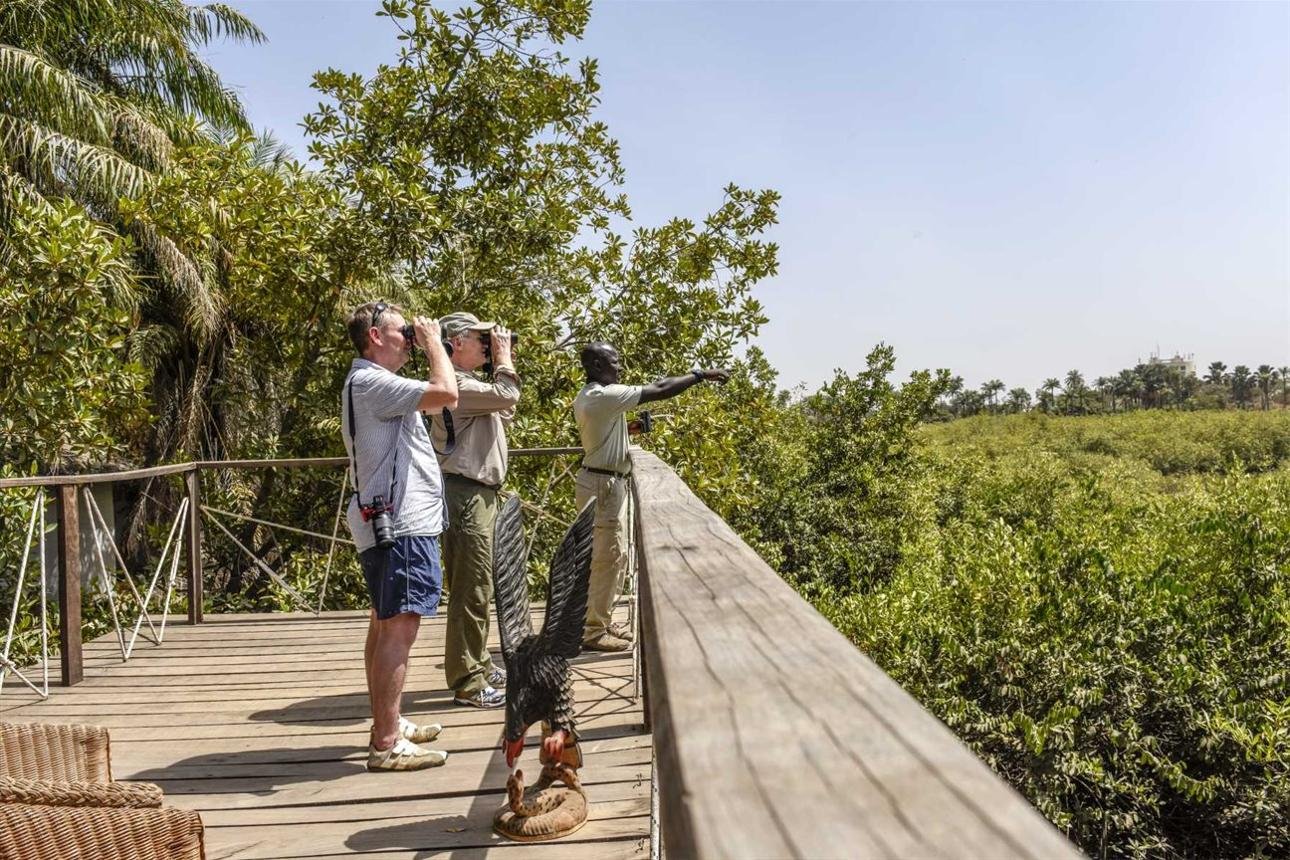
The Gambia is internationally renowned as one of Africa’s finest birdwatching destinations. More than 560 bird species inhabit its forests, wetlands, mangroves and riverbanks, making it a paradise for ornithologists and photographers. Wildlife enthusiasts also encounter monkeys, crocodiles, hippos, dolphins and numerous reptiles throughout the country’s protected areas.
This guide serves as a comprehensive travel hub covering The Gambia’s top destinations, suggested itineraries, backpacking, overlanding, self-drive travel, practical information and links to more specialized destination guides.
7
Quick Facts
| Information | Details |
|---|---|
| Capital | Banjul |
| Largest Urban Area | Serekunda |
| Population | Approximately 2.8 million |
| Area | 11,295 km² |
| Language | English (official) |
| Currency | Gambian Dalasi (GMD) |
| Time Zone | UTC |
| Driving Side | Right |
| Calling Code | +220 |
| Visa | Visa-free for many nationalities |
| Best Time | November to April |
The Gambia enjoys a tropical climate with a pronounced dry season and rainy season. Most visitors arrive during the cooler dry months when wildlife viewing, river cruises and beach holidays are at their best.
English is widely spoken, making The Gambia one of the easiest countries for English-speaking travelers to explore independently.
Why Visit The Gambia?
Despite its small size, The Gambia offers a remarkable variety of attractions. Its greatest asset is the Gambia River, which provides the country’s lifeline and serves as the backbone for wildlife, transportation and tourism.
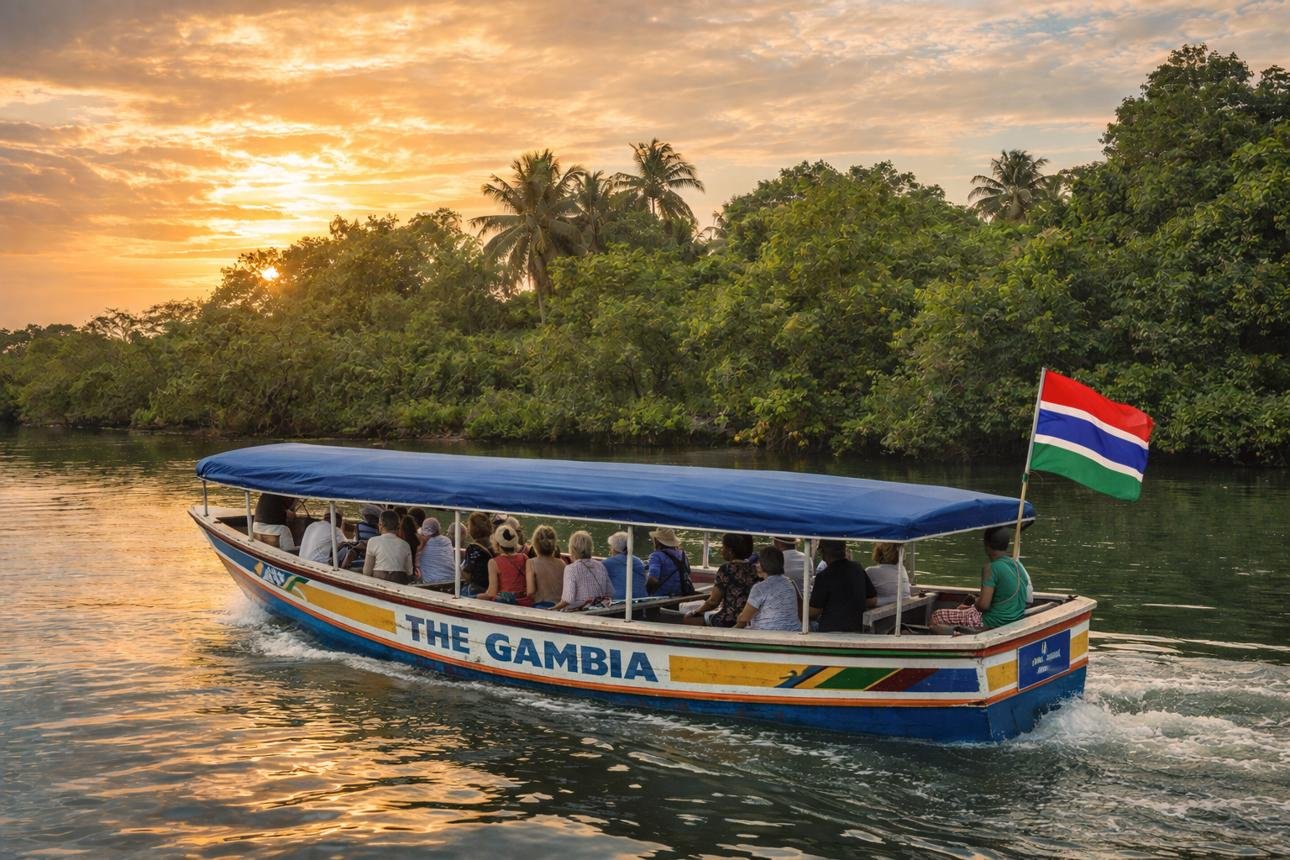
Nature lovers find exceptional biodiversity within a relatively compact area. Birdwatchers from around the world visit to observe kingfishers, bee-eaters, hornbills, fish eagles, pelicans and countless migratory species. Boat cruises along the river frequently reveal monkeys, crocodiles, dolphins and occasionally hippos.
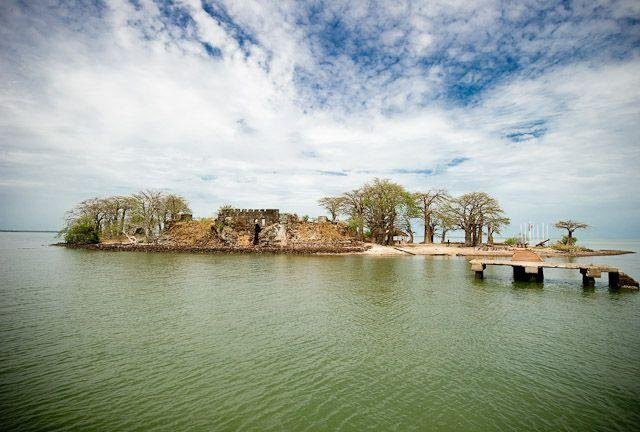
History also plays a significant role. UNESCO-listed Kunta Kinteh Island tells the story of the transatlantic slave trade and provides powerful insight into one of Africa’s most important historical chapters.
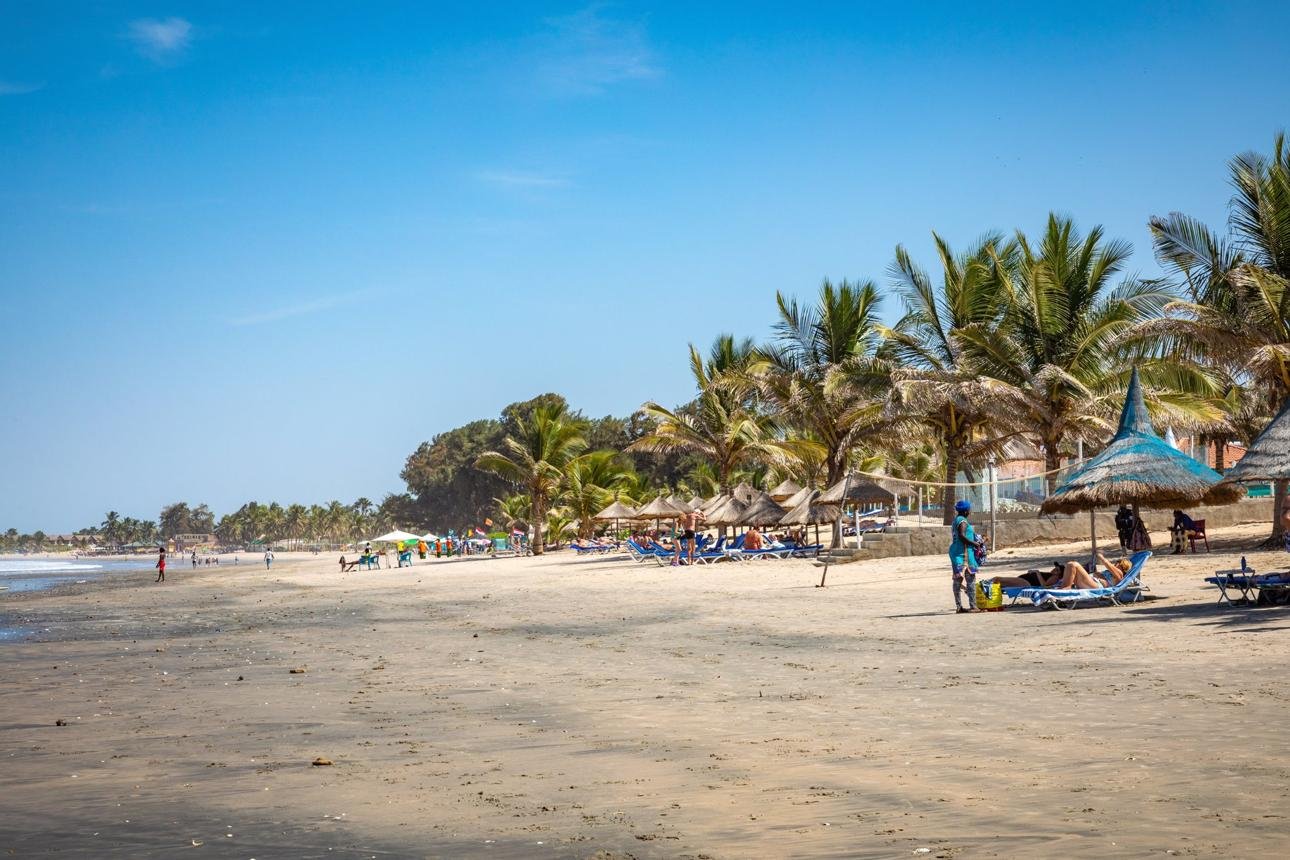
Along the Atlantic coast, golden beaches stretch for kilometers around Kololi, Kotu and Cape Point, offering excellent opportunities for swimming, fishing and water sports. Inland villages preserve traditional lifestyles where visitors experience local hospitality, markets and crafts.
The Gambia is particularly attractive for first-time visitors to West Africa because it combines political stability, good tourism services, English-speaking locals and relatively straightforward travel logistics.
Best Places to Visit
Banjul
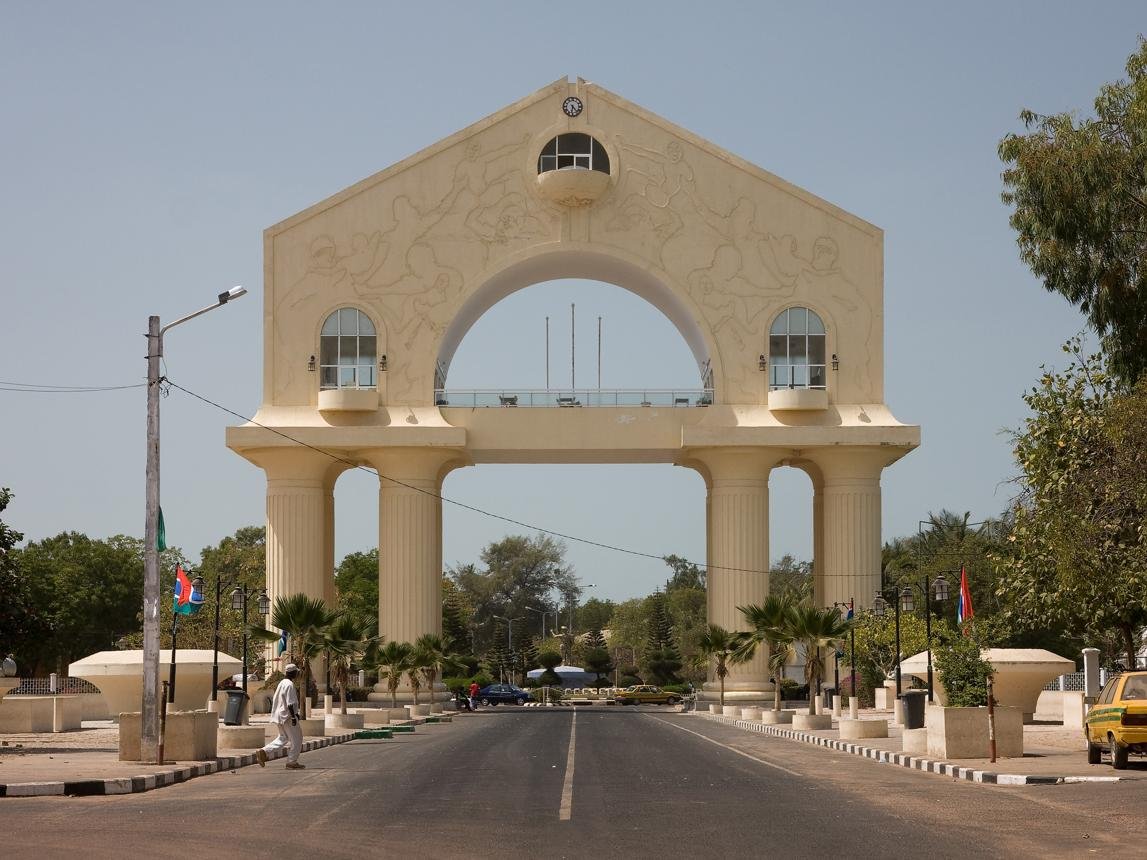
Situated on St. Mary’s Island where the Gambia River meets the Atlantic Ocean, Banjul is the country’s compact capital.
Highlights include:
- Arch 22
- Albert Market
- National Museum
- Riverfront
- Colonial architecture
Recommended stay: 1–2 days
Serekunda
The country’s largest urban area offers lively markets, restaurants and easy access to nearby beaches.
Recommended stay: 1–2 days
Kololi
The Gambia’s main tourist center combines beautiful beaches with hotels, restaurants, nightlife and easy access to nature reserves.
Recommended stay: 4–7 days
Kotu
Popular among birdwatchers, Kotu offers wetlands, beaches and relaxed accommodation.
Recommended stay: 2–3 days
Kunta Kinteh Island
A UNESCO World Heritage Site, this historic island played a central role in the Atlantic slave trade and remains one of The Gambia’s most significant cultural attractions.
Recommended stay: Half to full day
Juffureh
Located opposite Kunta Kinteh Island, this historic village gained worldwide recognition through Alex Haley’s Roots.
Recommended stay: Half day
Georgetown (Janjanbureh)
Situated in the middle of the country, Janjanbureh provides an excellent base for exploring inland Gambia and river excursions.
Recommended stay: 2 days
Kiang West National Park
One of The Gambia’s most important protected areas featuring forests, wetlands and rich birdlife.
Recommended stay: 1–2 days
Abuko Nature Reserve
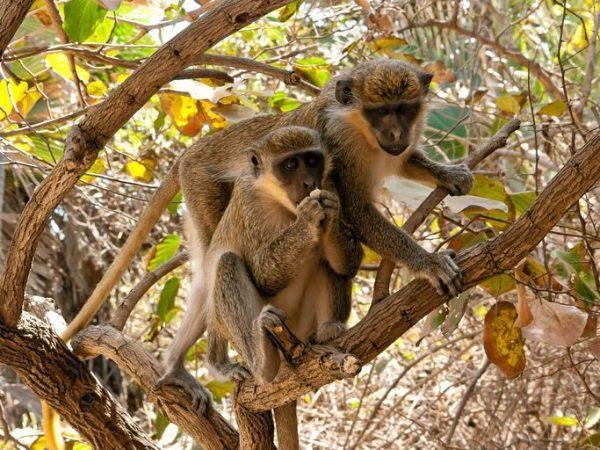
The country’s oldest protected area offers easy wildlife viewing close to the coast.
Species include:
- Monkeys
- Crocodiles
- Birds
- Antelope
Recommended stay: Half day
Makasutu Cultural Forest
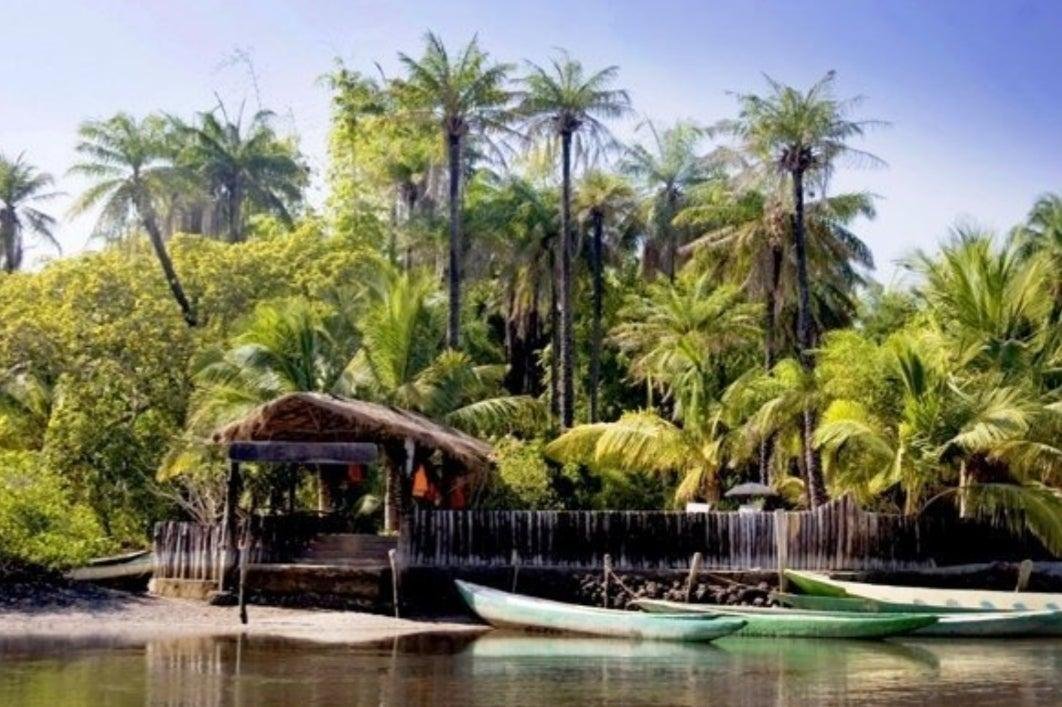
This privately protected forest combines ecotourism, wildlife, canoe trips and cultural experiences.
Recommended stay: Full day
7
Best Time to Visit
November to April
The dry season offers sunny weather, cooler temperatures and excellent wildlife viewing. Birdwatching is particularly rewarding as migratory birds arrive from Europe.
May to June
Temperatures begin rising, while visitor numbers remain relatively low.
July to October
The rainy season transforms the countryside into lush green landscapes. Although humidity increases, photography opportunities improve dramatically and birdlife remains excellent.
Regions of The Gambia
Atlantic Coast
The country’s tourism center includes Banjul, Kololi, Kotu, Bakau and Cape Point.
Lower River
Historic slave trade sites and traditional villages dominate this section of the Gambia River.
Central River Region
Home to Janjanbureh and excellent opportunities for river safaris and cultural tourism.
Upper River Region
Less visited and more rural, this region offers authentic village experiences and abundant wildlife.
Backpacking The Gambia
The Gambia ranks among West Africa’s easiest backpacking destinations.
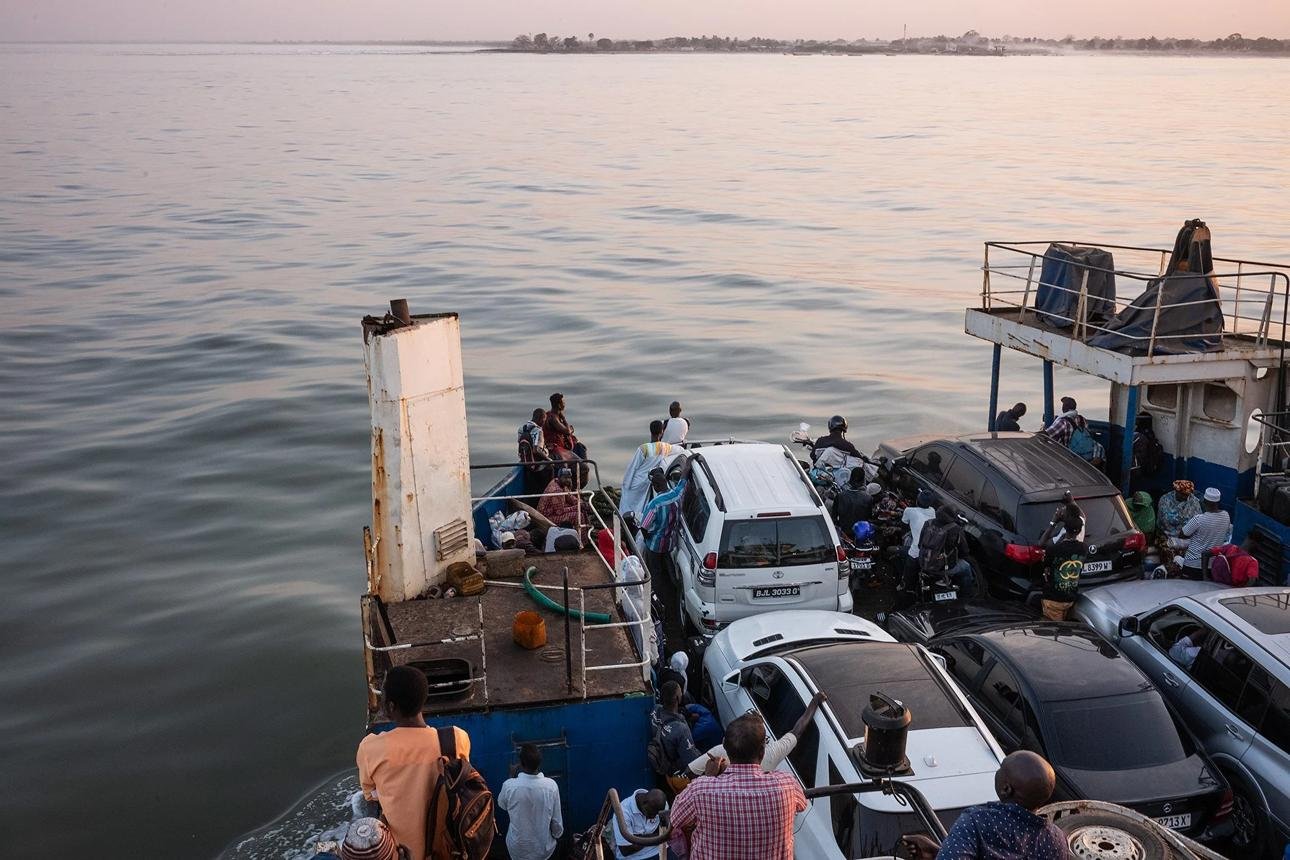
Travel between major towns is inexpensive using minibuses, shared taxis and river ferries.
A suggested two-week itinerary includes:
- Banjul
- Kololi
- Bakau
- Kunta Kinteh Island
- Juffureh
- Janjanbureh
- Kiang West National Park
Budget travelers benefit from:
- Affordable guesthouses
- English-speaking locals
- Inexpensive food
- Good transport
- Friendly atmosphere
Popular backpacking activities include:
- River cruises
- Wildlife watching
- Beach relaxation
- Historical tours
- Village visits
- Birdwatching
Future supporting guides:
- Backpacking The Gambia Itinerary
- Budget Guide
- Backpacking Banjul
- Public Transport
- Backpacker Safety
Overlanding The Gambia
The Gambia forms an interesting detour for overlanders exploring West Africa.
Most travelers enter from Senegal using either northern or southern border crossings.
Popular overland routes include:
Atlantic Route
Senegal – Banjul – Kololi – Brikama
Ideal for beaches and cultural attractions.
River Expedition
Banjul – Farafenni – Janjanbureh
Following the Gambia River through the country’s interior.
Southern Route
Brikama – Basse Santa Su – Senegal
A scenic drive through rural Gambia.
Road conditions are generally good on major highways, although rural roads may become challenging during the rainy season.
Future overlanding articles should include:
- Senegal border crossings
- Ferry crossings
- Vehicle permits
- Fuel availability
- Camping
- River crossings
Motorhome & RV Travel
The Gambia is suitable for self-contained expedition vehicles, although dedicated RV infrastructure remains limited.
Recommended routes include:
Coastal Explorer
Banjul – Bakau – Kololi – Tanji
Approximately 80 km.
River Road
Banjul – Soma – Janjanbureh
Perfect for wildlife and village experiences.
Full Country Circuit
Explore both sides of the Gambia River using ferries and bridges.
Most overnight stays rely on hotels, eco-lodges or permission from local communities.
Future RV articles:
- Safe overnight parking
- Campsites
- Vehicle services
- Ferry logistics
- Scenic drives
Suggested Road Trips & Itineraries
One Week
Banjul – Kololi – Kunta Kinteh Island – Makasutu
Excellent introduction to the country’s highlights.
Two Weeks
Banjul – Kololi – Bakau – Kunta Kinteh – Janjanbureh – Kiang West
Combines beaches, history and wildlife.
Three Weeks
Complete Gambia Circuit
Atlantic Coast – Central River – Upper River – Southern Gambia
Ideal for slow travel and photography.
Four Weeks West Africa
Combine The Gambia with Senegal and Guinea-Bissau for a rewarding regional overland journey.
Wildlife & Birdwatching
The Gambia is internationally recognized as one of Africa’s premier birdwatching destinations.
Top birding locations include:
- Abuko Nature Reserve
- Kiang West National Park
- Tanji Bird Reserve
- Bao Bolong Wetland Reserve
- Kotu Creek
- Makasutu Forest
Common wildlife includes:
- Vervet monkeys
- Red colobus monkeys
- Nile crocodiles
- Hippos
- Dolphins
- Hundreds of bird species
Guided river cruises offer excellent wildlife photography opportunities.
Beaches & Coastal Attractions
Although The Gambia is famous for its river, the Atlantic coast also offers outstanding beaches.
Popular beach destinations include:
- Kololi Beach
- Kotu Beach
- Cape Point
- Bakau
- Tanji
Visitors enjoy:
- Swimming
- Sport fishing
- Sunset cruises
- Seafood restaurants
- Beach bars
Essential Travel Information
Visa
Many nationalities may enter visa-free for tourist visits, although travelers should verify current entry requirements before departure.
Budget
The Gambia remains one of West Africa’s more affordable destinations.
Typical daily costs:
- Budget: €30–50
- Mid-range: €70–130
- Luxury: €180+
River cruises and wildlife excursions increase travel costs.
Safety
The Gambia is generally considered one of West Africa’s safest tourist destinations. Standard precautions against petty theft should be taken in busy urban and beach areas.
Respect for local customs is important, particularly during Ramadan and when visiting villages.
Transport
Transport options include:
- Shared taxis
- Minibuses (gele-gele)
- River ferries
- Car rental
- Domestic boats
Road conditions are generally good along the country’s main transport corridor.
Continue Planning Your Trip
Top Destinations
- Banjul
- Kololi
- Kotu
- Bakau
- Kunta Kinteh Island
- Juffureh
- Janjanbureh
- Kiang West National Park
- Abuko Nature Reserve
- Makasutu Forest
Travel Planning
- The Gambia Visa Guide
- Best Time to Visit The Gambia
- The Gambia Budget Guide
- Driving in The Gambia
- Senegal Border Crossings
- The Gambia Safety Guide
Adventure Travel
- Backpacking The Gambia
- Overlanding The Gambia
- The Gambia RV Travel
- River Road Trips
- Birdwatching Guide
- Wildlife Guide
- West Africa Overland Route
- Overlanding in The Gambia
- Getting around in The Gambia
Recommended Guides
Continue planning your journey through The Gambia with detailed destination guides covering Banjul, Kololi, Kunta Kinteh Island, Juffureh, Janjanbureh, Abuko Nature Reserve, Kiang West National Park and Makasutu Cultural Forest. Additional articles explore backpacking itineraries, overlanding routes, Senegal border crossings, camping opportunities, wildlife safaris, birdwatching hotspots, scenic river cruises and practical travel planning. Together with this country hub, these guides provide everything independent travelers need to discover one of West Africa’s friendliest and most accessible destinations.