The Gambia, a small West African country surrounded by Senegal, has a transport system mainly reliant on roads and waterways. Due to its narrow width, transportation infrastructure is crucial in connecting communities and facilitating economic activities. With a population of over 2 million people, efficient transport is essential for accessing essential services and promoting trade within the country and with neighboring countries.
The Gambia is faced with numerous challenges when it comes to transportation, including poor road conditions, limited public transportation options, and inadequate infrastructure for water transportation. According to the World Bank, only 10% of rural roads in the Gambia are paved, making it difficult for people in remote areas to access markets, schools, and healthcare facilities. These challenges contribute to high transportation costs and hinder economic growth in the country.
One solution that has been proposed to improve transportation in The Gambia is to invest in the rehabilitation and expansion of road networks. By investing in infrastructure projects, the government can enhance connectivity between urban and rural areas, reduce transportation costs, and promote economic development. Additionally, there is a need to invest in public transportation systems to provide affordable and reliable options for commuters.
Despite these challenges, The Gambia has made progress in improving its transportation infrastructure in recent years. The government has launched initiatives to upgrade key roads and bridges, improve water transportation on the Gambia River, and enhance the efficiency of border crossings. These efforts are aimed at promoting regional integration, boosting trade, and improving access to services for all citizens.
What are the transportation options available in The Gambia?
Transport in The Gambia refers to the various modes of transportation that are available for moving people and goods within the country. From public buses to taxis, ferries, and private cars, there are numerous options for getting around in The Gambia. In the following sections, we will explore each of these transportation modes in detail, discussing their advantages, disadvantages, and how to navigate the transportation system in The Gambia effectively.
Types of Transport
Transport in The Gambia primarily consists of road transport, with an extensive network of roads connecting major towns and cities. Buses, vans, and taxis are commonly used for commuting within the country. There are also ferry services available for crossing the Gambia River, which is an important mode of transport for both people and goods.
Public Transport
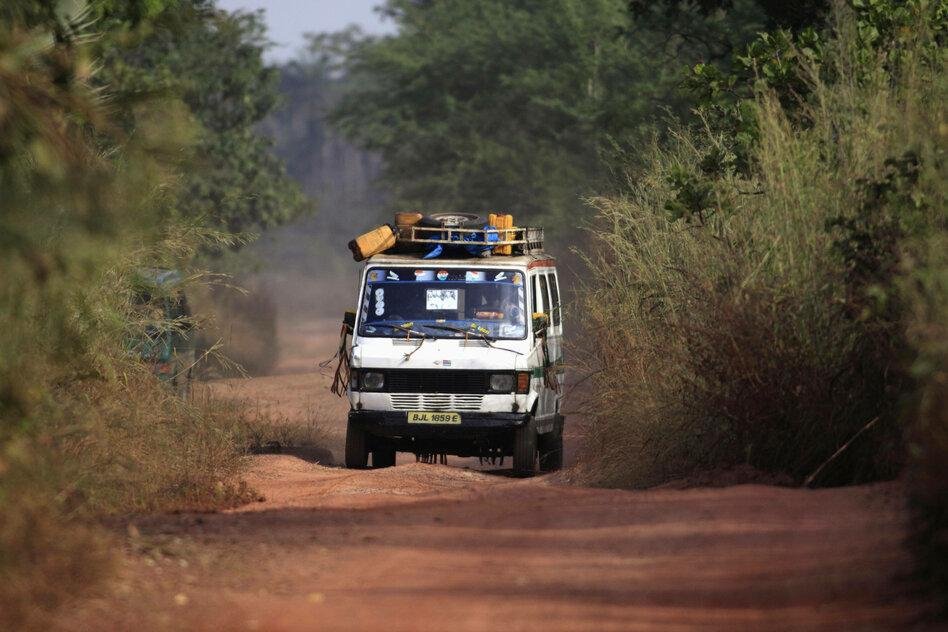
Public transport in The Gambia is mainly operated by minibusses, known as “sept places” because they carry seven passengers. These minivans are often crowded and can be a challenging experience for those unfamiliar with the system. Taxis are also available in urban areas, providing a more comfortable but pricier alternative for getting around.
Road Conditions
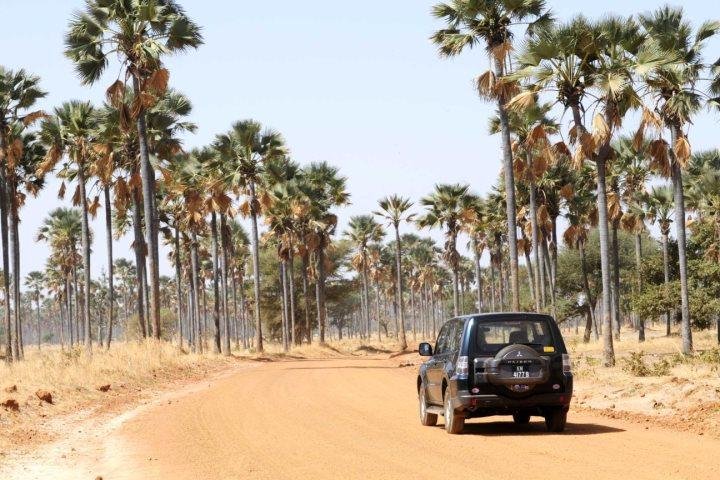
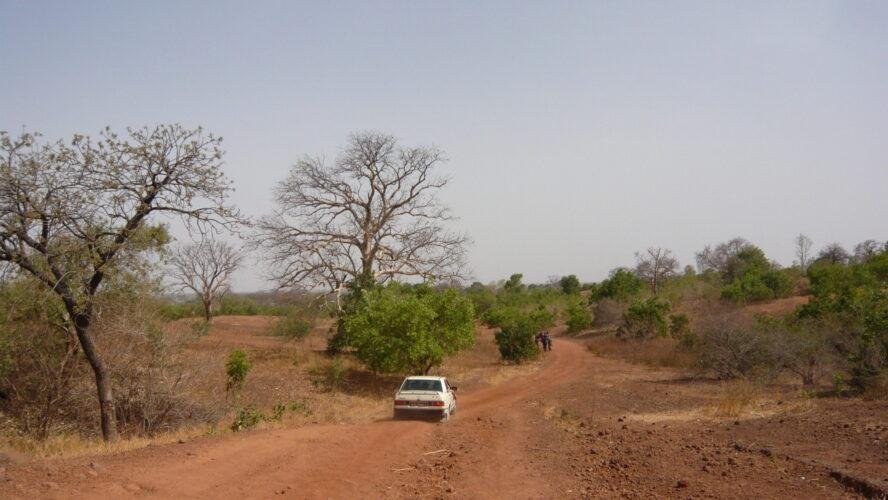
The road conditions in The Gambia vary, with major roads being relatively well-maintained, especially those connecting the capital city, Banjul, with other major towns. However, some rural roads can be in poor condition, making travel more difficult, especially during the rainy season when some roads may become impassable.
Alternative Modes of Transport
- Bicycles: Bicycles are a popular mode of transport in some parts of The Gambia, especially in rural areas where roads may not be accessible to motor vehicles.
- Donkey Carts: In some rural areas, donkey carts are used for transporting goods and people, providing a traditional and environmentally friendly mode of transport.
- Boats: Along the Gambia River, boats are commonly used for transport, especially for accessing remote communities along the riverbanks.
Future Developments
Efforts are being made to improve transport infrastructure in The Gambia, with projects focusing on road upgrades and the modernization of public transport services. The government is also looking into initiatives to promote sustainable transport options, such as cycling lanes and pedestrian-friendly urban areas.
Statistics
According to the World Bank, as of 2018, The Gambia had a road network of approximately 3,742 kilometers. Additionally, the country had a total of 204 registered motor vehicles per 1,000 people.
1. What are the main modes of transportation in The Gambia?
The main modes of transportation in The Gambia include taxis, minibusses, ferries, and bicycles.
2. Is it easy to get around The Gambia using public transportation?
Yes, it is relatively easy to get around The Gambia using public transportation, as there are regular bus services and taxis available in major towns and cities.
3. Are taxis expensive in The Gambia?
Taxis in The Gambia are relatively affordable, especially for short distances within towns and cities. You can also negotiate the fare before your journey.
4. How reliable is the ferry service in The Gambia?
The ferry service in The Gambia is generally reliable, but it is advisable to check the schedules in advance as they can be subject to changes.
5. Are there any safety concerns with public transportation in The Gambia?
While public transportation in The Gambia is generally safe, it is recommended to be cautious and aware of your surroundings, especially when traveling at night.
6. Can I rent a car to explore The Gambia on my own?
Yes, you can rent a car in The Gambia to explore the country on your own. However, be prepared for potentially challenging road conditions outside major towns and cities.
7. Are there any restrictions on driving in The Gambia for tourists?
Tourists can drive in The Gambia with their foreign driver’s license for up to three months. It is important to abide by the country’s traffic laws and regulations.
8. Are there any bicycle rental services available in The Gambia?
Yes, there are bicycle rental services available in The Gambia, which can be a fun and eco-friendly way to explore the country.
9. How accessible are transportation options for people with disabilities in The Gambia?
Accessibility for people with disabilities in The Gambia is limited, especially in terms of public transportation. It is recommended to plan ahead and make necessary arrangements for transportation.
10. Are there any specific cultural considerations to keep in mind when using transportation in The Gambia?
When using transportation in The Gambia, it is important to respect local customs and traditions, such as greeting the driver or other passengers when entering a vehicle.
Conclusion
Overall, transport in The Gambia plays a crucial role in connecting people and facilitating the movement of goods across the country. Despite facing challenges such as limited infrastructure, poor road conditions, and overloading of vehicles, the transportation system in The Gambia continues to evolve and adapt to meet the growing demands of its population. The government’s efforts to improve road networks, invest in public transport, and regulate the transportation sector are commendable steps towards ensuring a more efficient and sustainable transport system in the country.
Furthermore, the reliance on informal transportation services, such as bush taxis and ferries, highlights the need for more investment in public transport options to address issues of safety, accessibility, and affordability for all citizens. By continuing to prioritize infrastructure development, road safety initiatives, and public transport accessibility, The Gambia has the potential to enhance its transportation system and drive economic growth and social development. In conclusion, while there are challenges to overcome, the future of transport in The Gambia looks promising with the right investments and policies in place.