Did you know that Vietnam has one of the fastest growing economies in Southeast Asia? With this growth comes an increased demand for efficient transportation systems to support the country’s development. Transport in Vietnam plays a crucial role in connecting people, goods, and services across the country, contributing to its overall economic prosperity.
Since the Doi Moi reforms in the 1980s, Vietnam has undergone significant changes in its transportation sector to keep up with the country’s rapid industrialization and urbanization. The government has made substantial investments in building and upgrading roads, bridges, airports, and seaports to improve connectivity and accessibility. As a result, Vietnam now boasts a well-developed transportation network that facilitates trade and tourism, driving economic growth and development.
One of the main challenges facing Vietnam’s transportation sector is traffic congestion in major cities like Hanoi and Ho Chi Minh City. With the increasing number of vehicles on the road, the government has implemented various measures to alleviate congestion, such as investing in public transportation systems like buses and metro lines. These initiatives aim to encourage people to use more sustainable modes of transportation, reducing the reliance on private vehicles and easing traffic congestion in urban areas.
The transport sector in Vietnam continues to evolve to meet the growing demands of a rapidly developing economy. As the country strives to become a regional economic powerhouse, the government is committed to improving its transportation infrastructure and promoting sustainable modes of transport to ensure efficient mobility and connectivity for all its citizens.
What are the main modes of transportation in Vietnam?
When it comes to getting around in Vietnam, there are several main modes of transportation to choose from. Whether you prefer the convenience of motorbikes and scooters, the affordability of buses and trains, or the comfort of taxis and ride-sharing services, Vietnam offers a variety of options to suit your travel needs. In the following discussion, we will delve into the different modes of transportation available in Vietnam and provide insights on how to navigate the country’s diverse transportation system.
Transport in Vietnam
Transport in Vietnam is a crucial aspect of daily life for locals and visitors alike. With a rapidly growing economy and an increasing number of tourists, the demand for efficient transportation systems in Vietnam has never been higher. From bustling cities to serene countryside, there are various modes of transport available to get around the country.
Road Transport
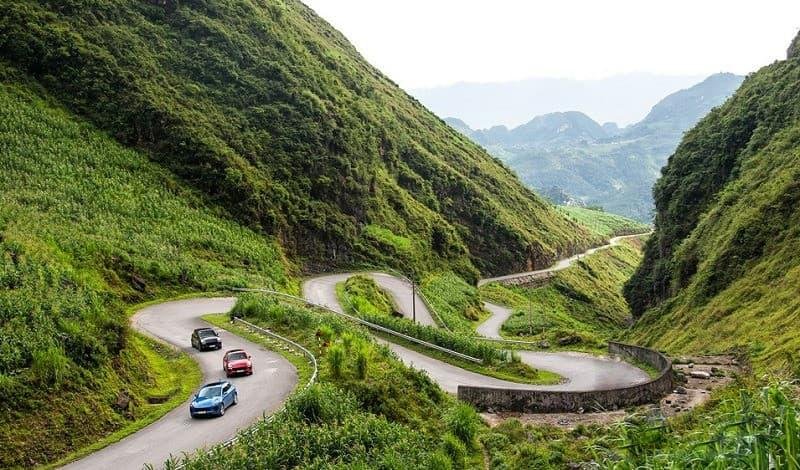
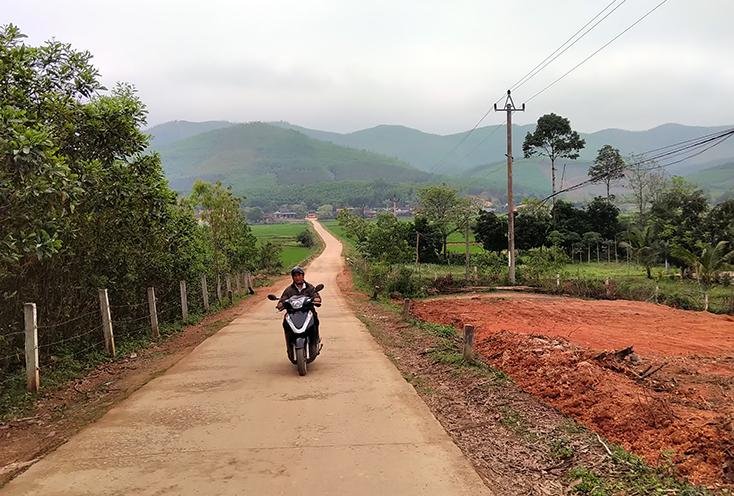
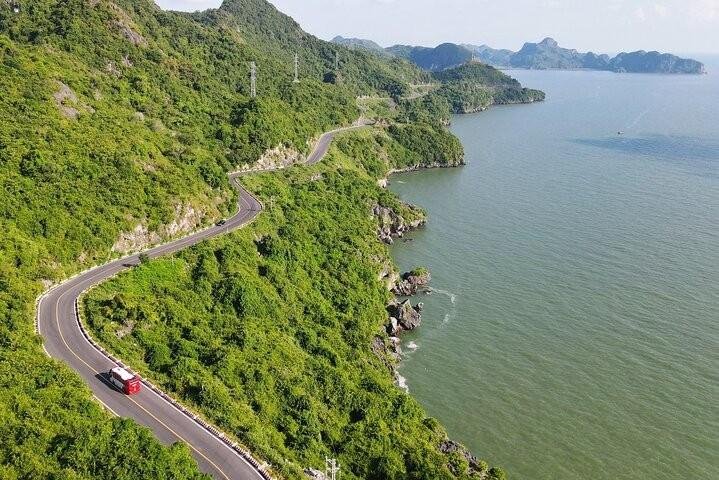
Road transport is the most common way to travel in Vietnam, with a vast network of highways, roads, and streets connecting major cities and rural areas. Motorbikes are a popular mode of transport in Vietnam, with millions of them zipping through the streets every day. Taxis, buses, and private cars are also widely used for longer journeys.
Rail Transport
Vietnam has an extensive railway system that connects major cities such as Hanoi, Ho Chi Minh City, Hue, and Danang. The trains offer a scenic way to travel between destinations, allowing passengers to admire the country’s stunning landscapes along the way. The Reunification Express is the most popular train route in Vietnam, running from Hanoi to Ho Chi Minh City.
Water Transport
With a long coastline and numerous rivers and waterways, water transport plays a significant role in Vietnam. Boats and ferries are commonly used to travel between islands, coastal regions, and cities like Halong Bay and the Mekong Delta. A popular way to explore the picturesque rivers and landscapes is by taking a cruise along the Mekong River.
Air Transport
As Vietnam’s economy continues to grow, air travel has become more accessible and affordable. The country has several international airports, with the two main ones located in Hanoi and Ho Chi Minh City. Domestic flights are also available, connecting major cities and tourist destinations throughout Vietnam.
Statistics:
According to recent data, there are over 45 million registered motorbikes in Vietnam, making it one of the highest rates of motorbike ownership in the world.
Conclusion
Transport in Vietnam plays a crucial role in the country’s development and economy. The diverse modes of transportation, including motorcycles, bicycles, buses, trains, and boats, allow people to travel efficiently within and between cities. However, the traffic congestion and safety issues present challenges that need to be addressed through infrastructure improvements and stricter regulations. Despite these challenges, the Vietnamese government is making efforts to enhance the transportation system by investing in new highways, bridges, and public transportation projects. Additionally, the introduction of ride-sharing services and the development of smart transportation solutions show promising advancements in the sector.
In conclusion, the future of transport in Vietnam looks bright as the country continues to invest in modernizing its infrastructure and improving connectivity. With ongoing efforts to enhance road safety, reduce traffic congestion, and promote sustainable transportation solutions, Vietnam is on track to create a more efficient and reliable transport network for its citizens and visitors. By addressing the current challenges and leveraging new technologies, the transportation sector in Vietnam is poised for growth and development in the years to come.