Did you know that the Maldives is made up of 26 atolls and 1,190 coral islands, making it one of the most unique and breathtaking destinations in the world? With such a dispersed geography, transportation in the Maldives plays a crucial role in connecting the various islands and providing essential services to locals and tourists alike.
Transportation in the Maldives has evolved over the years to meet the growing demands of a thriving tourism industry and a rapidly expanding population. From traditional dhoni boats to modern speedboats and seaplanes, the Maldives offers a range of transportation options to cater to different needs and budgets. With over 1.5 million tourists visiting the Maldives each year, efficient and reliable transportation systems are essential to ensure seamless travel experiences for all.
One of the most popular and efficient modes of transportation in the Maldives is the seaplane. These small aircrafts can transport passengers between islands quickly and comfortably, offering stunning aerial views of the crystal-clear waters and vibrant coral reefs below. With over 20 local airports across the country, seaplanes have become a convenient and popular choice for travelers looking to explore multiple islands during their stay.
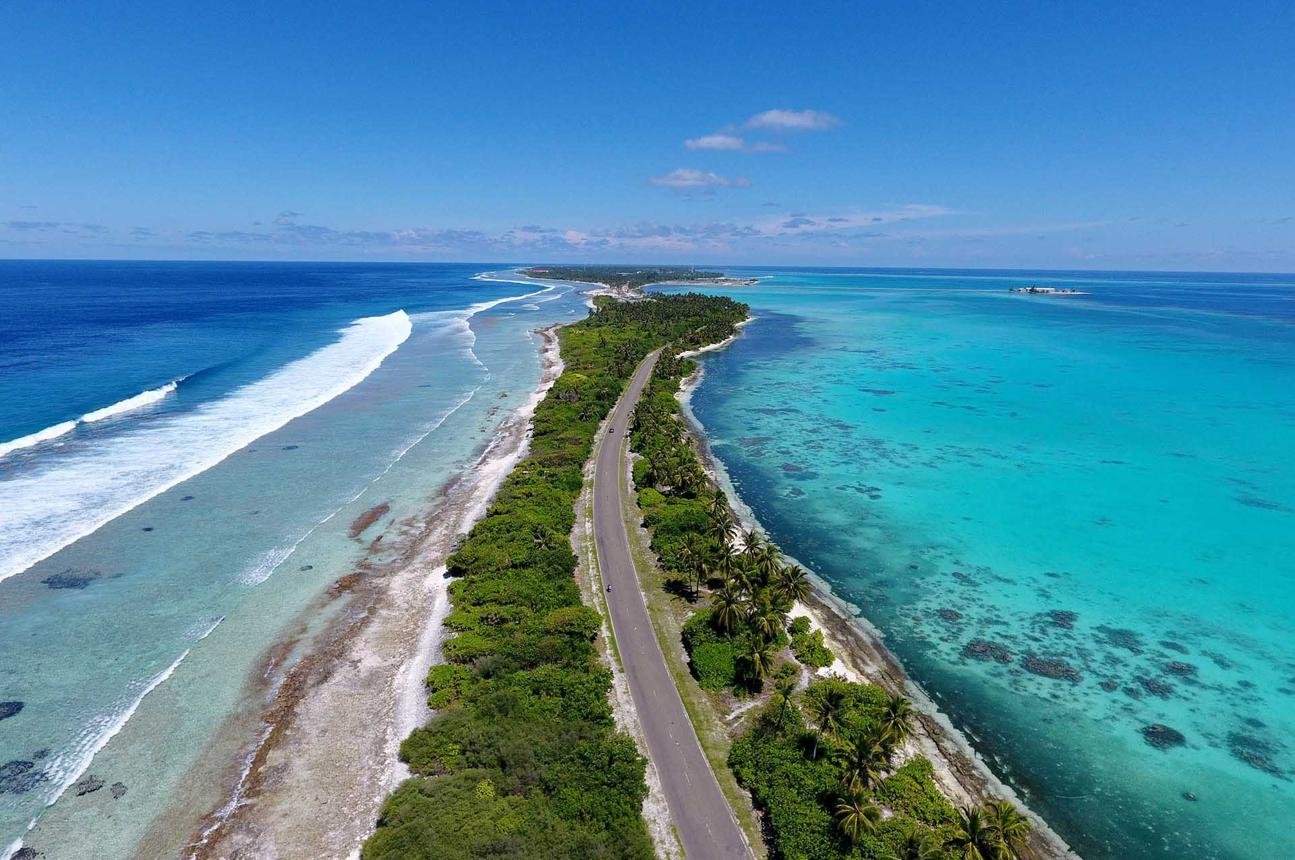
Despite being known for its luxury resorts and pristine beaches, the Maldives faces unique transportation challenges due to its dispersed geography and limited infrastructure. As an innovative solution, the Maldivian government has been investing in sustainable transportation initiatives such as electric vehicles and solar-powered boats to reduce carbon emissions and minimize the impact on the fragile marine ecosystem. By embracing eco-friendly transportation options, the Maldives aims to preserve its natural beauty for future generations to enjoy.
What is the main mode of transportation in Maldives?
The transportation system in Maldives mainly relies on boats and seaplanes due to the country’s unique geographical layout consisting of scattered islands. Encompassing over a thousand coral islands, the Maldives is renowned for its picturesque waterways and crystal-clear waters, making traveling by boat or seaplane an essential part of experiencing the country’s natural beauty. To learn more about the different modes of transportation in Maldives and how they enhance travel experiences in this island paradise, continue reading below.
Transport in Maldives
The Maldives, an island nation in the Indian Ocean, is known for its stunning beaches, crystal clear waters, and vibrant marine life. With over 1,000 coral islands scattered across 26 atolls, getting around the Maldives can be a unique experience compared to other destinations. The primary modes of transport in the Maldives include seaplanes, speedboats, ferries, and dhonis (traditional Maldivian boats).
Seaplanes:
Seaplanes are a popular mode of transport for travelers looking to reach far-flung resorts located on remote islands. These small aircraft offer breathtaking aerial views of the Maldives’ iconic turquoise lagoons and coral reefs. Trans Maldivian Airways operates the largest seaplane fleet in the world, shuttling passengers between Male International Airport and resort islands.
Speedboats:
Speedboats are another common form of transport in the Maldives, especially for shorter distances between islands. Many resorts offer speedboat transfers from Male International Airport to their properties, providing a convenient way for guests to reach their accommodations quickly. Speedboats are faster than traditional ferries, making them a popular choice for travelers wanting to minimize travel time.
Ferries:
Ferries are the most affordable mode of transport in the Maldives, connecting inhabited islands with each other and providing a means for locals to travel between communities. The Maldives Transport and Contracting Company (MTCC) operates a network of public ferries serving various atolls. While ferries may not be as fast or luxurious as seaplanes or speedboats, they offer a more authentic way to experience local life in the Maldives.
Dhonis:
Dhonis are traditional Maldivian boats used for fishing, transportation, and leisure activities. These wooden vessels have been a staple of Maldivian culture for centuries and continue to play a vital role in local transport. Dhonis are commonly used for short trips between islands or for fishing excursions, providing a glimpse into the country’s seafaring heritage.
In conclusion, the diverse modes of transport in the Maldives cater to a wide range of travelers, from luxury-seekers arriving by seaplane to budget-conscious backpackers taking public ferries. Each transportation option offers a unique perspective on the Maldives’ stunning natural beauty, making getting around the islands an integral part of the overall travel experience.
What are the main modes of transportation in Maldives?
The main modes of transportation in Maldives are seaplanes, dhonis (traditional Maldivian boats), speedboats, and ferries.
Are there any roadways in Maldives?
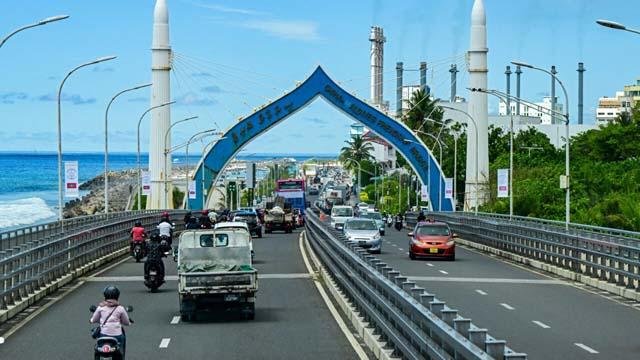
Maldives does not have any roadways. The primary mode of transportation between islands is by boat or seaplane.
How are seaplanes used for transportation in Maldives?
Seaplanes are used to transport tourists between the main airport in Male and the various resort islands scattered across the Maldives. They offer a scenic way to travel between islands.
Can tourists use the local ferry system in Maldives?
Yes, tourists can use the local ferry system to travel between inhabited islands. It is a cheaper mode of transportation compared to speedboats, but the schedule may be less frequent.
How reliable are the transportation services in Maldives?
The transportation services in Maldives are generally reliable, but delays may occur due to weather conditions or other factors. It is recommended to check with the transport provider for any schedule changes.
Are rental cars available in Maldives?
Rental cars are not common in Maldives due to the lack of roadways. Most tourists rely on boats, seaplanes, or bikes for transportation.
What is the best way to get around in Maldives?
The best way to get around in Maldives is dependent on your destination. Seaplanes are ideal for resort islands, while dhonis and speedboats are more suitable for local island hopping.
Do I need to book transportation in advance in Maldives?
It is recommended to book transportation in advance, especially during peak tourist seasons, to secure your preferred mode of transportation and schedule.
Are there any restrictions on transportation for tourists in Maldives?
There are no specific restrictions on transportation for tourists in Maldives. However, certain areas may have limited transportation options, so it’s important to plan accordingly.
Can I charter a private boat for transportation in Maldives?
Yes, tourists have the option to charter private boats for transportation in Maldives. This allows for greater flexibility and customization in your travel itinerary.
Conclusion
Overall, transport in the Maldives presents a unique set of challenges and opportunities due to its unique geography and reliance on boats and seaplanes. The country’s transport system is heavily dependent on marine vessels for inter-island connectivity and tourism, with seaplanes playing a crucial role in transporting tourists to and from various resorts. While these modes of transport offer convenience and scenic views, they also come with limitations such as high costs and weather-dependent schedules. Additionally, the lack of a comprehensive road network on many islands further complicates transportation options for locals and tourists alike.
In conclusion, the Maldives’ transport infrastructure is a vital element in the country’s economy and tourism industry. Efforts to improve connectivity between islands, enhance safety measures, and promote sustainable transportation solutions are essential for ensuring the long-term sustainability and accessibility of transport services in the Maldives. With proper planning and investment, the Maldives can continue to thrive as a popular tourist destination while also meeting the transportation needs of its residents.