Tanzania, located in East Africa, is home to a diverse and growing transport sector that plays a crucial role in the country’s economy and infrastructure. With a history of various modes of transportation, including road, rail, air, and water transport, Tanzania has continued to invest in improving its transportation networks to meet the demands of a growing population and economy.
One of the key challenges facing the transport sector in Tanzania is road infrastructure, with many roads in need of repair and expansion to accommodate the increasing traffic. As a solution to this issue, the Tanzanian government has launched several initiatives to improve road infrastructure, such as the ongoing construction of new roads and the rehabilitation of existing ones. These efforts aim to enhance connectivity within the country and facilitate the movement of goods and people.
Tanzania’s transport sector also plays a vital role in supporting the country’s trade and tourism industries. According to statistics, the transport sector contributes significantly to Tanzania’s GDP, with road transport being the primary mode of transporting goods within the country and to neighboring countries. Additionally, the country’s ports serve as important hubs for imports and exports, playing a critical role in Tanzania’s international trade relations.
The transport sector in Tanzania faces various challenges, such as inadequate funding, limited resources, and the need for improved coordination among different modes of transportation. Despite these challenges, Tanzania’s transport sector continues to evolve and adapt to meet the demands of a growing economy and population. As the country continues to invest in its transport infrastructure, the sector is poised to play an even more significant role in supporting Tanzania’s development and economic growth.

What are the Key Transportation Options in Tanzania?
Transport in Tanzania encompasses a variety of options including buses, taxis, trains, and ferries. Each mode of transportation serves different purposes and has its own advantages and disadvantages. To explore the transport system in Tanzania in more detail, continue reading below.
Transport in Tanzania is a critical component of the country’s infrastructure, enabling the movement of people and goods across various regions. From road transportation to air travel, Tanzania has a diverse transport network that serves both urban and rural areas.
**Road Transport in Tanzania**
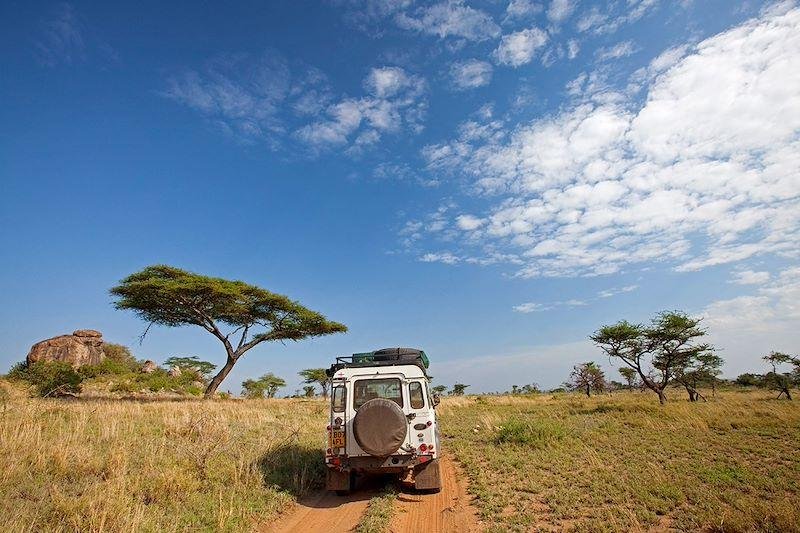
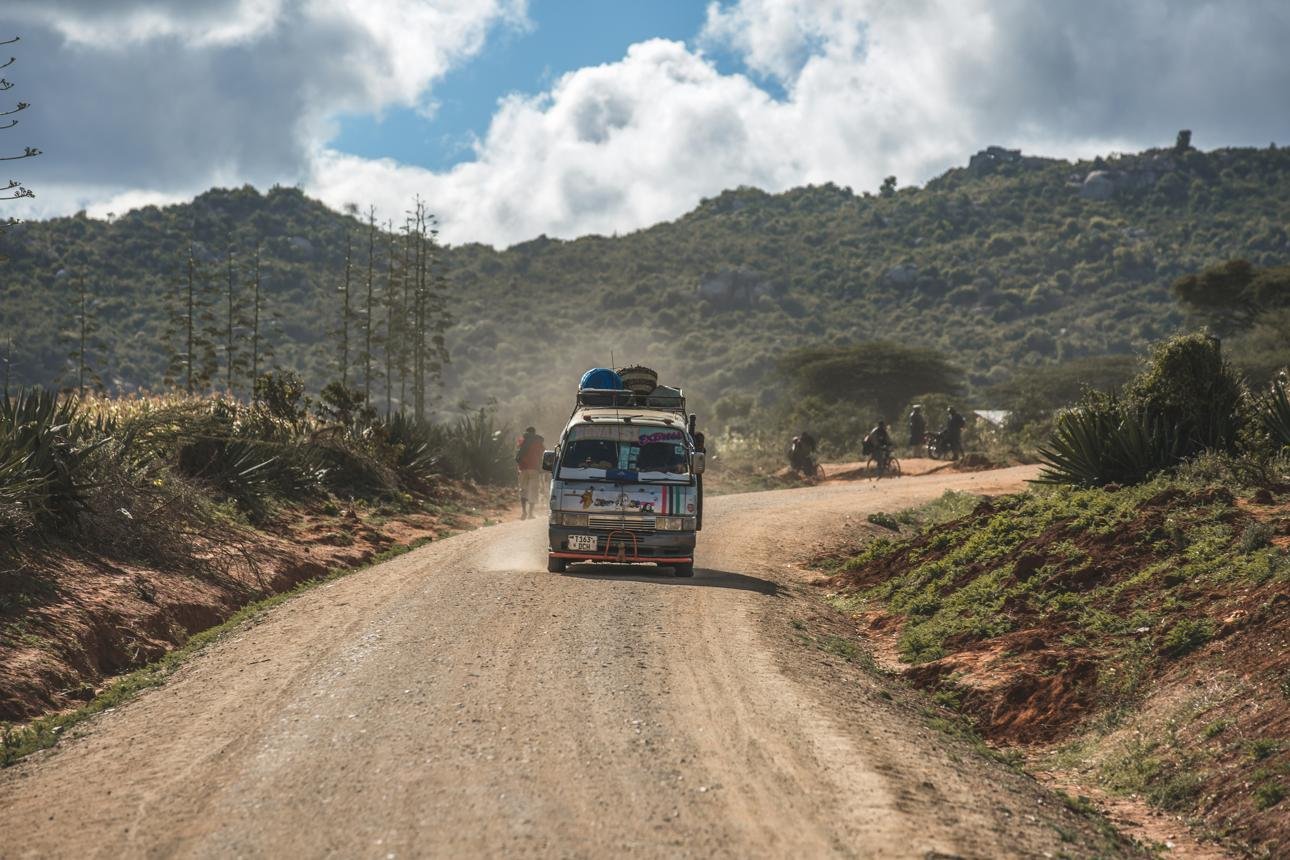
Road transport is the most common mode of transportation in Tanzania, with the majority of the population relying on buses, minibusses, and private cars for their daily commute. The road network in Tanzania consists of both paved and unpaved roads, with major highways connecting major cities and towns.
Despite ongoing efforts to improve road infrastructure, including the construction of new roads and bridges, many areas in Tanzania still face challenges such as poor road conditions and limited access to transportation services. This can pose a significant barrier to economic growth and development in these regions.
**Rail Transport in Tanzania**
Rail transport also plays a crucial role in Tanzania, with the Tanzania Railways Corporation operating passenger and freight services across the country. The Central Line, which runs from Dar es Salaam to central Tanzania, is one of the main railway lines in the country, connecting major cities like Dodoma and Tabora.
While rail transport has the potential to enhance connectivity and facilitate trade, the sector has faced challenges such as aging infrastructure and limited investment in recent years. Efforts are being made to modernize the rail network and improve operational efficiency to support economic growth in Tanzania.
**Air Transport in Tanzania**
Air transport is vital for connecting Tanzania to the rest of the world, with several international airports serving major cities like Dar es Salaam, Kilimanjaro, and Zanzibar. Julius Nyerere International Airport in Dar es Salaam is the largest and busiest airport in the country, handling a significant portion of both domestic and international flights.
The aviation sector in Tanzania has seen growth in recent years, with airlines expanding their route networks and investing in modern aircraft to improve passenger comfort and safety. However, challenges such as high operating costs and limited infrastructure continue to hinder the development of the aviation industry in Tanzania.
**Water Transport in Tanzania**
Water transport plays a crucial role in connecting coastal and island regions in Tanzania, with ports and harbors facilitating maritime trade and transportation. The Port of Dar es Salaam is the main gateway for imports and exports in Tanzania, handling a large volume of cargo traffic on a daily basis.
Efforts are underway to expand and modernize port facilities in Tanzania to accommodate larger vessels and enhance operational efficiency. Improved water transport infrastructure can help boost trade and economic development in the country, supporting the growth of various industries.
In conclusion, the transport sector in Tanzania plays a vital role in supporting economic activities and facilitating the movement of people and goods. With ongoing investments in infrastructure and regulatory reforms, Tanzania is poised to further enhance its transport network and unlock potential for sustainable growth and development.
1. What are the main modes of transportation in Tanzania?
The main modes of transportation in Tanzania are buses, minibuses (locally known as dalla-dalla), taxis, motorcycles (bodaboda), and ferries for water transportation.
2. Is public transportation reliable in Tanzania?
Public transportation in Tanzania can vary in reliability depending on the location and the mode of transportation. Buses and minibuses are commonly used and relatively reliable for getting around major cities and towns.
3. How much does public transportation cost in Tanzania?
The cost of public transportation in Tanzania varies based on the distance traveled and the mode of transportation. On average, a bus or minibus ride within a city can cost between 200-500 Tanzanian shillings.
4. Are there any safety concerns with public transportation in Tanzania?
While public transportation in Tanzania is generally safe, travelers should be cautious of pickpocketing and scams. It is recommended to keep personal belongings secure and to use reputable transportation companies.
5. Can I rent a car in Tanzania as a tourist?
Yes, tourists can rent cars in Tanzania from reputable rental agencies. It is important to have a valid driver’s license and to familiarize yourself with local driving laws and road conditions.
6. Are there any domestic airlines in Tanzania?
Yes, there are several domestic airlines in Tanzania that operate flights between major cities and tourist destinations. Some popular airlines include Precision Air, Fastjet, and Air Tanzania.
7. How do I travel between cities in Tanzania?
Traveling between cities in Tanzania can be done by bus, minibus, taxi, or domestic flights. Buses are the most common and affordable option for long-distance travel.
8. Are there any special transport options for safari tours in Tanzania?
Yes, there are specialized safari tour operators in Tanzania that provide transport options such as 4×4 safari vehicles, buses, and small planes for accessing remote safari destinations.
9. Can I use ride-sharing apps like Uber in Tanzania?
While Uber is not available in Tanzania, there are local ride-sharing apps such as Bolt and InDriver that operate in major cities like Dar es Salaam and Arusha.
10. What should I consider when using public transportation in Tanzania?
When using public transportation in Tanzania, it is advisable to plan your journey in advance, carry small denominations of cash for fares, and to be cautious of unofficial or unmarked vehicles posing as taxis.
Conclusion
Transport in Tanzania plays a crucial role in the country’s economic development and social integration. The diverse modes of transportation, including road, rail, water, and air, have connected various regions and facilitated movement of goods and people. However, there are still challenges such as inadequate infrastructure, poor road conditions, and lack of efficient public transportation systems that need to be addressed to improve the overall transport network in Tanzania.
Investments in infrastructure development, particularly in road construction and maintenance, are essential to enhance connectivity and facilitate trade within the country. Moreover, the government should focus on promoting sustainable transport solutions, such as establishing reliable public transportation systems and encouraging the use of clean energy vehicles. By addressing these challenges and implementing sustainable transport solutions, Tanzania can pave the way for a more efficient and environmentally friendly transportation system that will boost economic growth and improve the quality of life for its citizens.
A comprehensive overview for planning an overland journey can be found in Overlanding Tanzania.