In the Philippines, transportation plays a crucial role in connecting the country’s numerous islands and diverse communities. With over 7,000 islands making up the Philippines, an efficient and reliable transportation system is essential for both economic development and social connectivity.
The history of transportation in the Philippines dates back to the Spanish colonial era, when various modes of transportation such as horse-drawn carriages and boats were used to traverse the islands. Today, the country has a mix of modern and traditional transportation options, including buses, jeepneys, tricycles, ferries, and airplanes. Despite these options, the Philippines still faces challenges such as traffic congestion, inadequate infrastructure, and safety concerns.
One solution that has been implemented to address these challenges is the expansion of mass transit systems in major cities like Manila, Cebu, and Davao. The construction of new rail lines and the improvement of existing public transportation facilities aim to ease traffic congestion and provide a more efficient means of commuting for the growing population.
According to the Asian Development Bank, traffic congestion in Metro Manila costs the Philippine economy an estimated Php 3.5 billion per day in lost productivity and fuel consumption. This staggering statistic highlights the urgent need for improved transportation infrastructure and sustainable solutions to alleviate traffic congestion and promote economic growth in the country.
Efforts to enhance transportation in the Philippines continue to be a priority for the government and various stakeholders. By investing in modernizing infrastructure, promoting sustainable transportation options, and implementing effective urban planning strategies, the Philippines aims to improve connectivity, accessibility, and overall quality of life for its citizens.

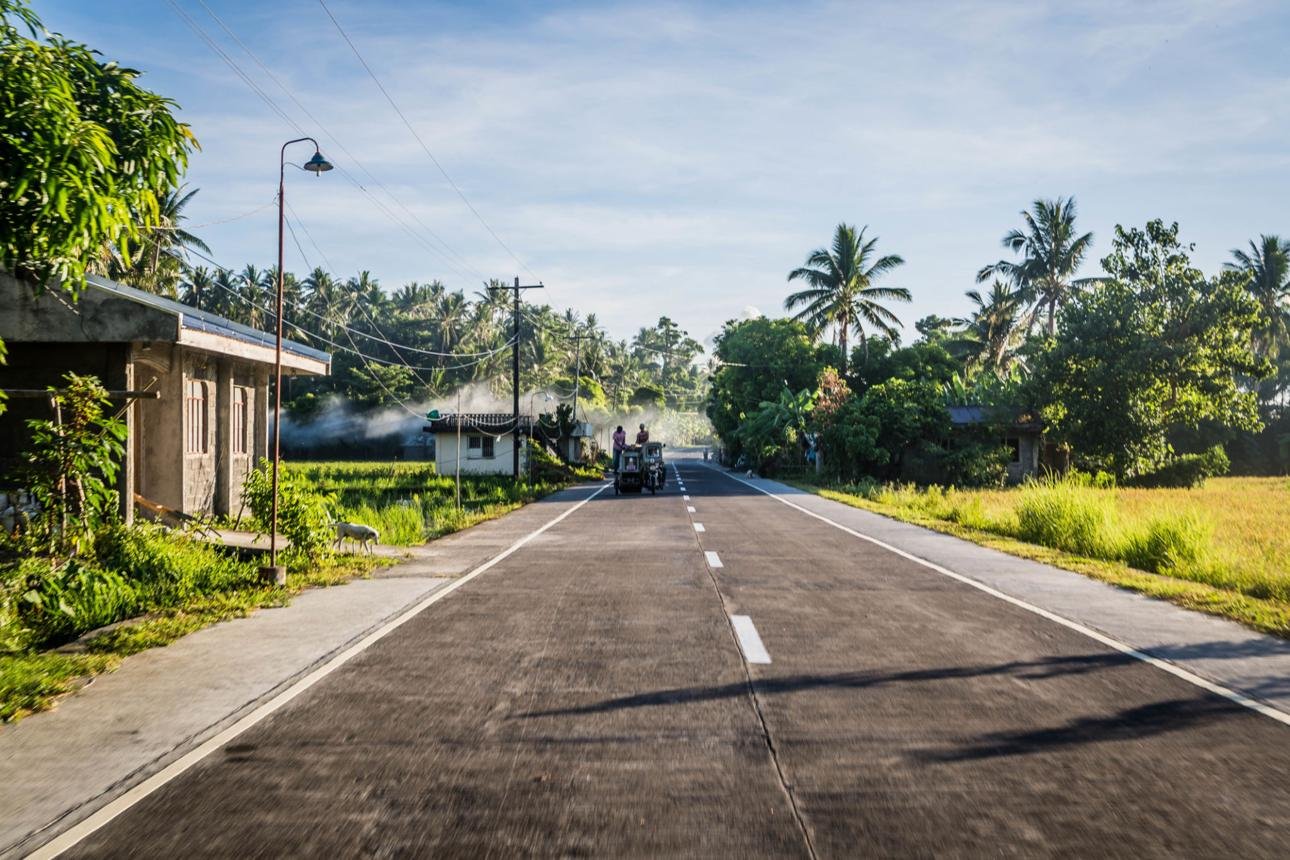

What is the primary mode of transport in the Philippines?
Transport in the Philippines primarily consists of various modes such as jeepneys, tricycles, buses, taxis, and ferries. These forms of transportation play a crucial role in providing mobility for the country’s population, especially in urban areas where traffic congestion is a common issue. To learn more about the different modes of transport in the Philippines and their significance, continue reading below.
Overview of Transport in Philippines
Transport in Philippines is characterized by a variety of modes including land, water, and air transport. The transportation system plays a vital role in connecting the different regions of the country and facilitating the movement of people and goods.
Land Transport
Land transport is the most common mode of transportation in the Philippines. The road network is extensive, with major highways connecting major cities and towns. Public transportation options include buses, jeepneys, tricycles, and taxis. Traffic congestion is a common issue in urban areas, especially in Metro Manila.
Water Transport
Given that the Philippines is an archipelago, water transport is crucial for connecting the different islands. Ferries and boats are commonly used for inter-island travel. The country also has several major ports that handle cargo and passenger ships.
Air Transport
Air transport is important for domestic and international travel in the Philippines. The country has several international airports, with Ninoy Aquino International Airport in Manila being the busiest. Domestic airlines provide flights to various destinations within the country.
Challenges and Improvements
- One of the main challenges in transport in the Philippines is inadequate infrastructure, especially in terms of roads and public transportation.
- Traffic congestion is a significant issue, particularly in Metro Manila, leading to long travel times and increased air pollution.
- The government has been working on infrastructure projects to improve transportation in the country, including the Build, Build, Build program aimed at constructing new roads, bridges, and railways.
Despite these efforts, more work is needed to address the transport needs of the growing population and improve the overall efficiency of the transportation system in the Philippines.
According to recent statistics, the Philippines has a road network of over 200,000 kilometers, serving the transportation needs of its population.
Is it safe to use public transportation in the Philippines?
Yes, public transportation in the Philippines is generally safe to use. However, it is important to exercise caution, especially in crowded areas, and keep an eye on your belongings at all times.
What are the most common modes of public transportation in the Philippines?
The most common modes of public transportation in the Philippines are jeepneys, buses, tricycles, taxis, and trains.
Do I need to negotiate the fare with taxi and tricycle drivers in the Philippines?
Yes, it is common practice to negotiate the fare with taxi and tricycle drivers in the Philippines before starting your journey.
Are there any special considerations for using public transportation in the Philippines?
When using public transportation in the Philippines, it is important to be prepared for traffic congestion, especially in major cities like Manila. It is also recommended to carry small bills or coins for fare payment, as drivers may not always have change.
Are there any safety tips for using public transportation in the Philippines?
Some safety tips for using public transportation in the Philippines include keeping your belongings secure, avoiding traveling alone at night, and being aware of your surroundings at all times.
Are there any alternatives to public transportation in the Philippines?
Yes, there are alternatives to public transportation in the Philippines, such as ride-hailing services like Grab, renting a car, or booking a private driver for longer journeys.
Can I use public transportation to travel between islands in the Philippines?
Yes, there are ferries and boats available for traveling between islands in the Philippines. It is recommended to check schedules and book tickets in advance, especially during peak travel seasons.
Are there any discounts available for public transportation in the Philippines?
Some public transportation providers in the Philippines offer discounts for students, senior citizens, and persons with disabilities. It is recommended to inquire about these discounts before purchasing your ticket.
What is the best way to navigate public transportation in the Philippines as a tourist?
As a tourist in the Philippines, it is best to ask locals for advice on which mode of transportation to use and how to navigate the routes. You can also use maps and travel apps to help you plan your journey.
What should I do if I encounter any issues with public transportation in the Philippines?
If you encounter any issues with public transportation in the Philippines, such as lost items or overcharging, it is recommended to report the incident to the authorities or the transportation company. Keeping a record of the incident can also help in resolving the issue.
Conclusion
Overall, the transportation system in the Philippines poses a significant challenge due to issues such as traffic congestion, lack of proper infrastructure, and inefficient public transportation services. The reliance on private vehicles has exacerbated the problem, leading to more congestion and pollution in major cities like Manila. However, the government has been making efforts to address these issues through initiatives such as the Build, Build, Build program aimed at improving infrastructure and the development of more sustainable transportation options.
Despite the challenges, there are also opportunities for improvement in the transport sector through the use of technology and innovation. For example, ride-sharing services like Grab have helped alleviate some of the burdens of public transportation and provide more efficient ways for people to get around. Additionally, the increasing popularity of electric vehicles and initiatives to promote walking and cycling as alternative modes of transport are steps in the right direction towards creating a more sustainable transportation system in the Philippines. By addressing these challenges and embracing new solutions, the Philippines can create a more efficient and environmentally friendly transportation system for its citizens.