Atlantic Coast, Waterfalls, Desert Landscapes & Southern Africa’s Hidden Gem
People on a boat while we were watching them at the river
Angola Travel Guide
Angola is one of Africa’s most underrated travel destinations. Covering more than 1.2 million square kilometers, it is one of the continent’s largest countries and offers an astonishing variety of landscapes, from dramatic Atlantic coastlines and towering waterfalls to tropical rainforests, vast savannahs, rugged mountains, and the remote Namib Desert. After decades of limited tourism, Angola is gradually emerging as an exciting destination for adventurous travelers seeking spectacular scenery and authentic experiences far from the usual tourist trail.
Located on the southwest coast of Africa, Angola borders Namibia, Zambia, the Democratic Republic of the Congo, and the Republic of the Congo, while the Atlantic Ocean stretches along more than 1,600 kilometers (1,000 miles) of coastline. The country’s geographical diversity makes it one of Southern Africa’s most rewarding destinations for road trips, wildlife enthusiasts, photographers, and overlanders.
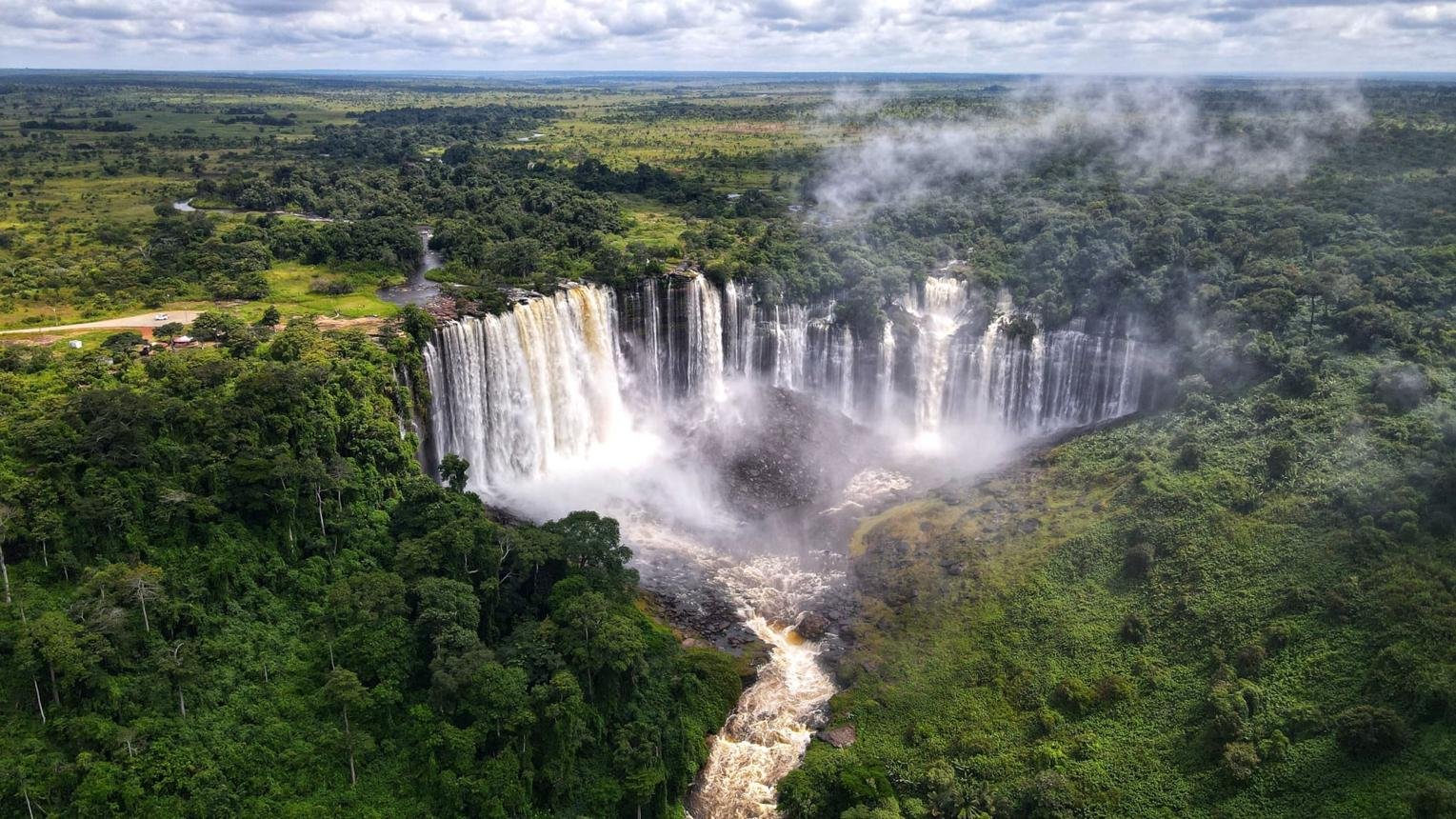
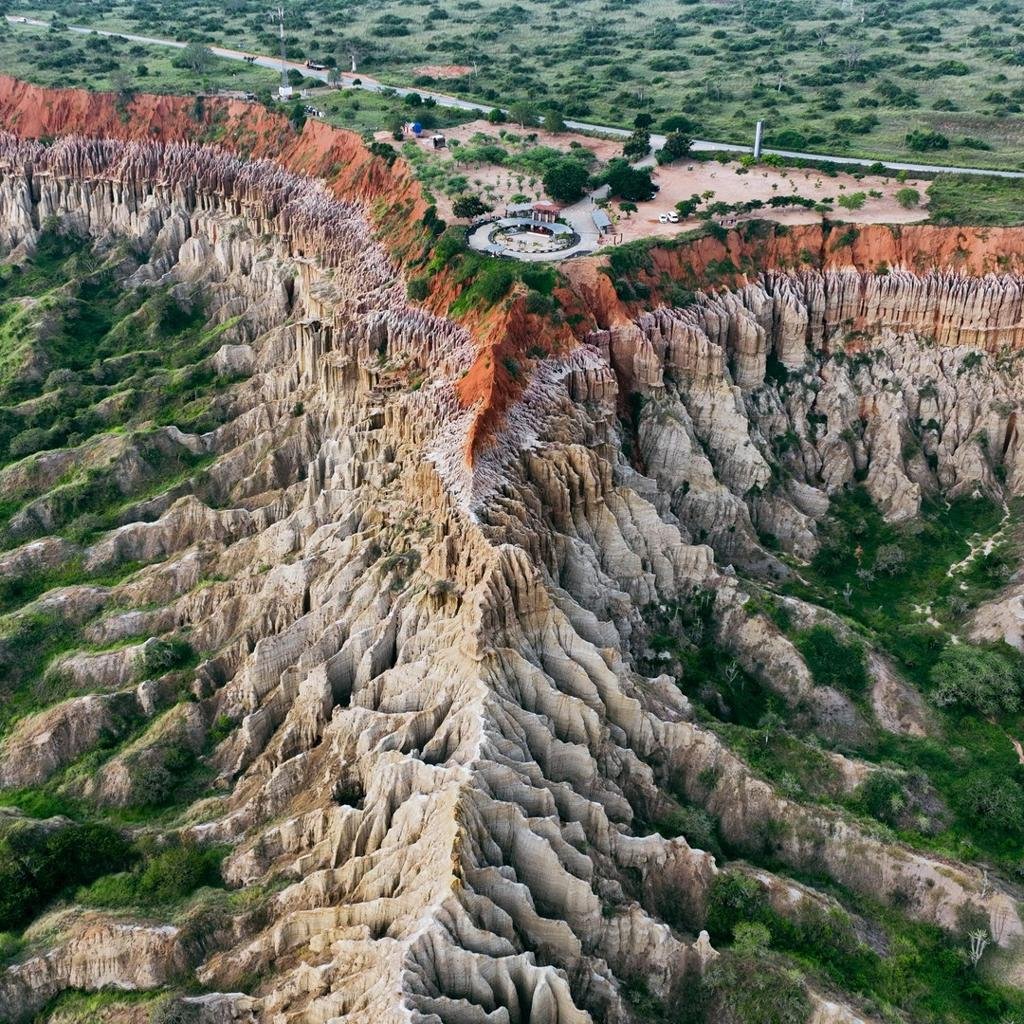
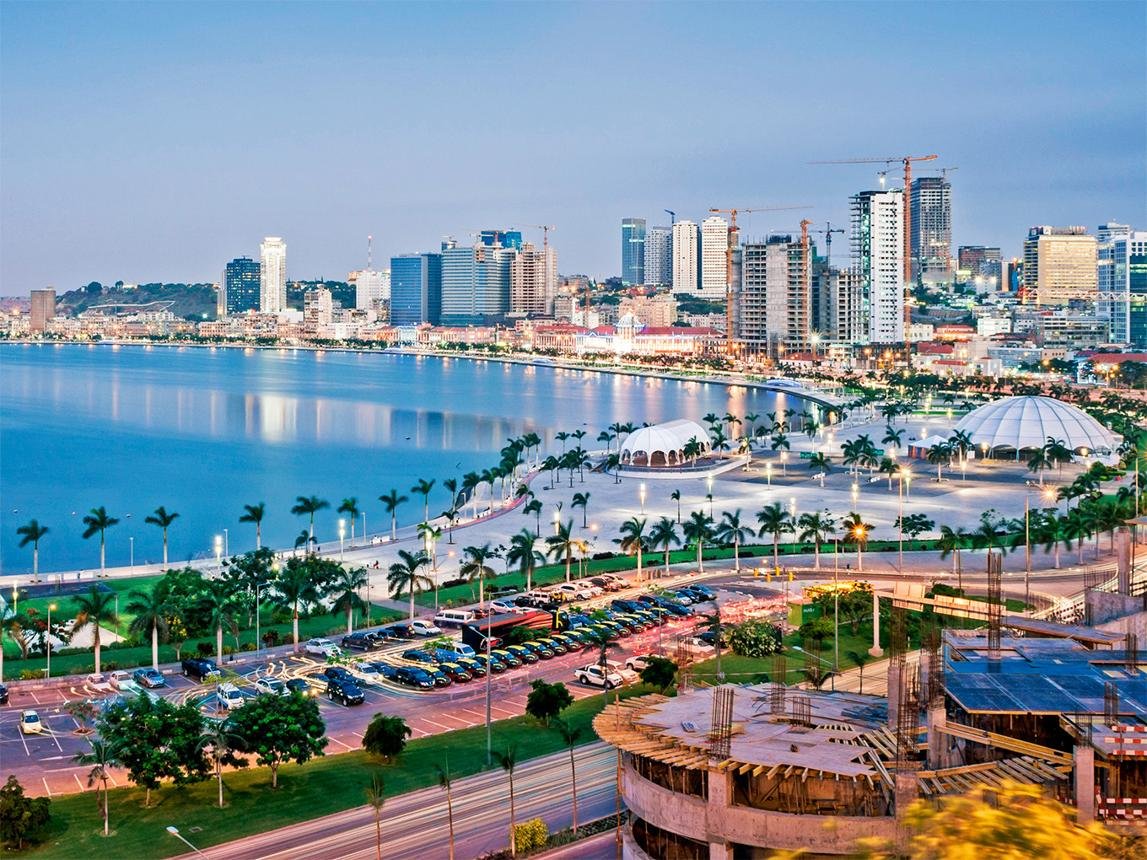
The capital, Luanda, is one of Africa’s largest cities and combines Portuguese colonial heritage with a modern skyline overlooking Luanda Bay. Inland, visitors discover the magnificent Kalandula Falls, the surreal rock formations of Miradouro da Lua, the lush forests of Kissama National Park, the cool highlands around Huambo, and the striking landscapes of Iona National Park near the Namibian border.
Angola’s history reflects centuries of Portuguese influence blended with rich African traditions. More than forty ethnic groups contribute to a vibrant cultural landscape expressed through music, dance, cuisine, and traditional crafts. Portuguese remains the official language, making Angola distinct from many neighboring countries.
For overlanders, Angola has become one of Southern Africa’s most sought-after destinations. Improved road infrastructure, spectacular scenery, and connections with Namibia, Zambia, and the Democratic Republic of the Congo make it an increasingly popular addition to regional expeditions. Backpackers appreciate its uncrowded attractions and growing tourism infrastructure, while RV travelers enjoy excellent opportunities for scenic self-drive journeys.
This guide introduces Angola’s highlights while serving as the cornerstone travel hub for future in-depth articles covering overlanding, backpacking, camping, driving, visas, border crossings, national parks, and destination-specific travel planning.
Quick Facts
| Item | Information |
|---|---|
| Capital | Luanda |
| Currency | Angolan Kwanza (AOA) |
| Official Language | Portuguese |
| Population | Approximately 39 million |
| Time Zone | UTC+1 |
| Driving | Right-hand side |
| Country Code | +244 |
Why Visit Angola?
Angola offers an extraordinary combination of dramatic landscapes, rich cultural heritage, and adventurous road trips.
Reasons to visit include:
- Kalandula Falls
- Iona National Park
- Atlantic coastline
- Miradouro da Lua
- Kissama National Park
- Tundavala Gap
- Namib Desert
- Colonial architecture
- Scenic mountain roads
- Remote beaches
- Portuguese-African culture
- Exceptional overlanding
With relatively few international visitors compared with neighboring Namibia or Botswana, Angola rewards travelers seeking authentic experiences and uncrowded destinations.
Best Places to Visit
7
Luanda
Angola’s capital is the country’s economic and cultural center.
Highlights include:
- Luanda Bay
- Fortaleza de São Miguel
- Ilha do Cabo Peninsula
- Museums
- Markets
- Portuguese colonial architecture
The city provides an excellent introduction to Angola’s history and culture.
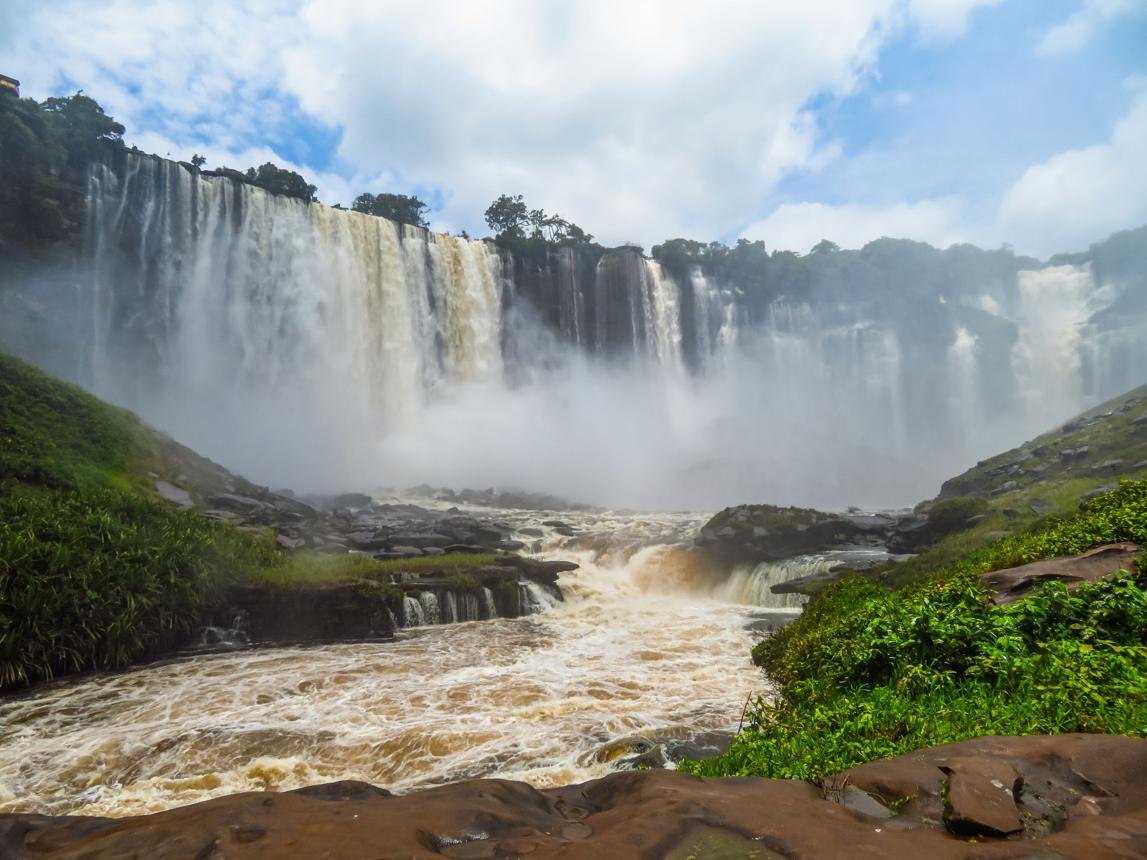
Kalandula Falls
Among Africa’s largest waterfalls, Kalandula Falls plunges approximately 100 meters into a broad gorge.
Visitors enjoy:
- Spectacular viewpoints
- Hiking
- Photography
- River scenery
The falls are particularly impressive during and shortly after the rainy season.
Iona National Park
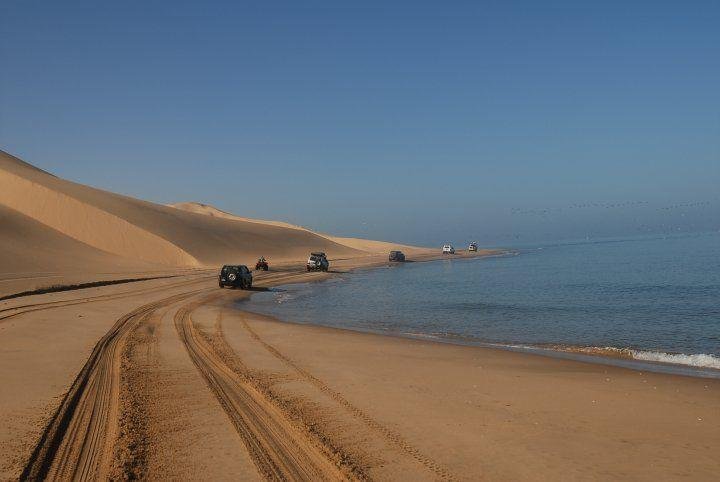
Located near the Namibian border, Iona National Park protects one of Africa’s oldest desert ecosystems.
Highlights include:
- Desert landscapes
- Sand dunes
- Rocky mountains
- Welwitschia plants
- Wildlife
- Outstanding overlanding routes
Miradouro da Lua
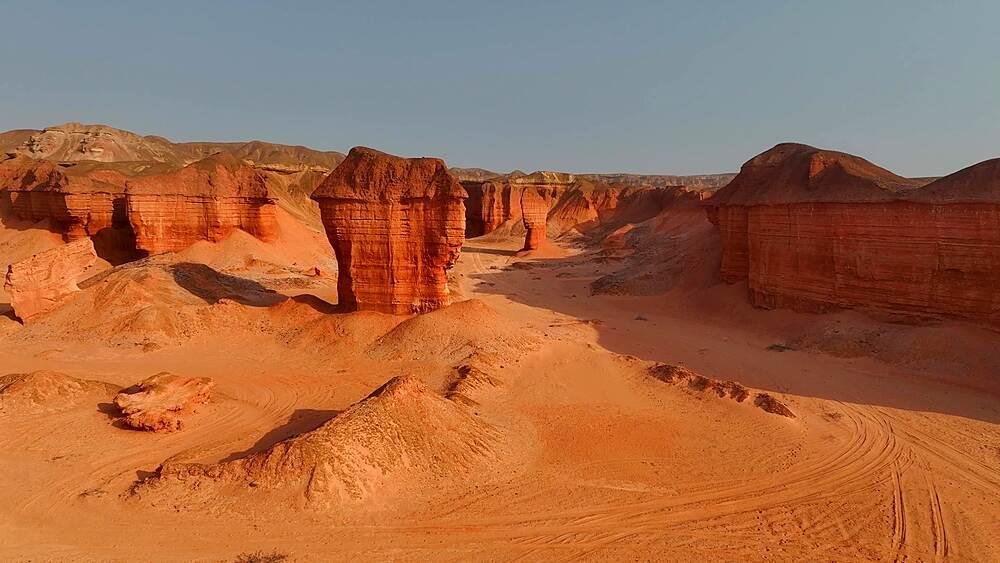
Known as the “Moon Viewpoint,” this remarkable landscape features colorful eroded cliffs sculpted by wind and rain.
It is one of Angola’s most photographed natural attractions.
Kissama National Park
Situated south of Luanda, Kissama offers opportunities to see:
- Elephants
- Giraffes
- Antelope
- Birdlife
- Savannah landscapes
The park has benefited from wildlife reintroduction projects over recent decades.
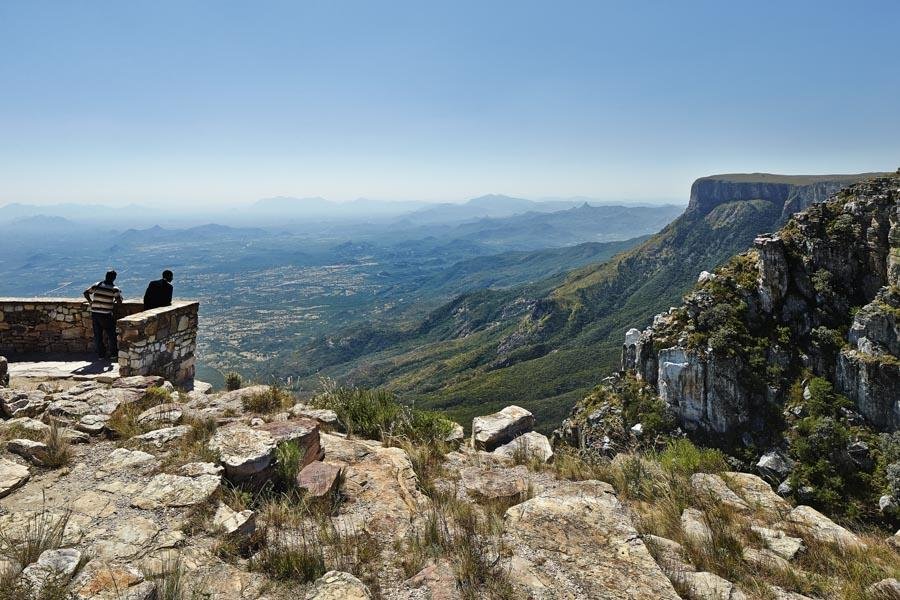
Tundavala Gap
Near Lubango, this dramatic escarpment offers breathtaking views across the surrounding plains.
Popular activities include:
- Hiking
- Photography
- Scenic drives
Lubango
Located in Angola’s highlands, Lubango enjoys a cooler climate and serves as a gateway to nearby natural attractions.
Benguela
This historic coastal city is known for:
- Beaches
- Colonial architecture
- Seafood
- Atlantic sunsets
Best Time to Visit
Angola’s climate varies considerably by region and altitude.
| Season | Conditions |
|---|---|
| May – September | Dry season, ideal for road trips |
| October – November | Warm, before the rainy season |
| December – April | Rainy season in many inland regions |
| Coastal areas | Cooler due to the Benguela Current |
The dry season generally provides the best conditions for overlanding, wildlife viewing, and hiking.
Regions of Angola
Luanda & Central Coast
Home to:
- Luanda
- Miradouro da Lua
- Atlantic beaches
Northern Angola
Known for:
- Kalandula Falls
- Rainforests
- Historic settlements
Central Highlands
Features:
- Huambo
- Lubango
- Scenic mountains
- Coffee-growing regions
Southern Angola
Offers:
- Iona National Park
- Namib Desert
- Tundavala Gap
Atlantic Coast
Known for:
- Benguela
- Lobito
- Fishing villages
- Beaches
Suggested Road Trips & Itineraries
One-Week Angola Highlights
Explore:
- Luanda
- Kalandula Falls
- Miradouro da Lua
Ideal for first-time visitors.
Two-Week Southern Explorer
Continue to:
- Lubango
- Tundavala Gap
- Iona National Park
One of Angola’s finest road trips.
Three-Week Grand Angola Journey
Visit:
- Atlantic coast
- Highlands
- Waterfalls
- Desert
Four-Week Angola Overland Expedition
Combine:
- National parks
- Coastal towns
- Namib Desert
- Highlands
- Border crossings
Perfect for self-drive travelers and overlanders.
Overlanding in Angola
6
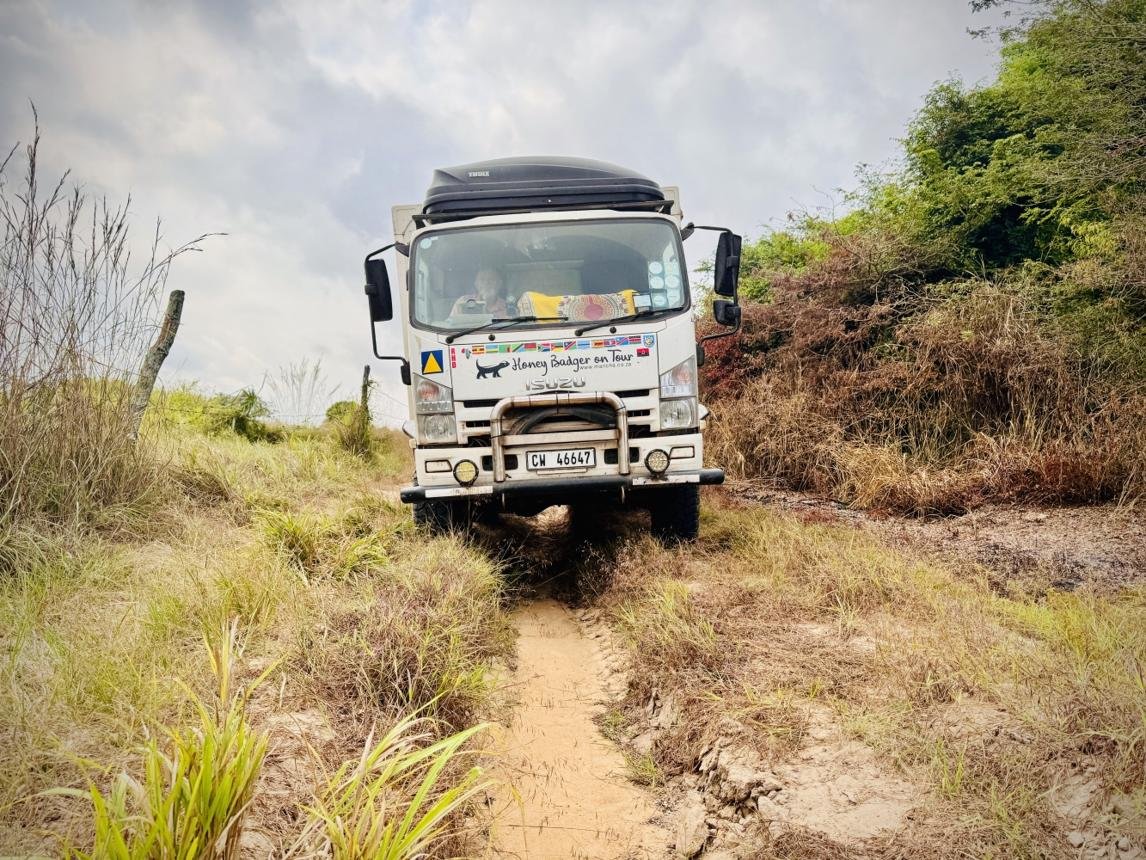
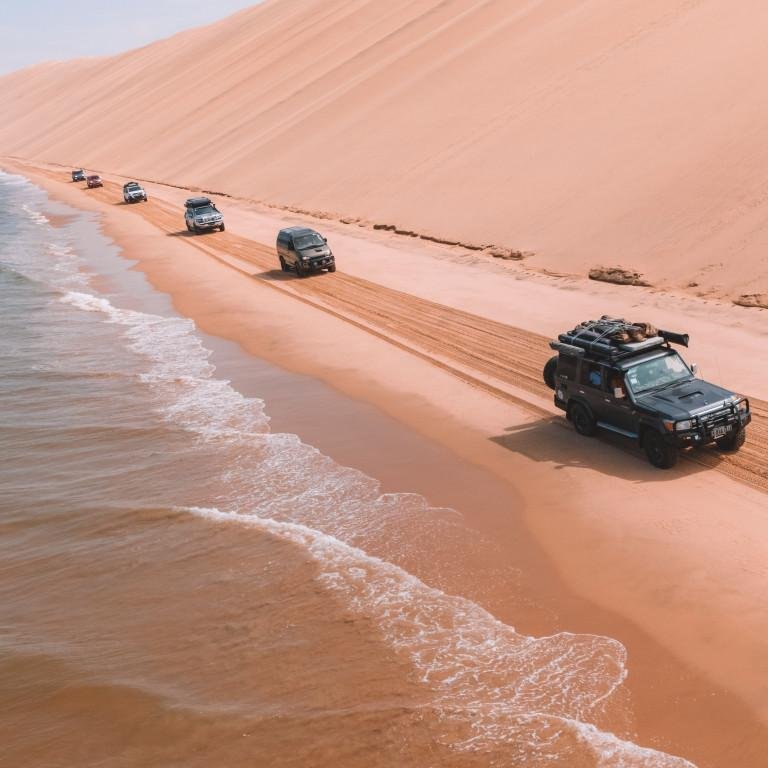
Angola has rapidly become one of Southern Africa’s most exciting overlanding destinations.
Why Overlanders Visit
Highlights include:
- Excellent scenery
- Atlantic coastline
- Desert landscapes
- Mountain roads
- Remote campsites
- Portuguese heritage
- Cross-border routes
Its diversity rivals many better-known destinations while remaining comparatively uncrowded.
Popular Overland Routes
Namibia – Iona – Lubango
The classic southern Angola expedition.
Luanda – Kalandula Falls
A rewarding journey into northern Angola.
Benguela – Lobito – Coast
Combines beaches, colonial towns, and scenic coastal drives.
Angola – Zambia
Popular with travelers continuing deeper into Central and Southern Africa.
Road Conditions
Travelers encounter:
- Modern highways
- Gravel roads
- Desert tracks
- Mountain passes
- Seasonal flooding in rural areas
Four-wheel drive is recommended for remote parks and desert routes.
Vehicle Preparation
Carry:
- Spare tires
- Recovery gear
- Extra fuel
- Water supplies
- Offline maps
- Camping equipment
Remote regions require careful logistical planning.
Continue Planning
Future supporting pages:
- Overlanding Angola
- Namibia to Angola Route
- Angola Border Crossings
- Iona National Park Self-Drive Guide
Backpacking in Angola
Angola remains a relatively undiscovered backpacking destination.
Accommodation
Travelers can choose from:
- Budget hotels
- Guesthouses
- Boutique hotels
- Eco-lodges
- Beach accommodation
Hostels remain less common than in neighboring countries.
Transportation
Popular options include:
- Long-distance buses
- Shared taxis
- Domestic flights
- Rental vehicles
Travel times can be long because of Angola’s size.
Backpacking Highlights
Popular experiences include:
- Waterfalls
- Desert landscapes
- Colonial towns
- Beaches
- Hiking
- Markets
Continue Planning
Future cluster pages:
- Backpacking Angola
- Budget Travel Angola
- Luanda Backpacking Guide
- Benguela Travel Guide
Camping
Camping is one of the best ways to experience Angola’s remote landscapes.
National Parks
Camping opportunities exist in:
- Iona National Park
- Kissama National Park
- Selected conservation areas
Facilities vary from basic campsites to organized lodges.
Coastal Camping
Several Atlantic beaches offer scenic camping opportunities where permitted.
Wild Camping
Wild camping is possible in some remote regions but should only be undertaken after confirming land access, local regulations, and current conditions.
Camping Equipment
Bring:
- Tent
- Sleeping bag
- Cooking equipment
- Water purification system
- Sun protection
Continue Planning
Future guides:
- Camping in Angola
- Best Campsites in Angola
- Desert Camping Guide
RV & Motorhome Travel
Angola is increasingly popular among expedition-style camper travelers.
Suggested RV Routes
Southern Desert Circuit
Namibia → Iona → Lubango
Central Highlands
Lubango → Huambo → Kalandula
Atlantic Explorer
Luanda → Benguela → Lobito
Practical Considerations
Motorhome travelers benefit from:
- Improving highways
- Scenic routes
- Fuel availability in larger towns
- Expanding tourism infrastructure
Remote regions require extra fuel, water, and recovery equipment.
Continue Planning
Supporting guides:
- Motorhome Travel in Angola
- RV Routes in Southern Africa
- Campervan Guide Angola
Driving in Angola
Driving offers the greatest flexibility for exploring Angola.
Main Roads
Modern highways connect:
- Luanda
- Benguela
- Lubango
- Huambo
- Major regional towns
Secondary roads may be gravel or seasonally affected by rain.
Driving Challenges
Expect:
- Long distances
- Livestock
- Potholes on secondary roads
- Mountain passes
- Seasonal flooding
- Limited services in remote areas
Driving after dark is generally discouraged outside urban centers.
Border Crossings
Angola shares land borders with:
- Namibia
- Zambia
- Democratic Republic of the Congo
- Republic of the Congo (via the exclave of Cabinda)
Several international border crossings make Angola an increasingly popular destination for regional overland travel. Before departure, confirm visa requirements, vehicle import procedures, insurance requirements, and the operational status of your intended border crossing.
Visa & Entry Requirements
Angola has simplified entry procedures for many nationalities in recent years, but visa requirements still depend on citizenship.
Travelers should prepare:
- Passport valid for at least six months
- Visa or visa exemption documentation, if applicable
- Proof of accommodation
- Return or onward travel
- Evidence of sufficient funds if requested
Always verify current immigration requirements before departure.
Budget & Costs
Estimated daily travel expenses:
| Travel Style | Daily Budget |
|---|---|
| Budget traveler | US$40–80 |
| Mid-range | US$120–220 |
| Comfortable | US$300+ |
| Overlander (excluding vehicle costs) | US$70–140 |
Accommodation and imported goods can be relatively expensive, while local transport and meals are generally more affordable.
Safety
Angola has become increasingly accessible to international visitors, although conditions vary by region.
Travelers should:
- Monitor official travel advisories
- Take normal precautions against petty crime in cities
- Stay informed about local road conditions
- Avoid unnecessary driving after dark
- Exercise caution in remote areas where services may be limited
Comprehensive travel insurance is recommended, particularly for overlanding, hiking, and adventure activities.
Food & Culture
Angolan cuisine reflects Portuguese, African, and coastal influences.
Popular dishes include:
- Muamba de galinha
- Calulu
- Grilled fish
- Fresh seafood
- Funge
- Cassava
- Tropical fruit
- Portuguese pastries
Music is central to Angolan culture, particularly styles such as semba and kizomba, while colonial architecture, traditional markets, and colorful festivals showcase the country’s rich cultural diversity.
Frequently Asked Questions
Is Angola safe for tourists?
Most tourist areas can be visited with sensible precautions. Travelers should monitor official travel advisories, remain aware of local conditions, and avoid unnecessary driving after dark.
Can you overland through Angola?
Yes. Angola has become one of Southern Africa’s premier overlanding destinations, offering spectacular scenery, improving roads, and excellent connections with Namibia, Zambia, and the Democratic Republic of the Congo.
Is Angola suitable for backpacking?
Yes. While tourism infrastructure is still developing, Angola offers adventurous backpackers rewarding landscapes, unique cultural experiences, and relatively uncrowded attractions.
Can you travel by motorhome?
Absolutely. Angola is increasingly popular among expedition-style RV travelers thanks to its scenic highways, national parks, coastal drives, and remote camping opportunities.
What is Angola famous for?
Angola is renowned for:
- Kalandula Falls
- Iona National Park
- Miradouro da Lua
- Atlantic coastline
- Tundavala Gap
- Kissama National Park
- Portuguese colonial heritage
- Namib Desert landscapes
Continue Planning
This cornerstone guide serves as the central travel hub for Angola. Continue planning your adventure with these detailed resources:
- Overlanding Angola
- Backpacking Angola
- Motorhome & RV Travel in Angola
- Camping in Angola
- Driving in Angola
- Border Crossings in Angola
- Angola Visa Guide
- Luanda Travel Guide
- Kalandula Falls Guide
- Iona National Park Guide
- Miradouro da Lua Guide
- Tundavala Gap Guide
- Kissama National Park Guide
- Benguela Travel Guide
- Namibia to Angola Overland Route
- Southern Africa Overlanding Guide
- Overlanding in Angola
- Getting around in Angola